• support@madhedgefundtrader.com
  • Member Login
Mad Hedge Fund Trader
  • Home
  • About
  • Store
  • Luncheons
  • Testimonials
  • Contact Us
  • Click to open the search input field Click to open the search input field Search
  • Menu Menu
april@madhedgefundtrader.com

Breaking The Mold

Biotech Letter

Did you know that in the 1890s, scientists tried to cure cancer by injecting patients with... bread mold? (Spoiler alert: it didn't work.)

Fast forward to 2024, and Merck just announced something that makes moldy bread look like, well, moldy bread: their new cancer drug achieved a 100% complete response rate in its Phase 3 trial.

That's doctor-speak for "the cancer completely disappeared in every single patient." Not 99%. Not 99.9%. One hundred percent.

The drug in question is zilovertamab vedotin, and it belongs to a fascinating family of medications called antibody-drug conjugates, or ADCs.

These drugs are essentially molecular delivery trucks - the antibody part knows exactly where to go, while the drug part carries the cancer-fighting payload.

It's a bit like having a microscopic postal service that only delivers to cancer cells, except instead of Amazon packages, it's delivering something more lethal.

The story of how Merck got their hands on this drug is equally interesting.

In 2020, they wrote a check for $2.75 billion to acquire a company called VelosBio. To put that number in perspective, that's enough money to fund a small space program, or if you're feeling particularly eccentric, to buy 5.5 million laboratory mice (a purchase that would probably raise some eyebrows at the bank).

The global market for ADCs hit $7.72 billion in 2023, and some analysts predict it could reach $44 billion by 2029. I asked three different economists to explain these projections and got four different answers, but they all agreed on one thing: it's a lot of zeros.

And, as expected, the competition in this field is intense. Pfizer (PFE) bought Seagen for $43 billion. AstraZeneca (AZN) and Daiichi Sankyo (DSNKY) partnered up for Enhertu, while Gilead Sciences (GILD) nabbed Immunomedics and their wonderfully named drug Trodelvy.

Even Johnson & Johnson (JNJ), which most people associate with baby shampoo and that bottle of Band-Aids in their medicine cabinet, jumped into the fray by buying Ambrx Biopharma.

Then there's Mersana Therapeutics, partnered with Merck. They're smaller than the pharmaceutical giants, but in biotech, size isn't everything. (I once visited a lab where groundbreaking cancer research was happening in a space roughly the size of my kitchen.)

What makes Merck's achievement particularly remarkable is its rarity. In the world of cancer research, getting a 100% response rate is about as common as finding a unanimous decision on social media. It represents a fundamental shift in how we treat cancer, moving from traditional chemotherapy to these precisely targeted treatments.

For investors wanting a piece of this molecular magic, here's the thing: success in biotech isn't like picking a winning racehorse (though both can make your palms equally sweaty).

It's about finding companies that have mastered the three-ring circus of innovation, partnerships, and research pipelines. And yes, I've spent enough time in research facilities to know that "pipeline" is just a fancy word for "stuff we hope works but haven't broken yet."

Merck's perfect score suggests they've cracked one particular code, but companies like Seagen (now part of Pfizer), AstraZeneca, and Daiichi Sankyo are all pushing boundaries in their own ways.

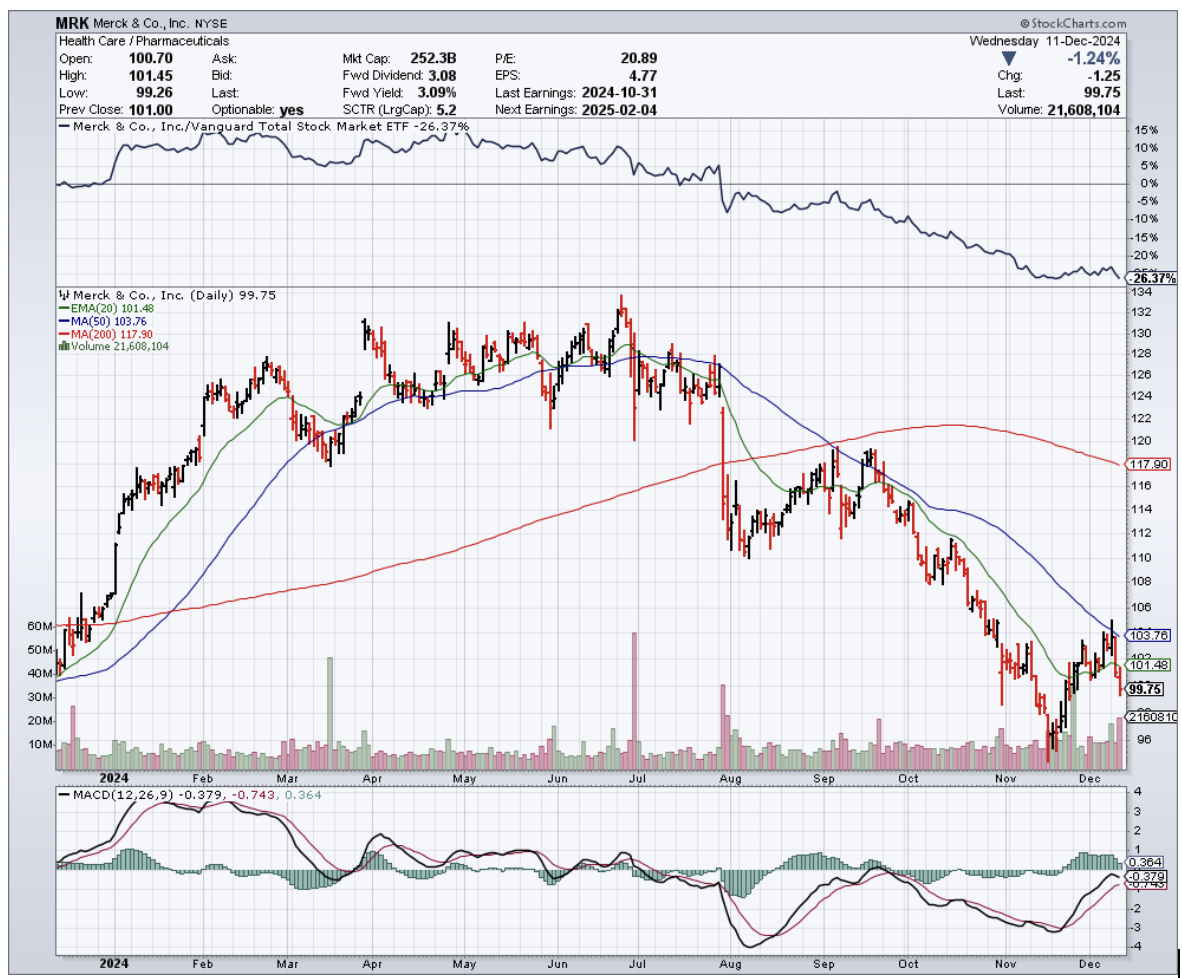
Despite the competition, Merck's recent achievements still look the most promising. The company's breakthrough with zilovertamab vedotin suggests they're not just throwing darts at a laboratory wall - they're onto something big. So when their stock dips, smart money takes notice.

Similarly, Seagen, now under Pfizer's umbrella, looks particularly promising, especially given their established track record in the ADC space and Pfizer's deep pockets. Add them to your watchlist, too.

AstraZeneca and Pfizer, meanwhile, merit a steady "hold" position in your portfolio - like that reliable sourdough starter that keeps producing even if it's not particularly exciting at the moment.

Both companies have proven ADC programs and the resources to weather market volatility, even if they're not currently serving up the kind of headline-grabbing results that Merck just delivered.

Remember those 19th-century scientists with their bread mold? Turns out, they were onto something, even if their execution was a bit... moldy.

And while I wouldn't recommend their treatment methods today (please don't raid your fridge for experimental purposes), their spirit of innovation lives on in every precisely-targeted ADC molecule. After all these years, I guess you could say cancer treatment has finally risen above its moldy beginnings.
 

https://madhedgefundtrader.com/wp-content/uploads/2019/05/cropped-mad-hedge-logo-transparent-192x192_f9578834168ba24df3eb53916a12c882.png 0 0 april@madhedgefundtrader.com https://madhedgefundtrader.com/wp-content/uploads/2019/05/cropped-mad-hedge-logo-transparent-192x192_f9578834168ba24df3eb53916a12c882.png april@madhedgefundtrader.com2024-12-12 12:00:592024-12-12 12:46:11Breaking The Mold
april@madhedgefundtrader.com

December 10, 2024

Biotech Letter

Mad Hedge Biotech and Healthcare Letter
December 10, 2024
Fiat Lux


Featured Trade:

(THE INSURANCE COMPANY ALWAYS RINGS TWICE)

(UNH), (CI), (CVS), (HUM), (AMGN), (BIIB), (GILD)

https://madhedgefundtrader.com/wp-content/uploads/2019/05/cropped-mad-hedge-logo-transparent-192x192_f9578834168ba24df3eb53916a12c882.png 0 0 april@madhedgefundtrader.com https://madhedgefundtrader.com/wp-content/uploads/2019/05/cropped-mad-hedge-logo-transparent-192x192_f9578834168ba24df3eb53916a12c882.png april@madhedgefundtrader.com2024-12-10 12:02:212024-12-10 12:12:13December 10, 2024
april@madhedgefundtrader.com

The Insurance Company Always Rings Twice

Biotech Letter

Got an interesting call yesterday from an old college buddy - let's call him Bob. We go way back to our UCLA days, before I headed to Tokyo and he went into tech.

He was fuming because UnitedHealth (UNH) just denied his family's third claim this year, something about an "experimental treatment" for his daughter's rare condition.

Coming from a guy who just cashed out of his third startup, hearing him rant about insurance bureaucracy was pretty rich.

Still, his situation got me thinking. After hanging up, I dug into what's really happening with insurance stocks, and the picture isn't pretty.

UnitedHealth Group, our nation's biggest health insurer, just had its worst week in years - dropping 9.5% after one of their executives was tragically murdered, which sparked an unexpected spotlight on their claims practices.

Cigna (CI) and CVS Health (CVS) caught the same downdraft, falling 4.5% and 5% respectively.

But here's what really caught my attention: UnitedHealthcare's denial rate for Medicare Advantage claims has more than doubled since 2020, hitting 22.7% last year.

Interestingly, this spike happened right as they rolled out new automation processes. Funny how that works, isn't it?

Experian Health's latest report shows this isn't isolated - 73% of healthcare providers are reporting more denials than ever, with processing times stretching longer and longer.

The cost of this trend? The Council for Affordable Quality Healthcare estimates $31 billion annually in administrative expenses alone.

Meanwhile, biotech companies find themselves in an awkward position. They're developing treatments that cost more than a house in the Hamptons and then need these very same insurers to make them accessible.

Amgen's (AMGN) been crushing it with their human therapeutics portfolio, pulling in $28.2 billion in revenue last year.

Biogen's (BIIB) making serious moves in neurological treatments, though their path has been rockier - just ask anyone who followed the Aduhelm saga.

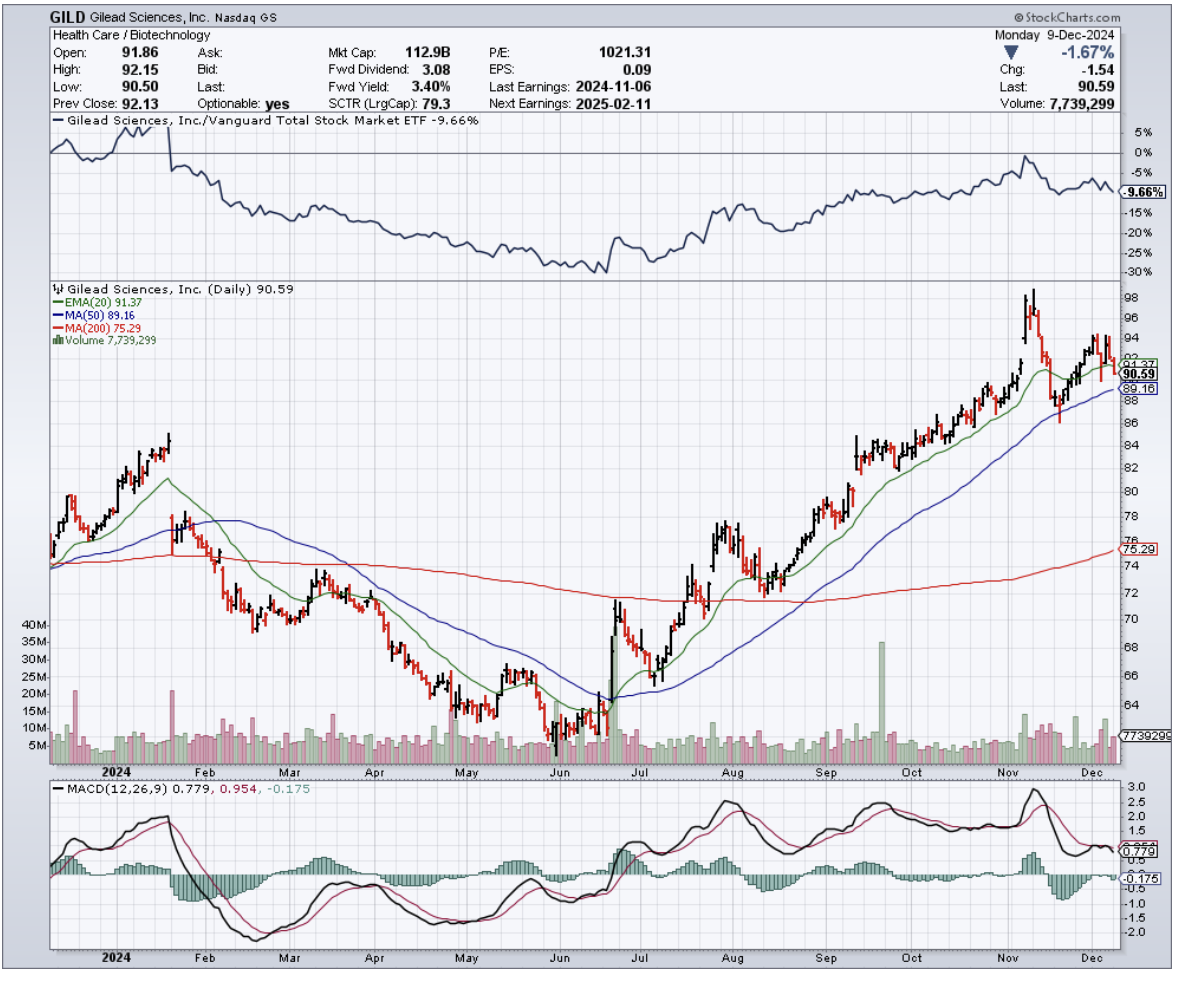
Gilead Sciences (GILD), our antiviral champions, have managed to stay above the fray, partly because their HIV and hepatitis treatments have become standard of care.

But even these giants must wonder:: as insurers tighten their prior authorization screws, what happens to patient access?

These biotechs spend billions developing breakthrough treatments - Amgen alone dropped $4.4 billion on R&D last year - only to face the insurance industry's equivalent of "computer says no."

The irony isn't lost on anyone: insurers need innovative treatments to justify their premiums, while biotech needs insurance coverage to justify their R&D spending.

It's a delicate dance that's worked reasonably well so far, but these rising denial rates have everyone on edge. Just last quarter, we saw several biotech earnings calls dominated by questions about insurance coverage rather than clinical trials.

So what should we do? Well, I say UnitedHealth and Cigna are "holds" right now - the current turbulence needs time to settle.

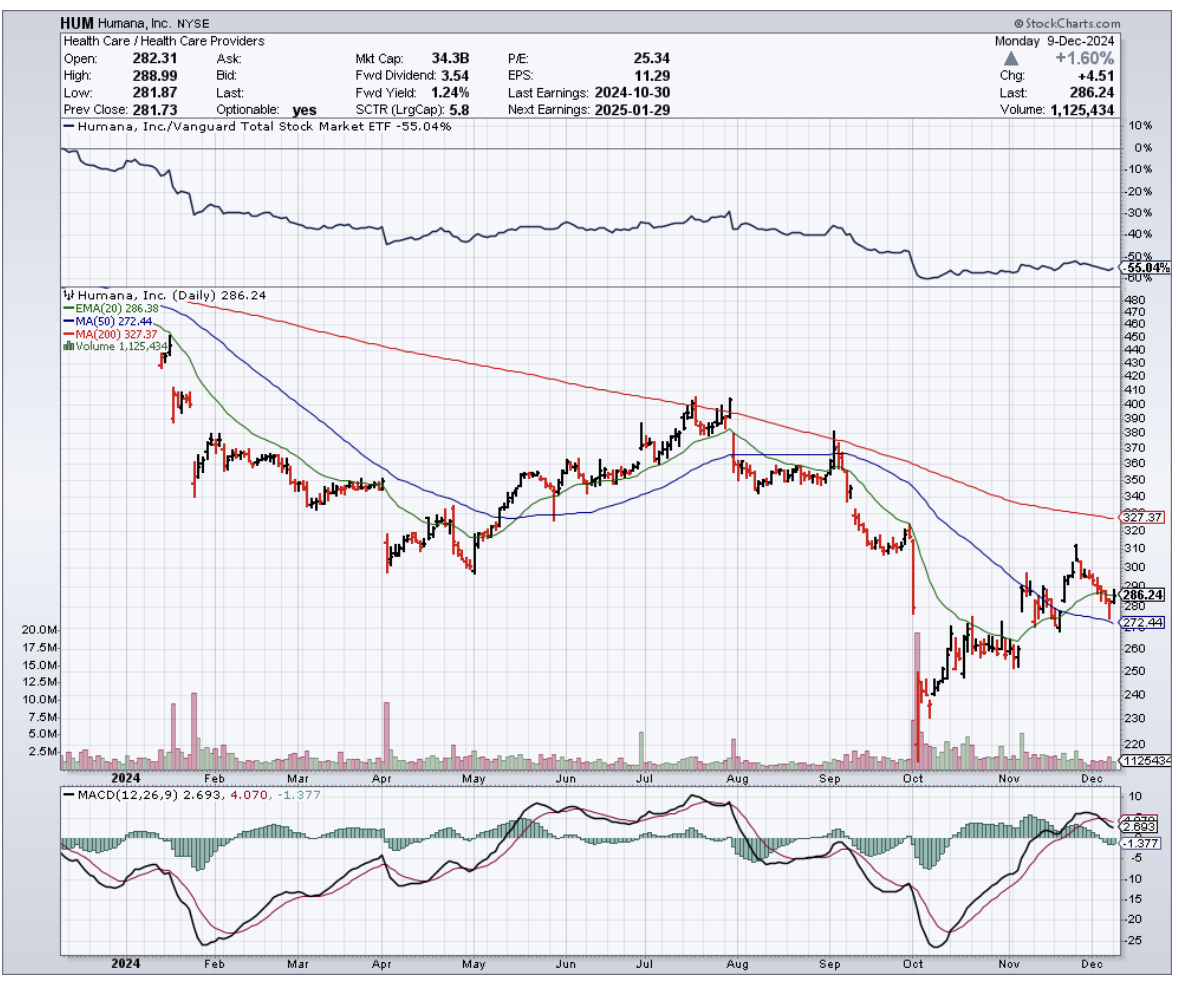
CVS Health is showing broader operational challenges that suggest it might be wise to consider selling. But Humana (HUM), with their strong Medicare Advantage presence, looks promising.

On the biotech side, Gilead looks like an excellent stock to buy on the dip. Its leadership in antivirals and solid pipeline make it compelling.

Amgen and Biogen? Keep them on your watch list while they try to find their footing in this situation.

Bob texted me again this morning - turns out he's filing an appeal with help from one of Silicon Valley's top healthcare attorneys. Typical Bob, bringing a cannon to a knife fight.

But maybe that's exactly what this sector needs right now - some heavy artillery to shake up the status quo.

For those willing to dodge the crossfire, there might just be some spoils of war worth picking up. After all, fortune favors the bold—and sometimes, the heavily armed.


https://madhedgefundtrader.com/wp-content/uploads/2019/05/cropped-mad-hedge-logo-transparent-192x192_f9578834168ba24df3eb53916a12c882.png 0 0 april@madhedgefundtrader.com https://madhedgefundtrader.com/wp-content/uploads/2019/05/cropped-mad-hedge-logo-transparent-192x192_f9578834168ba24df3eb53916a12c882.png april@madhedgefundtrader.com2024-12-10 12:00:422024-12-10 12:11:57The Insurance Company Always Rings Twice
april@madhedgefundtrader.com

December 5, 2024

Biotech Letter

Mad Hedge Biotech and Healthcare Letter
December 5, 2024
Fiat Lux


Featured Trade:

(GRANT EXPECTATIONS)

(TXG), (ILMN), (TMO), (DHR)

https://madhedgefundtrader.com/wp-content/uploads/2019/05/cropped-mad-hedge-logo-transparent-192x192_f9578834168ba24df3eb53916a12c882.png 0 0 april@madhedgefundtrader.com https://madhedgefundtrader.com/wp-content/uploads/2019/05/cropped-mad-hedge-logo-transparent-192x192_f9578834168ba24df3eb53916a12c882.png april@madhedgefundtrader.com2024-12-05 12:02:542024-12-05 13:28:30December 5, 2024
april@madhedgefundtrader.com

Grant Expectations

Biotech Letter

The first time I visited the National Institutes of Health (NIH), I got lost trying to find the bathroom and ended up in a lab where someone was studying glow-in-the-dark zebrafish.

"Wrong door," the researcher said, "but at least you didn't walk in on the fruit fly mating experiments."

Such wrong turns seem oddly fitting now as the NIH, with its $45 billion research budget, navigates its own unexpected direction under new director Dr. Jay Bhattacharya.

This reminds me of a conversation I had with a university tech transfer officer who once described the grant distribution process as "academic musical chairs but with billion-dollar stakes."

Bhattacharya seems determined to change the tune, proposing limits on how many grants individual researchers can hoard like squirrels before winter.

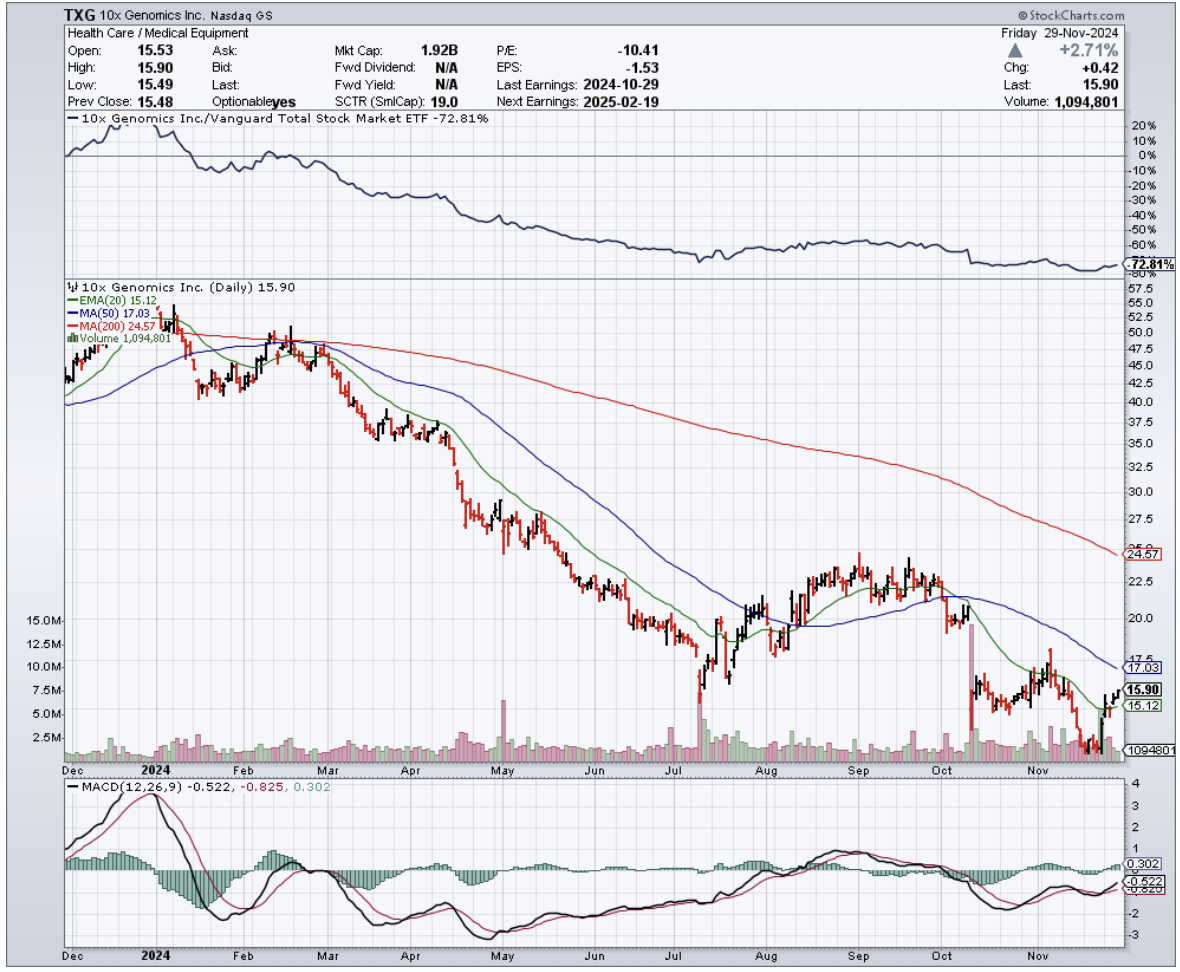
It's a move that has some biotech companies sweating through their lab coats, particularly 10x Genomics (TXG), whose financial statements show a quarter of their revenue sprouting from NIH grants like bacteria in a petri dish.

The last time someone tried to cap grants—back in 2017—the scientific community reacted as if someone had suggested replacing peer review with a Magic 8-Ball.

The proposal was quietly buried in the bureaucratic equivalent of a drawer labeled "Ideas We'd Rather Forget." But like that mysterious experiment growing in the back of the lab fridge, it's back.

Meanwhile, Robert F. Kennedy Jr. has been making noise about trimming the NIH's organizational chart. While Kennedy's influence carries weight, Congress still holds the purse strings, and they've historically treated the NIH like their favorite child at allowance time.

Bhattacharya's critique of the NIH's traditionally cautious approach to funding feels like watching someone suggest skydiving to their risk-averse aunt.

He's pushing for more high-risk, high-reward projects, which could be a windfall for companies playing in cutting-edge sandboxes like CRISPR and AI-driven diagnostics.

Illumina (ILMN) and 10x Genomics are practically salivating at the possibilities, while established institutions might find themselves feeling like that last teenager picked for the dodgeball team.

The global picture adds another layer of intrigue to these changes. While we're debating grant caps and organizational reshuffling, China has been quietly doubling its biotech investments over the past decade, particularly in regenerative medicine and precision oncology.

If NIH reforms stumble, U.S. companies could find themselves playing catch-up. For those who want to take part in the action, this presents an opportunity to diversify.

International markets with increasing government funding for biotech offer new avenues for growth. Global biotech ETFs could also serve as a hedge against domestic uncertainties.

Against this backdrop, diversification becomes key. Consider companies with revenue streams less tethered to NIH funding.

Thermo Fisher Scientific (TMO) and Danaher (DHR), for example, boast a global footprint that cushions them against domestic policy shifts.

After all, the global life sciences tools market, valued at $52 billion today, is projected to grow to $95 billion by 2030, with a Compound Annual Growth Rate (CAGR) of nearly 15.89%.

Emerging frontiers like gene therapy and personalized medicine also deserve attention. These fields aren’t just buzzwords—they’re the future of biotech.

ETFs focused on genomic innovation, like the ARK Genomic Revolution ETF (ARKG), provide exposure to high-growth sectors while spreading risk.

So, what’s the play here? Well, investment opportunities in this space will depend on your appetite for disruption.

10x Genomics presents an intriguing case at $15.90. Yes, up to 25% of its revenue comes from NIH funding, making it vulnerable to policy shifts.

But this same connection positions them perfectly to benefit from Bhattacharya's high-reward research initiative. The upside potential here is massive for those willing to weather some volatility.

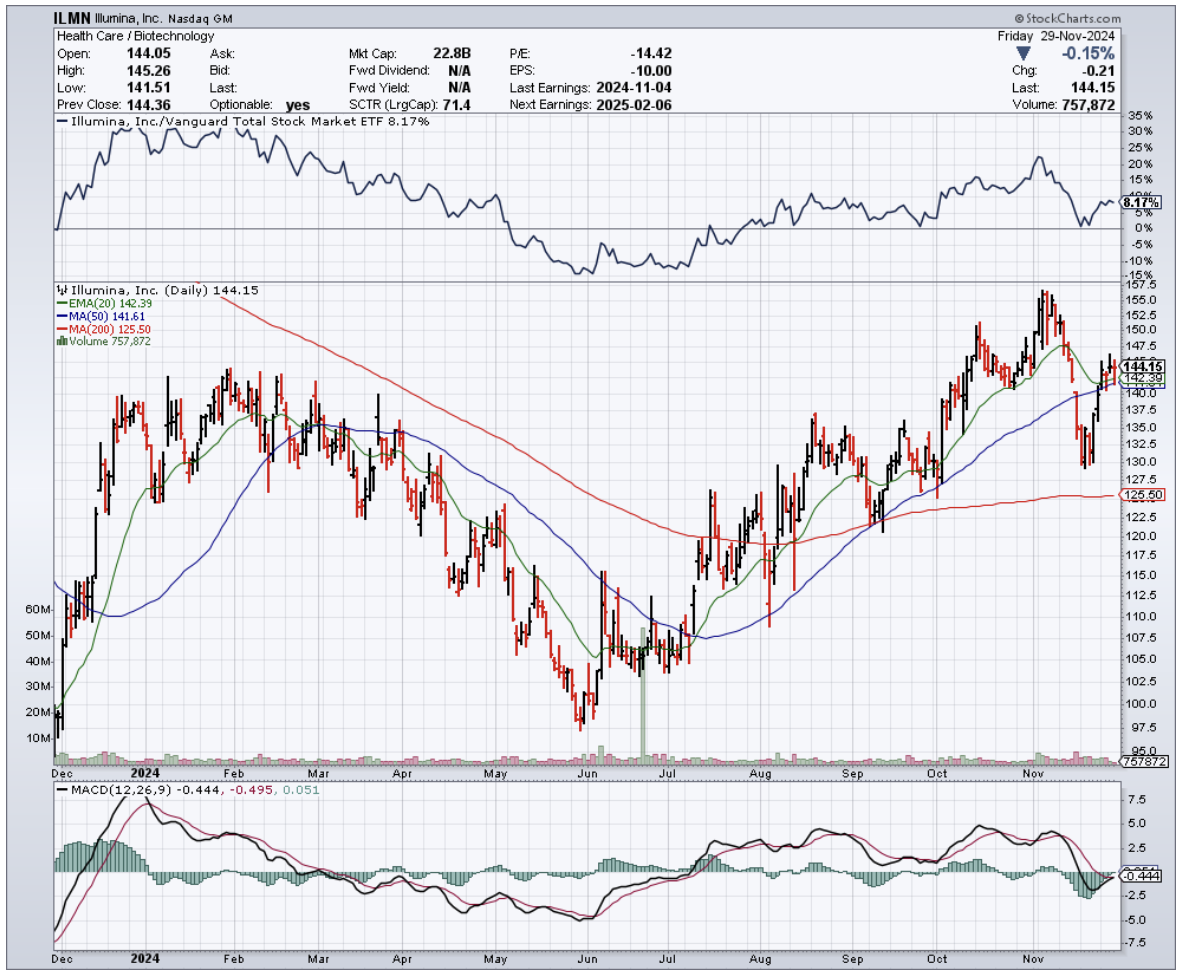
Illumina stands out at $144.15 as a different kind of opportunity.

Their lock on the genomic sequencing market combined with aggressive R&D investments offers that rare combination: steady performance with genuine growth potential. Think of it as smart defense for your biotech portfolio.

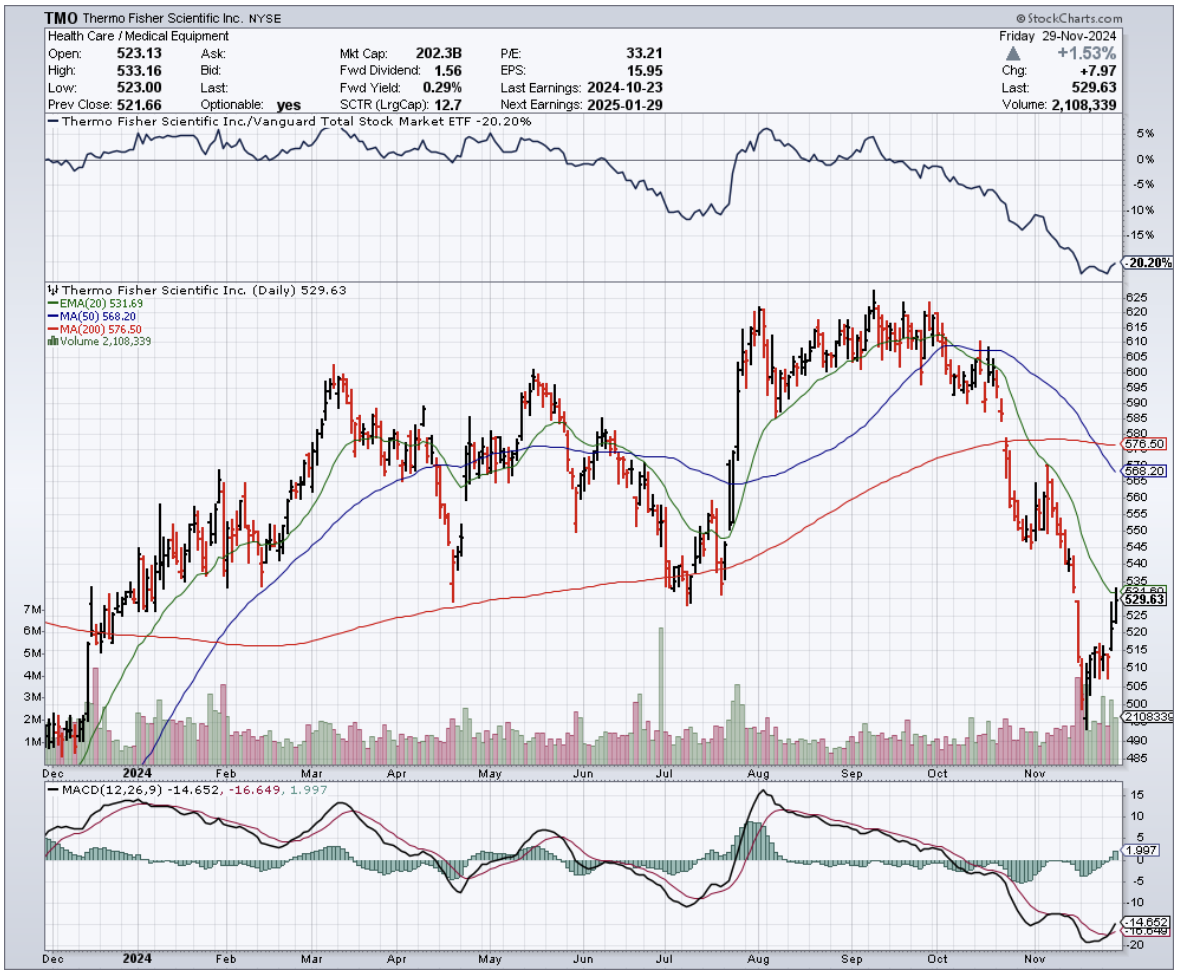
Then there's Thermo Fisher Scientific, trading at $529.63. Their global reach and diverse revenue streams make them remarkably resilient to NIH policy changes.

The stock won't double overnight, but it offers the kind of reliability that lets you sleep soundly.

In the end, the NIH's transformation under Bhattacharya feels a bit like watching a scientist redesign an experiment mid-trial. Some see doom and gloom in these changes, while others spot golden opportunities.

But if you ask me whether the biotech glass is half empty or half full, I'd say we're missing the point entirely—in this industry, the glass has always been refillable.


https://madhedgefundtrader.com/wp-content/uploads/2019/05/cropped-mad-hedge-logo-transparent-192x192_f9578834168ba24df3eb53916a12c882.png 0 0 april@madhedgefundtrader.com https://madhedgefundtrader.com/wp-content/uploads/2019/05/cropped-mad-hedge-logo-transparent-192x192_f9578834168ba24df3eb53916a12c882.png april@madhedgefundtrader.com2024-12-05 12:00:562024-12-05 13:32:07Grant Expectations
april@madhedgefundtrader.com

December 3, 2024

Biotech Letter

Mad Hedge Biotech and Healthcare Letter
December 3, 2024
Fiat Lux


Featured Trade:

(EYE SPY THE NEXT BIG THING)

(LCTX), (RHHBY), (ALPMY), (ADVM), (EDIT), (RGNX)

https://madhedgefundtrader.com/wp-content/uploads/2019/05/cropped-mad-hedge-logo-transparent-192x192_f9578834168ba24df3eb53916a12c882.png 0 0 april@madhedgefundtrader.com https://madhedgefundtrader.com/wp-content/uploads/2019/05/cropped-mad-hedge-logo-transparent-192x192_f9578834168ba24df3eb53916a12c882.png april@madhedgefundtrader.com2024-12-03 12:02:052024-12-03 12:37:33December 3, 2024
april@madhedgefundtrader.com

Eye Spy The Next Big Thing

Biotech Letter

Who knew that the path to restored vision would involve recycling?

Not the kind where you sort plastics from paper, but the fascinating world of cellular hand-me-downs, where scientists are taking stem cells - nature's ultimate blank slate - and transforming them into made-to-order eye parts.

While most medical breakthroughs involve pills, patches, or the occasional well-placed zap of electricity, doctors have managed something far more incredible: they've successfully restored vision in multiple patients by essentially giving their eyes a cellular renovation via stem cell transplants.

But before you picture entire eyeballs being swapped out like lightbulbs, let me explain: We're talking about precision repair work at the cellular level, particularly targeting the notorious troublemakers of the vision world - macular degeneration and corneal damage.

The numbers behind this story are enough to make your eyes pop (sorry, couldn't resist).

Nearly 20 million Americans over 40 are currently living with age-related macular degeneration (AMD). That's more people than the entire population of New York City, all dealing with various stages of vision loss.

Break it down further, and you've got 18.34 million people with early-stage AMD and 1.49 million with the late-stage version, according to those number-crunchers at JAMA Network.

And once you hit 75, your chances of having AMD jump to nearly 30% - not exactly the golden years surprise package anyone's hoping for.

Here's where things get interesting - and by interesting, I mean expensive.

The National Eye Institute estimates that vision loss costs the U.S. about $139 billion annually. That's not just medical bills. It's everything from lost productivity to the cost of assistance devices and support services.

To put this in context, $139 billion could buy every resident of California a lifetime supply of carrots - though that wouldn't help their eyesight nearly as much as stem cell therapy.

Speaking of which, the stem cell therapy market, currently valued at a modest $456 million (pocket change in pharmaceutical terms), is expected to bulk up considerably, growing at a clip of 25.23% annually from 2025 to 2030.

By 2032, we're looking at a market worth $56.15 billion. That's what financial types call a growth opportunity, and what I call a lot of zeros.

Now, let’s take a look at the companies betting big on this cellular vision quest.

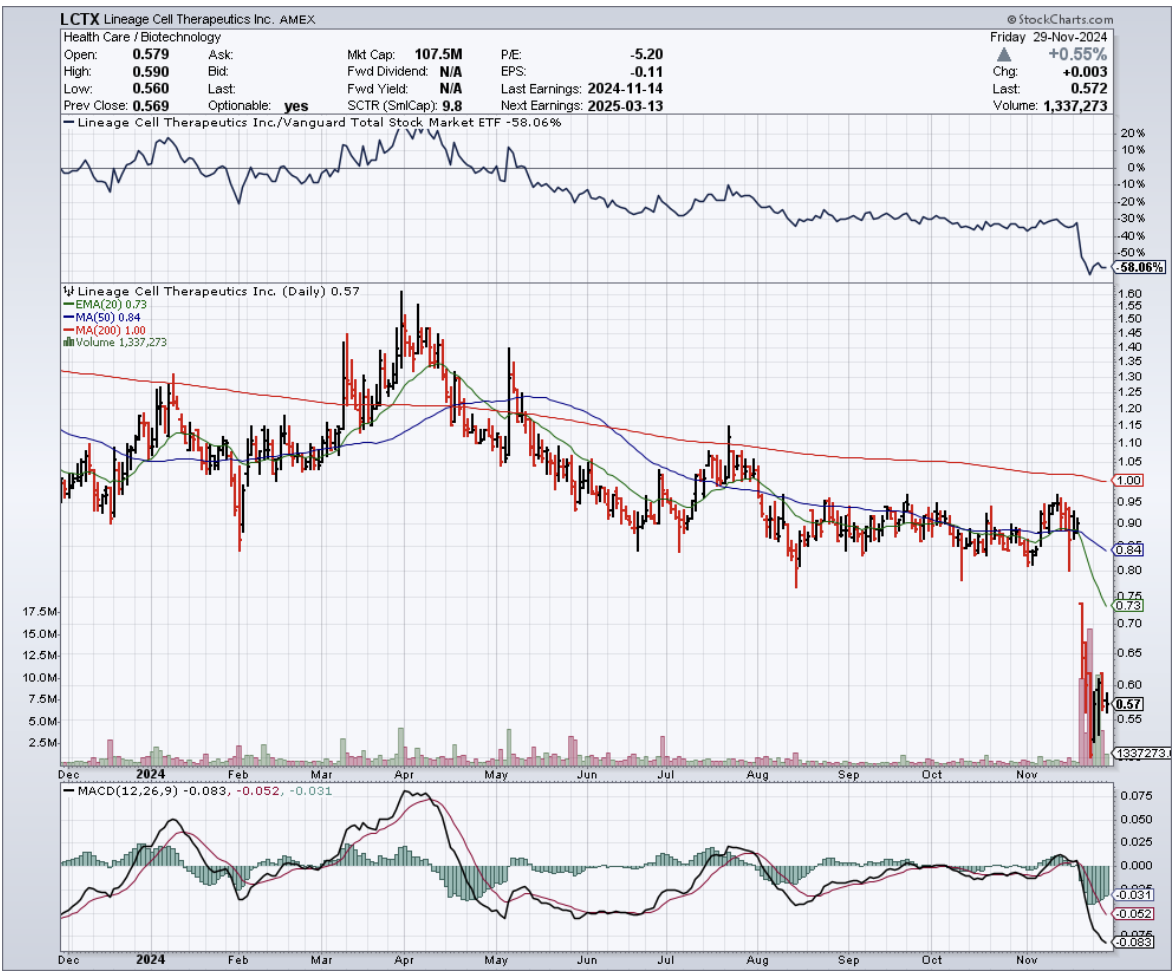
Lineage Cell Therapeutics (LCTX) is developing something called OpRegen, which sounds ominous but is actually a therapy using retinal pigment epithelium cells.

They must be onto something because Roche’s (RHHBY) Genentech liked it enough to throw $670 million at them in a collaboration deal.

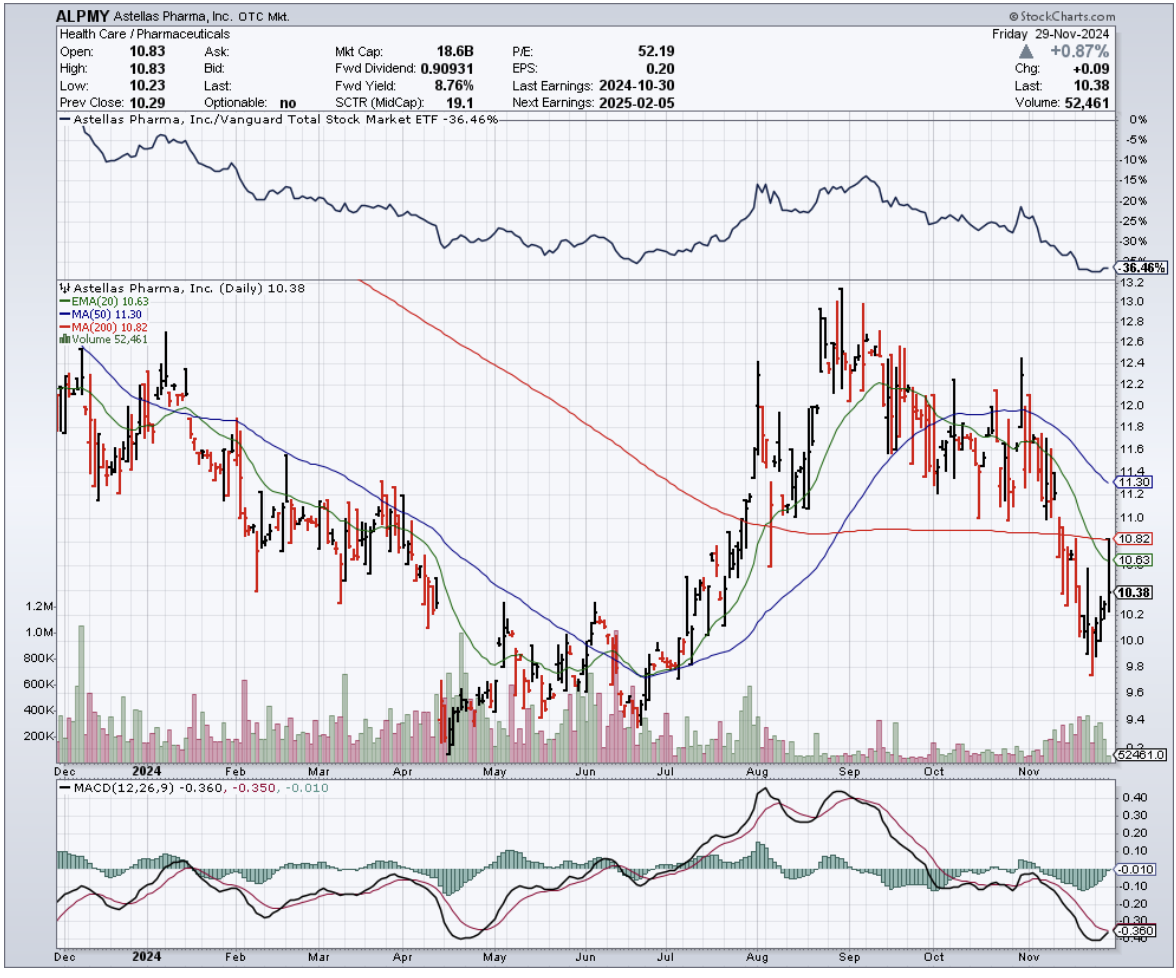
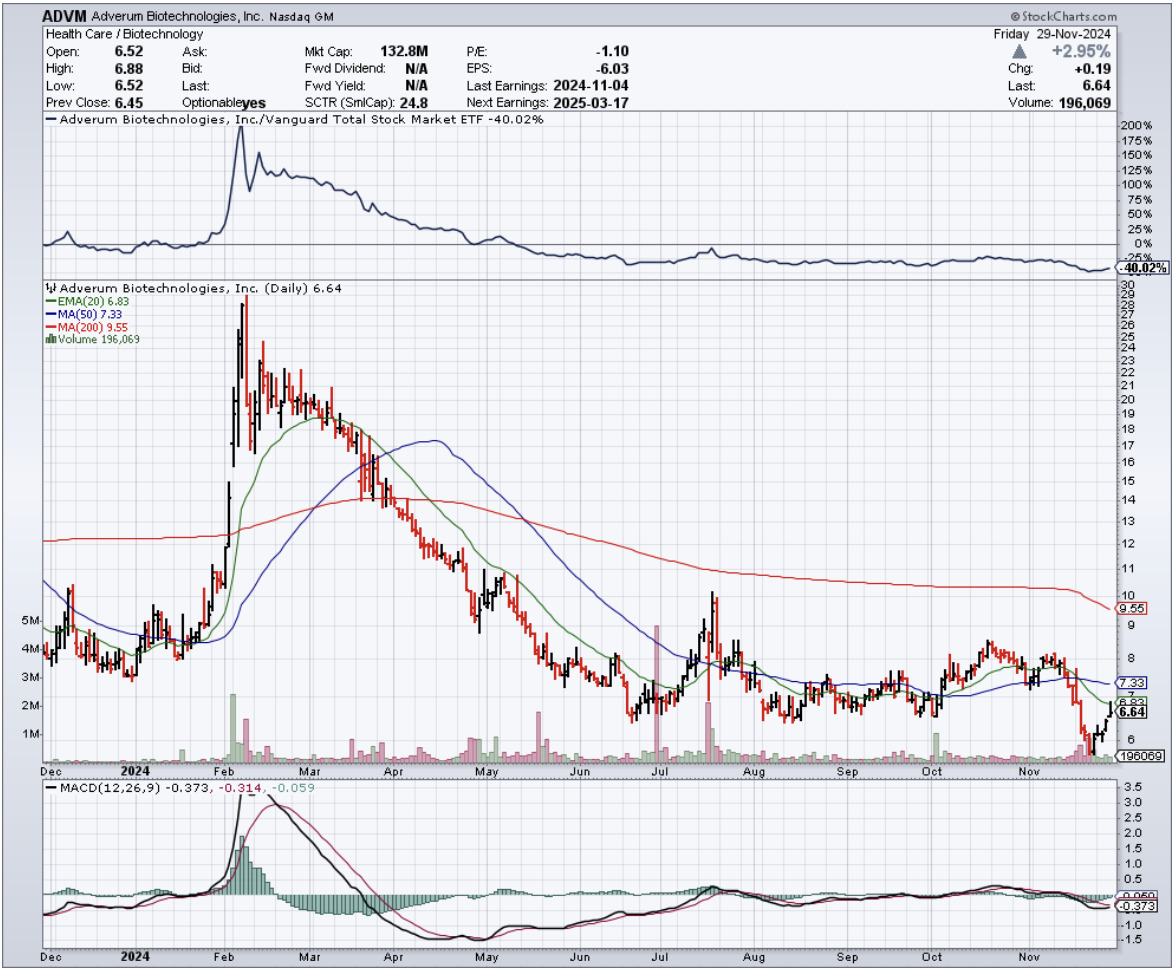
Then there's Astellas Pharma (ALPMY), working on their own vision-restoration treatment, and Adverum Biotechnologies (ADVM), which is taking a slightly different approach with gene therapy.

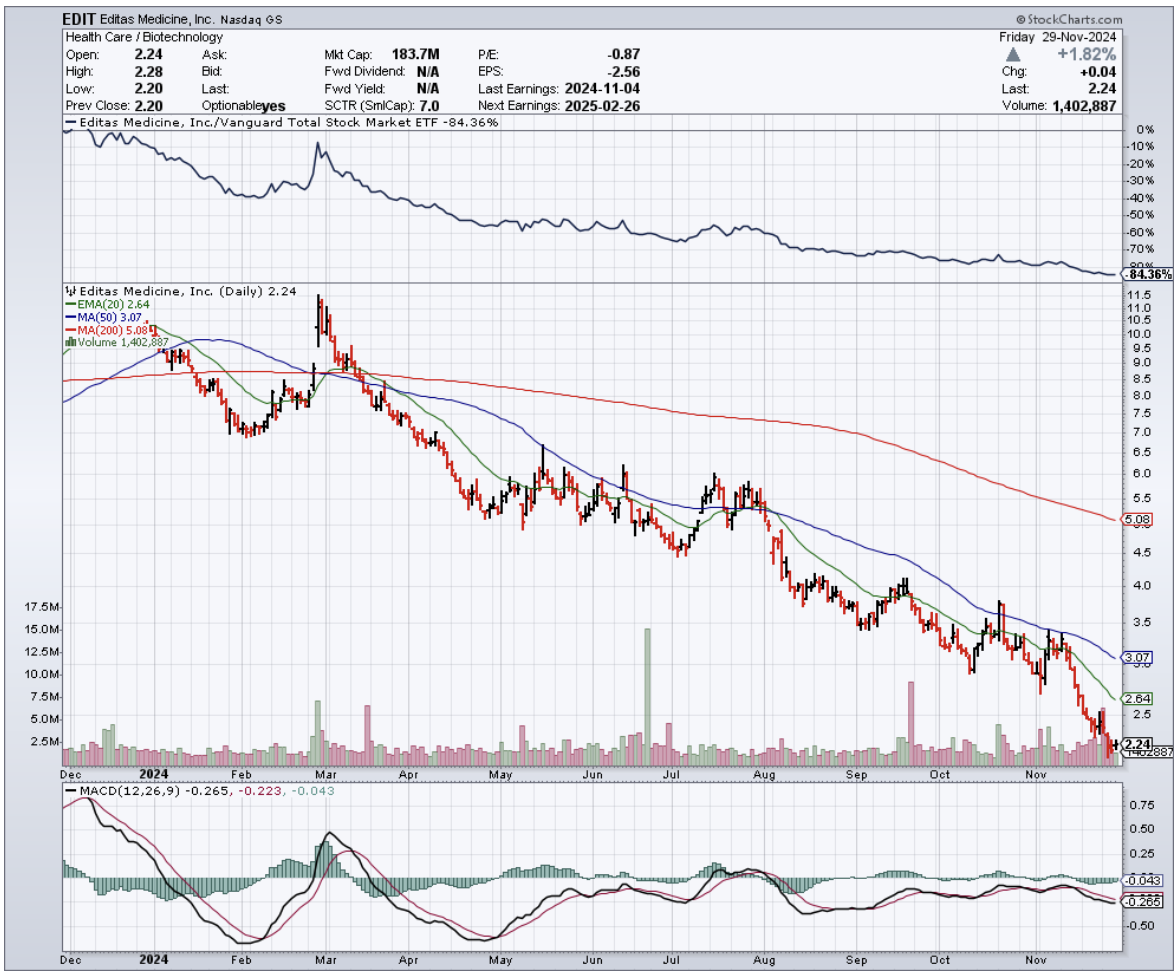
Editas Medicine (EDIT) is getting even fancier, using CRISPR technology - think molecular scissors for DNA - to snip out the bad bits causing blindness.

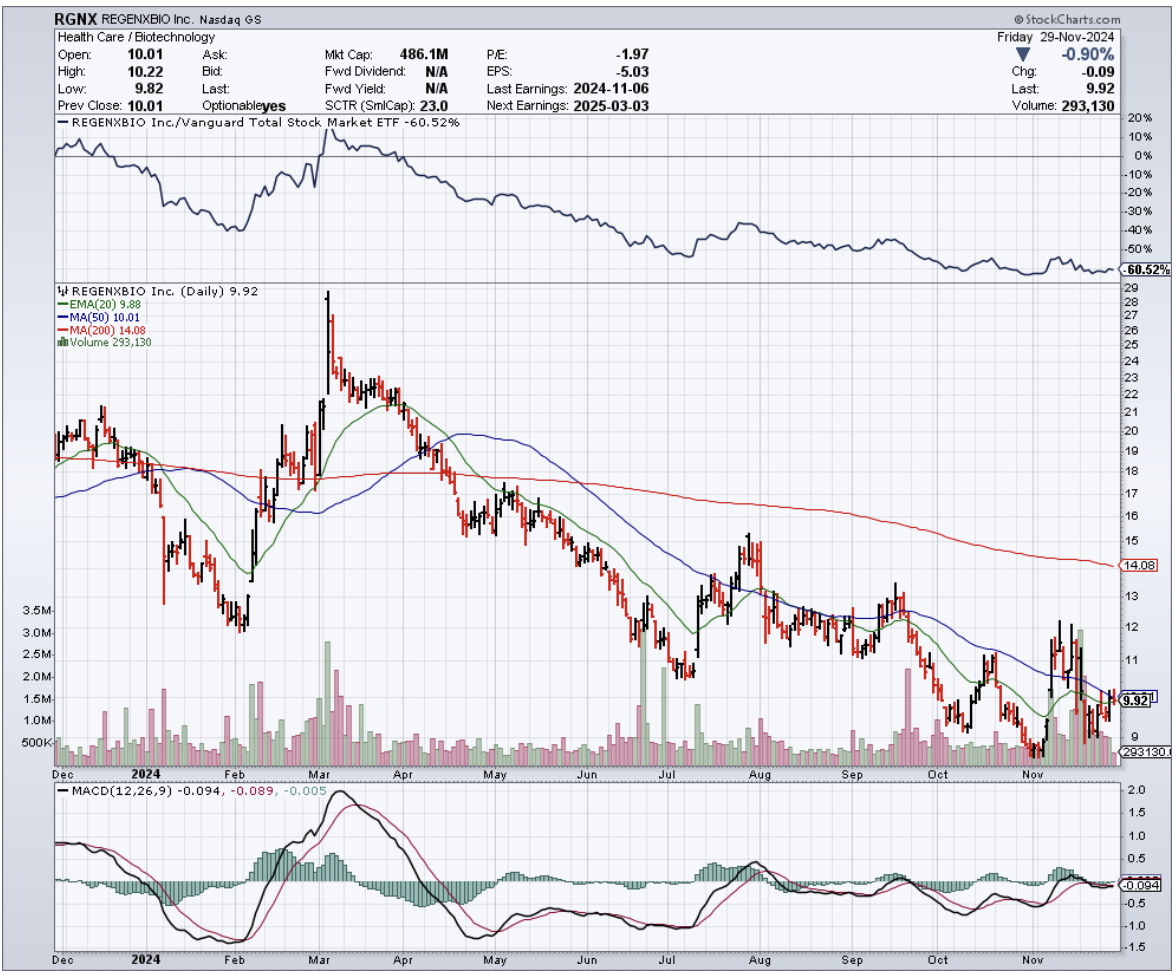
Regenxbio (RGNX) rounds out our vision-quest dream team with their work on something called RGX-314, which uses viral vectors to deliver therapy (think of it as FedEx for genes).

The whole field of regenerative medicine, currently a $13.3 billion industry, is expected to grow exponentially, with projections showing a 23.3% annual growth rate by 2030.

That's significant considering the vision restoration market alone is worth $30 billion globally, with plenty of room to expand. Of course, that’s assuming these treatments make it through the regulatory obstacle course.

For one, there's the FDA to convince, manufacturing challenges to solve (turns out, growing eye cells at scale is tricky), and the ever-present question of who's going to pay for it all.

But given the alternative - a future where millions more lose their vision to degenerative diseases - the motivation to solve these challenges is crystal clear.

For those watching this space, I advise adding these names to your watchlist. After all, the future of vision care isn't just about getting better glasses or contact lenses anymore - it's now about regrowing the parts of the eye that wear out.

And that's a vision worth keeping an eye on (last eye pun, I promise).


https://madhedgefundtrader.com/wp-content/uploads/2019/05/cropped-mad-hedge-logo-transparent-192x192_f9578834168ba24df3eb53916a12c882.png 0 0 april@madhedgefundtrader.com https://madhedgefundtrader.com/wp-content/uploads/2019/05/cropped-mad-hedge-logo-transparent-192x192_f9578834168ba24df3eb53916a12c882.png april@madhedgefundtrader.com2024-12-03 12:00:192024-12-03 12:37:05Eye Spy The Next Big Thing
april@madhedgefundtrader.com

November 26, 2024

Biotech Letter

Mad Hedge Biotech and Healthcare Letter
November 26, 2024
Fiat Lux


Featured Trade:

(NO MORE EATING AT YOU)

(PFE), (LLY), (NVO), (AMGN), (RYTM), (ALT)

https://madhedgefundtrader.com/wp-content/uploads/2019/05/cropped-mad-hedge-logo-transparent-192x192_f9578834168ba24df3eb53916a12c882.png 0 0 april@madhedgefundtrader.com https://madhedgefundtrader.com/wp-content/uploads/2019/05/cropped-mad-hedge-logo-transparent-192x192_f9578834168ba24df3eb53916a12c882.png april@madhedgefundtrader.com2024-11-26 12:02:442024-11-26 12:05:20November 26, 2024
april@madhedgefundtrader.com

No More Eating At You

Biotech Letter

In 1903, the original “diet miracle” was invented—tapeworm pills. Yes, people willingly ingested parasites to lose weight.

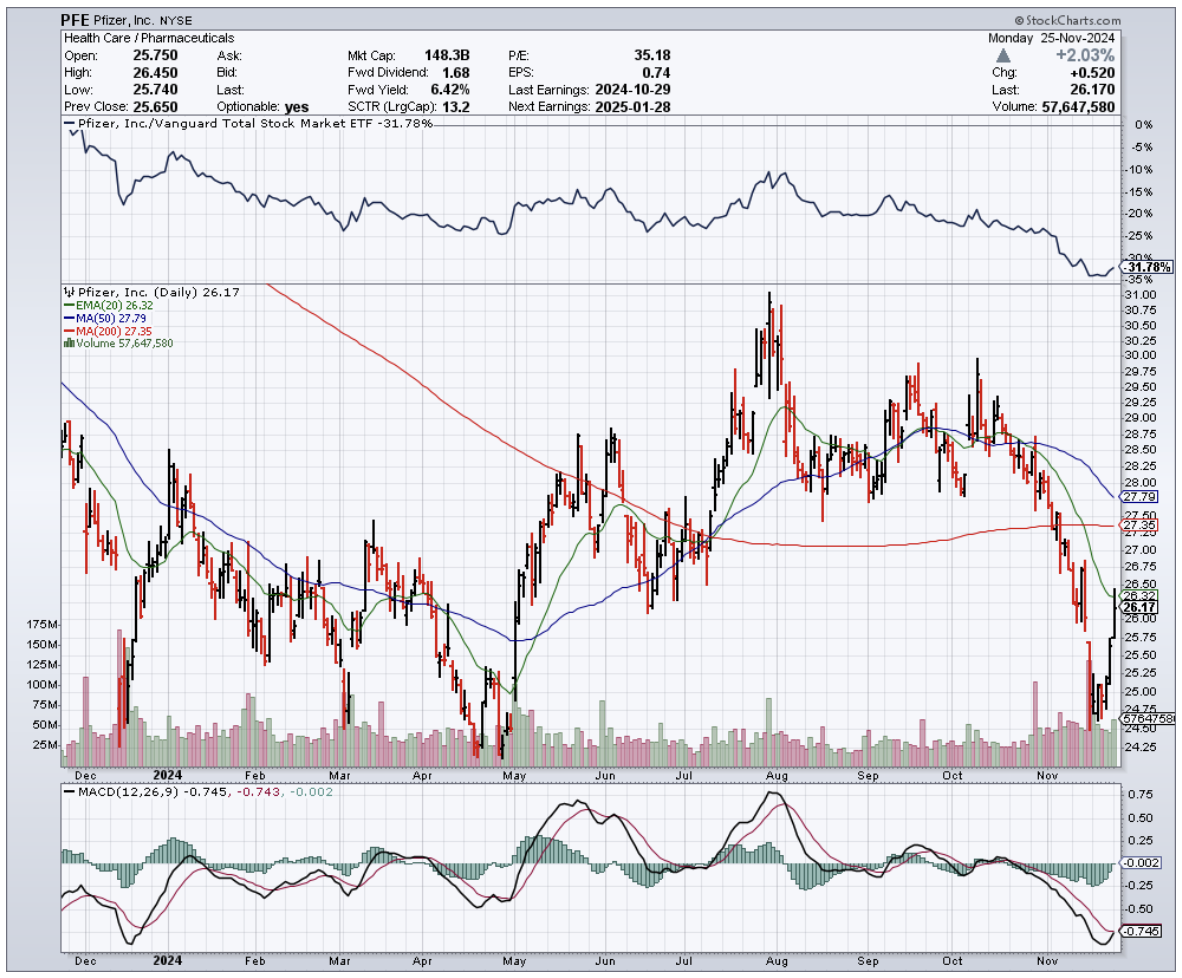
Thankfully, modern weight-loss drugs have evolved to become a bit more... palatable. Enter Pfizer (PFE), taking the pharmaceutical stage in Q3 2024 with a performance that’s anything but parasitic.

Pfizer just reported a stunning $17.7 billion in Q3 2024 revenue—a 31% year-over-year increase that has nothing to do with parasites and everything to do with strategic positioning.

But here's where it gets interesting. Even if you strip away Pfizer's COVID-19 products (which, let's face it, had their moment like platform shoes in the '70s), they're still sitting pretty with $13.6 billion in revenue.

That's a 14% operational increase that has nothing to do with our old friend coronavirus.

Meanwhile, in the weight-loss corner of the ring, Eli Lilly (LLY) and Novo Nordisk (NVO) are experiencing what we might delicately call "growing pains."

Eli Lilly reported $11.44 billion in Q3 revenue—impressive until you consider analysts expected $12.18 billion.

Novo Nordisk's story is even more peculiar. Their weight-loss wonder drug Wegovy is selling like hotcakes (irony noted) at 17.3 billion Danish krone (about $2.75 billion USD).

But here's the catch: Novo Nordisk can't make enough of it. It's the pharmaceutical equivalent of having a hit restaurant where half the menu items are perpetually "sold out."

This shortage highlights just how insatiable the market's appetite for these drugs has become.

In 2023 alone, the US market for prescription weight-loss drugs more than doubled from $5.1 billion to $11.9 billion.

Gone are the days of dubious diet pills and miracle cures. We're witnessing the dawn of scientifically backed weight management solutions.

As for Pfizer, they’re not content to watch from the sidelines. They're developing something called danuglipron (a name that sounds like it was conceived during a particularly intense game of Scrabble). It's an oral weight-loss drug currently in Phase 2B trials.

Danuglipron’s key selling point? It's an oral medication—no needles required.

As someone who once spent three months investigating the science of injection phobia for a story, I can confirm this detail matters more than you might think.

Pfizer’s plans go beyond just one drug. In the first 9 months of 2024, they invested $7.8 billion in R&D.

Their recent acquisition of Seagen has already contributed $854 million in Q3 2024 revenue, proving that their strategy of buying innovation is paying off.

In fact, they're so confident about their trajectory that they've raised their full-year 2024 revenue guidance to between $61 billion and $64 billion.

But let's talk about the elephant in the pharmacy – regulatory approval. The FDA, bless their bureaucratic hearts, has been keeping everyone on their toes with their evolving stance on weight-loss drugs and other treatments.

Still, Pfizer managed to snag approvals for two new drugs in October 2024: Abrysvo (for RSV in adults) and Hympavzi (for hemophilia).

Both approvals came through in October 2024, showing off Pfizer’s ability to navigate modern pharmaceutical regulations.

Looking globally, the weight loss and obesity management market is projected to grow from $14.51 billion in 2024 to $48.39 billion by 2034.

Of course, no good pharma story is complete without a plot twist. Pfizer's oncology drug Ibrance saw a 12% operational decrease in Q3 2024 revenue, reminding us that even pharmaceutical juggernauts can stub their toes.

And those patents? They're like time bombs ticking away in the legal department's filing cabinet.

The obesity field is attracting new players, too. Amgen (AMGN) is developing MariTide, while Rhythm Pharmaceuticals (RYTM) focuses on genetic obesity disorders.

Altimmune's (ALT) pemvidutide is showing promising Phase 2 results, adding to the increasingly crowded field of weight-loss treatments.

So, where should you park your money? Here’s a quick guide to the stocks worth scooping up when the market takes a breather.

Novo Nordisk remains the heavyweight champion of weight-loss drugs, with Wegovy and Ozempic bringing in the big bucks. Yes, they're wrestling with production issues, but their first-mover advantage and global reach make them a solid buy for the long haul.

Eli Lilly, with Mounjaro and the freshly minted Zepbound, deserves a spot in your portfolio too. Their supply chain headaches are likely temporary, and their pipeline is bursting with potential.

Pfizer, our surprising comeback kid, rounds out the list. They might be fashionably late to the weight-loss party, but their diversification strategy and that promising GLP-1 pill in development make them worth your investment dollars. Plus, their global reach could give them an edge against their competitors.

On the hold list, we’ve got Amgen and Rhythm Pharmaceuticals—stocks you might want to keep an eye on but not necessarily dive into headfirst just yet.

Amgen's MariTide shows promise, but they're playing in a very crowded pool. Rhythm's focus on genetic obesity disorders is fascinating, but they're like a promising indie band - they might hit it big, or they might not.

As for Altimmune and Viking Therapeutics? Sometimes you need to know when to fold 'em. Despite promising early results, they're up against giants with deeper pockets and better-established supply chains.

Unless you enjoy roller coasters without safety bars, consider redirecting those investment dollars elsewhere.

Looking back, we've come an astonishingly long way from those desperate days of tapeworm pills—turns out the real money wasn't in selling parasites, but in pioneering their prescription-strength replacements.

And that's the kind of progress that would make those 1903 tapeworm salesmen drop their jaws (and hopefully nothing else).


https://madhedgefundtrader.com/wp-content/uploads/2019/05/cropped-mad-hedge-logo-transparent-192x192_f9578834168ba24df3eb53916a12c882.png 0 0 april@madhedgefundtrader.com https://madhedgefundtrader.com/wp-content/uploads/2019/05/cropped-mad-hedge-logo-transparent-192x192_f9578834168ba24df3eb53916a12c882.png april@madhedgefundtrader.com2024-11-26 12:00:442024-11-26 12:05:02No More Eating At You
april@madhedgefundtrader.com

November 21, 2024

Biotech Letter

Mad Hedge Biotech and Healthcare Letter
November 21, 2024
Fiat Lux


Featured Trade:

(TRACE ELEMENTS)

(SNY), (MTZPY), (BIIB), (IONS), (AMLX)

https://madhedgefundtrader.com/wp-content/uploads/2019/05/cropped-mad-hedge-logo-transparent-192x192_f9578834168ba24df3eb53916a12c882.png 0 0 april@madhedgefundtrader.com https://madhedgefundtrader.com/wp-content/uploads/2019/05/cropped-mad-hedge-logo-transparent-192x192_f9578834168ba24df3eb53916a12c882.png april@madhedgefundtrader.com2024-11-21 12:02:292024-11-21 13:13:25November 21, 2024
Page 10 of 115«‹89101112›»

Legal Disclaimer

There is a very high degree of risk involved in trading. Past results are not indicative of future returns. MadHedgeFundTrader.com and all individuals affiliated with this site assume no responsibilities for your trading and investment results. The indicators, strategies, columns, articles and all other features are for educational purposes only and should not be construed as investment advice. Information for futures trading observations are obtained from sources believed to be reliable, but we do not warrant its completeness or accuracy, or warrant any results from the use of the information. Your use of the trading observations is entirely at your own risk and it is your sole responsibility to evaluate the accuracy, completeness and usefulness of the information. You must assess the risk of any trade with your broker and make your own independent decisions regarding any securities mentioned herein. Affiliates of MadHedgeFundTrader.com may have a position or effect transactions in the securities described herein (or options thereon) and/or otherwise employ trading strategies that may be consistent or inconsistent with the provided strategies.

Copyright © 2026. Mad Hedge Fund Trader. All Rights Reserved. support@madhedgefundtrader.com
Scroll to top