• support@madhedgefundtrader.com
  • Member Login
Mad Hedge Fund Trader
  • Home
  • About
  • Store
  • Luncheons
  • Testimonials
  • Contact Us
  • Click to open the search input field Click to open the search input field Search
  • Menu Menu
april@madhedgefundtrader.com

No Tears Here

Biotech Letter

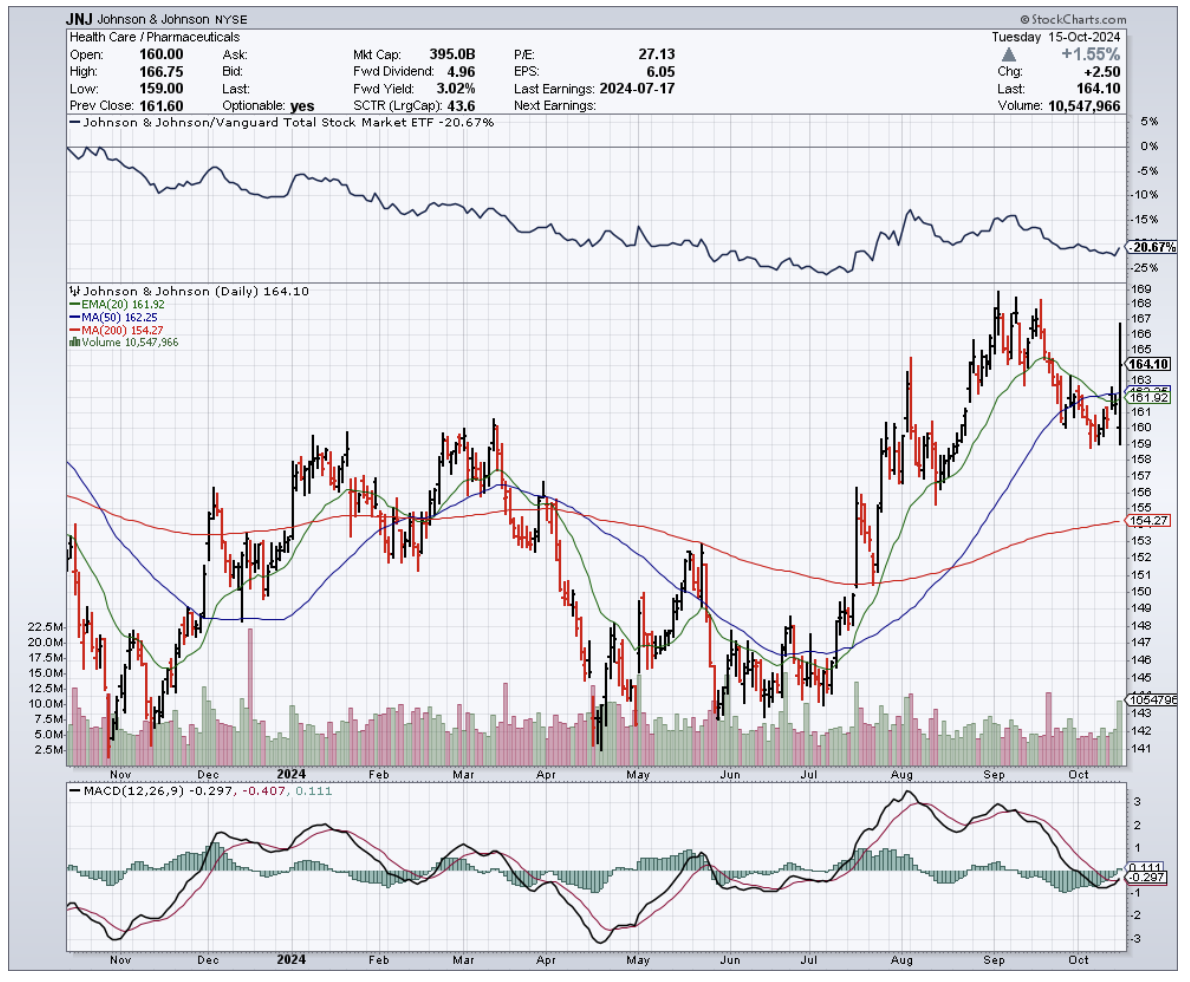
If you've been following my adventures in the market jungle for any length of time, you know I've got a nose for opportunity that'd make a bloodhound jealous. Well, folks, that nose is twitching something fierce, and it's pointed straight at Johnson & Johnson (JNJ).

Now, I know what you're thinking: "John, J&J? Aren't they as exciting as watching paint dry?" Before you dismiss this company, let me tell you—this isn't your grandma's Band-Aid shop anymore.

First off, let's talk about their pharmaceutical arm. It's not just flexing; it's practically bench-pressing the competition with one hand tied behind its back. I'm talking about a lineup that includes immunology juggernauts like Stelara and Tremfya, and cancer-fighting dynamos such as Darzalex and Erleada.

But here's the kicker—they've got over 40 late-stage clinical trials cooking. That's no mere pipeline; it's a veritable gusher of potential blockbusters.

The surprises from J&J don't end there. They recently spun off their consumer health unit faster than you can say "No more tears." Why? To zero in on their real money-makers: pharmaceuticals and medical devices. It's like watching a prizefighter shed weight before a title bout—leaner, meaner, and ready to deliver a knockout punch to the market.

Speaking of punches, J&J has been on an acquisition spree that'd make a Silicon Valley startup blush. On October 9th, they snatched up V-Wave for a cool $1.7 billion, adding to their previous grabs of Abiomed ($16.6 billion in 2022) and Shockwave Medical ($13.1 billion in 2024). And if you think they're splurging just for the heck of it, think again. This triple play gives J&J a solid foothold in the $60 billion cardiovascular device market, which is growing at a heart-racing 8% annually.

So, what does V-Wave bring to a giant like J&J? It's not just another cog in the medical machine. V-Wave is developing innovative treatment options for heart failure patients. Their device has already snagged the FDA's breakthrough device designation in 2019 and Europe's CE mark in 2020. For J&J, this means they can hit the ground running, spreading V-Wave's Ventura Interatrial Shunt across the globe faster than you can say "cardiovascular revolution."

As for their Q3 results? Let's just say J&J didn't settle for merely meeting expectations—they exceeded them. We're looking at a 5.4% adjusted operational revenue growth, with their cardiovascular business shooting up 26.5% year-over-year.

Now, I'm no fortune teller—if I were, I'd be writing this from my private island—but I'd bet my favorite Bloomberg terminal that their cardiovascular business is going to keep pumping life into J&J's MedTech segment. With more folks lining up for cardiovascular procedures than a Black Friday sale, J&J is poised to ride this wave like a pro surfer at Pipeline.

Of course, it's not all sunshine and rainbows. Their China business is facing more headwinds than a kite in a hurricane, thanks to an anti-corruption campaign that's thrown a monkey wrench into their marketing machine.

But hey, this is J&J we're talking about—a company that's been around since Grover Cleveland was in the White House. They've seen tougher times than this and come out swinging.

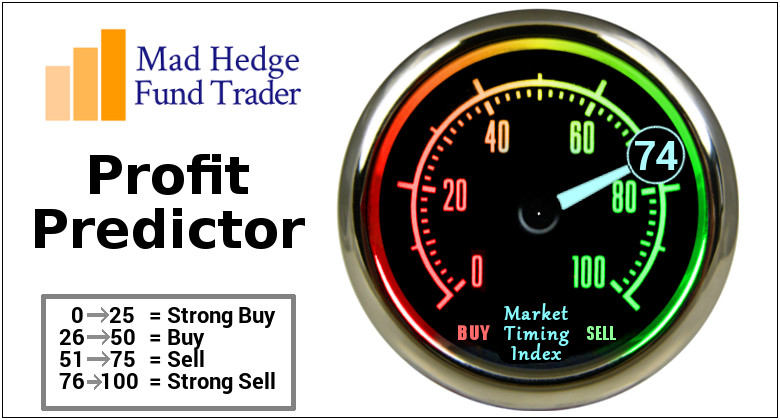
So, what's the bottom line? I'm slapping a "Buy" rating on this stock, with a fair value of $195 per share. For those of you looking for a stock that combines the stability of a mountain with the growth potential of a tech startup, J&J might just be your golden ticket.

Now, if you'll excuse me, I've got a sudden urge to go check my own blood pressure after all this excitement.

P.S. If J&J ever decides to venture into stem cell therapy for aging knees, you can bet I'll be first in line. These well-worn joints have a few more mountains to climb!
 

https://madhedgefundtrader.com/wp-content/uploads/2019/05/cropped-mad-hedge-logo-transparent-192x192_f9578834168ba24df3eb53916a12c882.png 0 0 april@madhedgefundtrader.com https://madhedgefundtrader.com/wp-content/uploads/2019/05/cropped-mad-hedge-logo-transparent-192x192_f9578834168ba24df3eb53916a12c882.png april@madhedgefundtrader.com2024-10-17 12:00:332024-10-17 12:06:54No Tears Here
april@madhedgefundtrader.com

October 15, 2024

Biotech Letter

Mad Hedge Biotech and Healthcare Letter
October 15, 2024
Fiat Lux


Featured Trade:

(THE BRIGHT SIDE OF A DARK DIAGNOSIS)

(ILMN), (TMO), (A), (QGEN), (GH), (PFE)

https://madhedgefundtrader.com/wp-content/uploads/2019/05/cropped-mad-hedge-logo-transparent-192x192_f9578834168ba24df3eb53916a12c882.png 0 0 april@madhedgefundtrader.com https://madhedgefundtrader.com/wp-content/uploads/2019/05/cropped-mad-hedge-logo-transparent-192x192_f9578834168ba24df3eb53916a12c882.png april@madhedgefundtrader.com2024-10-15 12:02:202024-10-15 12:19:50October 15, 2024
april@madhedgefundtrader.com

The Bright Side Of A Dark Diagnosis

Biotech Letter

Let's face it. Cancer is still kicking our collective butts.

Despite all the fancy lab coats and high-tech gadgets, cancer remains the second-leading cause of death in the U.S. It's like that annoying party guest who just won't leave, no matter how many hints you drop.

This year alone, more than 2 million Americans are expected to hear those dreaded words: "You have cancer." And sadly, over 600,000 of our fellow citizens will lose their battle with this relentless foe in 2024.

Before you start thinking I'm all doom and gloom, let me flip the script for you. Where there's a problem, there's opportunity. And in this case, we're talking about a massive opportunity to put your investment dollars to work.

Back in 2020, America shelled out a whopping $200 billion on cancer treatments. By 2030, that number is projected to skyrocket to over $245 billion. That's a growth trajectory that’s worth our attention, don’t you think?

So, let's dive into the world of cancer-fighting stocks. There are some heavy hitters in this space that deserve your attention.

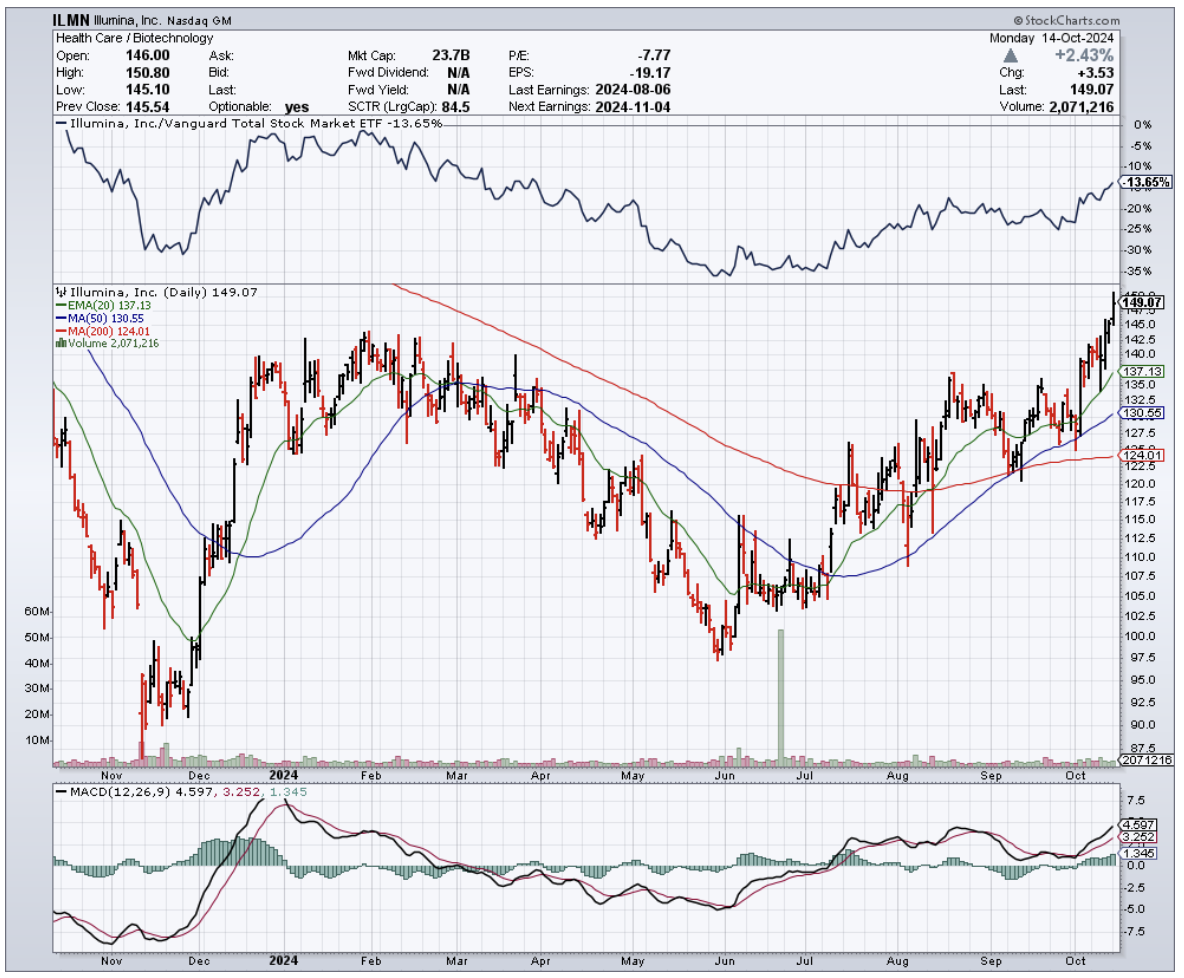
First up, we've got Illumina (ILMN), the gene-sequencing giant. These folks are like the Sherlock Holmes of the genetic world, helping researchers crack the cancer code.

With over 21,600 of their systems installed worldwide, Illumina is the go-to company for anyone looking to dive deep into our genetic makeup.

But here's the thing - Illumina isn't just about cancer. Their tech is used in everything from studying infectious diseases to figuring out if your unborn baby is likely to be the next Einstein.

And while they're tight-lipped about their exact market share, word on the street is they're still the big fish in the gene-sequencing pond.

In fact, let me throw some numbers at you. Illumina holds a whopping 80% market share among the seven main pure-play next-generation sequencing companies.

Even if we toss in some non-pure-play heavyweights like Thermo Fisher Scientific (TMO), Agilent Technologies (A), and Qiagen (QGEN), Illumina's still sitting pretty with roughly two-thirds of the global market.

And get this - despite the industry facing some macro headwinds, Illumina's market share has held steady over the past couple of years. Talk about staying power.

Speaking of big fish, Illumina recently spun off Grail (GRAL), but they've still got their fingers in that pie with a 14.5% stake.

Grail is all about liquid biopsy products – fancy talk for finding cancer through a simple blood test. It's a promising field, but Illumina's not the only player in town.

Enter the new kids on the block: Element Biosciences and Ultima Genomics. Backed by venture capital and hungry for a piece of the action, these upstarts are shaking things up. Element's focusing on accuracy, while Ultima's all about high-volume, low-cost sequencing.

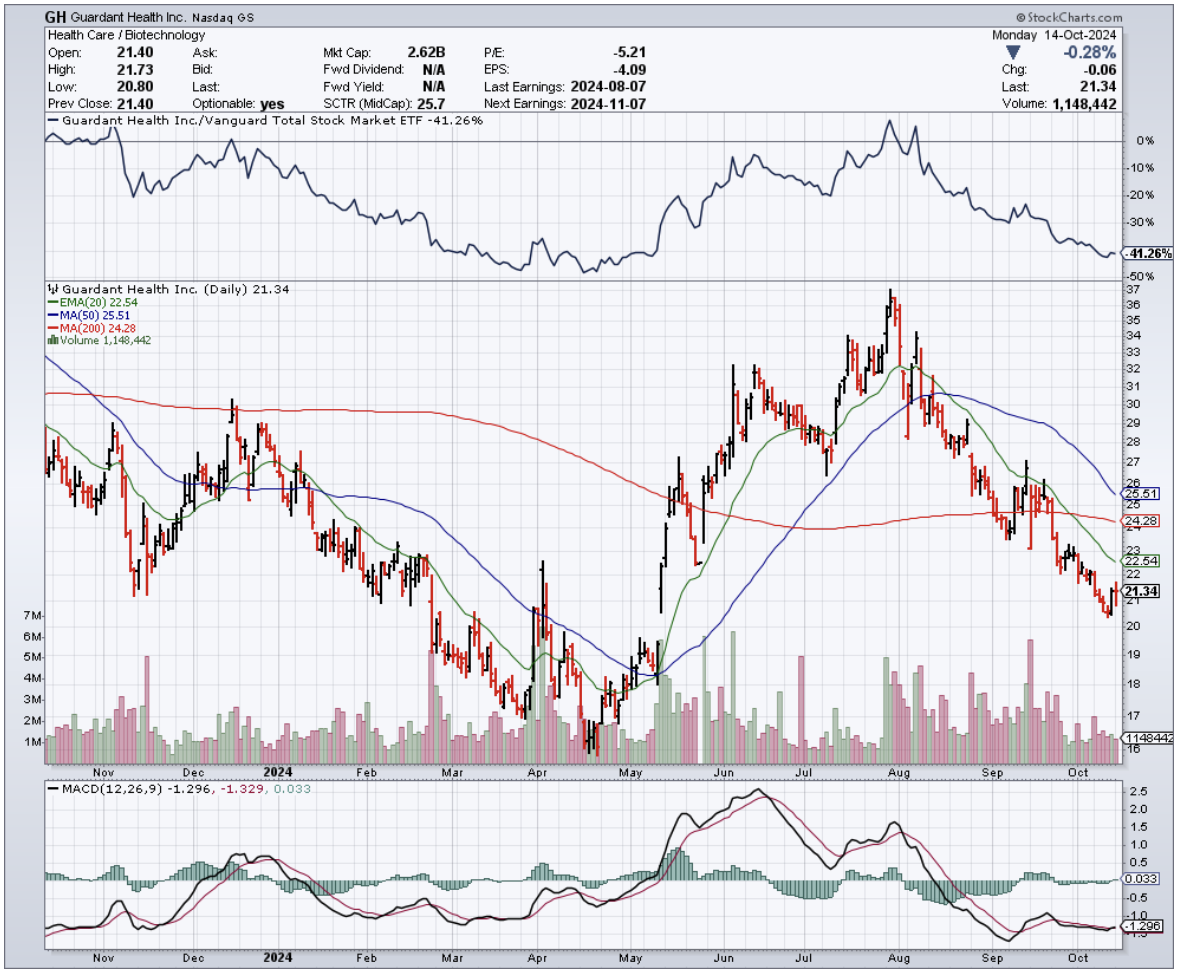
While we're on the topic of liquid biopsies, let's talk about Guardant Health (GH). These folks are the pioneers in finding tiny bits of tumor DNA floating around in your blood. Their Guardant360 product was the first FDA-approved liquid biopsy for all advanced solid tumors. That's like hitting a home run in your first major league at-bat.

But Guardant Health isn't resting on its laurels. They've got a whole suite of products, from tissue biopsies to tests that can tell if your cancer treatment is working. And get this – they're looking at a $30 billion annual market just in cancer treatment selection and recurrence monitoring.

But it doesn't end there. Early-stage cancer detection could add another $50 billion to that pot in the U.S. alone.

As if that wasn't enough, Guardant Health just got FDA approval for their Shield blood test for colorectal cancer screening in July 2024. Next stop? Lung cancer. These folks are aiming to create a test that can catch multiple cancers early.

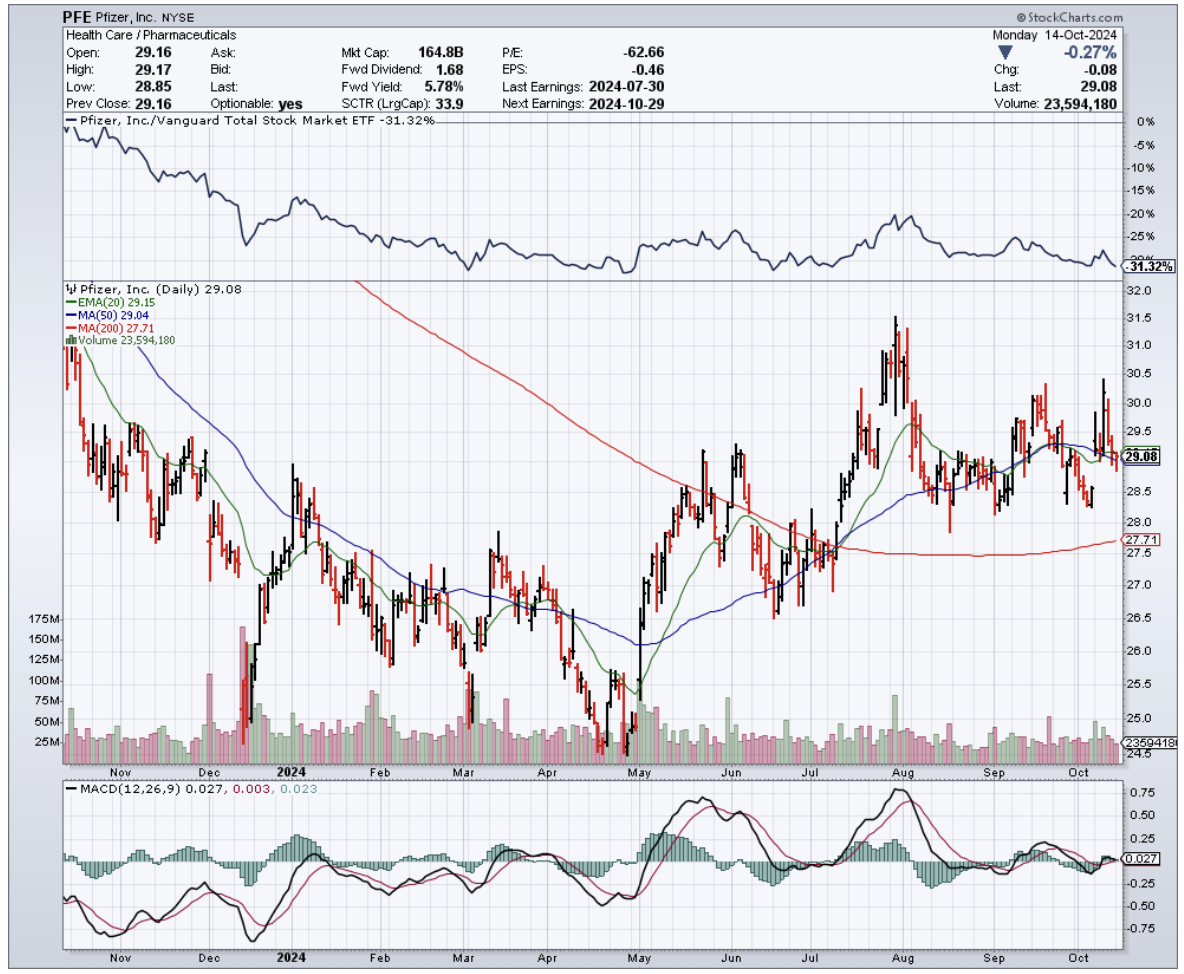
And let's not forget the big boys. Pfizer (PFE), the pharmaceutical giant, is throwing its considerable weight into the cancer fight.

They've already got three blockbuster cancer drugs – Ibrance, Xtandi, and Inlyta – each raking in over a billion dollars a year. And that's just the tip of the iceberg. Pfizer's got about 40 more cancer programs in clinical testing.

Still, Pfizer isn't just relying on its own lab coats. They're not afraid to open up their wallet either. In 2021, they snatched up Trillium Therapeutics to beef up their blood cancer portfolio. And in 2023, they added Seagen to their collection, giving them a leg up in antibody-drug conjugates for cancer treatment.

Now, I know what you're thinking. "But what if the cancer market dries up?" (As if!) Well, Pfizer's got that covered too. They're big players in the vaccine market, with their new respiratory syncytial virus vaccine, Abrysvo, looking set to bring in some serious cash.

So there you have it. The war on cancer is far from over, but these companies are leading the charge. And while they're fighting to save lives, they might just help fatten up your portfolio too. I suggest you add these names to your watchlist and buy the dip.


https://madhedgefundtrader.com/wp-content/uploads/2019/05/cropped-mad-hedge-logo-transparent-192x192_f9578834168ba24df3eb53916a12c882.png 0 0 april@madhedgefundtrader.com https://madhedgefundtrader.com/wp-content/uploads/2019/05/cropped-mad-hedge-logo-transparent-192x192_f9578834168ba24df3eb53916a12c882.png april@madhedgefundtrader.com2024-10-15 12:00:432024-10-15 12:23:38The Bright Side Of A Dark Diagnosis
april@madhedgefundtrader.com

October 10, 2024

Biotech Letter

Mad Hedge Biotech and Healthcare Letter
October 10, 2024
Fiat Lux


Featured Trade:

(BUYING TIME)

(MRK), (JNJ)

https://madhedgefundtrader.com/wp-content/uploads/2019/05/cropped-mad-hedge-logo-transparent-192x192_f9578834168ba24df3eb53916a12c882.png 0 0 april@madhedgefundtrader.com https://madhedgefundtrader.com/wp-content/uploads/2019/05/cropped-mad-hedge-logo-transparent-192x192_f9578834168ba24df3eb53916a12c882.png april@madhedgefundtrader.com2024-10-10 12:02:322024-10-10 12:08:30October 10, 2024
april@madhedgefundtrader.com

Buying Time

Biotech Letter

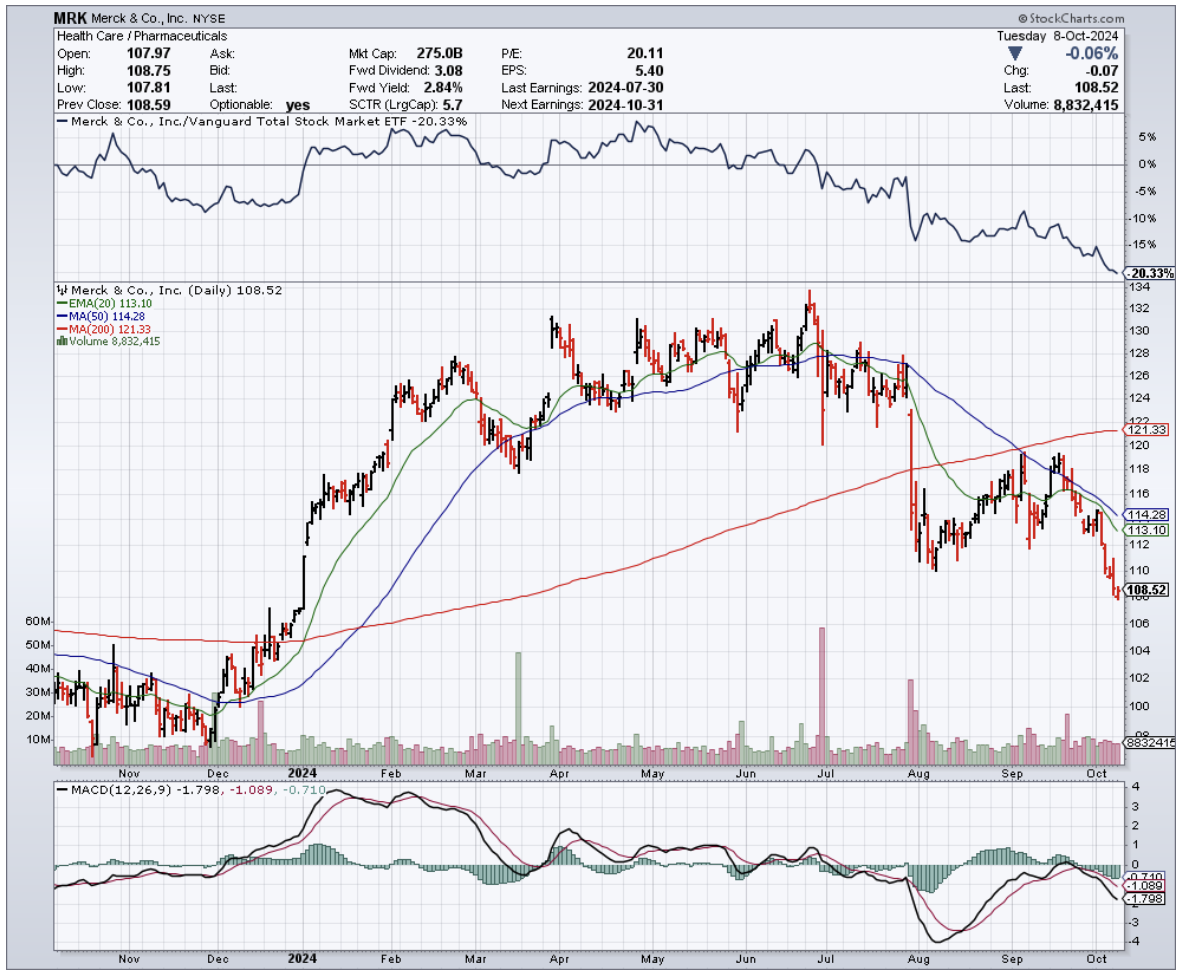
If you've been watching Merck (MRK) lately, you might think the pharmaceutical giant has caught a nasty case of the market flu. After years of being the biotech golden child, Merck's stock has been sliding down the charts faster than a greased pig at a county fair.

But before you start writing eulogies for this pharma powerhouse, let's dig into the nitty-gritty and see if there's still some fight left in this old dog.

First, let's talk about Keytruda. This cancer-fighting wonder drug is Merck's bread and butter, bringing in a whopping $7.3 billion in Q2 2024 alone. That's a 16% year-over-year jump, beating expectations by $100 million.

But here's the rub: Keytruda now accounts for nearly half of Merck's total revenue. It's like having a star quarterback who scores all your touchdowns - great until he sprains an ankle.

And boy, has Keytruda stubbed its toe lately. The FDA's advisory committee gave a thumbs down to expanding its use in certain stomach cancer patients.

Then there's the Phase 3 trial flop in colorectal cancer and two other discontinued trials. It's enough to make even the most bullish investor reach for the Tums.

With Keytruda showing signs of vulnerability, Merck's bigwigs have clearly decided it's time to spread their bets. They're not about to let their golden goose turn into a sitting duck. So, they’ve gone on a buying spree.

EyeBio, Elanco's Aqua business, Harpoon Therapeutics, CN201 - the list goes on. On paper, it looks smart. Diversify the portfolio, reduce the Keytruda dependency.

But Wall Street's not impressed, especially after Merck slashed its 2024 profit outlook by $1.05 per share to pay for this shopping spree.

Now, you might be wondering if Merck's lost its marbles with all this spending. Is Merck just throwing money around like a drunken sailor, or is this the kind of long-term thinking that separates the biotech wheat from the chaff? Only time will tell, but I've got a hunch these moves might pay off down the road.

Speaking of long-term thinking, Merck's not just acquiring companies left and right. They're also working on extending Keytruda's reign with a subcutaneous version that could push its patent protection into the late 2030s.

But they know better than to put all their eggs in one basket, even if it's a golden one.

That's where Merck's latest blockbuster deal comes in. They've just inked a $1.9 billion agreement with Mestag Therapeutics, a bold move into the world of inflammatory diseases. It's like Merck's discovered a new chess piece on the biotech board, and they're betting it could be a game-changer.

I know Mestag isn't exactly a household name, but these Cambridge, England-based whiz kids are doing some fascinating work with fibroblasts.

For those of you who forgot their biology lessons, fibroblasts are connective tissue cells that play a bigger role in inflammation and tumors than we once thought.

So why is Merck so excited about these little cellular workhorses?

Well, Merck's betting big that Mestag's Reversing Activated Fibroblast Technology (RAFT) platform could be the next big thing in inflammatory disease treatment. The deal gives Merck the option to license therapies against a "prespecified number of potential targets."

Mestag's got three preclinical programs in the pipeline. The frontrunner is MST-0300, a FAP-LTBR agonist designed to "supercharge" antitumor immunity.

Following close behind is M402, a stromal checkpoint agonist antibody aimed at dampening myeloid-driven biology in inflammatory disease.

Notably, Merck isn't the only big fish swimming in Mestag's pond. Johnson & Johnson's (JNJ) Janssen unit also signed its own two-target collaboration back in 2021.

With all these moves, you might be wondering if Merck's still a safe bet or if it's gone off the deep end.

Look, Merck's got more challenges than a one-armed juggler at the moment. But here's the thing: its current stock price is sitting at a level that's bounced back before.

With a solid 2.8% dividend yield that's been growing for 13 straight years, Merck might just be the kind of steady Eddie that value investors dream about.

Sure, there are risks. Keytruda's dominance is both a blessing and a curse. Also, those pricey acquisitions need to pay off. And who knows what Medicare will do next on drug pricing.

But if you've got the stomach for some short-term turbulence, Merck could be poised for a comeback. It's got a strong foundation, a pipeline full of potential, and enough cash to weather the storm. I suggest you buy the dip.


https://madhedgefundtrader.com/wp-content/uploads/2019/05/cropped-mad-hedge-logo-transparent-192x192_f9578834168ba24df3eb53916a12c882.png 0 0 april@madhedgefundtrader.com https://madhedgefundtrader.com/wp-content/uploads/2019/05/cropped-mad-hedge-logo-transparent-192x192_f9578834168ba24df3eb53916a12c882.png april@madhedgefundtrader.com2024-10-10 12:00:472024-10-10 12:17:23Buying Time
april@madhedgefundtrader.com

The Little RNA That Could

Biotech Letter

Two scientists walk into a bar. One says, "I've got a funny story about a worm." The other replies, "Hold my Nobel Prize."

This isn't just a setup for a punchline - it's actually a key part of a recent groundbreaking discovery that's just earned Victor Ambros from UMass Chan Medical School and Gary Ruvkun from Harvard Medical School the 2024 Nobel Prize in Physiology or Medicine.

In a nutshell, these two have just been crowned the rock stars of RNA research for 2024 for uncovering the secrets of microRNA. It's like they've found the Rosetta Stone of gene regulation, and boy, is it a game-changer.

Now, you might be thinking, "John, haven't we been down this RNA road before?" And you'd be right. Just last year, the Nobel folks were gushing over mRNA vaccines. But this year's prize? It's a whole different ballgame.

For years, we thought we had gene regulation all figured out. Genes make mRNA, mRNA makes proteins, and proteins run the show. Simple, right? Well, Ambros and Ruvkun just blew that notion out of the water.

Their breakthrough came from an unlikely source - a tiny worm called C. elegans. This little nematode might not look like much, but it's been the workhorse of biology for decades.

Ambros and Ruvkun were puzzling over some mutant worms that couldn't get their growth spurts right. One type was growing too big, the other too small.

After years of head-scratching and late nights in the lab, they stumbled upon something extraordinary. They found that a gene called lin-4 wasn't making a protein at all.

Instead, it was cranking out a small piece of RNA that could stick to another gene's mRNA and shut it down. This was microRNA, and it was about to turn the world of molecular biology on its head.

At first, everyone thought this was just some quirky worm thing. But seven years later, Ruvkun's team found another microRNA that showed up not just in worms but in everything from fruit flies to humans.

Suddenly, microRNA wasn't just a biological oddity - it was a universal regulator of genes.

Fast forward to today, and we now know that humans have over 1,000 different microRNAs. These tiny molecules are pulling the strings on virtually every gene in our bodies. It's like discovering a whole new layer of cellular bureaucracy we never knew existed.

Now, you might be wondering, "That's all well and good, but what's it got to do with making money?" Well, let me tell you, this discovery has set off a gold rush in the biotech world.

Companies are scrambling to turn this basic science into cold, hard cash.

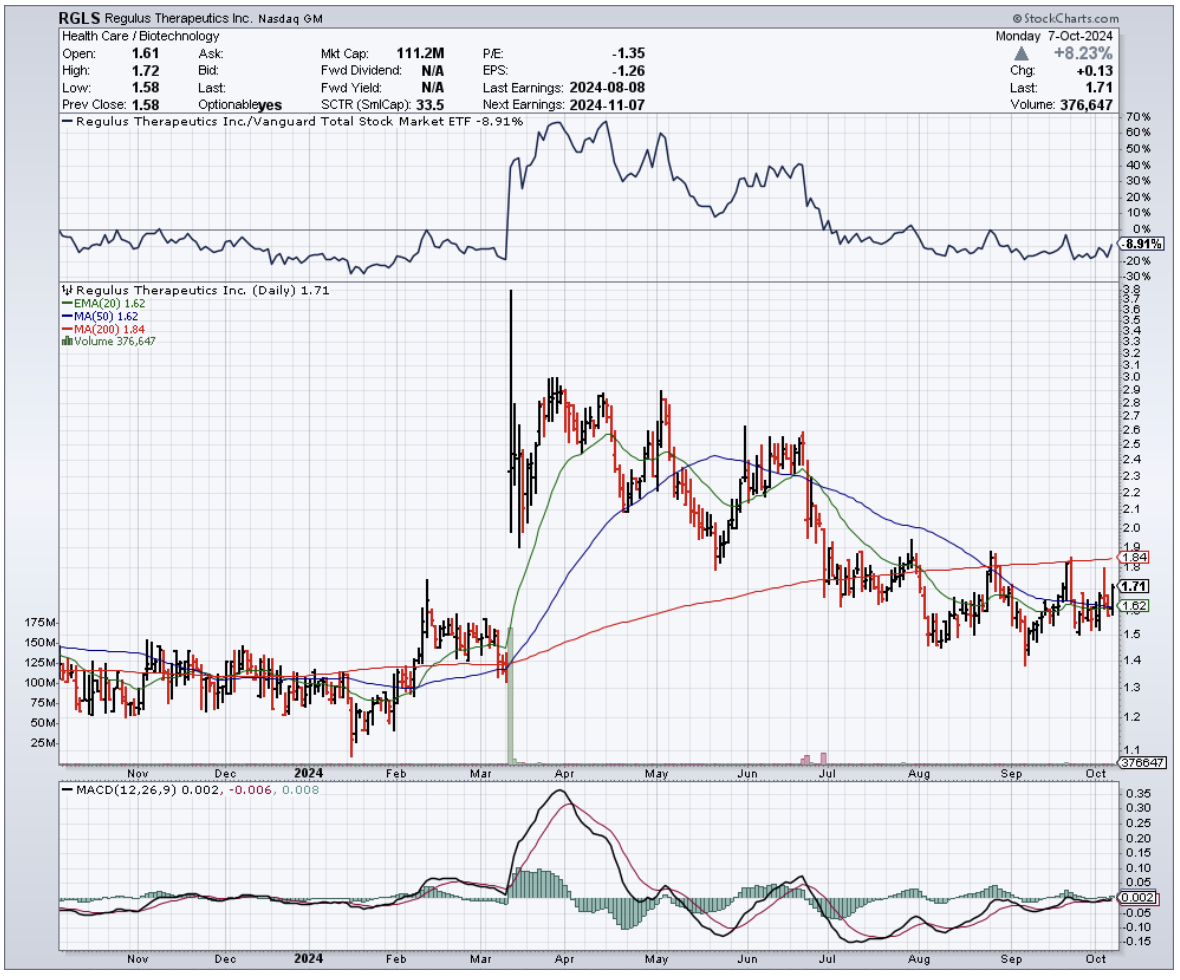
Take Regulus Therapeutics (RGLS), for instance. They're working on a treatment for polycystic kidney disease that targets microRNA-21. It's early days, but the potential is enormous.

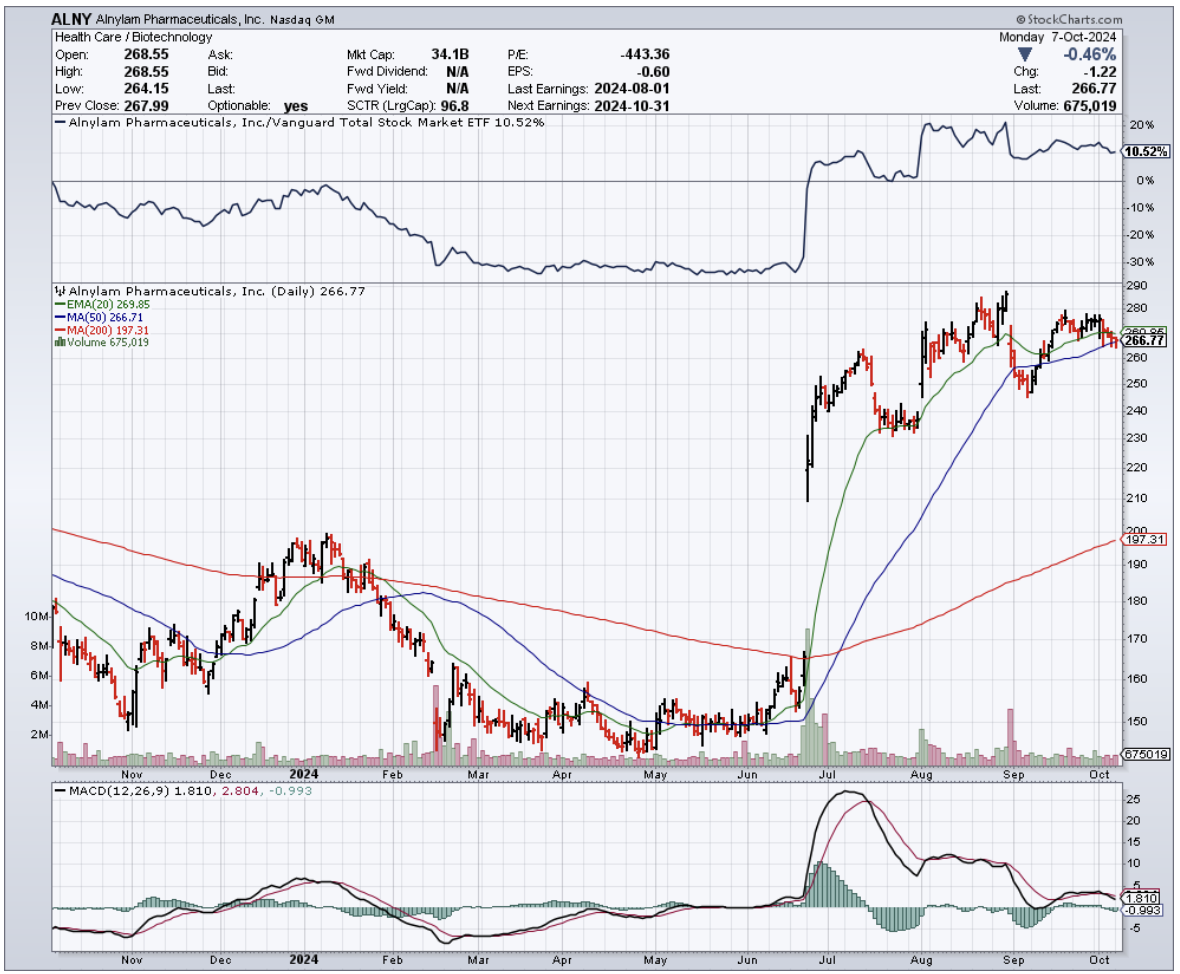
Then there's Alnylam Pharmaceuticals (ALNY). These folks have already brought RNA-based therapies to market.

Their drug, ONPATTRO, is treating a rare disease called hereditary transthyretin-mediated amyloidosis. It's proof that RNA-targeted treatments aren't just pie in the sky - they're real, and they're here.

Big Pharma is getting in on the action, too. Roche (RHHBY) bought up a company called Santaris Pharma back in 2014, snagging some nifty technology for developing microRNA therapies.

Novartis (NVS) and AstraZeneca (AZN) are also dipping their toes in the microRNA waters. And let's not forget about Qiagen (QGEN). They're not developing therapies, but they're selling the picks and shovels for this gold rush - tools for microRNA research and diagnostics.

Now, I'm not saying you should go all-in on microRNA stocks tomorrow. This is cutting-edge science, and the road from the lab bench to the pharmacy shelf is long and treacherous. But for those of you with an appetite for risk and a long-term view, this could be the next big thing in biotech.

So the next time someone corners you at a party with a story about microscopic organisms, maybe don't rush to the bar just yet. Remember, Ambros and Ruvkun weren't trying to create the next blockbuster drug. They were just curious about some weird-looking worms. Who would have thought their discovery could end up revolutionizing medicine?


https://madhedgefundtrader.com/wp-content/uploads/2019/05/cropped-mad-hedge-logo-transparent-192x192_f9578834168ba24df3eb53916a12c882.png 0 0 april@madhedgefundtrader.com https://madhedgefundtrader.com/wp-content/uploads/2019/05/cropped-mad-hedge-logo-transparent-192x192_f9578834168ba24df3eb53916a12c882.png april@madhedgefundtrader.com2024-10-08 12:35:072024-10-08 12:35:07The Little RNA That Could
april@madhedgefundtrader.com

October 8, 2024

Biotech Letter

Mad Hedge Biotech and Healthcare Letter
October 8, 2024
Fiat Lux


Featured Trade:

(THE LITTLE RNA THAT COULD)

(RGLS), (ALNY), (RHHBY), (NVS), (AZN), (QGEN)

https://madhedgefundtrader.com/wp-content/uploads/2019/05/cropped-mad-hedge-logo-transparent-192x192_f9578834168ba24df3eb53916a12c882.png 0 0 april@madhedgefundtrader.com https://madhedgefundtrader.com/wp-content/uploads/2019/05/cropped-mad-hedge-logo-transparent-192x192_f9578834168ba24df3eb53916a12c882.png april@madhedgefundtrader.com2024-10-08 12:02:472024-10-08 12:35:26October 8, 2024
april@madhedgefundtrader.com

October 3, 2024

Biotech Letter

Mad Hedge Biotech and Healthcare Letter
October 3, 2024
Fiat Lux


Featured Trade:

(TESTING, TESTING… CAN THIS BIOTECH SURVIVE THE POST-PANDEMIC DROP?)

(FLGT)

https://madhedgefundtrader.com/wp-content/uploads/2019/05/cropped-mad-hedge-logo-transparent-192x192_f9578834168ba24df3eb53916a12c882.png 0 0 april@madhedgefundtrader.com https://madhedgefundtrader.com/wp-content/uploads/2019/05/cropped-mad-hedge-logo-transparent-192x192_f9578834168ba24df3eb53916a12c882.png april@madhedgefundtrader.com2024-10-03 12:02:262024-10-03 12:17:13October 3, 2024
april@madhedgefundtrader.com

Testing, Testing... Can This Biotech Survive The Post-Pandemic Drop?

Biotech Letter

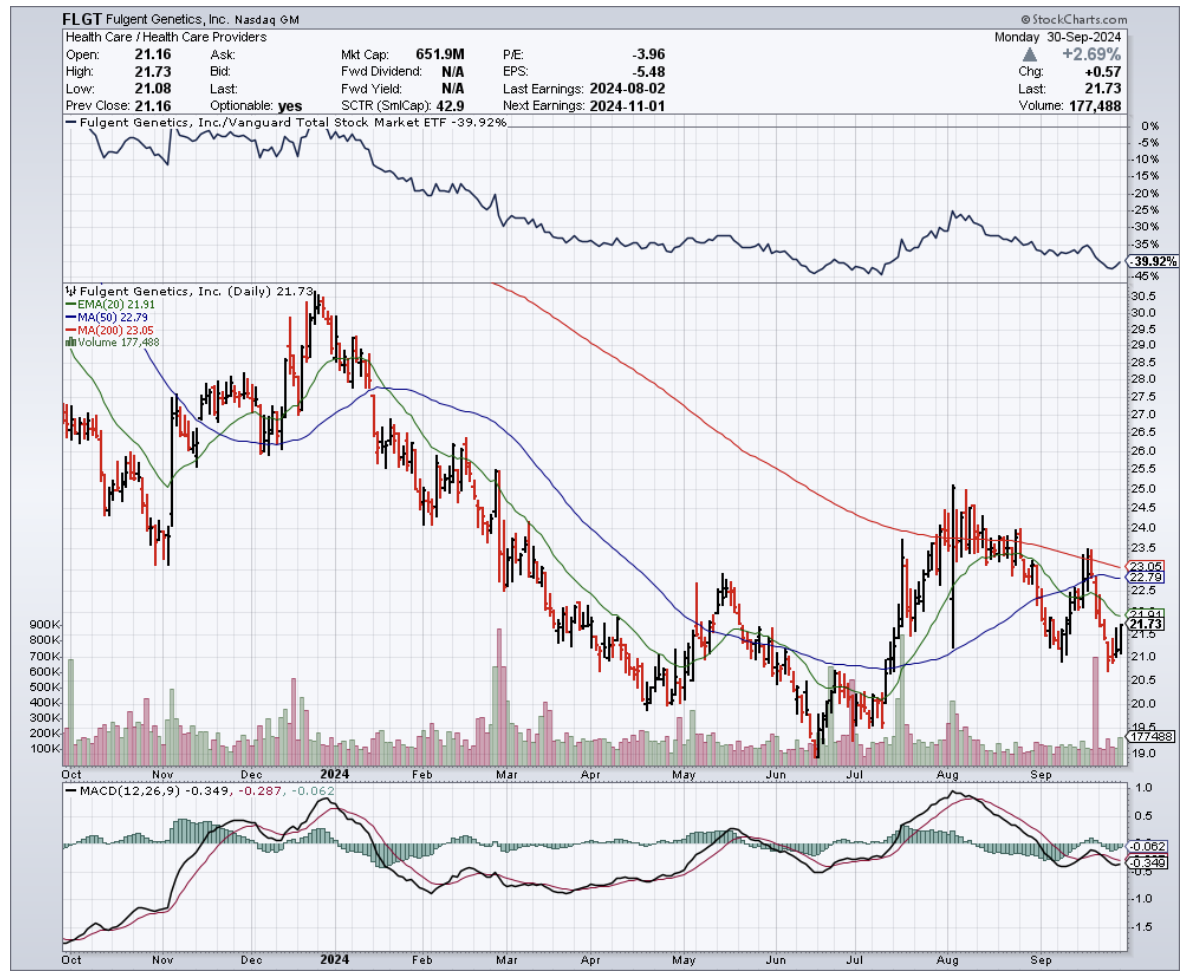
If you blinked, you might have missed the meteoric rise of Fulgent Genetics (FLGT) during the pandemic.

What started as a small player in genetic testing suddenly became a heavyweight in COVID-19 diagnostics, raking in nearly a billion dollars in revenue.

But with the pandemic in the rearview mirror, investors are wondering if Fulgent is just another one-hit wonder—or if it has a real shot at a biotech encore.

Fulgent started life in 2011 as a tech-savvy genetic testing outfit. They'd take your DNA, run it through their whiz-bang machines, and spit out a report for your doctor.

Not a bad gig in a market that's set to grow at 22% annually for the next decade.

But then 2020 rolled around, and boy did the plot thicken. COVID-19 hit, and Fulgent went from 59,000 billable tests in 2019 to a mind-boggling 10 million in 2021.

Talk about being in the right place at the right time.

Their COVID performance sent Fulgent's revenue into the stratosphere, rocketing from $32.5 million in 2019 to $992.6 million in 2021.

But as we all know, what goes up must come down, and by 2023, revenue had fallen back to $289.2 million as the COVID testing frenzy fizzled out.

So, where did Fulgent go from here? That’s the billion-dollar question—literally.

With COVID-19 testing revenues all but evaporated (just $841,000 in Q2 2024, or 1% of total revenue), Fulgent is back to focusing on its core genetic testing business and mapping out new territory.

Fortunately, the company didn’t just sit on its COVID cash pile. Instead, it made several strategic acquisitions to shore up its position in the broader healthcare space.

In 2021, Fulgent bought Cytometry Specialists Inc. (CSI), a move that expanded its presence in molecular diagnostics and cancer testing.

Then, in 2022, Fulgent went on a shopping spree, picking up Inform Diagnostics—a major pathology lab—and Fulgent Pharma, which marked its entry into the therapeutic development game.

These moves signal a clear intent: Fulgent wants to transition from being a niche diagnostics firm to a full-fledged healthcare solutions provider.

And here’s where it gets more interesting. Fulgent Pharma brought along a pipeline of drug candidates, including FID-007, a novel treatment for head and neck cancer that uses advanced nano-drug delivery technology.

While this segment currently contributes zero to the top line, the upside potential is massive if any of these candidates clear FDA hurdles.

Next, let’s take a look at the numbers.

Pre-COVID, Fulgent was growing at a respectable 21% clip from 2016 to 2019, but profitability was as elusive as a straight answer from the Fed. The pandemic changed all that, flooding the company with more cash than a Vegas high roller.

Still, even as COVID revenues dried up, Fulgent's core business kept growing. Their non-COVID revenues have jumped from $32.5 million pre-pandemic to $262 million in 2023.

That's an 8-fold increase, folks. Not too shabby for a Plan B.

As of Q2 2024, Fulgent's sitting on an $838 million cash pile, with zero debt. That's a lot of dry powder for a company valued at around $700 million.

Now, valuing Fulgent is trickier than nailing jello to a wall. Its specialized industry and lack of sustained profitability in its core business make traditional metrics about as useful as a screen door on a submarine.

But if we include long-term marketable securities in our net current asset value (NCAV) calculation, we get a per-share value of $25.40.

With the stock trading at $22.70, that's a price-to-NCAV ratio of 0.89x. Historically, Fulgent has traded at much higher multiples. Smells like opportunity to me.

And remember, this valuation gives zero credit to Fulgent's operating business. If they can hit their target of 40% gross margins by year-end 2024, we could be looking at a serious re-rating of this stock.

Of course, no investment is without risk, and Fulgent's got its share.

The main worry is cash burn, especially as they venture into the cash-hungry world of drug development. For 2024, they're expecting to burn $15-17 million on therapeutics development. That's manageable for now, but it's something to keep an eye on.

There's also the risk of bad acquisitions. Fulgent's been on a buying spree, and while it's paid off so far, one bad deal could spoil the broth.

Lastly, there's the Ming Hsieh factor. The CEO owns 29% of the company, giving him more control than a puppet master. His vision sounds promising, but it's speculative and may not always align with shareholder interests.

So, what’s the bottom line here?

Fulgent Genetics is like a biotech chameleon, constantly adapting to its environment. It rode the COVID wave to financial success and is now trying to parlay that into a long-term winning strategy. I suggest you buy the dip.


https://madhedgefundtrader.com/wp-content/uploads/2019/05/cropped-mad-hedge-logo-transparent-192x192_f9578834168ba24df3eb53916a12c882.png 0 0 april@madhedgefundtrader.com https://madhedgefundtrader.com/wp-content/uploads/2019/05/cropped-mad-hedge-logo-transparent-192x192_f9578834168ba24df3eb53916a12c882.png april@madhedgefundtrader.com2024-10-03 12:00:562024-10-03 12:20:06Testing, Testing... Can This Biotech Survive The Post-Pandemic Drop?
april@madhedgefundtrader.com

October 1, 2024

Biotech Letter

Mad Hedge Biotech and Healthcare Letter
October 1, 2024
Fiat Lux


Featured Trade:

(SAILING TO BIOTECH VALHALLA)

(VKTX), (NVO), (LLY), (AMGN), (PFE)

https://madhedgefundtrader.com/wp-content/uploads/2019/05/cropped-mad-hedge-logo-transparent-192x192_f9578834168ba24df3eb53916a12c882.png 0 0 april@madhedgefundtrader.com https://madhedgefundtrader.com/wp-content/uploads/2019/05/cropped-mad-hedge-logo-transparent-192x192_f9578834168ba24df3eb53916a12c882.png april@madhedgefundtrader.com2024-10-01 12:03:432024-10-01 12:03:43October 1, 2024
Page 13 of 115«‹1112131415›»

Legal Disclaimer

There is a very high degree of risk involved in trading. Past results are not indicative of future returns. MadHedgeFundTrader.com and all individuals affiliated with this site assume no responsibilities for your trading and investment results. The indicators, strategies, columns, articles and all other features are for educational purposes only and should not be construed as investment advice. Information for futures trading observations are obtained from sources believed to be reliable, but we do not warrant its completeness or accuracy, or warrant any results from the use of the information. Your use of the trading observations is entirely at your own risk and it is your sole responsibility to evaluate the accuracy, completeness and usefulness of the information. You must assess the risk of any trade with your broker and make your own independent decisions regarding any securities mentioned herein. Affiliates of MadHedgeFundTrader.com may have a position or effect transactions in the securities described herein (or options thereon) and/or otherwise employ trading strategies that may be consistent or inconsistent with the provided strategies.

Copyright © 2026. Mad Hedge Fund Trader. All Rights Reserved. support@madhedgefundtrader.com
Scroll to top