• support@madhedgefundtrader.com
  • Member Login
Mad Hedge Fund Trader
  • Home
  • About
  • Store
  • Luncheons
  • Testimonials
  • Contact Us
  • Click to open the search input field Click to open the search input field Search
  • Menu Menu
april@madhedgefundtrader.com

From Memory Lapses To Market Leaps

Biotech Letter

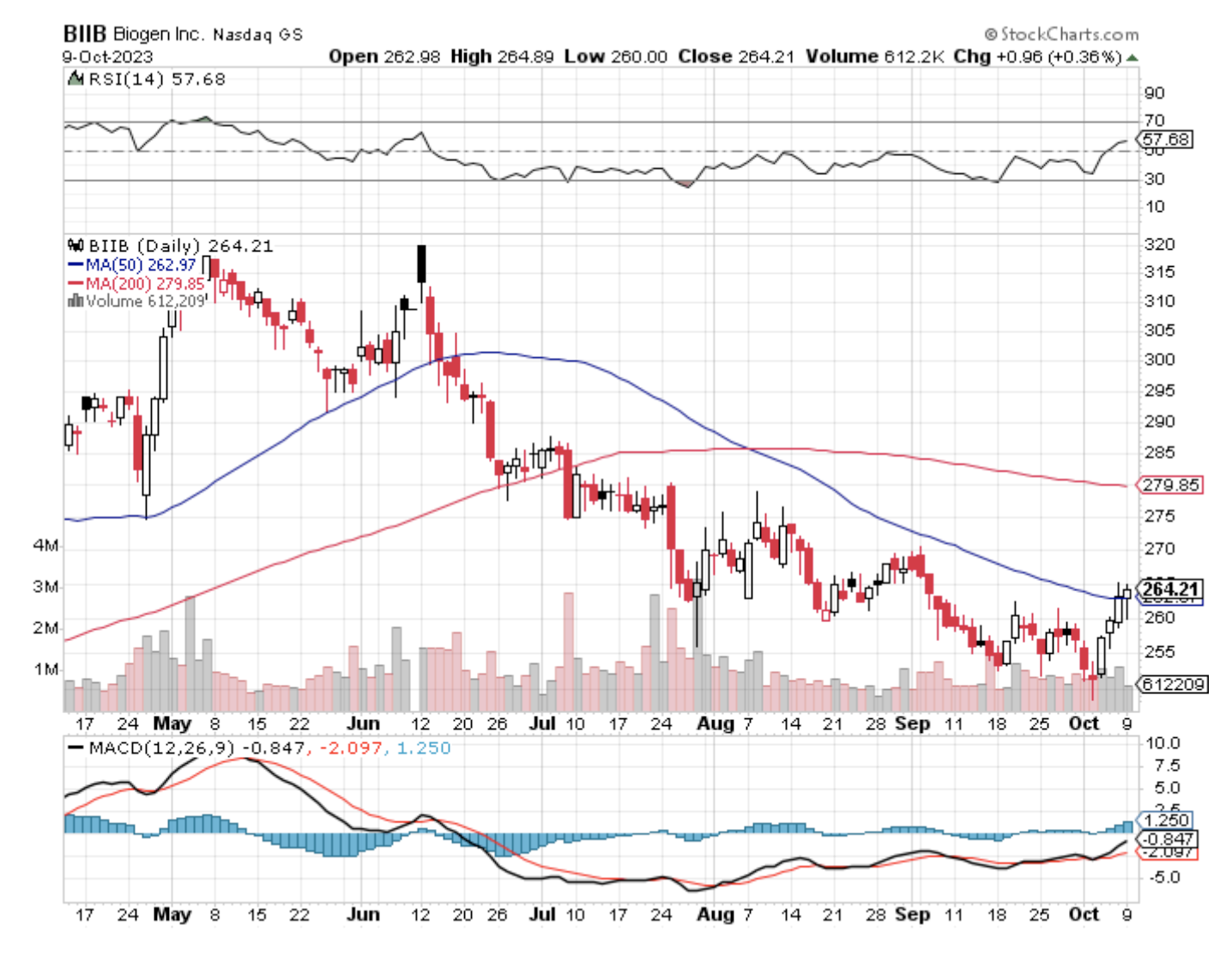
In the intricate maze of Alzheimer's disease (AD) research, many pharmaceutical pioneers have found themselves at dead ends. Over the past decades, the quest for groundbreaking AD treatments has seen numerous experimental drugs falter. Yet, against this backdrop, Biogen (BIIB) stands out, having secured approvals for two AD drugs within a span of just a few years.

Given this remarkable achievement, one might expect Biogen's shares to be soaring. Surprisingly, the company's stock performance has been underwhelming.

Biogen's first AD therapy, Aduhelm, received approval in mid-2021. Yet, its introduction to the market was not without challenges. The approval of Aduhelm was mired in controversy due to inconclusive data regarding its effectiveness, leading to hesitancy among many physicians. This raised eyebrows among investors, questioning the drug's potential return on investment.

However, the real game-changer lies in Biogen's second AD drug, Leqembi, which entered the market this year. Developed in partnership with Japan-based Eisai (ESAIY), the two companies will equally share the profits and losses.

For investors, this partnership signifies a shared risk and potential for significant returns. Analysts have varying estimates regarding Leqembi's sales potential, with some projecting revenues of $3 billion by 2028. Such projections can translate to substantial earnings per share, making it a focal point for stock market enthusiasts.

Forecasts suggest that the Alzheimer’s disease (AD) sector will witness a significant expansion, with an anticipated compound annual growth rate of 20.0%, escalating from $2.2 billion in 2020 to a staggering $13.7 billion by 2030 in the primary eight markets, namely, eight major markets the United States, France, Germany, Italy, Spain, the United Kingdom, Japan, and urban China.

Considering the cautious approach after the Aduhelm situation, the market might be hesitant about making bold predictions for Leqembi. However, from an investment standpoint, Leqembi's financial trajectory appears promising. With a set annual list price and a growing patient base, the drug's revenue stream is poised for growth. For investors, this means a potential uptick in stock value and dividends in the coming years.

Diving deeper into Biogen's portfolio, the company's pipeline includes specific assets like BIIB080, an antisense oligonucleotide therapy targeting tau, a protein buildup in Alzheimer's patients' brains. There's also BIIB121 for Parkinson's Disease and BIIB124 for Essential Tremor. These assets, if approved, could open up new revenue streams, making Biogen's stock even more attractive.

Beyond its neuro portfolio, Biogen is diversifying its offerings. In August, the U.S. Food and Drug Administration (FDA) approved Zurzuvae, a medicine developed with Sage Therapeutics (SAGE) for postpartum depression (PPD). However, the FDA declined its use for major depressive disorder (MDD), a much larger market. Needless to say, this decision impacts the company’s potential revenue.

Further solidifying its position in the biotech market, Biogen is in the process of acquiring Reata Pharmaceuticals for $7.3 billion.

This acquisition brings Skyclarys, a treatment for Friedreich's ataxia, under Biogen's umbrella. Reports suggest that the market for drugs treating Friedreich's ataxia could surpass $2 billion annually by 2030.

So, what's the bottom line?

Biogen is proactively addressing its challenges, diversifying its portfolio, and showing potential for growth. While there are uncertainties, the company's strategic moves in the biotech space make it a contender for portfolio inclusion. For those with a keen eye on biotech stocks, the company offers both risks and rewards. Its recent approvals and acquisitions signal potential growth, but as with all investments, due diligence is crucial.

In the ever-evolving world of biotech investments, Biogen evidently stands as a company with potential. Its endeavors in Alzheimer's treatments, strategic partnerships, and acquisitions position it as a stock to watch. While challenges remain, the company's trajectory suggests a promising future, making it a consideration for investors seeking growth in the biotech sector. I suggest you buy the dip.


https://madhedgefundtrader.com/wp-content/uploads/2019/05/cropped-mad-hedge-logo-transparent-192x192_f9578834168ba24df3eb53916a12c882.png 0 0 april@madhedgefundtrader.com https://madhedgefundtrader.com/wp-content/uploads/2019/05/cropped-mad-hedge-logo-transparent-192x192_f9578834168ba24df3eb53916a12c882.png april@madhedgefundtrader.com2023-10-10 15:00:182023-10-10 15:57:50From Memory Lapses To Market Leaps
april@madhedgefundtrader.com

October 5, 2023

Biotech Letter

Mad Hedge Biotech and Healthcare Letter
October 5, 2023
Fiat Lux

Featured Trade:

(FROM FRUSTRATING WHACK-A-MOLE ATTEMPTS TO PRECISION STRIKES)
(MRK), (MRNA)

https://madhedgefundtrader.com/wp-content/uploads/2019/05/cropped-mad-hedge-logo-transparent-192x192_f9578834168ba24df3eb53916a12c882.png 0 0 april@madhedgefundtrader.com https://madhedgefundtrader.com/wp-content/uploads/2019/05/cropped-mad-hedge-logo-transparent-192x192_f9578834168ba24df3eb53916a12c882.png april@madhedgefundtrader.com2023-10-05 17:02:012023-10-05 18:25:45October 5, 2023
april@madhedgefundtrader.com

From Frustrating Whack-A-Mole Attempts To Precision Strikes

Biotech Letter

The age-old battle against cancer is getting a revolutionary upgrade, with our own immune systems leading the charge. Imagine if our body's defense system could be tweaked, tuned, and harnessed to target and decimate previously unconquerable tumors specifically. With the global oncology market previously valued at a staggering USD 167.9 billion in 2021 and anticipated to grow to about USD 286.3 billion by 2030, the promise of that dream is becoming closer to reality.

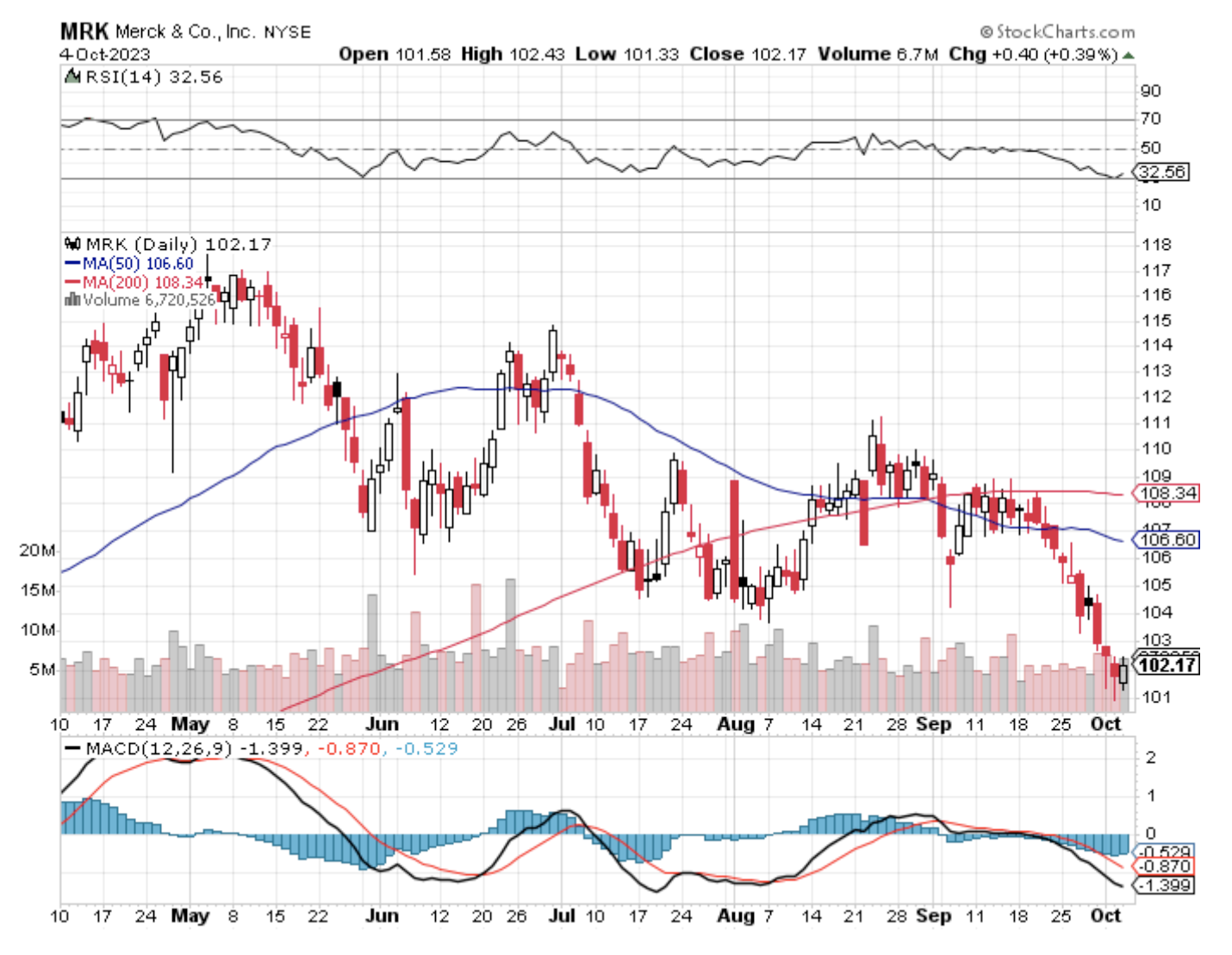
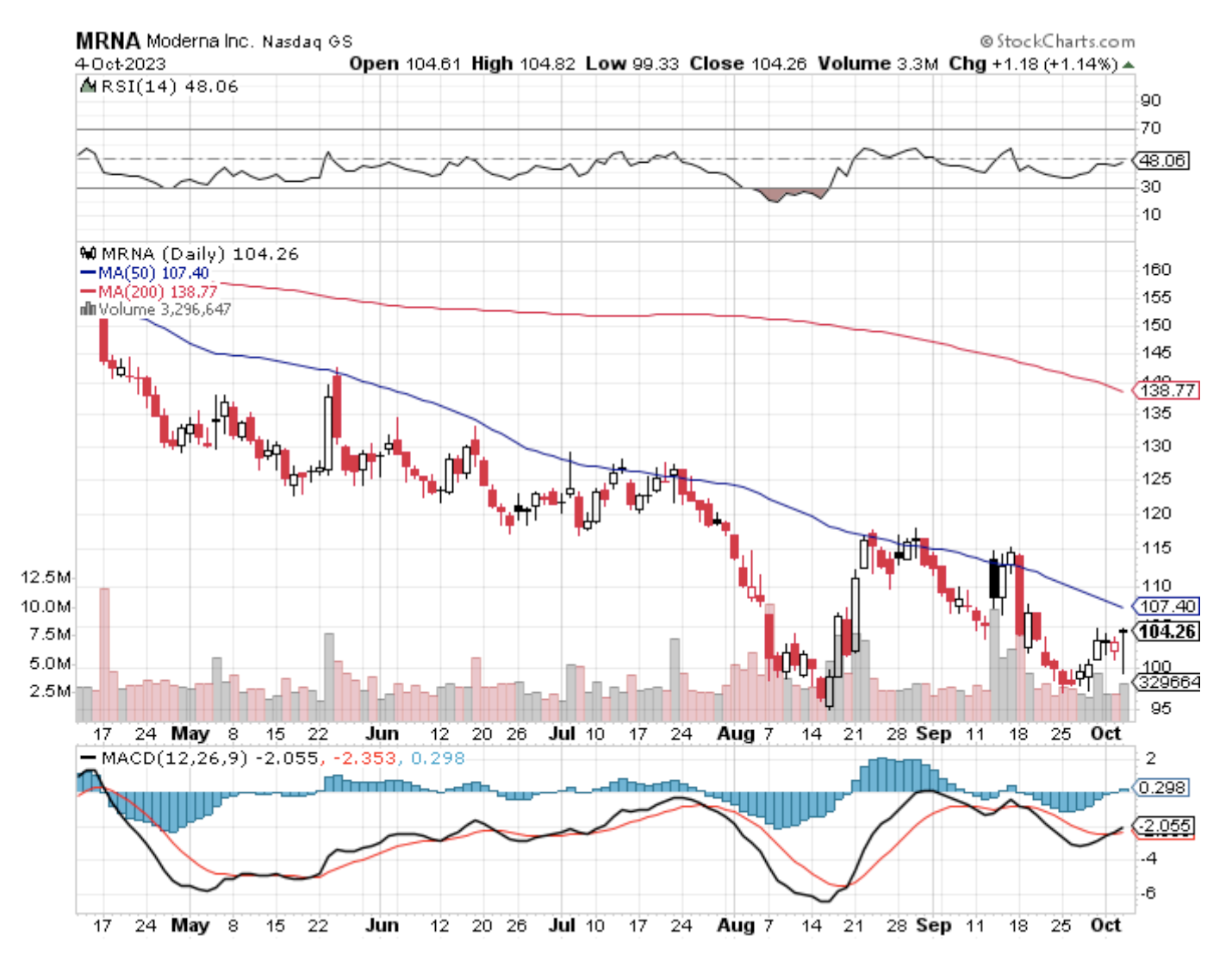
Take a moment and think about drugs called PD-1 and PD-L1 inhibitors. No, they don't play the ancient game of "whack-a-mole" with cancer cells. Instead, they orchestrate a sophisticated game of hide-and-seek, unmasking these rogue cells from the vigilant gaze of our cancer-hunting T-cells. The result? Some of the deadliest cancers, like melanoma and certain lung malignancies, are now seeing remarkable increases in survival rates. These advancements are epitomized by companies like Merck (MRK), whose collaborations with biotech giants like Moderna (MRNA) have pushed the frontier of cancer treatment.

However, the innovation doesn't stop there. Enter the realm of personalized cancer vaccines, the latest generals in this battle. Their might was most notably exhibited when Moderna and Merck recently announced that their investigational personalized mRNA cancer vaccine, when combined with Merck's KEYTRUDA, showed promising results in a Phase 2b trial for melanoma treatment.

By employing genetic sequencing, these vaccines pinpoint unique mutations within an individual's cancer. Much like how the COVID-19 vaccines rev up our immune response, these personalized armaments rally T-cells to specifically target and decimate cancer cells brandishing those identified mutations. In fact, such advancements are so promising that Moderna envisions creating a vaccine tailored for every unique cancer mutation.

In 2022, Joe Biden set an ambitious goal of slicing cancer deaths by half in a quarter-century. With early detection, prevention strategies, and these groundbreaking treatments, this goal could very well be within reach. This is also timely since, forecasting a glimpse into 2023, the U.S. is bracing for approximately 1,958,310 fresh cancer diagnoses. Alongside this daunting figure, the shadows of the ailment further extend with an anticipated 609,820 individuals succumbing to the disease.

Let’s dive a bit deeper into the intricacies of immunotherapy. At its heart, it’s about training our body to do what it's naturally designed to do – recognize and obliterate invaders. But cancer, being the wily enemy it is, has learned to don an invisibility cloak. That's where our new drugs, like PD-1 and PD-L1 inhibitors, along with vaccines, step in - revealing these camouflaged enemies and bolstering our body's defense forces to strike back.

Needless to say, this shift in perspective on cancer is a game-changer. Gone are the days of merely categorizing it by body parts. Now, armed with insights into the unique biology of tumors, coupled with advancements from pharmaceutical behemoths like Merck and biotech pioneers like Moderna, hundreds of different cancers can be identified and targeted.

It's undeniable that collaborations, such as the one between Merck and Moderna, have signaled a paradigm shift in the battle against cancer. Their shared vision of pushing forward in the field of personalized cancer vaccines can potentially redefine how we approach oncology in the coming years.

Yet, as with all wars, there are casualties. The treatments, while promising, aren't without risks. Unbridling the immune system, for instance, can sometimes lead to unforeseen reactions, some of which can be fatal. Nonetheless, the consensus is clear: these treatments are generally safer and potentially more effective than the traditional chemotherapy approach.

But what does this mean for the average Joe or Jane grappling with a cancer diagnosis? Simply put, a shimmering beacon of hope. While some cancers remain resilient to these advances, others are showing remarkable progress. However, staying updated with the latest treatments is crucial. This might sometimes involve enrolling in trials or seeking genetic sequencing of one's cancer to unlock potential targeted therapies.

The bottom line, as put succinctly by oncologists working on these treatments: “We’re not in the 1990s anymore.” With key players like Merck and Moderna at the forefront of these innovations, we might just be on the brink of turning the tide in this relentless war. Make sure you don’t get left behind. Buy the dip.


https://madhedgefundtrader.com/wp-content/uploads/2019/05/cropped-mad-hedge-logo-transparent-192x192_f9578834168ba24df3eb53916a12c882.png 0 0 april@madhedgefundtrader.com https://madhedgefundtrader.com/wp-content/uploads/2019/05/cropped-mad-hedge-logo-transparent-192x192_f9578834168ba24df3eb53916a12c882.png april@madhedgefundtrader.com2023-10-05 17:00:002023-10-05 18:25:34From Frustrating Whack-A-Mole Attempts To Precision Strikes
april@madhedgefundtrader.com

October 3, 2023

Biotech Letter

Mad Hedge Biotech and Healthcare Letter
October 3, 2023
Fiat Lux

Featured Trade:

(REDEFINING RESILIENCE)
(VRTX), (ABBV), (AMGN), (JNJ)

https://madhedgefundtrader.com/wp-content/uploads/2019/05/cropped-mad-hedge-logo-transparent-192x192_f9578834168ba24df3eb53916a12c882.png 0 0 april@madhedgefundtrader.com https://madhedgefundtrader.com/wp-content/uploads/2019/05/cropped-mad-hedge-logo-transparent-192x192_f9578834168ba24df3eb53916a12c882.png april@madhedgefundtrader.com2023-10-03 15:02:212023-10-03 15:59:15October 3, 2023
april@madhedgefundtrader.com

Redefining Resilience

Biotech Letter

It’s not surprising that a number of investors might be hesitant to purchase stocks this month. A few might remember that a number of the most significant stock market downturns in history took place in October. Numerous stocks continue to be high-priced despite the stock market shedding a considerable portion of its earlier momentum from this year.

However, October has often proven to be a favorable month for the stock market — if you know how to choose. Moreover, while a multitude of stocks carry a high price tag, there are those that do not.

Now, imagine a pharmaceutical giant, a singular entity reigning supreme in a market valued in the billions, poised to unveil three revolutionary products by 2025, each potentially generating sales eclipsing $1 billion. Picture this company at the forefront, pioneering a cure for type 1 diabetes (T1D).

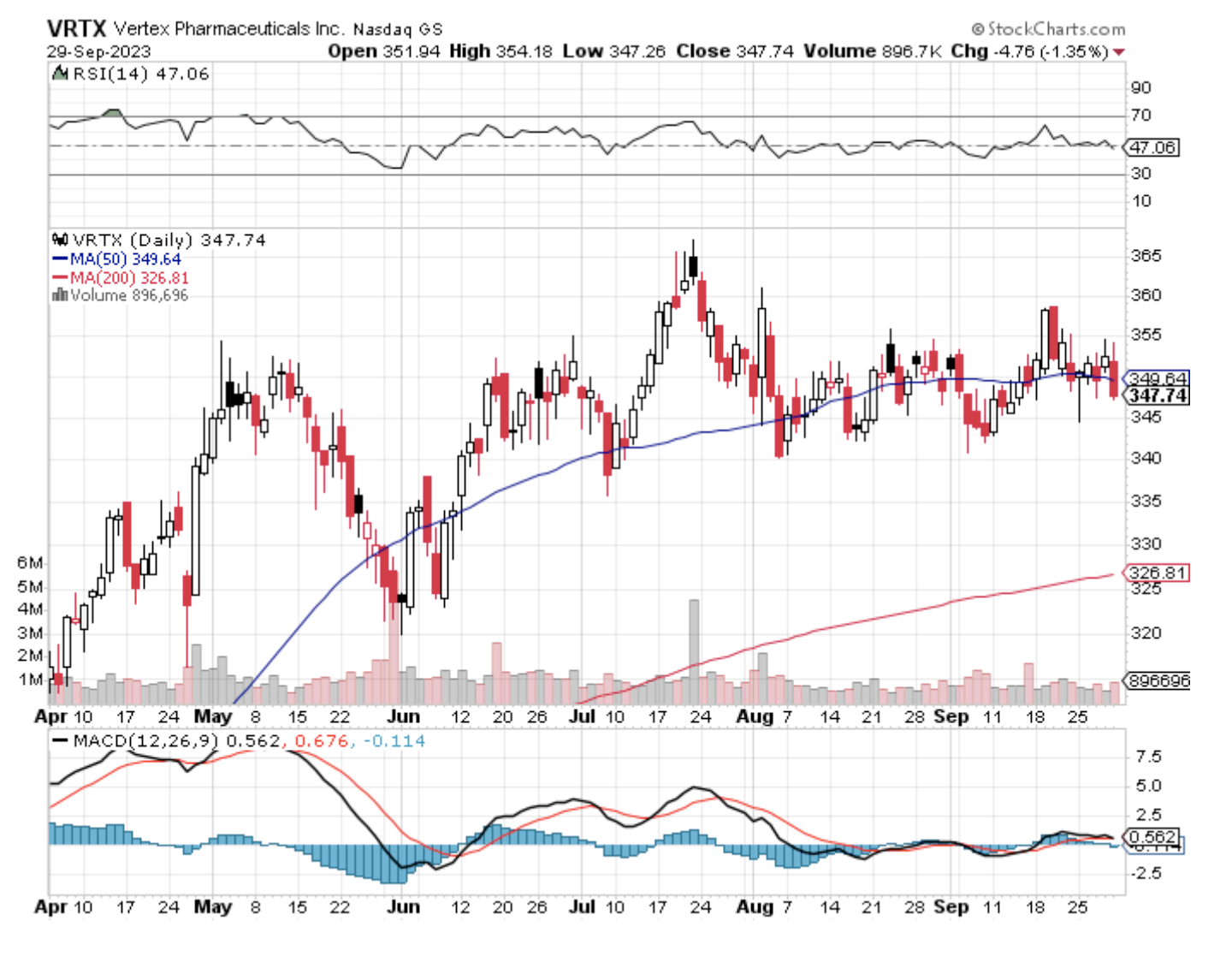
The fascinating part? This isn’t a fragment of imagination—it’s the reality of Vertex Pharmaceuticals (VRTX).

With its towering presence in the biotech sector, Vertex has a market cap surpassing $90 billion, establishing itself as the largest entity among U.S.-headquartered firms. Unlike its contemporaries—AbbVie (ABBV), Amgen (AMGN), and Johnson & Johnson (JNJ)—Vertex doesn’t distribute dividends.

Still, it remains one of the most consistent companies thanks to its remarkable trajectory starting from its inception in 1989. Since the advent of the SPDR S&P Biotech ETF (XBI) in 2006, Vertex has soared, achieving over 900% return, overshadowing the ETF’s 380% return.

The journey of Vertex is not just a tale of numbers and percentages; it’s a narrative of resilience and innovation. The company distinguishes itself with its innovative approach to addressing serious diseases, particularly focusing on cystic fibrosis (CF), and its continuous expansion in the CF treatment market.

As expected, the question of whether Vertex is a one-dimensional entity, solely reliant on CF therapies arises. Far from it.

CF isn't anticipated to be the sole catalyst for Vertex's expansion for much longer. The firm, alongside its partner CRISPR Therapeutics (CRSP), is aspiring to secure approval from U.S. regulatory bodies for exa-cel to treat uncommon hematological conditions such as sickle cell anemia and transfusion-reliant beta-thalassemia in the upcoming months. Additionally, the company envisions an imminent market introduction for VX-548, a potent, non-opioid pain medication.

Looking ahead, the future seems even more promising for this major biotech entity. Vertex is conducting a crucial clinical trial on inaxaplin, focusing on APOL1-mediated renal disease, affecting a broader patient demographic compared to CF.

Meanwhile, the financial prowess of Vertex is another facet of its diverse identity. The company has been a consistent beacon of positive free cash flow since 2016, and its financial robustness was highlighted by a 14% revenue growth in the second quarter, driven by robust international sales.

The company’s strategic investments in R&D and commercial capabilities are pivotal to leveraging the multibillion-dollar market opportunities looming on the horizon. These investments are not mere allocations of resources; they are the building blocks of Vertex’s future, the seeds sown today to reap innovations tomorrow.

An excellent example of this is Vertex’s ambitious stride into the type 1 diabetes market, marked by its acquisition of ViaCyte in a $315 million deal. Ultimately, the goal is to deliver innovative stem cell-derived cell replacement therapies as a functional cure for type 1 diabetes.

While the diabetes products are still navigating through phase 2, the anticipation is palpable regarding their role in fueling Vertex’s future growth. The company’s resilience against elevated rates and its propensity to bounce back make it a fascinating stock to consider during market corrections. It’s not just about the numbers on a balance sheet or the ticks on a stock chart; it’s about the relentless pursuit of innovation, and the unwavering commitment to making a difference in the lives of patients around the globe.

So, do these make Vertex the unstoppable stock poised to rule the next two decades? The signs are pointing to a resounding yes.


https://madhedgefundtrader.com/wp-content/uploads/2019/05/cropped-mad-hedge-logo-transparent-192x192_f9578834168ba24df3eb53916a12c882.png 0 0 april@madhedgefundtrader.com https://madhedgefundtrader.com/wp-content/uploads/2019/05/cropped-mad-hedge-logo-transparent-192x192_f9578834168ba24df3eb53916a12c882.png april@madhedgefundtrader.com2023-10-03 15:00:202023-10-03 16:03:04Redefining Resilience
april@madhedgefundtrader.com

September 28, 2023

Biotech Letter

Mad Hedge Biotech and Healthcare Letter
September 28, 2023
Fiat Lux

Featured Trade:

(TIPPING THE SCALES)
(NVO), (LLY), (PODD), (TNDM), (DXCM), (RMD), (INSP), (MDGL), (ISRG), (AKRO), (ETNB)

https://madhedgefundtrader.com/wp-content/uploads/2019/05/cropped-mad-hedge-logo-transparent-192x192_f9578834168ba24df3eb53916a12c882.png 0 0 april@madhedgefundtrader.com https://madhedgefundtrader.com/wp-content/uploads/2019/05/cropped-mad-hedge-logo-transparent-192x192_f9578834168ba24df3eb53916a12c882.png april@madhedgefundtrader.com2023-09-28 12:02:252023-09-28 11:55:49September 28, 2023
april@madhedgefundtrader.com

Tipping the Scales

Biotech Letter

The pharmaceutical world is buzzing, and it’s all thanks to the groundbreaking obesity drugs from Novo Nordisk (NVO) and Eli Lilly (LLY). In my previous newsletter, I delved into the massive potential of these new treatments, and it sparked a flurry of discussions. So, this time, I want to peel back the layers and explore how these advancements affect other companies within the same market.

After all, their emergence creates a paradoxical narrative, a dance of shadows and lumens. These drugs, renowned as the modern panacea for the obesity crisis, have catapulted the companies behind them into unprecedented valuations, making them luminaries in a market awash with investors hungry for the next big thing.

The enthusiasm surrounding these drugs is not unfounded; they are pivotal in treating type 2 diabetes and are seen as the desperately needed solution to the widespread obesity crisis. The groundbreaking medications introduced by Novo Nordisk and Lilly are enabling individuals to lose approximately 15% to 20% of their body weight, with Wall Street anticipating the combined annual sales of these revolutionary drugs to surpass $40 billion by the close of this decade.

However, the shadows of GLP-1s cast a contrasting pallor on companies that burgeoned in tandem with America’s expanding waistlines.

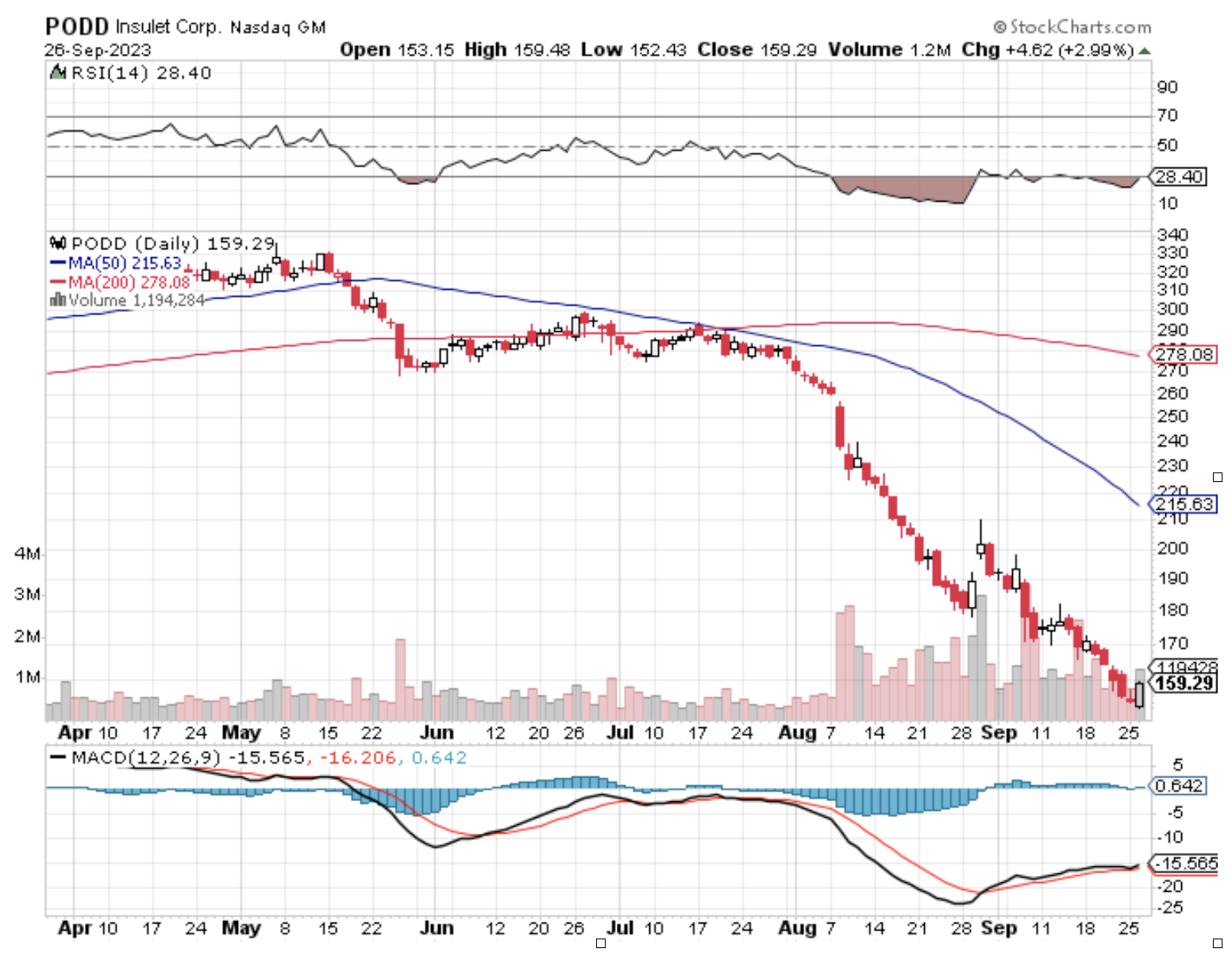
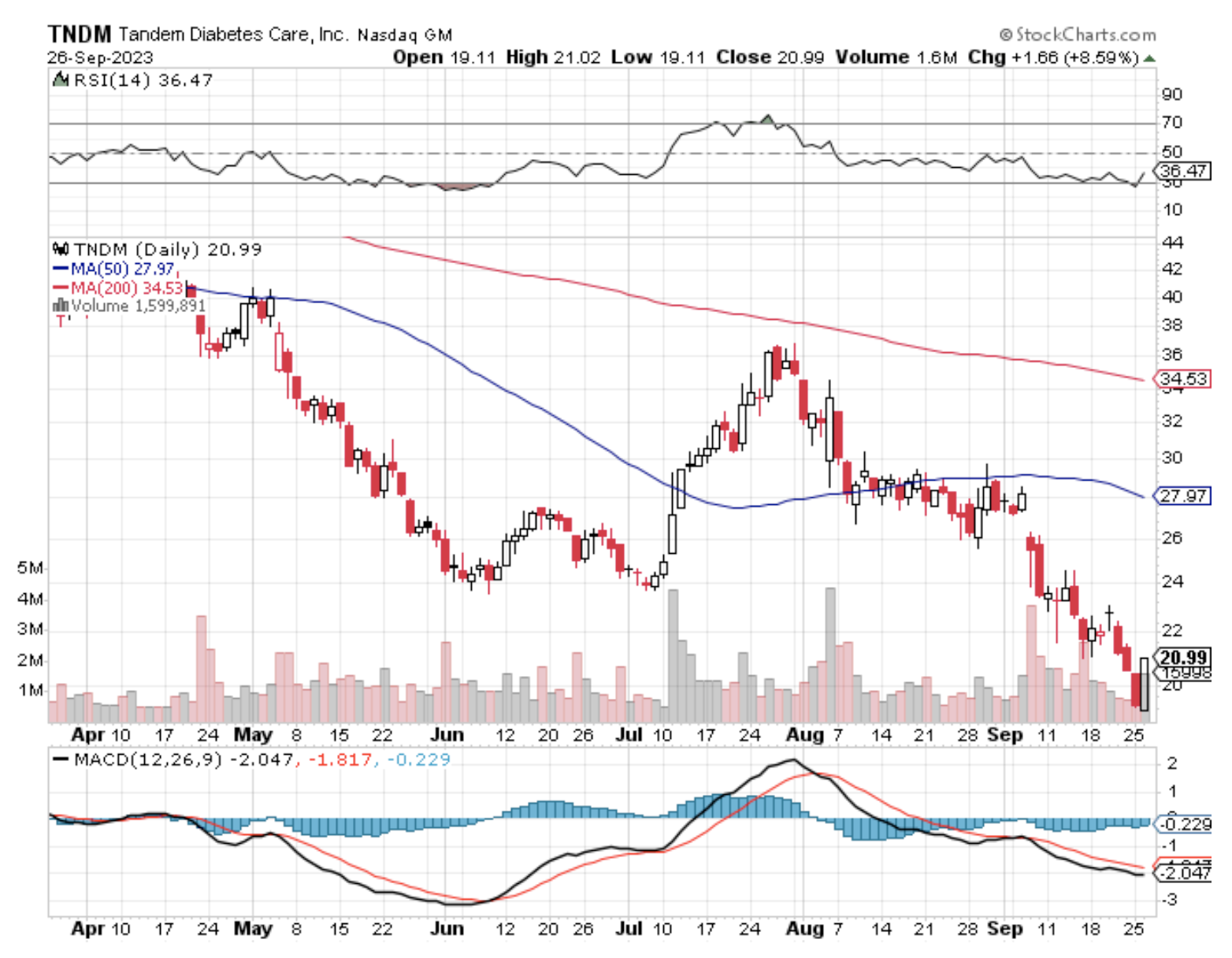
Firms like Insulet (PODD) and Tandem Diabetes Care (TNDM) are witnessing a decline of 40% and 50% in their values this year, respectively.

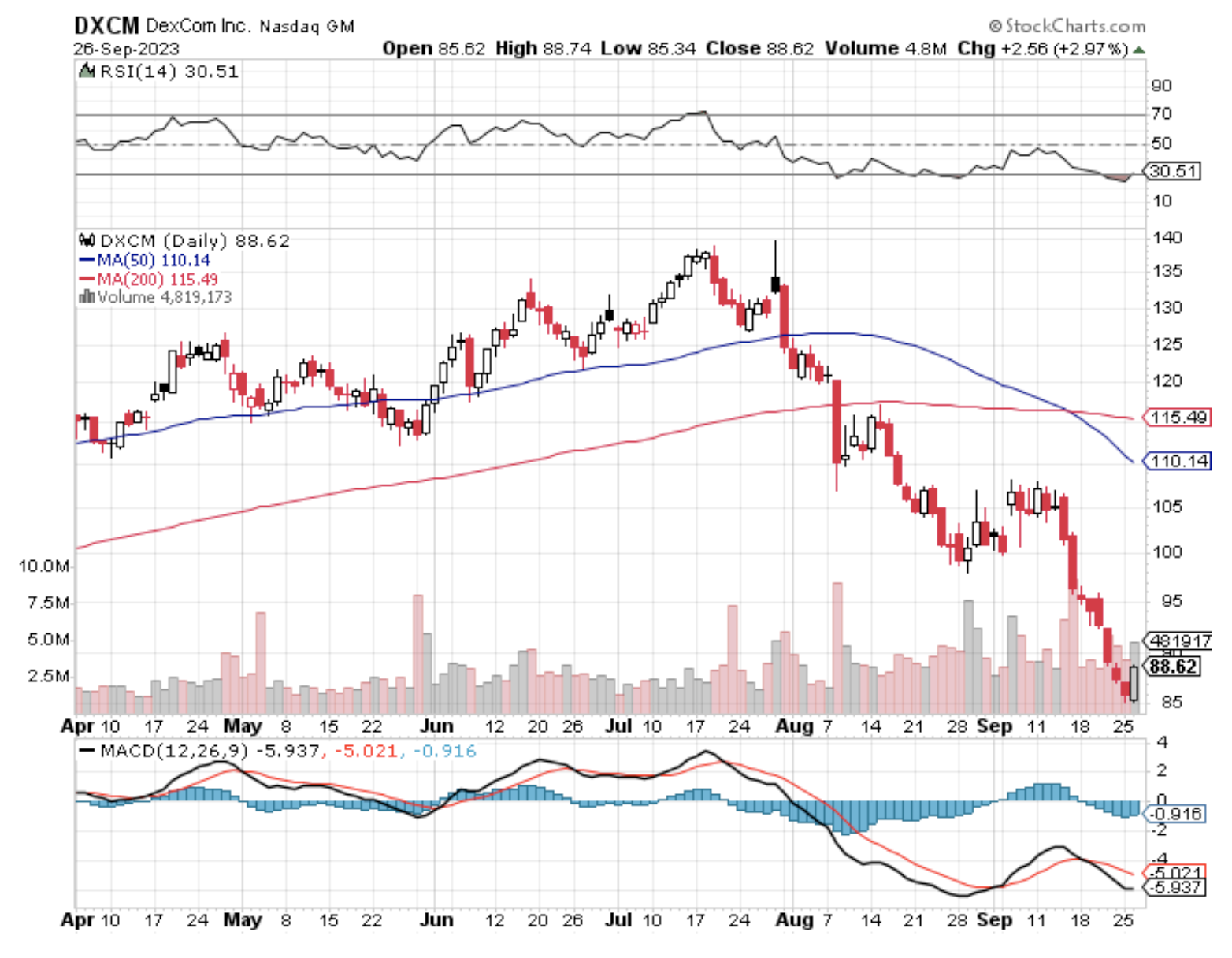
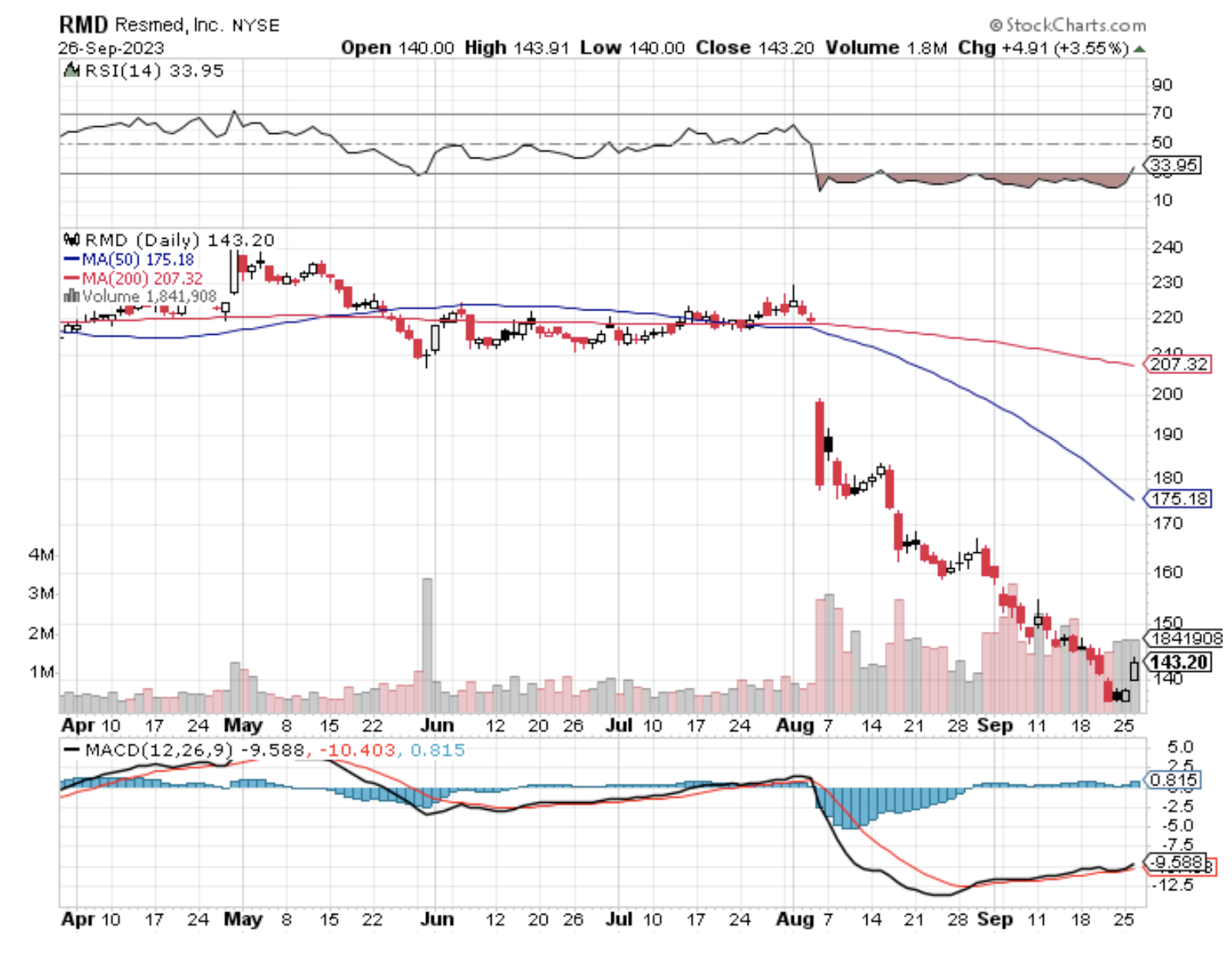
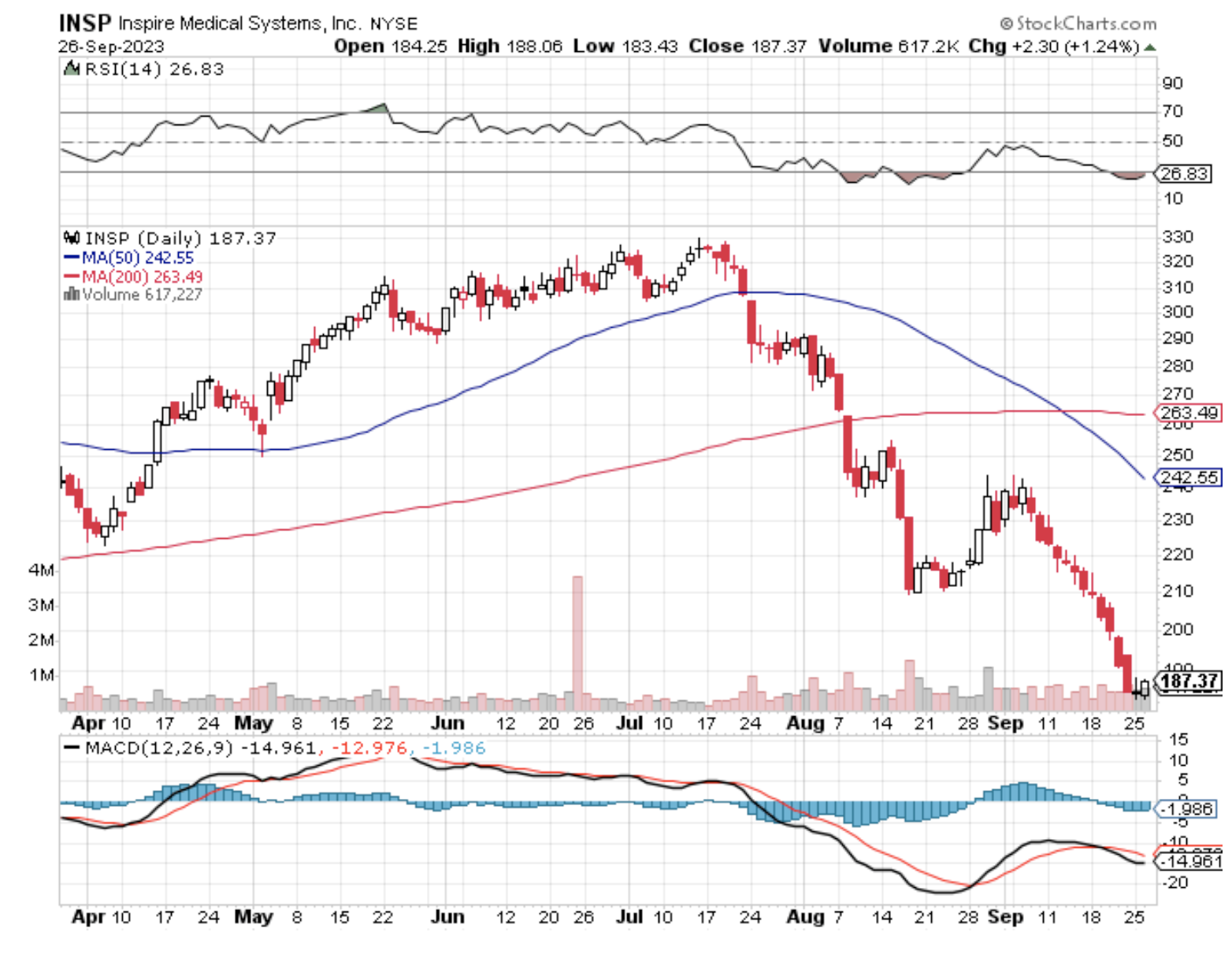
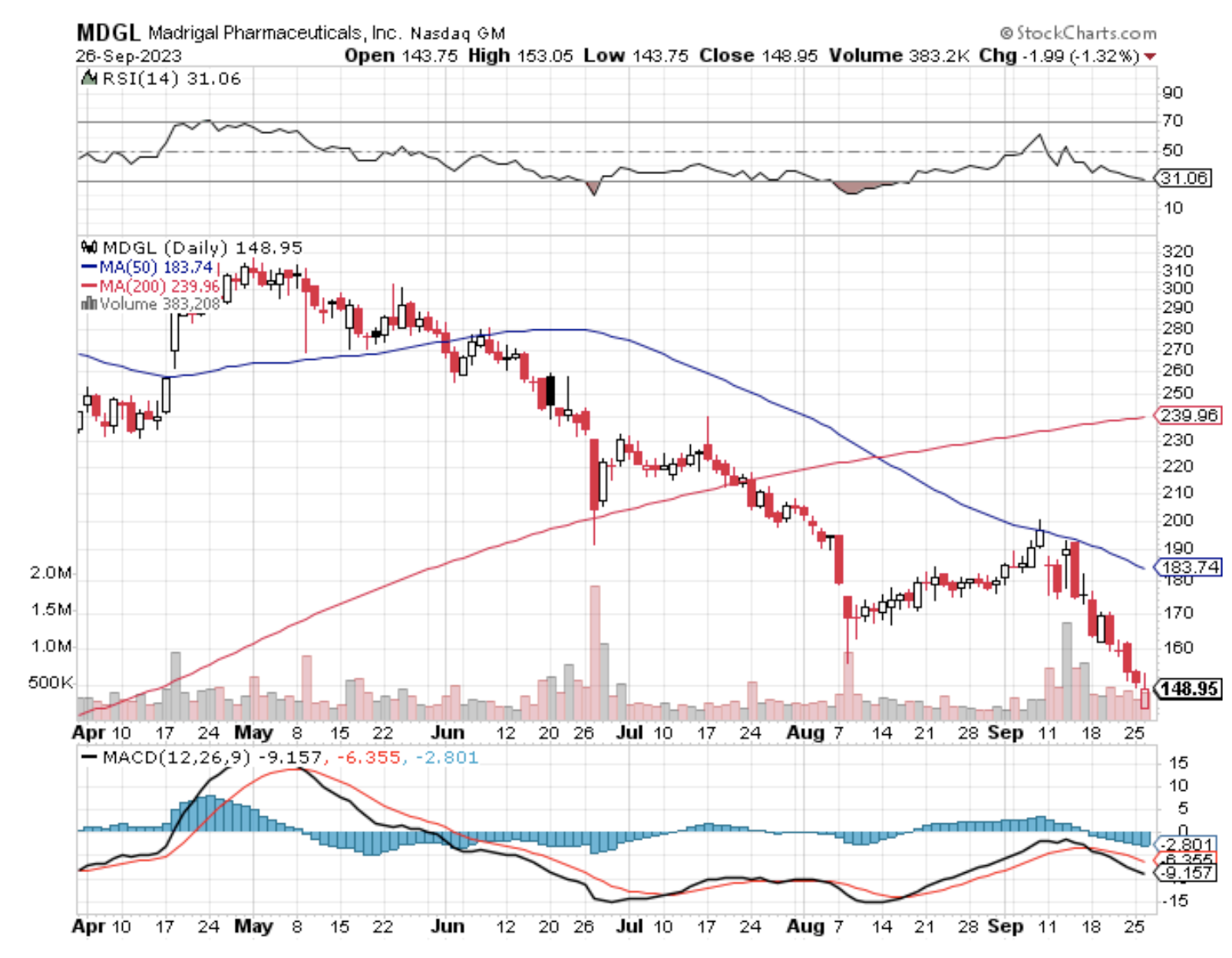
Similarly, DexCom (DXCM), the frontrunner in glucose monitoring, has experienced a 16% dip, and ResMed (RMD), the stalwart in CPAP machines treating sleep apnea, has seen its stock plummet by 30%. Inspire Medical Systems (INSP) and Madrigal Pharmaceuticals (MDGL) have also encountered significant drops in their shares.

These companies, once the darlings of the medical stock market due to their escalating sales growth, are now facing the brunt of a shifting investor focus. This is because the investment community is envisioning a future with a reduced prevalence of diabetes and sleep apnea and is consequently retracting their stakes in these stocks, leaving companies and investors navigating through a sea of uncertainties.

By early spring, the potential impact of widespread GLP-1 usage became the focal point of strategic discussions at numerous hedge funds. That led to a shift as some started withdrawing from stocks like DexCom and Madrigal, subsequently opting to short-sell these shares. The broader market tuned in this summer.

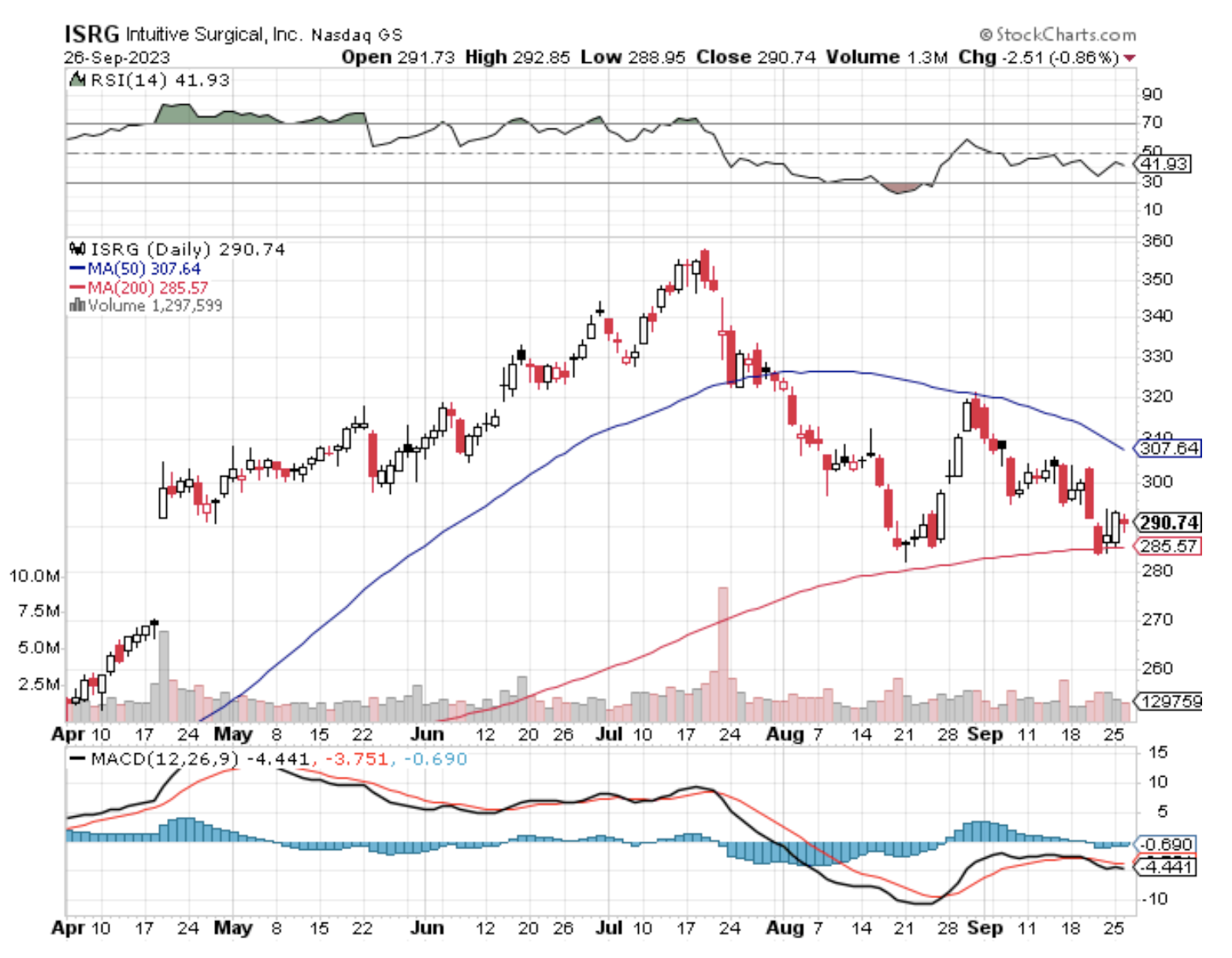
A case in point is Intuitive Surgical (ISRG), a leader in surgical robotics, which noted during its earnings call that a preference for trying GLP-1s was leading to a deferment in weight-loss surgeries. Although these procedures constitute a minor segment of robotic surgeries, they have been instrumental in driving Intuitive’s growth.

GLP-1s have also affected the demand for insulin injections. Recently, endocrinologists have suggested that GLP-1s could potentially delay the transition to insulin for a significant portion of Type 2 patients. This revelation triggered a recalibration of sales forecasts and stock price targets, with Insulet experiencing a downgrade in both target price and rating.

Meanwhile, the growth prospects of glucose monitor manufacturer DexCom in the Type 2 market remain positive. The integration of glucose monitors with GLP-1s is anticipated to become a prevalent trend among diabetic patients. Despite a temporary rally in DexCom stock, the lingering question remains whether the expanding use of GLP-1s will eventually reduce the demand for glucose monitoring.

Vendors of sleep apnea devices, such as ResMed and Inspire Medical, are also conveying to investors the minimal impact of GLP-1s on their markets. However, the debate continues on the intrinsic link between obesity and sleep apnea and the potential repercussions of GLP-1s on the entire sleep apnea spectrum. As market dynamics continue to shift and the ripple effects of GLP-1s become the focal point of discussions, more and more questions about the future landscape of obesity-associated medtechs arise.

The positive developments in GLP-1s have also cast a shadow over another sector: liver medications.

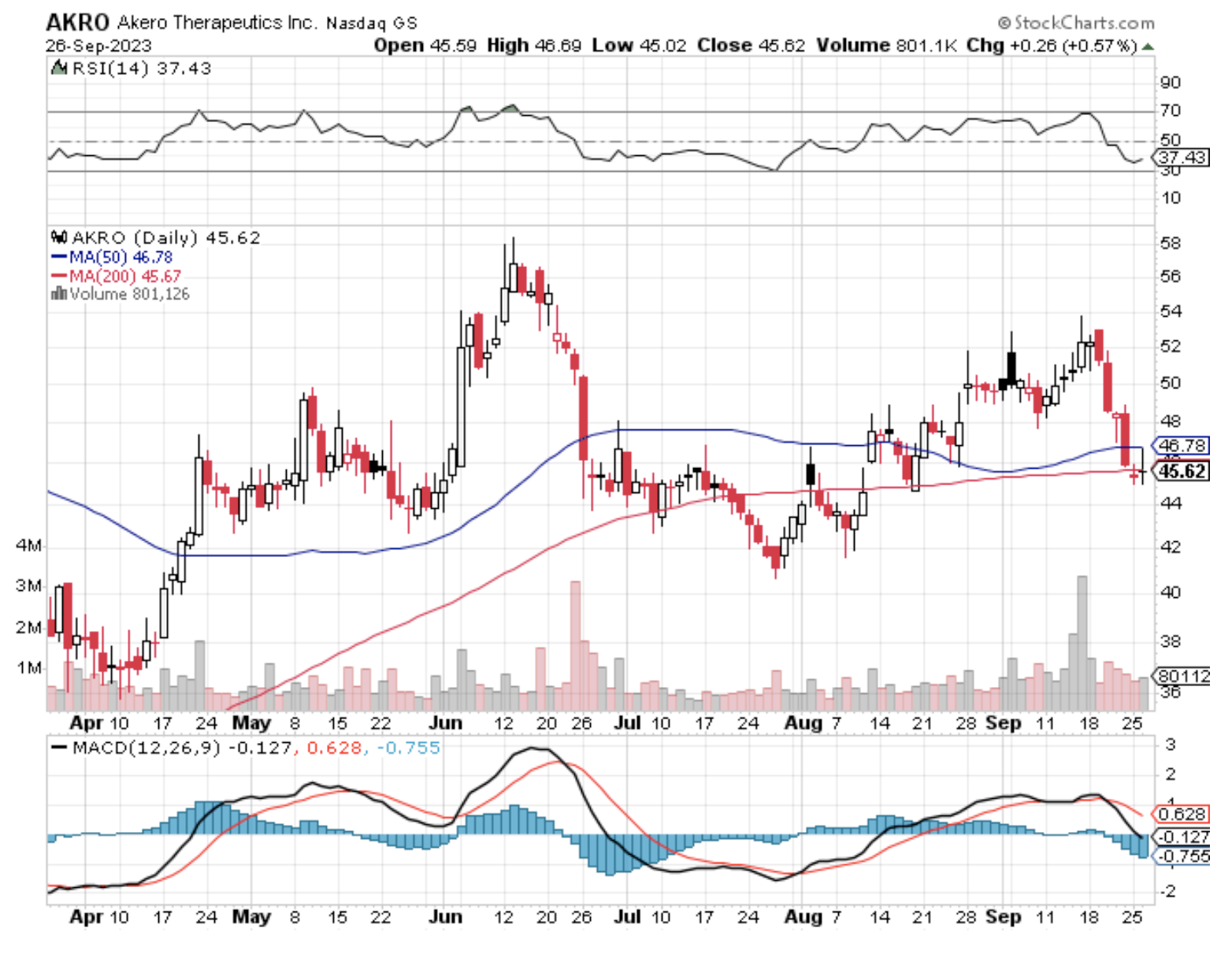
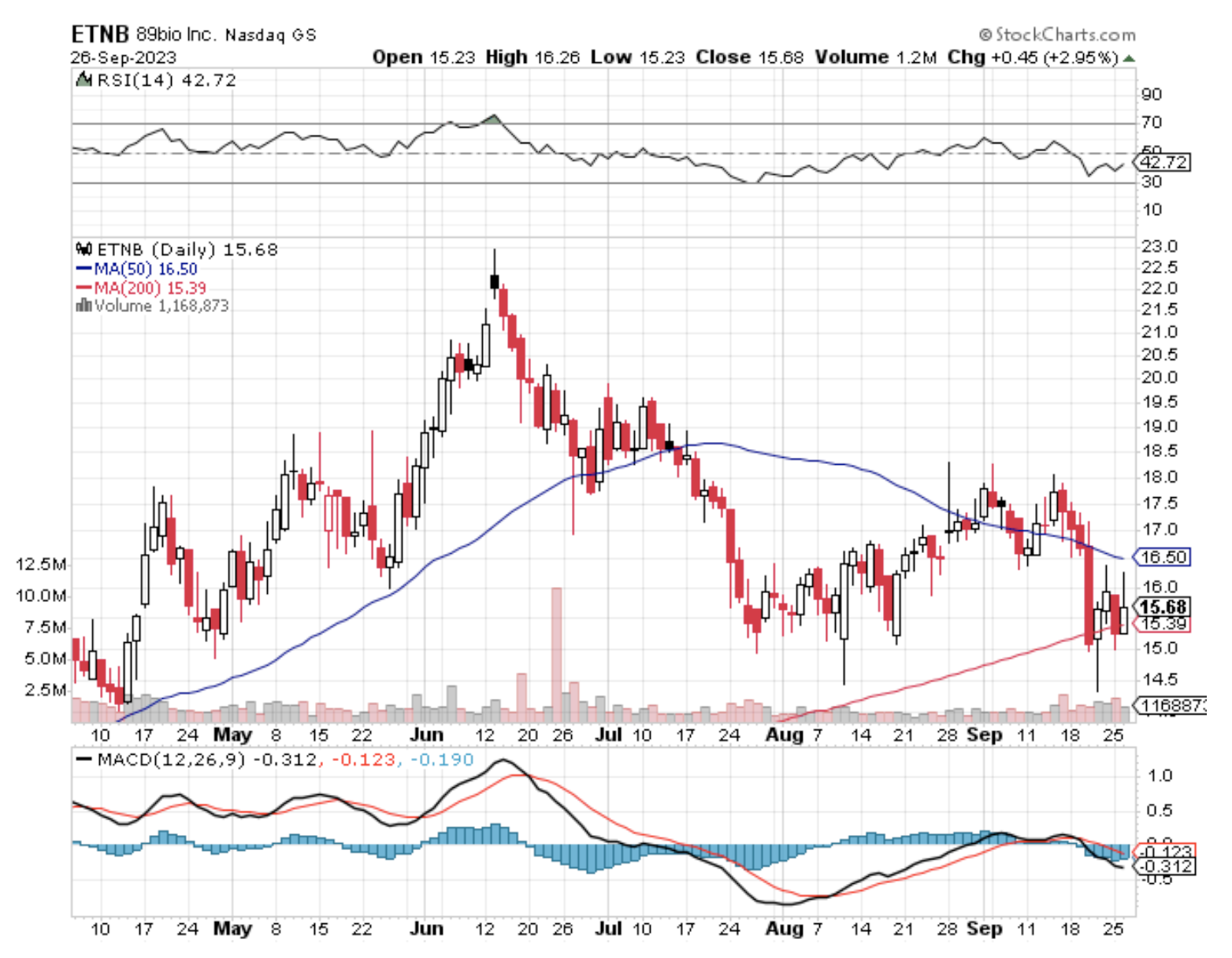
In June, revelations about Lilly's investigational drug, retatrutide, sent ripples through the sector. The drug not only facilitated a 24% weight reduction in subjects but also significantly diminished fat levels in their livers. This development impacted the stock values of companies like Madrigal Pharmaceuticals, Akero Therapeutics (AKRO), and 89bio (ETNB), pioneers in crafting remedies for the fatty liver condition known as NASH. While it remains to be seen how much these stocks will fall, it’s evident that their decline has already started.

The market is a tumultuous sea of uncertainties, with companies and investors meticulously navigating the evolving dynamics. For the astute investor, the key is to learn how to strike a balance between the old and the new.

The allure of GLP-1s might lead to a reevaluation of the medtech sector’s prospects, but companies like Insulet, ResMed, and Inspire still hold resilience in a GLP-1-dominated landscape.

Ultimately, it’s about understanding the intricate push and pull of shadows and light. The wise investor doesn’t just follow the light; they also understand the shadows, learning to see the opportunities lurking within.

So, delve deep, recalibrate your strategies, and remember, the paradox is not a roadblock; it’s a guidepost to new horizons in pharmaceutical innovation.


https://madhedgefundtrader.com/wp-content/uploads/2019/05/cropped-mad-hedge-logo-transparent-192x192_f9578834168ba24df3eb53916a12c882.png 0 0 april@madhedgefundtrader.com https://madhedgefundtrader.com/wp-content/uploads/2019/05/cropped-mad-hedge-logo-transparent-192x192_f9578834168ba24df3eb53916a12c882.png april@madhedgefundtrader.com2023-09-28 12:00:242023-09-28 11:55:55Tipping the Scales
april@madhedgefundtrader.com

September 26, 2023

Biotech Letter

Mad Hedge Biotech and Healthcare Letter
September 26, 2023
Fiat Lux

Featured Trade:

(THE WEIGHT OF INNOVATION)
(NVO), (LLY), (CI), (CVS)

https://madhedgefundtrader.com/wp-content/uploads/2019/05/cropped-mad-hedge-logo-transparent-192x192_f9578834168ba24df3eb53916a12c882.png 0 0 april@madhedgefundtrader.com https://madhedgefundtrader.com/wp-content/uploads/2019/05/cropped-mad-hedge-logo-transparent-192x192_f9578834168ba24df3eb53916a12c882.png april@madhedgefundtrader.com2023-09-26 14:02:392023-09-27 13:25:17September 26, 2023
april@madhedgefundtrader.com

The Weight of Innovation

Biotech Letter

In a world teetering on the brink of healthcare overload, the emergence of Novo Nordisk (NVO) and Eli Lilly's (LLY) revolutionary obesity drugs, Ozempic and Wegovy, is akin to sailing in uncharted waters. These drugs are heralded as the harbinger of unprecedented advancements in biotechnology and healthcare, but they also cast shadows of potential financial turmoil on the horizon.

The air is thick with anticipation as Wall Street analysts predict a financial windfall for the drugmakers, with the drugs promising up to 20% body weight reductions and a significant decrease in the risk of heart attack or stroke.

The demand is skyrocketing, and the projections are staggering. The obesity market is poised to grow substantially, with a forecasted compound annual growth rate (CAGR) of 31.3%. However, lurking in the shadows is a looming healthcare crisis, a silent specter waiting to engulf insurers, employers, and government programs in a financial maelstrom.

GLP-1 receptor agonists are more than just another pharmaceutical innovation; they are a beacon of hope for the 40% of U.S. adults grappling with obesity. But, the beacon comes with a hefty price tag, with Novo’s Wegovy listed at over $16,000 a year.

By 2030, the spending on GLP-1 obesity treatments is anticipated to reach an astounding $50 billion, suggesting a financial storm likely to peak between 2025 and 2027.

This turns the Medicare landscape into a battlefield, with debates raging over the ban on paying for weight-loss drugs and the potential ramifications of their inclusion. It’s a complex dance, where the potential benefits of combating obesity are entwined with immediate financial challenges, creating a paradox that could reshape the foundations of healthcare economics.

Meanwhile, Medicaid, the safety net for approximately 87 million Americans, is caught in the eye of the storm as well, with the surge in spending on GLP-1 drugs from $547 million in 2021 to $1.1 billion in 2022 painting a vivid picture of the impending financial turbulence.

The complex interplay between state eligibility prerequisites and legal challenges underscores the intricate process of assimilating novel pharmaceutical breakthroughs into prevailing systems.

The employer-based insurance market is walking a tightrope, balancing competitive benefits and premium affordability. The introduction of the new obesity medicines is a catalyst, intensifying the existing tensions and raising questions about the sustainability of covering new medications without robust clinical evidence.

The industry is in a conundrum, with the need for expansive coverage clashing with the realities of cost management.

This narrative is not just a tale of numbers; it’s a human story, interweaving the lives of patients, taxpayers, and the evolving pharmaceutical terrain. It’s about the omnipresent advertising campaigns and the cultural phenomena surrounding these drugs, reflecting societal shifts in perceptions and expectations regarding healthcare solutions.

Novo Nordisk and Eli Lilly are at the forefront of this transformation, advocating for expanded coverage and emphasizing the long-term savings associated with addressing obesity. The discourse is filled with contrasting perspectives, with companies like Cigna Group (CI) and CVS Caremark (CVS) exploring the balance between clinical validity and financial viability.

The journey is fraught with uncertainties and challenges, with the potential rise in premiums and the quest for pricing solutions being critical elements in the unfolding saga. The healthcare system is at a crossroads, with the long-term benefits of obesity drugs poised against the immediate financial ramifications.

The emergence of Ozempic and Wegovy is a mirror reflecting the complexities and intricacies of the biotechnology and healthcare sector. The balance between innovation and sustainability is a delicate one, and the path ahead is interwoven with threads of hope, anticipation, financial prudence, and societal well-being.

Overall, the burgeoning obesity market presents a compelling case for investment in Novo Nordisk and Eli Lilly. The transformative potential of their weight loss drugs is substantial, promising to reshape the contours of obesity treatment. While the road is interspersed with uncertainties and challenges, the prospective growth and escalating demand for these innovative treatments underscore a lucrative opportunity. I suggest you buy the dip.


https://madhedgefundtrader.com/wp-content/uploads/2019/05/cropped-mad-hedge-logo-transparent-192x192_f9578834168ba24df3eb53916a12c882.png 0 0 april@madhedgefundtrader.com https://madhedgefundtrader.com/wp-content/uploads/2019/05/cropped-mad-hedge-logo-transparent-192x192_f9578834168ba24df3eb53916a12c882.png april@madhedgefundtrader.com2023-09-26 14:00:432023-09-26 15:04:22The Weight of Innovation
april@madhedgefundtrader.com

September 21, 2023

Biotech Letter

Mad Hedge Biotech and Healthcare Letter
September 21, 2023
Fiat Lux

Featured Trade:

(HEALTH MEETS WEALTH)

(BSX), (ABT), (JNJ), (MDT), (SYK)

https://madhedgefundtrader.com/wp-content/uploads/2019/05/cropped-mad-hedge-logo-transparent-192x192_f9578834168ba24df3eb53916a12c882.png 0 0 april@madhedgefundtrader.com https://madhedgefundtrader.com/wp-content/uploads/2019/05/cropped-mad-hedge-logo-transparent-192x192_f9578834168ba24df3eb53916a12c882.png april@madhedgefundtrader.com2023-09-21 15:02:022023-09-21 18:23:47September 21, 2023
Page 34 of 115«‹3233343536›»

Legal Disclaimer

There is a very high degree of risk involved in trading. Past results are not indicative of future returns. MadHedgeFundTrader.com and all individuals affiliated with this site assume no responsibilities for your trading and investment results. The indicators, strategies, columns, articles and all other features are for educational purposes only and should not be construed as investment advice. Information for futures trading observations are obtained from sources believed to be reliable, but we do not warrant its completeness or accuracy, or warrant any results from the use of the information. Your use of the trading observations is entirely at your own risk and it is your sole responsibility to evaluate the accuracy, completeness and usefulness of the information. You must assess the risk of any trade with your broker and make your own independent decisions regarding any securities mentioned herein. Affiliates of MadHedgeFundTrader.com may have a position or effect transactions in the securities described herein (or options thereon) and/or otherwise employ trading strategies that may be consistent or inconsistent with the provided strategies.

Copyright © 2026. Mad Hedge Fund Trader. All Rights Reserved. support@madhedgefundtrader.com
Scroll to top