• support@madhedgefundtrader.com
  • Member Login
Mad Hedge Fund Trader
  • Home
  • About
  • Store
  • Luncheons
  • Testimonials
  • Contact Us
  • Click to open the search input field Click to open the search input field Search
  • Menu Menu
Mad Hedge Fund Trader

Multi-Pronged Stocks Positioned for Long-Term Success

Biotech Letter

The majority of the global population lives in nations where obesity and being overweight kill more individuals than being underweight.

Over 40% of the US population is categorized as obese, with drugs barely scratching the surface, as only about 3% of the obese patients take them.

More alarmingly, 39 million children under 5 years old were obese or overweight in 2020.

This is why it is no surprise that more and more companies in the biotechnology and healthcare sector are working on obesity treatments. After all, obesity is the starting point of a lot of serious diseases.

Obesity is a primary risk issue for diabetes, heart disease, stroke, some types of cancer, and several severe conditions—most of which are among the leading reasons behind premature deaths.

However, a key factor to consider here is that obesity is preventable. Hence, dealing with this condition could help patients manage better potential severe conditions.

Needless to say, the market for this condition can also be lucrative. In the US alone, the annual expense for obesity medication reached approximately $173 billion in 2019.

This is because the medical bills of an adult with obesity are at least $1,861 higher than someone with a healthy weight.

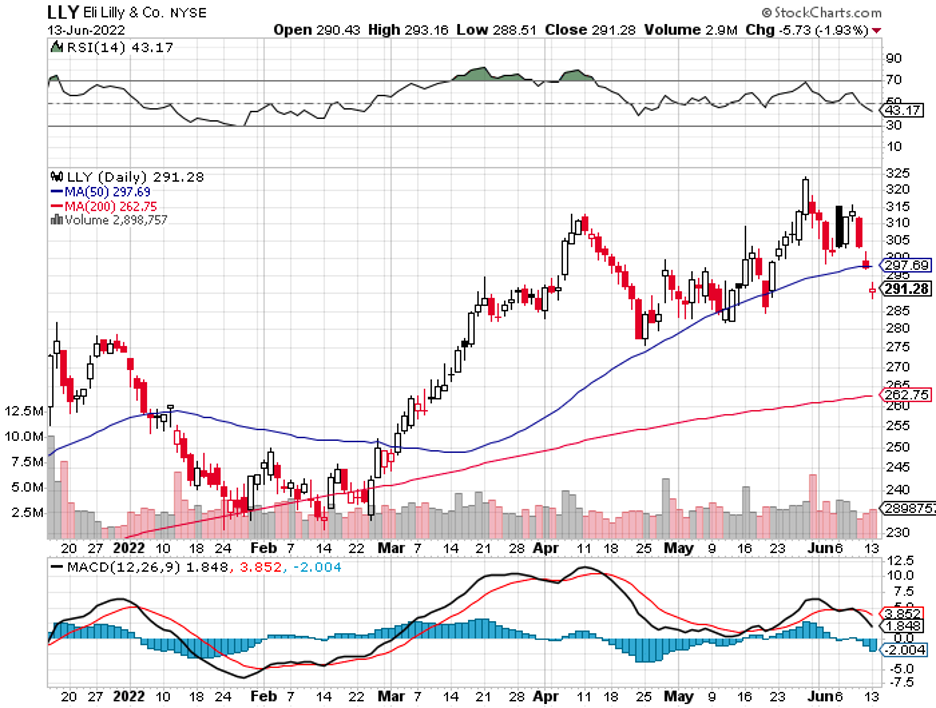
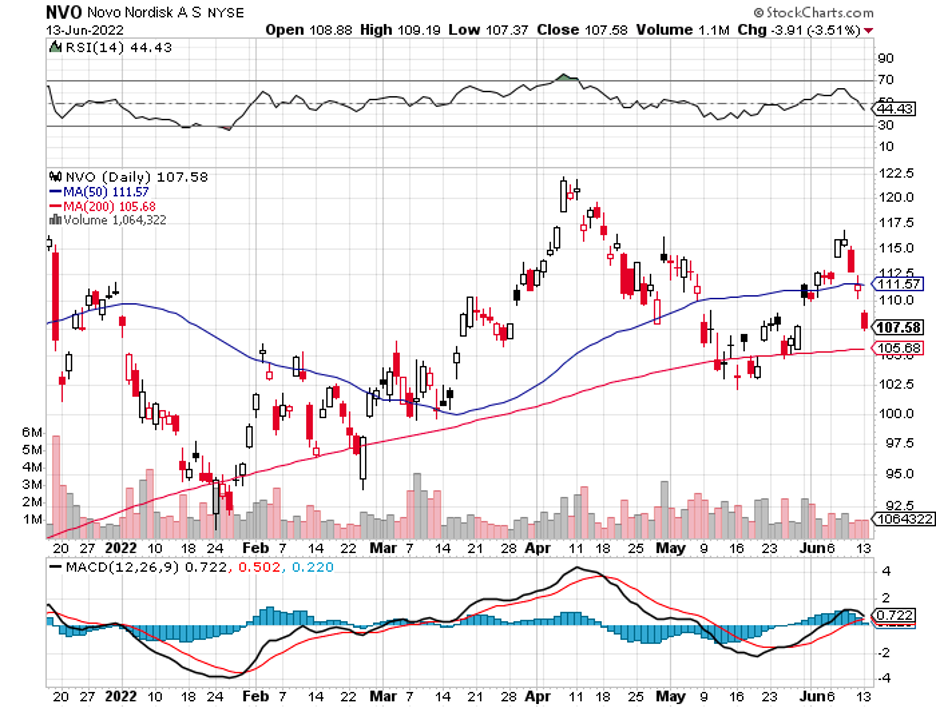
So far, two names have emerged as major players in the obesity market: Eli Lilly (LLY) and Novo Nordisk (NVO).

Noticeable weight loss was observed in clinical trials of treatments that Novo Nordisk and Eli Lilly initially developed for diabetes.

Consequently, these announcements pushed the stocks higher despite the backdrop of a relatively flat Nasdaq Composite recently.

For Eli Lilly, the company disclosed that results of its Phase 3 trials for its diabetes drug Tirazeptide showed that the highest dose would lead to a 21% to 25% weight loss or an average of 52 pounds within 18 months.

The possibility that Tirzepatide, which is already sold under Mounjaro as a Type 2 diabetes treatment, can also be marketed as a weight-loss drug has been prodding Eli Lilly stock.

At the moment, Eli Lilly was only able to test Tirzepatide against Novo Nordisk's Wegovi. The former notably outperformed the Danish candidate on most factors.

If Tirzepatide gains FDA approval as an obesity drug, then Eli Lilly can launch it commercially by mid-2023.

Given the size of the market and the drug’s promising results, Tirzepatide is estimated to reach over $10 billion in obesity sales alone, in addition to the more than $12 billion projected in diabetes sales.

Aside from obesity, Eli Lilly is also looking into testing Tirzepatide for other linked conditions like heart failure, stroke, and other cardiovascular diseases.

If these work out, then the additional markets would contribute over $14 billion in sales by 2030.

Meanwhile, Novo Nordisk also released promising results for its investigational treatment named Kagrisema.

While Eli Lilly is considered a dominant force in the diabetes market, Novo Nordisk is a strong challenger. Some would say that this Danish company is the global leader in the segment.

That could very well be the case because a company can be considered a global controller if it holds around 30% of the market.

While the diabetes sector tends to be complex since it’s segmented, Novo Nordisk indisputably holds 30% of the primary market. Moreover, it holds 40% to 50% of a diabetes sub-market focused on insulin products.

With that said, it was hardly unexpected that Novo Nordisk was the first to market an FDA-approved drug for obesity: Wegovi.

Wegovi, the same drug tested by Eli Lilly against Tirzepatide, was launched in June 2021. This treatment enabled obese patients to lose roughly 15% of their body weight.

Since Eli Lilly has been working on a more effective drug, Wegovi sales are expected to reach approximately $5.5 billion by 2025 and eventually lose stake to competitors and Novo Nordisk’s own next-generation treatment Kagrisema.

The diabetes and obesity markets present substantial growth opportunities in the years to come.

It is projected that roughly 415 million people are suffering from diabetes globally, and the number is anticipated to increase to 642 million by 2040, representing a 3% annual rise.

In the US alone, it is expected that the prevalence of diabetes will rise by 54% to over 54.9 million people between 2015 and 2030.

This means the anti-obesity treatments market is estimated to expand more aggressively at a CAGR of roughly 15% in the next 5 years.

Both Eli Lilly and Novo Nordisk are well-established biopharma businesses that offer high-quality products across various areas.

They are both leaders in diabetes and obesity markets with impeccable growth opportunities. Their pipelines are well diversified, and neither relies solely on one product, making their businesses attractive and less risky.

I suggest that those looking for long-term investments put these stocks under their radar and start building up positions on pullbacks, as these are excellent companies to own in a well-balanced portfolio.
 

obesity


https://madhedgefundtrader.com/wp-content/uploads/2019/05/cropped-mad-hedge-logo-transparent-192x192_f9578834168ba24df3eb53916a12c882.png 0 0 Mad Hedge Fund Trader https://madhedgefundtrader.com/wp-content/uploads/2019/05/cropped-mad-hedge-logo-transparent-192x192_f9578834168ba24df3eb53916a12c882.png Mad Hedge Fund Trader2022-06-14 12:00:282022-06-28 21:33:36Multi-Pronged Stocks Positioned for Long-Term Success
Mad Hedge Fund Trader

June 9, 2022

Biotech Letter

Mad Hedge Biotech and Healthcare Letter
 June 9, 2022
Fiat Lux

Featured Trade:

(THE FUTURE OF BIOTECH IS IN GOOD HANDS)
(CRSP), (VRTX), (EDIT)

https://madhedgefundtrader.com/wp-content/uploads/2019/05/cropped-mad-hedge-logo-transparent-192x192_f9578834168ba24df3eb53916a12c882.png 0 0 Mad Hedge Fund Trader https://madhedgefundtrader.com/wp-content/uploads/2019/05/cropped-mad-hedge-logo-transparent-192x192_f9578834168ba24df3eb53916a12c882.png Mad Hedge Fund Trader2022-06-09 18:02:002022-06-09 18:57:02June 9, 2022
Mad Hedge Fund Trader

The Future of Biotech is in Good Hands

Biotech Letter

No advancement in the biotechnology and healthcare sector is quite as mysterious, promising, and powerful as CRISPR.

It has long captivated the attention and imagination of serious scientists and researchers alongside the media and the public. It’s an understatement to say that it’ll be a significant area of development for decades to come, thanks to its capacity to remodel our genetic code accurately.

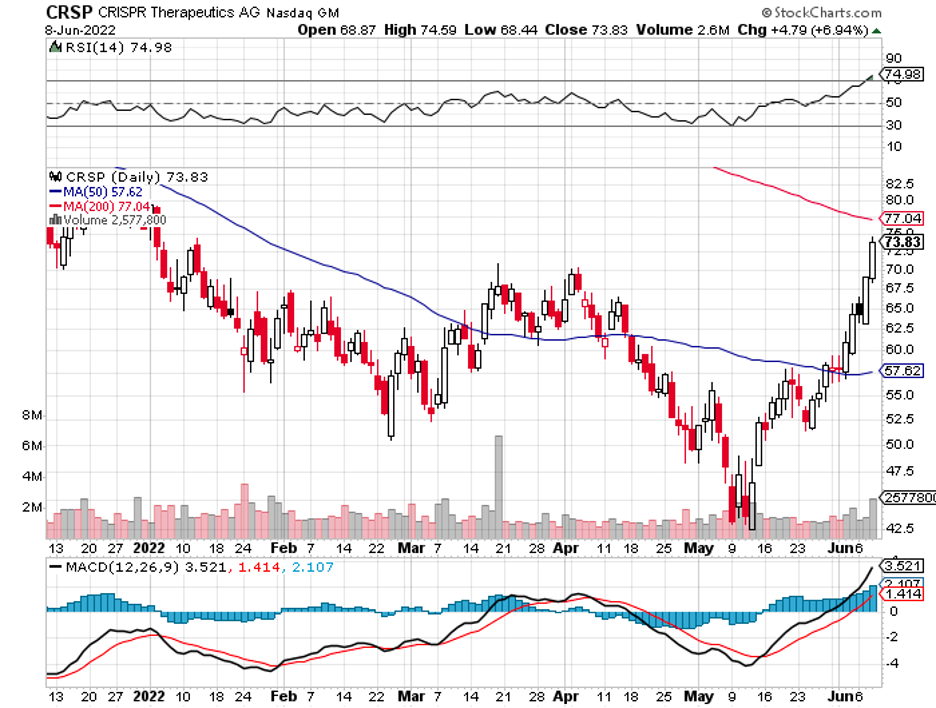
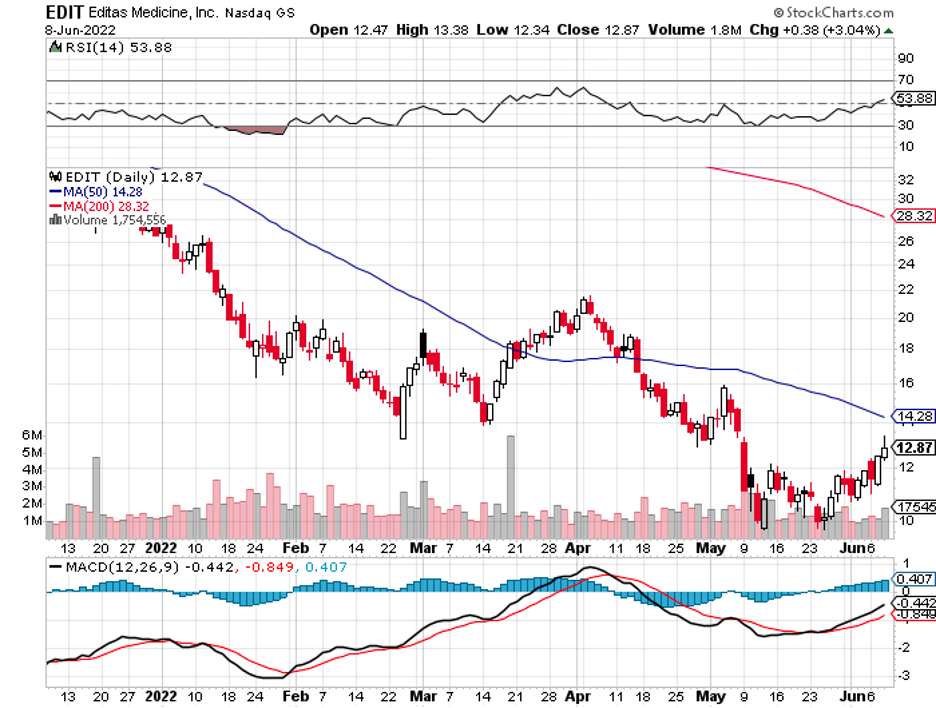
Among the frontrunners in the burgeoning CRISPR segment are CRISPR Therapeutics (CRSP) and Editas Medicine (EDIT).

Both biotechs have promising pipelines packed with innovative and potential cures for previously incurable genetic conditions.

The CRISPR programs appear to be the most advanced among their candidates despite still being in the early stages.

Nevertheless, any progress reported could likely push the entire CRISPR group to surge substantially.

Fortunately for this sector, there are at least two major catalysts in 2022.

CRISPR Therapeutics, which leverages the CRISPR technique, aims to submit its blood disorder treatment candidate, CTX001, for regulatory review by the end of 2022.

This program, which is developed in collaboration with Vertex Pharmaceuticals (VRTX), specifically plans to target sickle cell disease and beta-thalassemia.

So far, results have been positive, and the consensus is that it’s only a matter of time before both companies finally launch the much-awaited treatment commercially.

Another catalyst opportunity for CRISPR stocks this year is from Editas Medicine.

While this stock is not as popular as CRISPR Therapeutics, I think it holds the potential to become a massive star in the CRISPR gene-editing sector. What makes this biotech fascinating is the sheer number of candidates in its pipeline and the variety of options and applications they have for the technology.

At this point, Editas is focused on exploring the application of its in-vivo CRISPR genome editing therapy, called EDIT-101, to patients suffering from Leber congenital amaurosis 10 (LCA10).

LCA10 is an inherited and severe eye disorder that primarily affects the cornea and leads to a severe loss of vision or even blindness at an early age. This is caused by the mutation of the CEP290 gene.

This condition is an ideal target for Editas because CEP290 gene mutation can be found among 20% to 30% of LCA10 patients.

More than that, there is no existing approved treatment for it. This means that if Editas successfully completes the clinical trials for EDIT-101, it will possess a monopoly of this market.

Thus far, Editas has been delivering promising results on this treatment, and shareholders can expect definitive results from the study by the second half of 2022. Needless to say, positive data from the trials would tremendously boost Editas shares.

Aside from EDIT-101, Editas is also working on EDIT-301, which could be a competitor of CRISPR Therapeutics and Vertex’s CTX001.

However, the more exciting development for Editas is its advanced cell treatments in the oncology sector.

Recently, Editas announced its new gene-editing technology, called “SLEEK,” which means SeLection by Essential-gene Exon Knock-in.

This is groundbreaking because it improves cell therapies in a couple of factors. For example, it can deliver better knock-in of trans gene cargos. This means that SLEEK is more efficient in terms of artificially introducing a new gene into the genome of a patient.

It remains to be seen how Editas plans to take advantage of SLEEK in its future candidate. One thing’s for sure, though; this biotech has multiple shots on goal, making it hard for Editas to miss.

Taking all these into consideration, it’s safe to say that it’s not yet too late for investors to position themselves for lucrative long-term gains courtesy of these CRISPR stocks.

Despite the sharp decline in the gene-editing biotechnology sector over the past months, practically all the applications of CRISPR technology remain untapped to this day. 

The most convincing tailwind for CRISPR-focused stocks is that the market for CRISPR-based treatments is estimated to multiply in value by approximately 13-fold between 2019 and 2030.

For that target to be reached, cutting-edge biotechnology companies should step up and develop the first generation of CRISPR-centered treatments. Considering where things stand right now, it looks like they are on the right track.


crispr and editas


https://madhedgefundtrader.com/wp-content/uploads/2019/05/cropped-mad-hedge-logo-transparent-192x192_f9578834168ba24df3eb53916a12c882.png 0 0 Mad Hedge Fund Trader https://madhedgefundtrader.com/wp-content/uploads/2019/05/cropped-mad-hedge-logo-transparent-192x192_f9578834168ba24df3eb53916a12c882.png Mad Hedge Fund Trader2022-06-09 18:00:152022-06-28 23:18:01The Future of Biotech is in Good Hands
Mad Hedge Fund Trader

June 7, 2022

Biotech Letter

Mad Hedge Biotech and Healthcare Letter
 June 7, 2022
Fiat Lux

Featured Trade:

(A LOW-KEY BIOTECH SET FOR A BULL RUN)
(REGN), (BAYG), (NVS), (RHHBY), (SNY), (ABBV), (PFE), (INCY), (MRK)

https://madhedgefundtrader.com/wp-content/uploads/2019/05/cropped-mad-hedge-logo-transparent-192x192_f9578834168ba24df3eb53916a12c882.png 0 0 Mad Hedge Fund Trader https://madhedgefundtrader.com/wp-content/uploads/2019/05/cropped-mad-hedge-logo-transparent-192x192_f9578834168ba24df3eb53916a12c882.png Mad Hedge Fund Trader2022-06-07 18:02:152022-06-07 19:13:48June 7, 2022
Mad Hedge Fund Trader

A Low-Key Biotech Set for a Bull Run

Biotech Letter

Biotechnology stocks have been sliding for months now, but scientific advancements are not slowing down.

The public’s focus on messenger RNA and gene editing may have dwindled, but the fact remains that more and more patients are benefiting from the discoveries.

More importantly, new treatments are well on their way to clinical trials.

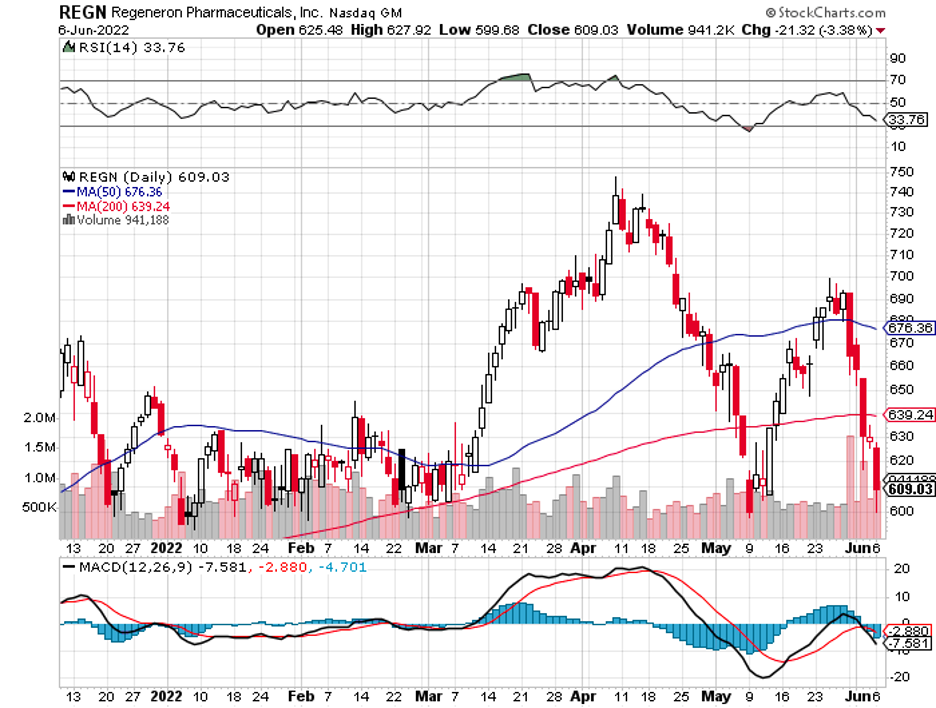
That’s why I think Regeneron (REGN) could easily be one of the big winners in the coming years.

Despite the economic slowdown, Regeneron shares are doing okay. They have actually practically doubled since the start of 2020, when the biotech was thrust under the spotlight for its anti-COVID antibody cocktail, REGEN-COV.

Its popularity heightened when then-president Donald Trump used its treatment.

While the demand for REGEN-COV has since declined, the drug still raked in $7.5 billion in sales in 2021.

However, that would most likely not be the trend since it was proven to be not as effective against the newer strains. In addition, the FDA significantly limited the situations in which the antibody cocktail can be used.

For the foreseeable future, Regeneron shareholders’ earnings are primarily dependent on macular degeneration treatment Eylea and asthma and dermatitis drug Dupixent.

For Eylea, which Regeneron shares with Bayer (BAYG) outside the US, sales grew by 19% in 2021 to record $9.4 billion.

A vital issue Eylea faces is its expiring US patent by mid-2023, which will probably lead to more aggressive biosimilar competition as early as 2024.

Aside from that, more and more rivals are emerging, such as Beovu from Novartis (NVS) and Vabysmo from Roche (RHHBY).

Luckily for Regeneron, Beovu hasn’t gained traction due to safety issues, while Vabysmo is still struggling to establish itself as a viable alternative.

Thanks to its entrenched position as an undisputed market leader, Eylea sales will continue to be a top-selling treatment.

While things are still going well for Eylea, Regeneron has been proactive in establishing Dupixent as another key growth driver.

Dupixent, which was co-developed with Sanofi (SNY), showed off an impressive 51% jump in sales last year to rake in $6.2 billion—and this isn’t the peak yet.

Dupixent is estimated to reach over $14 billion in sales in the following years due to expanded markets.

Sales of this newer drug have caught up with Eylea’s in the past years.

In fact, Dupixent is projected to overtake Eylea sales by 2024, with the figure almost doubling by 2025 compared to the 2021 revenue.

In terms of competition in the atopic dermatitis sector, Dupixent is challenged by Rinvoq from AbbVie (ABBV), Cibinqo from Pfizer (PFE), and Opzelura from Incyte (INCY).

Nonetheless, Dupixent still looks well-positioned to expand into current and new indications in the following years and be able to fight off competitors.

It is critical for any biotechnology and healthcare business to maintain a solid pipeline to respond to upcoming patent losses and the rise of generic competition.

In this aspect, Regeneron has been performing excellently.

It has several treatments queued that complement the existing blockbusters, Eylea and Dupixent, and bolster the long-term growth prospects.

A good example is the company’s experimental treatment Aflibercept, which is slated to release Phase 3 results in the third or fourth quarter of 2022.

If this succeeds, it can enhance and strengthen Eylea’s efficacy, allowing Regeneron to retain its dominant position in the retinal market.

The company is also working on getting the green light for seven new indications on Dupixent-related treatments, which would be out by late 2022 and early 2023.

Another area under Regeneron’s radar is oncology.

While it’s cancer portfolio isn’t likely to become a significant growth driver anytime soon, there’s definitely potential here—and the potential comes in the form of in-house combos with Libtayo.

Libtayo, a cancer checkpoint inhibitor, is the most significant drug candidate in Regeneron’s oncology pipeline today.

Although it’s a latecomer to the field, Regeneron has become one of the frontrunners in the skin cancer segment with the approval of its cutaneous squamous cell carcinoma indication and the addition of the basal cell carcinoma label.

However, those are relatively minor markets. In terms of infiltrating a major market, Libtayo’s first venture is into the lung cancer sector.

But, this could be challenging since Merck’s (MRK) Keytruda has a firm hold of this market.

Still, Libtayo has the potential to achieve blockbuster status—a goal that Regeneron looks to be aggressively pursuing.

Aside from skin and lung cancer treatments, Regeneron has been developing Libtayo-based candidates for prostate cancer treatment REGN5678 and ovarian cancer therapy REGN4018. It is also working on another lung cancer treatment, REGN5093, to hopefully bolster its foothold in this lucrative market.

Needless to say, approval of these cancer treatments would be an incredible game-changer not only for cancer patients but also for Regeneron.

Overall, Regeneron is an outstanding biotechnology company and investment option. The success of its blockbuster treatments will offer a strong foundation for the company’s future growth.

If you add the more than 30 pipeline candidates of Regeneron in the mix, then it’s easy to see that a bull run might just be on the horizon for this stock.

While regulatory hurdles and emerging competitors would present challenges, it’s clear that Regeneron has these issues under control.

Moreover, the company’s pipeline has clearly shown that it’s ready to meet the challenges head-on. Hence, it would be advisable to buy the dip.


regeneron cancer

https://madhedgefundtrader.com/wp-content/uploads/2019/05/cropped-mad-hedge-logo-transparent-192x192_f9578834168ba24df3eb53916a12c882.png 0 0 Mad Hedge Fund Trader https://madhedgefundtrader.com/wp-content/uploads/2019/05/cropped-mad-hedge-logo-transparent-192x192_f9578834168ba24df3eb53916a12c882.png Mad Hedge Fund Trader2022-06-07 18:00:102022-06-29 01:21:06A Low-Key Biotech Set for a Bull Run
Mad Hedge Fund Trader

June 2, 2022

Biotech Letter

Mad Hedge Biotech and Healthcare Letter
 June 2, 2022
Fiat Lux

Featured Trade:

(A SOLID BIOPHARMA FILLED WITH PROMISING CATALYSTS)
(GSK), (PFE), (INCY)

https://madhedgefundtrader.com/wp-content/uploads/2019/05/cropped-mad-hedge-logo-transparent-192x192_f9578834168ba24df3eb53916a12c882.png 0 0 Mad Hedge Fund Trader https://madhedgefundtrader.com/wp-content/uploads/2019/05/cropped-mad-hedge-logo-transparent-192x192_f9578834168ba24df3eb53916a12c882.png Mad Hedge Fund Trader2022-06-02 17:02:352022-06-02 17:29:48June 2, 2022
Mad Hedge Fund Trader

A Solid Biopharma Filled with Promising Catalysts

Biotech Letter

If the rumblings in the market have you laboring just to get a full night’s rest, know that you are not alone. What’s more comforting is that you are not defenseless in this situation.

It pays to buy stocks that will still be worth something to your investment portfolio in uncertain periods, even if these end up getting torn apart a bit due to political and economic issues.

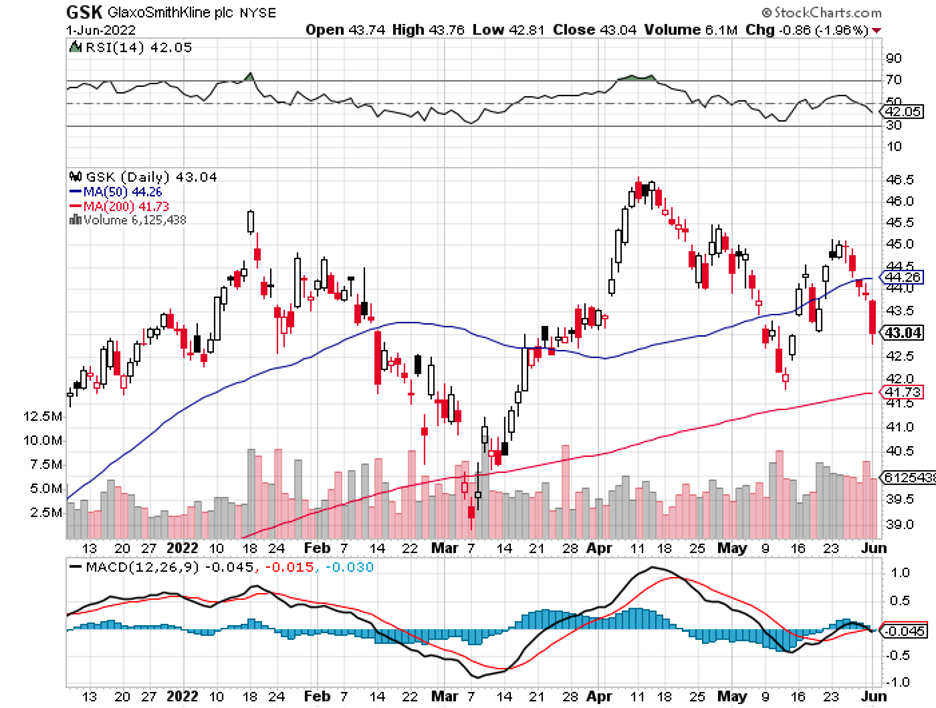
One of them is GlaxoSmithKline (GSK).

With a massive market capitalization of over $104 billion, GSK is recognized as one of the most prominent biopharmaceutical players in the healthcare sector.

Primarily due to its extensive portfolio of drugs and services, ranging from amoxicillin to antidepressants, this company raked in roughly $46 billion in 2021.

This shows off a quarterly increase in revenue by 40% in the past five years, with a quarterly free cash flow rise of 378%. Among other factors, these figures are indicative of GSK’s long-term health.

Regarding its revenue-making capacity for shareholders, the company’s forward dividend is recorded at $2.92, putting its yield at approximately more than 5%. This is higher than the average recorded by the market, which is 1.2%.

While this sounds great, investors should be aware that GSK’s dividend doesn’t necessarily come with the guarantee of climbing over time.

Actually, the company’s payout has only increased by 13.3% over the past 10 years. So, it’s reasonable to believe that the figure would most likely stay the same.

Nevertheless, GSK has more revenue streams to add in the short term. The company has 5 varying treatments queued for registration.

That is, if they gain regulatory approval, GSK would have 5 new drugs to launch soon.

On top of these, the company has a myriad of late-stage candidates in its pipeline that hold the potential to advance in the following years as well. Evidently, GSK isn’t short on promising growth catalysts.

In another move to bolster its pipeline, GSK recently announced its plan to buy Affinivax for roughly $3.3 billion. If everything goes well, GSK will add this Boston-based company to its portfolio to expand its vaccine programs by the third quarter of 2022.

This move is one of the many decisions GSK made in preparation for the impending spinoff of its consumer healthcare business, Haleon, which is anticipated to happen by July 2022.

The plan is to have 80% of GSK’s holdings in Haleon be spun off to its shareholders while the company retains 20% to strengthen its financial standing. Pfizer (PFE) will get the remaining ownership.

Considering the brands under Haleon, including Sensodyne, Panadol, and Centrum, this future spinoff is projected to become a world leader in the field of consumer healthcare. Clearly, GSK shareholders would benefit greatly from this plan.

Another recent move to broaden its pipeline is GSK’s $1.9 billion agreement with Sierra Oncology.

This deal, which is also expected to reach completion by the third quarter of 2022, will add bone marrow cancer drug candidate Momelotinib to GSK’s pipeline.

Momelotinib targets myelofibrosis patients with anemia. The estimated number of individuals with myelofibrosis in the US alone is 20,000.

While there’s no fixed number on the drug’s target market, we can only look at the history of patients.

Typically, 40% of myelofibrosis patients are already battling anemia upon diagnosis, and virtually all of them eventually develop the condition.

Conservatively, I can say that 70% of the total patient population has anemia. This would amount to roughly 14,000 eligible patients.

At the moment, only a handful of treatments target myelofibrosis. One of the most popular is Jakafi from Incyte (INCY).

However, Jakafi and chemotherapy fail to yield results consistently, Momelotinib could become a viable option for the target population.

As a relatively new candidate, it’s reasonable to assume that Momelotinib could seize only 35% of this market or roughly 4,900 patients.

So far, there’s still no pricing information for Momelotinib, but the $120,000 average expense for cancer treatment annually is a good indicator in terms of an estimate.

Taking into consideration other factors like patient assistance programs and the adjustments in prices from negotiations with health insurers, then Momelotinib could reach pricing of $80,000 for each patient.

This could total approximately $400 million in yearly sales in the US alone. Since the US comprises 40% of drug spending worldwide, there is an excellent chance that Momelotinib will reach $1 billion in annual sales.

Putting this in perspective, $1 billion in additional revenue yearly would amount to a 2.2% boost over GSK’s $45.9 billion expected revenue in 2022.

Needless to say, this Sierra Oncology deal is more than enough to move the needle for the company.

Overall, GSK has an exciting year ahead. With the Haleon spinoff and the continuous growth of its pipeline, it’s easy to see why this company is an excellent long-term investment.


gsk

https://madhedgefundtrader.com/wp-content/uploads/2019/05/cropped-mad-hedge-logo-transparent-192x192_f9578834168ba24df3eb53916a12c882.png 0 0 Mad Hedge Fund Trader https://madhedgefundtrader.com/wp-content/uploads/2019/05/cropped-mad-hedge-logo-transparent-192x192_f9578834168ba24df3eb53916a12c882.png Mad Hedge Fund Trader2022-06-02 17:00:402022-06-07 17:47:25A Solid Biopharma Filled with Promising Catalysts
Mad Hedge Fund Trader

May 31, 2022

Biotech Letter

Mad Hedge Biotech and Healthcare Letter
May 31, 2022
Fiat Lux

Featured Trade:

(A LOW-RISK STOCK FOR THESE HIGH-RISK TIMES)
(BMY), (RDY), (PFE)

https://madhedgefundtrader.com/wp-content/uploads/2019/05/cropped-mad-hedge-logo-transparent-192x192_f9578834168ba24df3eb53916a12c882.png 0 0 Mad Hedge Fund Trader https://madhedgefundtrader.com/wp-content/uploads/2019/05/cropped-mad-hedge-logo-transparent-192x192_f9578834168ba24df3eb53916a12c882.png Mad Hedge Fund Trader2022-05-31 16:02:102022-05-31 23:07:16May 31, 2022
Mad Hedge Fund Trader

A Low-Risk Stock for These High-Risk Times

Biotech Letter

A number of Big Pharma stocks have performed quite well in 2022, which is impressive considering the slump overtaking Wall Street these days.

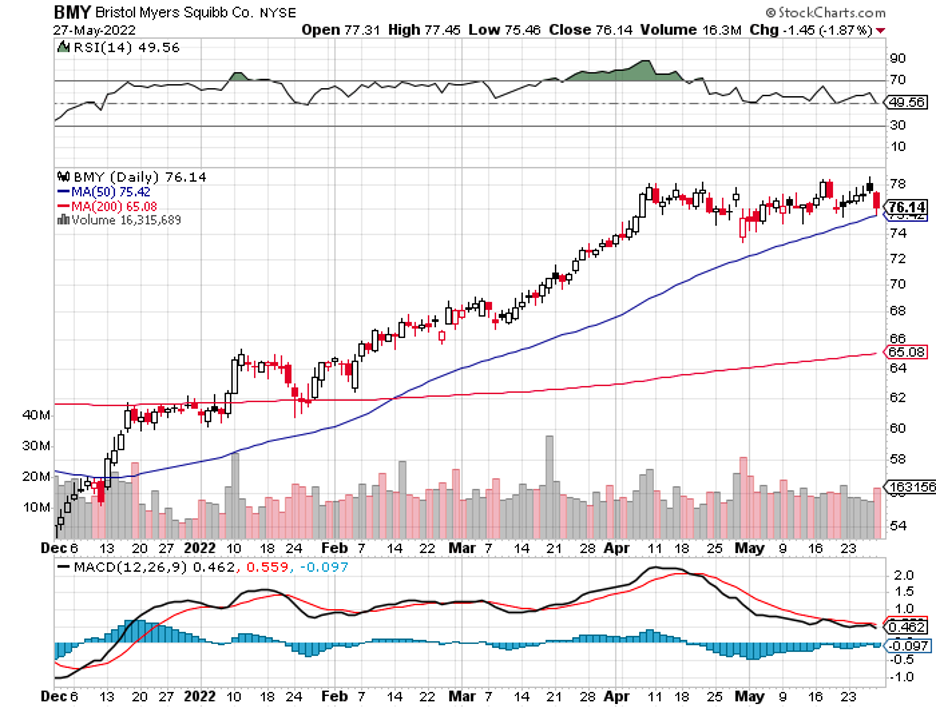
Case in point, Bristol Myers Squibb (BMY) shares have gone up by over 20% year-to-date and are showing no indications of notable decline. It has fared remarkably better than the rest of the market and has been in positive territory since the year started.

The fact that BMY has been easily whipping the broader market despite headwinds like inflation, interest rate hikes, geopolitical tensions, and, of course, supply chain problems offers investors some semblance of peace of mind.

The first quarter of 2022 saw BMY’s revenue climb by an unimpressive 5% year-over-year to rake in $11.6 billion, with its adjusted earnings rising by 13% to reach $1.96 per share. While those earnings weren’t exactly disastrous, they were hardly impressive. A potential reason behind this involves BMY’s cancer treatment Revlimid.

Although Revlimid is still one of the top-selling treatments of BMY, more and more generic competitors have cropped up, which caused the decline in sales.

A notable challenger is Dr. Reddy’s Laboratories (RDY), which received the go signal from the court to start selling a limited number of its generic version after March 2022 despite Revlimid’s patent protection lasting until 2026. The same right was granted other generic drug developers like Natco and Alvogen.

This ruling already had a damaging effect on Revlimid’s revenue. This cancer treatment contributed $2.8 billion in revenue in the first quarter, marking a 5% drop year-over-year and missing estimates by roughly $100 million. For context, Revlimid sales reached $12.8 billion in 2021.

Nonetheless, several of BMY’s important drugs have delivered good results during this period. For example, Opdivo sales rose by 12% to rake in $1.9 billion. On top of that, Opdivo has been gaining additional regulatory approvals recently. Meanwhile, Eliquis, a collaboration between Pfizer (PFE) and BMY, generated $3.2 billion in sales, showing off a 12% climb.

Moreover, BMY has taken strategic steps to deal with the impending patent exclusivity losses. It has developed a deep pipeline of promising treatments, several of which are expected to replenish its current lineup and compensate for the slowdown in sales.

For instance, BMY recently gained FDA approval for heart muscle treatment Camzyos. Aside from this, the company’s plaque psoriasis candidate Deucravacitinib is also expected to receive regulatory approval within 2022.

Meanwhile, BMY anticipates additional approvals for its anemia treatment Reblozyl. To put things in perspective, Reblozyl raked in $156 million in the first quarter, registering an impressive double-digit growth of more than 39% year-over-year. This is indicative of the treatment’s potential.

Overall, the company estimates revenue to be between $10 billion and $13 billion by 2025 and reach $25 billion by 2029 for these newer candidates alone. 

Needless to say, these new candidates could help BMY easily diversify its revenue streams and ensure that it doesn’t get too heavily damaged by generic competition.

After all, biotechnology and healthcare companies typically thrive thanks to the benefits their patent protections offer them, granting them some control over pricing. The moment their key drugs lose their exclusivities, compensating for the lost revenue becomes crucial for any company’s strategy.

Hence, BMY’s capability to continuously replenish its pipeline speaks volumes. In fact, this could be one of the primary reasons for the company’s success for over 100 years.

Moreover, with the uncertainty looming over the market, investors are desperate for safe stock to place their capital.

While it may not seem like the most exciting industry these days, healthcare remains one of the safest bets you could take. It is a historically defensive segment and offers protection thanks to the sheer inelasticity of the products in this space.

This is especially true in the case of BMY since the company focuses heavily on cancer therapies and drugs.

The mere fact that more than 92% of the US population are insured all but guarantees that BMY will not experience any shortage of clients even during periods of uncertainty.

Actually, it could very well boost its top and bottom lines.


https://madhedgefundtrader.com/wp-content/uploads/2019/05/cropped-mad-hedge-logo-transparent-192x192_f9578834168ba24df3eb53916a12c882.png 0 0 Mad Hedge Fund Trader https://madhedgefundtrader.com/wp-content/uploads/2019/05/cropped-mad-hedge-logo-transparent-192x192_f9578834168ba24df3eb53916a12c882.png Mad Hedge Fund Trader2022-05-31 16:00:082022-05-31 23:07:48A Low-Risk Stock for These High-Risk Times
Mad Hedge Fund Trader

May 26, 2022

Biotech Letter

Mad Hedge Biotech and Healthcare Letter
May 26, 2022
Fiat Lux

Featured Trade:

(WAITING FOR THIS BIOTECH TO STOP MONKEYING AROUND)
(INO), (BVNKF), (EBS), (JNJ), (PFE), (MRNA), (BNTX), (AZN), (NVAX), (REGN), (QGEN)

https://madhedgefundtrader.com/wp-content/uploads/2019/05/cropped-mad-hedge-logo-transparent-192x192_f9578834168ba24df3eb53916a12c882.png 0 0 Mad Hedge Fund Trader https://madhedgefundtrader.com/wp-content/uploads/2019/05/cropped-mad-hedge-logo-transparent-192x192_f9578834168ba24df3eb53916a12c882.png Mad Hedge Fund Trader2022-05-26 20:02:282022-05-26 21:33:22May 26, 2022
Page 61 of 115«‹5960616263›»

Legal Disclaimer

There is a very high degree of risk involved in trading. Past results are not indicative of future returns. MadHedgeFundTrader.com and all individuals affiliated with this site assume no responsibilities for your trading and investment results. The indicators, strategies, columns, articles and all other features are for educational purposes only and should not be construed as investment advice. Information for futures trading observations are obtained from sources believed to be reliable, but we do not warrant its completeness or accuracy, or warrant any results from the use of the information. Your use of the trading observations is entirely at your own risk and it is your sole responsibility to evaluate the accuracy, completeness and usefulness of the information. You must assess the risk of any trade with your broker and make your own independent decisions regarding any securities mentioned herein. Affiliates of MadHedgeFundTrader.com may have a position or effect transactions in the securities described herein (or options thereon) and/or otherwise employ trading strategies that may be consistent or inconsistent with the provided strategies.

Copyright © 2026. Mad Hedge Fund Trader. All Rights Reserved. support@madhedgefundtrader.com
Scroll to top