Mad Hedge
HOT TIPS
Fiat Lux
(and what to do about them)
The US 2-year Treasury Yield held steady at 4.155% on Thursday. This followed a massive jump on Wednesday. It was the biggest Fed-day surge since March 2008. Investors were reacting to Kevin Warsh’s first meeting as the new Federal Reserve chair.
Find Out MoreThe prices at the pump will feel better as the U.S. gasoline prices dropped below $4 a gallon for the first time since March, averaging $3.99 after a 28-day decline. Geopolitical agreements could trigger an expected increase in oil exports.
Find Out More79% of global data center capacity faces high risk from acute climate hazards like wildfires and flooding. The study warns that outdated risk models fail to account for rising operational threats, demanding updated, forward-looking underwriting practices.
Find Out MoreNearly half of Fed policymakers now expect an interest rate hike this year due to strong economic growth and low layoffs. Market odds for a September hike hit 69%, while booming job data and hawkish Fed projections have driven the U.S. dollar higher.
Find Out MoreLife is getting tough at the store! Kroger shares dropped 7% after warning of late-year inflation, though it kept its annual forecast. The grocer said shopper behavior as U.S. grocery prices rise rapidly, forcing consumers to trade down to cheaper items due to cost-of-living pressures.
Published today in the Mad Hedge Global Trading Dispatch, the Mad Hedge Technology Letter, the Mad Hedge Biotech and Health Care Letter, the Mad Hedge AI Letter, and Jacquie’s Post:
Global Trading Dispatch
(I’M TAKING OFF FOR THE TRANSATLANTIC SEMINAR AT SEA)
(TESTIMONIAL)
Mad Hedge Technology Letter
(NETFLIX GETS OUTGUNNED)
(NFLX)
Mad Hedge Biotech & Health Care Letter
(BETTER RATED THAN THE GOVERNMENT)
(JNJ), (KVUE), (ISRG), (MSFT)
Mad Hedge Jacquie's Post
(WHAT CAN WE EXPECT FROM THE NEW FED CHAIR – KEVIN WARSH?)
Mad Hedge AI
DON'T LEAVE THE PERIMETER UNDEFENDED
(MSFT), (GOOGL), (AMZN)
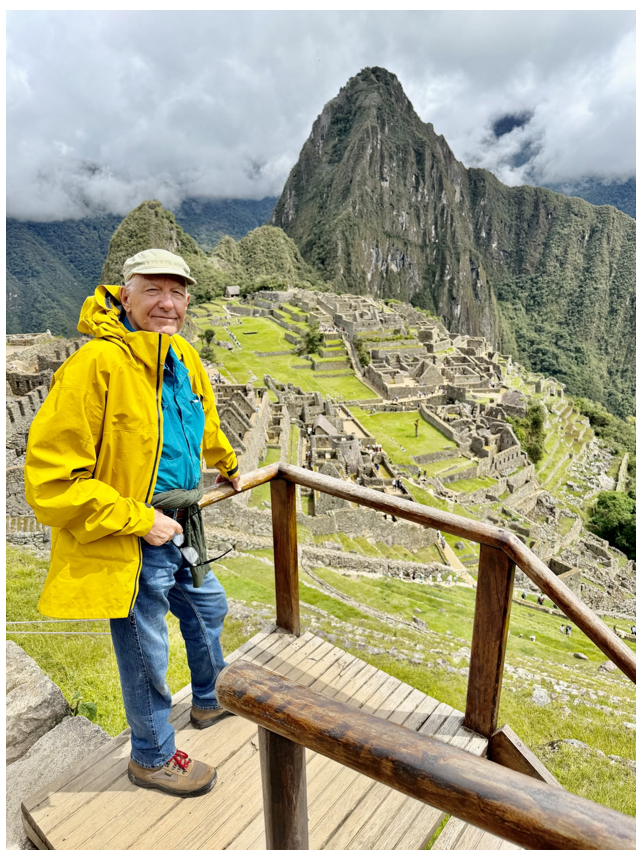
Machu Picchu
Futures trading involves a high degree of risk and may not be suitable for everyone.

Copyright © 2026. Mad Hedge Fund Trader. All Rights Reserved.