Mad Hedge Biotech and Healthcare Letter
September 27, 2022
Fiat Lux
Featured Trade:
(LAST CHANCE AT SALVATION)
(BIIB), (ESALY), (RHHBY), (LLY), (NVS), (AMGN), (REGN), (BMY), (ABBV), (MRK), (PFE)

Mad Hedge Biotech and Healthcare Letter
September 27, 2022
Fiat Lux
Featured Trade:
(LAST CHANCE AT SALVATION)
(BIIB), (ESALY), (RHHBY), (LLY), (NVS), (AMGN), (REGN), (BMY), (ABBV), (MRK), (PFE)
Biogen (BIIB) is taking another crack at Alzheimer’s. This is a crucial moment for the biotech following its move to abandon its plans to market Aduhelm, another Alzheimer’s treatment after healthcare insurers refused to pay for it despite gaining FDA approval.
The moment of truth will come this fall when Biogen and Eisai (ESALY) are anticipated to share the results of their massive trial created to determine whether lecanemab, their latest candidate for Alzheimer’s, can deliver its promise to decelerate the progression of the neurodegenerative condition in early-stage patients.
Needless to say, an effective Alzheimer’s drug would not only bring incredible development and hope for patients and their loved ones but also offer a much-needed reprieve for Biogen.
Success would push the biotech to pursue a quick turnabout, with Biogen and Eisai already planning to request an accelerated approval. If the Phase 3 data turns out promising, then the next move would be to clear the way to get Medicare coverage, ensuring that the Aduhelm debacle won’t happen again.
In terms of market opportunity, treatments like lecanemab can rake in over $20 billion in sales in the United States alone.
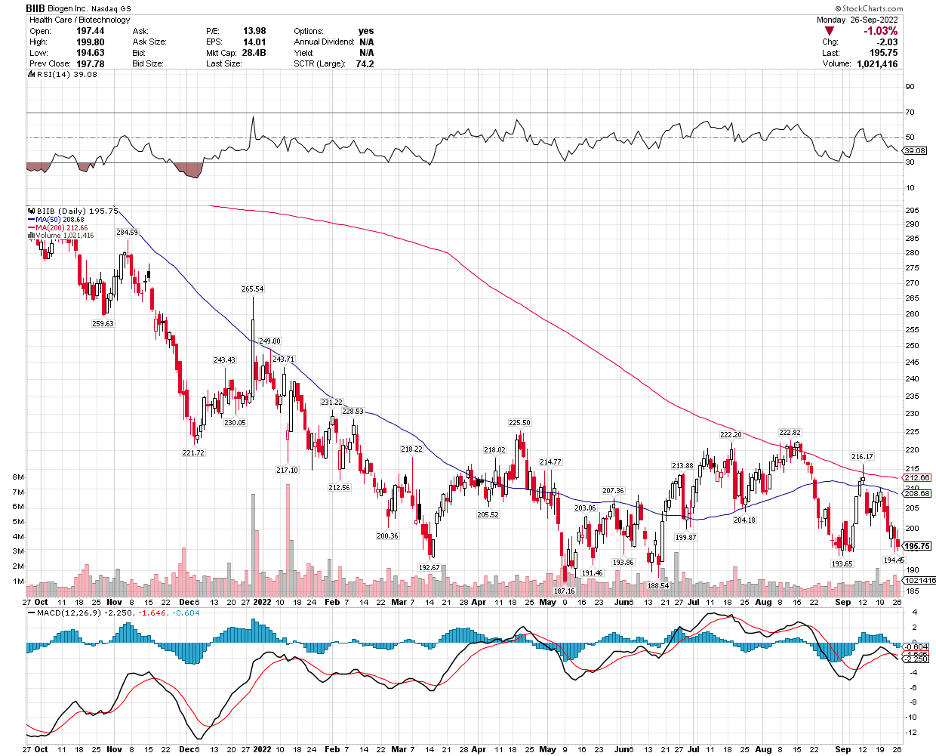
Still, investors remain cautious. After all, betting on a positive result of an Alzheimer’s trial has proven to be a wrong move in the past—a sentiment that’s apparent in Biogen’s beaten-down price these days.
When Aduhelm gained approval in June 2021, Biogen’s shares climbed almost 40%. Unfortunately, the price steadily fell as the biotech encountered roadblock after roadblock since the drug’s approval and commercialization.
Last year, Biogen shares rose from $270 to hit $400 following Aduhelm’s approval. These days, the biotech has been trading at roughly $205. That’s about 40% below its price in 2018.
By April 2022, Biogen threw in the towel when Medicare flat-out rejected any request to pay for Aduhelm.
More than that, though, Biogen’s results for its lecanemab trial could spell the difference for other Alzheimer’s drugs in late-stage development, including the candidates from Roche (RHHBY) and Eli Lilly (LLY).
What would happen if Biogen fails again?
A failure would make the beginning of a new period for the biotech. Looking at Biogen’s pipeline and portfolio, it’s clear that the next move would either be to sell off pieces of the company or become more aggressive in pursuing mergers.
With the primary business unable to deliver, the expectations shift to the pipeline to pick up some slack. Unfortunately, Biogen’s lineup looks underwhelming. Its disastrous Aduhelm project caused too much damage to the biotech’s finances, restricting its clinical trials.
While Biogen remains the biggest pure neurology biotech thus far, this position is under attack, and its pipeline seems too slow to react in the wake of back-to-back failures.
Reviewing Biogen’s pipeline in Phase 3 trials does not show any candidates that stand out as groundbreaking or transformative. None has the capacity to anchor the company anytime soon.
Apart from that, Biogen is facing fierce competition in its other treatments, including its MS portfolio from the likes of Novartis (NVS), Amgen (AMGN), and Regeneron (REGN).
Meanwhile, more and more pharma names are challenging its neurology drugs like Bristol Myers Squibb (BMY), AbbVie (ABBV), and Merck (MRK). Even Pfizer (PFE) is making a play in this sector with its plan to acquire neurology biotech pure-play Biohaven.
Given Biogen’s track record, the best thing to do right now is to sit and wait until the data are out. If the data turns out positive, then the opportunity would be massive enough for investors to buy in later.
Besides, Eli Lilly and Roche will also release their results in the following months. Those will offer a clearer path and better flesh out the picture of the future of this segment. Most importantly, these will provide investors with safer options to make their bets.
Mad Hedge Biotech and Healthcare Letter
August 11, 2022
Fiat Lux
Featured Trade:
(BUILDING A RECESSION-PROOF PORTFOLIO)
(AMGN), (GILD), (MRK), (ABBV), (PFE), (JNJ), (BMY)
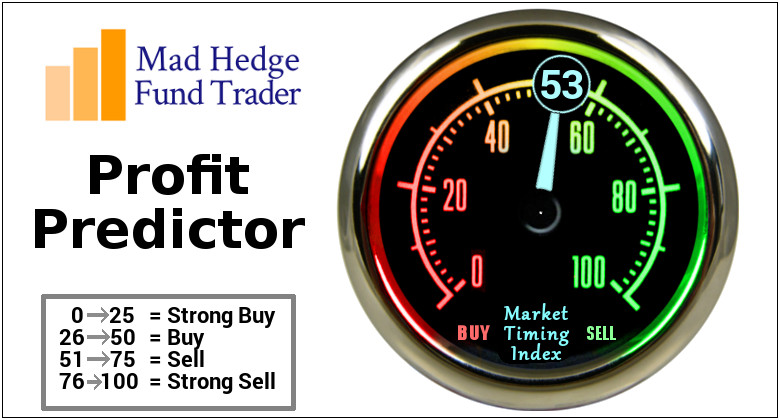
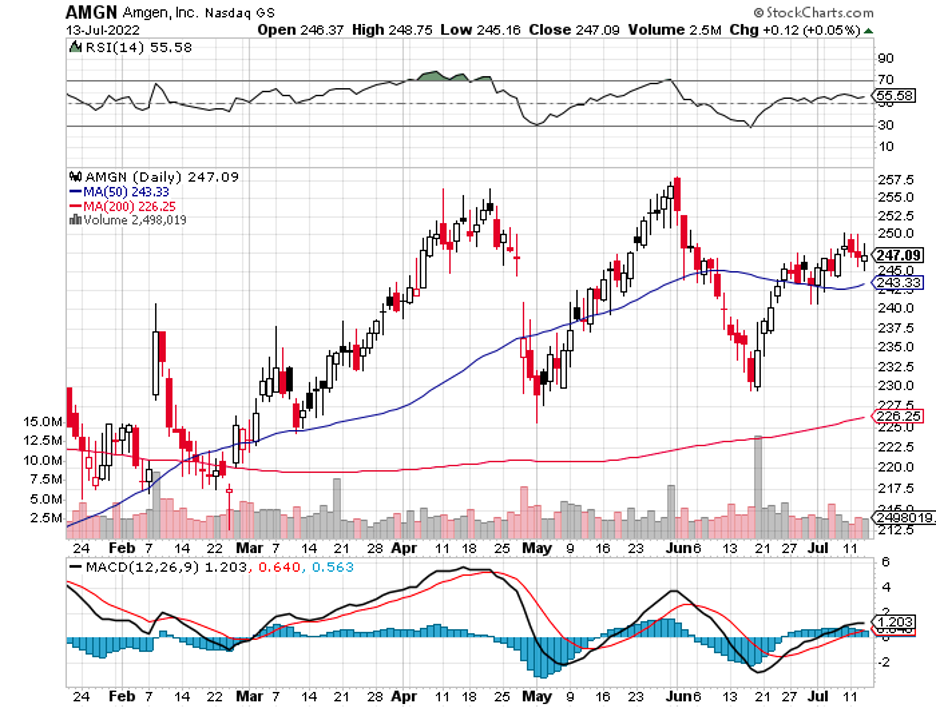
In my biotechnology and healthcare newsletter earlier this week, I talked about Amgen (AMGN) and how critical it is to determine recession-proof businesses.
In the next quarters and even years, it will no longer be as vital to identify companies that can bring high growth returns in the short term.
Instead, what’s more important is to find stocks that can withstand any bear market and a recession.
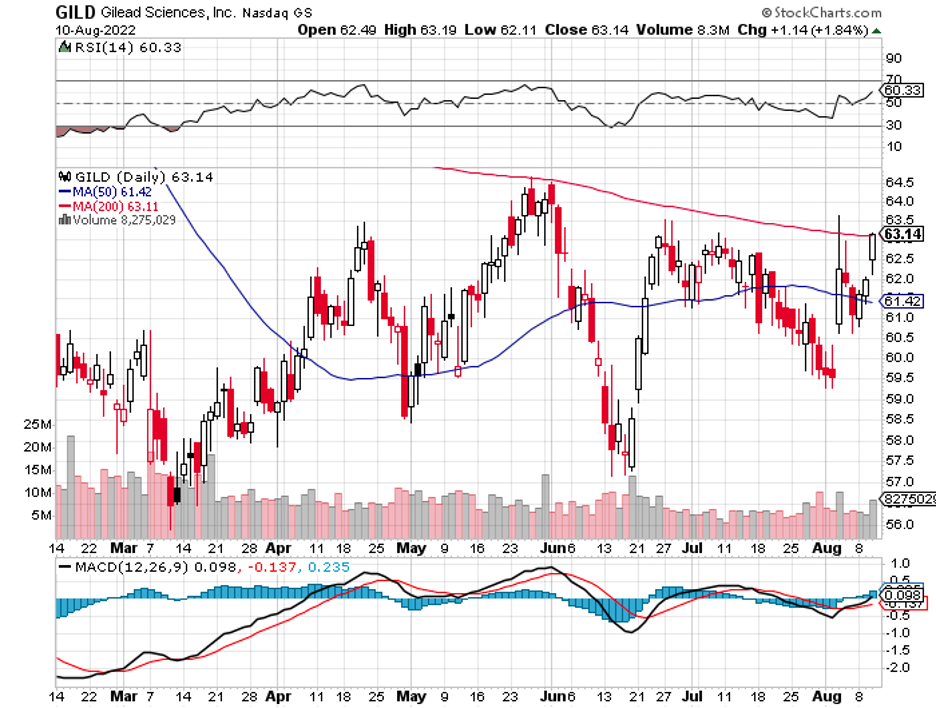
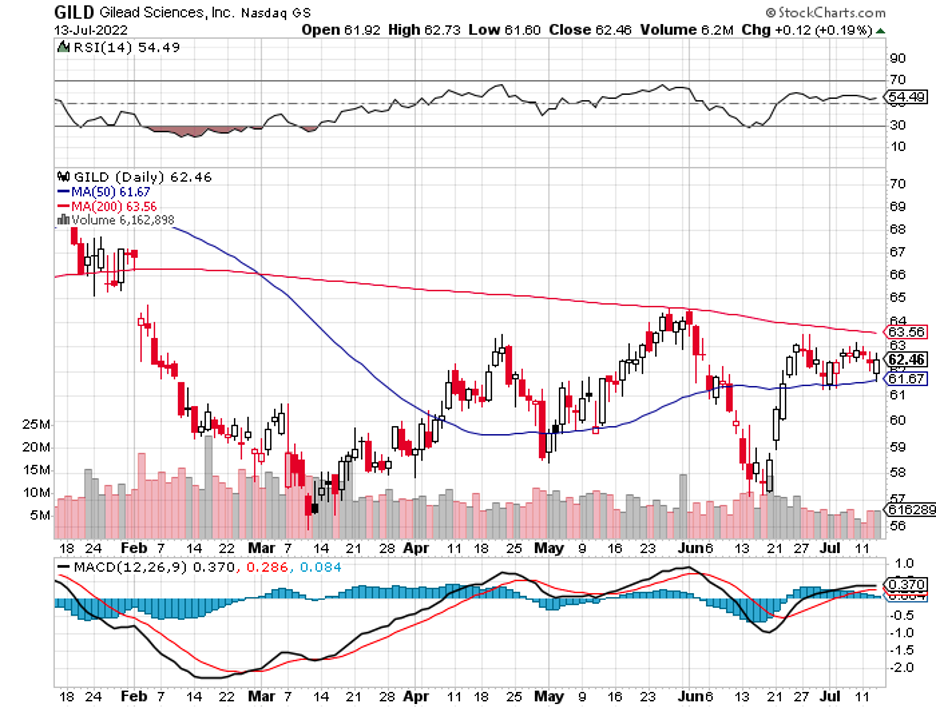
Like Amgen, Gilead Sciences (GILD) also performed better than the S&P 500 (SPY) and the Nasdaq 100 (QQQ) in the past 12 months.
Considering that we are anticipating a steep recession and a potentially brutal bear market in the following quarters, Gilead Sciences is presenting itself as a solid pick.
Some refer to Gilead Sciences as a one-trick pony, but that’s not an opinion I agree with despite the company’s over-reliance on its HIV programs and antiviral treatments.
For perspective, its antiviral portfolio comprises more than 90% of the company’s 2021 revenues while its top-selling products that year are all from its HIV segment.
Although Gilead Sciences has been expanding its portfolio, the company’s HIV program remains its best moneymaker. In the second quarter of 2022, sales of its HIV treatments have risen by 7% year-over-year.
Demand for treatments in this space has climbed in the past months, which allows for more room for growth in the foreseeable future.
Among the HIV treatments, Biktarvy is the best-selling product. It’s also the treatment that continues to gain a bigger market share.
By the second quarter of 2022, Biktarvy has been reported to claim roughly 44% of the market share in the US, marking a 4% increase year-over-year.
Meanwhile, another potential blockbuster is Lenacapavir. This is a new product, which will be marketed as a long-acting injectable HIV treatment once it gains FDA approval. If this gets the green light, this could rake in an estimated $2 billion in the first year of its release.
Aside from its HIV treatments, Gilead Science’s hepatitis franchise has also been steadily growing.
Amid the competition against the likes of Abbvie’s (ABBV) Mavyret, the company’s combo treatments with Sofosbuvir continue to generate significant cash flows and promising sales.
However, this segment raked in $1.9 billion in sales, down 9% year-over-year. The decline could be attributed to the effects of the pandemic.
Nevertheless, Gilead Sciences have been working on updating this particular program and adding newer treatments to deliver better results.
Another segment that saw a spike in 2021 is the antiviral program, primarily due to Veklury or Remdesivir.
When COVID-19 broke, Veklury was hailed as the first-in-line treatment. This led to a substantial boost in sales since 2020, with the company earning $2 billion from the product at that time.
By 2021, Veklury sales skyrocketed by 98% to hit $5.6 billion.
Frankly, no one truly expected Veklury to reach those figures—even Gilead Sciences’ management. In their first-quarter conference call in 2021, the company estimated full-year sales for the product to be roughly $2 to $3 billion.
While Veklury’s numbers are impressive, I think this product’s days are numbered because of the emergence of more competitors and better alternatives in the market these days.
In any case, this treatment is a testament to Gilead Sciences’ ability to deliver effective and reasonably priced antivirals to market.
Moving forward, Gilead Sciences looks to be exploring the oncology sector.
Its move to acquire CAR T-cell therapies via the $12 billion deal with Kita Pharma in 2017 is one of the clearest indicators of this plan.
On top of that, Gilead Sciences also acquired Trodelvy from Immunomedics in 2020. As far as fast-tracking its expansion in the oncology space goes, this definitely pushes the company to the forefront.
As a standalone treatment, this can reach peak sales of $2 billion to $3 billion.
Other than testing it with its own pipeline as a breast cancer treatment, Gilead Sciences has been collaborating with Merck (MRK) to determine the efficacy of Trodelvy when combined with Keytruda as a first-line treatment for non-small cell lung cancer.
Overall, Gilead Sciences is a great addition to a portfolio of recession-proof companies.
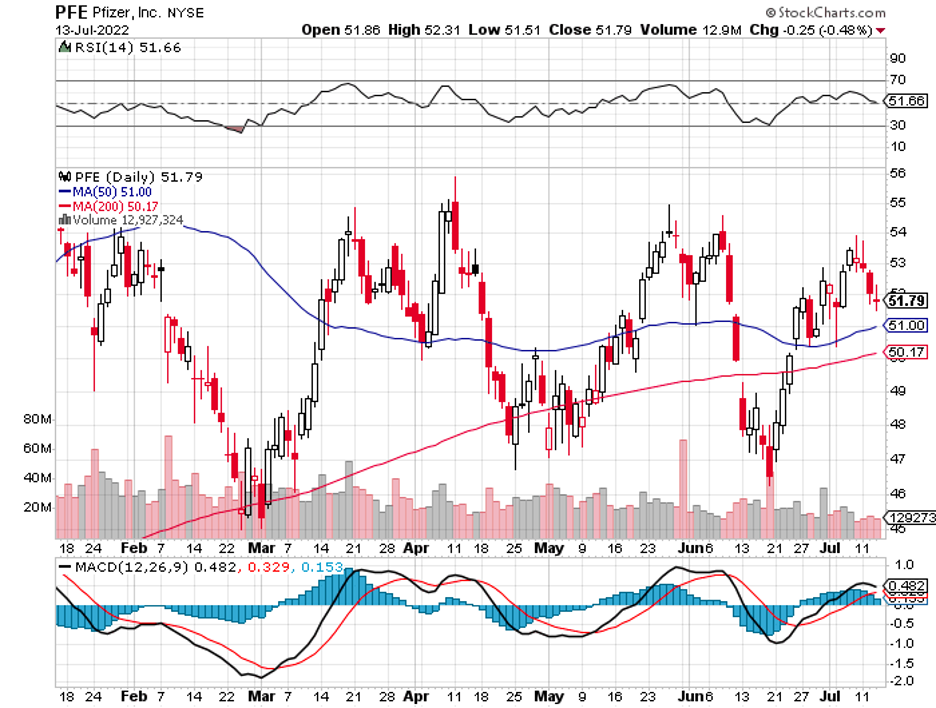
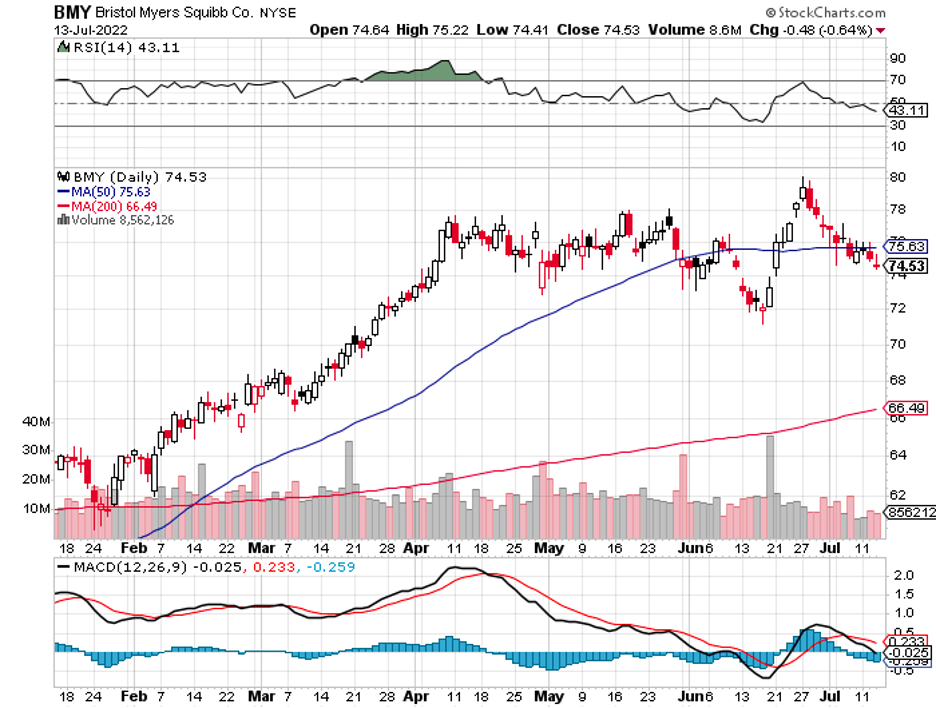
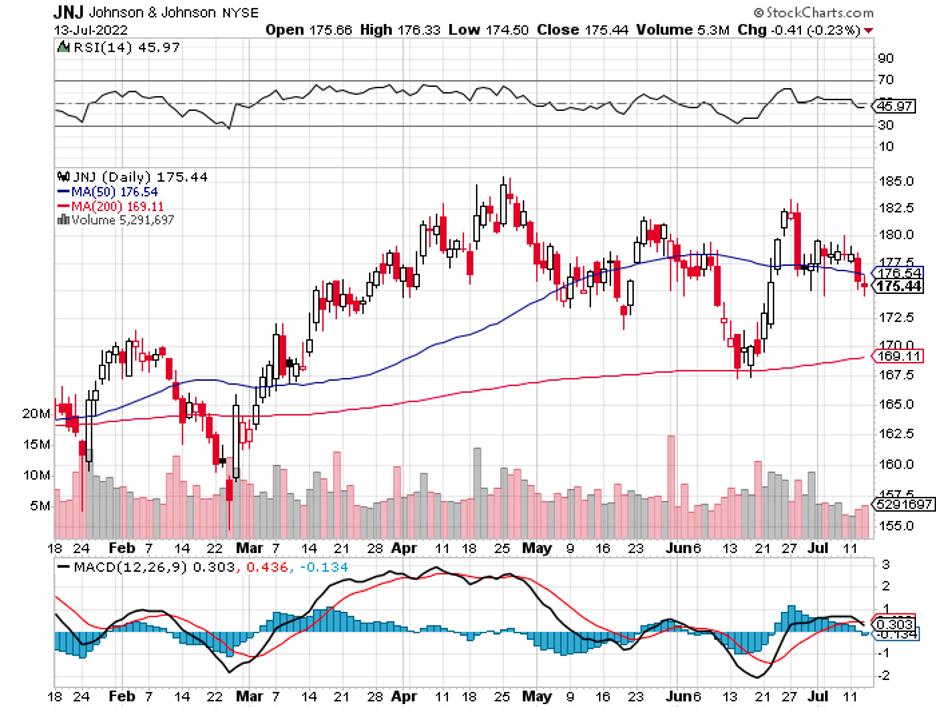
While it may not be as impressive as industry titans like Bristol Myers Squibb (BMY), Merck, AbbVie, Pfizer (PFE), and Johnson & Johnson (JNJ), it definitely bears the early signs of improvement, a promising future, and the ability to withstand a recession.
Mad Hedge Biotech and Healthcare Letter
July 14, 2022
Fiat Lux
Featured Trade:
(GOODBYE BIG PHARMA, HELLO BIG BIOTECH)
(GSK), (PFE), (BMY), (VTRS), (LLY), (JNJ), (AMGN), (GILD),
(MRK), (RHHBY), (AZN), (NVO), (ABBV), (SNY), (ABT)
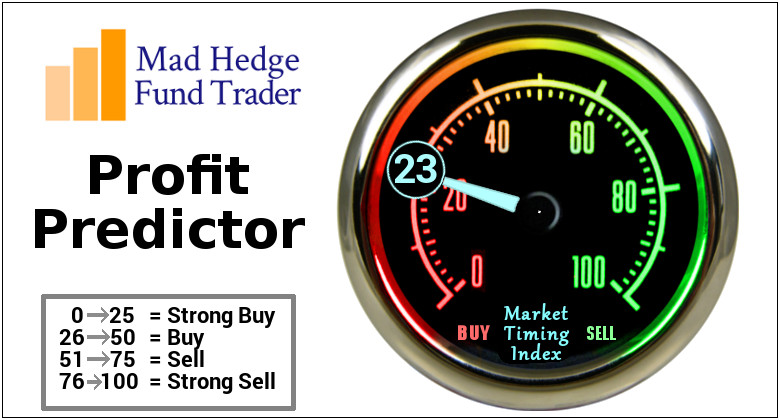
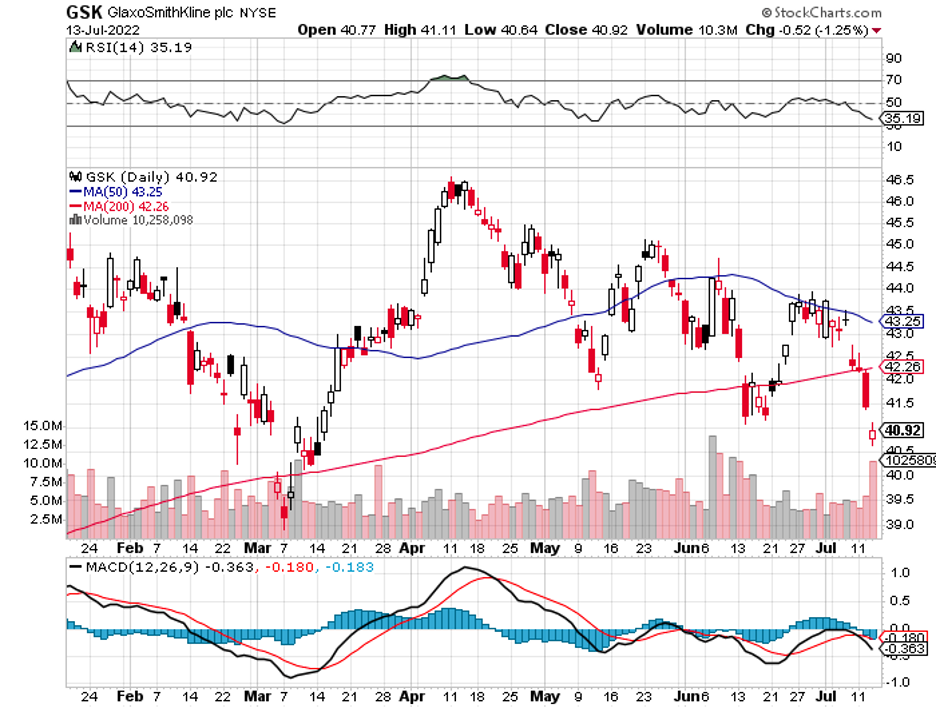
The moment GlaxoSmithKline (GSK) completes the spinoff of its massive segments marketing drugstore staples, such as Tums and Advil, it will become the latest name to join the list of Big Pharmas shuffling their assets and rebranding itself into a pure-play biopharma stock.
The reorganization of this UK-based company is the culmination of years-long process that has transformed practically all the biggest pharmaceutical companies globally into biotechnology companies on steroids.
This type of transformation, which gets rid of sideline businesses, has been going on for years. Pfizer (PFE) dumped its chewing-gum segment back in 2002 and established another spinoff unit, Viatris (VTRS), with Mylan in 2020.
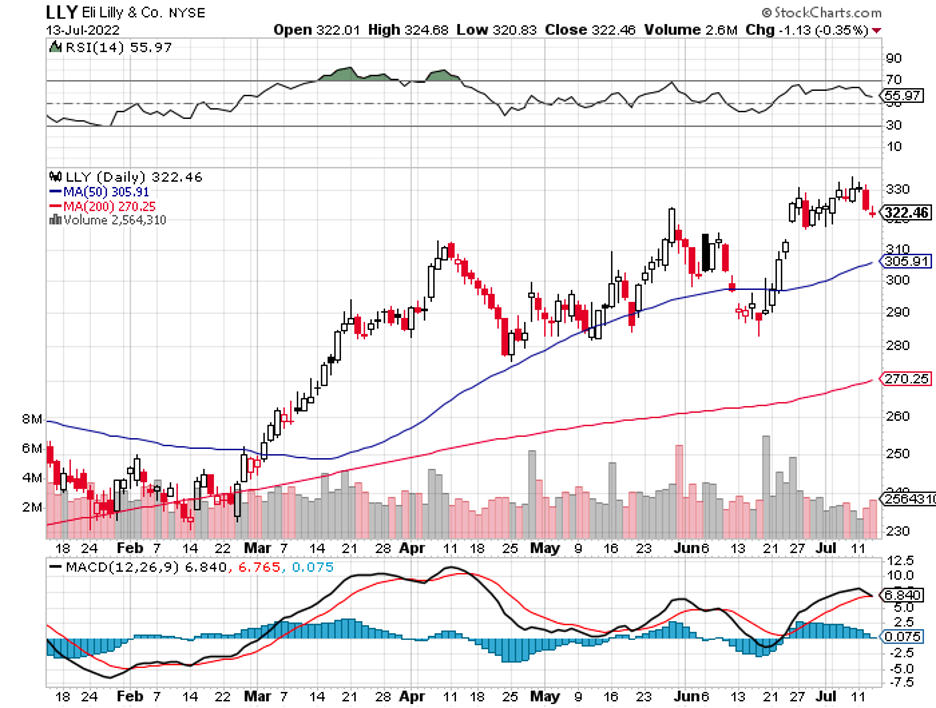
Bristol Myers Squibb (BMY) decided to spinoff its infant-formula division in 2009. In 2018, a new animal health company came to be from Eli Lilly (LLY).
By 2023, Johnson & Johnson (JNJ) expects to complete the creation of a spinoff company and unload its consumer health segment, which offers Tylenol and Band-Aids.
Essentially, they’re turning into Amgen (AMGN) and Gilead Sciences (GILD) but with more money and resources to churn out high-priced, complex treatments for rare diseases.
However, not all Big Pharma names plan to become pure-plays. For example, Merck (MRK) still intends to retain its animal health sector while Roche (RHHBY) wants to keep its diagnostics segment.
As for the rest, including AstraZeneca (AZN), Novo Nordisk (NVO), and AbbVie (ABBV), their plan is to focus on creating new drugs and marketing these treatments—nothing more, nothing less.
The idea of Big Pharma transforming into “Big Biotech” dates back to 1992, when Henri Termeer, the CEO of Genzyme—now owned by Sanofi (SNY)—was summoned to a Senate hearing in Washington to argue and justify one of the most expensive medicines ever put to market.
The medication in question was for a rare genetic condition called Gaucher disease. A year-long treatment for one person needed tens of thousands of human placentas, and the price tag? A jaw-dropping $380,000 annually.
Amid the demand to make the treatment cheaper, Genzyme stood by its decision and the price barely budged after two years.
The company’s tenacity and insistence on standing by its pricing altered the biopharma landscape. That is, drug developers realized that rather than marketing cheaper drugs to combat common diseases, they can focus on biotech-style treatments to target rare conditions.
At that time, Big Pharma companies were battling over pieces of massive markets. They allocated considerable funds to their commercial teams, hoping to outrank one another in crowded spaces.
Meanwhile, biotechs like Genzyme decided on a different strategy.
They concentrated on more innovative approaches. Actually, the biotech focused on biologics at that point. Then, the company simply ignored the pricing rules and set its own prices, which were considerably higher.
A more recent go-to proof of concept for this strategy is Abbott Laboratories (ABT), which was initially a diversified company that offered an extensive range of products like medical devices and even infant formula.
In 2013, the company spun off its branded pharmaceutical sector into AbbVie, which became a pure-play biopharma that focused on developing and marketing the arthritis drug Humira. Since then, Humira has transformed into one of the top-selling drugs in history.
More than that, AbbVie pays substantial dividends while its shares have delivered 500% returns since the spinoff. In comparison, the S&P 500 has returned roughly 220% within the same timeframe.
While this is a shift that investors have clamored to see in the healthcare sector, it also means that the transformations could turn companies with solid revenue streams that have become reliable despite the ups and downs of the drug discovery process into riskier bets.
Although treatments for rare diseases admittedly come with very high price tags, focusing on smaller markets brings with it the inherent risk that these buy-and-stuff-under-the-mattress blue chips could no longer deliver returns as consistently.
These days, though, the advancements have made faster and safer scientific breakthroughs much more plausible.
Companies have gained a better understanding of the human genome, oncology treatments, genetic diseases, and groundbreaking modalities like gene therapies.
The science has now caught up with the demand. More importantly, Big Pharma has finally woken up and started to leverage its resources to take advantage of the opportunities.
This gradual change can be seen in the surge of new treatments in the past years. From 2016 to 2020, the FDA approved an average of 46 new therapies annually.
This is more than half the number between 2006 and 2010 when the organization only approved an average of 22 new treatments every year.
Needless to say, these changes are also partly in response to the overall dissatisfaction of investors with the diversification strategies of Big Pharma.
Basically, the general message here is that Big Pharma should let the investors worry about diversifying their own portfolios and focus on developing safe and effective drugs.
Mad Hedge Biotech and Healthcare Letter
June 30, 2022
Fiat Lux
Featured Trade:
(A SOLID BIOPHARMA WITH A GAMECHANGER UP ITS SLEEVE)
(MRK), (SGEN), (AZN), (ABBV), (BMY)
The mounting uncertainty over fears of a global recession, heightened volatility, and ongoing geopolitical concerns resulted in the decline of the S&P 500 index, pushing it towards a bear market.
In this type of environment, investors can lean on solid dividend stocks to smooth out losses and generate some much-needed passive income.
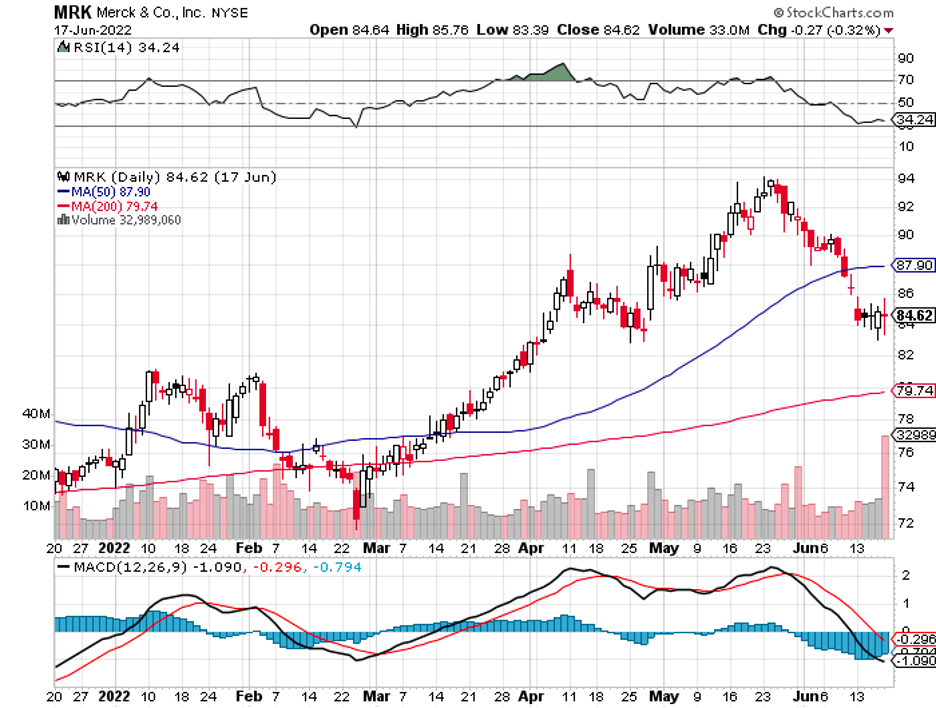
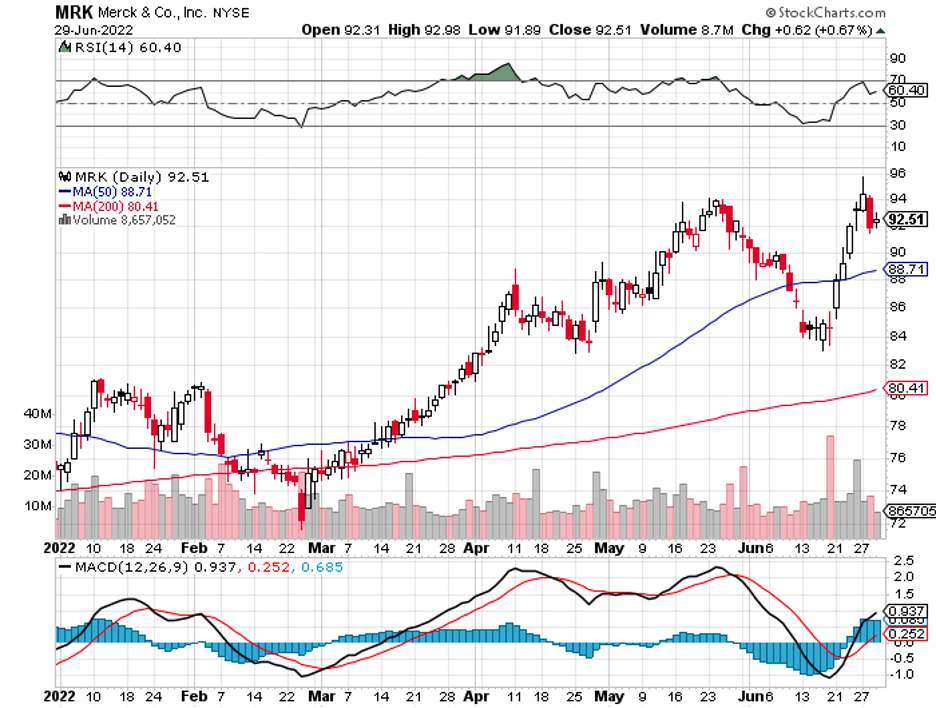
A great biotechnology and healthcare stock that fits the bill is Merck (MRK).
For one, Merck’s business is solid, rising by 23% year-to-date. The company, with a market capitalization of $233 billion, is the fifth-biggest pharma stock globally.
It develops products for humans and animals, excelling and becoming a frontrunner in both fields.
Among its programs, the most noteworthy is the top-selling cancer drug Keytruda. This product continues to gain more indications despite already having over two dozen regulatory approvals under its belt.
In 2021, Merck launched five blockbuster products. Even its animal health sector posted double-digit growth in net sales for that period.
This also included its COVID-19 antiviral treatment, Lagevrio, which raked in $3.2 billion in sales in the first quarter of 2022 alone.
Merck also has roughly 77 programs queued for Phase 2 trials and 29 more for Phase 3 studies in its pipeline. These cover diverse projects ranging from vaccines, cardiovascular, and diabetes treatments to oncology and endocrinology therapies.
Needless to say, the continuous expansion of the company’s drug portfolio bodes well for its future. Moreover, Merck offers investors a 2.9% dividend yield.
To put that in perspective, 2.9% is about twice the S&P 500’s 1.6% yield.
While Merck is considered one of the top companies in the healthcare industry, reporting almost $50 billion in revenue in 2021, the business has been missing something in the past years: a big growth catalyst.
Despite its solid performance and steady expansion of existing products, Merck’s sales have only increased by roughly 15% from 2019 to 2021.
This might change soon.
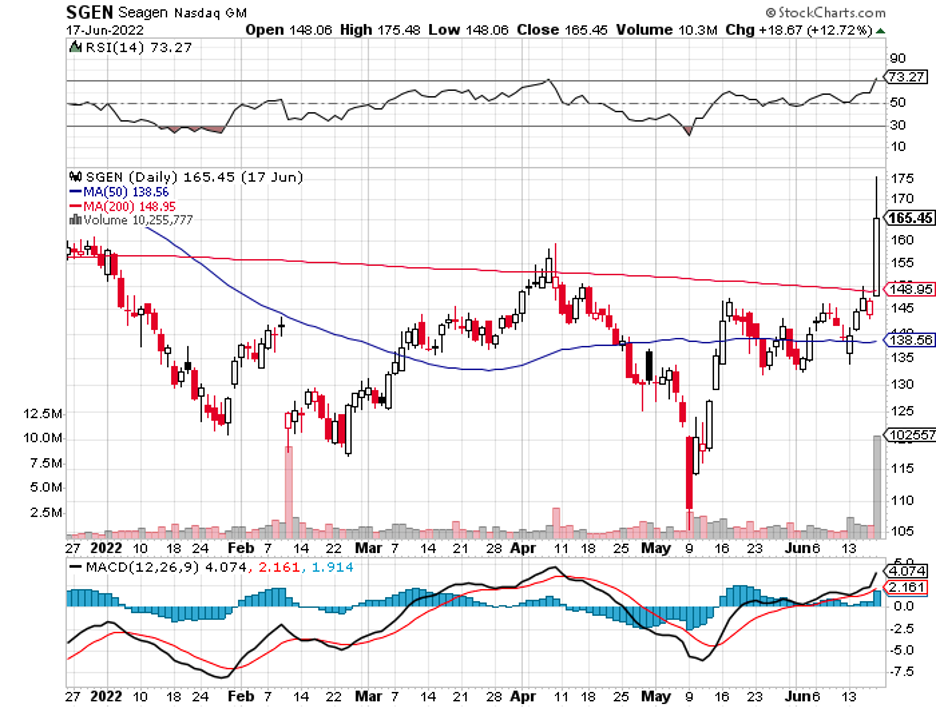
Merck has been persistently linked with biotech company Seagen (SGEN) in an effort to bolster its oncology portfolio.
If this plan pushes through, it could be a massive game-changer for both companies.
With a market capitalization of over $32 billion, buying Seagen won’t be cheap for Merck. More than that, other names are supposedly interested in acquiring this company as well. However, it looks like Merck has the best shot at actually sealing the deal.
Growing its revenues impressively over the past 10 years, Seagen is an attractive target for any Big Pharma.
In fact, this biotech has grown from raking in only roughly $200 million in revenue in 2012 to $1.57 billion in 2021. It has also since then expanded its portfolio and broadened its pipeline. This means that the company’s 2027 revenue estimate of $6.9 billion and $10.2 billion by 2031 are within reach.
Seagen would be an excellent fit for Merck because of the overlapping interests of both businesses.
The deal would expand Merck’s oncology footprint, bolster its foothold in the market, and introduce new technology to its pipeline while simultaneously allowing Seagen to inject substantial cash flow to sustain and bring to market its innovative programs.
If this goes through, the deal would be expected to benefit Merck in the same way AstraZeneca (AZN) benefited from Alexion, AbbVie (ABBV) with Allergan, and Bristol-Myers Squibb (BMY) with Celgene.
While it’s risky to speculate on a potential acquisition, Merck remains a good buy regardless of the plans with Seagen.
Considering that the company’s dividend payout ratio is projected to be at 38% in 2022, its dividend seems to be safe and should be able to increase almost as fast as its earnings.
This means Merck could reasonably deliver high-single-digit yearly dividend growth, making it a stock with an excellent combo of income on the side and high growth potential.
Mad Hedge Biotech and Healthcare Letter
June 21, 2022
Fiat Lux
Featured Trade:
(A POTENTIAL ONE-STOP-SHOP IN THE CANCER MARKET)
(SEGN), (MRK), (PFE), (ABBV), (JNJ)
So far, there’s no clear leader in the cancer market. However, it looks like things might change soon if Merck (MRK) gets its way.
The biotechnology and healthcare sector has heard some interesting updates lately involving Merck and its frequent collaborator, Seagen (SEGN).
While Merck already has a stake in Seagen, it appears that the New Jersey biopharma wants the whole thing. There’s no need to panic buy just yet, though, since Merck still has to go through hoops to prove that its plan won’t cause any antitrust issues.
Moreover, Merck won’t be the only suitor. Several names in Big Pharma have been eyeing Seagen for quite some time, including Pfizer (PFE) and AbbVie (ABBV).
Even Japan’s Astellas Pharma, with a jaw-dropping $3.76 trillion market capitalization, is said to be interested.
If this does push through, it would be another massive deal since Seagen’s current market capitalization is at $31 billion.
Why is Seagen an attractive acquisition candidate?
This biotech currently has four cancer treatments available on the market.
It’s also reviewing a couple of candidates to determine how they react as part of a combo therapy with Merck’s blockbuster drug Keytruda.
Evidently, the potential to exclusively own the rights to compounds that could bolster the effects and expand the indications of its bestselling therapy is a significant motivation for Merck.
If the acquisition happens, Merck will undoubtedly be an incredibly formidable powerhouse in the oncology sector.
At the moment, the company already has 46 commercially approved indications in its cancer portfolio.
By 2028, Merck plans to see this number grow to over 80 oncology drugs, with Keytruda leading the charge.
Aside from its potential combination with Merck’s top-selling treatment, what’s more promising for Seagen is its actual portfolio of four molecules or its Big Four franchises.
These are Adcetris, Tukysa, Padcev, and Tivdak.
Adcetris has been hailed as the foundation of care for practically all types of lymphoma, while Padcev has been proven to be the standard of care for advanced bladder cancer.
Tukysa has been hailed as best-in-class for metastatic breast cancer, while Tivdak is the first-in-class for cervical cancer.
Holding such premier titles and indications ensures that these treatments generate highly aggressive revenue boosts, thereby guaranteeing their trajectory towards becoming blockbusters.
After all, you rarely hear of any blockbuster treatment being a second-line therapy.
In terms of sales, the Big Four managed to generate a total of $383 million in the first quarter of 2022. This indicates approximately 27% year-over-year sales growth, which bodes well for the future of Seagen’s portfolio.
Adcetris rakes in $181 million during the said period, Padcev contributed $100 million, Tukysa generated $90 million, and Tivdak recorded $11 million.
Tukysa’s growth was attributed to its penetration of the European market in February 2021, while Adcetris soared because of its expansion to include advanced Hodgkin lymphoma.
As for Tivdak, this particular product’s performance could be attributed to the fact that it was only approved last September 2021.
Among the four, however, Padcev showed the most aggressive rise in sales at a 44% increase year over year.
Its substantial growth is not only due to its superior efficacy over traditional treatments but also to its ever-increasing market penetration.
Aside from the US, it has successfully entered the UK, Japan, Canada, Israel, Switzerland, and the European Union.
Given its history and how it’s performing, Padcev is projected to become a blockbuster treatment before 2030.
Although the Big Four have delivered groundbreaking changes to the oncology sector, Seagen has been consistent in aggressively pursuing new candidates.
It currently has 17 programs in its pipeline, which target blood cancers and solid tumors.
Ultimately, Seagen’s goal is to become an all-around cancer biotech—aka the oncology sector's Johnson & Johnson (JNJ).