Mad Hedge Biotech and Healthcare Letter
November 1, 2022
Fiat Lux
Featured Trade:
(BARGAIN DEAL FOR A QUALITY STOCK)
(ABBV), (ABT), (RGNX), (JNJ), (MRK), (GILD), (AMGN), (LLY), (BMY), (PFE)

Mad Hedge Biotech and Healthcare Letter
November 1, 2022
Fiat Lux
Featured Trade:
(BARGAIN DEAL FOR A QUALITY STOCK)
(ABBV), (ABT), (RGNX), (JNJ), (MRK), (GILD), (AMGN), (LLY), (BMY), (PFE)
Uncertainty. That’s the prevalent sentiment in the investment community these days.
Investors have been hesitant to buy stocks because they believe the bear market isn’t over yet.
Moreover, investors are anxious over the possibility that the stocks will keep falling as issues like higher inflation continue to hound the market.
However, it’s critical to remember that although today’s situation is challenging, it’s only temporary. This means that businesses with solid track records and promising prospects still make excellent buys.
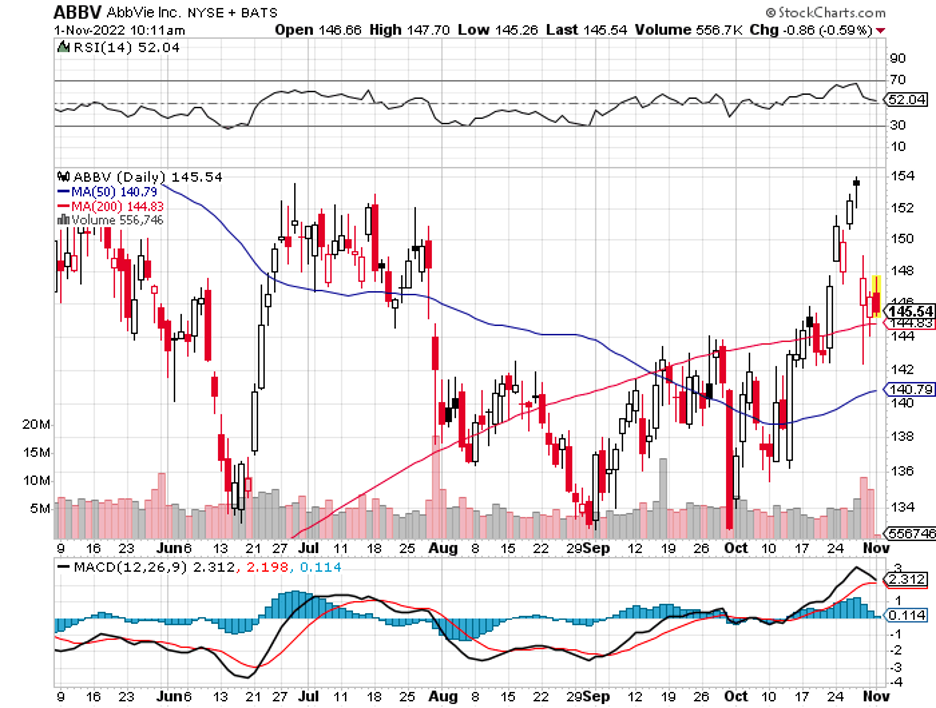
One of the companies outperforming the market this year but which has fallen out of investors’ favor recently, is AbbVie (ABBV).
AbbVie stock has been declining in value lately following an underwhelming third-quarter earnings report. On top of that, the looming patent expiration of its top-selling drug Humira remains a significant concern among investors.
While the Humira situation is clearly not good news for the company, the reality is that AbbVie has impressively preserved the medication’s exclusivity for almost a decade longer than initially expected. Plus, the company has been boosting Humira pricing every year to cope with the declining revenues in the EU, where it already lost patent protection in 2018.
Hence, it’s acceptable for Humira’s chapter in AbbVie’s story to end. After all, the drug has given the company so much. It has been primarily responsible for the more than 325% climb in the company’s share price since 2012 when AbbVie was spun out of Abbott Laboratories (ABT).
Nonetheless, Humira’s impending patent loss doesn’t mean that AbbVie will simply abandon its roots.
The company has since developed potential successors of Humira, namely, Skyrizi and Rinvoq.
So far, the two auto-immune drugs have delivered promising results and are on track to keep the company in tip-top shape in its post-Humira era.
These newer immunology drugs are showing impressive growth potential, with Rinvoq recording a 56% increase in revenue in the third quarter of 2022 and Skyrizi revenue soaring by 85%.
Both are also on track to beat Humira’s peak sales, with joint peak sales from Skyrizi and Rinvoq initially estimated to reach roughly $15 billion.
However, recent revenue reports show that the two could surpass the estimate and completely eclipse Humira’s more than $20 billion annual return.
Obviously, AbbVie would require more than its immunology segment if it plans to sustain a good top and bottom-line growth trajectory.
Other than the more than 10 neuroscience, hematology, immunology, and oncology candidates in its pipeline, which are projected to be ready for market launches in the three to five years, AbbVie has been diving into the aesthetics and eye care markets.
Its eye care program, specifically RGX-314, which is currently being developed in partnership with Regenxbio (RGNX), is an interesting wildcard. For context, the eye care segments for wet and dry advanced macular degeneration are roughly worth over $10 billion to $20 billion annually.
With its Humira chapter closing, AbbVie could be ushering in a new era where products from its Allergan acquisition take the lead.
For example, its Botox franchise consistently delivers impressive results. Even its Botox for migraine line has been recording double-digit revenue growth in the third quarter, indicating gains in AbbVie’s neuroscience segment.
As for the aesthetic indications of Botox, this particular portfolio could be a key driver in the company’s future growth.
Aside from Botox, AbbVie also gained access to the widely used dermal filler Juvederm. With the facial aesthetics industry pegged to experience a compound annual growth rate yearly at 14%, the market is estimated to hit $15.2 billion by 2028.
This trend of AbbVie dominating the market is likely to continue as the company is confident that competitors would be unable to develop biosimilars of Botox. That means its Botox line could keep adding to its top-line growth for an extended period.
Overall, AbbVie is a solid bet among the “Big 8” in the pharmaceutical world, which includes Johnson & Johnson (JNJ), Merck (MRK), Gilead Sciences (GILD), Amgen (AMGN), Eli Lilly (LLY), Bristol Myers Squibb (BMY), and Pfizer (PFE).
Moreover, this is an excellent time to hunt for deals as several quality stocks continue to decline, affected negatively partly by the momentum of the broader market. Among stocks to consider, AbbVie should be at the top of your list.
Mad Hedge Biotech and Healthcare Letter
July 14, 2022
Fiat Lux
Featured Trade:
(GOODBYE BIG PHARMA, HELLO BIG BIOTECH)
(GSK), (PFE), (BMY), (VTRS), (LLY), (JNJ), (AMGN), (GILD),
(MRK), (RHHBY), (AZN), (NVO), (ABBV), (SNY), (ABT)
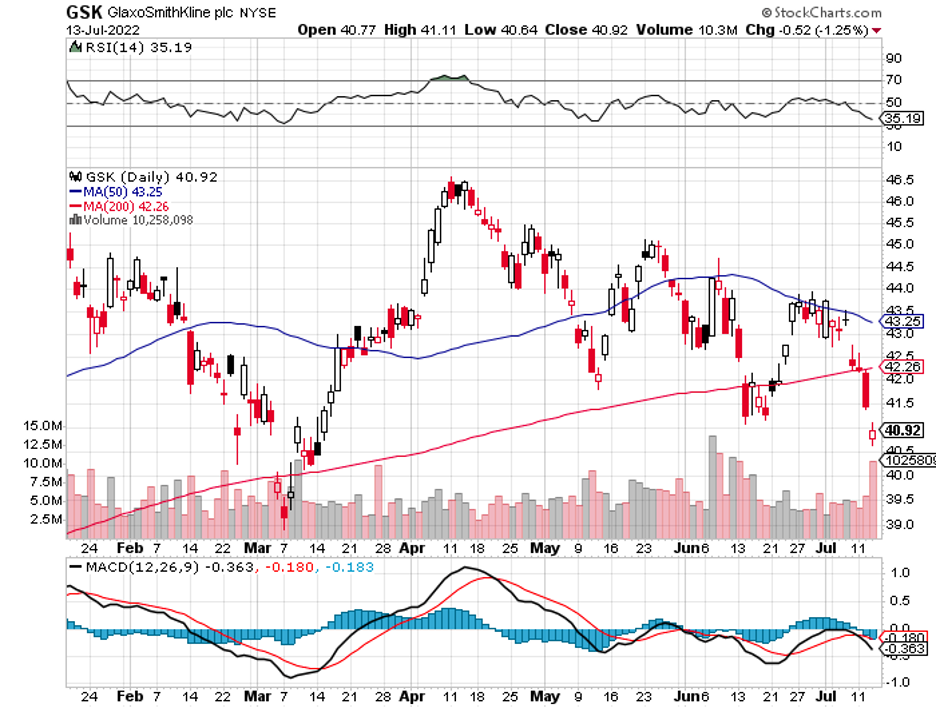
The moment GlaxoSmithKline (GSK) completes the spinoff of its massive segments marketing drugstore staples, such as Tums and Advil, it will become the latest name to join the list of Big Pharmas shuffling their assets and rebranding itself into a pure-play biopharma stock.
The reorganization of this UK-based company is the culmination of years-long process that has transformed practically all the biggest pharmaceutical companies globally into biotechnology companies on steroids.
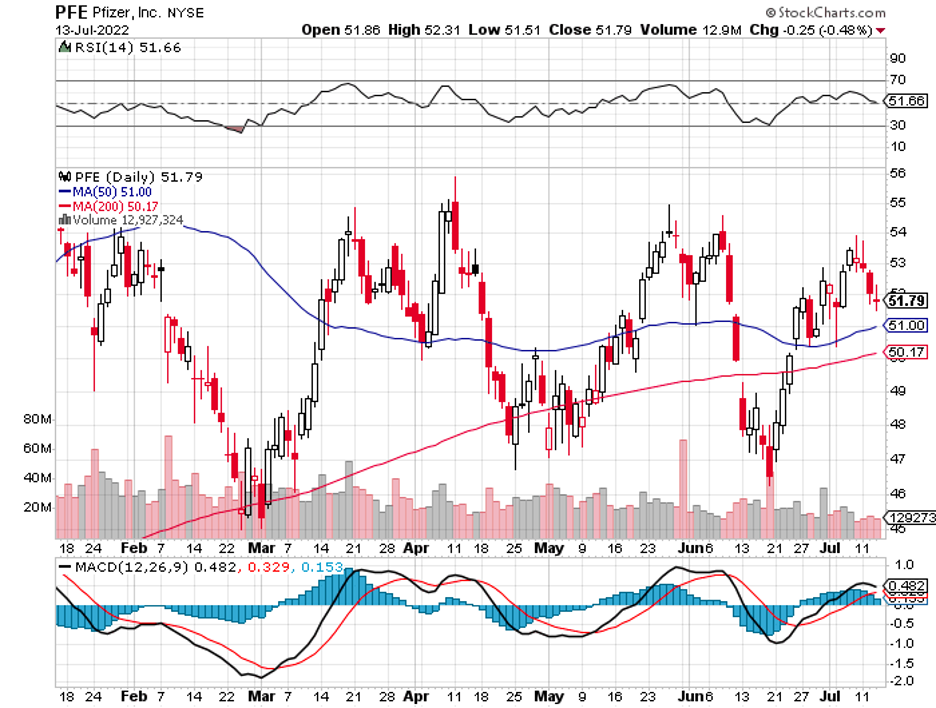
This type of transformation, which gets rid of sideline businesses, has been going on for years. Pfizer (PFE) dumped its chewing-gum segment back in 2002 and established another spinoff unit, Viatris (VTRS), with Mylan in 2020.
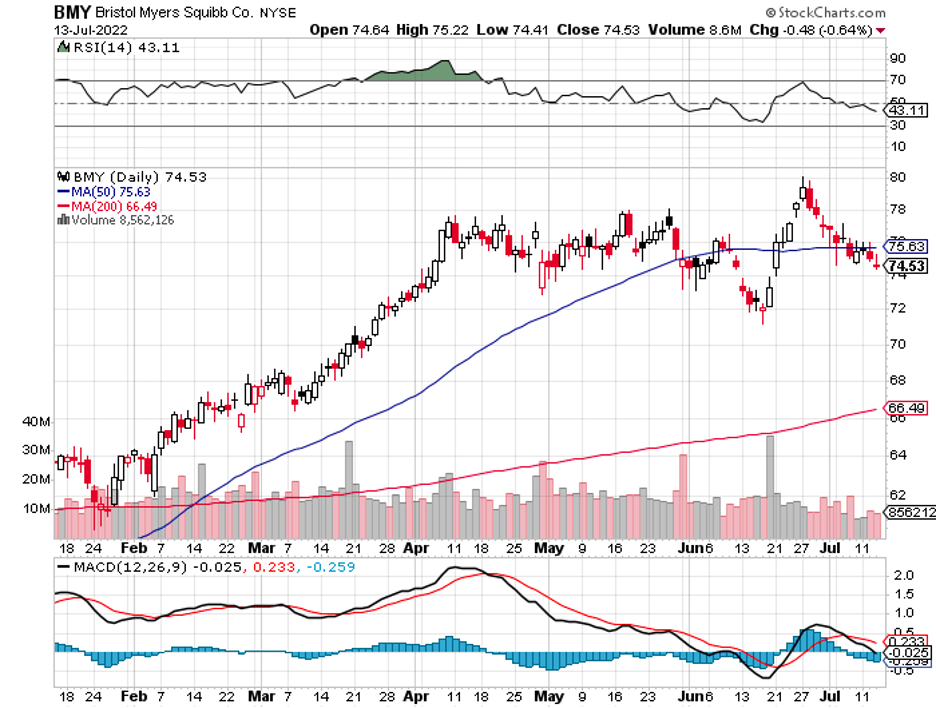
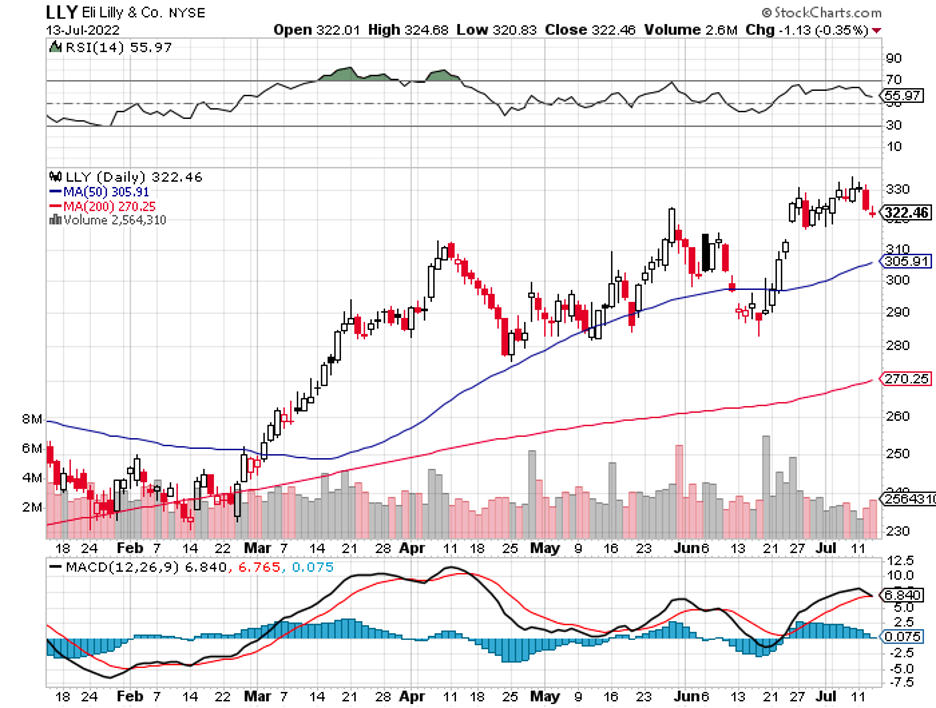
Bristol Myers Squibb (BMY) decided to spinoff its infant-formula division in 2009. In 2018, a new animal health company came to be from Eli Lilly (LLY).
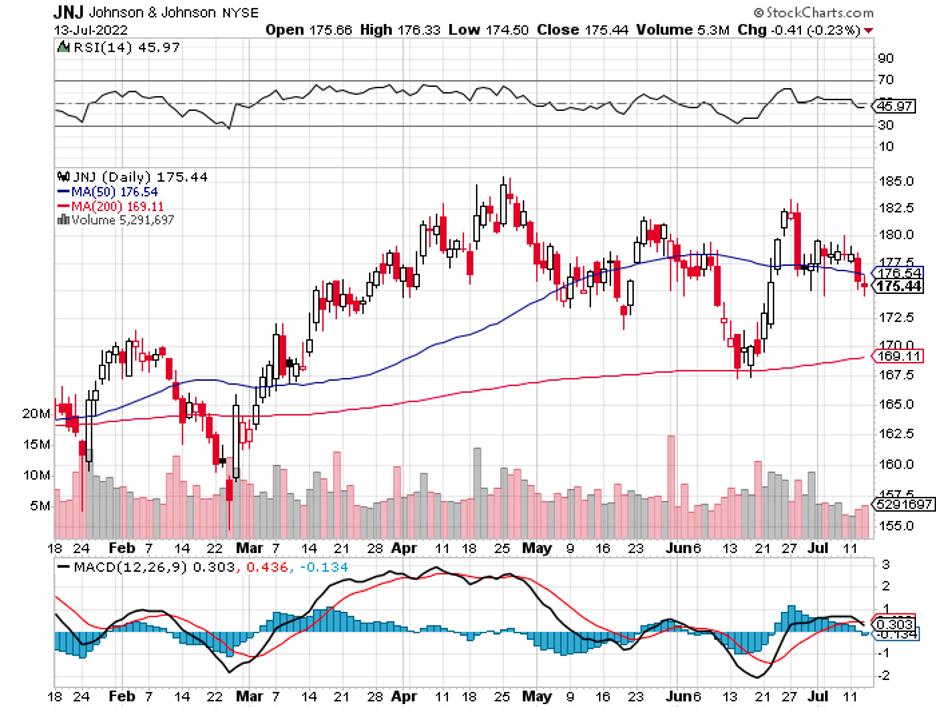
By 2023, Johnson & Johnson (JNJ) expects to complete the creation of a spinoff company and unload its consumer health segment, which offers Tylenol and Band-Aids.
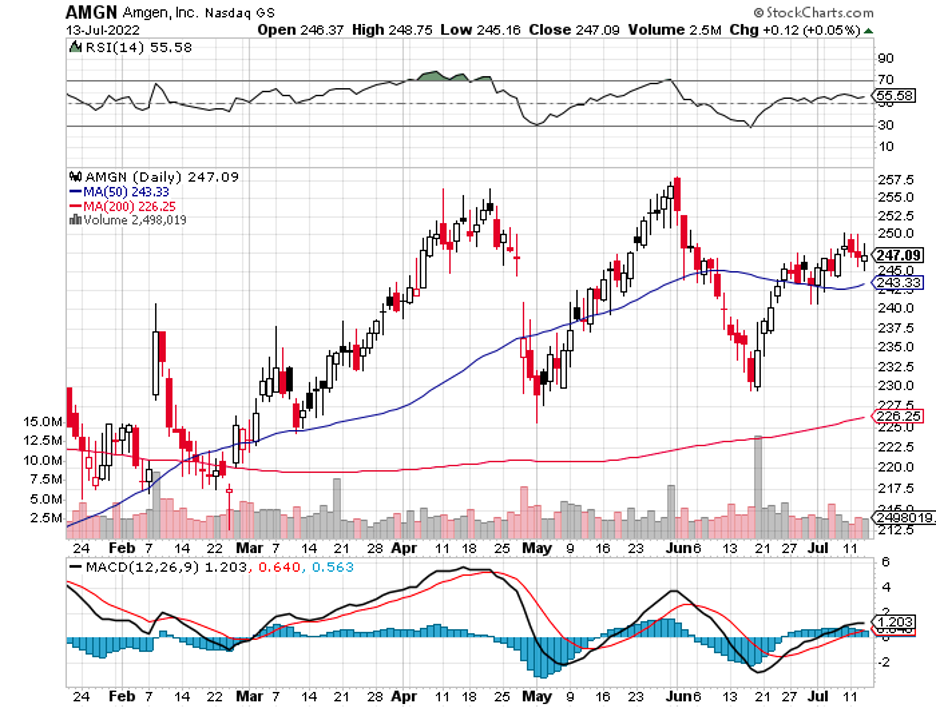
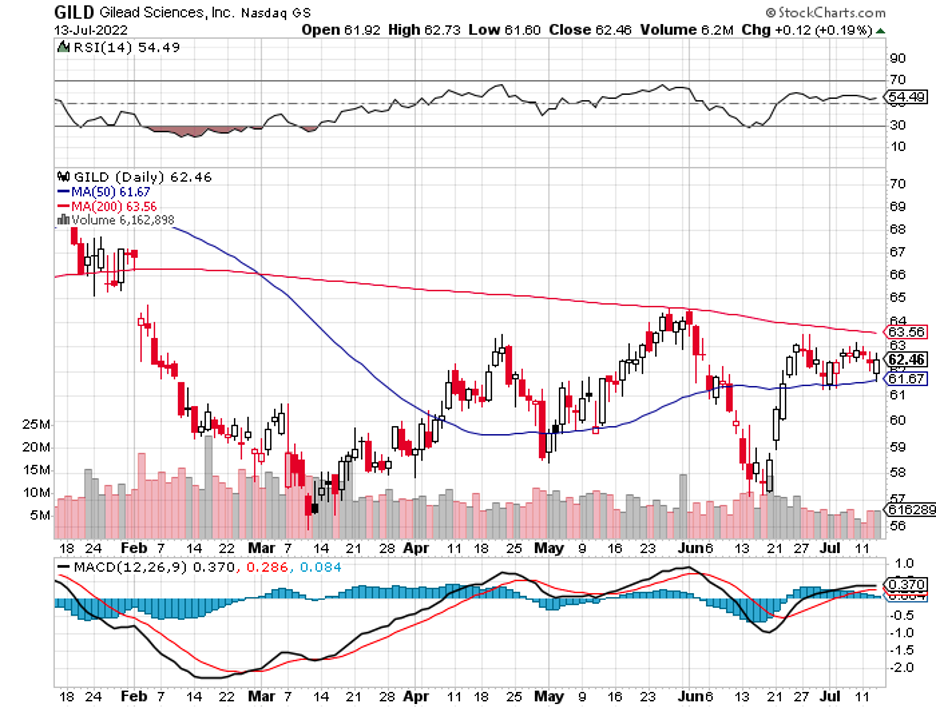
Essentially, they’re turning into Amgen (AMGN) and Gilead Sciences (GILD) but with more money and resources to churn out high-priced, complex treatments for rare diseases.
However, not all Big Pharma names plan to become pure-plays. For example, Merck (MRK) still intends to retain its animal health sector while Roche (RHHBY) wants to keep its diagnostics segment.
As for the rest, including AstraZeneca (AZN), Novo Nordisk (NVO), and AbbVie (ABBV), their plan is to focus on creating new drugs and marketing these treatments—nothing more, nothing less.
The idea of Big Pharma transforming into “Big Biotech” dates back to 1992, when Henri Termeer, the CEO of Genzyme—now owned by Sanofi (SNY)—was summoned to a Senate hearing in Washington to argue and justify one of the most expensive medicines ever put to market.
The medication in question was for a rare genetic condition called Gaucher disease. A year-long treatment for one person needed tens of thousands of human placentas, and the price tag? A jaw-dropping $380,000 annually.
Amid the demand to make the treatment cheaper, Genzyme stood by its decision and the price barely budged after two years.
The company’s tenacity and insistence on standing by its pricing altered the biopharma landscape. That is, drug developers realized that rather than marketing cheaper drugs to combat common diseases, they can focus on biotech-style treatments to target rare conditions.
At that time, Big Pharma companies were battling over pieces of massive markets. They allocated considerable funds to their commercial teams, hoping to outrank one another in crowded spaces.
Meanwhile, biotechs like Genzyme decided on a different strategy.
They concentrated on more innovative approaches. Actually, the biotech focused on biologics at that point. Then, the company simply ignored the pricing rules and set its own prices, which were considerably higher.
A more recent go-to proof of concept for this strategy is Abbott Laboratories (ABT), which was initially a diversified company that offered an extensive range of products like medical devices and even infant formula.
In 2013, the company spun off its branded pharmaceutical sector into AbbVie, which became a pure-play biopharma that focused on developing and marketing the arthritis drug Humira. Since then, Humira has transformed into one of the top-selling drugs in history.
More than that, AbbVie pays substantial dividends while its shares have delivered 500% returns since the spinoff. In comparison, the S&P 500 has returned roughly 220% within the same timeframe.
While this is a shift that investors have clamored to see in the healthcare sector, it also means that the transformations could turn companies with solid revenue streams that have become reliable despite the ups and downs of the drug discovery process into riskier bets.
Although treatments for rare diseases admittedly come with very high price tags, focusing on smaller markets brings with it the inherent risk that these buy-and-stuff-under-the-mattress blue chips could no longer deliver returns as consistently.
These days, though, the advancements have made faster and safer scientific breakthroughs much more plausible.
Companies have gained a better understanding of the human genome, oncology treatments, genetic diseases, and groundbreaking modalities like gene therapies.
The science has now caught up with the demand. More importantly, Big Pharma has finally woken up and started to leverage its resources to take advantage of the opportunities.
This gradual change can be seen in the surge of new treatments in the past years. From 2016 to 2020, the FDA approved an average of 46 new therapies annually.
This is more than half the number between 2006 and 2010 when the organization only approved an average of 22 new treatments every year.
Needless to say, these changes are also partly in response to the overall dissatisfaction of investors with the diversification strategies of Big Pharma.
Basically, the general message here is that Big Pharma should let the investors worry about diversifying their own portfolios and focus on developing safe and effective drugs.
Mad Hedge Biotech and Healthcare Letter
May 19, 2022
Fiat Lux
Featured Trade:
(A PASSIVE INCOME STOCK THAT STEADILY DELIVERS)
(ABBV), (ABT), (AMGN), (BIIB)
Even the most aggressive and high-risk investor would appreciate a passive income.
Now would be an excellent time to consider stocks that could offer robust returns throughout your lifetime for those with some cash stored up.
One stock that fits this description is AbbVie (ABBV).
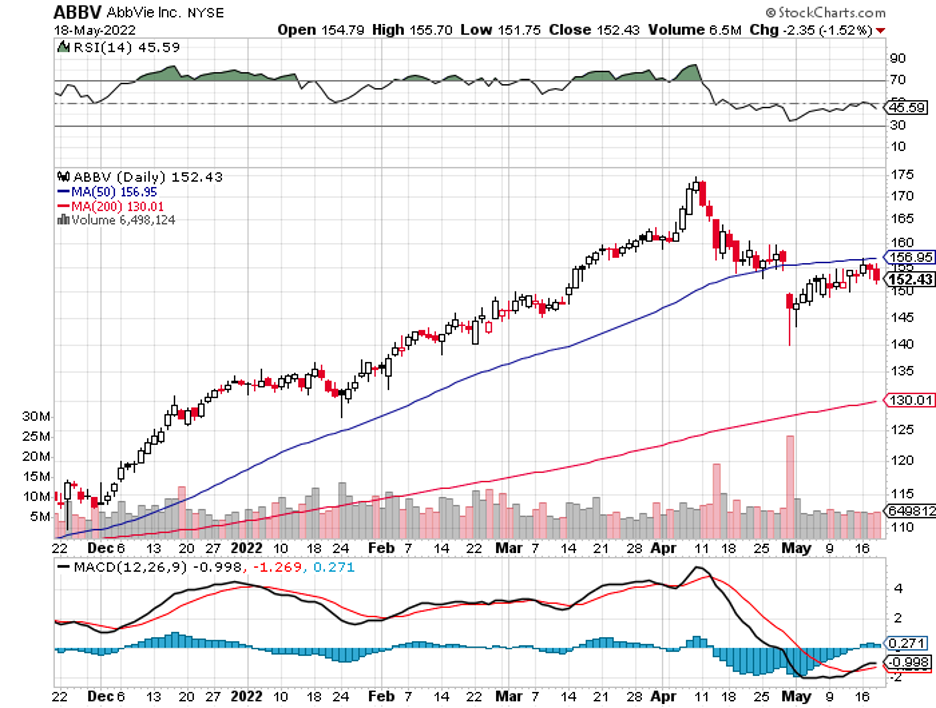
Spun off from Abbott Labs (ABT) in 2013, AbbVie is widely recognized as a dependable Dividend King thanks to its 50-year track record of consecutive dividend increases. Since going solo, it has boosted its dividend by over 250%.
In the latest report, AbbVie’s annual dividend has reached $5.64 per share and is paid at a yield of 3.71%. This is roughly double the 1.86% long-term average of the S&P 500.
In the first-quarter earnings report, AbbVie’s year-over-year revenue climbed by 4.1% to reach $13.5 billion, pushing its earnings higher by 9%.
However, the company’s shares declined by approximately 10% after these results were released.
While the update wasn’t that disappointing, the impending patent loss of AbbVie’s top-selling rheumatoid arthritis drug Humira affected the market’s perception.
In fact, sales of Humira have already started to weaken, falling by 2.7% year-over-year to report $4.7 billion.
This report is hardly shocking, especially since the drug continues to battle it out against the generic competition.
Actually, Amgen (AMGN) and Biogen (BIIB) already have approved biosimilar versions of Humira out in the market since 2018.
Humira sales are anticipated to continue to fall in 2023 when the drug loses its patent exclusivity. Its competitors have started to apply for FDA approvals in the US for their biosimilars of this blockbuster treatment.
Another reason for the sell-off of AbbVie shares following its first-quarter results is the drop in sales of other products, particularly Imbruvica.
Since the competition in the oncology sector has become more intense, this treatment struggled to keep its share, resulting in a 7.4% decline in its revenue year-over-year to report $1.2 billion.
Although the decline in the sales of any company’s product is never a good sign, it should be noted that Imbruvica has been dealing with various issues even prior to this quarter.
In 2021, the global sales for Imbruvica only exhibited a meager 1.8% increase to reach $5.4 billion.
Like what happened in the first quarter of 2022, this unimpressive contribution also resulted from more intense competition.
The good news is that the critical products anticipated to offset the decline of Humira sales continue to reap excellent results.
AbbVie showed off a 21% year-over-year boost in revenue across its neuroscience and aesthetics segment, which was led by the solid performance of the recently launched migraine drug Ubrelvy as well as the in-demand Botox Cosmetic and Juvederm.
Meanwhile, momentum continues to grow for immunosuppressants Skyrizi and Rinvoq, which are projected to have practically all the major indications earned by Humira.
In the first quarter, Skyrizi sales went up 63.7% to reach $940 million while Rinvoq recorded a 53.6% increase to rake in $465 million.
Looking at their trajectory, both products are estimated to generate over $15 billion in sales in 2025.
These are promising numbers for AbbVie’s immunology segment. Plus, bear in mind that Humira actually hit peak sales in 2021 at $20.7 billion.
That means this treatment can still contribute meaningfully to the company. After all, it’s highly unlikely that Humira sales would immediately drop to zero just because generics start to infiltrate the US market.
Needless to say, AbbVie’s portfolio appears to be increasingly well-prepared for a post-Humira era.
Given that its revenue and earnings clearly show growth, and a strategy firmly in place to continue expanding its portfolio, AbbVie can easily sustain its yearly dividend boosts and offer passive income to its shareholders for many years.
Forever is a long time, and the move to buy and hold stocks for good is a decision that should never be approached lightly.
How can you guarantee that a company is capable of delivering solid numbers every year?
One way to approach this is to consider stocks with a long history, especially when these businesses are frontrunners in steadily growing industries that are on track to keep developing and expanding in the next few years.
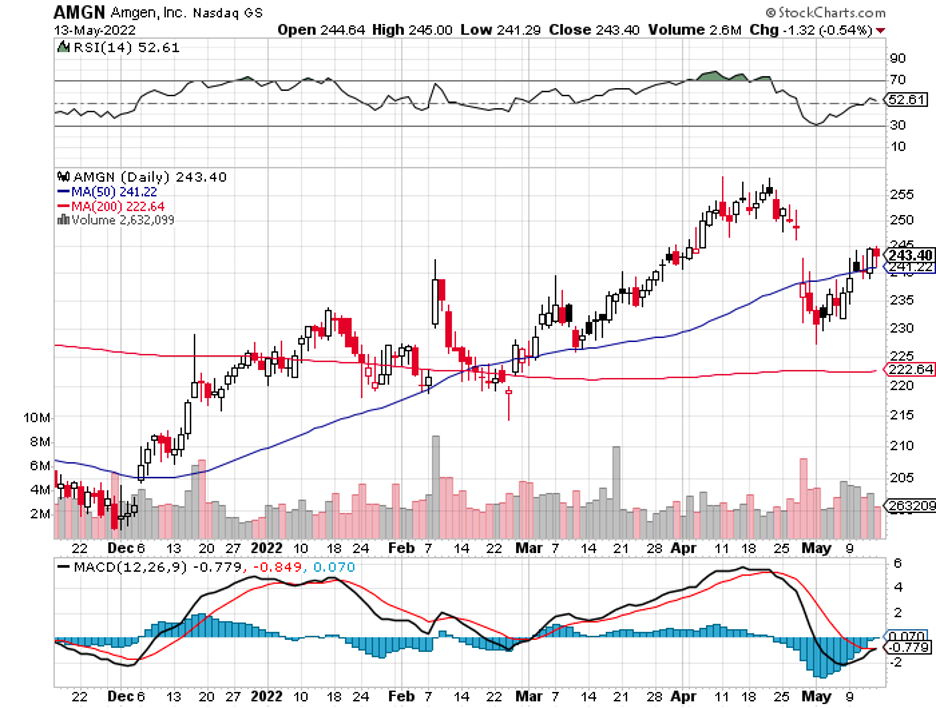
In the biotechnology and healthcare sector, a name that fits the bill is Amgen (AMGN).
Amgen is a pioneer in the biotechnology sector, with the company developing innovative treatments in oncology, inflammatory conditions, and biosimilars since the early 1980s.
For the past 12 months, Amgen has generated roughly $24.4 billion in revenues globally.
Its first-quarter results for 2022 showed a respectable 6% year-over-year increase thanks to the double-digit growth of its key drug programs. In effect, the company also reported a 15% rise in its adjusted earnings per share.
In particular, the main growth drivers during this quarter are Repatha, which was up 15% to reach $329 million, Evenity, up by 59% to rake in $170 million, and Prolia, up by 12% to report $852 million.
Amgen prides itself on many products, with revenues growing by double-digit percentages, with several newer treatments in the lineup projected to drive top-line growth for an extended period.
Aside from the potential of Prolia, Evenity, and Repatha, Amgen and AstraZeneca’s (AZN) collaborative work, asthma medication Tezspire, and non-small cell lung cancer treatment Lumakras are anticipated to become top-selling products as well.
Approved in almost 40 countries, Lumakras is expected to gain more regulatory approval in the coming years, making the argument for its blockbuster potential stronger than ever.
On top of these, Amgen has over 24 programs queued for clinical trials, with the company continuously bolstering its pipeline.
Meanwhile, its biosimilar arm is growing with 5 high-quality treatments already out on the market and an additional 6 more expected to be launched from 2023 to 2030.
Among the biosimilars in the lineup, perhaps the most exciting and possibly most profitable would be the biosimilar to AbbVie’s (ABBV) mega-blockbuster Humira. Looking at the timeline, Amgen’s candidate should be out by January 2023.
Apart from being a good defensive stock, Amgen is also a great option for income-seeking investors.
This biotech titan offers a 3.08% dividend yield, which is starkly better than the S&P 500’s 1.37%.
Meanwhile, its cash dividend payout of roughly 47.88% is conservative enough to guarantee that the company manages to sustain dividend boosts in the following years.
Over the past 3 years, Amgen’s payouts have increased by 33.79%—and there’s more where that came from.
Lifesaving treatments are crucial to patients, and available therapies for several conditions can always be improved upon. Moreover, there are many diseases with no approved drugs just yet.
In addition, the global population is aging. The number of people aged 60 and above is expected to approximately double by 2050.
This means that the spending on prescription drugs would also go up as the demographic ages.
Hence, companies like Amgen are anticipated to enjoy an even bigger target market in the coming decade.
Those are strong reasons that ensure the longevity of the businesses in the healthcare sector. For high-quality companies, these can serve as excellent catalysts not only for continuous revenue generation but also for potential blockbuster treatments.
As the largest biotechnology company in terms of market capitalization, Amgen continues to deliver positive returns and promise stability to its shareholders amid all the chaos and uncertainties.
With an excellent dividend, bolstered with a solid pipeline, key franchise programs, and lineup, Amgen is a great target for investors looking for stocks to buy and hold for a long time.
Mad Hedge Biotech and Healthcare Letter
May 12, 2022
Fiat Lux
Featured Trade:
(AN UNDERRATED PREMIUM HEALTHCARE STOCK)
(ABT), (DXCM), (MDT)
The healthcare industry is a complex system. Nevertheless, it's an exciting space filled with opportunities valued at almost $12 trillion globally.
Healthcare needs are practically guaranteed never to disappear. Moreover, there will always be a consistent demand for expansion and innovation as patients look for more effective treatments and therapies.
This could signify several up-and-coming budding companies in the following years.
However, it's vital to keep tabs on the well-established blue-chip stocks in the healthcare world.
After all, these names have proved their worth for decades, evolving with the industry and developing innovative drugs and services to stay at the forefront of the field.
One name that fits that description is Abbott Laboratories (ABT).
There are many reasons why Abbott is an outstanding stock to buy. One excellent reason is its long history, as it goes way back to the late 1800s.
Admittedly, that reason alone isn't enough to promise a bright future. But, the fact that Abbott managed to sustain its growth and remain competitive for decades speaks volumes of the stock's quality.
Another appeal of Abbott to investors, which is unlikely to change anytime soon, is its diversified portfolio. The company produces virtually everything from COVID-19 diagnostic tools to surgical equipment and medical devices targeting diabetes.
Moreover, Abbott has developed a solid relationship with healthcare professionals and facilities. This establishes brand recognition, which arms it with a decisive competitive advantage.
With over $43 billion in trailing 12-month revenue, its portfolio of products is so extensive and popular in the healthcare field that it's difficult to imagine a future where a particular failure in any market would severely damage its share price.
That makes AbbVie a remarkably safer stock compared to many of its peers in the healthcare sector.
The first three months of 2022 saw Abbott Laboratories record $11.9 billion in revenue, showing off a 13.8% year-over-year climb.
The diagnostic sales segment grew with a 32% increase year-over-year, with roughly $3.3 billion of the amount generated from COVID-19 diagnostic tools.
Apart from this, other segments of the business posted good numbers. For instance, the company's established pharmaceuticals and medical device sector climbed by over 7% in the first quarter.
The only business arm that failed to record an increase in revenue is its nutritional segment, which fell by 7% primarily due to product recalls and the unfavorable conditions in the Chinese market.
Although the quarterly revenue of Abbott isn't growing as fast as other healthcare companies, this shouldn't be an alarming concern.
Actually, this is effectively this industry titan's norm.
Besides, the moment a company reaches a market capitalization of more than $211.6 billion, it's challenging to continue making more money at a similar rate as the years when it was a smaller firm.
Meanwhile, a key revenue growth segment for Abbott is diabetes care.
Thanks to its FreeStyle Libre franchise, Abbott has established a notable presence in the diabetes market, particularly in the glucose monitoring (CGM) systems.
Based on the first-quarter report, sales from the diabetes segment jumped by 14.9% to record $1.1 billion.
From this, the FreeStyle Libre franchise raked in $1 billion in revenue, showing off an impressive 20.4% increase year-over-year.
CGM gadgets allow diabetes patients to conveniently and automatically track their own blood glucose levels. Evidently, the fast adoption of this technology is driving sales of the FreeStyle Libre.
Thus far, Abbott Laboratories is nowhere near entirely dominating the CGM market, with the likes of DexCom (DXCM) and Medtronic (MDT) still capable of contesting its market share.
Considering that this is only the first-quarter sales, though, it's incredible to watch how far the FreeStyle Libre franchise could go.
For context, this portfolio brought in annual revenue of $2.6 billion in 2020 and grew by 35.8% the following year to bring in $3.7 billion in 2021.
Finally, Abbott is an excellent option for income-seeking investors. This business is widely considered a Dividend King, increasing its payouts for an impressive 50 years.
Looking at the past five years, Abbott's dividend was raised by over 77%. Given its rapidly increasing cash flow, it's clear that it has a strong capacity to continue paying out dividends.
The market has been experiencing stomach-churning rough patches as more and more companies struggle with supply chain disruptions and increasing interest rates. This is just the kind of environment where Abbott thrives.
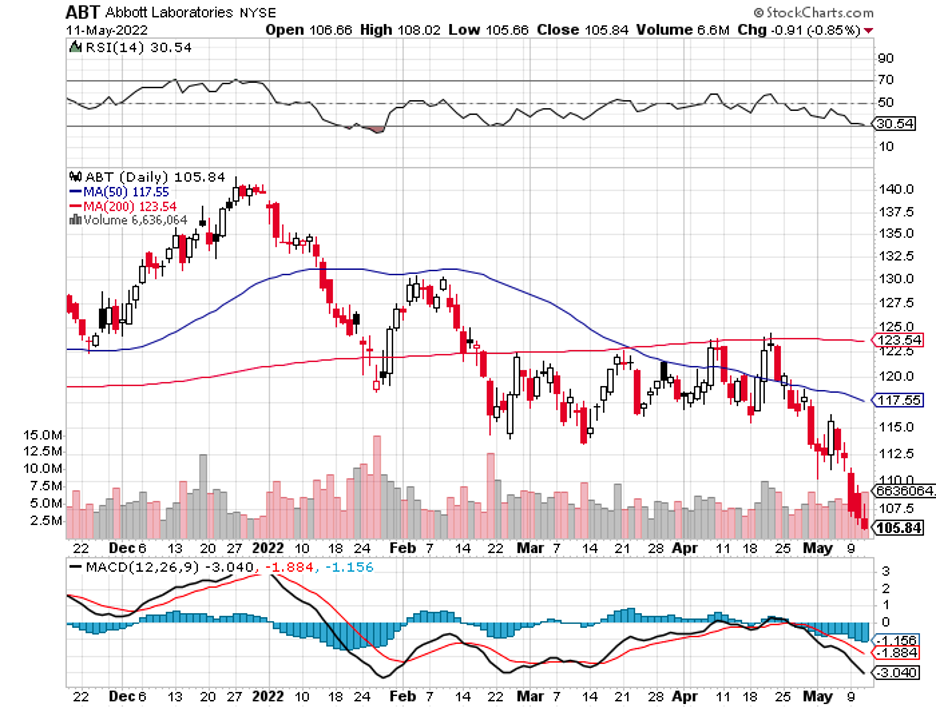
This company has a 10-year return of 378% that easily beats the market's 282%, making Abbott a stock that many investors aspire to own.
Between its steadily climbing dividend payouts, consistent flow of innovative products, and the capacity to hold its title as one of the largest healthcare companies worldwide, it's clear to see the reason for investors' confidence in this stock: all these benefits could make any shareholder wealthy over time.
Mad Hedge Biotech and Healthcare Letter
May 19, 2022
Fiat Lux
Featured Trade:
(A RELIABLE STOCK THAT CAN WITHSTAND ANY GLOBAL SHOCKWAVE)
(JNJ), (PFE), (VTRS), (MRK), (OGN), (ABBV), (ABT), (NVO)