• support@madhedgefundtrader.com
  • Member Login
Mad Hedge Fund Trader
  • Home
  • About
  • Store
  • Luncheons
  • Testimonials
  • Contact Us
  • Click to open the search input field Click to open the search input field Search
  • Menu Menu
Mad Hedge Fund Trader

The Underappreciated Giant

Biotech Letter

Here’s a question to test your biotechnology and healthcare knowledge: Can you think of a company that doubled its earnings during the pandemic yet currently trades at a lower valuation than it did at the beginning of 2020?

The answer might surprise you. It’s Thermo Fisher Scientific (TMO).

Despite benefiting from Covid-related demand, Thermo Fisher's stock price has not kept pace with its strong sales growth. Perhaps you weren't aware of Thermo Fisher and its role in supplying researchers with essential tools for developing life-saving drugs and tests. Regardless, it's a company worth paying attention to now.

Based in Waltham, Massachusetts, this healthcare supplier is one of the world's most prominent analytical instrument, reagent, consumables, software, and service providers, catering to industries like biotechnology, clinical diagnostics, pharmaceuticals, environmental monitoring, and food safety.

With a market capitalization of over $210 billion, the company benefited greatly from Covid-19 testing, resulting in earnings per share skyrocketing from $12.35 in 2019 to over $25 in 2021.

Thermo Fisher's earnings have declined as the pandemic subsides, leading to a corresponding dip in stock price. However, this downturn looks to be temporary. Moreover, the company is still poised for growth.

Looking at the turn of events, it’s clear that investors tend to be overly fixated on the company's performance during the pandemic, which represented only a tiny part of its overall business. This should no longer be the case, especially since Thermo Fisher has already provided strong guidance, which is more critical than short-term fluctuations.

Thermo Fisher Scientific's full-year guidance was offered in February following the announcement of impressive fourth-quarter results. The healthcare supplier expects to earn $23.70 per share in 2023, alongside revenue of $45.3 billion, exceeding the average analyst projections of $23.07 per share in earnings and $43.8 billion in revenue. Nevertheless, the predicted per-share profit is lower than the previous year's $25.13.

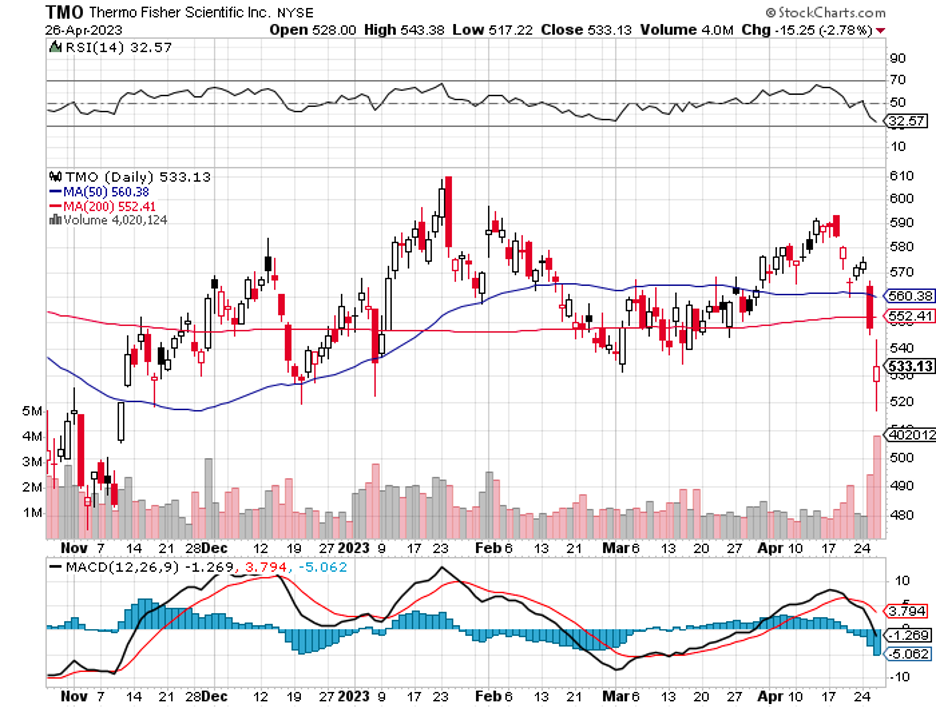
Due to the two-year decline in earnings since the pandemic boom, the company's shares have fallen by 14% since the end of 2021. As expected, this has led to investors being spooked by the problematic comparisons to the pandemic period. Consequently, the stock is currently trading at 24 times forward earnings, which is about its five-year average and below its pandemic high of 26.6 in December of 2021.

By 2024, however, Thermo Fisher is expected to surpass its all-time high earnings, with estimated earnings per share of $26.70. This figure is expected to continue to increase, with a projection of more than $30 per share in 2025.

Given these metrics, it’s evident that Thermo Fisher is a stock worth holding onto for the long term. More importantly, its current valuation makes it an attractive option for new investors.

Despite being categorized as a growth stock, Thermo Fisher benefits from consistent, recurring revenue from customers engaged in complex research and development. This makes the shares appealing in light of recent market volatility.

Thermo Fisher is a beacon of hope in the healthcare industry, where creating drugs is complex and requires advanced tools and technologies.

For example, newer products, such as biologics and larger molecule drugs, which are produced differently and require specialized equipment, provide Thermo Fisher with excellent opportunities to shine. The company is positioned to benefit from this trend as it provides researchers and developers the necessary tools and equipment.

Notably, Thermo Fisher is agnostic to specific drugs or the success of individual companies in the industry. Hence, regardless of the focus of healthcare companies, the company remains a staple in their laboratories.

In the company's latest earnings report, the confidence that comes with supplying a range of growing healthcare end markets was evident, thanks to an aging population and increasing treatment options. Additionally, the company raised its dividend by almost 17%, and its guidance suggests 7% core organic revenue growth, excluding acquisitions.

Discussing Thermo Fisher's acquisition strategy is almost inevitable when examining the company. Through this strategy, Thermo Fisher has broadened its revenue streams, customers, geographical reach, and business segments.

For context, ten years ago, the company was more instrument-focused. If a recession had occurred during that period, it would have had a much more significant impact on the company. Today, the business is less cyclical and less vulnerable to severe downturns.

Thermo Fisher executed its acquisition strategy without raising its debt ratios too high. At the end of 2022, the company's net debt to Ebitda ratio was 2.2 times, its second lowest level since 2013. Its total debt to Ebitda ratio of 2.9 times is also below the pre-pandemic period dating back to 2013.

Furthermore, Thermo Fisher's free cash flow is expected to increase to $7.2 billion this year, nearly twice the amount in 2018. This allows the company to pursue additional acquisitions and return more cash to shareholders in the form of dividends and share repurchases, as it has been doing in recent years.

Overall, Thermo Fisher holds a winning formula. It has good returns and a management team that makes the right decisions with its cash. On top of these, the company has more than ample room for long-term growth.
 

thermo fisher

https://madhedgefundtrader.com/wp-content/uploads/2019/05/cropped-mad-hedge-logo-transparent-192x192_f9578834168ba24df3eb53916a12c882.png 0 0 Mad Hedge Fund Trader https://madhedgefundtrader.com/wp-content/uploads/2019/05/cropped-mad-hedge-logo-transparent-192x192_f9578834168ba24df3eb53916a12c882.png Mad Hedge Fund Trader2023-04-27 18:00:342023-05-02 00:43:41The Underappreciated Giant
Mad Hedge Fund Trader

April 25, 2023

Biotech Letter

Mad Hedge Biotech and Healthcare Letter
April 25, 2023
Fiat Lux

Featured Trade:

(SMALL BIOTECHS, BIG OPPORTUNITIES)
(PFE), (SGEN), (MRK), (RXDX), (BMY), (BIIB), (ETNB), (KRTX), (MORF), (IDYA)

https://madhedgefundtrader.com/wp-content/uploads/2019/05/cropped-mad-hedge-logo-transparent-192x192_f9578834168ba24df3eb53916a12c882.png 0 0 Mad Hedge Fund Trader https://madhedgefundtrader.com/wp-content/uploads/2019/05/cropped-mad-hedge-logo-transparent-192x192_f9578834168ba24df3eb53916a12c882.png Mad Hedge Fund Trader2023-04-25 17:02:572023-04-26 10:27:02April 25, 2023
Mad Hedge Fund Trader

Small Biotechs, Big Opportunities

Biotech Letter

The biopharma sector has seen a flurry of merger and acquisition activity recently, and the trend seems to continue. This is good news for smaller biotech stocks looking to capitalize on the trend.

In the first quarter of 2023, the total healthcare and life sciences M&A in the United States reached roughly $71 billion, more than double the $28 billion seen in the same quarter in 2022. Notably, this figure includes Pfizer's (PFE) acquisition of Seagen (SGEN) for $43 billion.

Still, the situation isn't as dire as it may seem especially considering that in 2022, the total M&A spending in the U.S. dropped to about $300 million year over year from the $400 billion recorded in 2021.

The main culprit behind this trend appears to be higher interest rates, which have made financing a deal less appealing for buyers, particularly when there is the potential for a less optimistic profit outlook due to a slowing economy.

Even with these concerns, pharmaceutical deals have been far from stagnant since the end of the first quarter.

Merck (MRK), a biopharmaceutical company with a market capitalization of $288 billion, announced that it would purchase Prometheus Biosciences (RXDX) for roughly $11 billion, representing a premium of about 75% over the pre-announcement price. The announcement had a considerable impact on Prometheus stock, which saw a surge in value.

Shareholders of Prometheus enjoyed significant gains as Merck seeks to replace its revenue stream from cancer treatment Keytruda, which generates just over $20 billion annually.

Keytruda's patent is set to expire in 2028, leaving room for competitors to gain market share and making Merck's acquisition of Prometheus a critical move. For context, Prometheus's ulcerative colitis product alone has a total available market worth roughly $30 billion.

This deal could be just the beginning of a wave of new mergers and acquisitions in the biotechnology and healthcare industry. Experts note that we are entering a "smart optimism" period in the sector.

It makes sense for larger pharma companies to explore mergers and acquisitions in the current market for several reasons.

For one, many larger companies are seeking to revamp their drug pipelines. Take Bristol Myers Squibb (BMY), for example, which has a market capitalization of $146 billion. Sales of its myeloma treatment, Revlimid, likely peaked at just over $12 billion in 2021. As the patent for Revlimid expires, the company is expected to lose market share, causing sales to plummet to the low hundreds of millions.

While the company has several new drugs in development, it may still seek to acquire smaller firms to safeguard its future. However, given that Bristol has just over $9 billion in cash, any significant acquisitions it pursues could require taking on debt. Such a move would not be unprecedented, as Pfizer financed roughly 70% of its Seagen purchase with long-term debt.

Another big name that could be on the lookout for an attractive deal is Biogen (BIIB), a company with a market capitalization of $42 billion. Biogen is reportedly interested in the neuropsychiatric and inflammatory sectors and could strike a deal as early as the latter half of 2023.

Looking at things from a seller's point of view, many of these companies are now much less valuable than they once were on the public market and, therefore are easier targets for acquisition.

The SPDR S&P Biotech ETF (XBI) has taken a 50% hit from its all-time high set in February 2021. This is mainly due to higher interest rates, which have diminished the perceived value of future profits. Since many small biotechs are valued based on their projected earnings well into the future, this has significantly affected their stock prices.

Some biotech companies have been eyed as potential takeover targets due to their reduced market value.

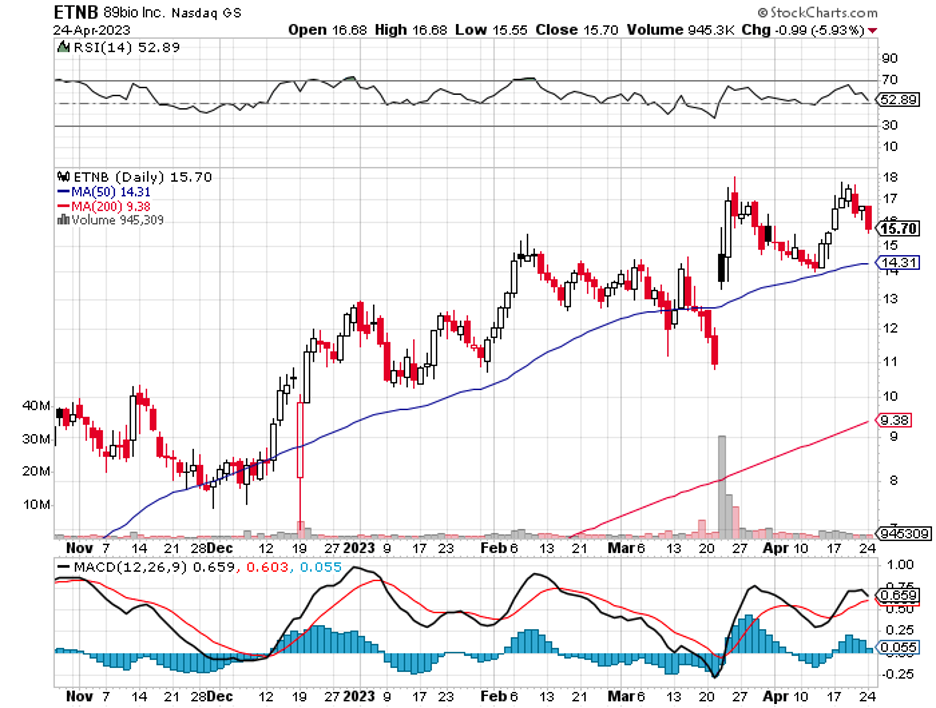
One is 89bio (ETNB), with a market cap of $1.2 billion and a stock price falling by more than 50% from its all-time high, could be a potential target.

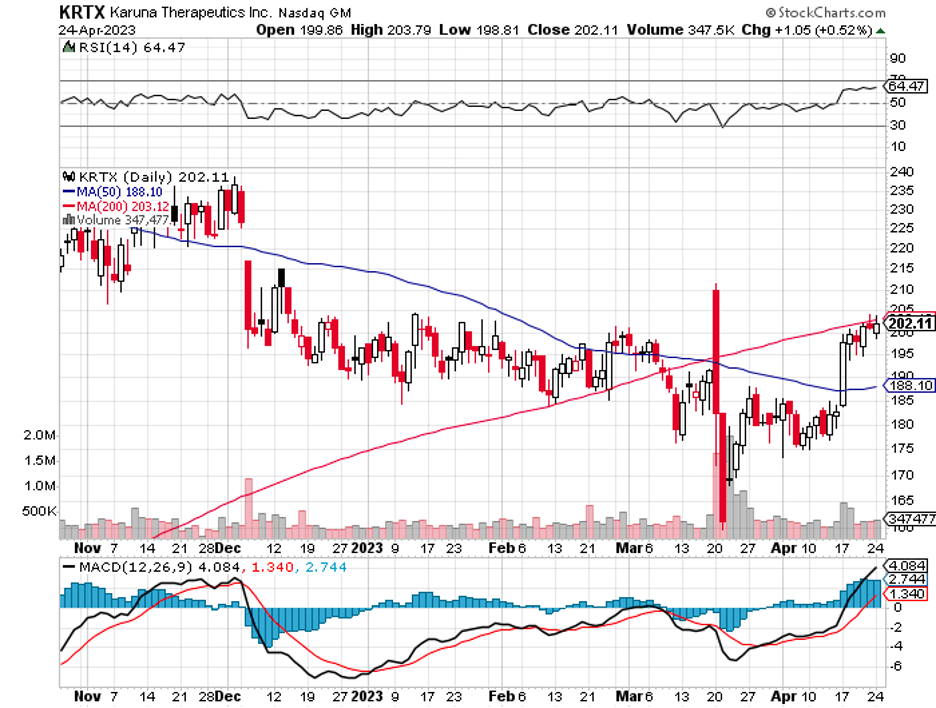
Similarly, Karuna Therapeutics (KRTX), which has a market cap of $7.4 billion and has seen a decline of almost 30% from its all-time high, is also considered an acquisition candidate.

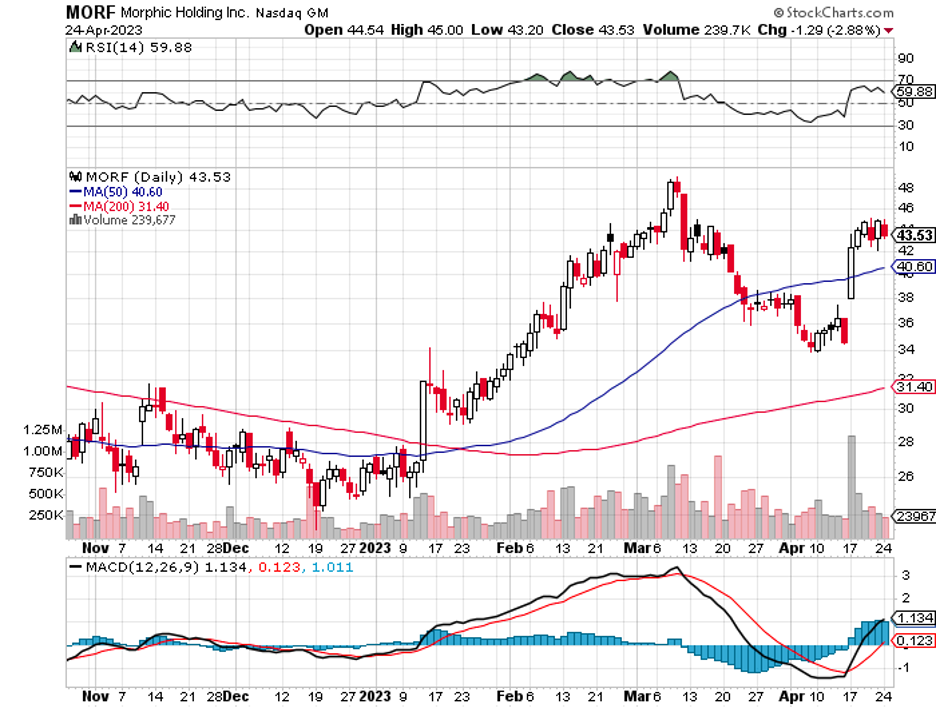
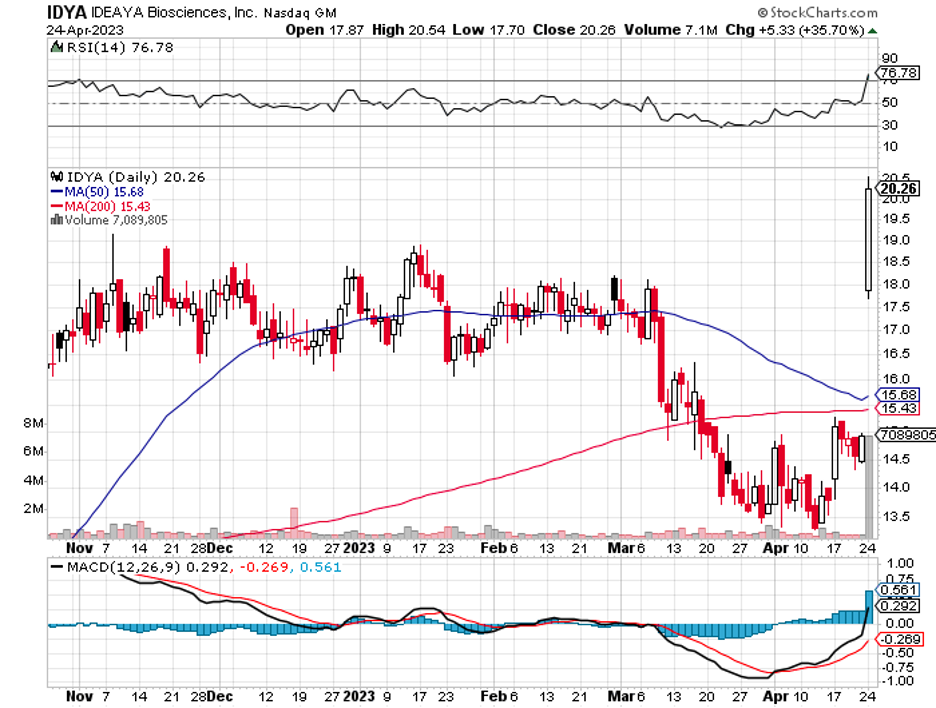
Morphic Holding (MORF), with a market cap of $1.8 billion and a drop of more than 35% from its all-time high, and Ideaya Biosciences (IDYA), which has a market cap of $706 million and has lost almost half its value from its all-time high, could also be targeted for acquisition.

Overall, this is a promising period for the sector. So, take a moment to consider some of the smaller biotech firms in the market. Suppose these companies have a hard time finding interested buyers. In that case, there is still hope for shareholders as there's a chance that a larger corporation may step in and make an acquisition, leading to a substantial payout.


biotechs


https://madhedgefundtrader.com/wp-content/uploads/2019/05/cropped-mad-hedge-logo-transparent-192x192_f9578834168ba24df3eb53916a12c882.png 0 0 Mad Hedge Fund Trader https://madhedgefundtrader.com/wp-content/uploads/2019/05/cropped-mad-hedge-logo-transparent-192x192_f9578834168ba24df3eb53916a12c882.png Mad Hedge Fund Trader2023-04-25 17:00:072023-05-02 00:37:04Small Biotechs, Big Opportunities
Mad Hedge Fund Trader

April 20, 2023

Biotech Letter

Mad Hedge Biotech and Healthcare Letter
April 20, 2023
Fiat Lux

Featured Trade:

(ANOTHER WILD RIDE IN BIOTECH)
(CRSP), (VRTX), (BLUE), (MRK), (MRNA),(RXDX)

https://madhedgefundtrader.com/wp-content/uploads/2019/05/cropped-mad-hedge-logo-transparent-192x192_f9578834168ba24df3eb53916a12c882.png 0 0 Mad Hedge Fund Trader https://madhedgefundtrader.com/wp-content/uploads/2019/05/cropped-mad-hedge-logo-transparent-192x192_f9578834168ba24df3eb53916a12c882.png Mad Hedge Fund Trader2023-04-20 17:02:342023-04-20 19:06:58April 20, 2023
Mad Hedge Fund Trader

Another Ride in Biotech

Biotech Letter

The biotech industry is a rollercoaster of investment opportunities, where great successes and flops can easily be the difference between riches or ruin.

Companies like Moderna (MRNA) have seen this firsthand - going from a $4 billion valuation to nearly 15-fold that amount in just one successful drug launch resulting from their COVID vaccine development program. To rekindle investor interest in what may seem like an erratic space, giants such as Merck (MRK) are also putting money into promising companies; with its recent acquisition of Prometheus Biosciences (RXDX) evidence enough that even long-established pharmas recognize the potential rewards available within biotechnology markets.

Investors seeking the next big win in biotech should look beyond household names for potential gems.

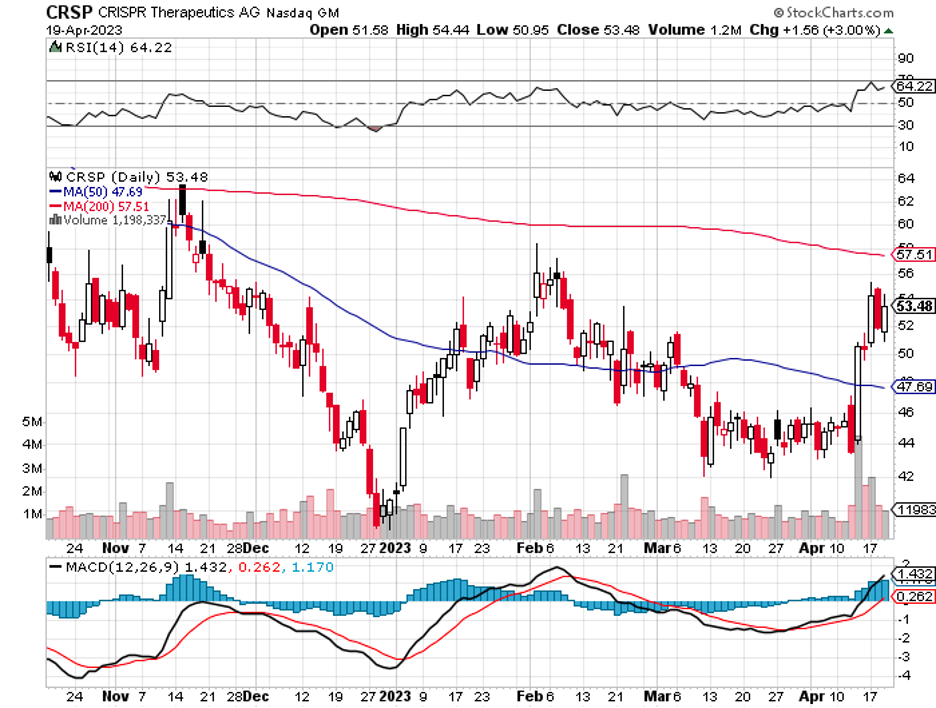
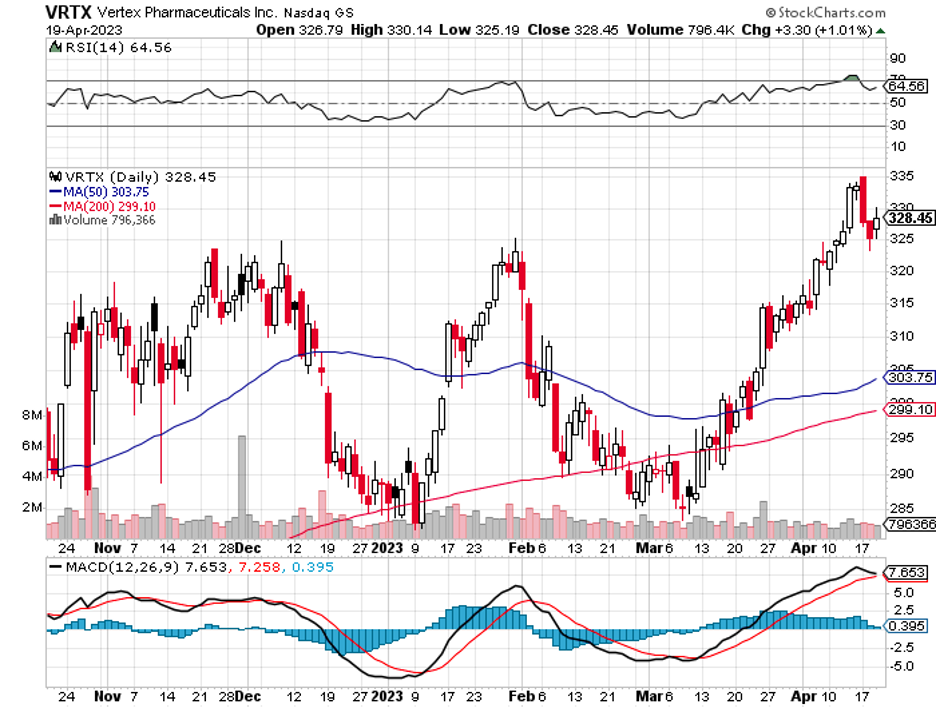
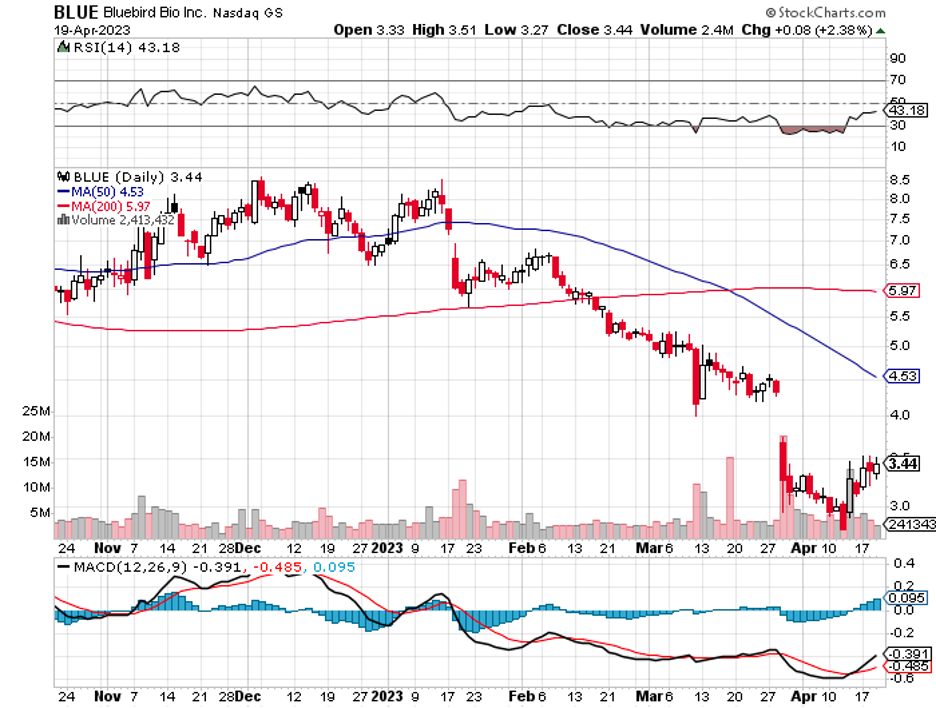
Take CRISPR Therapeutics (CRSP), whose collaboration with Vertex Pharmaceuticals (VRTX) is taking exa-cel to new heights, and Bluebird Bio's (BLUE) progress on lovo-cel as just two examples of lesser-known science ahead of its time that could pay off handsomely in your portfolio.

Recent news shows that two upcoming treatments for sickle cell disease, exa-cel and lovo-cel, could be cost-effective if priced below $1.9 million - a figure the Institute of Clinical and Economic Review (ICER) concluded after conducting an extensive assessment of their financial aspects. Momentum is building as both companies aim to secure FDA approval soon; investor optimism in CRISPR continues to grow increasingly evident due to this good news.

Here’s a quick recap of the treatment’s market opportunity.

Sickle cell disease and thalassemia patients face a hefty financial burden over their lifetime, with disease-related expenses ranging from $4 million to $6 million.

As a gene-editing therapy, exa-cel is a complex treatment to manufacture and administer, which further justifies its potentially high price tag. With this innovative therapy, Vertex Pharmaceuticals and CRISPR Therapeutics aim to target 32,000 sickle cell disease (SCD) and thalassemia (TDT) patients in the United States and Europe, emphasizing the significant market opportunity for the companies.

The potential market for exa-cel, assuming a price point of $2 million, amounts to a staggering $64 billion opportunity.

While this price tag may seem steep, it is not unprecedented in the industry. Bluebird Bio, for instance, secured approval for its gene-editing medicine Zynteglo last year, pricing it at $2.8 million.

The question remains whether third-party payers will be willing to cover the high costs associated with these treatments. Case in point – Bluebird Bio exited the European market after being unable to secure favorable deals with third-party payers. As such, how exa-cel will fare in this challenging reimbursement environment is yet to be determined.

As CRISPR Therapeutics and Vertex Pharmaceuticals chart their path for the launch of exa-cel, they are keenly aware that pricing gene editing therapies rightly is critical.

Both companies have been in active dialogue with insurance providers and governmental programs like Medicaid to ensure this goal comes to fruition. Even if it means accepting modest prices for its product, there's still immense potential for exa-cel due to the lack of existing treatments meeting SCD and TDT patients' needs.

Given these details, where does CRISPR currently stand?

Investing in clinical-stage biotech stocks can be a tricky, with the potential rewards marred by the risks of what still lies ahead. However, for those brave enough to take on this challenge, there's an astronomical market opportunity at stake—the CRISPR Therapeutics and Vertex Pharmaceuticals tag team are vying against formidable foes like Bluebird’s Zynteglo as well as lovo-cel, one that could transform how SCD gene editing is treated if approved soon by FDA.

With a bigger war chest, however, Vertex may have an edge in the race, but CRISPR is no slouch, with an agreement in place to retain 40% of exa-cel's profits. It remains to be seen who will come out on top remains to be seen, but the potential rewards are undeniably huge.

As investors eagerly await the approval of exa-cel, CRISPR Therapeutics' promising gene-editing therapy for sickle cell disease, the company's market capitalization may not reflect the therapy's massive potential.

Assuming that exa-cel delivers and truly becomes a multi-billion-dollar opportunity, CRISPR Therapeutics and Vertex Pharmaceuticals are poised to capture a significant market share with their forthcoming therapies. With the advantage of a stronger cash position, Vertex could push the scales in its favor, helping with the therapies' launch.

Even conservatively assuming profits of $12 billion, CRISPR Therapeutics' market cap of $3.6 billion does not do justice to the company's potential.

While it's still early days, CRISPR Therapeutics' other promising programs should not be ignored. The company is somewhat fairly valued, but exa-cel's approval could send its shares soaring.

Beyond the financial benefits, the success of exa-cel could also bolster CRISPR Therapeutics' position as a leader in gene editing technology.

The company's pipeline includes promising programs in immuno-oncology and rare diseases, and the sustained revenue generated by exa-cel could fuel further research and development efforts. This bodes well for the stock's prospects, as CRISPR Therapeutics continues to advance the frontiers of innovative medicine.

Meanwhile, another possibility for CRISPR is a buyout.

The gene-editing market may be small, but its rapid growth rate of nearly 30% until 2030 presents an enticing opportunity for healthcare businesses to pursue. The market is estimated to reach less than $15 billion by then. With an approved gene-editing therapy, CRISPR Therapeutics could be a valuable asset for a larger healthcare company seeking growth.

At a market cap of less than $4 billion, CRISPR Therapeutics is an affordable acquisition for a top healthcare company looking to expand its portfolio. The company's favorable balance sheet, with over $1.8 billion in cash and short-term investments and modest debt of just over $244 million, makes it even more appealing as a potential acquisition.

The acquisition of CRISPR's business wouldn't come with a lot of headaches, and it could instantly boost a company's growth prospects.

With the sustained revenue from exa-cel and the potential for more clinical and regulatory wins in its other programs, CRISPR Therapeutics' gene-editing pipeline is worth considering for any healthcare business looking to capitalize on the promising growth opportunities in this market.

Overall, the potential for significant upside in the short and mid-term, combined with the company's pioneering spirit, makes CRISPR Therapeutics an attractive investment opportunity for discerning investors.


crispr exa-cel


https://madhedgefundtrader.com/wp-content/uploads/2019/05/cropped-mad-hedge-logo-transparent-192x192_f9578834168ba24df3eb53916a12c882.png 0 0 Mad Hedge Fund Trader https://madhedgefundtrader.com/wp-content/uploads/2019/05/cropped-mad-hedge-logo-transparent-192x192_f9578834168ba24df3eb53916a12c882.png Mad Hedge Fund Trader2023-04-20 17:00:282023-05-02 00:12:20Another Ride in Biotech
Mad Hedge Fund Trader

April 18, 2023

Biotech Letter

Mad Hedge Biotech and Healthcare Letter
April 18, 2023
Fiat Lux

Featured Trade:

(A BEAR MARKET BARGAIN)
(VRTX), (CRSP), (BLUE)

https://madhedgefundtrader.com/wp-content/uploads/2019/05/cropped-mad-hedge-logo-transparent-192x192_f9578834168ba24df3eb53916a12c882.png 0 0 Mad Hedge Fund Trader https://madhedgefundtrader.com/wp-content/uploads/2019/05/cropped-mad-hedge-logo-transparent-192x192_f9578834168ba24df3eb53916a12c882.png Mad Hedge Fund Trader2023-04-18 19:02:082023-04-18 19:43:38April 18, 2023
Mad Hedge Fund Trader

A Bear Market Bargain

Biotech Letter

When the Nasdaq Composite fell by 33%, it created the ideal excuse for savvy investors to pounce on high-quality discounted stocks.

While it can be one of the most uncomfortable learning experiences, Wall Street reminded investors last year that even the most promising stocks can and will plunge into unimaginable depths as quickly as they can skyrocket.

However, here’s a fascinating thing about the slipping prices courtesy of the bear market: These present a rare red-carpet chance for long-term investors. Although the Nasdaq Composite has been experiencing back-to-back double-digit corrections, a bull market almost always recoups its losses eventually.

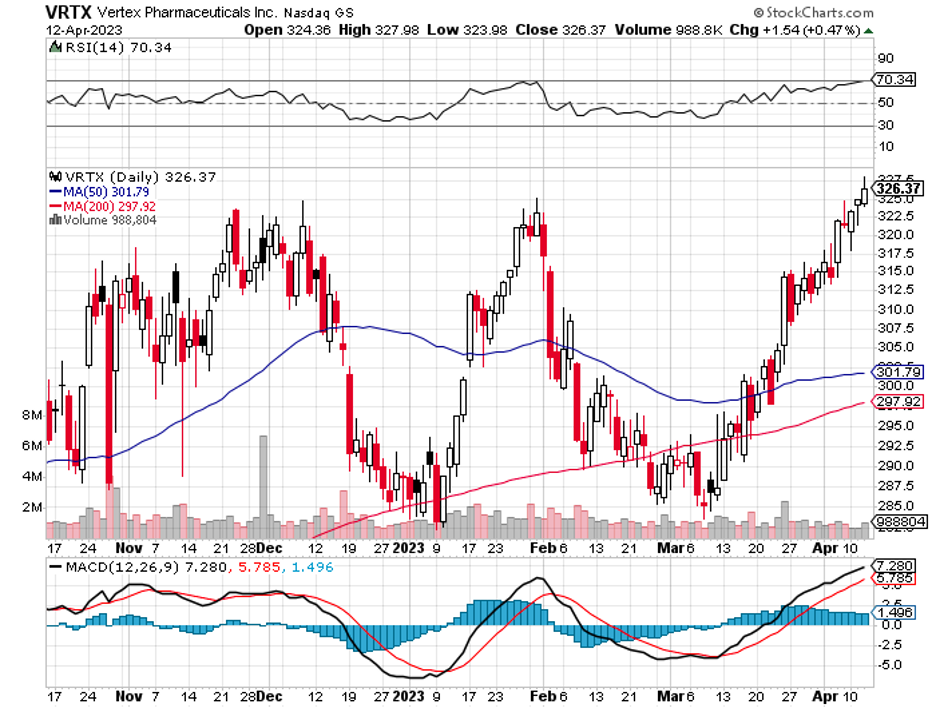
Vertex Pharmaceuticals (VRTX) stands out as one of the most exciting growth stocks that investors should consider in the biotechnology and healthcare sector.

For the uninitiated, Vertex has become synonymous with cystic fibrosis (CF) treatments.

CF is a genetic disorder that affects the respiratory, digestive, and reproductive systems. It causes the production of thick and sticky mucus in these organs, leading to serious health problems. The global market for cystic fibrosis treatments is projected to reach $18.9 billion by 2027.

Vertex currently holds six approved CF treatments. Among these, the combination therapy Trikafta, also known as Kaftrio in the EU, stands out as their top-selling product. In 2022, Trikafta's sales surged to $7.6 billion from $3.8 billion in 2020, driving revenue growth.

Given its dominance in the market, it’s clear that no other drugmaker comes even close to challenging Vertex when it comes to CF. To boot, this biotech leader has several new areas of focus that hold the potential of not only delivering fresh revenue streams but also turning into blockbusters soon.

Actually, Vertex is a step closer to launching a new blockbuster in the form of a new type of treatment called exa-cel, which uses gene-editing technology to fix the genetic defect that leads to rare and often untreatable diseases.

The biotech and its co-developer, CRISPR Therapeutics (CRSP), recently submitted their application to the FDA to approve their sickle cell disease and beta-thalassemia treatments. The two companies are also waiting for approvals from the EU.

Based on the prevalence of these genetic blood disorders, the lack of effective treatments, and the potential of Vertex and CRISPR’s candidates to provide a one-time cure, the market size for exa-cel treatments for beta-thalassemia and sickle cell disease is estimated to be worth a total of $3.5 billion annually.

But, Vertex appears to have more plans for exa-cel.

For context, here is how exa-cel is applied to treatments for sickle cell disease and beta-thalassemia: the patient's own stem cells are collected and edited using CRISPR/Cas9 technology, creating exa-cel cells. These cells are then infused back into the patient after a conditioning process, which is currently done through chemotherapy with the drug Busulfan.

However, this approach is risky and has caused adverse effects in clinical trials. As a result, some patients with these conditions may not be able to benefit from exa-cel.

This concern prompted Vertex to explore new conditioning agents for exa-cel treatments that may be less aggressive on the body. They have licensed ImmunoGen's (IMGN) antibody-drug conjugate (ADC) technology, which is commonly used in cancer treatments to deliver cancer-killing agents directly to cancer cells without harming other cells.

ADCs are often used in cancer treatments to target cancer cells, specifically, sparing healthy cells from damage. This technology can potentially make the exa-cel treatment safer and more accessible for patients.

Regarding competitors, the frontrunner would be Bluebird Bio (BLUE). This was the first biotech to submit a sickle cell disease treatment candidate to the FDA. Unfortunately, its approval has faced delays. Still, Bluebird remains the only biotech that could be considered a direct rival of Vertex and CRISPR.

Apart from these, Vertex has two additional pipeline programs queued for launch by 2024.

The biotech expects to finalize its late-stage clinical trials for VX-548, a non-opioid pain treatment, by the first quarter of 2024. Vertex is also assessing a triple-drug combo targeting CF. Both candidates hold the promise of delivering over $2 billion in sales annually.

In addition, Vertex has been aggressive in acquiring companies to expand its portfolio.

Just last year, the biotech signified its plan to become an active player in the diabetes space when it bought ViaCyte and Catalyst Bioscience. Based on the portfolio of the acquired companies, Vertex appears to be making headway in developing stem cell treatments for Type 1 diabetes.

What do these developments mean? Well, it’s critical to review the whole picture.

Vertex already rakes in billions of dollars from its CF treatment franchise, and it’s highly plausible that the biotech will sustain its monopoly of the market for years to come.

At the same time, the company is also aggressively widening its reach and expanding into more lucrative segments. In short, the company is clearly on a roll. Given its track record and steady progress, it is an excellent long-term stock. I suggest you buy the dip.


vertex cf treatment

https://madhedgefundtrader.com/wp-content/uploads/2019/05/cropped-mad-hedge-logo-transparent-192x192_f9578834168ba24df3eb53916a12c882.png 0 0 Mad Hedge Fund Trader https://madhedgefundtrader.com/wp-content/uploads/2019/05/cropped-mad-hedge-logo-transparent-192x192_f9578834168ba24df3eb53916a12c882.png Mad Hedge Fund Trader2023-04-18 19:00:042023-05-01 17:35:06A Bear Market Bargain
Mad Hedge Fund Trader

April 13, 2023

Biotech Letter

Mad Hedge Biotech and Healthcare Letter
April 13, 2023
Fiat Lux

Featured Trade:

(SMOOTH SAILING THROUGH ROUGH WATERS)
(NVO), (LLY), (SNY)

https://madhedgefundtrader.com/wp-content/uploads/2019/05/cropped-mad-hedge-logo-transparent-192x192_f9578834168ba24df3eb53916a12c882.png 0 0 Mad Hedge Fund Trader https://madhedgefundtrader.com/wp-content/uploads/2019/05/cropped-mad-hedge-logo-transparent-192x192_f9578834168ba24df3eb53916a12c882.png Mad Hedge Fund Trader2023-04-13 20:02:002023-04-13 20:27:22April 13, 2023
Mad Hedge Fund Trader

Smooth Sailing Through Rough Waters

Biotech Letter

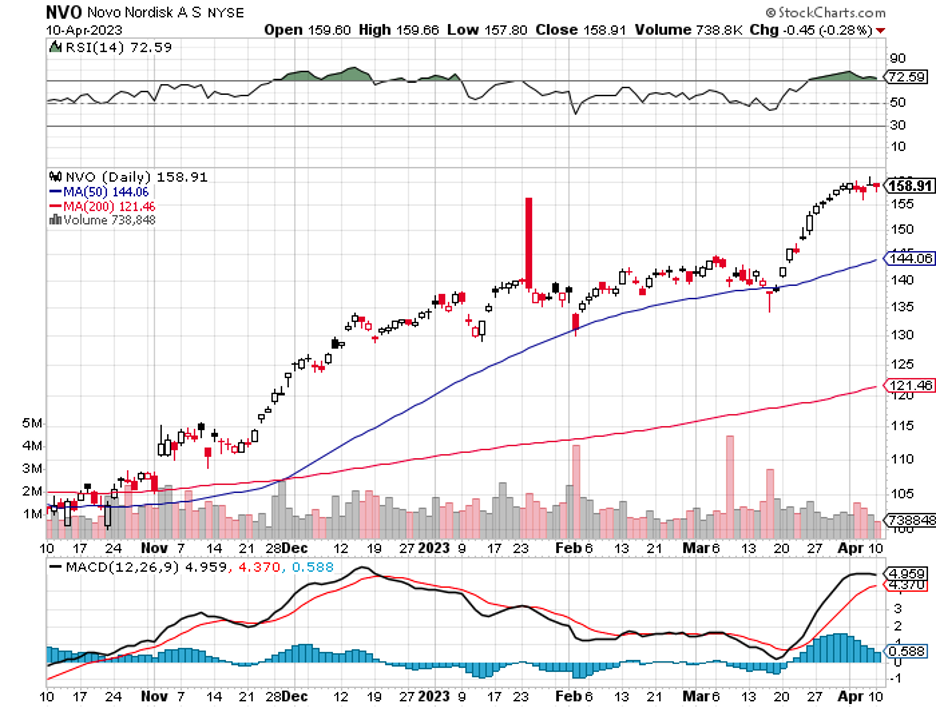
Even in the toughest of times, some stalwart companies manage to maintain their footing and keep making strides. Novo Nordisk (NVO) has taken this feat to heart by continuing its success despite facing numerous market speed bumps—making it one resilient company worth considering.

Novo Nordisk, a veteran player in the pharmaceutical industry, has been consistently delivering impressive financial results. In 2022, the company's net sales increased by a remarkable 26% year over year, amounting to approximately $25.5 billion. However, it's worth noting that currency exchange rate fluctuations may have played a role in this growth.

The company continues to showcase impressive financial performance, with net sales surging by 26% to $25.5 billion in 2022. Even after accounting for currency exchange rate fluctuations, the pharmaceutical company's revenue still jumped by a commendable 16%. Additionally, Novo Nordisk's net profit increased by 16% to $8 billion, solidifying its position as a top-performing player in the industry.

Moreover, Novo Nordisk remains a prominent contender in the diabetes drug arena, capturing almost a third of the market share as of November 2022.

Novo Nordisk's market dominance in diabetes drugs owes much to its portfolio of effective and innovative products like Rybelsus, Ozempic, and the recently approved Wegovy. This dynamic trio has been instrumental in driving the company's sales growth and maintaining its edge in the competitive pharmaceutical industry.

Ozempic has been a critical player in Novo Nordisk's revenue stream, bringing in over a third of the company's total revenue at just under $8.9 billion last year.

Novo Nordisk's market exclusivity for Rybelsus and Ozempic remains intact, giving the Danish pharmaceutical company a few more years to maximize its potential.

Both drugs are injected weekly and heavily marketed in the U.S. With patent expirations in China in 2026, followed by Europe and Japan in 2031, and the U.S. in 2032, Novo Nordisk is likely to maintain its strong position for a while yet.

As for Wegovy, the newcomer in the obesity care market contributed just 3% of the company's total revenue, with $930 million in sales for 2022. However, with its recent approval for chronic weight management by the FDA and in the UK, the potential for growth and expansion is promising.

In its 2022 annual report, Novo Nordisk announced that it controls over half the global market for GLP-1 drugs, with a market share of 54.9% in 2022, up from 52.7% in 2021. Its primary competitors include Eli Lilly's (LLY) Trulicity and Sanofi-Aventis's (SNY) Adlyxin, which exited the U.S. market at the end of 2022.

Overall, the international diabetes market seems to favor Novo Nordisk, with its market share rising from 29.3% to 31.9% from 2020 to 2022.

The company is projected to continue its success, with sales and operating profits expected to increase in the 13% to 19% range at CER in 2023, according to its annual report. Analysts' average estimate of $30.1 billion in 2023 revenues aligns with this projection, representing a 16.7% increase at CER.

Leveraging this dominance, the company is further strengthening its position in the diabetes market, a disease affecting over 415 million people worldwide, and the numbers continue to grow. According to the Centers for Disease Control and Prevention, there will be over 500 million patients by 2040.

For instance, its recent announcement of the positive results of its Phase 3b Pioneer Plus clinical trial of Rybelsus is a further testament to its ability to innovate and stay ahead in the diabetes treatment arena. The trial showed a statistically significant reduction in blood sugar levels, indicating the potential for a more intense treatment option for type 2 diabetes patients.

Meanwhile, Obesity, a major risk factor for diabetes and other health problems, also presents a significant market opportunity for Novo Nordisk.

In fact, the company's revenue from these treatments doubled in the previous year, propelling its overall sales to an upward trajectory for the past half-decade.

Needless to say, Novo Nordisk is showing no signs of slowing down, and its strong position in the diabetes and obesity treatment market is poised to fuel its growth for the foreseeable future. I suggest you buy the dip.


novo nordisk

https://madhedgefundtrader.com/wp-content/uploads/2019/05/cropped-mad-hedge-logo-transparent-192x192_f9578834168ba24df3eb53916a12c882.png 0 0 Mad Hedge Fund Trader https://madhedgefundtrader.com/wp-content/uploads/2019/05/cropped-mad-hedge-logo-transparent-192x192_f9578834168ba24df3eb53916a12c882.png Mad Hedge Fund Trader2023-04-13 20:00:542023-05-01 15:13:42Smooth Sailing Through Rough Waters
Mad Hedge Fund Trader

April 11, 2023

Biotech Letter

Mad Hedge Biotech and Healthcare Letter
April 11, 2023
Fiat Lux

Featured Trade:

(NOT NOW, BUT SOON)
(JNJ), (NVO), (LLY), (AMGN), (GILD), (ABBV), (BMY)

https://madhedgefundtrader.com/wp-content/uploads/2019/05/cropped-mad-hedge-logo-transparent-192x192_f9578834168ba24df3eb53916a12c882.png 0 0 Mad Hedge Fund Trader https://madhedgefundtrader.com/wp-content/uploads/2019/05/cropped-mad-hedge-logo-transparent-192x192_f9578834168ba24df3eb53916a12c882.png Mad Hedge Fund Trader2023-04-11 17:02:052023-04-11 17:21:46April 11, 2023
Page 43 of 115«‹4142434445›»

Legal Disclaimer

There is a very high degree of risk involved in trading. Past results are not indicative of future returns. MadHedgeFundTrader.com and all individuals affiliated with this site assume no responsibilities for your trading and investment results. The indicators, strategies, columns, articles and all other features are for educational purposes only and should not be construed as investment advice. Information for futures trading observations are obtained from sources believed to be reliable, but we do not warrant its completeness or accuracy, or warrant any results from the use of the information. Your use of the trading observations is entirely at your own risk and it is your sole responsibility to evaluate the accuracy, completeness and usefulness of the information. You must assess the risk of any trade with your broker and make your own independent decisions regarding any securities mentioned herein. Affiliates of MadHedgeFundTrader.com may have a position or effect transactions in the securities described herein (or options thereon) and/or otherwise employ trading strategies that may be consistent or inconsistent with the provided strategies.

Copyright © 2026. Mad Hedge Fund Trader. All Rights Reserved. support@madhedgefundtrader.com
Scroll to top