• support@madhedgefundtrader.com
  • Member Login
Mad Hedge Fund Trader
  • Home
  • About
  • Store
  • Luncheons
  • Testimonials
  • Contact Us
  • Click to open the search input field Click to open the search input field Search
  • Menu Menu
Mad Hedge Fund Trader

Old But Gold

Biotech Letter

The entire point of investing is to place your hard-earned cash to work for you, hoping that one day you will no longer need to work just as hard. A growth investing strategy could deliver just that when executed correctly and offered sufficient time.

Choosing stocks that can survive and even thrive in just about any type of economic environment is typically a critical contributing aspect to the success of an investment strategy. While daunting, this step doesn’t need to be complicated. Investors simply need to focus on picking stocks under sectors of the economy that are vital.

Healthcare is one of the sectors that constantly perform well regardless of the turmoils happening across the globe. This is because patients depend on the goods and services this industry offers at all times.

Narrowing it down some more, the segment in the healthcare world that should be taken into consideration when selecting stocks is the health insurance sector.

The health insurance industry worldwide is projected to grow by 7.1% every year from an already whopping $1.7 trillion in 2022 to approximately $2.6 trillion by 2028.

For companies like Humana (HUM), focusing on older patients is a crucial strategy in dominating this sector.

To date, Humana has roughly 22.3 million members enrolled in its medical, vision, dental, and supplemental programs, ensuring that the company can sustain its operations and still have room to expand. This company has an impressive $64 billion market capitalization, ranking it as the fifth biggest health insurer in the world.

Humana’s pièce de rèsistance is Medicare Advantage. The plans provide seniors with sets of bundled benefits and charge a handful of out-of-pocket payments.

This segment generated around $73 billion in sales last 2022, with the insurance premium offerings comprising over 84% of the company’s revenue. The remaining 16% comes from its newly launched CenterWell platform, which offers pharmacy, home care, and primary care services to seniors. In terms of revenue, these figures put Humana in second place behind UnitedHealth Group (UNH).

Even considering the potential slowdown in adding new members, the sheer number of patients signing up for Medicare Advantage most likely won’t. At the moment, about 30 million of the total 60 million seniors in the United States alone subscribe to the plans, with the other 30 million anticipated to sign up eventually. On top of that, the number of senior patients is expected to keep climbing to reach 95 million by 2060.

Despite the incredible potential of this segment, Humana has more to offer than simply Medicare Advantage.

The health insurer is ramping its CenterWell venture by acquiring more physician practices. In 2022, the number of primary-care units handled by the company rose to 235 from the 206 centers recorded in 2021. Humana collaborates with them in searching for low-cost, reliable options for patients. This strategy is a win-win for both parties.

Although it’s still a tiny business compared to Humana’s Medicare Advantage system, the figures from the CenterWell segment look promising. In the fourth quarter of 2022, it reported $4.1 billion in sales with an operating margin of 6.4%. That’s beyond the health insurer’s anticipated margin for 2023, which was set at roughly 4.8%.

As CenterWell expands in terms of how much it contributes to Humana’s total, the company’s operating margin is predicted to grow to about 5.2% by 2026. This would indicate approximately 14% annual earnings per share growth through 2026.

Humana’s 0.6% dividend yield is a potential turnoff factor, which pales compared to the S&P 500’s 1.6%. Still, this isn’t necessarily bad if given the proper context. Over the past 10 years, Humana’s quarterly dividend paid per share has continuously tripled.

This is a promising indication, especially since the dividend payout ratio of Humana was only 12% in 2022. Hence, the company has nowhere else to go but up. This is because offering a conservative payout enables Humana to maximize its funds and focus on growing the business and strengthening its balance sheet. That’s clearly why the health insurer should have no problems delivering double-digit dividend boosts within the next few years.

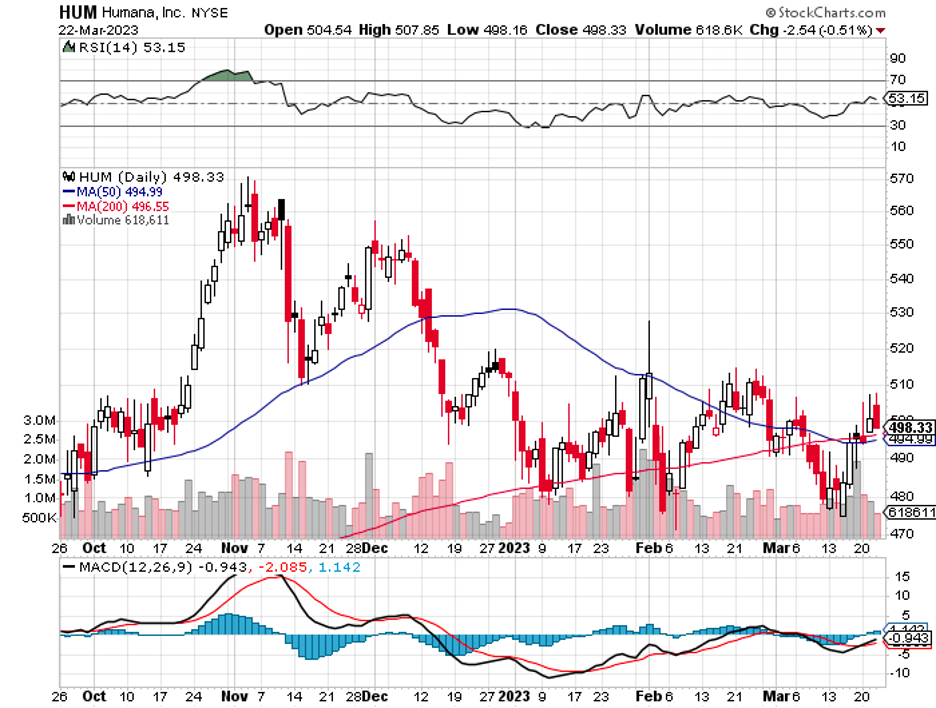
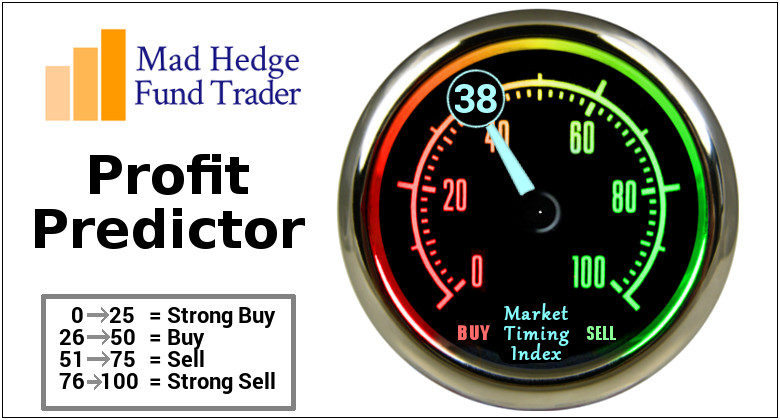
Overall, Humana is a demonstrably excellent company, but the stock remains underrated. I suggest you exploit the market’s disinterest in this profitable business and buy the dip.
 

humana

https://madhedgefundtrader.com/wp-content/uploads/2019/05/cropped-mad-hedge-logo-transparent-192x192_f9578834168ba24df3eb53916a12c882.png 0 0 Mad Hedge Fund Trader https://madhedgefundtrader.com/wp-content/uploads/2019/05/cropped-mad-hedge-logo-transparent-192x192_f9578834168ba24df3eb53916a12c882.png Mad Hedge Fund Trader2023-03-23 19:00:592023-04-01 17:36:31Old But Gold
Mad Hedge Fund Trader

March 21, 2023

Biotech Letter

Mad Hedge Biotech and Healthcare Letter
March 21, 2023
Fiat Lux

Featured Trade:

(A BUMP IN THE ROAD)
(SRPT), (BIIB), (VRTEX), (RHHBY)

https://madhedgefundtrader.com/wp-content/uploads/2019/05/cropped-mad-hedge-logo-transparent-192x192_f9578834168ba24df3eb53916a12c882.png 0 0 Mad Hedge Fund Trader https://madhedgefundtrader.com/wp-content/uploads/2019/05/cropped-mad-hedge-logo-transparent-192x192_f9578834168ba24df3eb53916a12c882.png Mad Hedge Fund Trader2023-03-21 19:02:402023-03-21 19:49:17March 21, 2023
Mad Hedge Fund Trader

A Bump In The Road

Biotech Letter

Little Orphan Annie had already predicted it: “The sun will come out tomorrow.” While it is disheartening that we’re still in a bear market, stocks will bounce back eventually.

It looks like Wall Street overreacted once again following the change in leadership in the Food and Drug Administration earlier this month. Dr. Billy Dunn, the public face of the highly controversial accelerated approval granted to Biogen’s (BIIB) Alzheimer’s disease drug and the standard bearer of the organization’s push for more flexibility on drug approvals, retired.

Biotech investors have expressed anxiety over the possibility of facing more stringent rules in the drug approval process. The fear is that Dunn’s departure would signify a step toward a more conservative handling of applications.

While the FDA assured the public that the approval process would likely remain the same, some notable decisions are proving otherwise.

One of them involves Sarepta Therapeutics (SRPT).

Sarepta Therapeutics is a biopharmaceutical company that focuses on developing and commercializing RNA-targeted therapies for rare neuromuscular diseases. Founded in 1980, this Cambridge-based company’s most notable drug is Exondys 51 (eteplirsen), used to treat Duchenne muscular dystrophy (DMD), a rare genetic disorder affecting muscle function.

Exondys 51 is designed to skip over a faulty section of the dystrophin gene, which helps to produce a functional protein that can slow the progression of the disease. Sarepta is also developing RNA-targeted therapies for rare diseases, such as limb-girdle muscular dystrophy and myotonic dystrophy. Since then, the company has earned additional approvals for Vyondys 53 and Amondys 45.

Basically, Sarepta is to DMD as Vertex Pharmaceuticals (VRTX) is to cystic fibrosis—both have virtual monopolies in their target markets.

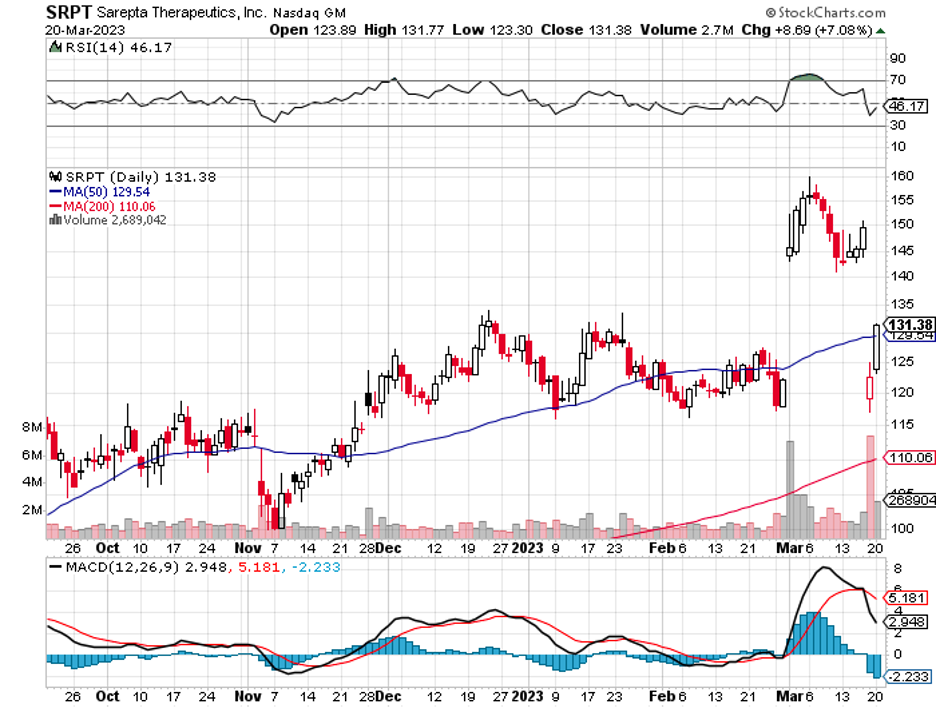
Recently, though, Sarepta stock has started to fall. This came after the FDA announced its plan to seek additional input from a panel of independent experts regarding the company’s new DMD gene-therapy candidate: SRP-9001.

The move came as a surprise since Sarepta disclosed only a week or so ago that the FDA had no intention to convene an advisory board to evaluate the candidate. However, since SRP-9001 is one of the first-ever gene therapies biologics license applications built on a surrogate perspective, meaning it’s an alternative to clinical results, the FDA felt the need to add a layer of review.

Still, the fall in Sarepta’s share prices appeared to be yet another overreaction. Besides, the move was not triggered by any issue with the candidate or data from the trials. It was simply a precautionary measure. Despite the slight detour, Sarepta remains optimistic that it will receive the go signal for SRP-9001 by May 2023.

Prior to this, Sarepta shares have been beating the market since 2023 started and have recorded more than double increases in the last five years. Although the company does not enjoy the same name recall as several of its peers, Sarepta’s platform of promising and innovative treatments has delivered critical wins in the past, especially in the DMD market.

On top of its DMD-centered products, Sarepta has over 40 clinical programs. That’s impressive for a biotech with an $11 billion market capitalization.

More importantly, the latest catalyst for Sarepta, SRP-9001, is projected to become another blockbuster. This Roche-partnered (RHHBY) treatment is estimated to generate more than $4 billion in peak sales.

Notably, this particular DMD indication has been shown to exhibit an extremely high barrier to entry, with practically all experimental treatments falling apart in clinical trials. Needless to say, SRP-9001 would have an exceedingly high commercial ceiling plus a built-in competitive moat.

Investors can expect remarkable progress from Sarepta as a company and its programs in the next five years. Given the company’s track record and history, it won’t be farfetched for it to come up with more blockbusters soon.


sarepta company

https://madhedgefundtrader.com/wp-content/uploads/2019/05/cropped-mad-hedge-logo-transparent-192x192_f9578834168ba24df3eb53916a12c882.png 0 0 Mad Hedge Fund Trader https://madhedgefundtrader.com/wp-content/uploads/2019/05/cropped-mad-hedge-logo-transparent-192x192_f9578834168ba24df3eb53916a12c882.png Mad Hedge Fund Trader2023-03-21 19:00:322023-03-31 15:36:12A Bump In The Road
Mad Hedge Fund Trader

March 16, 2023

Biotech Letter

Mad Hedge Biotech and Healthcare Letter
March 16, 2023
Fiat Lux

Featured Trade:

(WHO’S REALLY THE BOSS?)
(ILMN), (AAPL), (TWX), (MDLZ), (CVX)

https://madhedgefundtrader.com/wp-content/uploads/2019/05/cropped-mad-hedge-logo-transparent-192x192_f9578834168ba24df3eb53916a12c882.png 0 0 Mad Hedge Fund Trader https://madhedgefundtrader.com/wp-content/uploads/2019/05/cropped-mad-hedge-logo-transparent-192x192_f9578834168ba24df3eb53916a12c882.png Mad Hedge Fund Trader2023-03-16 20:02:452023-03-16 20:22:22March 16, 2023
Mad Hedge Fund Trader

Who's Really the Boss

Biotech Letter

Carl Icahn—the legendary investor known for toppling corporate behemoths and taking charge of their destinies—has swooped in to save Illumina (ILMN) from its own misguided move.

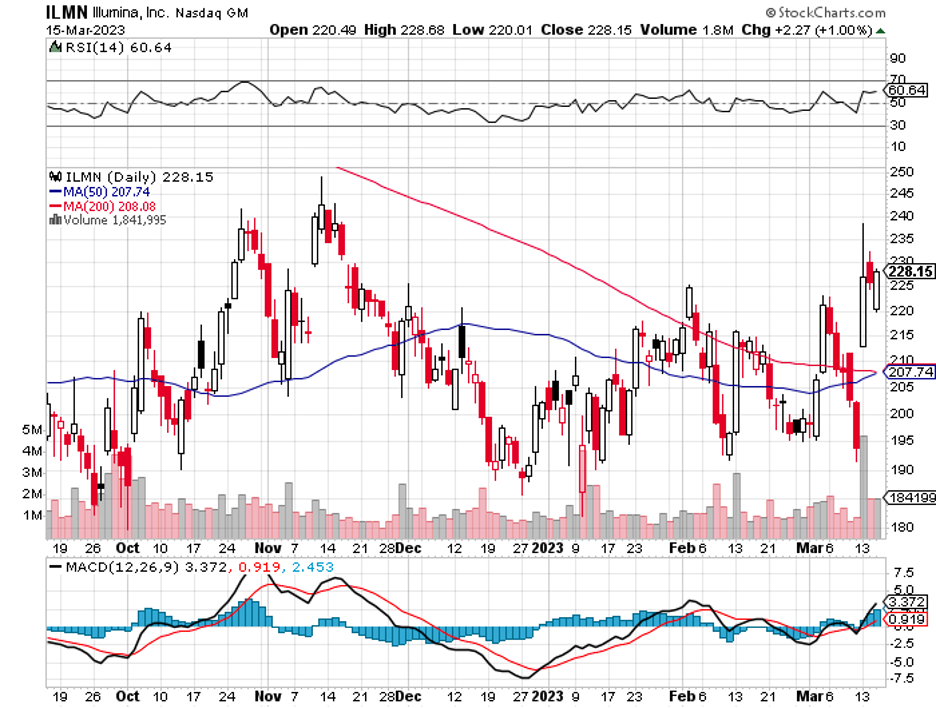
To salvage what’s left of the promising biotechnology company, he has emerged with a plan for shareholders: halt their recent deal with Grail—a cancer-screening firm that Icahn and his faithful followers want nothing more than to see dropped. Part of his plan is to nominate three people to sit on the board of Illumina. The move sent shares of ILMN soaring – no doubt leaving Icahn feeling pretty victorious himself.

For additional background, Icahn isn’t an ordinary businessman and investor. He is the founder, chairman, and majority shareholder of Icahn Enterprises, a diversified conglomerate holding company based in New York City, formerly American Real Estate Partners. He is one of the world's most successful and influential investors, having made billions through his investments in companies such as Apple (AAPL), Time Warner Inc. (TWX), RJR Nabisco (now Mondelez (MDLZ)), and Texaco (CVX). His extensive corporate takeover activities have resulted in him being dubbed "The King of Corporate Raiders."

As an activist investor, he is an individual or a member of a group of investors who uses their financial resources to directly influence the actions and decisions of organizations, often by purchasing shares in the business.

They often demand changes to corporate structure and strategy changes, board composition, and executive compensation practices. Needless to say, activist investors have a significant impact on a company, as they typically target companies that are undervalued and push for changes that can increase their value.

This is an extremely timely announcement for Illumina since the company’s value plummeted from $70 billion in 2021 to $31 billion in 2023. However, the biotech isn’t going down without a fight.

The acquisition of Grail by Illumina was first announced in September 2020, and it has been a subject of discussion and scrutiny since then. The proposed deal involves Illumina buying out the remaining stake in Grail that it does not already own, for a total of $8 billion in cash and stock.

Illumina believes that its plan to acquire Grail is a significant development in the field of genomics and cancer diagnostics. At the moment, Illumina is a leading provider of genomics technology, while Grail is a biotechnology company focused on developing a blood test for early cancer detection.

The acquisition is expected to create significant synergies between the two companies. Illumina's expertise in genomic sequencing technology combined with Grail's cutting-edge liquid biopsy technology could potentially lead to the development of a powerful and efficient cancer detection tool.

The acquisition has, however, faced some challenges, including regulatory hurdles. The Federal Trade Commission (FTC) expressed concerns that the acquisition could lead to Illumina having a monopoly in the market for sequencing machines, which are used in Grail's liquid biopsy tests. As a result, the FTC filed a lawsuit to block the acquisition.

Despite the challenges, Illumina and Grail remain committed to the deal, and in December 2021, they announced that they had reached a settlement with the FTC. The settlement requires Illumina to sell its existing liquid biopsy technology to a third party and abide by certain conditions to prevent any potential anti-competitive effects of the acquisition.

All things considered, it is undeniable that the acquisition of Grail by Illumina has the potential to revolutionize cancer diagnostics and improve patient outcomes. However, the regulatory hurdles demonstrate the importance of ensuring mergers and acquisitions do not harm competition and ultimately negatively impact consumers.

Overall, Illumina is a promising biotech with much room to grow. It pioneered the development of next-generation sequencing (NGS) technology, which revolutionized the field of genomics. NGS allows researchers to sequence large amounts of DNA quickly and at a lower cost than traditional Sanger sequencing methods.

NGS works by breaking the DNA into small fragments and sequencing them simultaneously. These short reads of DNA are then assembled to create a whole genome. Illumina's NGS technology is based on a proprietary sequencing-by-synthesis method, which uses flourescently labeled nucleotides to detect and record the sequence of DNA bases as they are incorporated into a growing DNA chain.

NGS has many applications in genomics research, including identifying genetic mutations, studying gene expression patterns, and characterizing the microbiome. The technology has also played a critical role in advancing precision medicine and personalized healthcare.

Illumina's pioneering work in NGS has allowed the company to establish a dominant market position in the genomics industry and has driven significant innovation in the field of genomics.

Thanks to this biotech’s products, the cost of a complete human genome analysis dropped from the hundreds of millions range in 2001 to less than $1000 today. More notably, the company projects the price to go lower and be below $200 when it releases its new services.

Being hailed as a market leader is a well-deserved description for the company. After all, Illumina quadrupled its revenues in the past 10 years and continues to deliver decent results.

Icahn’s move to take on Illumina offers a fresh and seemingly more promising perspective regarding the company’s direction. He believes Illumina can unlock value by spinning off non-core businesses, returning cash to shareholders, reducing costs, and improving operational efficiency. However, Illumina's management resisted Icahn's calls for a sale and instead focused on investing in research and development to drive growth.

Still, Icahn's targeting of Illumina is likely driven by his belief that the company is undervalued and not maximizing shareholder value. While it will take time before anything gets resolved, what’s apparent is that Illumina doesn’t hold complete freedom when it comes to decision-making, which would inevitably hurt its future success.


illumina company

https://madhedgefundtrader.com/wp-content/uploads/2019/05/cropped-mad-hedge-logo-transparent-192x192_f9578834168ba24df3eb53916a12c882.png 0 0 Mad Hedge Fund Trader https://madhedgefundtrader.com/wp-content/uploads/2019/05/cropped-mad-hedge-logo-transparent-192x192_f9578834168ba24df3eb53916a12c882.png Mad Hedge Fund Trader2023-03-16 20:00:532023-03-30 23:23:16Who's Really the Boss
Mad Hedge Fund Trader

March 14, 2023

Biotech Letter

Mad Hedge Biotech and Healthcare Letter
March 14, 2023
Fiat Lux

Featured Trade:

(A MARKET LEADER SELLING AT A DISCOUNT)
(GE), (GEHC), (MTD), (DHR), (BSX), (TMO)

https://madhedgefundtrader.com/wp-content/uploads/2019/05/cropped-mad-hedge-logo-transparent-192x192_f9578834168ba24df3eb53916a12c882.png 0 0 Mad Hedge Fund Trader https://madhedgefundtrader.com/wp-content/uploads/2019/05/cropped-mad-hedge-logo-transparent-192x192_f9578834168ba24df3eb53916a12c882.png Mad Hedge Fund Trader2023-03-14 17:02:032023-03-14 21:17:15March 14, 2023
Mad Hedge Fund Trader

A Market Leader Selling at a Discount

Biotech Letter

The spanking new multibillion-dollar healthcare spinoff from General Electric (GE) is gradually turning into a favorite in the industry.

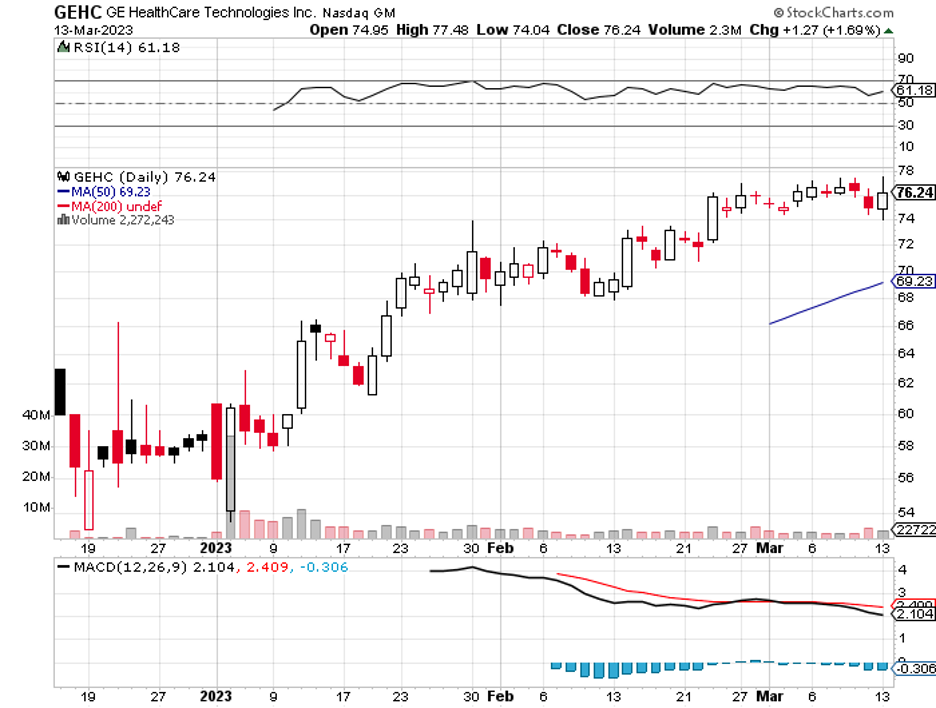
The healthcare company, GE HealthCare (GEHC), was officially spun out of GE last January 4, but its shares began trading around mid-December. To date, GEHC is up about 30%. The stock has been trading for roughly 23 times its projected earnings in 2023.

While that value is already above the market multiple, GEHC is still anticipated to boost its earnings at an average of approximately 15% per year until 2026.

GEHC’s fourth-quarter earnings report was pretty solid. The company recorded $4.94 billion in revenue, rising by 8% year over year compared to the previous $4.59 billion. Most of the growth came from its imaging division, which climbed 11% from $2.44 billion to $2.71 billion thanks to the increasing demand.

For this year, GEHC is projected to generate over $19 billion in sales. This estimate is conservative since the company has yet to gain traction on Wall Street. Given its solid performance thus far, the company is expected to post a higher figure in the coming months.

Not much is known about GEHC yet. Aside from being an Illinois- based healthcare company focusing on medical technology, healthcare software and analytics, patient monitoring systems, and medical equipment maintenance and repair services, the spinoff only describes itself as “a leading global precision care innovator.”

That’s a relatively vague explanation that could cover much ground, but it appears to be focused on artificial intelligence (AI) in healthcare. After all, this is a lucrative and growing market that has sustained the ever-increasing demand.

Based on its records, GEHC generates the majority of its revenue from ultrasound and imaging services and products. These segments comprise about 75% of the company’s overall revenue. The rest are from various services, including clinical networking systems and financial solutions.

At the moment, more than 4 million of GEHC’s products are installed across the globe, lending support to over 2 billion patients since 2022.

Although this sounds less exciting than the other developments in the healthcare industry, the total addressable market for the medical imaging segment is impressively huge.

In 2021, this market was projected to reach $28 billion and will reach $47.4 billion by 2030. This represents a promising compounded annual growth rate of 4.9%. Critical to this growth and expansion is the climbing number of chronic diseases, which triggered earlier and more frequent checkups.

GEHC notably ensures that it sustains its momentum and gains a larger market share. The company has invested aggressively in research and development, allocating $2.7 billion to this effort alone from 2020 to 2022.

In February, the spinoff shelled out $3 billion to acquire Caption Health, a healthcare technology company developing AI software for medical imaging. The company's flagship product, Caption AI, is an FDA-approved medical imaging software that uses AI to guide healthcare professionals in acquiring and interpreting ultrasound images.

Basically, Caption AI is designed to help healthcare professionals who may need more specialized training in medical imaging, such as primary care physicians and nurses, to accurately and confidently perform and interpret ultrasound exams.

Apart from those, Caption Health's AI technology can assist in acquiring cardiac, lung, abdominal, and musculoskeletal images. It is intended to improve patient access to quality care by reducing the need for specialized medical personnel to conduct ultrasound exams.

By leveraging AI, these services could increase the speed and accuracy of diagnoses and treatment, ultimately improving patient outcomes. Needless to say, this deal significantly bolstered GEHC’s lineup and is expected to generate more than enough revenue to cover the price the company paid for the acquisition.

Despite its promising performance, GEHC remains under the radar and underappreciated. Comparing it to its peers, such as Mettler Toledo (MTD), Danaher (DHR), Boston Scientific (BSX), and Thermo Fisher (TMO), the company’s valuation looks discounted. Considering that it has the potential to become a long-term compounder, I suggest you buy the dip.


gehc

https://madhedgefundtrader.com/wp-content/uploads/2019/05/cropped-mad-hedge-logo-transparent-192x192_f9578834168ba24df3eb53916a12c882.png 0 0 Mad Hedge Fund Trader https://madhedgefundtrader.com/wp-content/uploads/2019/05/cropped-mad-hedge-logo-transparent-192x192_f9578834168ba24df3eb53916a12c882.png Mad Hedge Fund Trader2023-03-14 17:00:142023-03-30 00:10:13A Market Leader Selling at a Discount
Mad Hedge Fund Trader

March 9, 2023

Biotech Letter

Mad Hedge Biotech and Healthcare Letter
March 9, 2023
Fiat Lux

Featured Trade:

(TRUE GAME-CHANGERS OF BIOTECH)
(SPRT), (CRSP), (VRTX)

https://madhedgefundtrader.com/wp-content/uploads/2019/05/cropped-mad-hedge-logo-transparent-192x192_f9578834168ba24df3eb53916a12c882.png 0 0 Mad Hedge Fund Trader https://madhedgefundtrader.com/wp-content/uploads/2019/05/cropped-mad-hedge-logo-transparent-192x192_f9578834168ba24df3eb53916a12c882.png Mad Hedge Fund Trader2023-03-09 18:02:012023-03-09 19:52:38March 9, 2023
Mad Hedge Fund Trader

The True Game-Changers with Biotech

Biotech Letter

These days, the stock market is so scrutinized that there are only a handful of sectors where an investor can find undervalued stocks capable of outperforming an index fund.

The biotechnology world is one of these industries, and now is a great time to invest in it.

The potential for the majority of biotechnology companies is not really their current earnings or even their valuations. It’s actually hinged on whether these businesses could deliver positive clinical results for potential blockbuster treatments and whether the FDA approves the candidates. No matter how hard you look, you can’t easily find these types of information in companies' income statements and balance sheets.

Actually, the widely diversified SPDR S&P Biotech (XBI) has declined by over 50% since its peak of $174 per share in February 2021. One of the critical reasons biotech dropped in the past two years is the rise of dodgy IPOs, which inevitably collapsed and notably lowered investors’ confidence in the sector. Another reason is the rising interest rates, particularly in 2022, which forced many biotech companies to borrow money just to sustain their research operations.

These past weeks, though, valuations have become attractive. Rates have also been noticeably rising, and opportunities are starting to present themselves. Since 2022 was the year that focused on multiple clinical trials, 2023 is anticipated to be the year for new product launches.

Currently, the FDA has at least 75 new biotech candidates awaiting regulatory approval. This means 2023 could easily surpass 2018, when 56 drugs were approved, as the year with the most approvals.

All these will only benefit you if you find the right biotechs, especially with the word “game-changing,” which seems to get tossed around too casually in the biotech world. The truth is, many things are described as “game-changing” and “groundbreaking” when they are not. Still, there are exceptions.

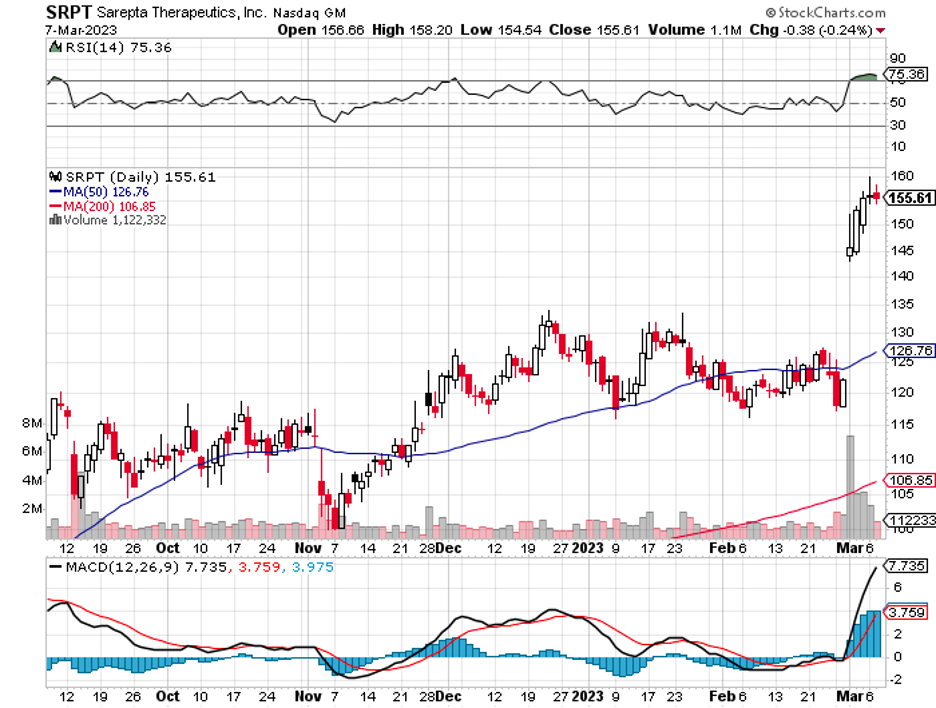
One of the exceptions is Sarepta Therapeutics (SRPT). This biotech has a gene therapy treatment targeting muscular dystrophy, which is anticipated to receive FDA approval by May 2023.

Duchenne muscular dystrophy (DMD) is a genetic disorder that primarily affects boys, although in rare cases, it can also affect girls. It is caused by a mutation in the gene that provides instructions for making a protein called dystrophin, which is essential for muscle function and stability.

Without enough functional dystrophin, muscles become weak and damaged over time, leading to progressive muscle weakness and wasting. There is currently no cure for DMD, but there are treatments available that can help manage symptoms and improve quality of life.

Aside from Sarepta, other companies working on treatments for this condition include Pfizer (PFE) and Solid Biosciences (SLDB). However, Sarepta leads the rest in terms of clinical progress.

The global market for Duchenne muscular dystrophy treatment was valued at USD 2.4 billion in 2020 and is projected to increase at a compound annual growth rate (CAGR) of 40.5% between 2021 and 2028.

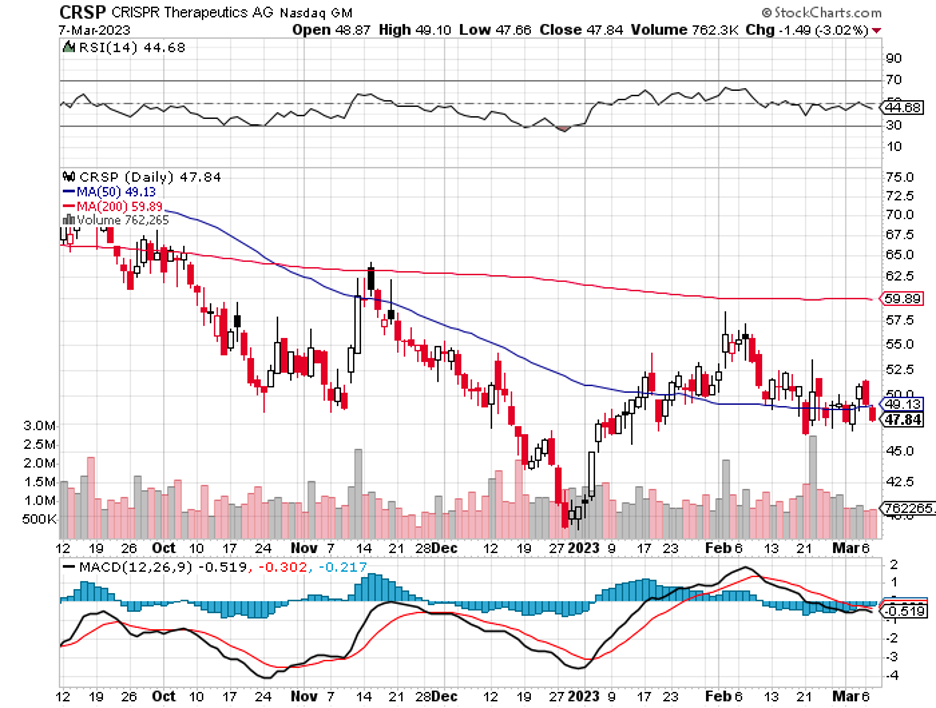
Another exception is CRISPR Therapeutics (CRSP), which is poised to play a significant role in the gene editing movement in the biotech world.

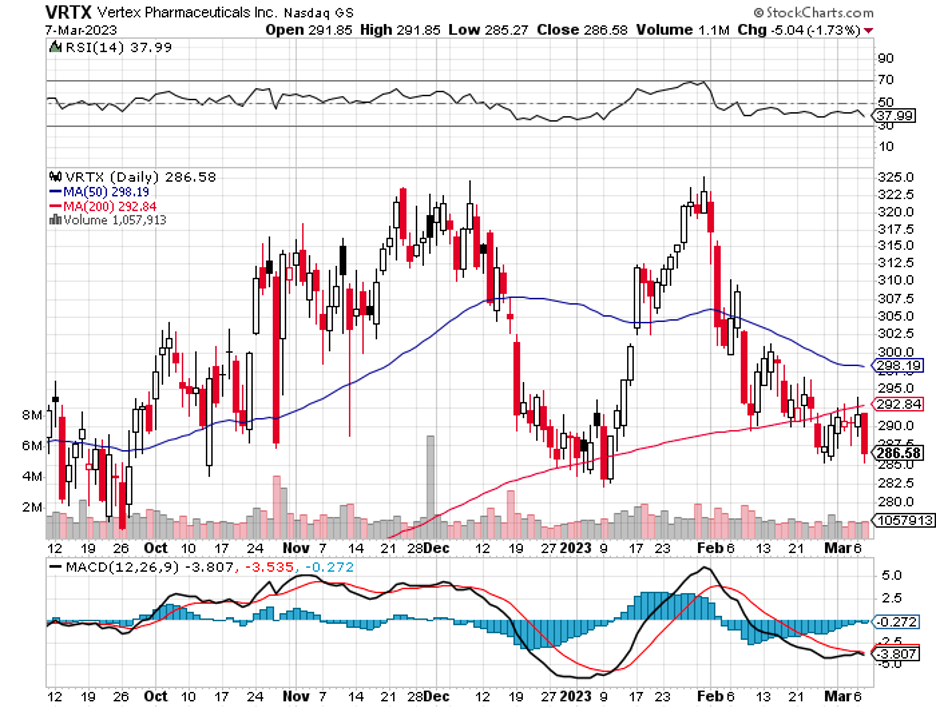
The company has been working with Vertex Pharmaceuticals (VRTX) on an exciting gene-editing treatment, named exa-cel, which targets rare blood diseases, sickle cell disease and beta-thalassemia.

Exa-cel uses CRISPR/Cas9 gene-editing technology to modify a patient's own blood-forming stem cells outside the body, with the goal of correcting the genetic mutation that causes these blood disorders. Aside from being a game-changer for patients with these conditions, this therapy could alter the financial landscape of CRISPR Therapeutics as it would rake in billions in revenue for the company.

If the FDA gives the green light for exa-cel, CRISPR and Vertex become red hot stocks to own. Meanwhile, having an approved rare disease gene-editing therapy in its lineup, plus its modest valuation of $3.8 billion, would make CRISPR an extremely attractive acquisition candidate.

The biotechnology sector has experienced significant growth in recent years, driven by advances in technologies such as genomics, gene editing, and synthetic biology. These technological advancements have enabled biotech companies to develop more precise and targeted therapies, potentially revolutionizing the healthcare industry.

While the biotechnology sector offers many promising opportunities, it is also a highly competitive and risky industry. Biotech companies often face significant regulatory hurdles and long development timelines, and many of their products fail in clinical trials. Additionally, biotech companies require substantial capital investments, which can be challenging to secure.

Investors looking into adding game-changing companies to their portfolio should consider Sarepta, CRISPR, and Vertex. I recommend you buy the dip.


biotech companies


https://madhedgefundtrader.com/wp-content/uploads/2019/05/cropped-mad-hedge-logo-transparent-192x192_f9578834168ba24df3eb53916a12c882.png 0 0 Mad Hedge Fund Trader https://madhedgefundtrader.com/wp-content/uploads/2019/05/cropped-mad-hedge-logo-transparent-192x192_f9578834168ba24df3eb53916a12c882.png Mad Hedge Fund Trader2023-03-09 18:00:572023-03-29 18:57:52The True Game-Changers with Biotech
Mad Hedge Fund Trader

March 7, 2023

Biotech Letter

Mad Hedge Biotech and Healthcare Letter
March 7, 2023
Fiat Lux

Featured Trade:

(A PIONEERING LEADER IN THE HEALTHCARE WORLD)
(ISRG)

https://madhedgefundtrader.com/wp-content/uploads/2019/05/cropped-mad-hedge-logo-transparent-192x192_f9578834168ba24df3eb53916a12c882.png 0 0 Mad Hedge Fund Trader https://madhedgefundtrader.com/wp-content/uploads/2019/05/cropped-mad-hedge-logo-transparent-192x192_f9578834168ba24df3eb53916a12c882.png Mad Hedge Fund Trader2023-03-07 18:02:352023-03-07 21:54:03March 7, 2023
Page 45 of 115«‹4344454647›»

Legal Disclaimer

There is a very high degree of risk involved in trading. Past results are not indicative of future returns. MadHedgeFundTrader.com and all individuals affiliated with this site assume no responsibilities for your trading and investment results. The indicators, strategies, columns, articles and all other features are for educational purposes only and should not be construed as investment advice. Information for futures trading observations are obtained from sources believed to be reliable, but we do not warrant its completeness or accuracy, or warrant any results from the use of the information. Your use of the trading observations is entirely at your own risk and it is your sole responsibility to evaluate the accuracy, completeness and usefulness of the information. You must assess the risk of any trade with your broker and make your own independent decisions regarding any securities mentioned herein. Affiliates of MadHedgeFundTrader.com may have a position or effect transactions in the securities described herein (or options thereon) and/or otherwise employ trading strategies that may be consistent or inconsistent with the provided strategies.

Copyright © 2026. Mad Hedge Fund Trader. All Rights Reserved. support@madhedgefundtrader.com
Scroll to top