
Every good magician will tell you the trick is never in the reveal. It's in directing your attention somewhere else while the real move happens.
I watched a street magician in Hong Kong turn a single coin into five once, which is genuinely impressive until you realize the four extra coins were up his sleeve the whole time.
No new coins were created. They were just revealed with enough flair that the audience applauded the illusion of multiplication.
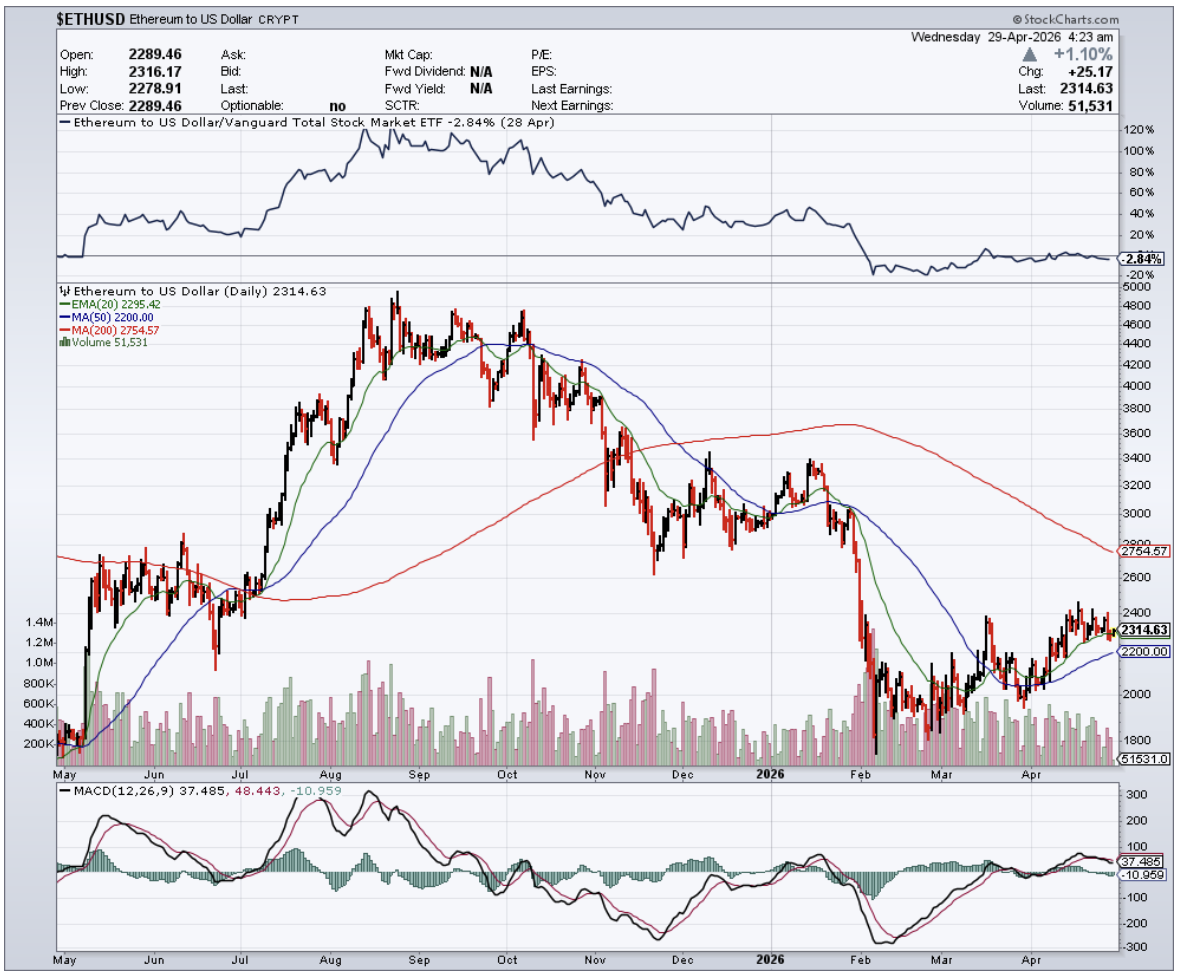
Watching DeFi protocols advertise 12% yields on Ethereum (ETH) right now produces an identical sensation in me. The base yield is 3%. The rest is the same 3%, looped through enough wrappers and leveraged that it appears, briefly and convincingly, to have multiplied.
Here is the actual arithmetic. Ethereum staking produces roughly 3% APR, paid in ETH, derived from three real sources: newly issued ETH from protocol issuance, priority fees from users transacting on-chain, and MEV, the value captured from ordering transactions.
With 39 million ETH staked across a million validators as of early 2026, that 3% is about as close to a sovereign risk-free rate as DeFi has. Everything above it requires a closer look.
The yield stack works in layers. Deposit ETH into a liquid staking protocol like Lido or Rocket Pool, and you receive a tradable receipt token, stETH or rETH, that accrues the 3% while keeping your capital liquid.
That receipt can then be deposited into EigenLayer for restaking, where it earns a modest additional premium for providing security to other protocols, and you receive yet another receipt token.
That second receipt, something like Kelp's rsETH or EtherFi's weETH, can then be posted as collateral on a lending protocol like Aave, where you borrow ETH against it, stake that borrowed ETH back into the system, and repeat.
Gear the loop four times, and the math produces roughly 12% on your original capital. The spread over borrowing costs, around 8 or 9%, is what the protocol advertises as yield.
The problem is that no new cash flow was created in that process.
The 3% is counted once as validator rewards, again as the liquid staking token holder's yield, again as the restaking token holder's yield, and again as the looper's leveraged return.
The same underlying ETH income is being claimed simultaneously by every wrapper stacked on top of it.
Four coins from one, with the extras up the sleeve.
This structural fragility became visible in uncomfortable detail last April 18, when an attacker forged a cross-chain message and extracted 116,500 rsETH, worth approximately $292 million, from Kelp DAO's bridge.
The tokens were posted as collateral on Aave, real ETH was borrowed against them, and the lending protocol was left facing between $124 and $230 million in potential bad debt with $6 to $8 billion in withdrawal requests queued up over 48 hours. The industry catalogued it as a bridge failure.
The more uncomfortable truth is that a single broken link triggered a system-wide liquidity crisis because the loop structure had made every layer dependent on every other layer holding its value simultaneously.
The underlying demand problem makes this more than a technical risk.
Organic borrowing on DeFi platforms, the kind where someone borrows capital to fund a business, execute a trade, or meet a real liquidity need, represents a fraction of total borrow volume.
Research on Aave V3 puts recursive looping at roughly 20% of total borrows overall, with concentrations running between 30 and 64% in the key LST and LRT pools.
The loop is both the primary buyer of restaked token supply and the primary source of the lending interest that makes supply yields look attractive. The yield feeds itself.
None of this makes Ethereum uninvestable or DeFi fraudulent.
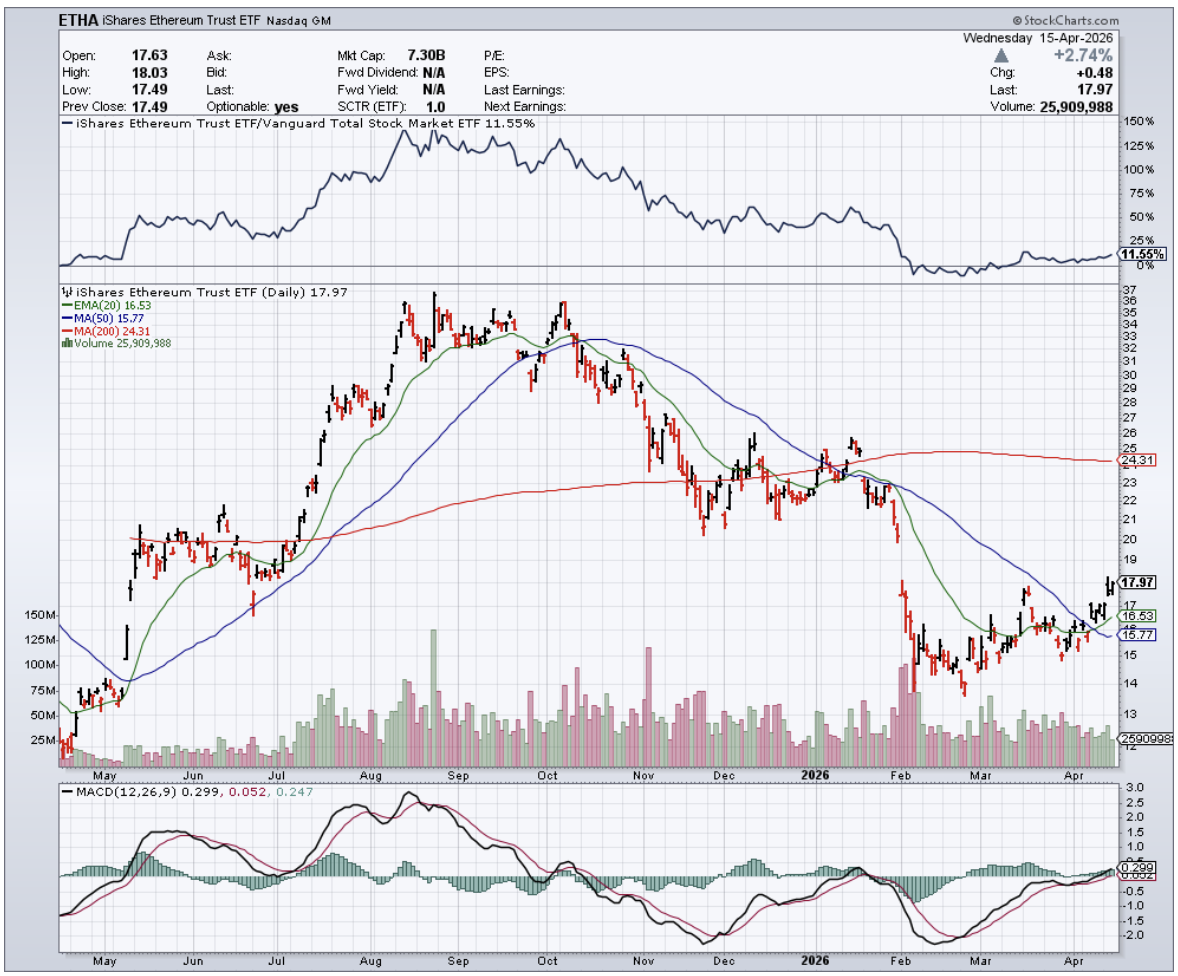
Staking rewards and lending interest are genuine cash flows, and the 3% base rate is real. Institutional interest in ETH as a yield-bearing asset is growing, spot ETF inflows continue, and the infrastructure being built around restaking has legitimate long-term applications.
The question to ask before chasing any yield above 5 or 6% on an ETH-denominated strategy is a simple one: where exactly is this cash flow coming from, and how many wrappers have been opened to get here?
The coins were always in the sleeve. The only variable is how long the audience keeps applauding.