
Mad Hedge Technology Alerts!
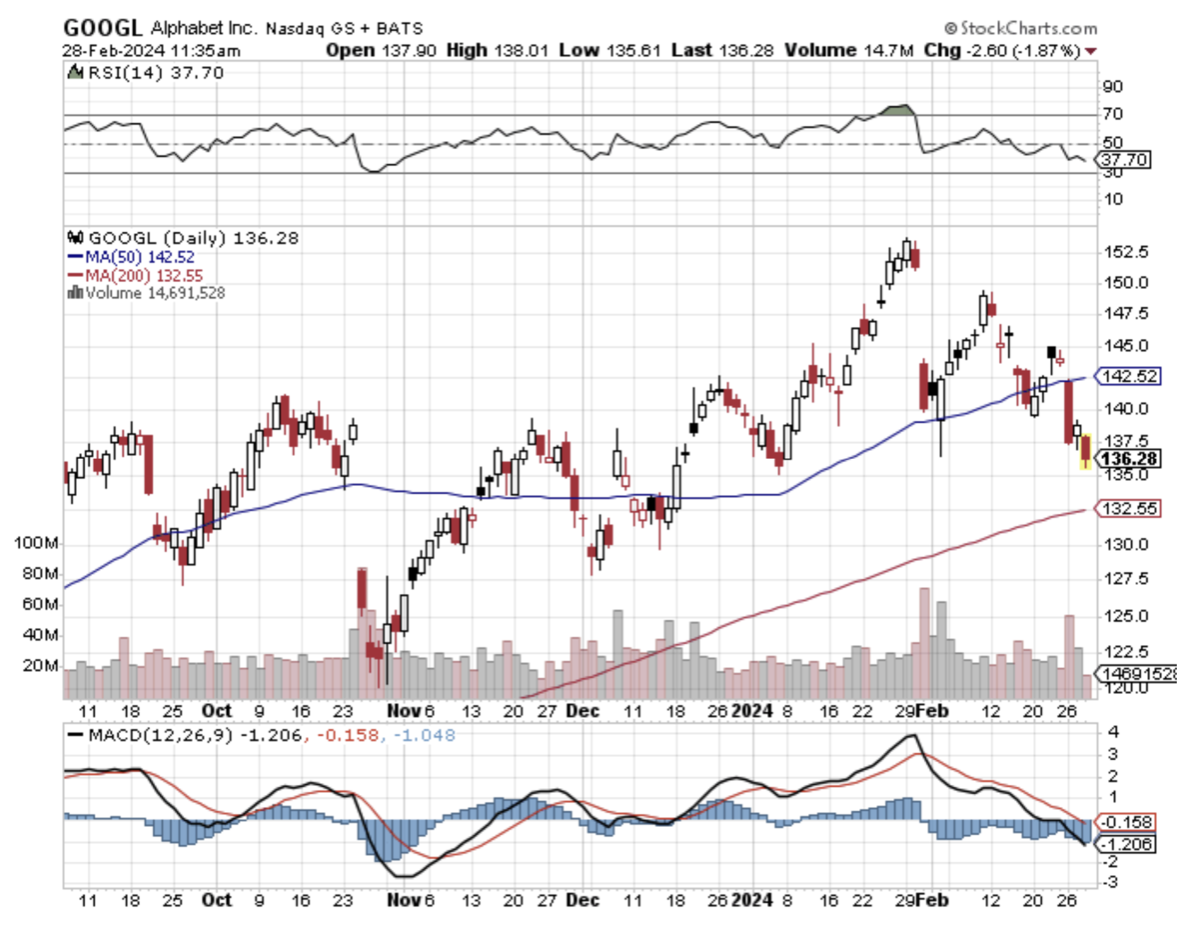
Google’s stock has felt the pain the last few days.
Why?
Its generative AI has gone wrong or at least producing controversial images as Google’s AI technology produces historical figures in different ethnic races.
The backlash was so bad that Google CEO Sundar Pichai issued a mea culpa.
The incident marks the latest misstep from Google as it scrambles for positioning in the blossoming market for AI products and plays catch up to Microsoft (MSFT) and its AI partner OpenAI ChatGPT.
In a memo to staff on Tuesday, CEO Sundar Pichai said, "I know that some of its responses have offended our users and shown bias — to be clear, that’s completely unacceptable, and we got it wrong."
The underwhelming AI performance means that Google is falling way behind other competition.
All investors care about these days is the trajectory of AI and stocks go up just based on that.
There must be a question of whether the generative AI research they are doing is good enough and if they have the right talent to compete.
Right now it certainly doesn’t look good.
Google is in the unfamiliar position of not being the leader in a core, [machine learning]-driven technology.
Google is trying hard to catch up and now needs to go backward to repair a core technology component while dealing with a major PR blunder.
Google's first AI fumble came a year ago when the company released a demo of its AI chatbot, Bard, a few months after ChatGPT exploded onto the scene.
Google's chatbot spits out an inaccurate response in a promotional video that was widely circulated online. In the immediate aftermath, skittish investors wiped $100 billion from Google's market value just as Microsoft's fortunes climbed.
Google explained in a recent blog post that it tuned its Gemini image generation tool to show a range of people of different ethnicities and other characteristics but that it failed to account for cases that should not depict diversity.
This is setting up for a great buy-the-dip moment for the company.
In the short term, Google investors have been burnt.
The Mad Hedge Tech Letter had a bullish position in GOOGL and it got torched.
However, Google has been a good short-term trade since it became a duopoly with Meta.
The fact is that Silicon Valley is turning into a race for AI and Google are the kings of search using the older generation.
That doesn’t quite mean they possess the correct talent to compete in AI.
Search was never geared towards this one area of technology that has become the newest thing.
Google has dropped 12% since its January highs which is surprising because they have been a solid bet for years to rebound from any weakness.
Now Google has the unenviable task of proving to investors that they have the ability and capacity to go toe to toe at the high levels of the AI race.
We won’t see deteriorating ad numbers soon, but over time, this could become a slow burn of them ceding search share as AI becomes integrated into the search business.
I still believe Google is worth holding long-term, but we are seeing a mild pullback after a great 2023.
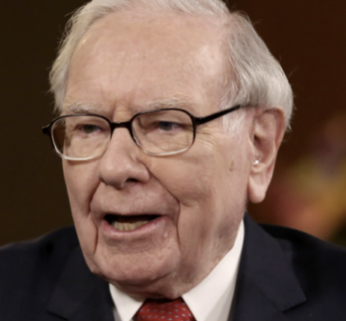
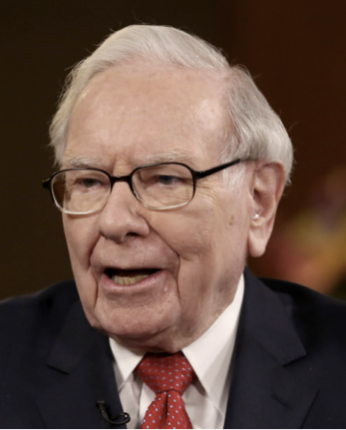
“Price is what you pay. Value is what you get.” – Said US Investor Warren Buffett
The Amazon of Latin America is a stock that has done well this year, but that doesn’t mean the party is over.
Like many other tech stocks this year, they have performed exceptionally strong in the past year and MercadoLibre (MELI) is no different.
The stock has returned 42% in the past year and the 13% dip from the most recent earnings report has presented an appetizing entry point.
The Amazon of Latin America fell the most in nearly two years after posting fourth-quarter earnings that fell short of analyst estimates, hoisting a major hurdle to the major stock rally over the past year.
Shares slumped 13% Friday, the worst intraday drop since May 2022, after the company reported earnings per share of $3.25 — about half of the $7.17 analysts had forecast. It was the first miss since at least mid-2022.
The lower number, which was boiled down to one-off costs and higher logistics left a sour taste in the mouth of MELI investors.
MercadoLibre's revenue growth over the last three years has been in overdrive, averaging 56.8% annually.
This quarter, MELI registered an impressive 41.9% year-on-year revenue growth.
Usage Growth As an online marketplace, MercadoLibre generates revenue growth by increasing both the number of users on its platform and the average order size in dollars.
Over the last two years, MercadoLibre's daily active users, a key performance metric for the company, grew 24.6% annually to 145 million. This is fast growth for a consumer internet company.
In Q4, MercadoLibre added 48 million daily active users, translating into 49.5% year-on-year growth.
Average revenue per user (ARPU) is a critical metric to track for consumer internet businesses like MercadoLibre because it measures how much the company earns in transaction fees from each user.
Furthermore, ARPU gives us unique insights as it's a function of a user's average order size and MercadoLibre's take rate, or "cut", on each order.
MercadoLibre's ARPU growth has been excellent over the last two years, averaging 16.8%. The company's ability to increase prices while growing its daily active users at such a fast rate reflects the strength of its platform, as its users are spending significantly more than last year. This quarter, ARPU declined 5% year on year to $29.39 per user.
It posted full-year net revenue of around $14.5 billion and net income of $1.2 billion for the year. Revenue and payment volumes beat expectations for the last three months of 2023.
Naturally, buyers and sellers gravitate towards a singular marketplace, consolidating the dominion of Amazon and Mercado Libre while marginalizing smaller retailers.
This monopolistic stranglehold, compounded by the excessive capital investments requisite for technological infrastructure, inventory management, and advertising, perpetuates a vicious cycle of exclusion and inequality, relegating smaller players to the fringes of the digital marketplace.
MELI is part of this duopoly in South America and I see any big dips as good buying opportunities.