
“Artificial Intelligence is potentially more dangerous than nukes,” said Andrew McAfee of the MIT Center for Digital Business.


“Artificial Intelligence is potentially more dangerous than nukes,” said Andrew McAfee of the MIT Center for Digital Business.
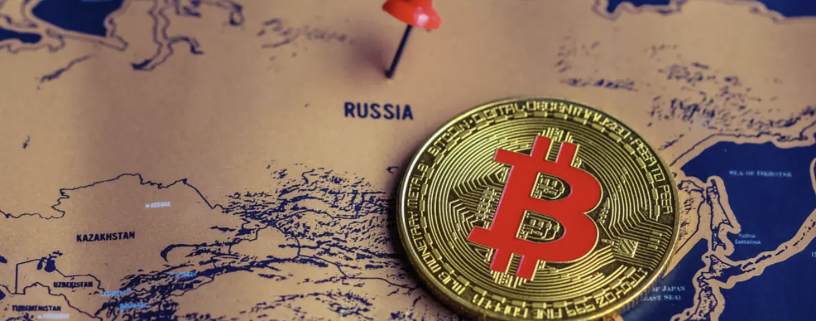
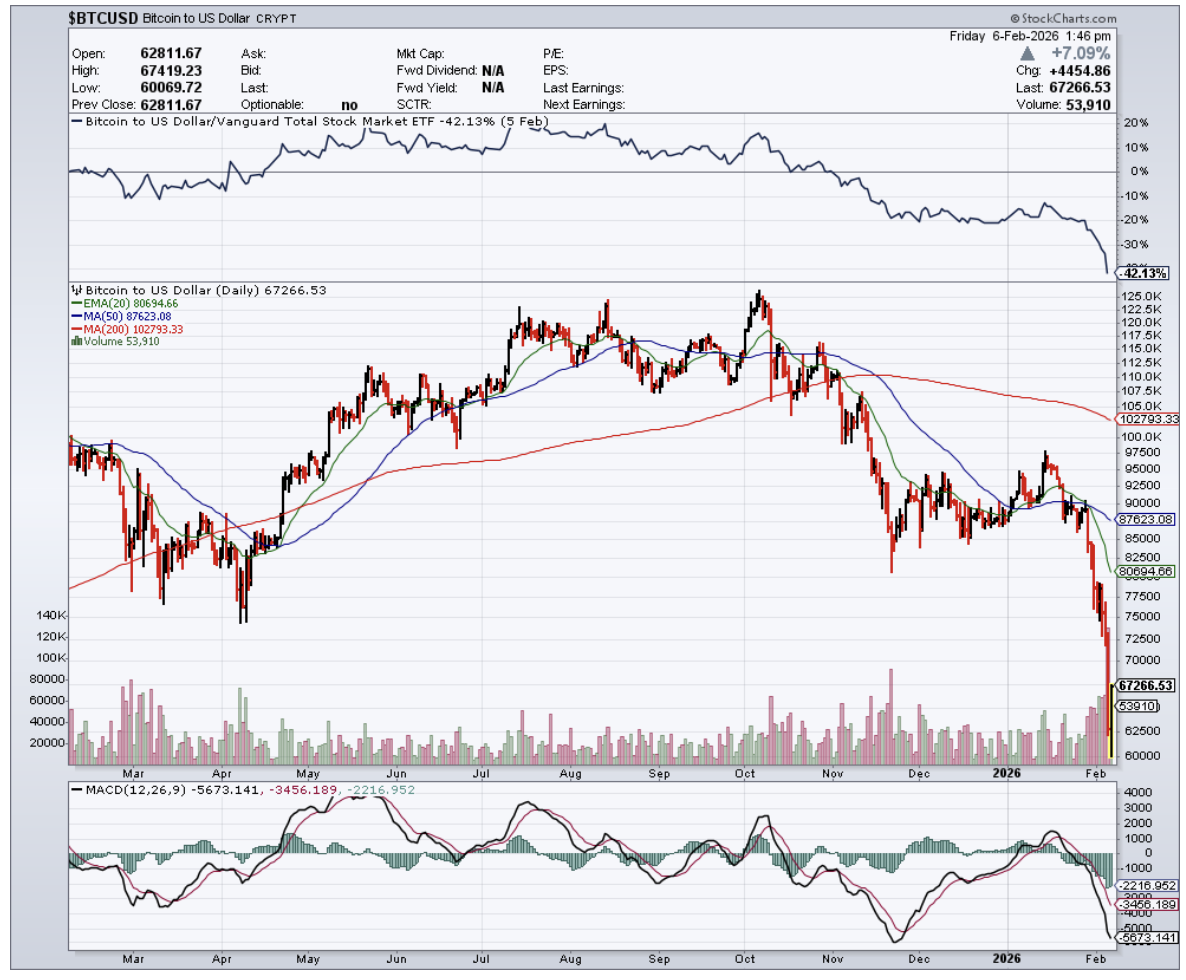
Bitcoin has periodically been pulled into geopolitical spotlights, and few moments generated as much reaction as comments made by Pavel Zavalny, chairman of the Russian State Duma Committee on Energy, suggesting that Russia was open to accepting Bitcoin (BTC) for oil and gas payments.
At the time, the statement landed like a bombshell for the “digital gold” narrative. Bitcoin had spent much of its early life as a financial outcast, shunned by governments and institutions alike. Now, suddenly, it was being mentioned in the same sentence as global energy trade and the world’s largest commodity exporter.
The symbolism was powerful. Russia, increasingly isolated in traditional financial channels, was exploring alternative settlement mechanisms. Bitcoin appeared, at least rhetorically, as one of several tools being discussed to navigate a fractured geopolitical landscape.
This mattered most in the context of the U.S. dollar and the euro, which had long dominated energy settlement with Russia. European buyers historically paid for Russian oil and gas almost exclusively in those currencies. That framework began to fracture once Western governments imposed sweeping financial sanctions on Moscow.
The freezing of Russian foreign reserves under U.S. President Joe Biden accelerated a reassessment among non-aligned and rival states about reliance on Western reserve currencies. Russia’s response was not limited to crypto. It demanded ruble payments from certain counterparties, expanded trade invoicing in non-Western currencies, and explored bilateral settlement arrangements with partners outside the U.S.-EU axis.
With hindsight, however, the idea that Bitcoin would become a primary settlement currency for Russian oil has not materialized. Energy trade at scale continues to rely on state-backed currencies, clearing arrangements, and intermediaries capable of handling massive volumes, compliance obligations, and price hedging. Bitcoin’s role has remained peripheral rather than structural.
That distinction matters when evaluating claims that this moment marked a permanent turning point for the dollar. While dollar dominance has undeniably been questioned and diversified against, it has not been displaced. China and Russia have expanded non-dollar trade, but global energy markets continue to clear overwhelmingly in traditional currencies.
Political fragmentation within Europe added further complexity. Leaders such as Viktor Orbán resisted full energy disengagement, arguing domestic economic stability took precedence. This underlined that sanctions, while impactful, were neither airtight nor universally enforced.
Crypto did play a role at the margins. Digital assets were used for cross-border transfers, capital mobility, and limited trade settlement where counterparties were willing to assume volatility and regulatory risk. But this fell short of the sweeping sanction bypass sometimes implied. Existing EU and U.S. sanctions frameworks explicitly extend to crypto, and large-scale energy buyers remain subject to compliance, custody, and reporting constraints.
The idea that simply holding Bitcoin balances indefinitely could nullify sanctions also proved impractical. State-level trade requires convertibility, accounting clarity, and fiscal predictability. Bitcoin’s volatility and regulatory exposure limit its usefulness as a sovereign settlement base, even for countries seeking alternatives to Western finance.
Russia’s broader economic resilience during the early sanction period owed more to elevated commodity prices, capital controls, redirected exports, and fiscal intervention than to cryptocurrency adoption. The ruble’s recovery reflected administrative measures and trade flows rather than market-driven confidence.
That said, the episode was not meaningless for Bitcoin. It reinforced a core narrative: Bitcoin exists outside the control of any single state and is considered, at least conceptually, when traditional systems become politically constrained. For crypto advocates, that alone represented validation of its censorship-resistant design.
Still, the core thesis that Russia’s energy trade would migrate meaningfully to Bitcoin, triggering a new global monetary order, has not held up. Bitcoin’s role has remained symbolic and tactical, not foundational. Energy markets continue to operate on scale, liquidity, and stability that decentralized assets have yet to provide.
The legacy of this moment is therefore more modest but still instructive. It demonstrated how geopolitical stress tests existing financial infrastructure and pushes states to explore alternatives. Bitcoin emerged as part of that conversation, not as a replacement for it.
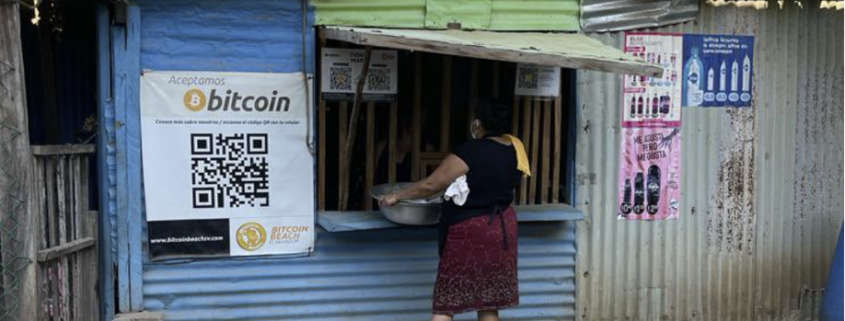
Another sovereign country once appeared ready to consider Bitcoin, and for a moment, it looked like the experiment launched in Central America might quickly spread north. By 2026, however, the reality is more restrained. Bitcoin adoption has entered a slower, more selective phase across Latin America, shaped less by ideological enthusiasm and more by political limits, regulatory pressure, and hard economic trade-offs.
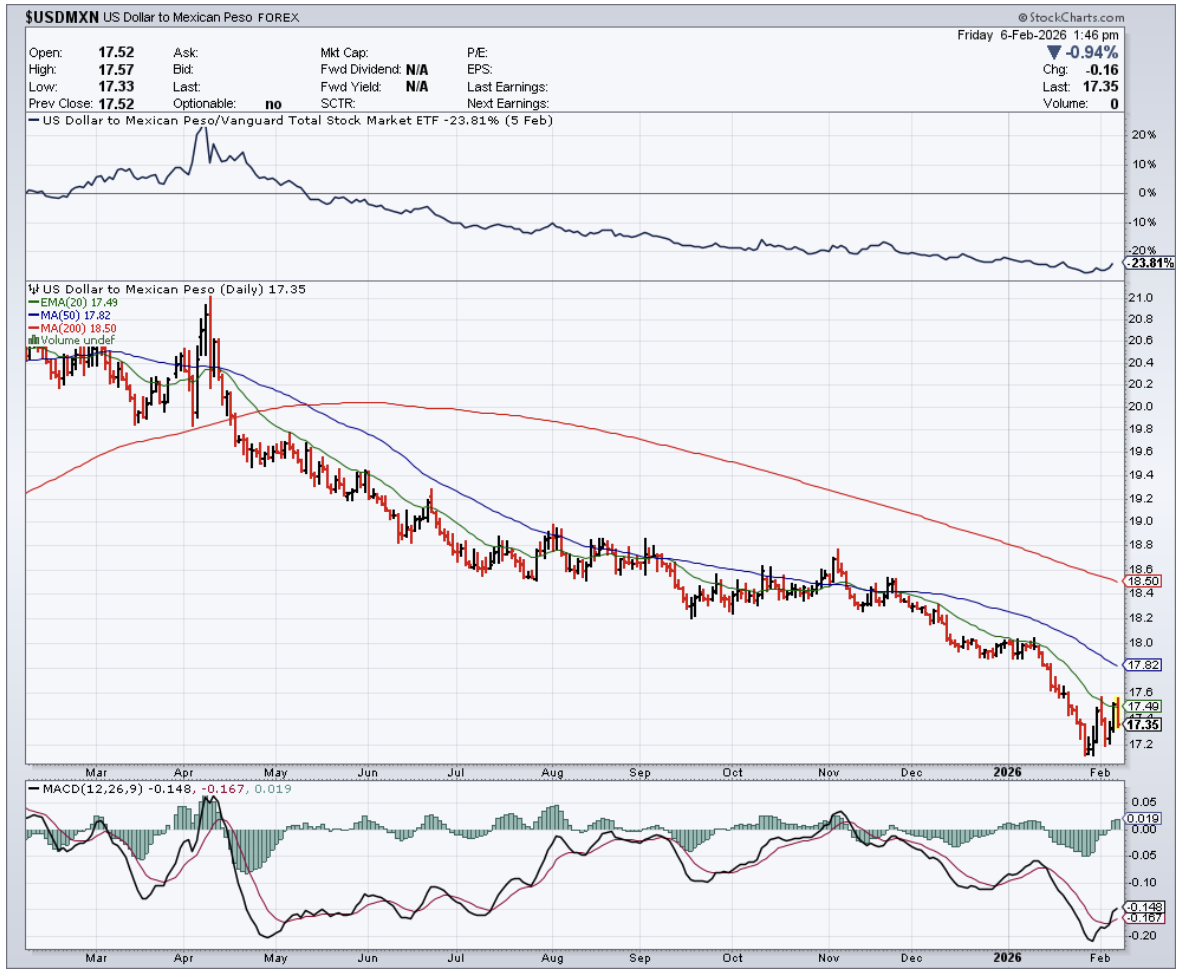
The early narrative was built on frustration with local currencies. Across parts of the region, long histories of inflation and devaluation created fertile ground for alternative monetary ideas. But broad claims of collapse have not held evenly. Mexico’s peso, for example, did not spiral into oblivion. After years of volatility, it proved comparatively resilient through the mid-2020s, supported by strong remittance inflows, nearshoring investment, and orthodox central bank policy. For most households, holding pesos in a bank did not become the nightmare scenario once implied.
That context matters when revisiting political calls to adopt Bitcoin as legal tender. Indira Kempis, a senator from Nuevo León, did publicly advocate for Bitcoin adoption and framed it as a tool for financial inclusion. She emphasized Bitcoin’s potential to serve the unbanked and said she was consulting with people knowledgeable about the asset. Those statements were real, but the effort never translated into national policy. Mexico did not move toward making Bitcoin legal tender, and no broad legislative coalition formed around the idea.
The argument that Bitcoin could bank the unbanked continues to resonate rhetorically. Millions of Mexicans remain outside the formal financial system, and digital wallets can lower barriers to entry. But by 2026, policymakers largely treat crypto as a complementary payment rail rather than a replacement for sovereign currency. Bitcoin is tolerated, regulated, and sometimes encouraged for innovation, but not elevated to the status of national money.
The experience of El Salvador has also tempered regional enthusiasm. President Nayib Bukele made history by adopting Bitcoin as legal tender, but the long-term outcome was more nuanced than early boosters expected. By 2024, El Salvador amended its Bitcoin law as part of negotiations with international lenders, removing mandatory acceptance and scaling back the legal tender framework. Bitcoin remained on the balance sheet and in official rhetoric, but its role shifted from revolutionary currency to an optional instrument.
That recalibration mattered across the region. Rather than triggering a domino effect, El Salvador’s path became a cautionary reference point. Legislators elsewhere continued to study crypto, but few were willing to stake monetary sovereignty on it.
Where Bitcoin has made steadier inroads is in payments and remittances. Crypto rails proved useful for cross-border transfers, particularly in corridors with high fees and slow settlement. Coinbase Global expanded services in Mexico by enabling recipients to cash out crypto into pesos at tens of thousands of retail locations. This targeted the remittance market directly, offering speed and cost advantages without requiring users to abandon fiat entirely.
That approach was more durable than legal-tender experiments. It allowed crypto to compete with incumbents like Western Union on efficiency rather than ideology. Over time, crypto remittances became another option in a crowded payments landscape rather than a wholesale disruption of national currencies.
Prominent business figures also continued to promote Bitcoin. Ricardo Salinas Pliego, founder and chairman of Grupo Salinas, remained one of Bitcoin’s most vocal advocates in Mexico, urging long-term holding and criticizing fiat debasement. His support kept Bitcoin in the public conversation, but it did not translate into official monetary reform.
By 2026, the tone around Bitcoin in Latin America is more pragmatic. Grand predictions of immediate legal tender adoption have faded. Volatility remains, and while Bitcoin has matured relative to its early years, governments are reluctant to tie fiscal stability to an asset they do not control. The idea that entire regions would balance their budgets through Bitcoin has not materialized.
Instead, Bitcoin occupies a narrower but more realistic role: a speculative asset, a hedge for some individuals, and a payment and remittance tool where it offers clear advantages. Sovereign adoption, where it exists at all, is partial and reversible. The era of sweeping declarations has given way to incremental integration, and that slower path now defines Bitcoin’s relationship with Latin American states.
Global Market Comments
February 6, 2026
Fiat Lux
Featured Trade:
(WHY WATER WILL SOON BE WORTH MORE THAN OIL),
(CGW), (PHO), (FIW), (VE), (TTEK), (PNR)