• support@madhedgefundtrader.com
  • Member Login
Mad Hedge Fund Trader
  • Home
  • About
  • Store
  • Luncheons
  • Testimonials
  • Contact Us
  • Click to open the search input field Click to open the search input field Search
  • Menu Menu

Tag Archive for: (DNA)

Mad Hedge Fund Trader

What to Watch Out for in 2022

Biotech Letter

The past two years have been focused on finding solutions to end the COVID-19 pandemic.

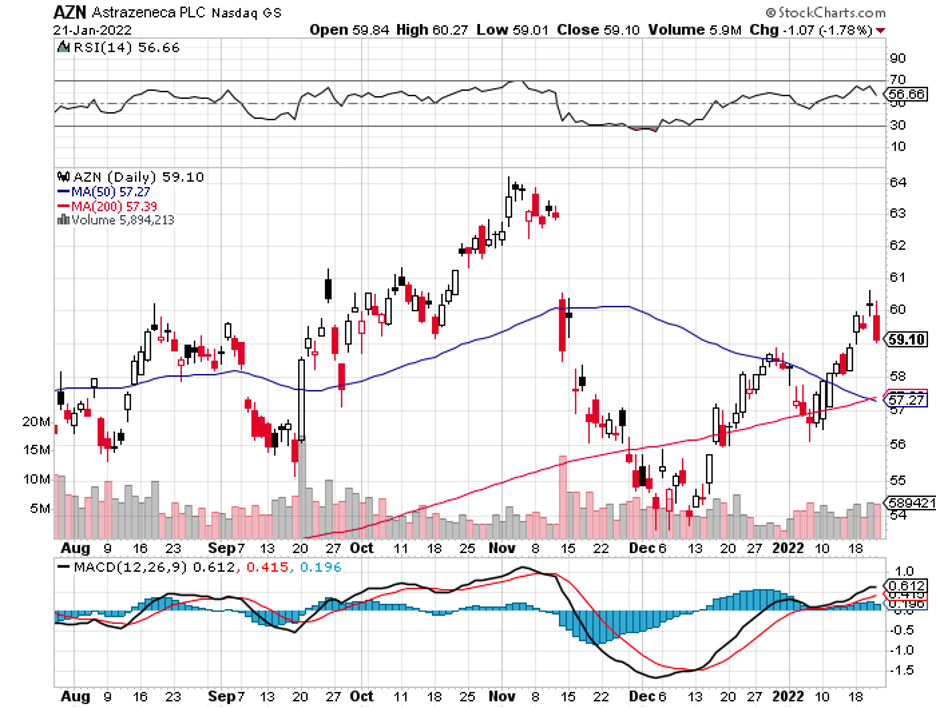
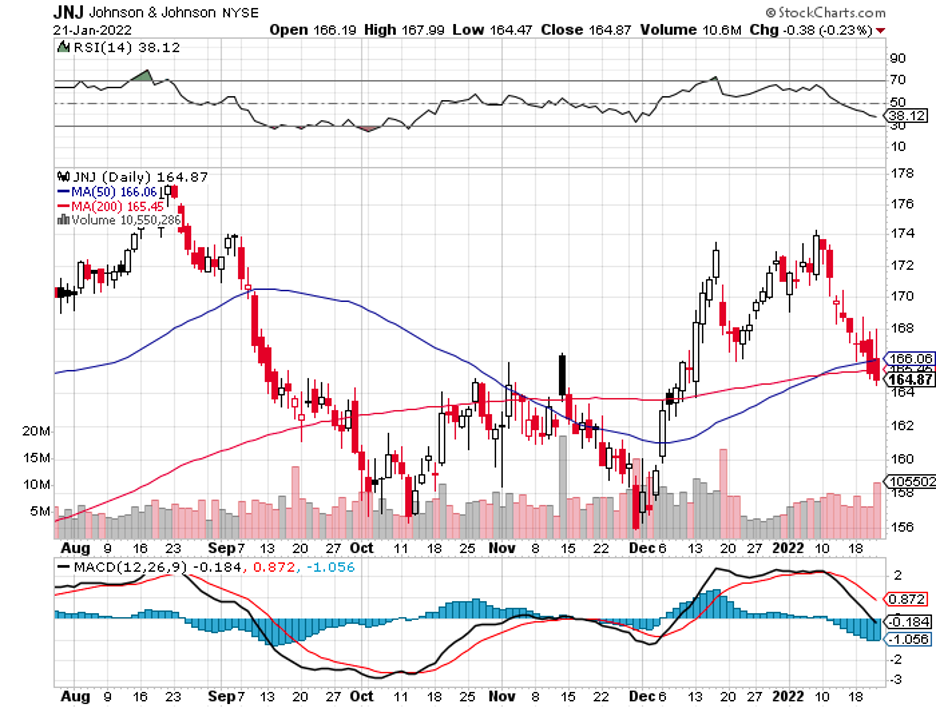
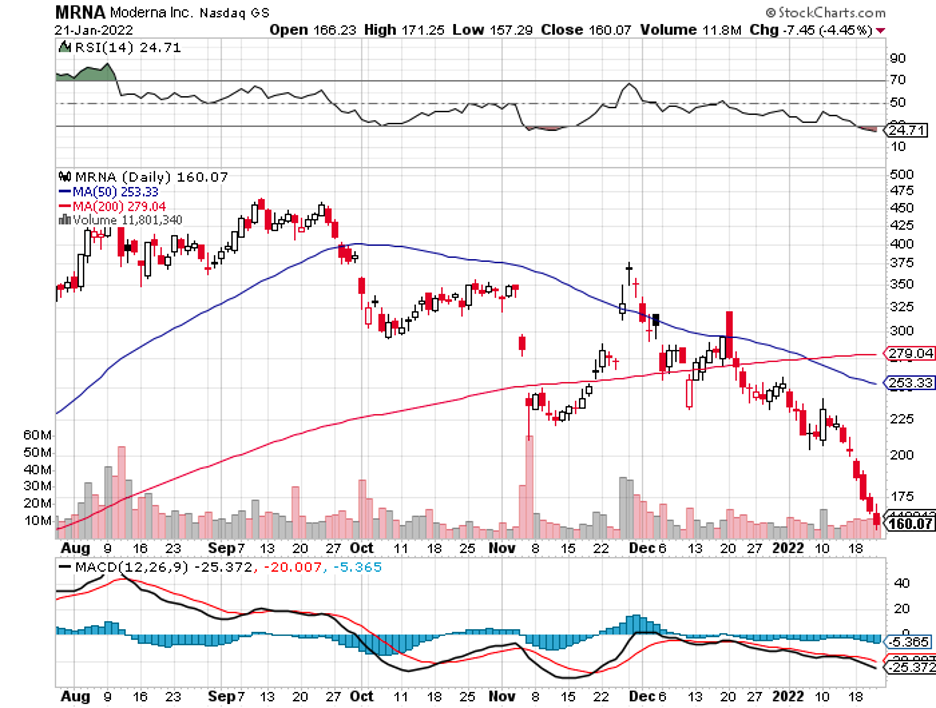
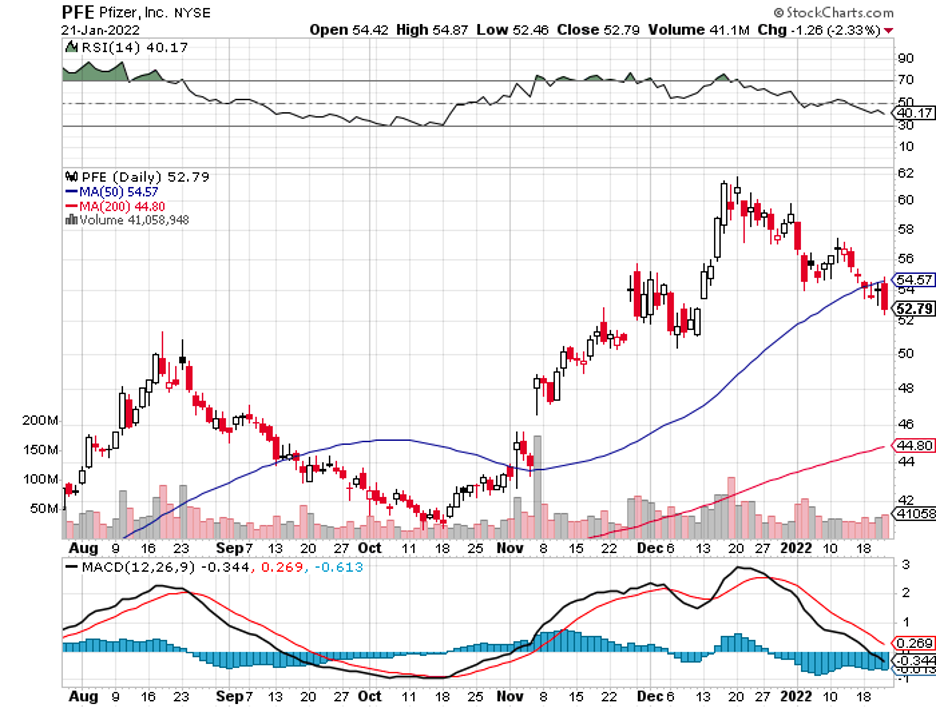
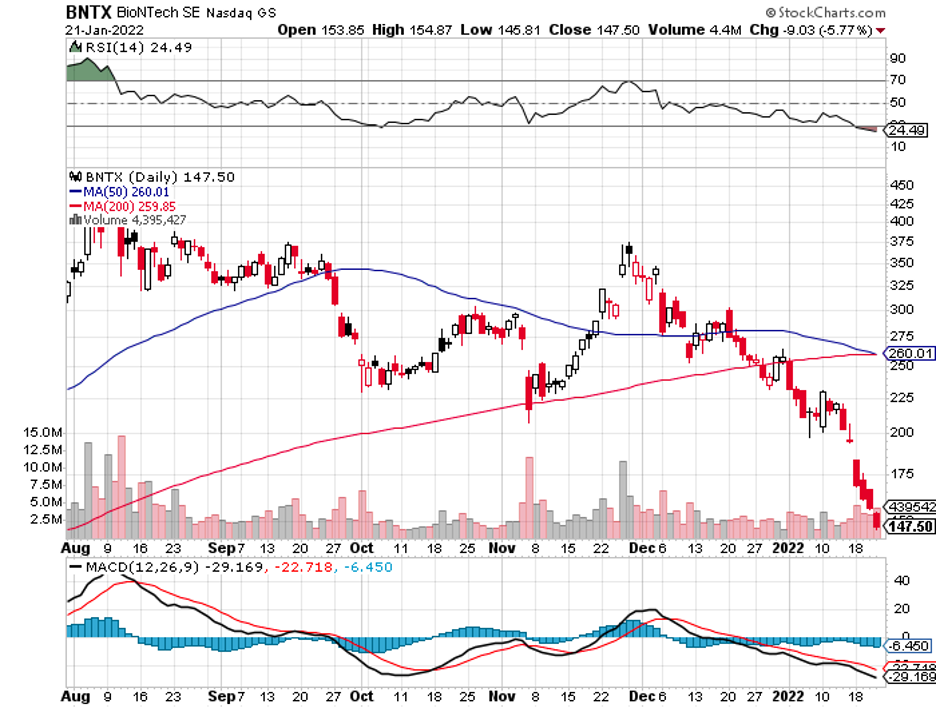
More have been attempting to join Pfizer (PFE), BioNTech (BNTX), AstraZeneca (AZN), Johnson & Johnson (JNJ), and Moderna (MRNA) in sustaining and even boosting the momentum in terms of vaccine development and launch of new drugs in the market.

While the biotechnology and healthcare industry will still predictably have COVID-19 as one of its priorities, I can see a number of promising developments waiting to be unleashed to the public this year.

One is the expansion of mRNA applications to go beyond its potential as a coronavirus vaccine.

In the first three quarters of 2021, Moderna recorded $10.7 billion in sales for its mRNA vaccine while Pfizer-BioNTech raked in $39 billion—and these numbers are expected to soar even higher for 2022.

However, what’s more promising is that the pandemic revealed an undeniable and irrefutable fact: mRNA-based treatments could be administered safely and successfully to patients.

That discovery appears to have bolstered investor confidence in the technology, as an increasing number of RNA-based drug developers managed to lure hundreds of millions in terms of financing.

China’s Abogen Biosciences received over $700 million in its Series C round last August, while another RNA-focused biotech, Massachusetts-based Laronde, raked in $440 million in a Series B round during the same period.

Another technology on the rise is artificial intelligence (AI).

For years, AI has grown from science fiction tales to real-life applications. Lately, this segment has shown signs of finally coming up with a breakthrough.

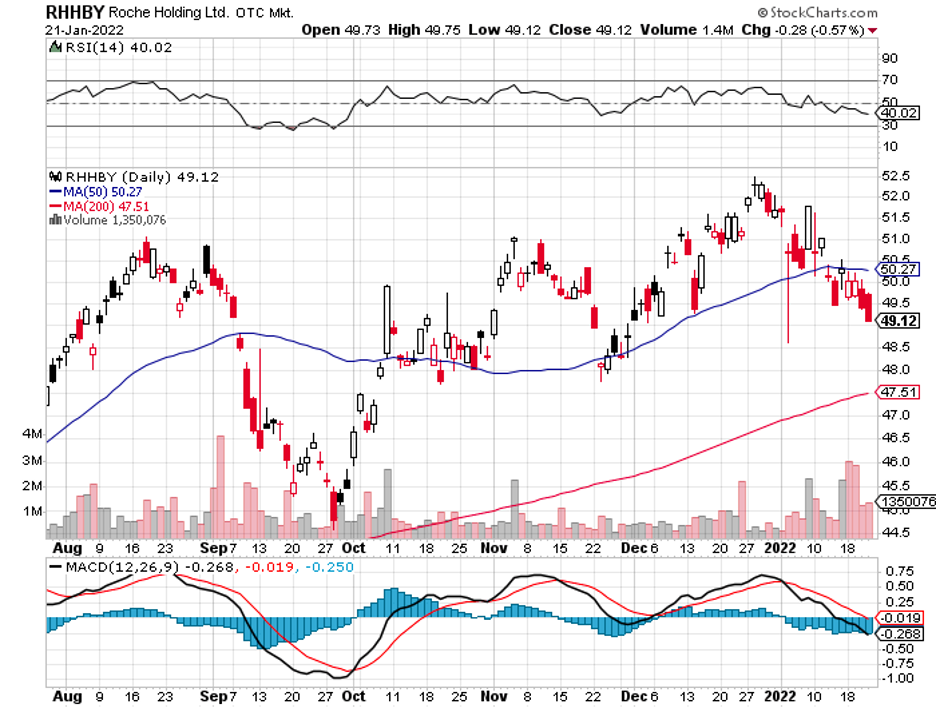
In fact, something groundbreaking might arise in the healthcare world courtesy of Roche (RHHBY) and its Genentech subsidiary.

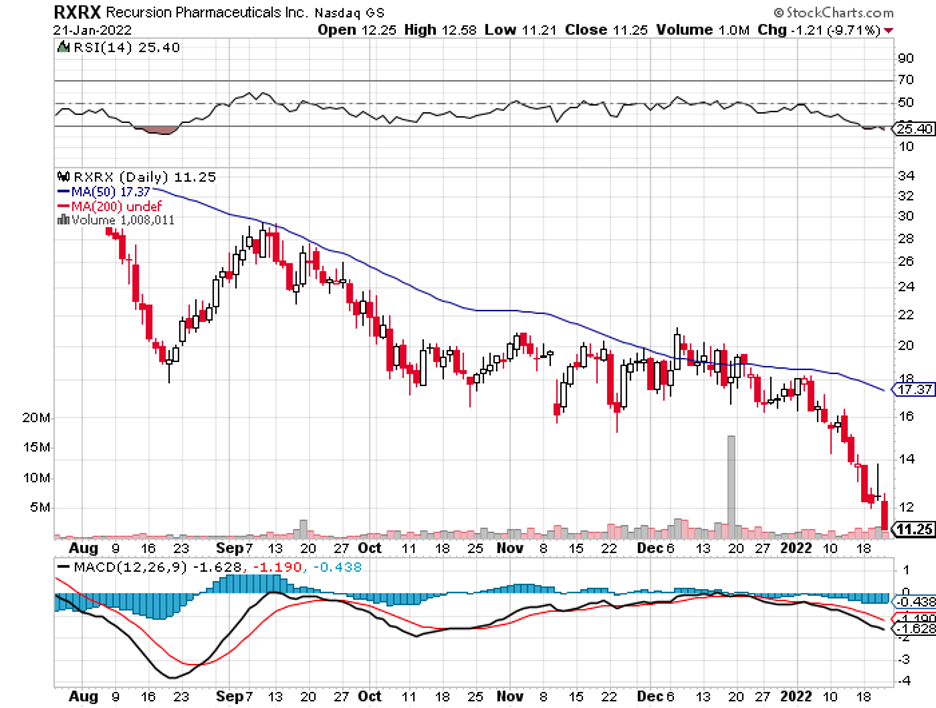
After all, these two became the talk of the industry in December 2021 when they committed roughly $12 billion in exchange for access to the revolutionary operating system of Recursion Pharmaceuticals (RXRX).

Ultimately, the collaboration aims to come up with advanced treatments—40 programs in total—for various conditions, focusing on neuroscience and oncology.

Aside from mRNA and AI, another sector that’s expected to rally this year is the cell and gene therapy segment.

So far, more capital has poured into this area and a growing number of programs are entering Phase 3 trials.

In the first six months of 2021 alone, gene therapy companies raised approximately $6.4 billion in funding and queued 376 trials.

This notably surpassed 2020’s performance, which recorded $2.2 billion and 359 trials.

By the second half of 2021, big money started to come in with billion-dollar partnerships cropping up everywhere.

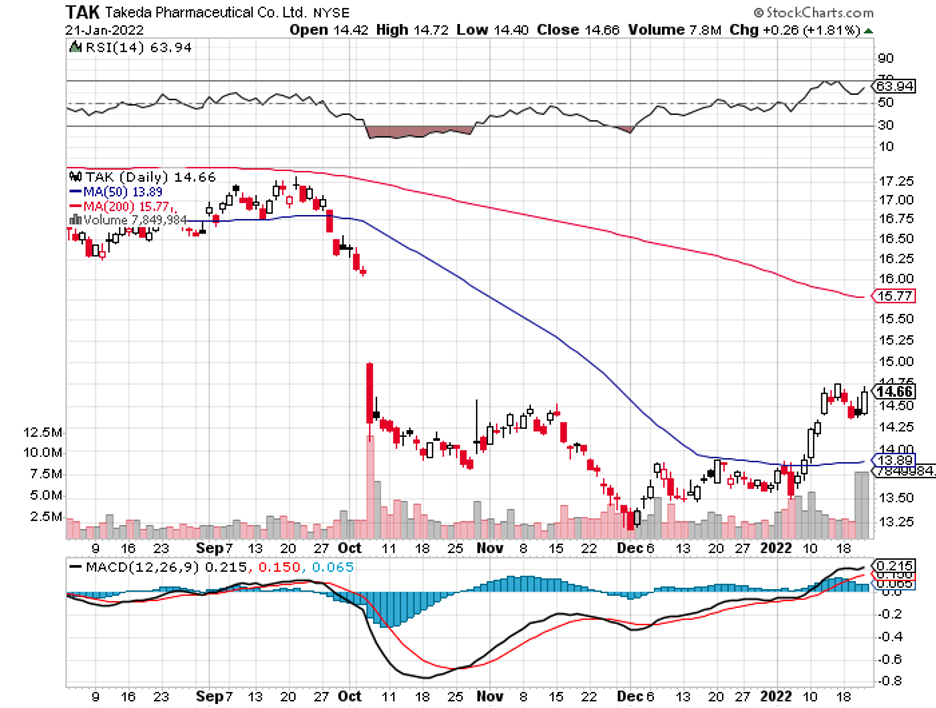
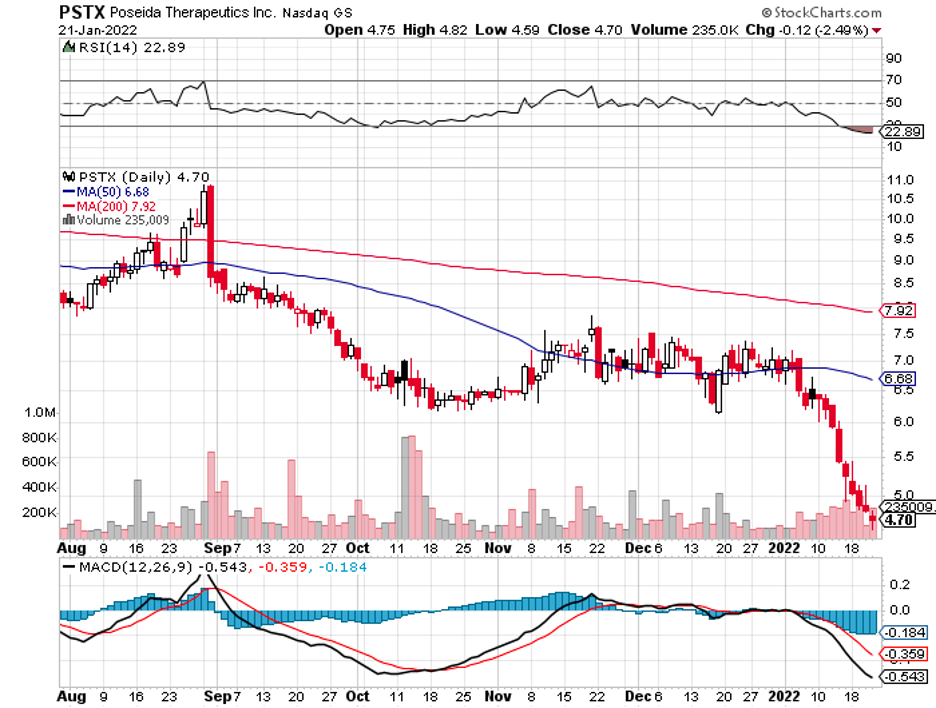
These included Takeda Pharmaceutical’s (TAK) collaboration with Poseida Therapeutics (PSTX), worth roughly $3.6 billion, as well as Roche’s partnership with Washington’s Shape Therapeutics at $3 billion.

On top of these exciting breakthroughs is another exciting development: synthetic biology.

In the first six months of 2021, the synthetic biology segment attracted about $8.9 billion in venture funding.

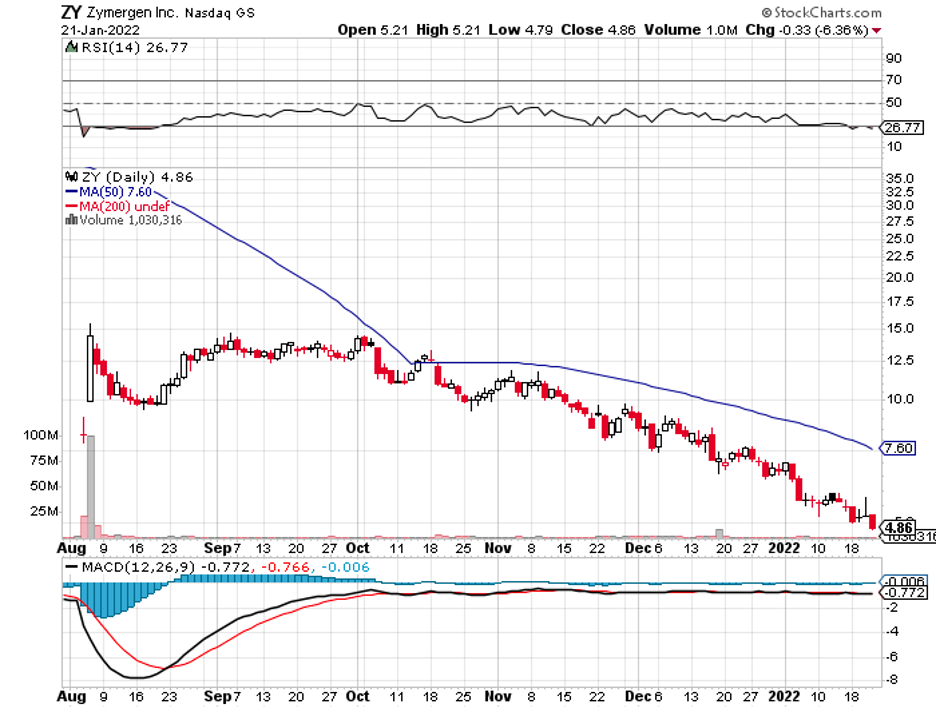
To top it off, the sector managed to launch two successful IPOs last year: Zymergen (ZY) and Ginkgo Bioworks (DNA).

Considering the growing momentum in this field, synthetic biology is anticipated to remain on track and achieve full-scale marketing and manufacturing across many applications. These can span from essential medicines to even various foods such as dairy and meat.

Although the biotechnology and healthcare sector struggled in the past months, it’s undeniable that the market still has faith in the industry’s future and potential.

In fact, investors showered the biotechnology segment with a record-breaking $24 billion in terms of venture capital in the first three quarters of 2021, exceeding the $20 billion total generated in 2020.

Throughout the years, biotechnology has transformed from a restrictive academic enterprise into a booming industry with real-world applications.

Looking at the history and trajectory of this sector, I can say that the trend will continue into 2022 and beyond.
biotechnology


biotechnology


biotechnology


biotechnology


biotechnology


https://madhedgefundtrader.com/wp-content/uploads/2019/05/cropped-mad-hedge-logo-transparent-192x192_f9578834168ba24df3eb53916a12c882.png 0 0 Mad Hedge Fund Trader https://madhedgefundtrader.com/wp-content/uploads/2019/05/cropped-mad-hedge-logo-transparent-192x192_f9578834168ba24df3eb53916a12c882.png Mad Hedge Fund Trader2022-01-25 17:30:052022-01-30 00:31:21What to Watch Out for in 2022
Mad Hedge Fund Trader

July 1, 2021

Biotech Letter


Mad Hedge Biotech & Healthcare Letter
July 1, 2021
Fiat Lux

FEATURED TRADE:

(NOT YOUR AVERAGE ONE-HIT WONDER)
(BNTX), (MRNA), (PFE), (REGN), (DNA)

https://madhedgefundtrader.com/wp-content/uploads/2019/05/cropped-mad-hedge-logo-transparent-192x192_f9578834168ba24df3eb53916a12c882.png 0 0 Mad Hedge Fund Trader https://madhedgefundtrader.com/wp-content/uploads/2019/05/cropped-mad-hedge-logo-transparent-192x192_f9578834168ba24df3eb53916a12c882.png Mad Hedge Fund Trader2021-07-01 15:02:152021-07-04 19:00:43July 1, 2021
Mad Hedge Fund Trader

Not Your Average One-Hit Wonder

Biotech Letter

It was only a few months ago when investors believed that COVID-19 developers like Moderna (MRNA) and BioNTech (BNTX) had enjoyed their best performances.

With the uncertainty returning, many figured that the profits and revenues for these stocks have dried up as well.

This isn’t the case these days, though. If anything, it looks like these companies have incredibly bright futures ahead.

BioNTech, in particular, shows tremendous promise after emerging as one of the most compelling success stories in the scientific world during the pandemic.

Working alongside Pfizer (PFE), this German biotechnology company created the first-ever vaccine that utilized messenger RNA to receive authorization across the globe.

Since being a first mover in the COVID-19 vaccine race, BioNTech has established a strong financial position that gave it the capacity to pursue other breakthrough treatments in its pipeline.

Moreover, the general sentiment toward BioNTech remains positive thanks to the effectiveness of its vaccine.

Just last month, the US Centers for Disease Control and Prevention disclosed the latest data on the efficacy of mRNA-based vaccines. It showed an impressive 91% reduction rate in terms of infections based on real-life reports.

The sustained demand for COVID-19 vaccines also translated to an outpouring of orders, with BioNTech recently completing another agreement with New Zealand and even the Philippines.

Health officials are also looking into the need for booster shots, which means it’s entirely possible that a whole new revenue stream could open up for BioNTech once again.

In the first quarter of 2021, revenues from BioNTech’s share from the COVID-19 vaccine marketed alongside Pfizer amounted to over $3.5 billion, including milestone payments.

This puts it on track to reach the $8.3 billion revenues estimated from the vaccine alone in 2021.

Apart from its agreement with Pfizer, this German biotech has been ramping up its own production. So far, it anticipates selling roughly 250 million doses of the COVID-19 vaccine in the first half of 2021.

Let’s say that each dose is sold at $14, and BioNTech could sustain its manufacturing capacity until December, then it can supply a total of 500 million doses.

That would rake in $7 billion in direct revenue.

On top of these, BioNTech has a separate deal with China’s Fosun Pharma.

This means that the earlier estimate of $15 billion in revenue for BioNTech this year is definitely feasible.

However, that’s a conservative estimate.

BioNTech intends to expand its manufacturing capacity to produce 3 billion doses by the end of 2021 and more by 2022.

By next year, the entire world comprising 7 billion people would be eligible to take the vaccine shots as approvals get rolled out.

Even with the competition, BioNTech stands to cover at least 30% market share or roughly 2 billion doses in the years to come.

Despite the expected price reduction to probably $10 per dose, that’s still a whopping $20 billion in annual sales for a biotechnology company with a current market capitalization of $54.10 billion. 

Going back to its current deals with bigger biopharmaceutical companies, BioNTech had an impressive first quarter this year, showing off a 7,295% surge in its sales.

Leveraging this massive revenue stream, the company has boosted its pipeline programs and is pushing to ride the momentum.

So far, it has 14 drug candidates queued in clinical trials.

One of the most promising and advanced is its melanoma treatment pipeline, which has two programs slated to advance to Phase 2 within the year.

The first one, BNT111, is a collaboration with Regeneron (REGN), while the other, BNT122, is an approach developed alongside Genentech (DNA).

Aside from these programs, the company has also been busy working on developing mRNA-based treatments for various types of cancers.

If you’re one of the people who thought that the rise of the COVID-19 vaccine stocks is done the moment the entire US population gets vaccinated, then you’re not alone in that assumption.

You’d be surprised though at the strength of the staying power of companies like BioNTech have, especially when some things work out in their favor.

For context, BioNTech is only second to Volkswagen (VWAGY) in terms of profitability in Germany.

That means that a 13-year-old biotech company with fewer than 2,000 employees has grown so much in the past year that it’s now in the same conversation with a company employing over 600,000 people and has a history that predates World War II.

While COVID-19 upended the world, BioNTech has been granted the opportunity to show off its skills and grow its business

From being a virtually unknown company, it has become one of the fastest-growing biotech globally.

Looking at its performance in the past 12 months and its pipeline programs, it’s clear that BioNTech still has so much room for growth.

biontech covid-19

https://madhedgefundtrader.com/wp-content/uploads/2019/05/cropped-mad-hedge-logo-transparent-192x192_f9578834168ba24df3eb53916a12c882.png 0 0 Mad Hedge Fund Trader https://madhedgefundtrader.com/wp-content/uploads/2019/05/cropped-mad-hedge-logo-transparent-192x192_f9578834168ba24df3eb53916a12c882.png Mad Hedge Fund Trader2021-07-01 15:00:052021-07-07 22:30:24Not Your Average One-Hit Wonder
Mad Hedge Fund Trader

March 9, 2021

Biotech Letter

Mad Hedge Biotech & Healthcare Letter
March 9, 2021
Fiat Lux

FEATURED TRADE:

(AN MRNA STOCK TO CONSIDER)
(BNTX), (MRNA), (PFE), (NVS), (SNY), (AZN), (JNJ), (NVAX), (MRK), (BMY), (REGN), (DNA), (CVAC), (FB), (TSLA), (GOOG)

https://madhedgefundtrader.com/wp-content/uploads/2019/05/cropped-mad-hedge-logo-transparent-192x192_f9578834168ba24df3eb53916a12c882.png 0 0 Mad Hedge Fund Trader https://madhedgefundtrader.com/wp-content/uploads/2019/05/cropped-mad-hedge-logo-transparent-192x192_f9578834168ba24df3eb53916a12c882.png Mad Hedge Fund Trader2021-03-09 11:02:522021-03-09 17:32:46March 9, 2021
Mad Hedge Fund Trader

January 14, 2021

Biotech Letter

Mad Hedge Biotech & Healthcare Letter
January 14, 2021
Fiat Lux

FEATURED TRADE:

(ARE THESE THE NEW NEUROSCIENCE TRAILBLAZERS?)
(LLY), (BIIB), (MRNA), (DNA)

https://madhedgefundtrader.com/wp-content/uploads/2019/05/cropped-mad-hedge-logo-transparent-192x192_f9578834168ba24df3eb53916a12c882.png 0 0 Mad Hedge Fund Trader https://madhedgefundtrader.com/wp-content/uploads/2019/05/cropped-mad-hedge-logo-transparent-192x192_f9578834168ba24df3eb53916a12c882.png Mad Hedge Fund Trader2021-01-14 14:02:392021-01-14 16:32:55January 14, 2021
Mad Hedge Fund Trader

Are These The New Neuroscience Trailblazers?

Biotech Letter

Aducanumab isn’t going gently into the night.

Positive data from Eli Lilly (LLY) breathed renewed interest in the efforts to find a cure for Alzheimer’s disease, the most common form of dementia and the sixth leading cause of death among Americans.

With 1 in 10 people aged 65 and older suffering from this condition, it’s no wonder that Big Pharma has invested so much in searching for a treatment.

Lilly’s candidate, Trailblazer-ALZ 2, is in its Phase 2 trials. Results showed that the progression of moderate Alzheimer’s disease among patients who took the drug showed a 32% decline compared to a placebo.

In a sector riven by failure and with a potential target market as lucrative as $30 billion annually, investors welcomed Lilly’s news with enthusiasm.

If successful, Trailblazer-ALZ 2 could reach $5 billion in peak sales. As expected, the results boosted Lilly’s stock, with it rising by 14% from $166 to $190.

While the Lilly study is promising, it involved only 272 patients.

This is easily dwarfed by Biogen’s (BIIB) efforts to find a cure for Alzheimer’s. As of last count, the giant biotechnology company’s previous trial for its own drug, Aducanumab, involved over 3,200 patients.

More importantly, Lilly’s Trailblazer-ALZ 2 is projected to hit the market in 2025, while Biogen’s Aducanumab is “ready to go.”

Aducanumab is a monthly infusion designed as a long-term treatment for generally healthy individuals who are beginning to show symptoms of Alzheimer’s disease.

Although this treatment has yet to be approved, the FDA is said to be in favor of its approval.

Outside the US, Biogen has also filed for potential approval in Japan and Europe. All approvals could come by early to mid-2021. 

If approved, Aducanumab is expected to reach $12 billion in peak sales.

While this plan is still up in the air, the $12 billion in sales alone could easily justify the entire company’s current valuation.

Despite the uncertainty, Biogen remains promising thanks to the high potential of the existing drugs in its roster and its R&D unit.

In terms of pipeline, the company has at least 30 active clinical programs. Eight of which are already in Phase 3 and filed, including Aducanumab.

In recent years, Biogen has been focusing on expanding its neuroscience segment.

With over $28 billion potential market size, it no longer comes as a surprise why Biogen is pouring in cash in this particular sector.

Bolstering its efforts in the neuroscience segment, Biogen has recently invested in the Series A round of Atalanta Therapeutics, a Boston-based pioneering neurodegenerative diseases biotechnology company founded in 2018.

Attracted by Atalanta’s research on siRNA, which are molecules that can “silence” genes in the brain, Biogen and another biotechnology bigwig, Genentech (DNA), invested a combined $110 million to get a piece of the action.

Specifically, Biogen signed up to collaborate with Atalanta on treatments for Huntington’s along with several other central nervous system disorders.

As for Genentech, the $73.9 billion valued company’s deal with Atalanta covers Alzheimer’s and Parkinson’s.

In both agreements, Atalanta gets upfront payments, milestones, and royalties.

What we know so far is that Atalanta’s siRNA can silence Huntington's disease gene for at least six months. It can also alleviate symptoms affecting the spinal cords, but this part of the research has only been done on nonhuman primates.

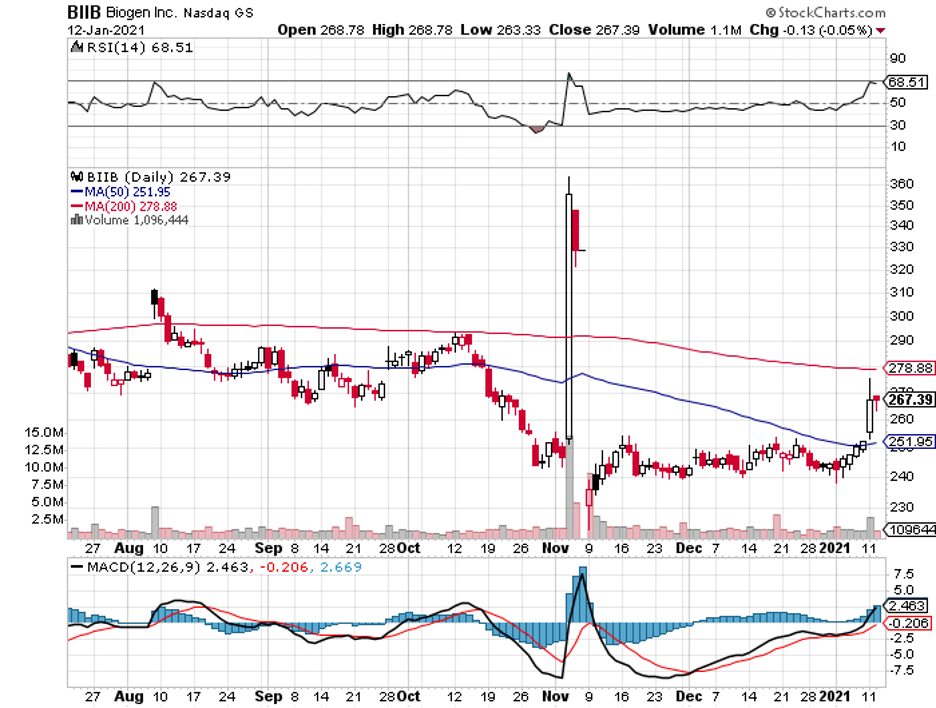
Biogen, which has a market capitalization of $41.15 billion, has seen its share price fluctuate dramatically due to concerns over its Alzheimer’s drug.

The company withstood significant volatility in 2020, experiencing over 40% price swings in both directions. This is primarily because of the ups and downs of its Aducanumab trials, which heavily swayed the opinion of market participants.

Moving forward, I expect Biogen to have a massive year this 2021.

That’s the upside of this stock.

Even at its midpoint and if major treatments like Aducanumab fail to gain approval, I still anticipate a respectable year for this biotechnology company. That kind of security is worth paying attention to, and it can also signal its capacity to drive strong rewards.

Biogen has been shunned in the past year due to its volatility.

After all, who would want to invest in an unpredictable drug like Aducanumab when there are major stock indices and newcomers like Moderna (MRNA) making record-breaking highs?

For investors willing to look beneath the surface though, Biogen offers so much more than what meets the eye.

aducanumab

https://madhedgefundtrader.com/wp-content/uploads/2019/05/cropped-mad-hedge-logo-transparent-192x192_f9578834168ba24df3eb53916a12c882.png 0 0 Mad Hedge Fund Trader https://madhedgefundtrader.com/wp-content/uploads/2019/05/cropped-mad-hedge-logo-transparent-192x192_f9578834168ba24df3eb53916a12c882.png Mad Hedge Fund Trader2021-01-14 14:00:372021-01-16 20:46:59Are These The New Neuroscience Trailblazers?
Mad Hedge Fund Trader

November 24, 2020

Biotech Letter

Mad Hedge Biotech & Healthcare Letter
November 24, 2020
Fiat Lux

FEATURED TRADE:

(WATCH OUT FOR BIONTECH’S HOCKEY STICK GROWTH)
(BNTX), (PFE), (AZN), (MRNA), (JNJ), (REGN), (DNA)

https://madhedgefundtrader.com/wp-content/uploads/2019/05/cropped-mad-hedge-logo-transparent-192x192_f9578834168ba24df3eb53916a12c882.png 0 0 Mad Hedge Fund Trader https://madhedgefundtrader.com/wp-content/uploads/2019/05/cropped-mad-hedge-logo-transparent-192x192_f9578834168ba24df3eb53916a12c882.png Mad Hedge Fund Trader2020-11-24 13:02:492020-11-24 14:23:35November 24, 2020
Mad Hedge Fund Trader

Watch Out for BioNTech's Hockey Stick Growth

Biotech Letter

BioNTech (BNTX) is the perfect example of an old saying, “Timing is everything.”

Coming from its humble IPO in 2019, this biotechnology company now sports a $25 billion market capitalization—a number that could still go up once its COVID-19 vaccine candidate with Pfizer (PFE) receives US and EU nods.

What we know so far is that their COVID-19 vaccine candidate could secure an emergency approval as early as December and start delivery before Christmas.

Although it’s still not available in the market, the effect of its COVID-19 vaccine candidate, called  BNT162, has made itself known in BioNTech’s earnings report.

The company reported roughly $80 million in revenue in the third quarter of 2020 alone—an impressive 135% jump from its previous performance in the same period last year.

To date, BioNTech and Pfizer are estimated to supply roughly 1.3 billion doses by the end of 2021.

Additional orders could still come in though, which is why the two companies have been busy scaling their manufacturing capacities.

If all goes according to plan, then the expected returns from their COVID-19 vaccine sales could come sooner than initially thought.

Recent reports reveal that Moderna’s (MRNA) COVID-19 vaccine candidate also showed over 90% efficacy. Even AstraZeneca’s (AZN) candidate with Oxford University disclosed promising results.

However, BioNTech and Pfizer’s candidate has a couple of competitive advantages.

The first would be its 95% efficacy, which gives the two companies the commanding position and effectively relegates the rest as second grade options.

Their candidate showed no safety concerns—a major issue for AstraZeneca and Johnson & Johnson’s (JNJ) candidates.

Third, the partners have been able to reassure their capability to manufacture at scale—an issue that would pose problems for other developers like Moderna.

In fact, BioNTech acquired a vaccine manufacturing plan in Germany just last September to meet the demand for 250 million doses by mid-2021 and another 80 million doses monthly thereafter.

In terms of manufacturing capacities, the two potential competitors of BioNTech and Pfizer here are AstraZeneca and JNJ. Both have already paused their trials and are now falling behind in terms of the rigid schedule.

As for the other COVID-19 vaccine leader, Moderna has yet to prove that it can manufacture at scale.

BioNTech and Pfizer even shut down the red herring about the cooling and storage of their COVID-19 vaccine candidate. The two companies released their plans for distribution and detailed a strategy that’s not only feasible but also cheap.

Since the vaccine requires extremely low temperatures to maintain its efficacy, Pfizer and BioNTech will ship them from centralized warehouses via a thermal shipper.

This will ensure that the temperature is maintained for 10 days without the need to re-ice and up to 15 days with re-icing. A GPS will be used to monitor and track the integrity of the vaccine in real-time.

The impact of its sales from the COVID-19 vaccine would dwarf practically everything else in BioNTech’s financial statements.

However, this does not mean the biotechnology company will revert to its 2019 status once the peak of its COVID-19 vaccinations is over.

Instead, BioNTech will be in possession of an extremely valuable IP of an effective and working mRNA vaccine platform.

This will allow the company to apply the technology to other infectious diseases.

If it continues with its partnership with Pfizer, it can even develop vaccines for farm animals and domestic pets and market those under the bigger company’s animal healthcare spinoff, Zoetis (ZTS).

Here’s a bit of background on BioNTech.

Founded in 2008, BioNTech was created to develop hyper-personalized medicine and treatments.

At the center of its mission, the company’s basic idea is that the tumor found in each cancer patient is one of a kind.

To help find a cure or treatment, the company analyzes the tumor for its genetic signature.

Once they identify this unique element, they would develop gene-based therapies to limit the spread or even put an end to that particular occurrence of cancer.

If you think this is a lofty goal for a small biotechnology company, then you’d be surprised to find out that BioNTech proved their theories in 2017.

At the time, all 13 patients who underwent the analysis and received injections for genetically personalized therapies for their advanced-stage cancers.

Essentially, the cancer patients developed immunity from their own cancer. 

Apart from COVID-19 and cancer treatments, BioNTech is also working on treatments for tuberculosis, HIV, and several rare diseases.

Outside its partnership with Pfizer, it has been partnering with Regeneron (REGN) and Genentech (DNA).

Biotechnology stocks have the tendency to move when the companies release updates about their treatments under development.

For momentum investors, it’s crucial to be prepared for whatever happens in the aftermath.

Looking at the developments and other updates, BioNTech’s COVID-19 vaccine work could send this stock to the moon.

After all, its partnership with Pfizer resulted in what could be the most effective and efficient candidate to battle the pandemic.

This means that the demand for the vaccine would exponentially exceed the supply in the near future, with the majority of what can be manufactured getting pre-sold or call option reserved.

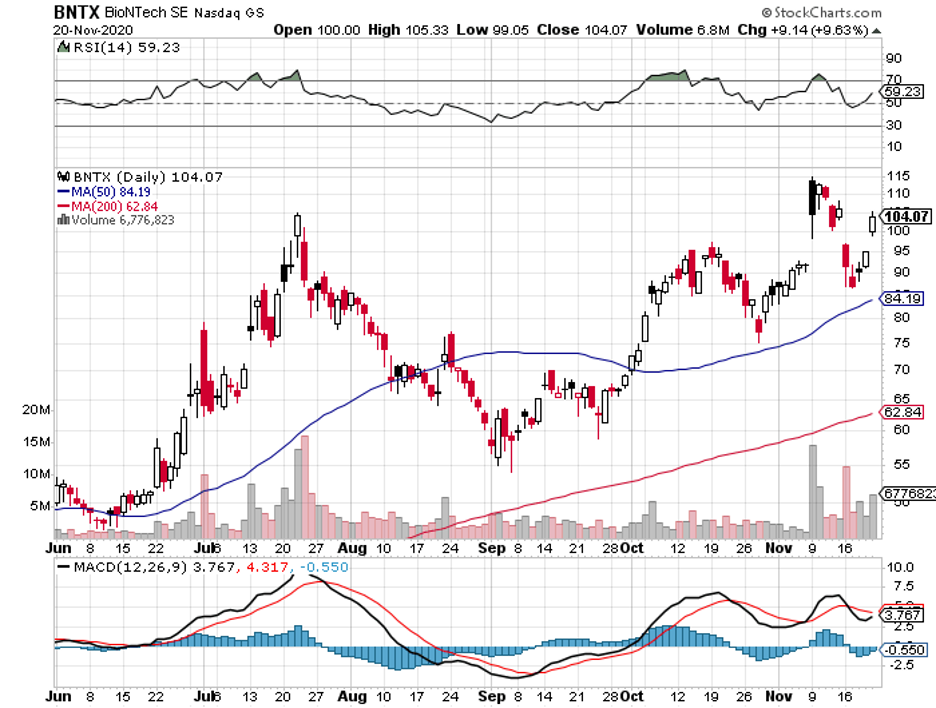
To date, BioNTech stock is trading at roughly $104 per share. However, I estimate that it could reach a target price of $600 by the first quarter of 2021.

biotech

https://madhedgefundtrader.com/wp-content/uploads/2019/05/cropped-mad-hedge-logo-transparent-192x192_f9578834168ba24df3eb53916a12c882.png 0 0 Mad Hedge Fund Trader https://madhedgefundtrader.com/wp-content/uploads/2019/05/cropped-mad-hedge-logo-transparent-192x192_f9578834168ba24df3eb53916a12c882.png Mad Hedge Fund Trader2020-11-24 13:00:472020-11-28 00:36:54Watch Out for BioNTech's Hockey Stick Growth
Page 2 of 212

tastytrade, Inc. (“tastytrade”) has entered into a Marketing Agreement with Mad Hedge Fund Trader (“Marketing Agent”) whereby tastytrade pays compensation to Marketing Agent to recommend tastytrade’s brokerage services. The existence of this Marketing Agreement should not be deemed as an endorsement or recommendation of Marketing Agent by tastytrade and/or any of its affiliated companies. Neither tastytrade nor any of its affiliated companies is responsible for the privacy practices of Marketing Agent or this website. tastytrade does not warrant the accuracy or content of the products or services offered by Marketing Agent or this website. Marketing Agent is independent and is not an affiliate of tastytrade. 

Legal Disclaimer

There is a very high degree of risk involved in trading. Past results are not indicative of future returns. MadHedgeFundTrader.com and all individuals affiliated with this site assume no responsibilities for your trading and investment results. The indicators, strategies, columns, articles and all other features are for educational purposes only and should not be construed as investment advice. Information for futures trading observations are obtained from sources believed to be reliable, but we do not warrant its completeness or accuracy, or warrant any results from the use of the information. Your use of the trading observations is entirely at your own risk and it is your sole responsibility to evaluate the accuracy, completeness and usefulness of the information. You must assess the risk of any trade with your broker and make your own independent decisions regarding any securities mentioned herein. Affiliates of MadHedgeFundTrader.com may have a position or effect transactions in the securities described herein (or options thereon) and/or otherwise employ trading strategies that may be consistent or inconsistent with the provided strategies.

Copyright © 2026. Mad Hedge Fund Trader. All Rights Reserved. support@madhedgefundtrader.com
Scroll to top