Those who have been dying of boredom during August -- the lowest volume, tightest ranging month in many years -- may be about to get their respite. September 12 (or Wednesday next week) offers a potential cornucopia of either fantastically good or terribly bad news, and maybe both.
Let me give you a program of the upcoming events on this momentous day:
*The German Supreme Court renders its decision on the legality of the country?s bailout of troubled southern Europe. If they approve, as expected, the Euro should rally to a new multi-month high, possibly as high as $1.29, triggering a global ?RISK ON? move. If they don?t, then the beleaguered continental currency craters very quickly back to $1.20, from whence it came.
*The Federal Reserve Open Market Committee meets, which may finally give us the good news on QE3. If they deliver, markets will gap up. If they don?t, then everyone will assume that quantitative easing at the next meeting is a sure thing and the markets will go to sleep until then. Personally, I don?t think the Fed will act until the Dow drops below 10,000 and puts the fear of God into everyone. This is the day when we find out how real the ?Bernanke/Draghi Put? is.
*Apple releases the iPhone 5, which will become the greatest consumer electronics release in history, and possibly the most expensive. It turns that that all those leaks I was receiving about timing, price, and performance were correct. This should cause the stock to blast through $700, which is why it is my largest position, with a 35% weighting in my model portfolio. But we may not get much more action than that for the short term. The iPhone 5 launch is what the last $160 point move up since the end of May has been all about.
*The next biweekly Mad Hedge Fund Trader global strategy webinar takes place. Yikes! Whose idea was this? This timing is as bad as scheduling the Republican National Convention in Florida in the middle of the hurricane season. I may have to ask listeners to update me on prices while my broadcast is in progress, as I can?t tie up too much bandwidth with price feeds without crashing the program.
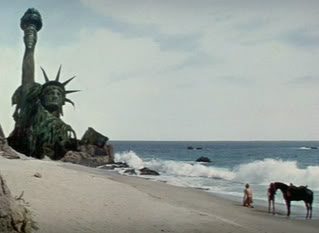
If you net out all the likely outcomes of the above, it is market positive. But surprises will have an outsized downside market impact. Whatever the case, life is about to become much more interesting.
How Real is the ?Bernanke/Draghi Put??
https://madhedgefundtrader.com/wp-content/uploads/2019/05/cropped-mad-hedge-logo-transparent-192x192_f9578834168ba24df3eb53916a12c882.png00DougDhttps://madhedgefundtrader.com/wp-content/uploads/2019/05/cropped-mad-hedge-logo-transparent-192x192_f9578834168ba24df3eb53916a12c882.pngDougD2012-09-05 01:59:412012-09-05 01:59:41I Can?t Wait Until September 12.
Following Howard Ruff for the last 35 years has always been eye opening, if not entertaining. The irascible Mormon is the publisher of Ruff Times ( http://www.rufftimes.com? ), one of the oldest investment letters in the business, and one of the original worshipers of hard assets.
The great thing about the end of the world crowd is that all of their trades are going gangbusters now and we?re all still here. Talk about a win-win! He says that any investment denominated in dollars is a mistake, which is in a long term down trend, along with all paper assets. Silver (SLV) is his first choice, which will outperform gold, and eventually top $100 from the current $27. His personal target for the barbarous relic (GLD) is $2,300, but that might prove conservative.
With the Chinese building 100 nuclear power plants over the next ten years, uranium (CCJ) has great potential. Equities may never come back from their lost decade. Don?t buy ETF?s because they are just another form of paper, and may not actually own the gold or silver they claim. The government is laying the foundation for a massive inflation, which will begin soon.
Howard has long been considered card-carrying member of the lunatic fringe of the investment world, sticking with hard assets throughout their 20 year bear market during the eighties and nineties, and annually predicting the demise of the federal government. Maybe it?s a case of a broken clock being right twice a day, but in recent years I find myself agreeing with Howard more and more. Whether that means I?m now a lunatic too, only time will tell.
https://www.madhedgefundtrader.com/wp-content/uploads/2012/08/end.jpg233319DougDhttps://madhedgefundtrader.com/wp-content/uploads/2019/05/cropped-mad-hedge-logo-transparent-192x192_f9578834168ba24df3eb53916a12c882.pngDougD2012-08-31 00:11:472012-08-31 00:11:47Business is Booming at Ruff Times
When I was remodeling my 160-year-old London house, the chimney was in desperate need of attention. After the bricklayer crawled up the fireplace, he found a yellowed and somewhat singed envelope addressed to Santa Claus. Thinking it was placed there by my kids, he handed it over to me. In it was a letter dated Christmas, 1910 asking for a Red Indian suit.
Europeans have long had a fascination with our Native Americans. So in preparation for my upcoming European strategy luncheon tour I thought I would get myself up to date about out earliest North American residents.
Business is booming on Indian reservations these days, or it isn?t, depending on where they live. Of the country?s 565 reservations, some 239 have moved into the casino business and the cash flow has followed. In 2010, Indian gaming reaped some $26.7 billion in revenues, or some $9,275 per indigenous native. That is a stunning 44% of America?s total casino revenues.
Some, like the Pequot tribe?s massive Foxwood operation just two hours from New York City, now the world?s largest casino, once had money raining down upon it. But the casino grew so large that it entirely occupied the diminutive Connecticut reservation allocated to it by an obscure 17th century.
During the salad days, the profits were so enormous that an annual $250,000 stipend was paid to each officially registered tribal member. A poker boom helped. No surprise that the tribe grew from 167 to 665 members during the last 30 years. Today, the operation is burdened with $2.5 billion in debt, thanks to some bad investments and an ill-timed expansion.
Casinos in more rural locations in the far west distant from population centers have fared less well. Those that contracted out for professional management from Las Vegas and Atlantic City firms, like Harrah?s, MGM, and Caesars, earn a modest living. But the reservations attempting local management on their own fall victim to inefficiencies, incompetence, corruption, over hiring of locals, and outright theft. Believe it or not, it is possible to lose money in the casino business, and some have had to shut down.
Overbuilding is another problem. It Northern New Mexico you can find several casinos within five miles of each other competing for the same customer. Most of their clients (real losers) are in fact local tribal members, the same individuals these houses are intended to help.
The 326 tribes that avoided the casino industry do so at the cost of a big hit to their standard of living. That explains why Native American median household income reaches only $35,062, compared to $50,046 for the US as a whole. Many, like the numerous Hopi, shun it because of their religion.
Without gambling there are few economic opportunities on the reservations. The parched conditions of the west limit farming. Unemployment runs as high as 80% on some reservations, such as the White Mountain Apaches. As a result, a high proportion of the country?s 2.9 million Native Americans are wards of the federal government, living on food stamps and other government handouts.
That?s not how it was supposed to be. The first modern reservation was set up for the Navajo tribe in 1851 at a baking hell hole on the Pecos River, with the intention of enforcing a primitive form of apartheid to insure their survival. Today, they are the most populous tribe, with 160,000, owning the largest reservation, at 24,000 square miles, mostly in Arizona.
Those who signed treaties early survived, which gave them status as an independent nation, but ceded all matters regarding defense to the federal government. In fact the Iroquois, Sioux, and the Chippewa separately declared war on Germany during WWII. Some even issue their own passports. Those that didn?t had to settle for much smaller reservations, or got wiped out.
In 1975, congress passed the Indian Self-Determination Act, which devolved power from the government to the tribes. Florida?s Seminole tribe won the right to open a casino in court in 1981, which was confirmed by the Supreme Court in 1987. After that, it was off to the races with Indian bingo parlors sprouting across the country.
During the 19th century Indian wars when hundreds of thousands died, the practice was to attack a wagon train, kill all the men, marry the women, and adopt the children. As a result, I am descended from three different tribes, the Delaware, Sioux, and the Cherokee, as are about a quarter of native Californians my age. So I tried to cash in on government largess by applying for tribal scholarships to go to college.
It was to no avail. Only those who can trace their lineage to a 1941Bureau of Indian Affairs census and are one eighth Native American can qualify. When whites married Indians 150 years ago, the?? common practice was to baptize them and give western names, making their origins untraceable. They were also pretty casual with marriage records in the Wild West. But we still have many of the wedding photos and know who they are.
I never did find out if that little boy got his Red Indian suit for Christmas, but I hope he did.
So, Should I Double Down?
https://www.madhedgefundtrader.com/wp-content/uploads/2012/08/indian.jpg229321DougDhttps://madhedgefundtrader.com/wp-content/uploads/2019/05/cropped-mad-hedge-logo-transparent-192x192_f9578834168ba24df3eb53916a12c882.pngDougD2012-08-31 00:05:122012-08-31 00:05:12A Snapshot of America?s Native Indian Economy
Here?s a chart that you don?t see very often, the one for iron ore priced in U.S. dollars. I?m sure that every miner working at BHP?s pits in the Australian outback goes to sleep with a print out of this chart clutched close to his chest. You can?t blame him, as his livelihood depends on it, and it has had a definite southerly tilt for the last two years, losing some 50% from the top.
The reasons are known by all. As Chinese growth downshifts from a torrid 13% annual rate to 7% now and possibly zero next year, the demand for Australia?s largest export has been evaporating like an ice cube in the western deserts. (BHP) has already cancelled one high profile project. There is news of contract defaults with Chinese buyers. Steel plants in the Middle Kingdom are seeing actual shutdowns.
As this is the world?s second largest bilateral trade after America?s oil imports from the Middle East, it offers a valuable window on the health of the global economy. And the patient currently has a bad case of the flu which may develop into a fatal case of pneumonia.
Now contrast this chart with the one for the S&P 500 (SPX), which couldn?t be more different. It has been in an uptrend for the past four years, has doubled off its 2009 low, and is on the verge of drifting up to four-year highs on no volume.
What gives? What we are seeing here is a classic war between the fundamentals and liquidity, and liquidity is winning. You would think that with the rest of the world headed for, or already in, recession, the market would be going to hell in a hand basket. Not so. Ben Bernanke and his central banker friends around the world have orchestrated a crescendo of printing presses that have kept the hopium coming and stock prices rising.
This leads me back to my headline, is ?RISK ON?/?RISK OFF? broken? It would certainly seem so as long as the Federal Reserve is keeping the pedal to the metal. So paper assets, like stocks and bonds, are enjoying their glory days. At the same time, any hard assets, especially those most consumed by China, like copper, iron, ore, sugar, zinc, Caterpillar (CAT) and Freeport McMoRan (FCX), are being beaten like the proverbial red-headed stepchild.
Gold (GLD) is getting a free pass from this punishment, as quantitative easing and the dollar devaluation it assures brings in lots of buyers. Oil (USO) is going up for all the usual geopolitical reasons, including Iran, Syria, Libya, and Hurricane Isaac.
So what?s a trader to do? For a start, it means you have to work harder. Making money is no longer a simple flip of the ?ON?/?OFF? switch. We now have to carefully analyze each asset class, industrial sector, and individual company looking to buy the cheapest ones and sell short the expensive ones against them.
Remember, while people have been bitching about falling volatility and low index returns, Apple (AAPL), my largest position, has soared by 70%. It?s not like this one was hard to find either. If fact, I can see their headquarters from my office window right now, while my iMac, iPad, iPhone 4s, and Airbook are charging.
Of course, there is one way to duck the new, heavy workload, and that is to leave all the heavy lifting to me. Making money in tough conditions like this is something that I thrive on. For the first time, I have sent out more trade alerts than newsletters this month, and the model portfolio has been up almost every day for four months.
Remember, the answer to all questions is to buy my newsletter.
Buy to Cover the Short position in the (TLT) September $116-$111 put spread at $0.07 or best
Closing Trade
8-28-2012 ? 11:30 AM EST
expiration date: 9-21-2012
Portfolio weighting: 5%on a delta basis
($5,000/100/$0.07) = 25 Contracts
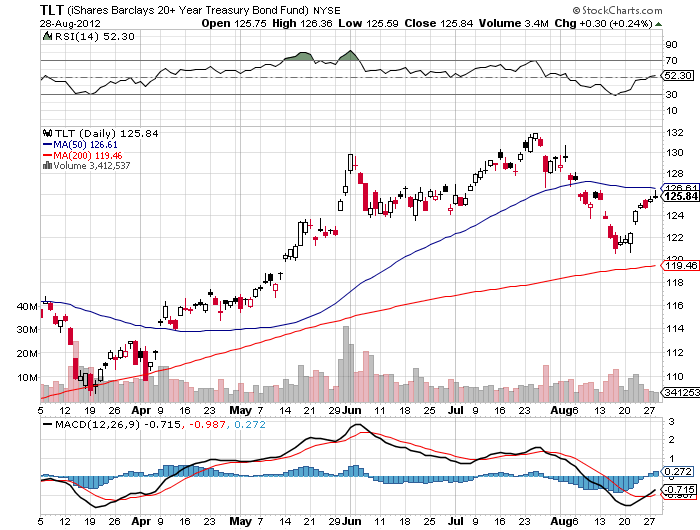
Eight days ago, I was dead-on correct in predicting that a risk reversal in the markets was imminent, and the Treasury bond market was ripe for at least a five point rally. Well, I lied. Instead we got a six points rally which has taken the value of our short position in the (TLT) September $116-$111 put spread from $0.37 to only $0.07, a drop of 81%.
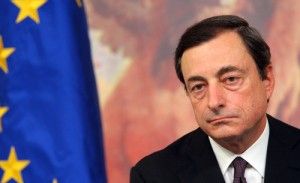
The original 12 point collapse in the (TLT) was caused by comments made by European Central Bank President, Mario Draghi, who in July, said that he would do ?whatever it takes? to save the Euro. It was one of the easiest bets of the year that Mr. Mario would not follow up his words with action, especially during August, when the entire European leadership was taking their annual six week vacation on the Isle of Sylt, the South of France, or at Bognor Regis. Reminder to newbies and beginners: making money is not always this easy.
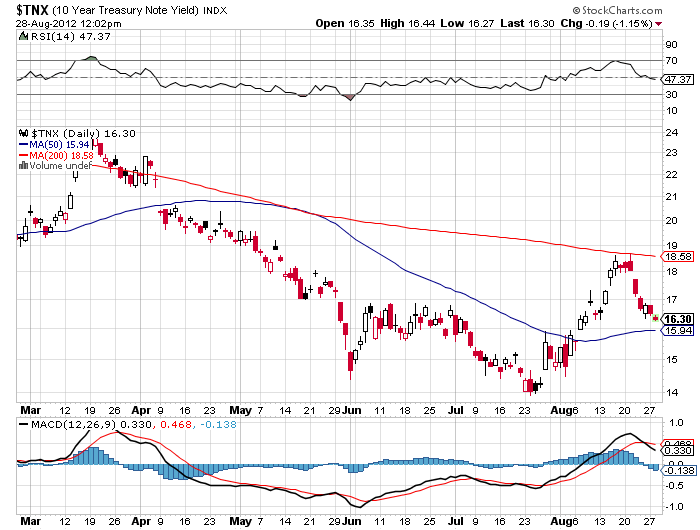
It is a no brainer to take profits here. Yields have plummeted from a high of 1.92% down to 1.63% in a mere eight days. We are now dead in the middle of the three month trading range for the (TLT). We get to come out three days before Ben Bernanke gives his Jackson Hole speech which could rile the financial markets. We also get to duck the coming weekend when Mario Draghi is prone to antics of the quantitative easing variety.
By coming out here, you also free up margin to do more interesting things in gold, silver, the Japanese yen, the Russell 2000, the S&P 500, and Apple. On top of all that, we have squeezed out the bulk of the profit on this position in just eight days. It is not worth it to hang on until September 21 only for 17 more basis points. The world could end by then. The risk/reward ratio is no longer favorable. Remember: hogs get fed, pigs get slaughtered.
The better way to play this move would have been to buy outright calls or call spreads on the (TLT), which would have added a hefty 5% to our year-to-date performance. But the melt up happened so fast, it was hard to pick a good entry point.
The profit on this trade is $0.37 - $0.07 = $0.30
That adds (25 X 100 X $0.30) = $750, or 0.75% to? the notional $100,000 portfolio.
To execute this trade:
Buy to cover the September, 2012 (TLT) $116 puts at..$0.11
Sell the September, 2012 (TLT) $111 puts at????.$0.04
Net Cost to cover:???????.?.??????...$0.07
Enter this trade as a single day limit order for the entire spread, not the individual legs. If you don?t get done, work your limit up a penny at a time. Your options trading platform should allow this. That keeps you from paying a double spread.
I am happy to report that this is the 14th consecutive profitable closing trade alert. If you add the 8 unrealized profitable trades still on the books, this takes my current run to 22 money-making ideas in a row.
Well, it?s back to my workout. I want to wear my Speedo with pride next summer on the Italian Riviera. On to the next one.
If you wish to receive trade alerts like this on a real time, instantaneous basis, please subscribe to my Trade Alert Service by clicking here .
Thank you Mr. Mario
https://madhedgefundtrader.com/wp-content/uploads/2019/05/cropped-mad-hedge-logo-transparent-192x192_f9578834168ba24df3eb53916a12c882.png00DougDhttps://madhedgefundtrader.com/wp-content/uploads/2019/05/cropped-mad-hedge-logo-transparent-192x192_f9578834168ba24df3eb53916a12c882.pngDougD2012-08-28 23:03:162012-08-28 23:03:16Closing Trade Alert on the (TLT)
I can?t tell you how many times I have received a call from the Joint Chiefs of Staff asking ?if country ?A? attacks country ?B? what is the effect on country ?Q? and ?Z?? After all, there is a pretty short list of those monitoring the global macro economy for 40 years with direct experience in the Middle East since 1968. So when I saw the 703 area code for the Pentagon light up on my caller ID, I thought ?Who is it this time??
It was the office of Army Chief of Staff, General Ray Odierno, calling, wondering if I would be free for lunch that day in San Francisco. The General had expressed interest in my recent piece, ?The Declining America Myth? and wished to explore my ideas further (click here for the link). General Odierno is the commander of the most effective fighting force in the history of warfare and has access to massive intelligence resources, so I thought I?d pick up some information useful to my readers.
Then I thought, ?Yikes!? I was already committed to some speaking engagements at the San Francisco Money Show that day. But duty calls. So a quick call to the organizer and my friend, Charles Githler, and I was able to roll over everything to the next day. That was fine, as long as I didn?t mind giving four speeches and doing three TV interviews in one day.
Hours later, I was briskly walking up Sutter Street to the Marines? Memorial Club. For good measure, I stopped at a barber shop and cut off all my hair. I have learned over the years that the more you look like someone, the more likely they are to confide in you. So it was ?number two buzz cut? here we come. The unexpected dividend of the move was that there was a definite upsurge in interest from the ladies, now that all the white hair was gone and I looked ten years younger.
When I saw the grey GM Suburbans out front and the attendant armed bodyguards, I knew he was early. General Odierno is a thickset man with a handshake like a vice grip. The hash marks practically made it up to his elbow. His uniform displayed a chest full of campaign ribbons and awards. His epaulettes displayed the four starts of a general. But I also noticed that he lacked the ones for Vietnam, his first action coming with Desert Storm. I must be getting old, I thought. Note to readers: much of what we discussed was classified and this piece has been cleared by Army censors.
The general was spending a few hours in the city on his way to visit Larry Paige and Sergei Brin at Google headquarters in nearby Mountain View. There he hoped to learn of the strategic value of the company?s newest online tools. Technology is now developing so fast that it is a challenge for the military to integrate it in to operations fast enough to have an immediate impact. In the aftermath of the Arab Spring, Facebook is now seen as being worth 10 divisions.
The present size of the army is 490,000, down from 1 million at the end of the Vietnam War. Plans are to reduce the force by 80,000 over the next decade, partly made possible by the withdrawal of troops from Iraq and Afghanistan. The goal is to offset this decline with stepped up training and education of the remaining soldiers to accept greater responsibilities. The challenge is to achieve this without ?hollowing out? our forces.
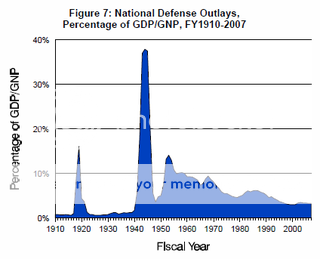
The Joint chiefs are well aware of the fiscal and deficit problems plaguing the US. During the Cold War, the base defense budget peaked at $400 billion, fell to 310 billion by 2001, and ratcheted back up to $510 billion after 9/11. Spending for Iraq and Afghanistan are separately appropriated funds that go on top of this. The target is to lower this to $489 billion over the next ten years. Manpower accounts for 50% of the defense budget, and the cost per soldier has doubled since 2000, making it far and away the biggest cost driver. If budget sequestration comes into force after November ?it will be difficult for the Army to accomplish its mission.?
Odierno says that the Army has made ?incredible progress? training local forces in Afghanistan.
The recent upsurge in suicide bombings and ?insider? attacks prove that the Taliban is losing and is being forced to retreat from the field. This should enable a cut in our forces there from 80,000 to 50,000 by 2014, reducing their role to counter-terrorism and training. While the drone attacks in Pakistan were controversial, they were bringing results, and a major part of the Taliban leadership has been wiped out.
He was optimistic about the future of Iraq. The country is expected to increase oil production from 3 million barrels a day to 5 million, making it the world?s fourth largest producer. If they share the wealth they can look forward to a more stable future. If they don?t, then the internal strife will continue. He wouldn?t get into whether it was a good idea to invade Iraq or not. But removing Saddam Hussein from the global stage has been good news for everyone, especially the Iraqis themselves.
Regarding Syria, Odierno said that he had prepared a list of options for President Obama, and it was up to him to decide what to do. It starts with the existing humanitarian aid and escalates in intensity from there. Next on the list is the enforcement of a ?no fly? zone. I asked why we didn?t just supply the rebels with hand held ?stinger? ground to air missiles, as we did in Afghanistan 25 years ago, with great success. He said it is unclear who the rebels really are and what they represent.
We know that Al Qaida is certainly on the ground in Syria, as foreign fighters account for 10% of the rebel force. The concern is that terrorists could get their hands on these missiles and use them against our own civilian airliners. Odierno chose his words very carefully, as if gingerly stepping through a minefield. Past experience tells me this means that action is imminent.
The general indicated that the Army was making a substantial investment in cyberwarfare. This goes far beyond simple antivirus protection and now includes protection of American financial and industrial networks. It also includes offensive capability. The next war may not start with flying bullets, but with a volley of pernicious computer files that disable enemy communications networks, military, and industrial facilities.
There are hints that this is already underway against Iran, which recently sustained serious damage to its nuclear program from the Israeli ?stuxnet? virus. One of his aides suggested that we now have the ability to ?fry? a country in ten minutes.
I asked the general about the upsurge in army suicides, which are now occurring in record numbers. He said that it was a reflection of American society as a whole, which is seeing a nationwide increase in suicide rates. These are not the fallout from post-traumatic stress, because over half of the deaths have been by soldiers who have never seen combat. The Army is now conducting educational programs to allow officers to identify those at risk. That is tough to do in a profession that values strength and sacrifice.
General Odierno graduated from West Point in 1976 with a commission in field artillery. He has commanded units in Germany, Albania, Kuwait, Iraq, and the US. He commanded the 4th Infantry Division during the invasion of Iraq, and years later became the operational commander for the highly successful ?surge? there. He has been the Army Chief of Staff since 2011.
When I got up to leave, he thanked me for my service. I said that his contribution had been infinitely greater. I reminded him that he had my number and could call at any time, and that I considered the opportunity to serve the country an honor and a privilege. With that, his security guard hustled him out of the room. I wondered how soon the next call would come.
Now Better Trained and Educated
https://madhedgefundtrader.com/wp-content/uploads/2019/05/cropped-mad-hedge-logo-transparent-192x192_f9578834168ba24df3eb53916a12c882.png00DougDhttps://madhedgefundtrader.com/wp-content/uploads/2019/05/cropped-mad-hedge-logo-transparent-192x192_f9578834168ba24df3eb53916a12c882.pngDougD2012-08-28 00:30:282012-08-28 00:30:28Lunch With the Army Chief of Staff
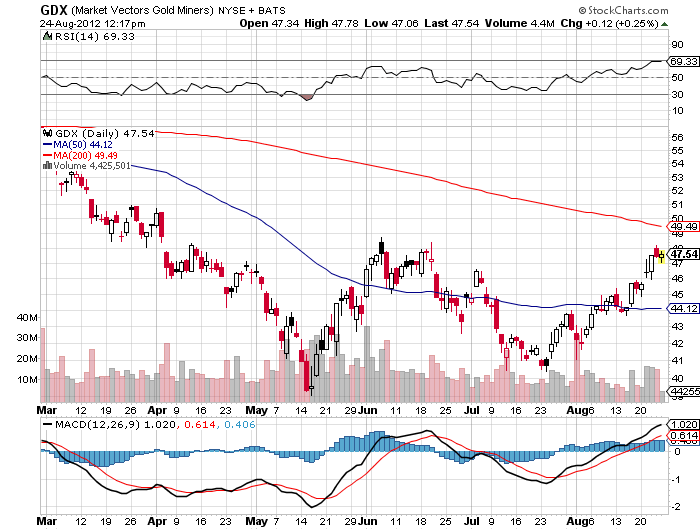
One of my best calls of the year was to plead with readers to avoid gold like the plague, periodically dipping in on the short side only. The barbarous relic has been in a bear market since it peaked at $1,922 an ounce at the end of August last year. Gold shares have fared much worse, with lead stock Barrack Gold (ABX) dropping 36% since then and the gold miners ETF (GDX) suffering a heart rending 43% haircut.
However, the recent price action suggests that hard times may be over for this hardest of all assets. Despite repeated attempts, the yellow metal has failed to break down below the $1,500 support level that I have been broadcasting as the line in the sand.
It has rallied $170 since the last try a few weeks ago. (GDX) has performed even better, popping 20%. For the last month, the entire precious metals space has traded like it was a call option on global quantitative easing (see yesterday?s piece). Dramatically worsening economic data is increasing the likelihood of further monetary easing generating a nice bid for gold.
Now the calendar is about to ride to the rescue as a close ally. It turns out that in recent years, there has been a major seasonal element to the gold trade, almost as good as the November/May cycle that drives the stock market. Gold typically sees a summer low. Then traders start anticipating the September Indian wedding season when the purchase of gifts and dowries become a big price driver. That explains why India, with a population of 1.2 billion, is the world?s largest gold buyer.
Next comes the Christmas jewelry buying season in western countries. That is followed by the gift giving and debt repayments during the Chinese Lunar New Year, during which we see multi-month peaks in the yellow metal. That is exactly what we saw this year. The only weakness in this argument is that a slowing Chinese economy could generate less demand this time.
These are heady inflows into such a small space. All of the gold mined in human history, from King Solomon's mines, to the bars still in Swiss bank vaults bearing Nazi eagles (I've seen them) would only fill 2.5 Olympic sized swimming pools. That amounts to 5.3 billion ounces, about $8.6 trillion at today's prices. For you trivia freaks out there, that is a cube with 66 feet on an edge. China is the largest producer (13.1%), followed by Australia (10%) and the U.S. (8.8%).
Peak gold may well be upon us. Production has been falling for a decade, although it reached 94 million ounces last year worth $153 billion at today?s prices. That would rank gold 5th as a Fortune 500 company, just ahead of General Electric (GE). It is also only .38% of global public debt markets worth $40 trillion.
That is not much when you have the entire world bidding for it, governments and individuals alike. Talk about getting a camel through the eye of a needle! We may well see the bull market end only when those two asset classes, government bonds and gold, see outstanding values reach parity, implying a major increase in gold prices from here. That is well above my own personal target of the old inflation adjusted high of $2,300. No wonder buying is spilling out into the other precious metals, silver (SLV), platinum (PPLT), and palladium (PALL).
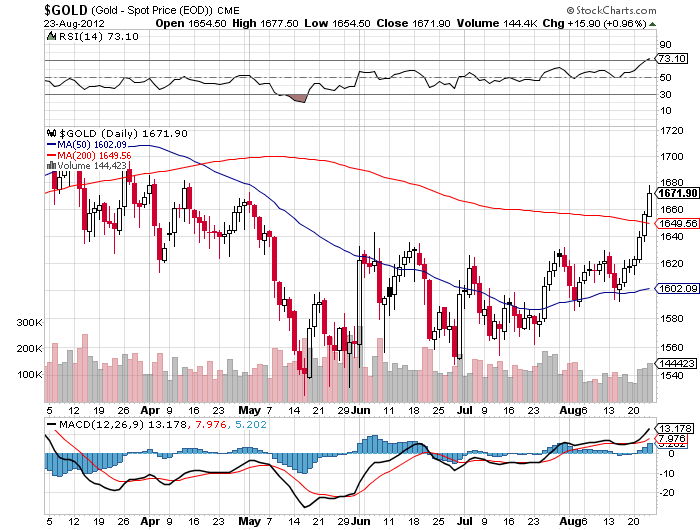
The thumbnail technical view here is that we have broken the 200-day moving average at $1,649, so we may have a clear shot at a new high. There may be an easy $100 here for the nimble, and more if we break that. The current global mood for more quantitative easing and lower interest rates certainly help. If you had any doubts for the need for such easing, taking a look at the chart below showing global Purchasing Manager Index?s heading in a clear southerly direction.
Not that it needs it, but gold is about to get some free advertising at this week?s Republican national convention in Tampa, Florida. The right wing of the party has long advocated a return to the gold standard, and a Romney win could take us closer to that goal. I don?t think there is a chance in hell of this ever happening, as it would be hugely deflationary. Still a vocal and very public discussion of the topic can?t be bad for gold prices.
When playing in the gold space, I always prefer to buy the futures or the (GLD), the world?s second largest ETF by market cap, either outright or through a longer dated call spread. The dealing costs are far too high for trading physical bars and coins, and can run as high as 30% for a round trip.
Having spent 40 years following mining companies, I can tell you that there are just way too many things that can go wrong with them for me to risk capital. They can get nationalized, suffer from incompetent management, hedge out their gold risk, get hit with strikes or floods, or get tarred by poor equity market sentiment. They also must endure the highest inflation rate of any industry, around 15%-20% a year, which hurts the bottom line.
Better just to stick with the sparkly stuff.
https://madhedgefundtrader.com/wp-content/uploads/2019/05/cropped-mad-hedge-logo-transparent-192x192_f9578834168ba24df3eb53916a12c882.png00DougDhttps://madhedgefundtrader.com/wp-content/uploads/2019/05/cropped-mad-hedge-logo-transparent-192x192_f9578834168ba24df3eb53916a12c882.pngDougD2012-08-26 23:04:072012-08-26 23:04:07Gold is Just Getting Started
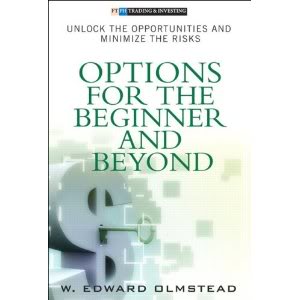
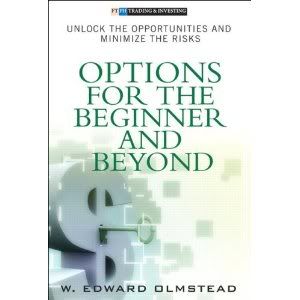
I strongly urge readers of this letter to log on to Amazon and buy a copy of Options for the Beginner and Beyond by W. Edward Olmstead. Options contracts offer investors a wonderful instrument for minimizing risk, while maximizing the upside, and I am going to recommend many more such strategies in the future. So, if you want to have the slightest idea of what I am talking about, get yourself some grounding in this important field by reading this book. You don?t have to be a math genius to figure this stuff out, and the risk reward benefits are great.
Olmstead, a math professor at Northwestern University, starts out with a basic Options 101 course, going into the merits of puts and calls. He catalogues the exchanges where they are listed, and the vast number of products that can be traded, including stocks, bonds, commodities, currencies, and precious metals. He goes into the mundane, but important details on the administration side of things, such as settlements. For the more technically inclined, he launches into options theory pricing, and goes into the origins and utility of the Black-Scholes equation. We learn about the arcane world of what traders call ?the Greeks?, the deltas, thetas, and vegas of individual positions. He then launches into basic option strategies, like call and put spreads, ratios, straddles, strangles, collars, and condors.
Don?t let these terms scare you off. It is really much easier than it sounds. In fact, you will be kicking yourself once you find out how easy it is. In order to buy the book at a discounted price and give yourself a genuine trading edge, just click here.
https://www.madhedgefundtrader.com/wp-content/uploads/2012/08/options.jpg300300DougDhttps://madhedgefundtrader.com/wp-content/uploads/2019/05/cropped-mad-hedge-logo-transparent-192x192_f9578834168ba24df3eb53916a12c882.pngDougD2012-08-26 23:02:322012-08-26 23:02:32Options for the Beginner
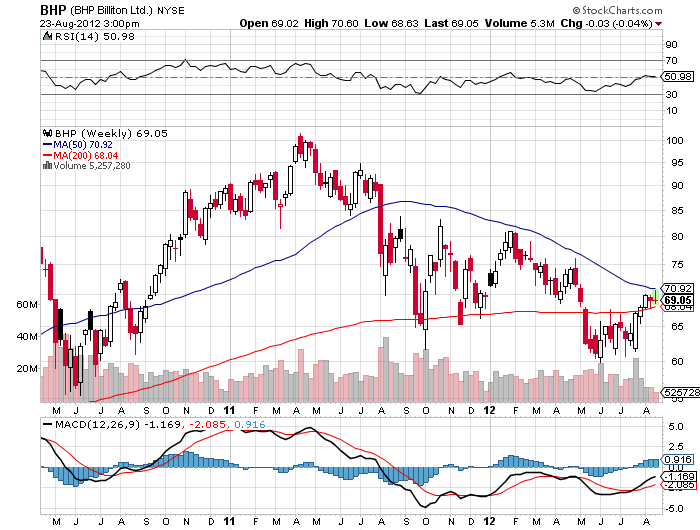
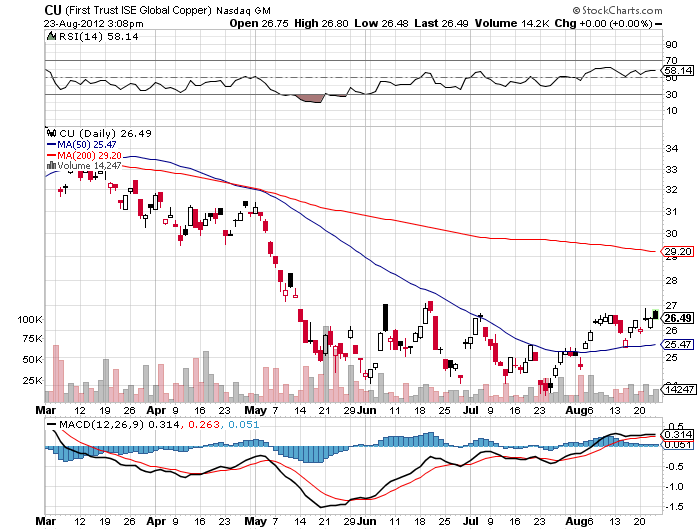
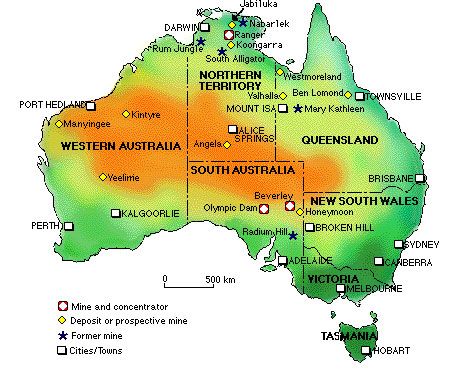
The decision by BHP Billiton, one of the world?s largest producers of copper, to postpone its planned $20 billion expansion of its Olympic Dam mine is sounding alarms about the near term state of the global economy. It is telling us that China is slowing faster than we thought, that demand for base metals is shriveling, and that we are anything but close to exiting out current market malaise. This is not good for risk assets anywhere.
The news comes on the heels of a company announcement that earnings would fall from $21.7 billion to $17.1 billion this year. The weakest demand from China in a decade was a major factor. So was the Fukushima nuclear disaster, which dropped prices for uranium, another product of the Olympic Dam mine. Piling on the headaches was a strong Australian dollar, which escalated capital costs. BHP CEO, Marius Kloppers, has said that there will be no new expansion of the company?s capacity approved before mid-2013.
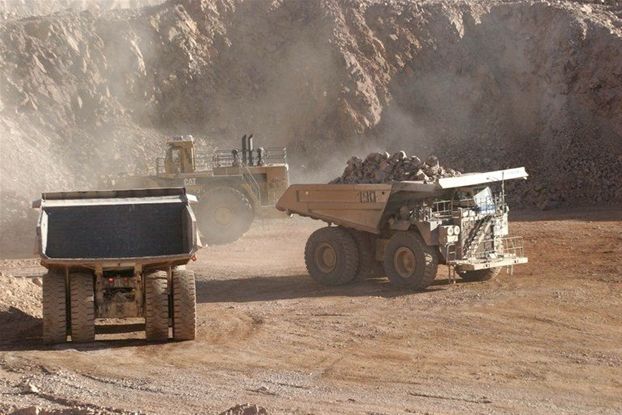
Olympic Dam is the world?s fourth largest copper source and the largest uranium supply. The upgrade was going to involve digging a massive open pit in South Australia that would generate 750,000 tonnes of copper and 19,000 tonnes of uranium a year. Almost the entire output was slated to be shipped to the Middle Kingdom. When Chinese real estate flipped from a ?BUY? to a ?SELL? last year, the days for this expansion were numbered.
I have been following BHP for 40 years, and a number of family members have worked there over the years. So I know it well, and can tell you that their pay and benefits are great. I have used it as a de facto leading indicator and call option on the future of the world economy. When the share price delivers a prolonged multiyear downturn as it has recently done, it is a warning to be cautious and limit your risk.
Hey, I Saw That Parking Place First!
https://madhedgefundtrader.com/wp-content/uploads/2019/05/cropped-mad-hedge-logo-transparent-192x192_f9578834168ba24df3eb53916a12c882.png00DougDhttps://madhedgefundtrader.com/wp-content/uploads/2019/05/cropped-mad-hedge-logo-transparent-192x192_f9578834168ba24df3eb53916a12c882.pngDougD2012-08-23 23:02:592012-08-23 23:02:59BHP Cut Bodes Ill for the Global Economy
With oil (USO) getting ready to take a run at $100 a barrel once again, the first thing I do when I get up every morning is to curse the oil companies as the blood sucking scourges of modern civilization. I then fall down on my knees and thank goodness that we have the oil companies.
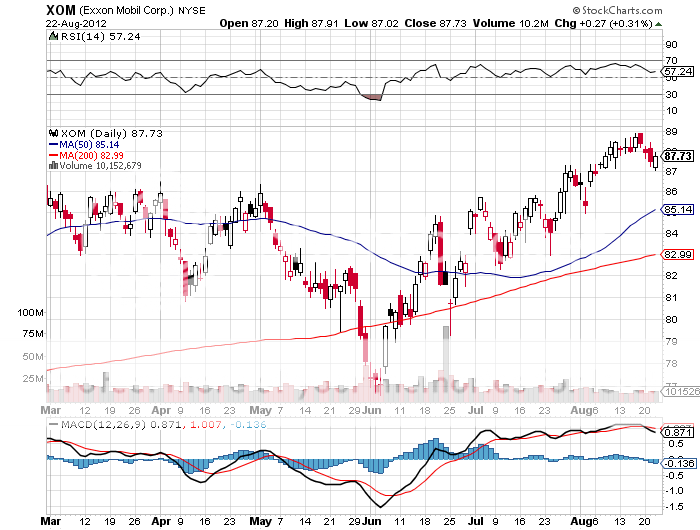
You?ve got to love ExxonMobile (XOM). The world?s largest company announced an unbelievable $127.3 billion in Q2 revenues, generating a gob smacking $15.9 billion in net profits. This year, (XOM) will spend $9.3 billion on exploration and capital spending. Some of their wells easily cost $100 million each. This is why petroleum engineers are getting $100,000 straight out of college, while English and political science majors are going straight on to food stamps.
I recommend (XOM) and other oil majors as part of any long term portfolio. No matter what anyone says, the price of oil goes up, in my lifetime, from $3 a barrel up to $149. The reasons for the ascent keep growing, from the entry of China into the global trading system, to the rapid growth of the middle class in emerging nations. They?re just not making the stuff anymore, and we can?t wait around for more dinosaurs to get squashed.
Oil companies aren?t in the oil speculation business. As soon as a new supply comes on stream, they hedge off their risk through the futures markets or through long term supply contracts. You can find the prices they hedge at in the back of any annual report.
When oil made its big run a few years ago, I discovered to my amazement that (XOM) had already sold most of their supplies in the $20 range. However, oil companies do make huge killings on what is already in the pipeline.
Working in the oil patch a decade ago pioneering the ?fracking? process for natural gas, I got to know many people in the industry. I found them to be insular, God fearing people not afraid of hard work. Perhaps this is because the black gold they are pursuing can blow up and kill them at any time. They are also great with numbers, which is why the oil majors are the best managed companies in the world.
They are also huge gamblers. I swallow hard when I see the way these guys throw around billions in capital, keeping in mind past disasters, like Dome Petroleum, the Alaskan oil spill, Piper Alpha, and more recently, the ill-fated Macondo well in the Gulf of Mexico. But one failure does not slow them down an iota. The ?wildcatting? origins made this a faith based industry from day one, when praying was the principle determinant of where wells were sunk.
Unfortunately, the oil companies are too good at their job of supplying us with a steady and reliable source of energy. They have one of the oldest and most powerful lobbies in Washington, and as a result, the tax code is riddled with favorite treatment of the oil industry. While social security and Medicare are on the chopping block, the industry basks in the glow of $55 billion a year in tax subsidies.
When I first got into the oil business and sat down with a Houston CPA, the tax breaks were so legion that I couldn?t understand why anyone was not in the oil racket. Every wonder why we have had three presidents from Texas over the last 50 years, and looked at a possible fourth last year?
Three words explain it all: the oil depletion allowance, whereby investors can write off the entire cost of a new well in the first year, while the income is spread over the life of the well. This also explains why deep water exploration in the Gulf is far less regulated than California hair dressers.
No surprise then that the industry has emerged in the cross hairs of the debt ceiling negotiations, under the ?loopholes? category. Not only do the country?s most profitable companies pay almost nothing in taxes, they are one of the largest users of private jets.
It is an old Washington nostrum that when things start heading south on the domestic front, you beat up the oil companies. It?s the industry that everyone loves to hate. Cut off the gasoline supply to an environmentalist, and he will be the one who screams the loudest. This has generated recurring cycles of accusatory congressional investigations, windfall profits taxes, and punitive regulations, the most recent flavor we are now seeing.
But imagine what the world would look like if Exxon and its cohorts were German, Saudi, or heaven forbid, Chinese. I bet we wouldn?t have as much oil as we do today, and it wouldn?t be as cheap. Hate them if you will, but at least these are our oil companies. Try jamming a lump of coal into the gas tank of your Prius and tell me what happens.
Love Them, Hate Them or Both?
https://www.madhedgefundtrader.com/wp-content/uploads/2012/08/oil.jpg187300DougDhttps://madhedgefundtrader.com/wp-content/uploads/2019/05/cropped-mad-hedge-logo-transparent-192x192_f9578834168ba24df3eb53916a12c882.pngDougD2012-08-22 23:02:202012-08-22 23:02:20Why I Love/Hate the Oil Companies
Legal Disclaimer
There is a very high degree of risk involved in trading. Past results are not indicative of future returns. MadHedgeFundTrader.com and all individuals affiliated with this site assume no responsibilities for your trading and investment results. The indicators, strategies, columns, articles and all other features are for educational purposes only and should not be construed as investment advice. Information for futures trading observations are obtained from sources believed to be reliable, but we do not warrant its completeness or accuracy, or warrant any results from the use of the information. Your use of the trading observations is entirely at your own risk and it is your sole responsibility to evaluate the accuracy, completeness and usefulness of the information. You must assess the risk of any trade with your broker and make your own independent decisions regarding any securities mentioned herein. Affiliates of MadHedgeFundTrader.com may have a position or effect transactions in the securities described herein (or options thereon) and/or otherwise employ trading strategies that may be consistent or inconsistent with the provided strategies.