• support@madhedgefundtrader.com
  • Member Login
Mad Hedge Fund Trader
  • Home
  • About
  • Store
  • Luncheons
  • Testimonials
  • Contact Us
  • Click to open the search input field Click to open the search input field Search
  • Menu Menu

Tag Archive for: (CTLT)

april@madhedgefundtrader.com

The Big Batch Theory

Biotech Letter

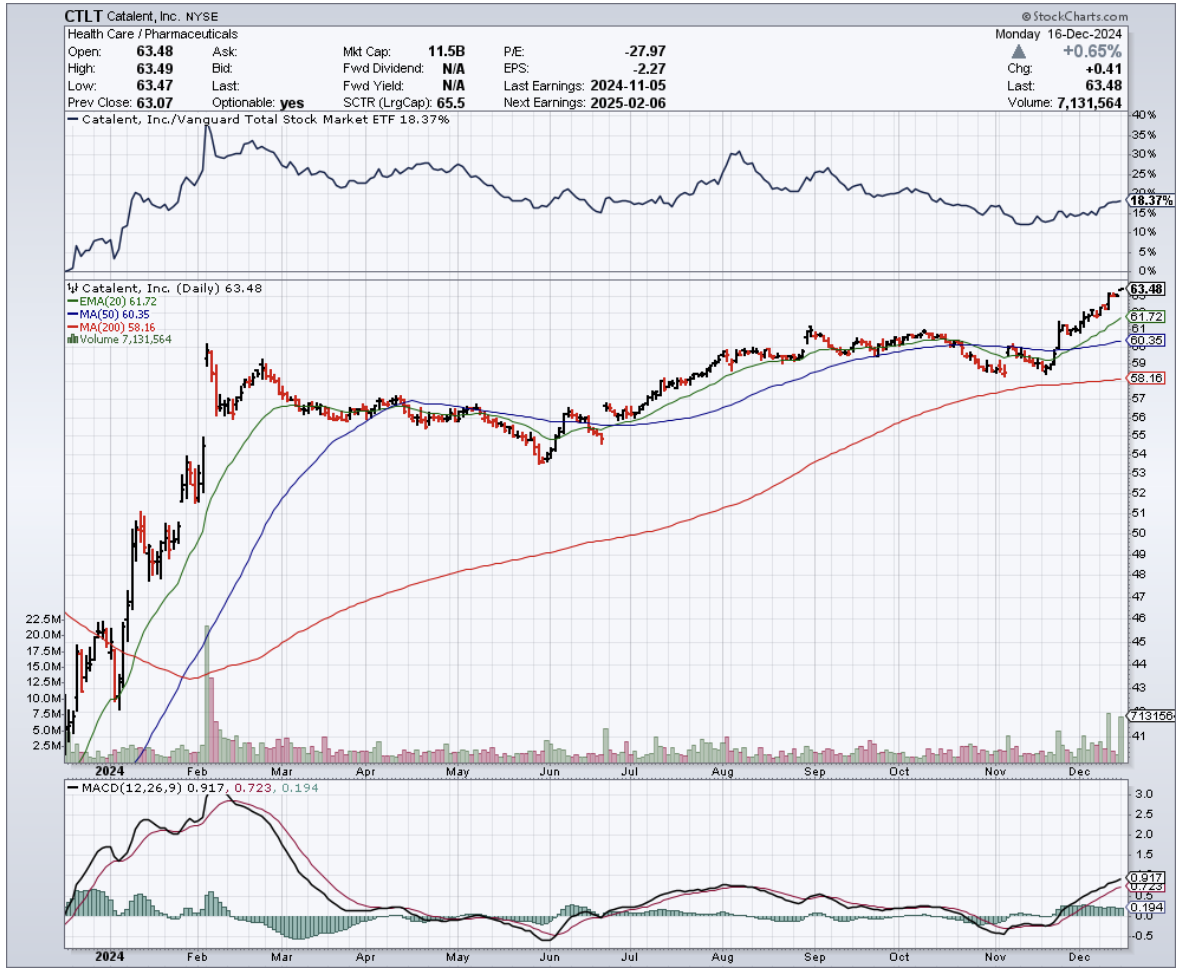
If I had a nickel for every time someone said pharmaceutical manufacturing was boring, I could’ve started bidding against Novo Holdings for Catalent (CTLT) myself.

Sure, I’d still be $16.5 billion short, but you get the point—this deal is huge, and it’s about to make some smart money look even smarter.

Here’s the deal: Novo Holdings is shelling out $16.5 billion to snap up Catalent, a contract development and manufacturing organization (CDMO).

If that acronym sounds like alphabet soup, let me translate: CDMOs are where the real action happens.

These are the guys behind the curtain making sure your miracle drugs and life-saving treatments aren’t just ideas—they’re products hitting the market at scale.

The numbers don’t lie. The CDMO market sits at $146 billion right now.

Fast-forward to next year, and that balloons to $243.3 billion. By 2029, it’s cruising toward a cool $332 billion.

And if you think that’s impressive, just wait: the broader pharmaceutical outsourcing trend is nowhere near slowing down.

In 2014, Big Pharma still clung to in-house production for 66.3% of its output.

Today? That figure’s down to 51%, and dropping fast. Why? Because outsourcing lets the specialists handle the hard stuff—faster, cheaper, and more efficiently.

For investors, Catalent’s immediate upside is a no-brainer. The acquisition premium is pure gravy, but that’s not the whole story.

Rivals like Lonza Group (SWX: LONN) and Samsung Biologics are already feeling the heat.

The biologics CDMO market alone is expected to expand by $10.63 billion between 2024 and 2028, and you better believe those two are scrambling to stay ahead.

If you own shares, keep your seatbelt fastened. If you don’t, well… you might want to rethink that.

And here’s where it gets really interesting: Novo Holdings may be private, but its publicly traded golden child, Novo Nordisk (NVO), is set to ride this wave like a pro surfer.

They’re already a global powerhouse in biologics, and Catalent’s souped-up manufacturing capabilities are going to help them scale production with military-grade efficiency.

Lower costs, tighter operations, bigger margins—it’s like handing a Formula 1 car to an already championship-winning team.

So if you’re not watching Novo Nordisk stock, you’re doing it wrong.

Of course, it’s not just the big CDMO players who stand to win here. Companies like Danaher (DHR), Repligen (RGEN), and Avantor (AVTR) are quietly cashing in on this gold rush.

These firms supply the picks, shovels, and critical bioprocessing tools that CDMOs need to keep production humming.

As Catalent scales under Novo Holdings, demand for these essentials will go through the roof.

Zooming out, the pharma manufacturing landscape is evolving at a breakneck pace.

The CDMO market is expected to hit $530.3 billion by 2033, growing at a steady 7.7% CAGR.

That’s not speculative growth—it’s a structural shift, backed by demand for biologics, gene therapies, and personalized medicine.

In short, we’re entering an era where outsourcing is king, and companies with the infrastructure to capitalize on it are poised to dominate.

Don’t forget about the big dogs in Big Pharma, either.

Pfizer (PFE), Eli Lilly (LLY), and Merck (MRK) aren’t just spectators in this game. They’re snapping up CDMO capacity, investing in biologics, and doubling down on therapies with blockbuster potential.

The Catalent deal is just the latest chess move in a game where the stakes keep getting higher.

So what does this mean for you? If you’re holding Catalent, congratulations—your portfolio is about to get a nice bump.

But the real play here isn’t Catalent alone. It’s understanding that CDMOs, suppliers, and adjacent players are the unsung heroes of this industry transformation.

You want exposure to the companies enabling the next wave of medical innovation? This is where you look.

Novo Holdings just threw down the gauntlet, and the smart money is already moving. The pharmaceutical manufacturing sector isn’t boring—it’s booming.

So, while everyone’s chasing flashy biotech startups and blockbuster drugs, the real smart money is quietly following the companies that make those breakthroughs possible.

Catalent isn’t just a $16.5 billion deal—it’s proof that outsourcing is the new backbone of pharma’s future. Call it “The Big Batch Theory:” scale up, outsource smart, and watch the returns multiply.

Ignore this shift, and you’re leaving money on the table.

Now, if you’ll excuse me, I need to check my CDMO positions. Just like a perfectly run batch, they’re growing fast—and that’s exactly how I like it."
 

https://madhedgefundtrader.com/wp-content/uploads/2019/05/cropped-mad-hedge-logo-transparent-192x192_f9578834168ba24df3eb53916a12c882.png 0 0 april@madhedgefundtrader.com https://madhedgefundtrader.com/wp-content/uploads/2019/05/cropped-mad-hedge-logo-transparent-192x192_f9578834168ba24df3eb53916a12c882.png april@madhedgefundtrader.com2024-12-17 12:00:542024-12-17 12:31:20The Big Batch Theory
april@madhedgefundtrader.com

August 22, 2024

Biotech Letter

Mad Hedge Biotech and Healthcare Letter
August 22, 2024
Fiat Lux


Featured Trade:

(BITING OFF MORE THAN THEY CAN CHEW)

(LLY), (NVO), (CTLT), (ZLDPF), (RHHBY), (AMGN), (PFE), (LZAGY), (TMO)

https://madhedgefundtrader.com/wp-content/uploads/2019/05/cropped-mad-hedge-logo-transparent-192x192_f9578834168ba24df3eb53916a12c882.png 0 0 april@madhedgefundtrader.com https://madhedgefundtrader.com/wp-content/uploads/2019/05/cropped-mad-hedge-logo-transparent-192x192_f9578834168ba24df3eb53916a12c882.png april@madhedgefundtrader.com2024-08-22 12:02:112024-08-22 12:19:42August 22, 2024
april@madhedgefundtrader.com

Biting Off More Than They Can Chew

Biotech Letter

"If you build it, they will come." But what happens when they come before you've finished building?

That's the billion-dollar question facing the makers of GLP-1 weight loss drugs.

GLP-1 drugs, the newest darlings of the pharmaceutical world, are selling like hotcakes. Eli Lilly (LLY) and Novo Nordisk (NVO), the current heavyweights in this arena, raked in a whopping $10.4 billion and $6.85 billion respectively last year.

Basically, the demand is there, but the supply? Well, that's another story.

So far, Lilly and Novo have been throwing money at the problem like it's going out of style. We're talking billions here. Novo's earmarked $6.5 billion for production this year alone, while Lilly's already shelled out $5.3 billion to beef up its manufacturing muscle. They're expanding facilities faster than you can say "miracle weight loss drug."

But even that's not enough. Lilly admits the industry needs at least 10 to 15 dedicated sites to even come close to meeting demand.

It's like trying to serve a five-course meal to a packed restaurant with just one chef and a microwave.

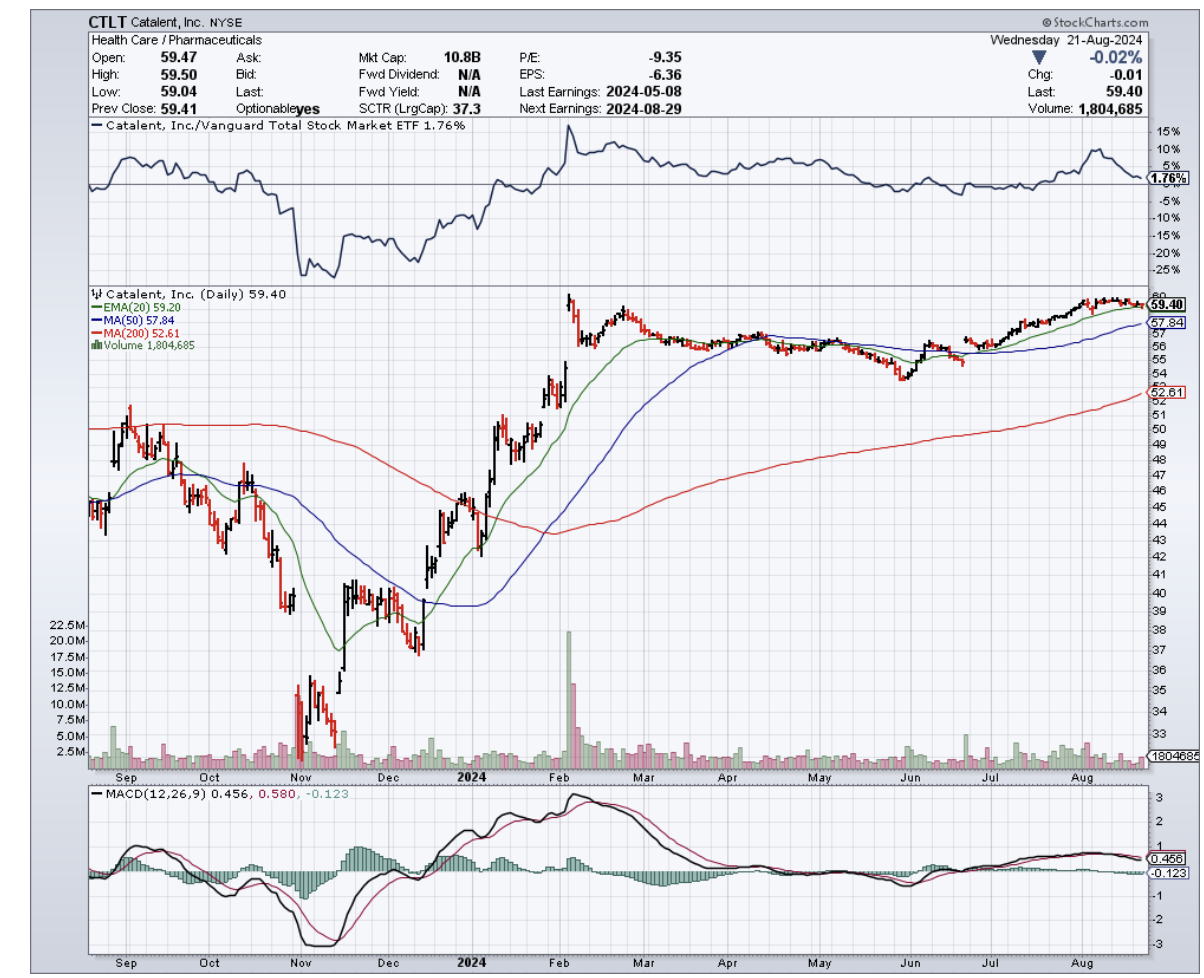
And let's not forget about the price tag on these manufacturing sites. Novo just dropped $11 billion to buy three fill-finish sites from Catalent (CTLT). Talk about paying a premium for prime real estate.

While Lilly and Novo scramble to ramp up production, their manufacturing woes have created a window of opportunity for competitors eyeing a slice of the GLP-1 pie.

Boehringer Ingelheim and Zealand Pharma (ZLDPF) are closest to market with their Phase 3 drug survodutide.

Meanwhile, Roche (RHHBY) and Amgen (AMGN) aren't far behind in Phase 2. Even Pfizer's (PFE) dipping its toes in the water with an early-stage drug.

But here's where it gets interesting for us who want a piece of the action. These newcomers are facing a manufacturing dilemma of their own.

Do they build their own facilities and risk being late to the party? Or do they outsource and potentially lose control over production?

Some, like Boehringer and Roche, are already talking about using third-party manufacturers. It's like hiring a catering company instead of building your own restaurant – less upfront cost, but you're at the mercy of someone else's kitchen.

Enter the contract manufacturing organizations (CMOs), the unsung heroes of the pharmaceutical world who might just hold the key to unlocking the full potential of the GLP-1 market.

Let’s take a look at the big players in this space.

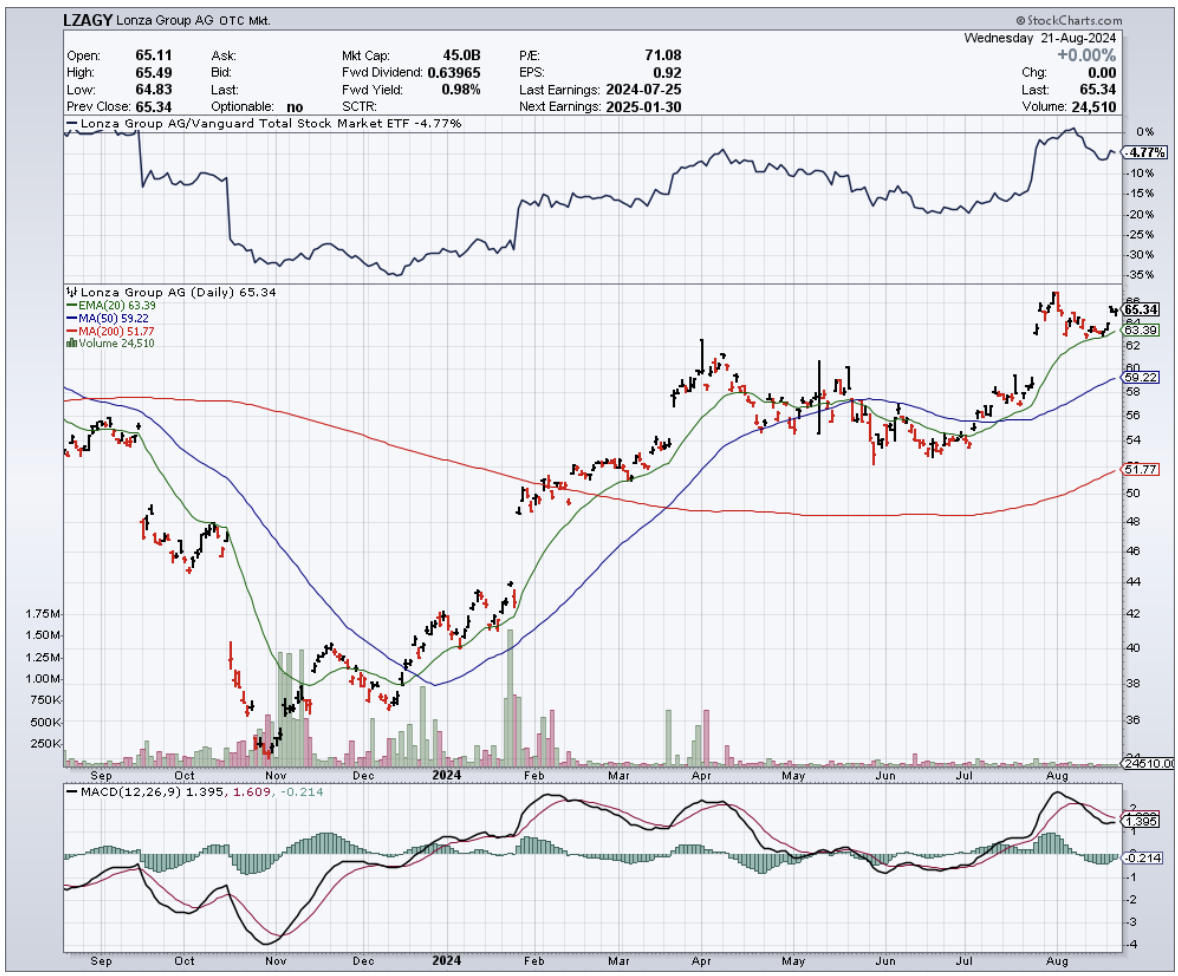
Lonza Group (LZAGY), with its $6.6 billion in annual revenue and 10% market share in biologics contract manufacturing, is a force to be reckoned with. They're not just sitting on their laurels either – they're pumping $850 million into a new biologics facility in Switzerland.

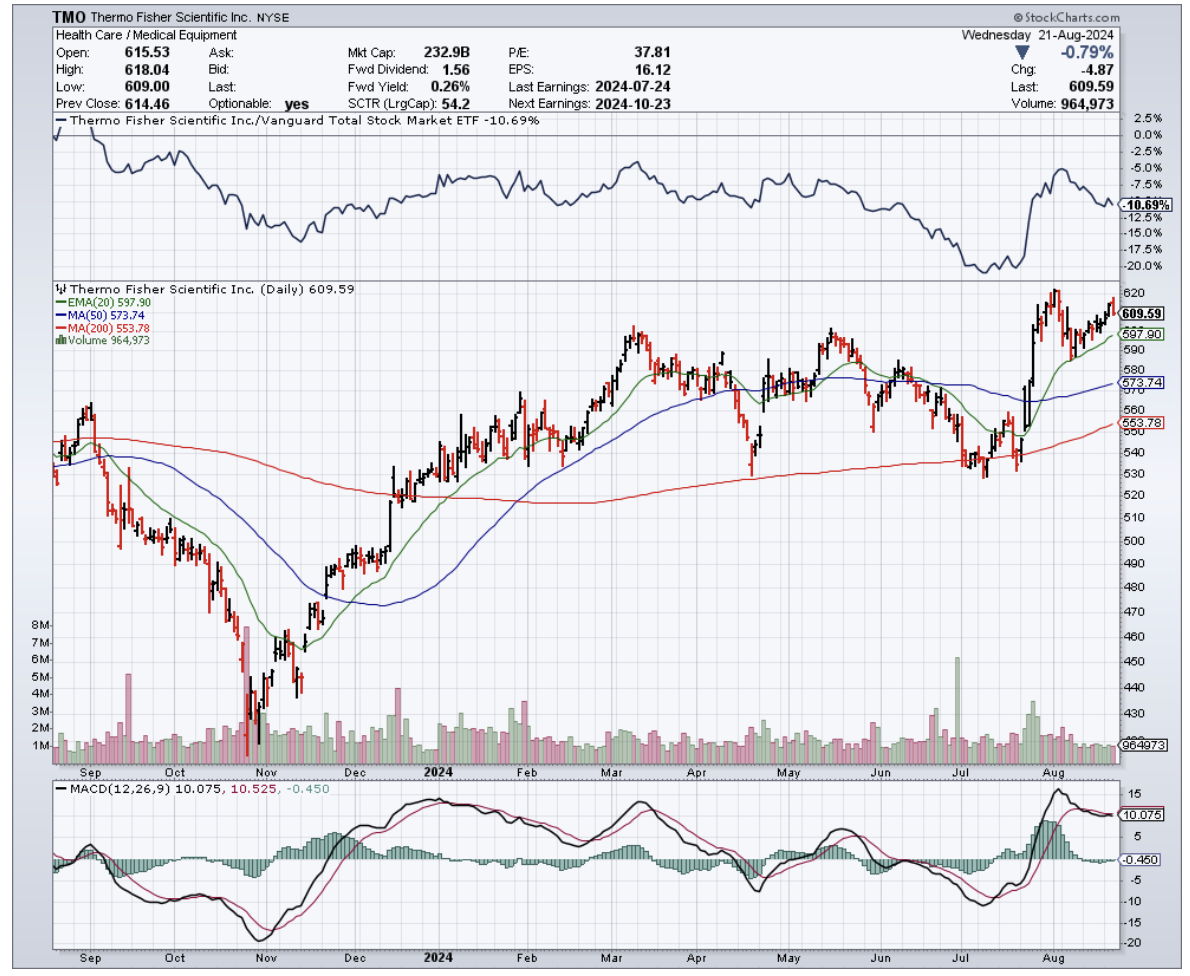
Then there's Thermo Fisher Scientific (TMO), the 800-pound gorilla of the industry. With a cool $44.9 billion in revenue last year and an 8% to 10% market share in contract manufacturing, they're a go-to partner for big pharma.

They've been on a shopping spree too, scooping up Pharmaceutical Product Development (PPD) for $17.4 billion to boost their manufacturing capabilities.

And, of course, let's not forget about Catalent. They might have sold some facilities to Novo, but they're still a major player with $4.8 billion in revenue last year. They're betting big on biologics, with plans to increase capacity by 40% by 2025.

As for those looking for growth potential, keep an eye on Samsung Biologics. They're the new kid on the block, with a 30% compound annual growth rate over the past five years and the world's largest single-site biologics manufacturing facility.

So, there you have it. The obesity epidemic is a tragedy, but it's also a trillion-dollar opportunity.

With half the population projected to be obese by 2030, this isn't just a health crisis—it's a financial frontier.

The GLP-1 market is poised to balloon to $130 billion, creating a feeding frenzy for those ready to capitalize on the supply squeeze.

But here's the real meat of the matter: in this gold rush, it's not just the drug developers who are striking it rich. The real winners are the manufacturers—those with the capacity to meet the insatiable demand. They're the ones handing out the "shovels" in this weight loss bonanza.

So while everyone else is focused on the flashy GLP-1 drugs, I suggest you also keep a watchful eye on these behind-the-scenes players.

Now, if you'll excuse me, I'm off to patent my groundbreaking idea: GLP-1-infused kale chips. Who says you can't have your cake and eat it too?


https://madhedgefundtrader.com/wp-content/uploads/2019/05/cropped-mad-hedge-logo-transparent-192x192_f9578834168ba24df3eb53916a12c882.png 0 0 april@madhedgefundtrader.com https://madhedgefundtrader.com/wp-content/uploads/2019/05/cropped-mad-hedge-logo-transparent-192x192_f9578834168ba24df3eb53916a12c882.png april@madhedgefundtrader.com2024-08-22 12:00:352024-08-22 12:19:22Biting Off More Than They Can Chew
april@madhedgefundtrader.com

July 16, 2024

Biotech Letter

Mad Hedge Biotech and Healthcare Letter
July 16, 2024
Fiat Lux


Featured Trade:

(SMALL GIANTS RISING)

(GMAB), (OPHLY), (VRTX), (INCY), (BIIB), (AHKSY), (ALNY), (ARGX), (BGNE), (MRNA), (NBIX), (BNTX), (IPSEY), (CTLT), (NVO), (LLY), (JNJ), (GILD), (ABBV), (MRK), (SNY), (BMY), (GSK)

https://madhedgefundtrader.com/wp-content/uploads/2019/05/cropped-mad-hedge-logo-transparent-192x192_f9578834168ba24df3eb53916a12c882.png 0 0 april@madhedgefundtrader.com https://madhedgefundtrader.com/wp-content/uploads/2019/05/cropped-mad-hedge-logo-transparent-192x192_f9578834168ba24df3eb53916a12c882.png april@madhedgefundtrader.com2024-07-16 12:02:382024-07-16 12:17:35July 16, 2024
Mad Hedge Fund Trader

June 10, 2021

Biotech Letter


Mad Hedge Biotech & Healthcare Letter
June 10, 2021
Fiat Lux

FEATURED TRADE:

(IN THE RIGHT PLACE AT THE RIGHT TIME)
(MRNA), (PFE), (BNTX), (NVAX), (CVAC), (SNY), (TMO), (CTLT), (BAX), (INO)

https://madhedgefundtrader.com/wp-content/uploads/2019/05/cropped-mad-hedge-logo-transparent-192x192_f9578834168ba24df3eb53916a12c882.png 0 0 Mad Hedge Fund Trader https://madhedgefundtrader.com/wp-content/uploads/2019/05/cropped-mad-hedge-logo-transparent-192x192_f9578834168ba24df3eb53916a12c882.png Mad Hedge Fund Trader2021-06-10 13:02:292021-06-10 18:24:20June 10, 2021
Mad Hedge Fund Trader

In the Right Place at the Right Time

Biotech Letter

Before the COVID-19 pandemic, only a handful of people had actually heard of messenger RNA (mRNA).

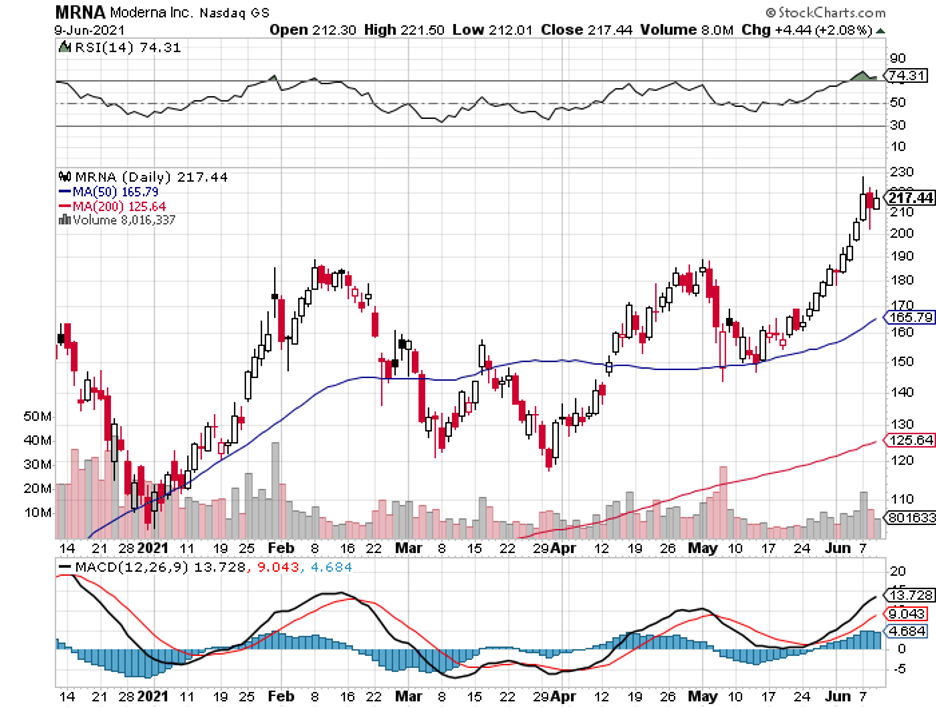
Now, this technology has become a household term thanks to the success of the COVID-19 vaccine programs of Pfizer (PFE), BioNTech (BNTX), and Moderna (MRNA).

Aside from these three names, other players in the mRNA arena include Novavax (NVAX) and an under-the-radar stock called CureVac (CVAC), which has been collaborating with Bayer (BAYRY).

Even Sanofi joined the list recently with its acquisition of mRNA-focused biotechnology company Tidal Therapeutics.

Amid the growing number of mRNA-focused companies, however, the world has come to associate the technology most with Moderna.

This is apparent in the increasing demand for Moderna’s COVID-19 vaccine, which has been pushing the biotech company to quickly expand its manufacturing capacity.

One of the steps it took to meet the supply expectations is to partner with Thermo Fisher (TMO), specifically for fill-finish, labeling, and packaging.

For orders outside the United States, Moderna established a partnership with South Korea’s renowned Samsung Biologics (KRX: 207940) to keep up with the demand.

While TMO and Samsung Biologics are the two major forces helping Moderna in its manufacturing concerns, other companies are also pitching in, including Catalent (CTLT), Sanofi, and Baxter BioPharma Solutions (BAX).

With the assistance of these companies, along with the major expansion of its own manufacturing site, Moderna anticipates that it can supply at least 3 billion doses of its COVID-19 vaccine annually by 2022.

This is promising news, particularly in light of another massive market that Moderna can conquer next: India.

While the United States has managed to turn the corner in the COVID-19 battle, India has been struggling to fight back against the virus. To this day, the country continues to grapple with the increasing number of COVID-19 cases.

Low and sluggish vaccination rates are considered the major contributing factor to this problem, with a measly 3.3% of India’s citizens getting fully vaccinated so far. 

With a population of approximately 1.39 billion, this offers a massive opportunity for vaccine developers.

Thus far, only 228 million doses of the COVID-19 vaccines have been shipped to India. That leaves about 1.16 billion people in this huge country to receive a vaccine.

Since India is a developing nation, vaccine makers are expected to charge the low end of their range.

For Moderna, that would be roughly $25 per dose, while Pfizer would probably charge $19.50 per dose.

However, these prices could still go lower depending on the contract negotiated by the Indian government.

Even at the low end of the price point though, the Indian market represents approximately $28 billion in revenue for COVID-19 vaccine developers.

Taking advantage of this momentum, Moderna has been working on booster candidates for its COVID-19 vaccine. In fact, one candidate may be ready by fall.

Of course, competitors are looking into the new variants as well. Aside from Pfizer, smaller companies like Inovio Pharmaceuticals (INO) have started with clinical trials this year. 

Moderna is also investing heavily in artificial intelligence (AI) in an effort to become a step ahead of future diseases.

Through AI and machine learning, Moderna aims to predict strains that evade protection provided by their roster of vaccines.

Based on the data, the company will be able to develop next-generation vaccines and boosters before the situation becomes as critical as what happened in 2020.

These efforts are essential for Moderna to sustain its position as the leader in mRNA technology.

Despite its earlier issues with production, Moderna is still set to generate roughly $19.2 billion in revenue for its COVID-19 vaccine thanks to advance purchase agreements.

The potential availability of a booster this year would definitely get the ball rolling in terms of handling newer variants.

The biotechnology industry is favored among investors on the lookout for companies with incredibly strong growth potential.

While it’s a risky environment filled with businesses flaming out practically year after year, winners in this field can come out with extremely impressive results.

In recent months, Moderna has become one of the most successful examples that demonstrated the potential of a biotech when it finds itself with cutting-edge technology at an ideal time.


moderna

https://madhedgefundtrader.com/wp-content/uploads/2019/05/cropped-mad-hedge-logo-transparent-192x192_f9578834168ba24df3eb53916a12c882.png 0 0 Mad Hedge Fund Trader https://madhedgefundtrader.com/wp-content/uploads/2019/05/cropped-mad-hedge-logo-transparent-192x192_f9578834168ba24df3eb53916a12c882.png Mad Hedge Fund Trader2021-06-10 13:00:412021-06-17 17:40:03In the Right Place at the Right Time
Mad Hedge Fund Trader

May 19, 2020

Biotech Letter

Mad Hedge Biotech & Healthcare Letter
May 19, 2020
Fiat Lux

Featured Trade:

(PFIZER’S LATEST COVID-19 VACCINE ENTRY)
(PFE), (BNTX), (MRNA), (INO), (CTLT), (SVA), (EBS), (MYL)

https://madhedgefundtrader.com/wp-content/uploads/2019/05/cropped-mad-hedge-logo-transparent-192x192_f9578834168ba24df3eb53916a12c882.png 0 0 Mad Hedge Fund Trader https://madhedgefundtrader.com/wp-content/uploads/2019/05/cropped-mad-hedge-logo-transparent-192x192_f9578834168ba24df3eb53916a12c882.png Mad Hedge Fund Trader2020-05-19 10:02:202020-05-19 09:59:10May 19, 2020
Mad Hedge Fund Trader

Pfizer’s Latest COVID-19 Vaccine Entry

Biotech Letter

Clearly, the long-term solution to this health crisis, and possibly the only hope we have to returning to “normal,” is a safe and effective vaccine.

Companies and health experts around the world have stepped up to that challenge, with investors eagerly anticipating the stocks of the businesses to successfully deliver a vaccine to catapult in value overnight.

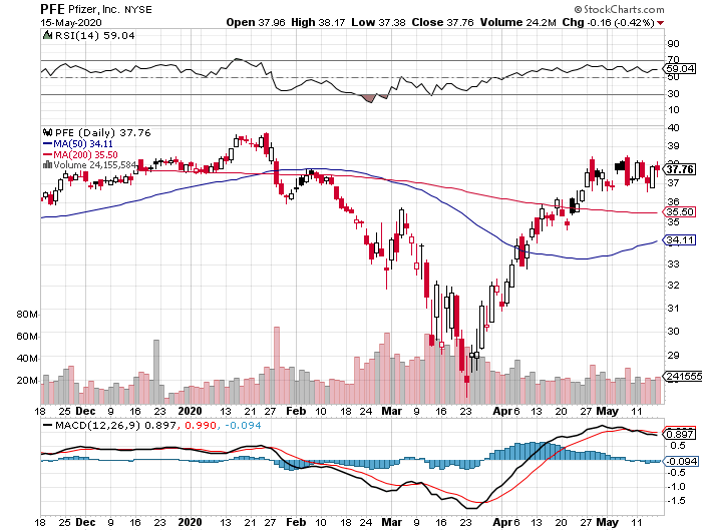
This is one of the driving forces behind Pfizer’s (PFE) relentless pursuit of a coronavirus vaccine.

Here’s a quick recap of where Pfizer was before this major announcement.

Pfizer was first recognized as an aggressive player in the vaccine race when the healthcare giant partnered with German biotechnology company BioNtech (BNTX).

After months of working together, Pfizer announced that it aims to produce 10 million to 20 million doses of COVID-19 vaccine by the end of 2020.

So far, Pfizer is testing at least four distinct variations of its vaccine called BNT162. The trials will test roughly 360 individuals, with the study expanding to involve thousands of volunteers if one or two variations of the vaccine indicate progress.

Conclusive data will be available in June or July this year. Meanwhile, Pfizer’s coronavirus vaccine candidate, co-created with BioNtech, is projected to be ready for launch by October.

In an effort to make room for the production of BNT162, Pfizer decided to outsource the production of some of its own branded products to various manufacturers such as Catalent (CTLT).

This move means that instead of paying contract manufacturers to produce millions of doses of a vaccine that might fail to even leave the warehouse, Pfizer has taken it upon itself to produce BNT162 in its own facilities.

According to the company’s estimates, it will cost approximately $150 million to produce BNT162. Since Pfizer is using its own facilities, it could jumpstart the distribution of up to 20 million doses of COVID-19 vaccine even before 2020 ends.

This move to ramp up the manufacture of an experimental drug candidate is a surprising gamble for Pfizer. However, the possibility of having millions of doses of this potential vaccine ready to ship at a moment’s notice could make it a worthwhile risk.

In terms of competition, Pfizer is racing against several biotechnology companies searching for a COVID-19 vaccine in the US and abroad.

One of them is Moderna (MRNA), which has a $19 billion market cap and funding access worth $2.4 billion including government endowment.

Moderna collaborated with Lona (OTC: LZAGY), which is an international chemical manufacturer, to scale up its production power.

Apart from this, smaller biotechnology companies like Inovio Pharmaceuticals (INO) and Novavax (NVAX) are involved in the COVID-19 vaccine race as well.

Inovio is backed by its history of vaccine research on the swine flu outbreak in 2009 and the 2013 avian flu.

Novavax, which has a modest market cap of $82.2 million, received government funding worth $4 million to help the company move forward with clinical trials.

Additional financial support was also sent by the Coalition for Epidemic Preparedness Innovations. In terms of manufacturing, Novavax has been working with Emergent BioSolutions (EBS) to meet production demands.

Outside the US, two of the frontrunners are Chinese companies CanSino Biologics and Sinovac Biotech (SVA).

The stocks of various micro-cap companies have been on the news since the COVID-19 vaccine race started. Several of these smaller firms used their newfound popularity to boost their stock price and generate additional capital to fund their operations.

I think there are several biotechnology and healthcare companies that warrant following. However, there remains a dearth of data on these companies working on the COVID-19 vaccine. Choosing the best stock from these names at this point demands too much guesswork, an investment strategy I have never endorsed.

The harsh reality is that most of these smaller companies will most probably never manage to get a program off the ground and into a conclusive efficacy trial. The main reasons are limited capital, restricted bandwidth, and lack of will to move forward.

Small companies, particularly in the biotechnology and healthcare sectors, typically lack the money and manpower to efficiently run a program without sacrificing the rest of their R&D efforts. For those companies that manage though, the pace will likely be too slow to actually merit a meaningful place in the market.

Investors looking to invest in the surging COVID-19 vaccine space should turn to companies that hold the greatest odds of success. That means larger and more established companies with global testing, regulatory, and manufacturing capacities.

This is not to dissuade anyone from taking a dip into the small-cap companies pool though.

Rather, I would recommend to simply keep these biotechnology companies on your watch list and see how the situation develops. After all, these are decent stocks on their own right.

Nonetheless, it’s still too early to tell how their long-term business models look like outside the search for a coronavirus vaccine.

In comparison, Pfizer has a proven track record of being a great investment. The company has been showing off a decent dividend growth for 10 consecutive years, reporting an annualized dividend worth $1.52 per share.

More importantly, this biotechnology and healthcare company is showing no signs of slowing down anytime soon. In 2019 alone, Pfizer introduced six new drugs on the market and shared that it has 95 more in its pipeline.

Keep in mind as well that Pfizer’s current price of roughly $37 per share -- a far cry from its 52-week high that reached $44.56 -- is significantly lower than the industry average at the moment. For a stock that presents such a wealth of opportunities, Pfizer offers significant value to its investors.

pfizer vaccine

https://madhedgefundtrader.com/wp-content/uploads/2019/05/cropped-mad-hedge-logo-transparent-192x192_f9578834168ba24df3eb53916a12c882.png 0 0 Mad Hedge Fund Trader https://madhedgefundtrader.com/wp-content/uploads/2019/05/cropped-mad-hedge-logo-transparent-192x192_f9578834168ba24df3eb53916a12c882.png Mad Hedge Fund Trader2020-05-19 10:00:192020-05-19 17:55:50Pfizer’s Latest COVID-19 Vaccine Entry

tastytrade, Inc. (“tastytrade”) has entered into a Marketing Agreement with Mad Hedge Fund Trader (“Marketing Agent”) whereby tastytrade pays compensation to Marketing Agent to recommend tastytrade’s brokerage services. The existence of this Marketing Agreement should not be deemed as an endorsement or recommendation of Marketing Agent by tastytrade and/or any of its affiliated companies. Neither tastytrade nor any of its affiliated companies is responsible for the privacy practices of Marketing Agent or this website. tastytrade does not warrant the accuracy or content of the products or services offered by Marketing Agent or this website. Marketing Agent is independent and is not an affiliate of tastytrade. 

Legal Disclaimer

There is a very high degree of risk involved in trading. Past results are not indicative of future returns. MadHedgeFundTrader.com and all individuals affiliated with this site assume no responsibilities for your trading and investment results. The indicators, strategies, columns, articles and all other features are for educational purposes only and should not be construed as investment advice. Information for futures trading observations are obtained from sources believed to be reliable, but we do not warrant its completeness or accuracy, or warrant any results from the use of the information. Your use of the trading observations is entirely at your own risk and it is your sole responsibility to evaluate the accuracy, completeness and usefulness of the information. You must assess the risk of any trade with your broker and make your own independent decisions regarding any securities mentioned herein. Affiliates of MadHedgeFundTrader.com may have a position or effect transactions in the securities described herein (or options thereon) and/or otherwise employ trading strategies that may be consistent or inconsistent with the provided strategies.

Copyright © 2026. Mad Hedge Fund Trader. All Rights Reserved. support@madhedgefundtrader.com
Scroll to top