• support@madhedgefundtrader.com
  • Member Login
Mad Hedge Fund Trader
  • Home
  • About
  • Store
  • Luncheons
  • Testimonials
  • Contact Us
  • Click to open the search input field Click to open the search input field Search
  • Menu Menu

Tag Archive for: (DXCM)

april@madhedgefundtrader.com

Tipping the Scales

Biotech Letter

The pharmaceutical world is buzzing, and it’s all thanks to the groundbreaking obesity drugs from Novo Nordisk (NVO) and Eli Lilly (LLY). In my previous newsletter, I delved into the massive potential of these new treatments, and it sparked a flurry of discussions. So, this time, I want to peel back the layers and explore how these advancements affect other companies within the same market.

After all, their emergence creates a paradoxical narrative, a dance of shadows and lumens. These drugs, renowned as the modern panacea for the obesity crisis, have catapulted the companies behind them into unprecedented valuations, making them luminaries in a market awash with investors hungry for the next big thing.

The enthusiasm surrounding these drugs is not unfounded; they are pivotal in treating type 2 diabetes and are seen as the desperately needed solution to the widespread obesity crisis. The groundbreaking medications introduced by Novo Nordisk and Lilly are enabling individuals to lose approximately 15% to 20% of their body weight, with Wall Street anticipating the combined annual sales of these revolutionary drugs to surpass $40 billion by the close of this decade.

However, the shadows of GLP-1s cast a contrasting pallor on companies that burgeoned in tandem with America’s expanding waistlines.

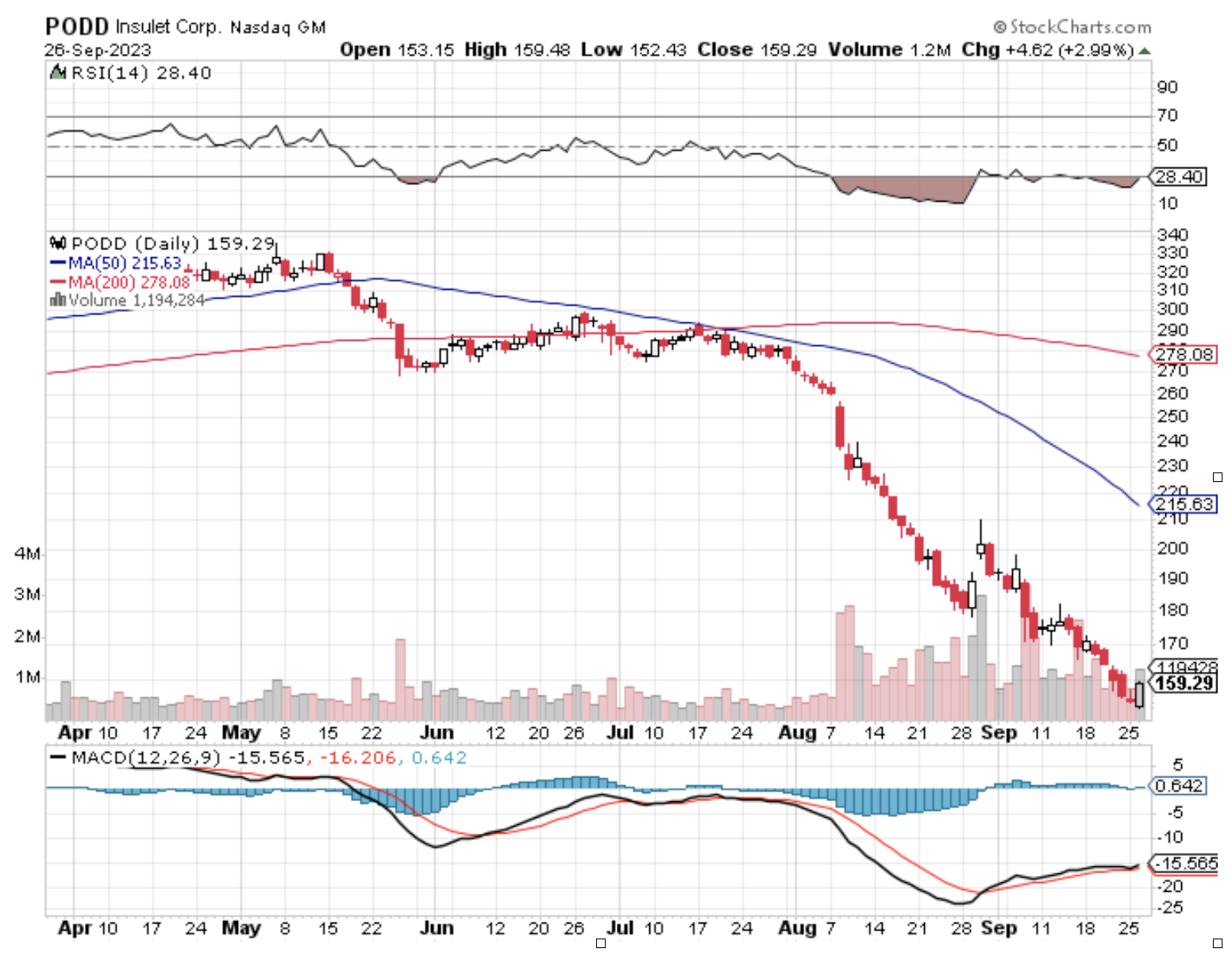
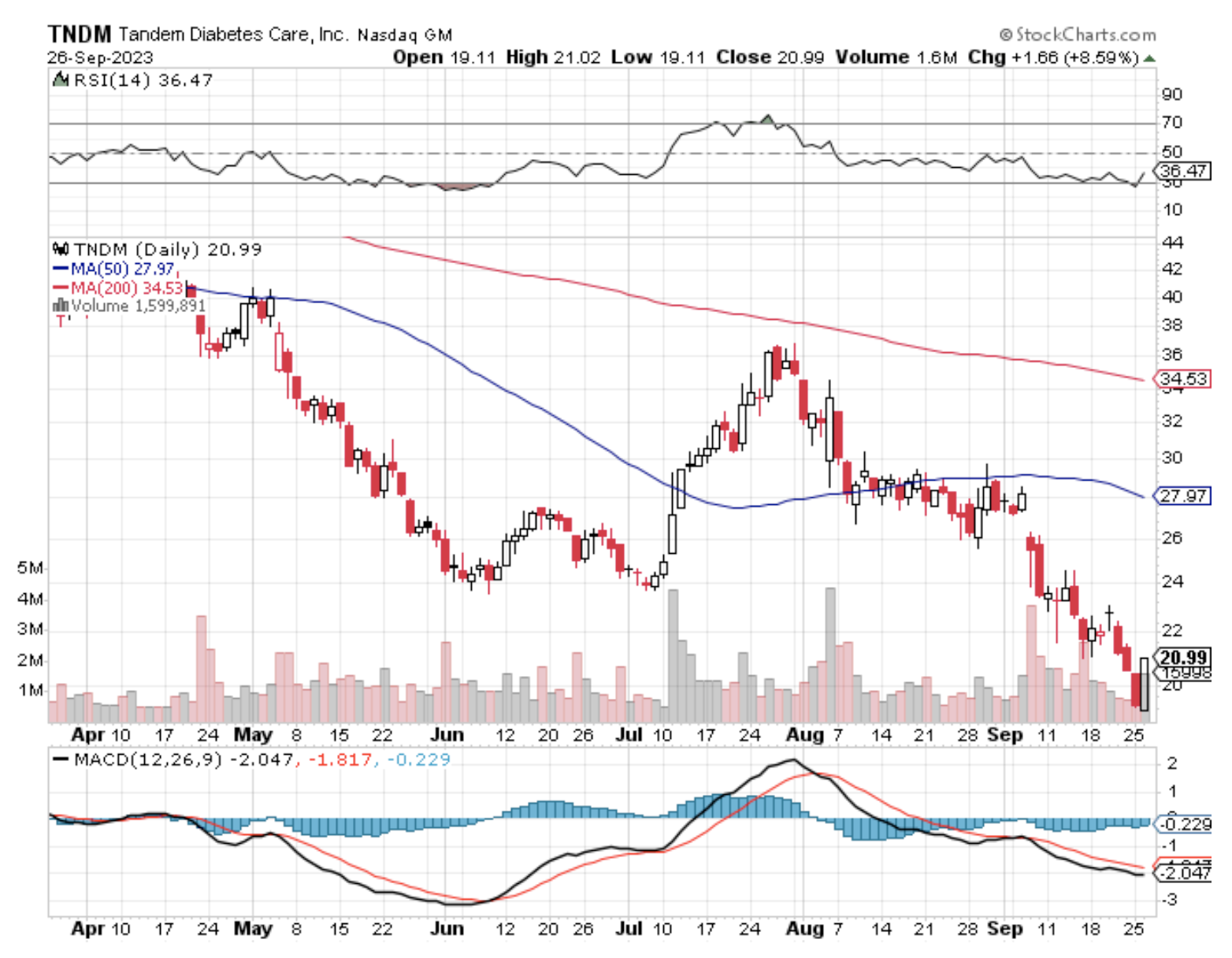
Firms like Insulet (PODD) and Tandem Diabetes Care (TNDM) are witnessing a decline of 40% and 50% in their values this year, respectively.

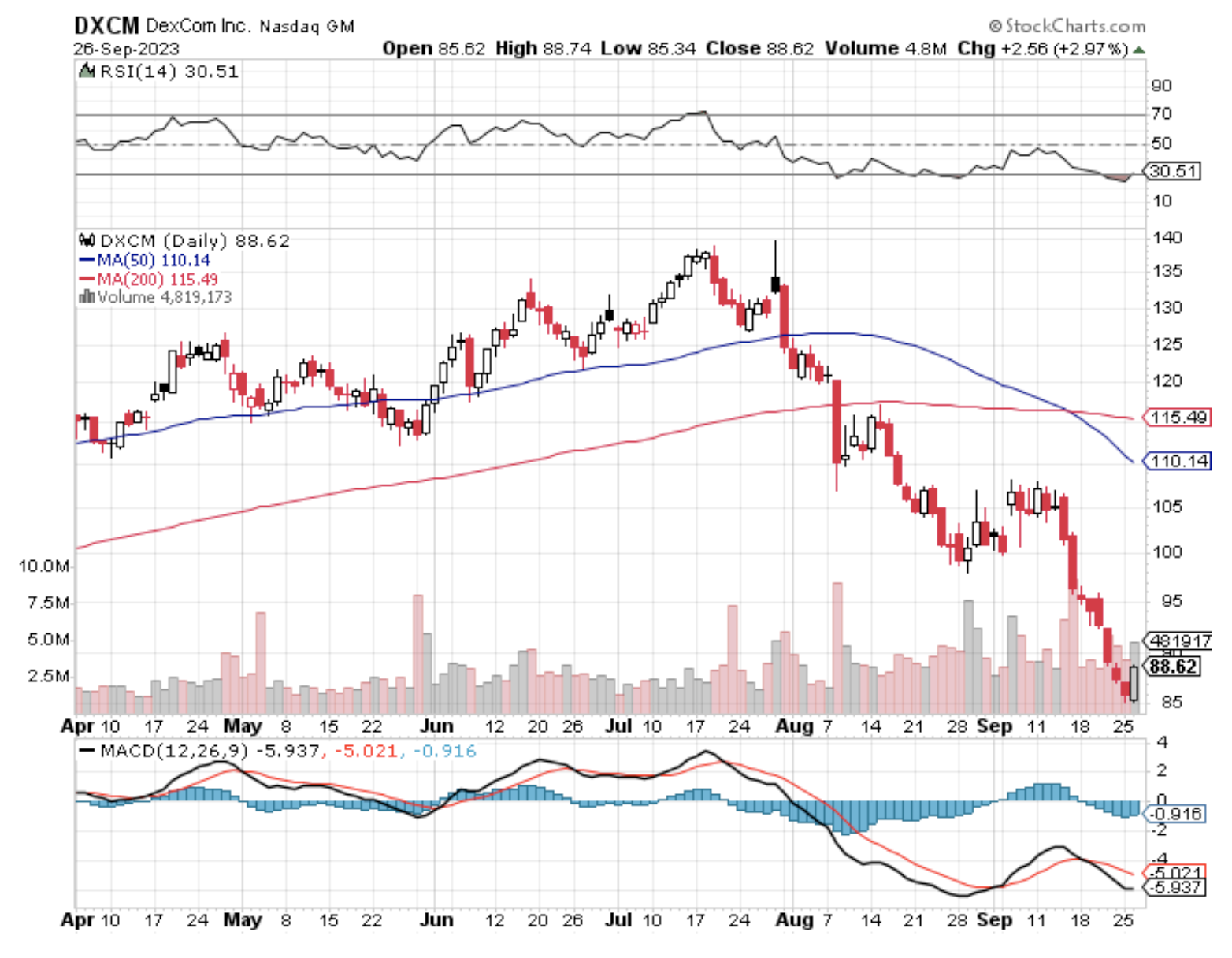
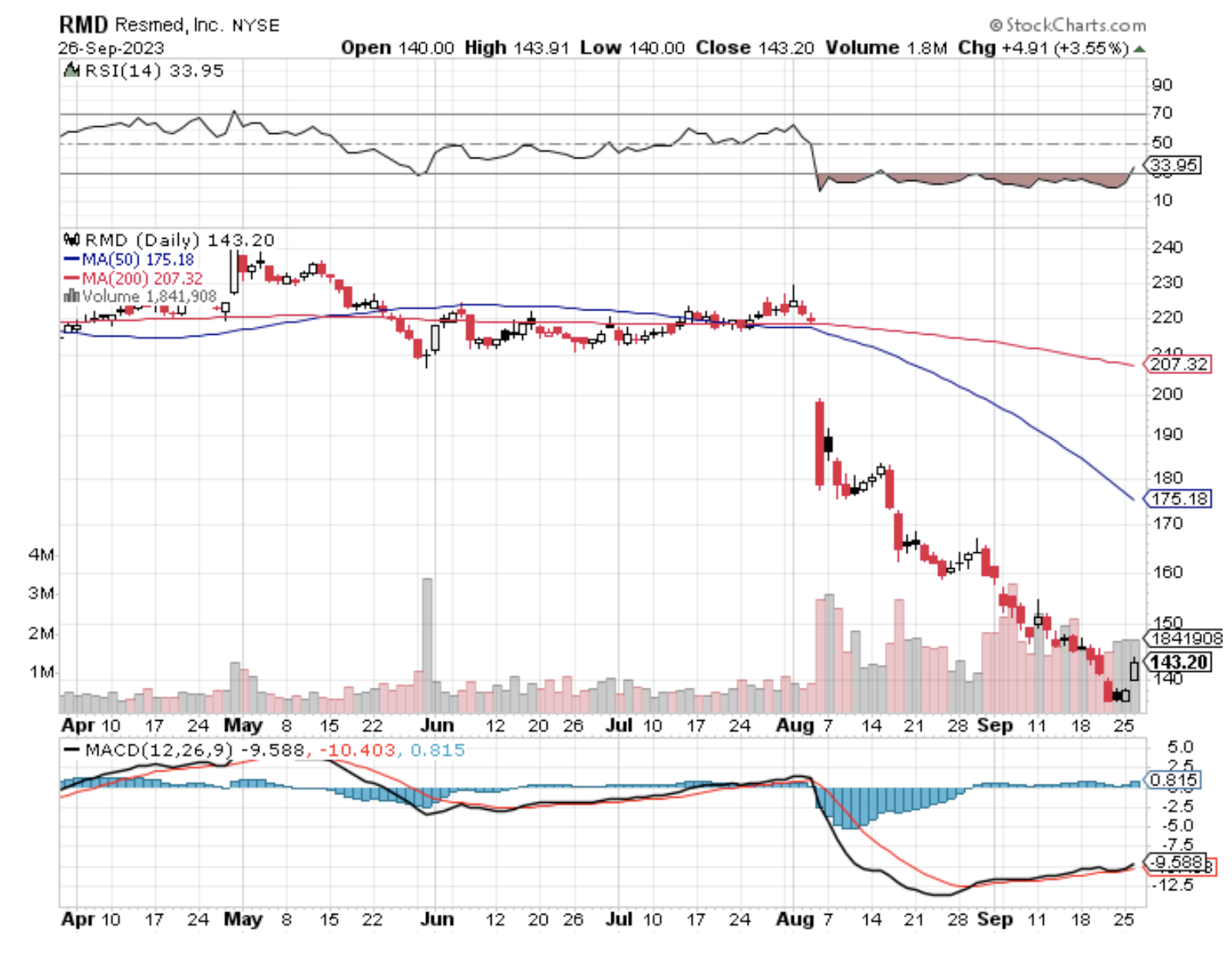
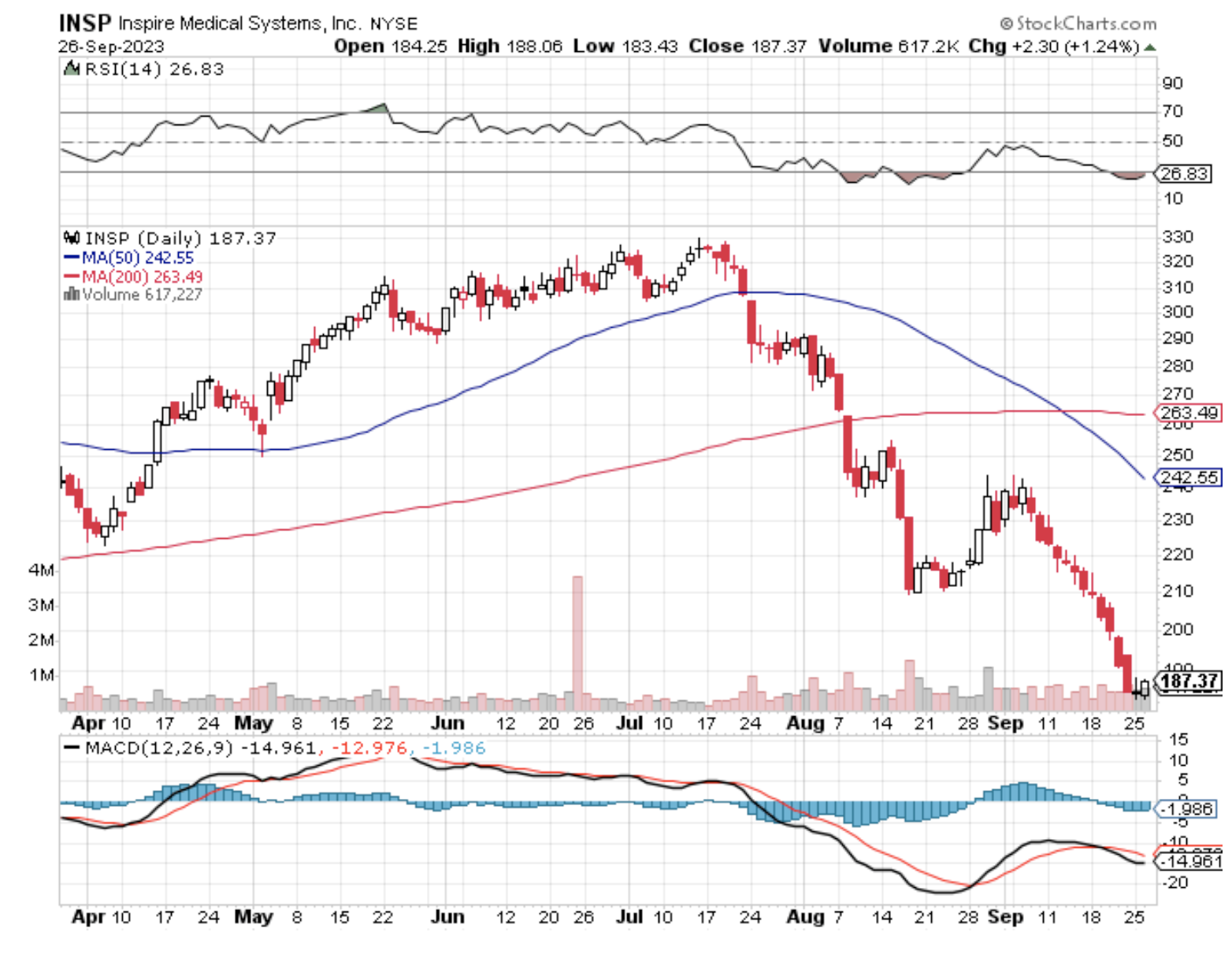
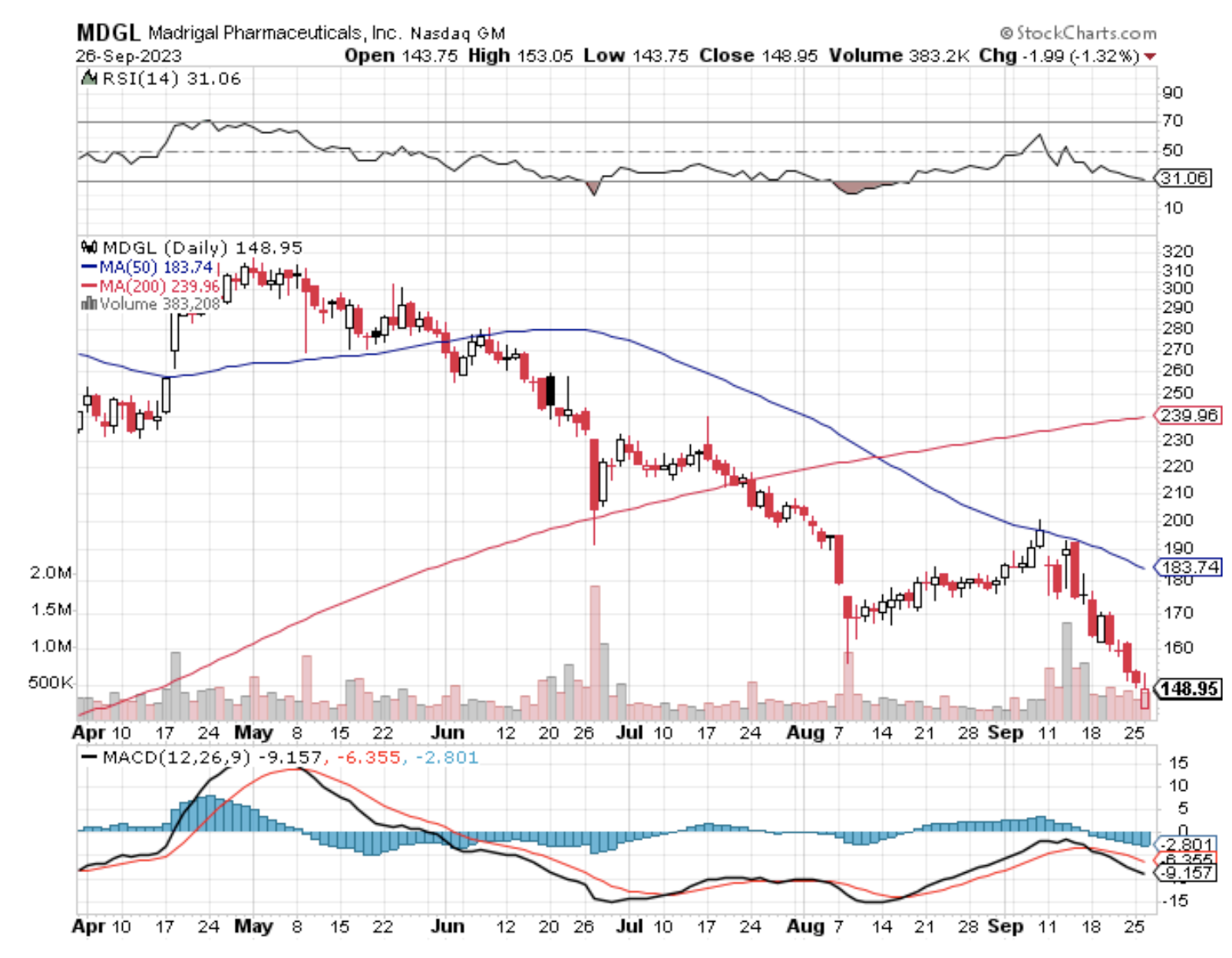
Similarly, DexCom (DXCM), the frontrunner in glucose monitoring, has experienced a 16% dip, and ResMed (RMD), the stalwart in CPAP machines treating sleep apnea, has seen its stock plummet by 30%. Inspire Medical Systems (INSP) and Madrigal Pharmaceuticals (MDGL) have also encountered significant drops in their shares.

These companies, once the darlings of the medical stock market due to their escalating sales growth, are now facing the brunt of a shifting investor focus. This is because the investment community is envisioning a future with a reduced prevalence of diabetes and sleep apnea and is consequently retracting their stakes in these stocks, leaving companies and investors navigating through a sea of uncertainties.

By early spring, the potential impact of widespread GLP-1 usage became the focal point of strategic discussions at numerous hedge funds. That led to a shift as some started withdrawing from stocks like DexCom and Madrigal, subsequently opting to short-sell these shares. The broader market tuned in this summer.

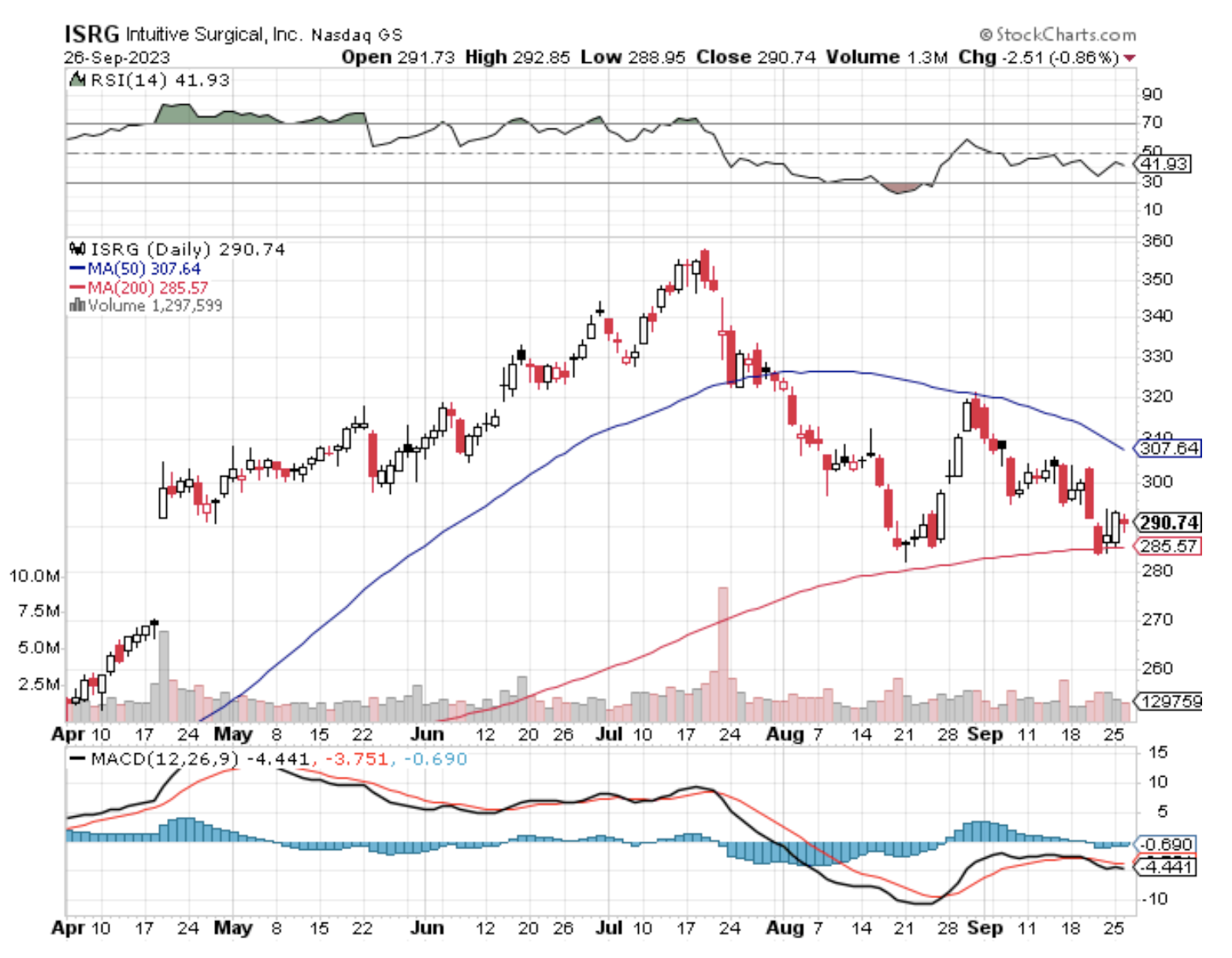
A case in point is Intuitive Surgical (ISRG), a leader in surgical robotics, which noted during its earnings call that a preference for trying GLP-1s was leading to a deferment in weight-loss surgeries. Although these procedures constitute a minor segment of robotic surgeries, they have been instrumental in driving Intuitive’s growth.

GLP-1s have also affected the demand for insulin injections. Recently, endocrinologists have suggested that GLP-1s could potentially delay the transition to insulin for a significant portion of Type 2 patients. This revelation triggered a recalibration of sales forecasts and stock price targets, with Insulet experiencing a downgrade in both target price and rating.

Meanwhile, the growth prospects of glucose monitor manufacturer DexCom in the Type 2 market remain positive. The integration of glucose monitors with GLP-1s is anticipated to become a prevalent trend among diabetic patients. Despite a temporary rally in DexCom stock, the lingering question remains whether the expanding use of GLP-1s will eventually reduce the demand for glucose monitoring.

Vendors of sleep apnea devices, such as ResMed and Inspire Medical, are also conveying to investors the minimal impact of GLP-1s on their markets. However, the debate continues on the intrinsic link between obesity and sleep apnea and the potential repercussions of GLP-1s on the entire sleep apnea spectrum. As market dynamics continue to shift and the ripple effects of GLP-1s become the focal point of discussions, more and more questions about the future landscape of obesity-associated medtechs arise.

The positive developments in GLP-1s have also cast a shadow over another sector: liver medications.

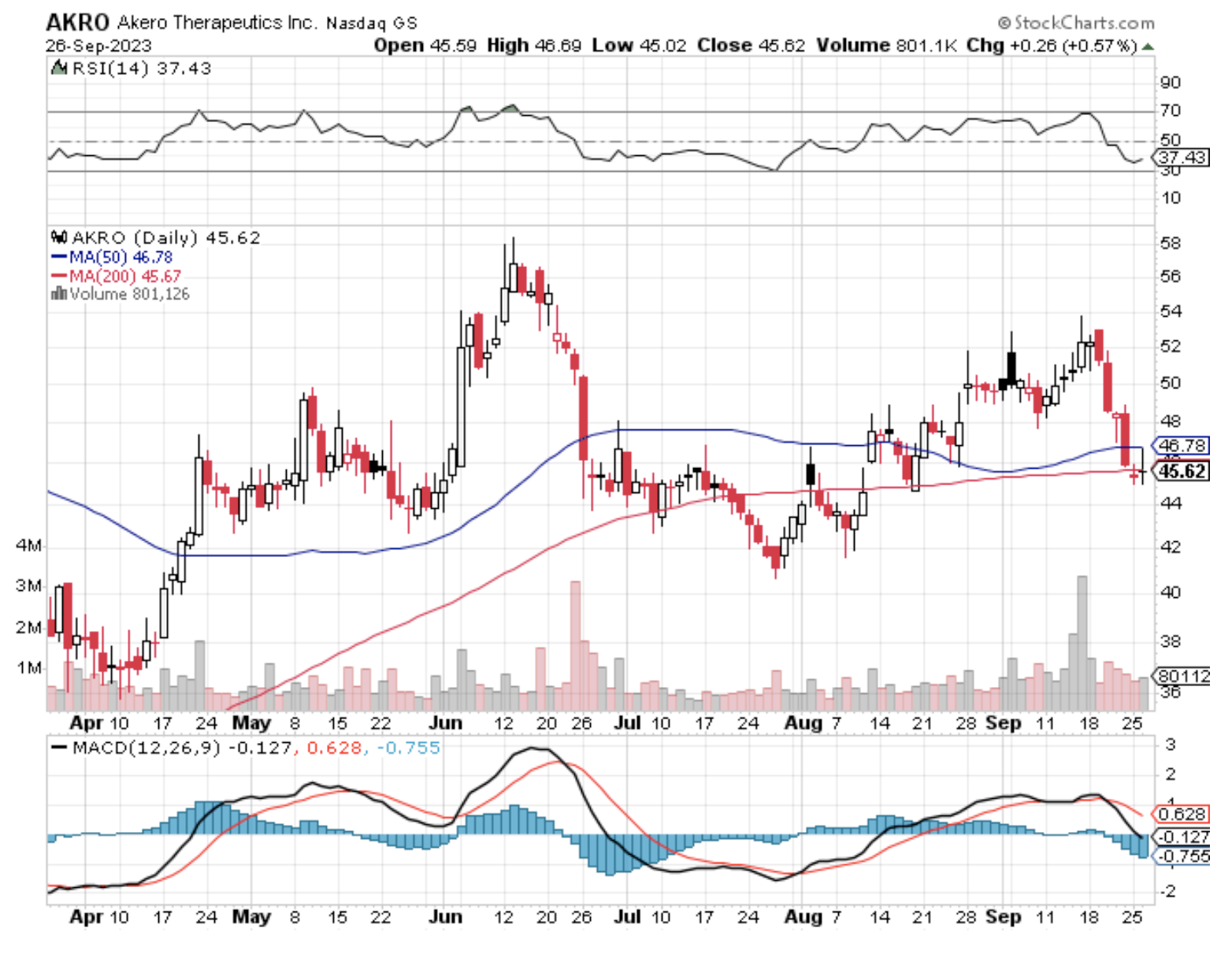
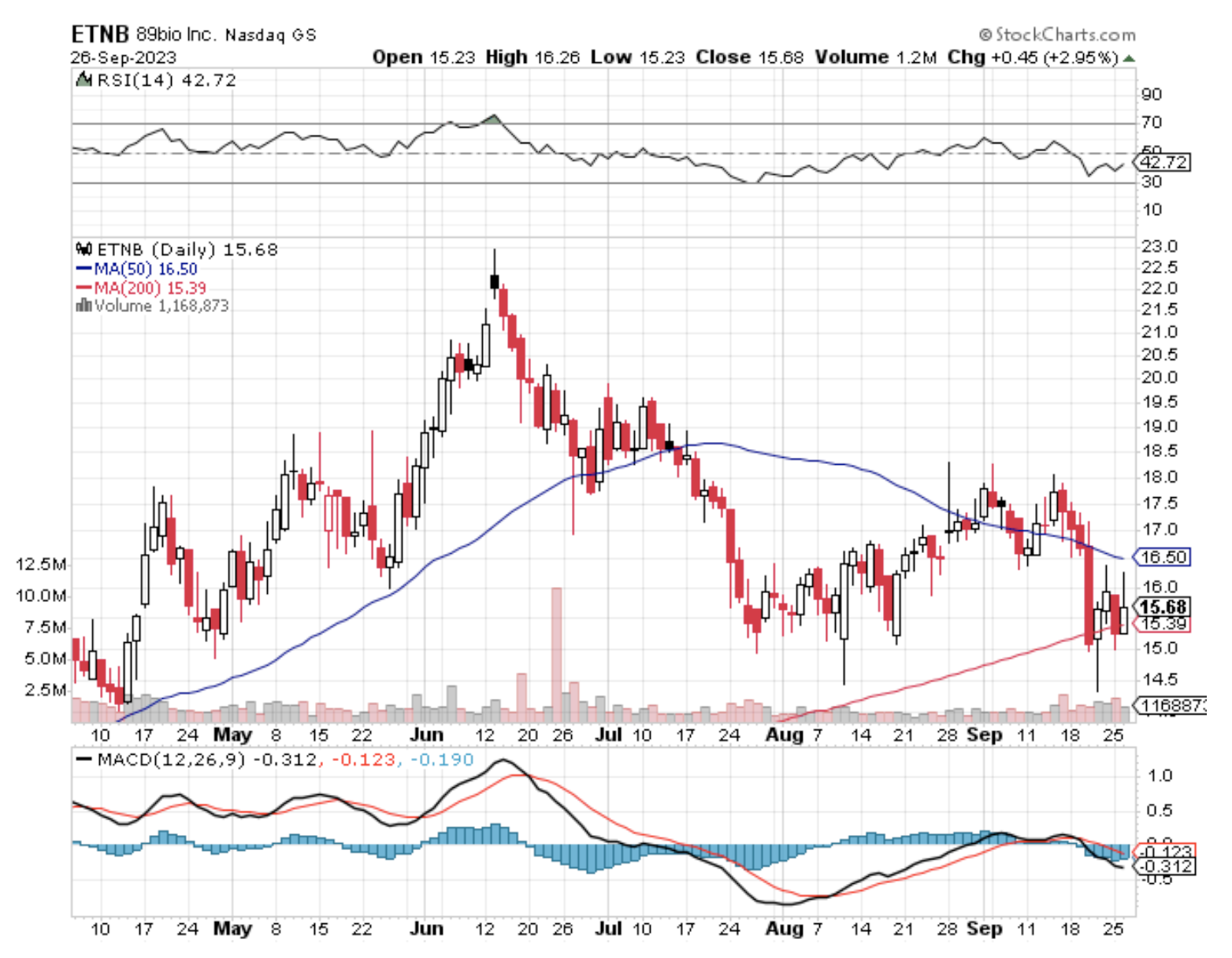
In June, revelations about Lilly's investigational drug, retatrutide, sent ripples through the sector. The drug not only facilitated a 24% weight reduction in subjects but also significantly diminished fat levels in their livers. This development impacted the stock values of companies like Madrigal Pharmaceuticals, Akero Therapeutics (AKRO), and 89bio (ETNB), pioneers in crafting remedies for the fatty liver condition known as NASH. While it remains to be seen how much these stocks will fall, it’s evident that their decline has already started.

The market is a tumultuous sea of uncertainties, with companies and investors meticulously navigating the evolving dynamics. For the astute investor, the key is to learn how to strike a balance between the old and the new.

The allure of GLP-1s might lead to a reevaluation of the medtech sector’s prospects, but companies like Insulet, ResMed, and Inspire still hold resilience in a GLP-1-dominated landscape.

Ultimately, it’s about understanding the intricate push and pull of shadows and light. The wise investor doesn’t just follow the light; they also understand the shadows, learning to see the opportunities lurking within.

So, delve deep, recalibrate your strategies, and remember, the paradox is not a roadblock; it’s a guidepost to new horizons in pharmaceutical innovation.


https://madhedgefundtrader.com/wp-content/uploads/2019/05/cropped-mad-hedge-logo-transparent-192x192_f9578834168ba24df3eb53916a12c882.png 0 0 april@madhedgefundtrader.com https://madhedgefundtrader.com/wp-content/uploads/2019/05/cropped-mad-hedge-logo-transparent-192x192_f9578834168ba24df3eb53916a12c882.png april@madhedgefundtrader.com2023-09-28 12:00:242023-09-28 11:55:55Tipping the Scales
Mad Hedge Fund Trader

February 27, 2023

Tech Letter

Mad Hedge Technology Letter
February 27, 2023
Fiat Lux

Featured Trade:

(THE UNBEATABLE PARTNERSHIP)
(EMR), (GRMN), (AMBA), (NVDA), (DXCM), (CSCO), (INTC), (QCOM)

https://madhedgefundtrader.com/wp-content/uploads/2019/05/cropped-mad-hedge-logo-transparent-192x192_f9578834168ba24df3eb53916a12c882.png 0 0 Mad Hedge Fund Trader https://madhedgefundtrader.com/wp-content/uploads/2019/05/cropped-mad-hedge-logo-transparent-192x192_f9578834168ba24df3eb53916a12c882.png Mad Hedge Fund Trader2023-02-27 15:04:122023-02-27 17:18:28February 27, 2023
Mad Hedge Fund Trader

The Unbeatable Partnership

Tech Letter

Let me introduce to you one of the hottest trends in tech.

They have been on the tip of everyone's lips for years, and that might be an understatement, but the interaction of the internet of things (IoT) and artificial intelligence (AI) offers companies a wide range of advantages.

In order to get the most out of IoT systems and to be able to interpret data, the symbiosis with AI is almost a must.

If the Internet of Things is merged with data analysis based on artificial intelligence, this is referred to as AIoT.

Moving forward, expect this to be the hot new phrase in an industry backdrop where investors love these hot catchphrases and monikers.

What is this used for?

Lower operating costs, shorter response times through automated processes, and helpful insights for business development are just a few of the notable advantages of the Internet of Things.

AI also offers a variety of business benefits: it reduces errors, automates tasks, and supports relevant business decisions. Machine learning as a sub-area of ​​AI also ensures that models – such as neural networks – are adapted to data. Based on the models, predictions and decisions can be made. For example, if sensors deliver new data, they can be integrated into the existing modules.

The Statista research institute assumes that there will be 75 billion networked devices by 2025.

This is exactly where AI comes into play, which generates predictions based on the sensor values ​​received.

However, many companies are still unable to properly benefit from the potential of connecting IoT and AI, or AIoT for short.

They are often skeptical about outsourcing their data - especially in terms of security and communication.

In part because the increased number of networked devices, which requires the connection of IoT and AI, increases the security requirements for infrastructure and communication structure enormously.

It is not surprising that companies are unsettled: Industrial infrastructures have grown historically due to constantly increasing requirements and present companies with completely new challenges, which manifest themselves, for example, in an increasing number of networked devices. With the combination of IoT and AI, many companies are venturing into relatively new territory.

By connecting IoT and AI, a continuous cycle of data collection and analysis is developing.

But companies can no longer deny the advantages of AIoT because this technical combination makes networked devices and objects even more useful.

Based on the insights generated by the models, those responsible can make decisions more easily and reliably predict future events. In this way, a continuous cycle of data collection and analysis develops. With predictive maintenance, for example, production companies can forecast device failures and thus prevent them.

The combination of the two technologies also makes sense from the safety point of view: continuous monitoring and pattern recognition help to identify failure probabilities and possible malfunctions at an early stage – potential gateways can thus be better identified and closed in good time.

The result: companies optimize their processes, avoid costly machine failures, and at the same time reduce maintenance costs and thus increase their operational efficiency.

In this way, IoT and AI represent a profitable fusion: While AI increases the benefit of existing IoT solutions, AI needs IoT data in order to be able to draw any conclusions at all.

AIoT is therefore a real gain for companies of all sizes. They thus optimize processes, are less prone to errors, improve their products and thus ensure their competitiveness in the long term.

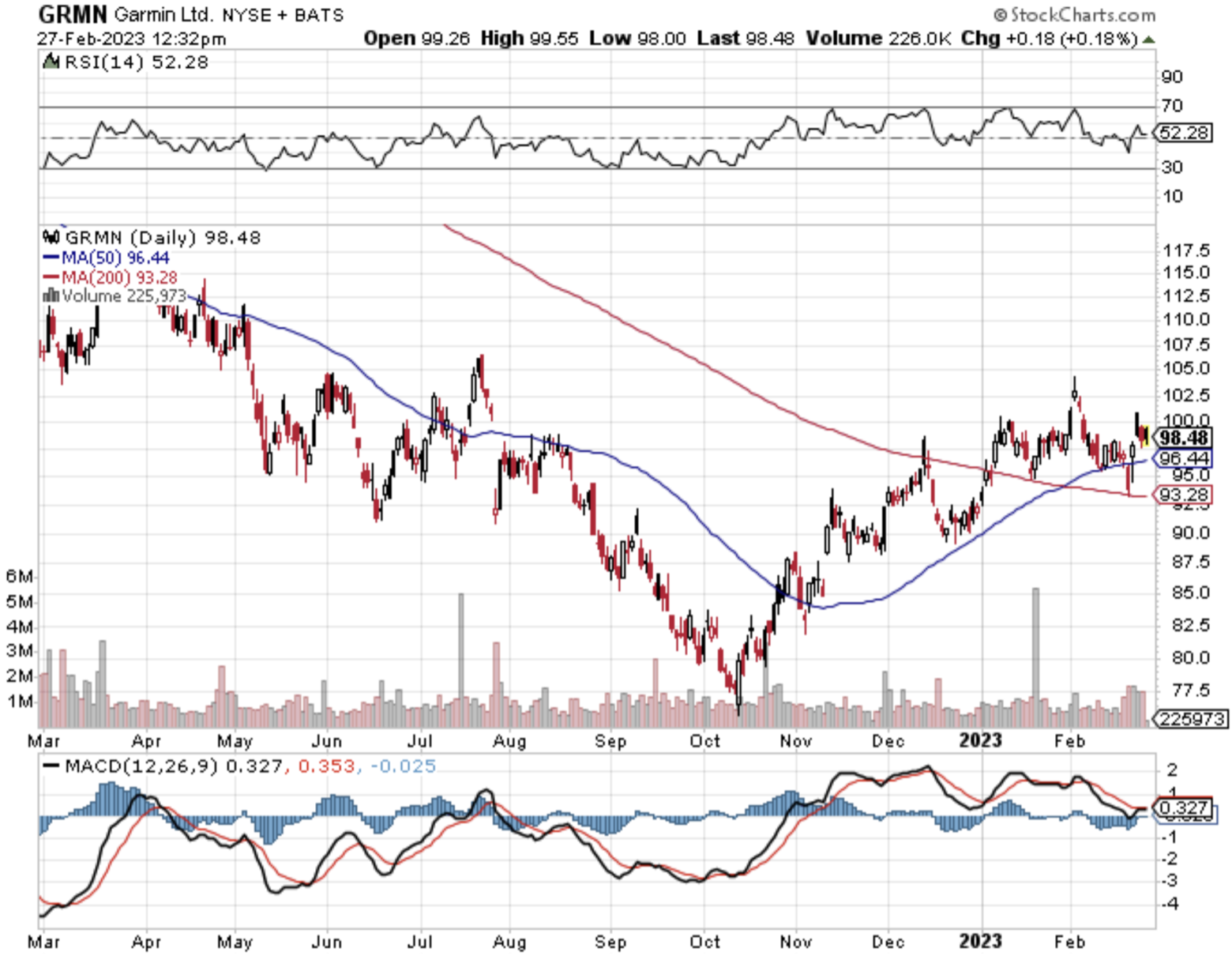
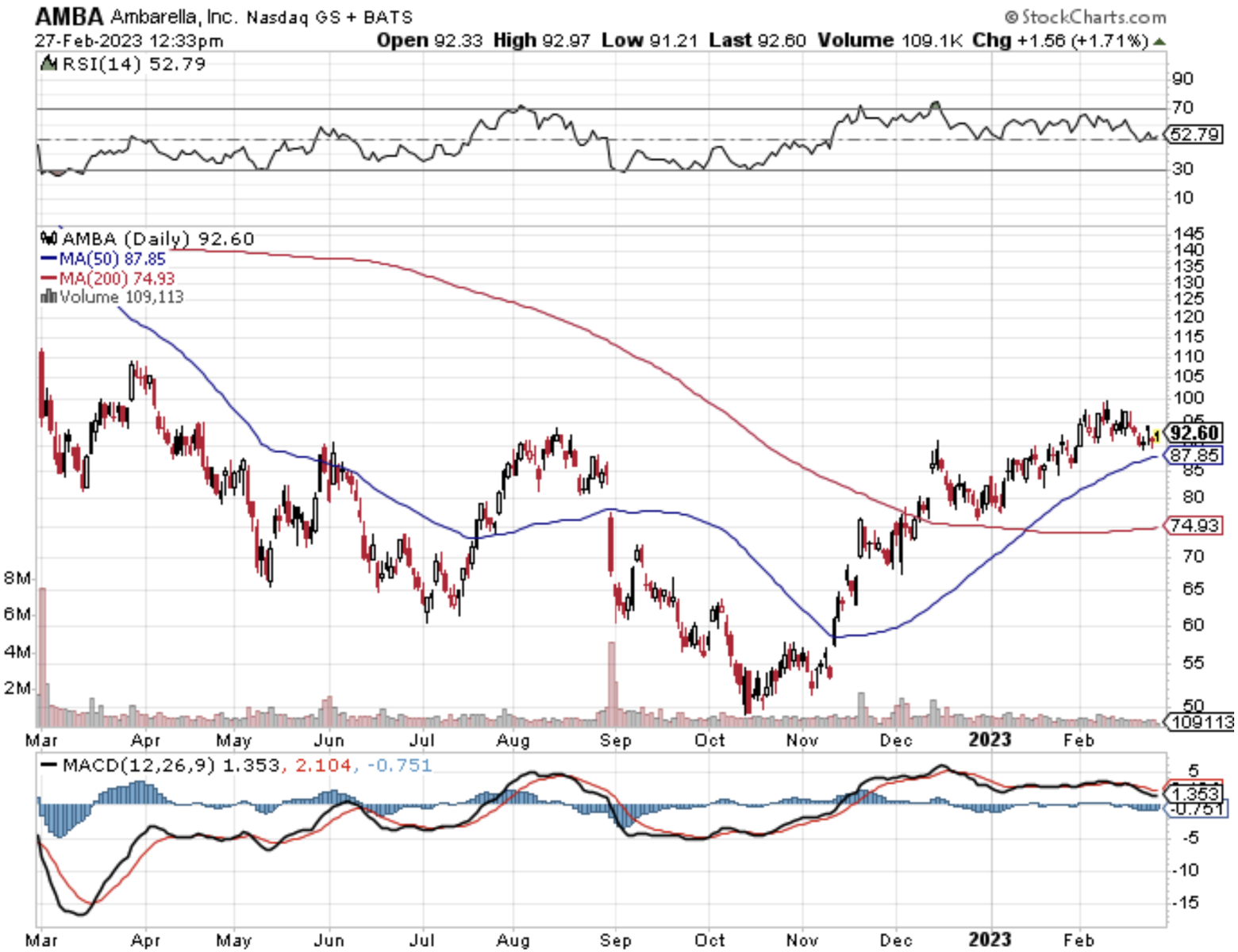
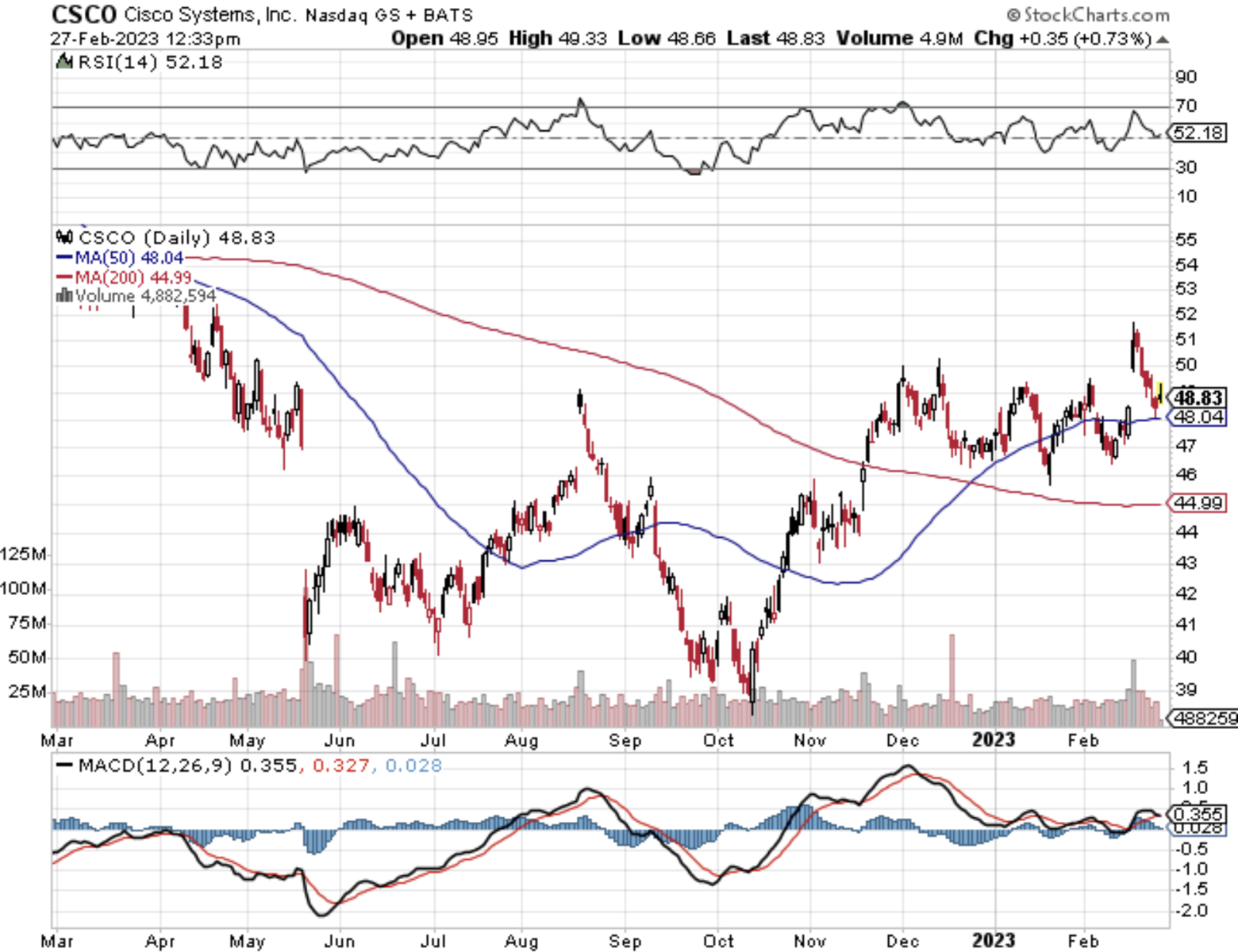
Some hardware, software, and semiconductor stocks that will offer exposure into AIoT are Emerson Electric Co. (EMR), Garmin (GRMN), Ambarella (AMBA), Nvidia (NVDA), DexCom (DXCM), Cisco (CSCO), Intel (INTC), and Qualcomm (QCOM).


ai and iot


https://madhedgefundtrader.com/wp-content/uploads/2019/05/cropped-mad-hedge-logo-transparent-192x192_f9578834168ba24df3eb53916a12c882.png 0 0 Mad Hedge Fund Trader https://madhedgefundtrader.com/wp-content/uploads/2019/05/cropped-mad-hedge-logo-transparent-192x192_f9578834168ba24df3eb53916a12c882.png Mad Hedge Fund Trader2023-02-27 15:02:352023-02-28 16:41:51The Unbeatable Partnership
Mad Hedge Fund Trader

A Positive Income Stock That Steadily Delivers

Biotech Letter

Even the most aggressive and high-risk investor would appreciate a passive income.

Now would be an excellent time to consider stocks that could offer robust returns throughout your lifetime for those with some cash stored up.

One stock that fits this description is AbbVie (ABBV).

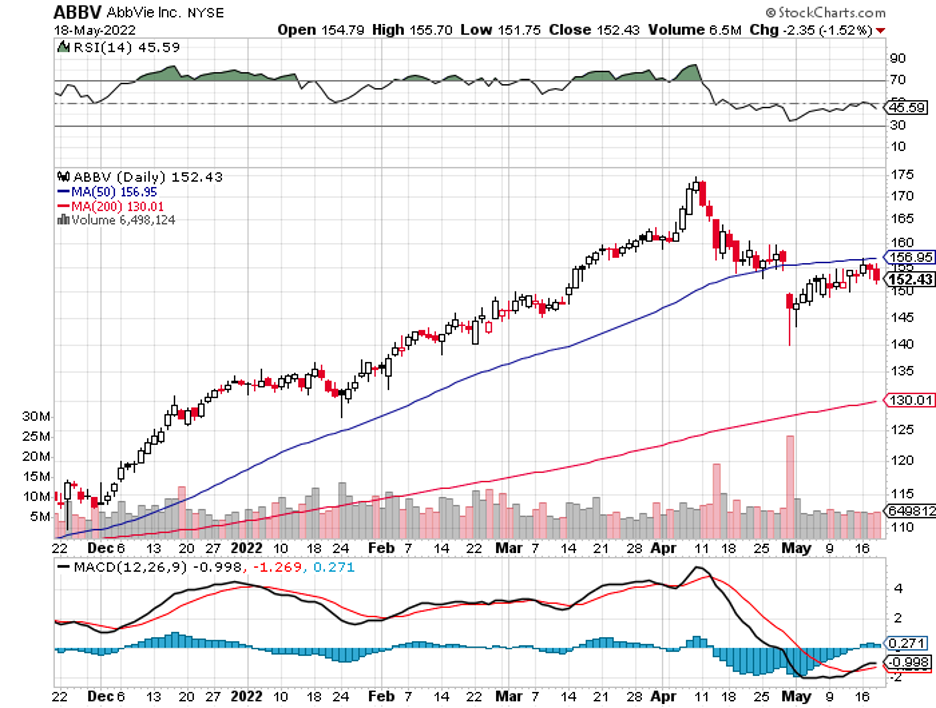
Spun off from Abbott Labs (ABT) in 2013, AbbVie is widely recognized as a dependable Dividend King thanks to its 50-year track record of consecutive dividend increases. Since going solo, it has boosted its dividend by over 250%. 

In the latest report, AbbVie’s annual dividend has reached $5.64 per share and is paid at a yield of 3.71%. This is roughly double the 1.86% long-term average of the S&P 500.

In the first-quarter earnings report, AbbVie’s year-over-year revenue climbed by 4.1% to reach $13.5 billion, pushing its earnings higher by 9%.

However, the company’s shares declined by approximately 10% after these results were released.

While the update wasn’t that disappointing, the impending patent loss of AbbVie’s top-selling rheumatoid arthritis drug Humira affected the market’s perception.

In fact, sales of Humira have already started to weaken, falling by 2.7% year-over-year to report $4.7 billion.

This report is hardly shocking, especially since the drug continues to battle it out against the generic competition.

Actually, Amgen (AMGN) and Biogen (BIIB) already have approved biosimilar versions of Humira out in the market since 2018.

Humira sales are anticipated to continue to fall in 2023 when the drug loses its patent exclusivity. Its competitors have started to apply for FDA approvals in the US for their biosimilars of this blockbuster treatment.

Another reason for the sell-off of AbbVie shares following its first-quarter results is the drop in sales of other products, particularly Imbruvica.

Since the competition in the oncology sector has become more intense, this treatment struggled to keep its share, resulting in a 7.4% decline in its revenue year-over-year to report $1.2 billion.

Although the decline in the sales of any company’s product is never a good sign, it should be noted that Imbruvica has been dealing with various issues even prior to this quarter.

In 2021, the global sales for Imbruvica only exhibited a meager 1.8% increase to reach $5.4 billion.

Like what happened in the first quarter of 2022, this unimpressive contribution also resulted from more intense competition.

The good news is that the critical products anticipated to offset the decline of Humira sales continue to reap excellent results.

AbbVie showed off a 21% year-over-year boost in revenue across its neuroscience and aesthetics segment, which was led by the solid performance of the recently launched migraine drug Ubrelvy as well as the in-demand Botox Cosmetic and Juvederm.

Meanwhile, momentum continues to grow for immunosuppressants Skyrizi and Rinvoq, which are projected to have practically all the major indications earned by Humira.

In the first quarter, Skyrizi sales went up 63.7% to reach $940 million while Rinvoq recorded a 53.6% increase to rake in $465 million.

Looking at their trajectory, both products are estimated to generate over $15 billion in sales in 2025.

These are promising numbers for AbbVie’s immunology segment. Plus, bear in mind that Humira actually hit peak sales in 2021 at $20.7 billion.

That means this treatment can still contribute meaningfully to the company. After all, it’s highly unlikely that Humira sales would immediately drop to zero just because generics start to infiltrate the US market. 

Needless to say, AbbVie’s portfolio appears to be increasingly well-prepared for a post-Humira era. 

Given that its revenue and earnings clearly show growth, and a strategy firmly in place to continue expanding its portfolio, AbbVie can easily sustain its yearly dividend boosts and offer passive income to its shareholders for many years.


abbvie dividends

https://madhedgefundtrader.com/wp-content/uploads/2019/05/cropped-mad-hedge-logo-transparent-192x192_f9578834168ba24df3eb53916a12c882.png 0 0 Mad Hedge Fund Trader https://madhedgefundtrader.com/wp-content/uploads/2019/05/cropped-mad-hedge-logo-transparent-192x192_f9578834168ba24df3eb53916a12c882.png Mad Hedge Fund Trader2022-05-19 19:00:362022-05-23 20:30:57A Positive Income Stock That Steadily Delivers
Mad Hedge Fund Trader

A Biotech Pioneer with an Enduring Legacy

Biotech Letter

Forever is a long time, and the move to buy and hold stocks for good is a decision that should never be approached lightly.

How can you guarantee that a company is capable of delivering solid numbers every year?

One way to approach this is to consider stocks with a long history, especially when these businesses are frontrunners in steadily growing industries that are on track to keep developing and expanding in the next few years.

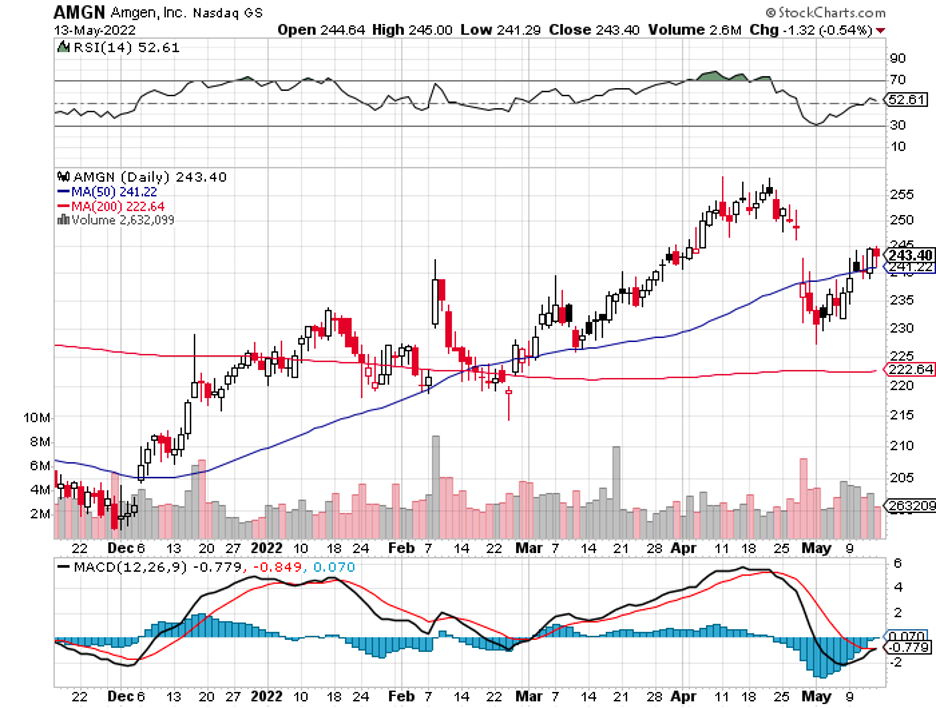
In the biotechnology and healthcare sector, a name that fits the bill is Amgen (AMGN).

Amgen is a pioneer in the biotechnology sector, with the company developing innovative treatments in oncology, inflammatory conditions, and biosimilars since the early 1980s.

For the past 12 months, Amgen has generated roughly $24.4 billion in revenues globally.

Its first-quarter results for 2022 showed a respectable 6% year-over-year increase thanks to the double-digit growth of its key drug programs. In effect, the company also reported a 15% rise in its adjusted earnings per share.

In particular, the main growth drivers during this quarter are Repatha, which was up 15% to reach $329 million, Evenity, up by 59% to rake in $170 million, and Prolia, up by 12% to report $852 million.

Amgen prides itself on many products, with revenues growing by double-digit percentages, with several newer treatments in the lineup projected to drive top-line growth for an extended period.

Aside from the potential of Prolia, Evenity, and Repatha, Amgen and AstraZeneca’s (AZN) collaborative work, asthma medication Tezspire, and non-small cell lung cancer treatment Lumakras are anticipated to become top-selling products as well.

Approved in almost 40 countries, Lumakras is expected to gain more regulatory approval in the coming years, making the argument for its blockbuster potential stronger than ever. 

On top of these, Amgen has over 24 programs queued for clinical trials, with the company continuously bolstering its pipeline.

Meanwhile, its biosimilar arm is growing with 5 high-quality treatments already out on the market and an additional 6 more expected to be launched from 2023 to 2030.

Among the biosimilars in the lineup, perhaps the most exciting and possibly most profitable would be the biosimilar to AbbVie’s (ABBV) mega-blockbuster Humira. Looking at the timeline, Amgen’s candidate should be out by January 2023.

Apart from being a good defensive stock, Amgen is also a great option for income-seeking investors.

This biotech titan offers a 3.08% dividend yield, which is starkly better than the S&P 500’s 1.37%.

Meanwhile, its cash dividend payout of roughly 47.88% is conservative enough to guarantee that the company manages to sustain dividend boosts in the following years.

Over the past 3 years, Amgen’s payouts have increased by 33.79%—and there’s more where that came from.

Lifesaving treatments are crucial to patients, and available therapies for several conditions can always be improved upon. Moreover, there are many diseases with no approved drugs just yet.

In addition, the global population is aging. The number of people aged 60 and above is expected to approximately double by 2050.

This means that the spending on prescription drugs would also go up as the demographic ages.

Hence, companies like Amgen are anticipated to enjoy an even bigger target market in the coming decade.

Those are strong reasons that ensure the longevity of the businesses in the healthcare sector. For high-quality companies, these can serve as excellent catalysts not only for continuous revenue generation but also for potential blockbuster treatments.

As the largest biotechnology company in terms of market capitalization, Amgen continues to deliver positive returns and promise stability to its shareholders amid all the chaos and uncertainties.

With an excellent dividend, bolstered with a solid pipeline, key franchise programs, and lineup, Amgen is a great target for investors looking for stocks to buy and hold for a long time.


amgen biotechnology

https://madhedgefundtrader.com/wp-content/uploads/2019/05/cropped-mad-hedge-logo-transparent-192x192_f9578834168ba24df3eb53916a12c882.png 0 0 Mad Hedge Fund Trader https://madhedgefundtrader.com/wp-content/uploads/2019/05/cropped-mad-hedge-logo-transparent-192x192_f9578834168ba24df3eb53916a12c882.png Mad Hedge Fund Trader2022-05-17 16:00:552022-05-25 18:27:10A Biotech Pioneer with an Enduring Legacy
Mad Hedge Fund Trader

May 12, 2022

Biotech Letter

Mad Hedge Biotech and Healthcare Letter
May 12, 2022
Fiat Lux

Featured Trade:

(AN UNDERRATED PREMIUM HEALTHCARE STOCK)
(ABT), (DXCM), (MDT)

https://madhedgefundtrader.com/wp-content/uploads/2019/05/cropped-mad-hedge-logo-transparent-192x192_f9578834168ba24df3eb53916a12c882.png 0 0 Mad Hedge Fund Trader https://madhedgefundtrader.com/wp-content/uploads/2019/05/cropped-mad-hedge-logo-transparent-192x192_f9578834168ba24df3eb53916a12c882.png Mad Hedge Fund Trader2022-05-12 18:02:592022-05-12 21:59:01May 12, 2022
Mad Hedge Fund Trader

An Underrated Premium Healthcare Stock

Biotech Letter

The healthcare industry is a complex system. Nevertheless, it's an exciting space filled with opportunities valued at almost $12 trillion globally.

Healthcare needs are practically guaranteed never to disappear. Moreover, there will always be a consistent demand for expansion and innovation as patients look for more effective treatments and therapies.

This could signify several up-and-coming budding companies in the following years.

However, it's vital to keep tabs on the well-established blue-chip stocks in the healthcare world.

After all, these names have proved their worth for decades, evolving with the industry and developing innovative drugs and services to stay at the forefront of the field.

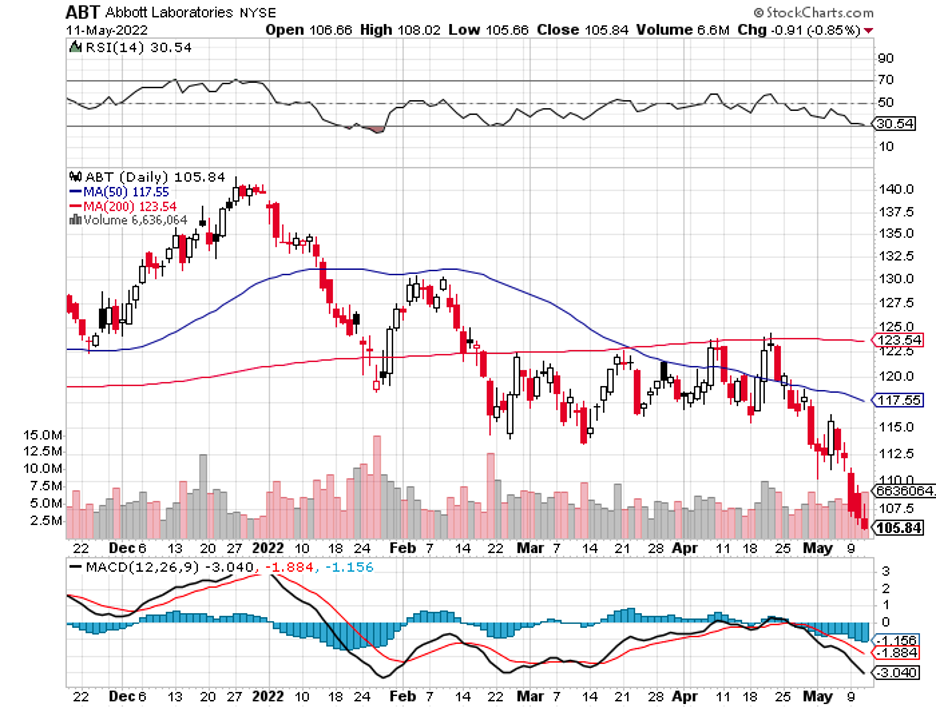
One name that fits that description is Abbott Laboratories (ABT).

There are many reasons why Abbott is an outstanding stock to buy. One excellent reason is its long history, as it goes way back to the late 1800s.

Admittedly, that reason alone isn't enough to promise a bright future. But, the fact that Abbott managed to sustain its growth and remain competitive for decades speaks volumes of the stock's quality.

Another appeal of Abbott to investors, which is unlikely to change anytime soon, is its diversified portfolio. The company produces virtually everything from COVID-19 diagnostic tools to surgical equipment and medical devices targeting diabetes.

Moreover, Abbott has developed a solid relationship with healthcare professionals and facilities. This establishes brand recognition, which arms it with a decisive competitive advantage.

With over $43 billion in trailing 12-month revenue, its portfolio of products is so extensive and popular in the healthcare field that it's difficult to imagine a future where a particular failure in any market would severely damage its share price.

That makes AbbVie a remarkably safer stock compared to many of its peers in the healthcare sector.

The first three months of 2022 saw Abbott Laboratories record $11.9 billion in revenue, showing off a 13.8% year-over-year climb.

The diagnostic sales segment grew with a 32% increase year-over-year, with roughly $3.3 billion of the amount generated from COVID-19 diagnostic tools.

Apart from this, other segments of the business posted good numbers. For instance, the company's established pharmaceuticals and medical device sector climbed by over 7% in the first quarter.

The only business arm that failed to record an increase in revenue is its nutritional segment, which fell by 7% primarily due to product recalls and the unfavorable conditions in the Chinese market.

Although the quarterly revenue of Abbott isn't growing as fast as other healthcare companies, this shouldn't be an alarming concern.

Actually, this is effectively this industry titan's norm.

Besides, the moment a company reaches a market capitalization of more than $211.6 billion, it's challenging to continue making more money at a similar rate as the years when it was a smaller firm.

Meanwhile, a key revenue growth segment for Abbott is diabetes care.

Thanks to its FreeStyle Libre franchise, Abbott has established a notable presence in the diabetes market, particularly in the glucose monitoring (CGM) systems.

Based on the first-quarter report, sales from the diabetes segment jumped by 14.9% to record $1.1 billion.

From this, the FreeStyle Libre franchise raked in $1 billion in revenue, showing off an impressive 20.4% increase year-over-year.

CGM gadgets allow diabetes patients to conveniently and automatically track their own blood glucose levels. Evidently, the fast adoption of this technology is driving sales of the FreeStyle Libre.

Thus far, Abbott Laboratories is nowhere near entirely dominating the CGM market, with the likes of DexCom (DXCM) and Medtronic (MDT) still capable of contesting its market share.

Considering that this is only the first-quarter sales, though, it's incredible to watch how far the FreeStyle Libre franchise could go.

For context, this portfolio brought in annual revenue of $2.6 billion in 2020 and grew by 35.8% the following year to bring in $3.7 billion in 2021.

Finally, Abbott is an excellent option for income-seeking investors. This business is widely considered a Dividend King, increasing its payouts for an impressive 50 years.

Looking at the past five years, Abbott's dividend was raised by over 77%. Given its rapidly increasing cash flow, it's clear that it has a strong capacity to continue paying out dividends.

The market has been experiencing stomach-churning rough patches as more and more companies struggle with supply chain disruptions and increasing interest rates. This is just the kind of environment where Abbott thrives.

This company has a 10-year return of 378% that easily beats the market's 282%, making Abbott a stock that many investors aspire to own.

Between its steadily climbing dividend payouts, consistent flow of innovative products, and the capacity to hold its title as one of the largest healthcare companies worldwide, it's clear to see the reason for investors' confidence in this stock: all these benefits could make any shareholder wealthy over time.


abbott laboratories

https://madhedgefundtrader.com/wp-content/uploads/2019/05/cropped-mad-hedge-logo-transparent-192x192_f9578834168ba24df3eb53916a12c882.png 0 0 Mad Hedge Fund Trader https://madhedgefundtrader.com/wp-content/uploads/2019/05/cropped-mad-hedge-logo-transparent-192x192_f9578834168ba24df3eb53916a12c882.png Mad Hedge Fund Trader2022-05-12 18:00:332022-05-12 21:58:52An Underrated Premium Healthcare Stock
Mad Hedge Fund Trader

July 20, 2021

Biotech Letter


Mad Hedge Biotech & Healthcare Letter
July 20, 2021
Fiat Lux

FEATURED TRADE:

(A SNAPSHOT ON HOW TO LIVE A BETTER LIFE)
(DXCM), (CVS), (WBA), (RAD), (MDT), (ABBT), (SENS),
(TDOC), (AMWL), (AMZN), (AAPL), (GOOGL), (GRMN)

https://madhedgefundtrader.com/wp-content/uploads/2019/05/cropped-mad-hedge-logo-transparent-192x192_f9578834168ba24df3eb53916a12c882.png 0 0 Mad Hedge Fund Trader https://madhedgefundtrader.com/wp-content/uploads/2019/05/cropped-mad-hedge-logo-transparent-192x192_f9578834168ba24df3eb53916a12c882.png Mad Hedge Fund Trader2021-07-20 16:02:532021-07-20 17:03:30July 20, 2021
Mad Hedge Fund Trader

A Snapshot of How to Live a Better Life

Biotech Letter

The routine medical check-ups we have today are primarily based on physical exams that were developed way back in the 1820s, utilizing tools that haven’t been upgraded for over a century.

More alarmingly, all we go through is a “comprehensive” health check once every year, offering us just a snapshot of what’s truly going on in our bodies.

If anything, we monitor the releases of new software for our phones and laptops more than we pay attention to our own bodies.

As we’ve proven with the COVID-19 pandemic, so much can happen in a year

Truth be told, our bodies can deteriorate at lightning speed and without any warning. That’s why it’s terrifying to think that we’re not doing as much to monitor our health.

So, what can we do to change this? How can we be more proactive when it comes to our health?

The COVID-19 pandemic has brought many changes into our lives, and this is one of the biggest transformations it has done: an exponential spike in demand for telehealth services.

One of the major issues between patients and doctors at the height of the pandemic was how to go through the physical exams without actual physical contact.

Clearly, it’s not possible to hear a heart murmur or irregular breathing over a video call.

This is where a lot of innovative companies come in.

For a more specialized exam, HD Medical released a credit card-sized device called HealthyU.

Patients simply touch it with their finger, and the device can instantaneously measure their heart rate and sounds, temperature, and even oxygen saturation.

All these data would then be sent to their doctors or health providers in real-time.

HealthyU also has a remote EKG, which effectively allows it to serve as a portable roadmap to a patient’s heart health and helps doctors monitor for signs of heart attacks and arrhythmias.

For example, there’s this handheld exam kit called Tyto that patients can use to perform their own guided medical exams.

This palm-sized gadget is linked to an app, so your doctor can monitor you remotely.

Patients suffering from a sore throat can use Tyto’s camera to let the doctors see the back of their throats, while those struggling from chest pains can easily use the stethoscope to help their physicians listen to their lungs and hearts.

And these are just for physical exams. There are more advancements in health monitoring, and this is where wearable technology comes in.

Wearable technology is considered one of the most promising growth drivers, largely due to the health sector.

The market size for this segment is estimated to rise from $116.2 billion in 2021 to $265.4 billion by 2026, showing off an 18% CAGR growth within a 5-year period.

Applications for wearables have expanded to areas including medical surgery as well as internables and implantables or sensors, which can be fitted into our bodies to help doctors observe various health parameters.

It’s no wonder brands like Apple (AAPL) with Apple Watch, Google (GOOGL) with Fitbit, and Garmin (GRMN) have been working overtime to try to cover as much of the wearable health market as possible.

So far, these products provide extensive data ranging from calories burned to our heart rates.

Aside from them, there are other wearables in the market today that could change the landscape of the health industry.

One of them is the Oura Ring, which was first introduced in 2013.

Designed to be worn 24 hours a day, this device measures the bodily functions of the user. It gathers data through infrared light sensors that touch the finger arteries.

One of the most impressive things it can do is monitor your sleep movements to help determine early onset of some neurodegenerative diseases like Parkinson’s.

The information is all sent to the app, which users can access via their smartphones. The Oura Ring is somewhere between $299 and $999, depending on your preferences in style and color.

Although it’s yet to be a mainstream product, the Oura Ring was provided to NBA players when they resumed their season amid the COVID-19 pandemic.

The device was used to help the basketball stars monitor their health.

In fact, a joint study with the University of California San Francisco showed that the Oura Ring was able to help detect the common symptoms of COVID-19 three days earlier and with as high as 90% accuracy.

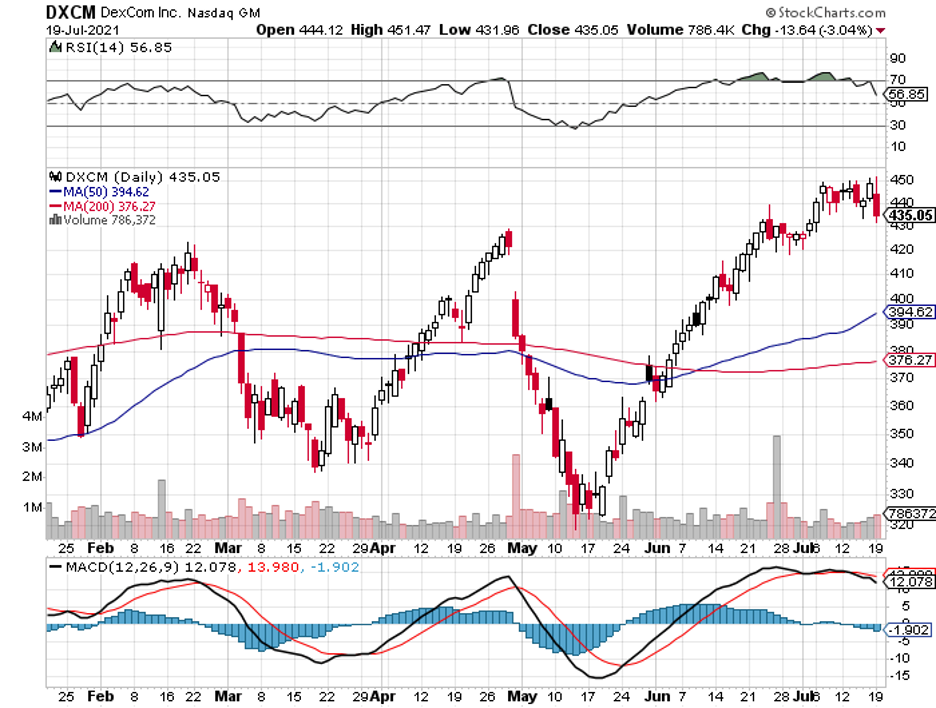
Another impressive health monitoring advancement covers the glucose monitoring product line of Dexcom (DXCM).

The primary goal of Dexcom is to take away the guesswork that comes with finger pricking.

By offering a wearable sensor, people with diabetes can easily and accurately monitor their glucose levels.

What’s even more convenient is that Dexcom’s wearable is available in practically all large pharmacies like CVS (CVS), Walgreens (WBA), and Rite Aid (RAD).

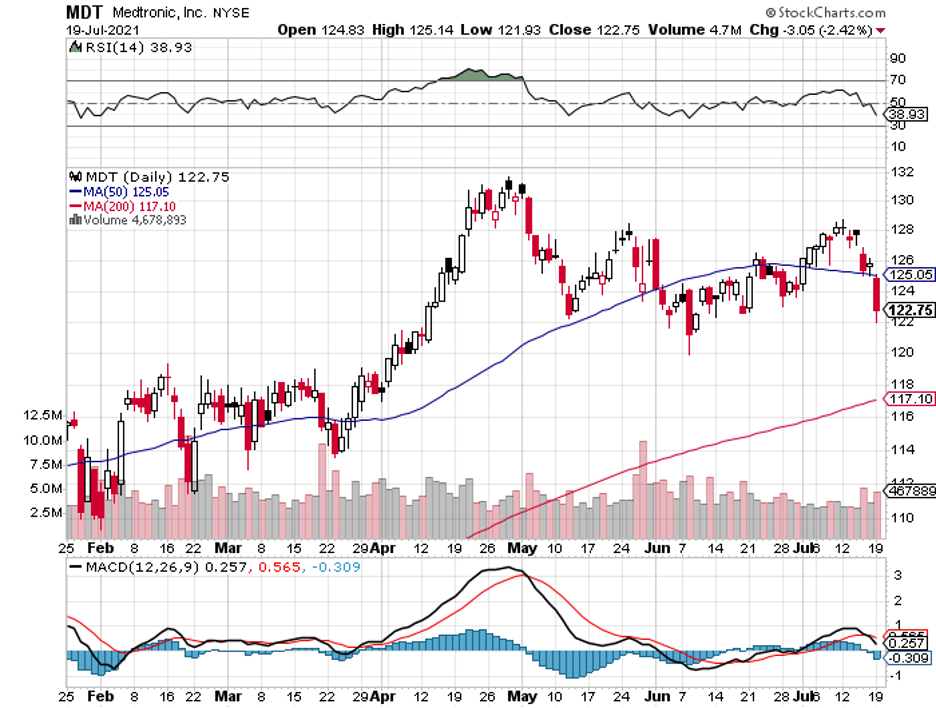
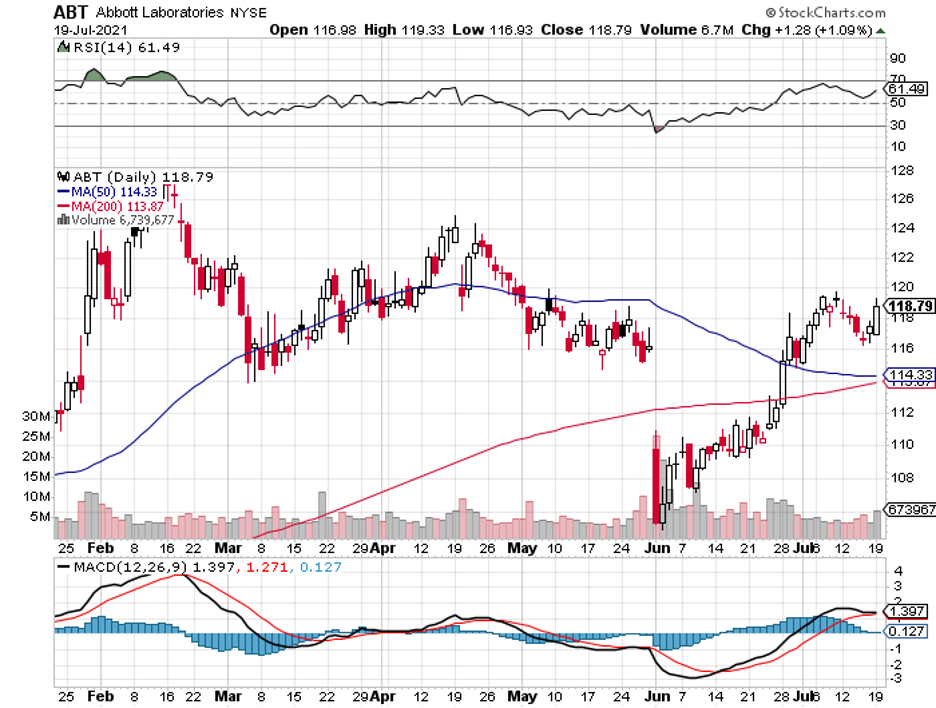
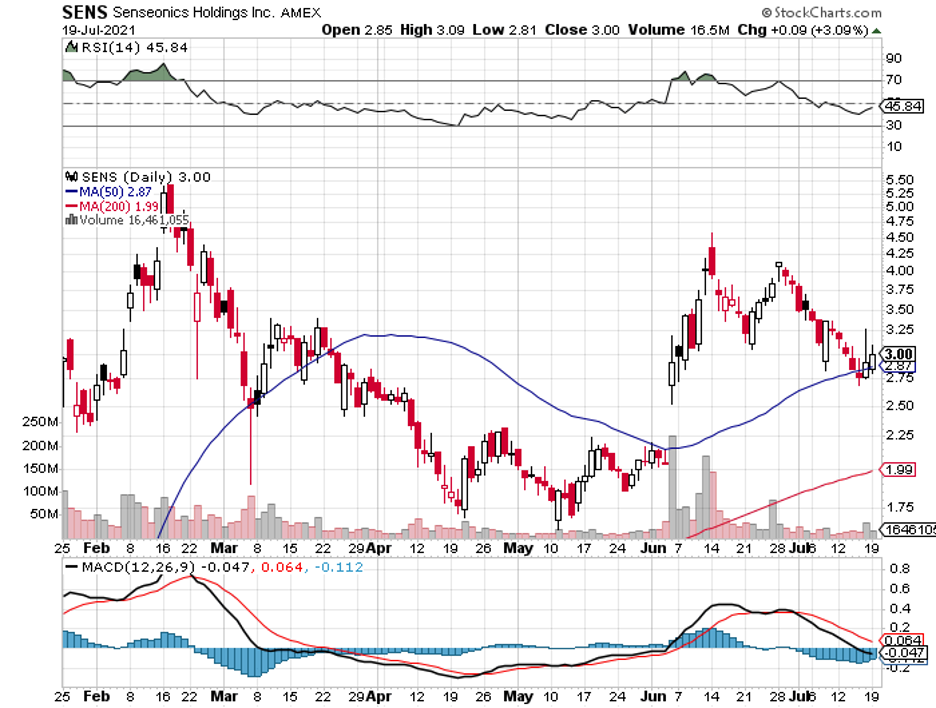
To date, Dexcom’s biggest competitors include Medtronic’s (MDT) Guardian Connect, Abbott’s (ABBT) Freestyle Libre, and Senseonics’ (SENS) Eversense.

These are only some of the emerging technologies that could help us improve the quality of our lives today, with thousands more expected to follow suit in the years to come.

For an endlessly advancing world with smartphones, supercomputers, smart homes, and even self-driving cars receiving software updates virtually every week, it’s absurd to think that we only allot a single check-in on our health annually. 

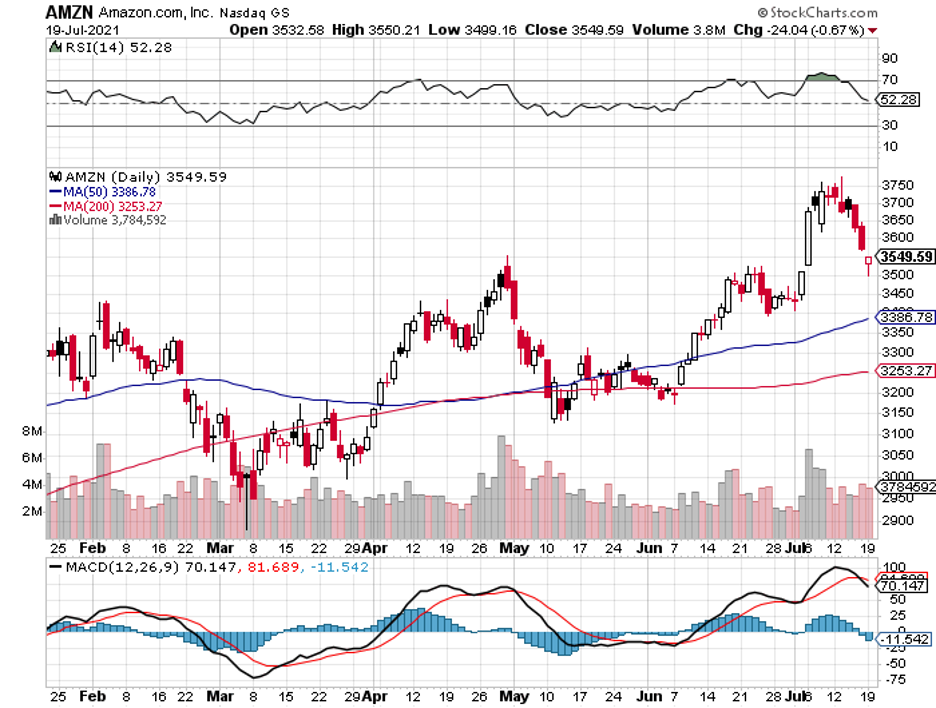
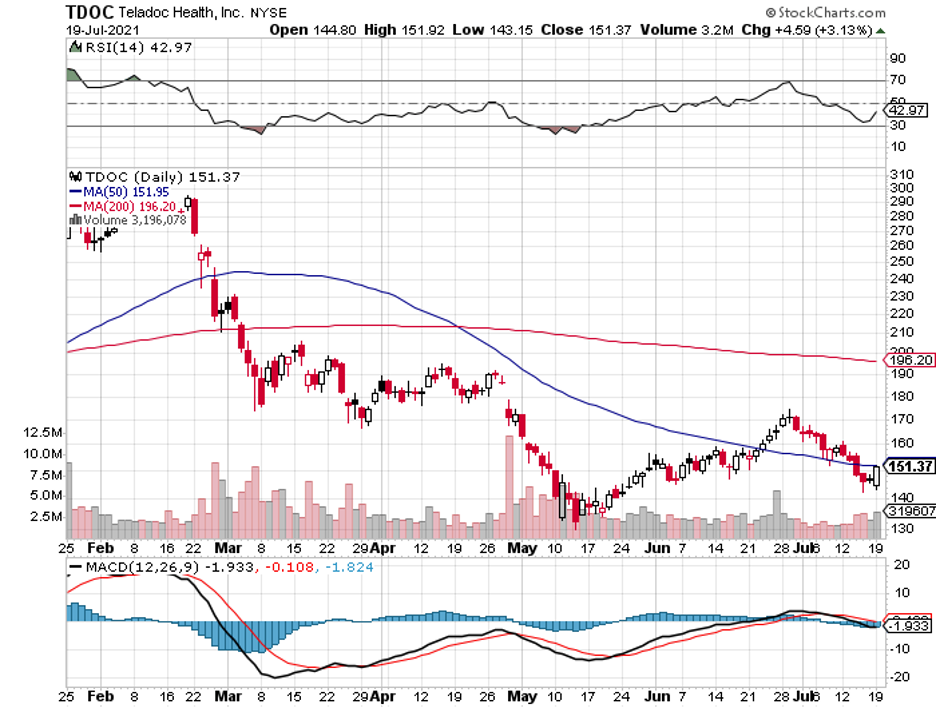
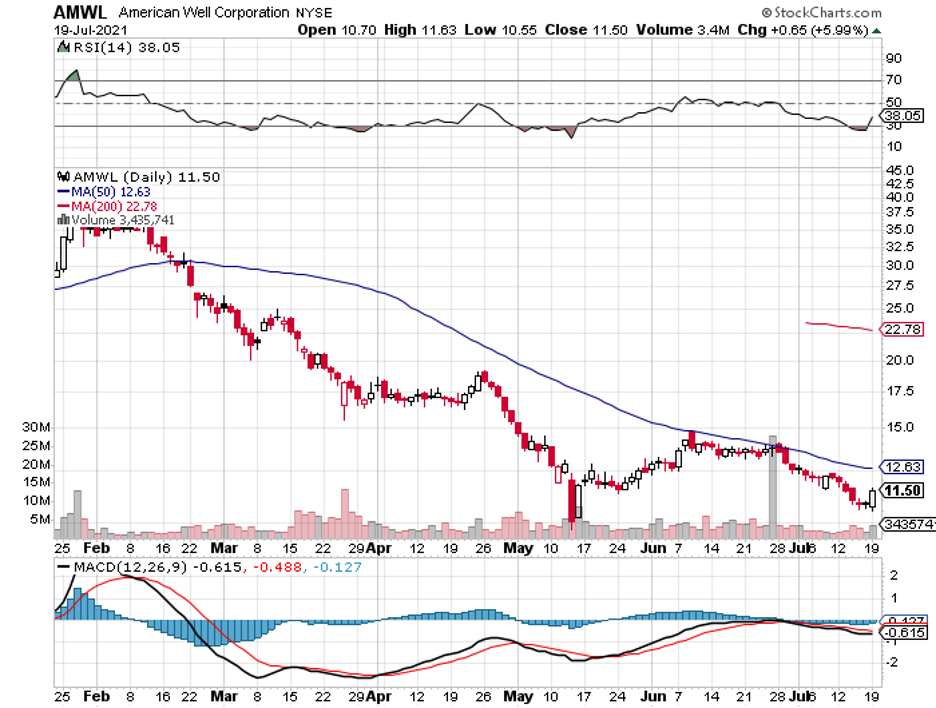
But with the advent of these technologies and the increasing popularity of telehealth services spearheaded by the likes of Teladoc (TDOC), Amwell (AMWL), and even Amazon (AMZN), it looks like we’re starting to finally pay more attention to our health.

health


health


health


https://madhedgefundtrader.com/wp-content/uploads/2019/05/cropped-mad-hedge-logo-transparent-192x192_f9578834168ba24df3eb53916a12c882.png 0 0 Mad Hedge Fund Trader https://madhedgefundtrader.com/wp-content/uploads/2019/05/cropped-mad-hedge-logo-transparent-192x192_f9578834168ba24df3eb53916a12c882.png Mad Hedge Fund Trader2021-07-20 16:00:492021-07-30 02:28:27A Snapshot of How to Live a Better Life
Page 2 of 212

tastytrade, Inc. (“tastytrade”) has entered into a Marketing Agreement with Mad Hedge Fund Trader (“Marketing Agent”) whereby tastytrade pays compensation to Marketing Agent to recommend tastytrade’s brokerage services. The existence of this Marketing Agreement should not be deemed as an endorsement or recommendation of Marketing Agent by tastytrade and/or any of its affiliated companies. Neither tastytrade nor any of its affiliated companies is responsible for the privacy practices of Marketing Agent or this website. tastytrade does not warrant the accuracy or content of the products or services offered by Marketing Agent or this website. Marketing Agent is independent and is not an affiliate of tastytrade. 

Legal Disclaimer

There is a very high degree of risk involved in trading. Past results are not indicative of future returns. MadHedgeFundTrader.com and all individuals affiliated with this site assume no responsibilities for your trading and investment results. The indicators, strategies, columns, articles and all other features are for educational purposes only and should not be construed as investment advice. Information for futures trading observations are obtained from sources believed to be reliable, but we do not warrant its completeness or accuracy, or warrant any results from the use of the information. Your use of the trading observations is entirely at your own risk and it is your sole responsibility to evaluate the accuracy, completeness and usefulness of the information. You must assess the risk of any trade with your broker and make your own independent decisions regarding any securities mentioned herein. Affiliates of MadHedgeFundTrader.com may have a position or effect transactions in the securities described herein (or options thereon) and/or otherwise employ trading strategies that may be consistent or inconsistent with the provided strategies.

Copyright © 2026. Mad Hedge Fund Trader. All Rights Reserved. support@madhedgefundtrader.com
Scroll to top