Mad Hedge Technology Letter
September 30, 2022
Fiat Lux
Featured Trade:
(CARVANA ISN’T NIRVANA)
(CVNA), (KMX), (TSLA)

Mad Hedge Technology Letter
September 30, 2022
Fiat Lux
Featured Trade:
(CARVANA ISN’T NIRVANA)
(CVNA), (KMX), (TSLA)
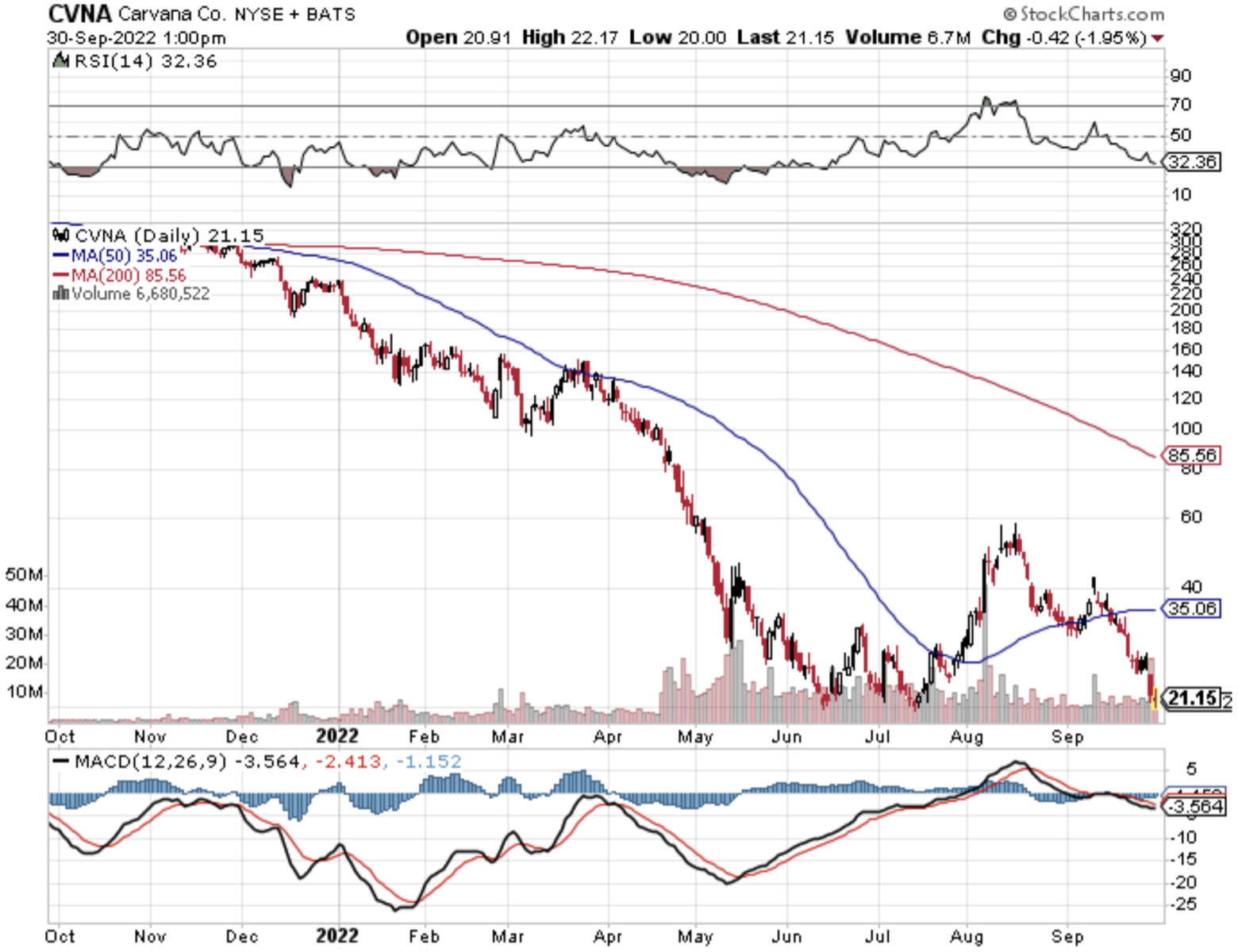
Avoid Carvana (CVNA) stock.
Don’t expect a quick reversal in this digital used-car dealer after the car buying frenzy over the past couple of years.
Why?
We have reached the high water mark in American automobile sales setting up a sharp cliff edge as increasingly, US consumers are either priced out of buying a new used car or have decided to drastically cut back discretionary spending on larger items.
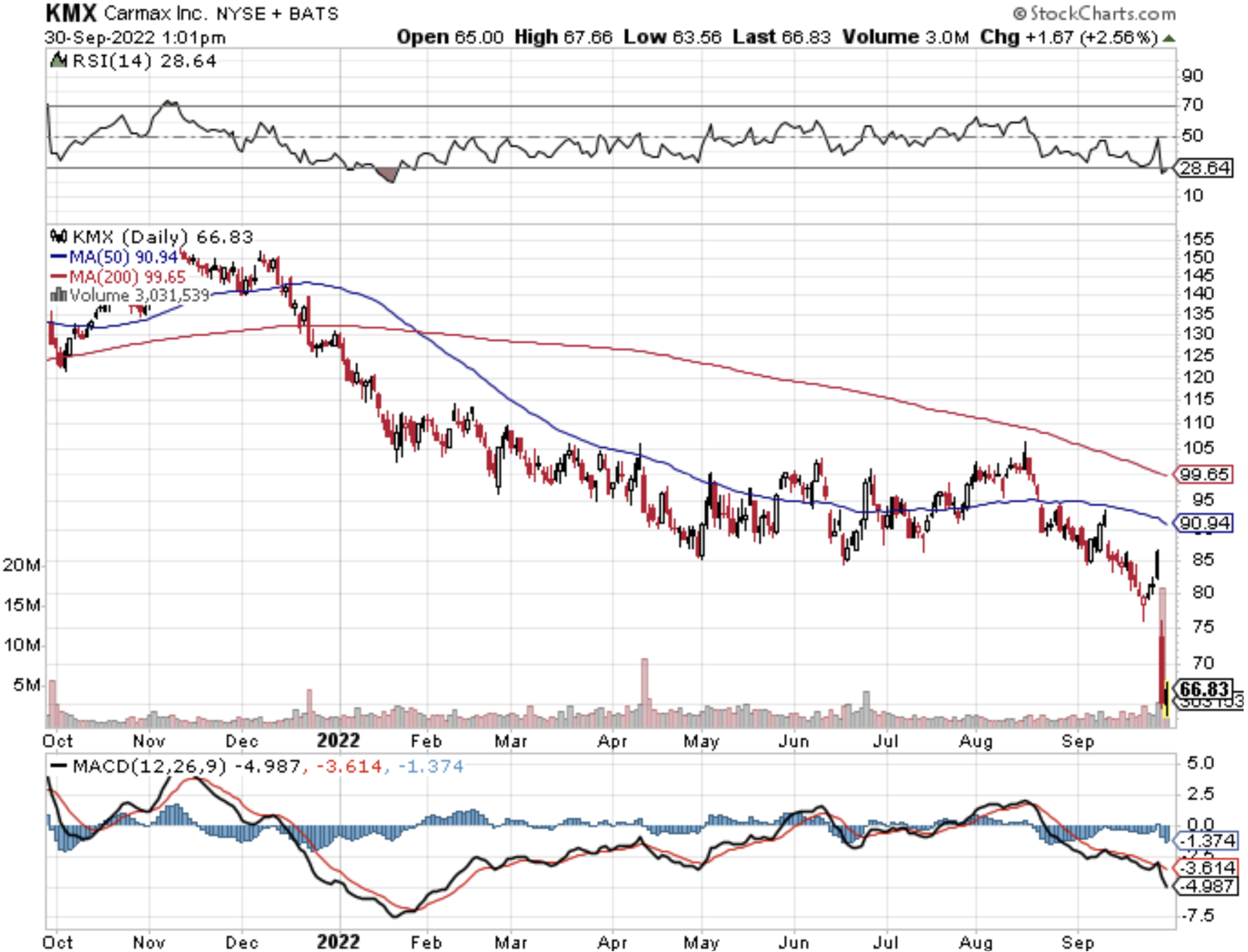
This has sent shockwaves for used car retailer CarMax (KMX) whose stock cratered by 24% and our tech play derivative CVNA who dropped 20% when CarMax’s poor earnings report came out. The price action of these two stocks mirrors each other.
Remember that stocks are forward pricing mechanisms and not backwards to the detriment of these two stocks.
KMX and CVNA are inextricably linked and offer deep insights into the state of each other’s companies.
In a quite damaging earnings report, CarMax was able to increase its gross profit per vehicle by boosting its average vehicle sales price. That’s about all that went right. This appears more like a one-off.
Carvana has a history of overpaying for supply during the boom of used car sales over the past few years.
The numbers are clearly working against CVNA.
Even more worrisome, CVNA is facing an uncertain and rapidly deteriorating macroeconomic environment moving forward.
The data bodes ill for future earnings reports as US consumers abruptly pull back on spending especially at the middle-class to lower income levels.
Just as precarious, many in the middle class to lower echelon prefer to secure automobile loans to finance a new used car purchase.
With interest rate yields exploding to the upside, it sets the stage for not only mass automobile loan delinquency and nonpayment, but it also prices out new car shoppers by making the monthly payment too exorbitant.
There will be few buyers using bank financing to get that new used car they have always wanted. And what non-rich person has a car’s worth of cash lying around these days?
At the ground level, things are bleak.
US consumers are increasingly prioritizing paying the utility and food bills over upgrading, upsizing, or even styling their used cars.
For most US consumers, a brand new car sits in the realm of fantasy as the prices of new cars surge because of high input, logistical, and manufacturing costs. A fresh car from the factory is now a luxury many can’t afford which is why many have turned to the used market.
The worsening consumer sentiment will absolutely negatively impact the volume and nominal price of each individual car sale moving forward.
I believe the data will show up in the last quarter of 2022 and 2023.
As the price of cars falls, CVNA are stuck with a higher cost basis because they snapped up many cars at premium prices and now buyers have vacated. These car dealers’ algorithms haven’t adjusted yet to the paradigm shift.
CVNA will need to consider taking a loss on these automobile units to shed inventory otherwise they are on the hook for high carry costs.
Sadly, the short-term outlook doesn’t provide any silver linings and is getting grimmer by the day.
I fully expect gross margins to crater and nominal sales to fall sharply, causing a severe downgrading in annual revenue.
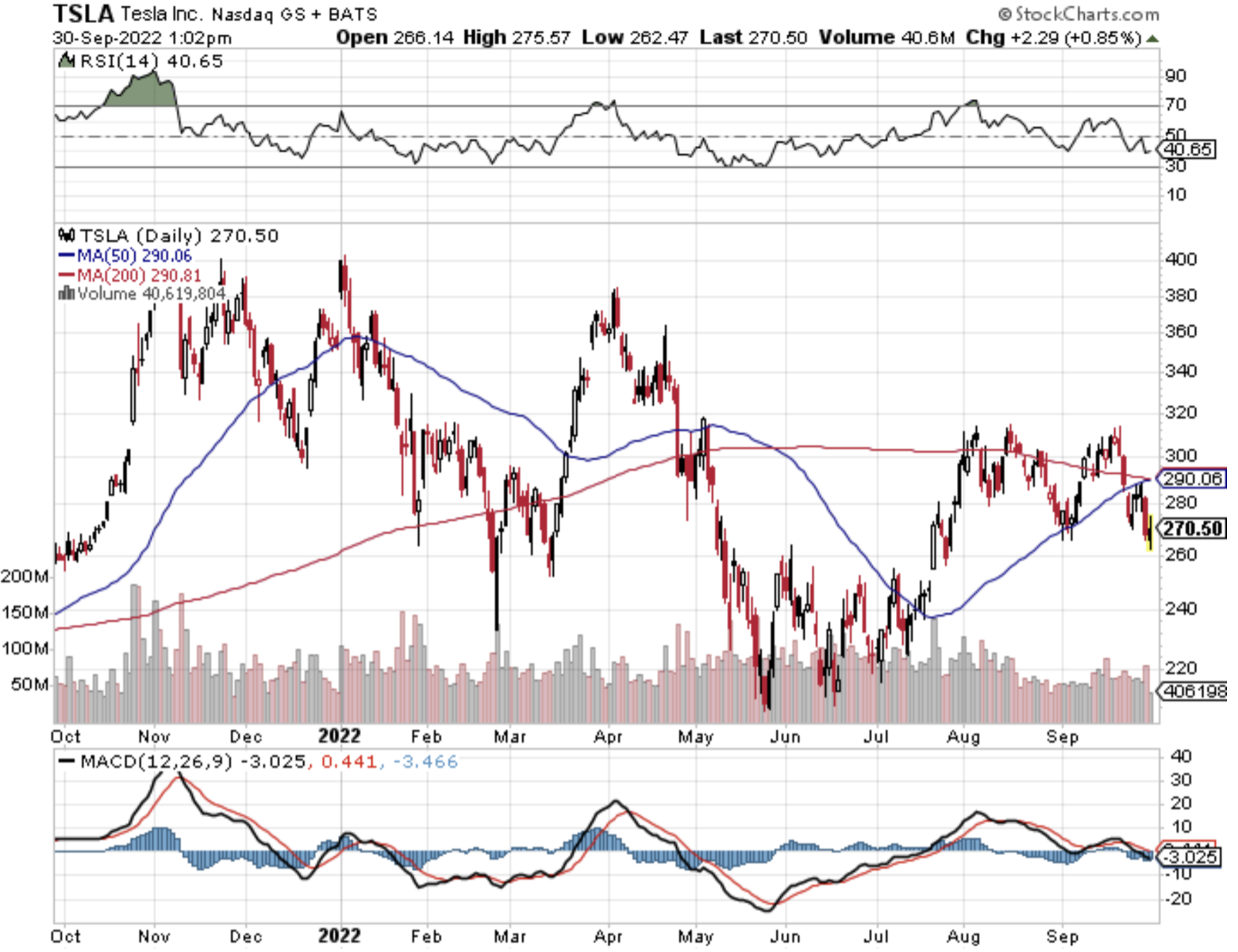
If the high-end consumer holds up, better to migrate into Tesla (TSLA) stock, but that’s a big if.
“Technological progress has merely provided us with more efficient means for going backwards.” – Said English writer and philosopher Aldous Leonard Huxley


Hello everyone – Happy weekend to you all
Yes, the market sank 500 in the lift today.
Don’t despair. It’s a blip when you look at the overall uptrend in the markets over the long term.
John has sent out several trade alerts this week. I have sent a couple of LEAPS out that will expire in 2025. John has entered around four LEAP trades in total.
These include trades on:
RIVN
BRKB
NVDA
PANW
If you would you a copy of the LEAP trades, please respond to this post. (Facebook does not like me advertising John on my page, (they think it's spam or he’s a fraud) and until I get my email listing up and running, this is how it has to be).
I listened to an interview between Pisani and Jeremy Siegal today. He agrees with John that stocks will be much higher in 10- or 20 years’ time. They both disagree with Stanley Druckenmiller, who sees stocks falling down a mineshaft next year and being at a similar level to where they are now in 10 years. Siegal made a good point by emphasizing that stocks overcome inflation in the long term. He went on to say that stocks have given a 6.7% return after inflation over the last 30 years.
He also cited the value of indexing. That is, investing in passive index funds. He said that 90% of large-cap active managers underperformed their benchmark after 10 years. Additionally, Siegal pointed out that you can’t beat the cost edge that passive funds have. Think about the cost between investing in a passive index as opposed to an active fund. They give you a variety of stocks, greater diversification, and lower risk and usually at a lower cost.
What does John provide his clients/subscribers?
He provides trades that are low risk, i.e., spreads, LEAPS.
His client fee is relatively low.
He diversifies across asset classes.
He recommends a set-and-forget portfolio.
He does all the research for you.
Which provides a greater return – passive funds or John Thomas? Of course, you could always use both. I do.
In the final part of the interview, Siegal recommended being in good dividend-paying stocks over the long term and not to think about timing the market. Most times when people try and time the market and get out, they end up getting back in at a market top. Human psychology, being what it is, prevents us from buying stocks when they have fallen a lot. FEAR grabs us and paralyzes us. That’s why you follow John, so you know when to buy. And that’s why you will be able to prosper long-term in the financial markets.
For those of you who are interested, Jeremy Siegal has the 6th edition of his book out called Stocks for the Long Run. There are five new chapters, including updates on real estate, Bitcoin, and ESG investing. Recommended reading.
The Summit replays are up on www.madhedge.com
Click on September 2022 Summit Replays in the upper right-hand corner and then choose the speaker of your choice.
Happy weekend.
Cheers,
Jacque
Global Market Comments
September 30, 2022
Fiat Lux
Featured Trade:
(THE MAD HEDGE SEPTEMBER 13-15 SUMMIT REPLAYS ARE UP),
(WHY WARREN BUFFET HATES GOLD),
(GLD), (GDX), (GOLD), (NEM)

Listen to all 28 speakers opine on the best strategies, tactics, and instruments to use in these volatile markets. It is a true smorgasbord of investment strategies. Find the best one to suit your own goals.
The product discounts offered last week are still valid. Start, stop, and pause the videos at your leisure. Best of all, access to the videos is FREE. Access them all by going to www.madhedge.com, clicking on SEPTEMBER 2022 SUMMIT REPLAYS at the upper right hand corner, and then choosing the speaker of your choice.
We look forward to working with you. The next summit is scheduled for December 6-8, 2022.

Mad Hedge Biotech and Healthcare Letter
September 29, 2022
Fiat Lux
Featured Trade:
(TAKING ON THE WEIGHT OF THE WORLD)
(LLY), (NVO)
This is not your run-of-the-mill weight-loss story.
The number of obese American adults has climbed from 13% to 43% in the last 60 years. That’s approximately 100 million individuals in the United States alone.
The average American male currently weighs about 200 pounds, up from 166 back in 1960, while the average female is at 171 pounds, up from 140.
Obesity, or just being overweight, has several ripple effects. This carries the risk of diabetes, cardiovascular issues, and even cancer. It can also interfere with a person’s work, sleep, and other day-to-day activities.
Many factors have been studied as potential reasons behind obesity, but it has become very clear that solving the epidemic would need more than simply diet and exercise.
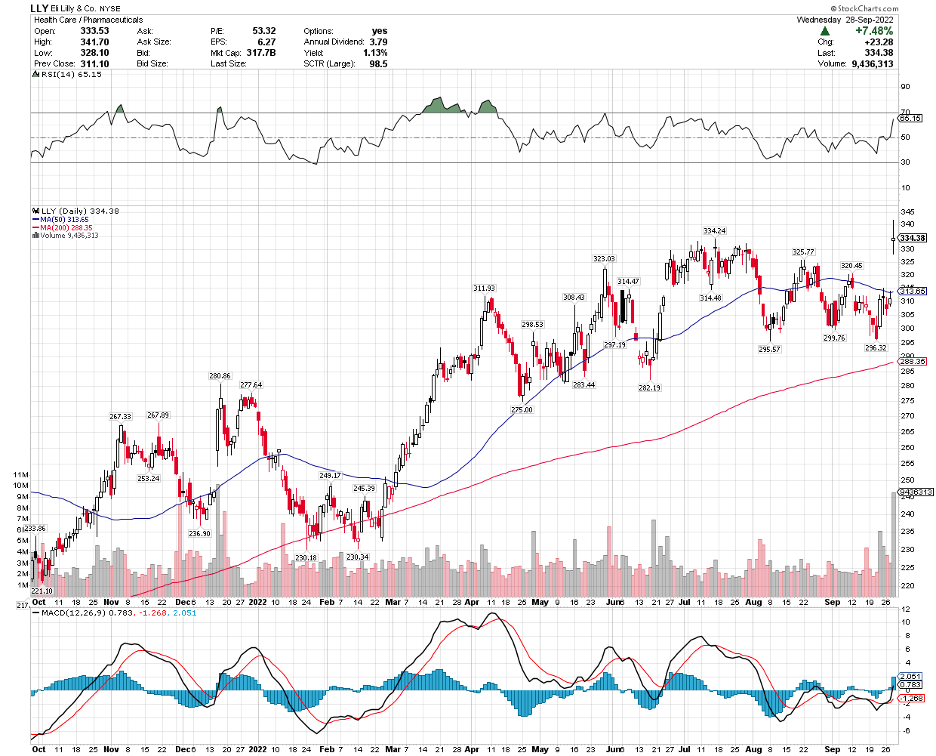
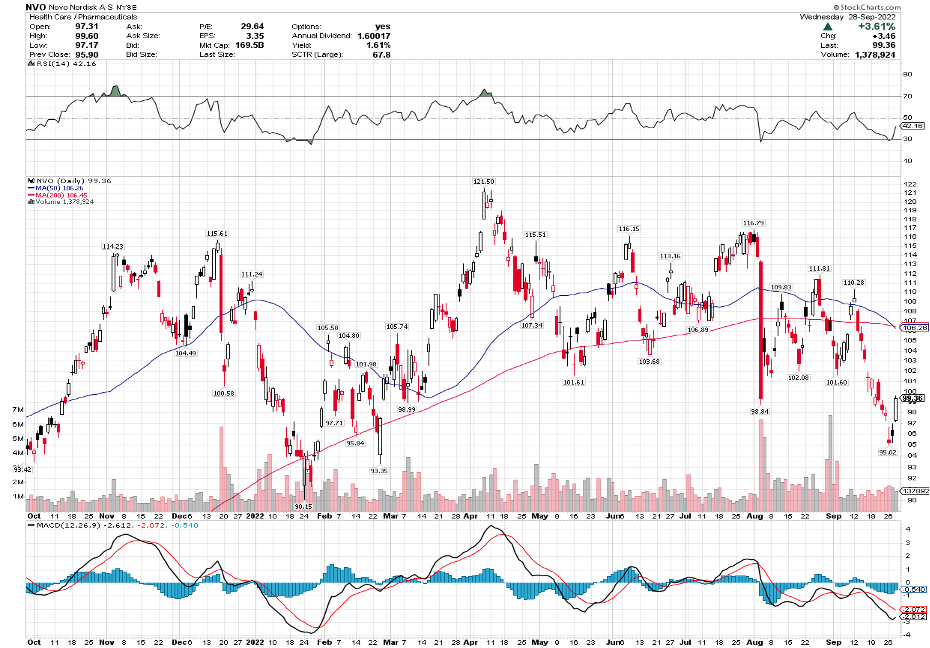
Taking on this challenge are Eli Lilly (LLY) and Novo Nordisk (NVO), competitors that came up with a promising drug, known as incretins, to hopefully solve the issue.
Amid all the dietary fads, supplements, and exercise trends we’ve seen, we are on the cusp of finally getting safe and effective drugs for this condition.
We can go as far as claiming that these could very well be our best hope in the fight against obesity. This epidemic has been threatening the way of life of over 100 million Americans and roughly half a billion people globally.
Nobody has ever witnessed the weight loss offered by this new category of drugs, called incretins.
Scientific research has enabled people to shed over 20% of their weight. Needless to say, incretins could become the top-selling drugs in the history of the pharmaceutical industry.
For context, a drug is tagged as a “blockbuster” when it manages to record $1 billion in sales annually. To date, the top-selling drug worldwide is Humira from AbbVie (ABBV), with roughly $20 billion in yearly sales.
If each obese American sought treatment (and given the projected prices of these drugs) the yearly sales for incretins would hit at least a trillion dollars.
Obviously, insurers would refuse to pay these sums, which is why studies have been conducted to show how these drugs could effectively prevent critical conditions like diabetes and heart disease. That is, it will be considered a maintenance drug.
Marketing incretins as treatments for diabetes and obesity could rake in $50 billion to $60 billion in sales over the next decade. As of the moment, the market is dominated by a duopoly of Eli Lilly and Novo Nordisk.
Recently, Eli Lilly gained much attention after its diabetes drug Mounjaro received FDA approval. While the product was given the green light earlier in 2022, the company has also become more aggressive in marketing it as an anti-obesity treatment.
When it goes to market, Mounjaro is expected to go head-to-head against Novo Nordic’s Wegovy. Both target basically the same market, but Eli Lilly’s candidate showed better results.
According to Eli Lilly, patients given the highest dosage of Mounjaro recorded an average weight loss of 22.5% over roughly 18 months.
In terms of sales potential, Wegovy reached $183 million in the first quarter of 2022. With Eli Lilly hot on its heels, investors should expect a slide in Novo Nordisk’s sales for this product.
When Mounjaro was initially released, it was expected to reach peak sales of $15.4 billion. However, the drug’s effectivity and potential to address weight loss boosted predictions to $25 billion.
The reason for the increase in confidence in Eli Lilly’s drug is pretty simple. Offering treatment to 1.6 million Americans yearly would generate $20 billion in sales in the US alone—which only comprises 2% of the estimated population of obese individuals in the country.
Either way, it’s a massive market. Dominating a small portion would already move the needle for any biopharmaceutical company. Hence, I recommend you buy the dip for these companies aiming to solve the obesity epidemic.
Mad Hedge Bitcoin Letter
September 29, 2022
Fiat Lux
Featured Trade:
(WHERE DOES THE UTILITY COME FROM?)
(FOMO), (BTC)

“We've arranged a civilization in which most crucial elements profoundly depend on science and technology.” – Said American astronomer and cosmologist Carl Sagan