• support@madhedgefundtrader.com
  • Member Login
Mad Hedge Fund Trader
  • Home
  • About
  • Store
  • Luncheons
  • Testimonials
  • Contact Us
  • Click to open the search input field Click to open the search input field Search
  • Menu Menu
Arthur Henry

Salesforce Powers On

Tech Letter

Usually, when a company builds a new office tower that is the highest west of the Mississippi, it is a sign that business is great.

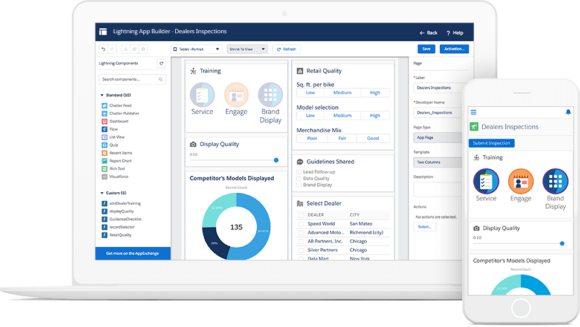
That is certainly the case with San Francisco based Salesforce, the overwhelming leader of the CRM industry.

The ever-ebullient CEO of Salesforce, Marc Benioff, sure made a splash at Davos World Economic Forum pointing the finger at Facebook (FB) and comparing it to carcinogenic like dangers.

Benioff certainly has the clout in Silicon Valley to make such bold statements. A home grown local hero, graduating from the peninsula's plebeian Burlingame High School, Marc has grown into a tech titan in his own right.

Marc is also the largest philanthropist in the San Francisco Bay Area. The UCSF hospital network has been the beneficiary of $300 million worth of munificence.

Benioff is currently offering $100,000 cash to every middle school in Northern California to buy new computers.

And here's the really amazing thing. Amazon tried to buy Salesforce for $50 billion 18 months ago, and Benioff turned them down! If Benioff had taken Amazon stock in the deal he would be worth some $120 billion today.

Salesforce usually doesn't receive the wow factor that a Facebook (FB), Alphabet (GOOGL), and Apple (AAPL) get, partially because it's less integrated into the realm of everyday consumer use.

What exactly is Salesforce? And what the heck is CRM?

Ask the average Joe and he would be befuddled and exasperated by the very question. Salesforce's own management describes itself as a "wall-to-wall software platform that manages every aspect of the customer journey from marketing to sales to service."

Marc Benioff inaugurated the software-as-a-service (SaaS) revolution in the late 1990's that has been adopted by virtually all other tech contemporaries.

Instead of paying a one-time fee like everyone used to do when they bought Microsoft Office 365, customers pay a reoccurring yearly subscription just like the services offered by the Mad Hedge Fund Trader.

I must confess that Marc beat me to this business model by a few years, but I can vouch for its effectiveness.

The revolutionary CRM (Customer Relationship Management) platform they provide does not exude glamour because it's usage is confined to highly specialized back office employees who rejoice in its easy functionality and innovative features.

For Netflix, only one metric is taken seriously for avid investors; total subscription growth.

Salesforce is another tech growth company driven by one number: Total Revenue Growth. Anytime Salesforce publish data, investors flip to the only number that matters.

All high growth tech stocks must relentlessly push the accelerating growth narrative and keep earnings growing and share prices rising, or face shunning by investors.

A tech growth company simply cannot be a growth company if they aren't over delivering on total revenue expectations.

Salesforce is definitely not pussyfooting around when it comes to their performance. Revenues pierced the $10 billion mark in FY 2017. The encore did not disappoint, stating that Total Annual Revenue should soar to $20 billion by 2022, $40 billion by 2028, and $60 billion by 2034. The growth frenzy is music to investors' ears.

You'd be hard pressed to find any Wall Street analyst not super bullish about their revenue prospects.

How is Salesforce pulling this off?

Some 57% of Salesforce customers this year are brand new. Existing customers buy more products as the working relationships evolve and the grizzled old customers cannot switch to any other platform because de-integrating their business from Salesforce would be a living nightmare.

The Mad Hedge Fund Trader can vouch for this, when we moved over our email service and payment processing to incorporate the higher volume, our team of developers were about to tear their hair out. Can you imagine a Fortune 500 company of 50,000 employees smoothly switching platforms?

Peruse the financials and you can see that Salesforce is running on high octane fuel. Late last year, Salesforce launched the financial services cloud for retail banking to enable banks to deliver highly personalized intelligent and connected banking experiences for consumers.

They also further advanced their relationships with PNC Bank and KeyBanc. ING is also expanding its operations with Salesforce globally to meet their goal of becoming a one platform bank.

Once a financial firm gains entrance into the Salesforce ecosphere, they sooner or later invest in more Salesforce SaaS services because they desire better functionality and attempt to offer a better customer experience. In fact, today some 17 of the top 20 U.S. and European banks use Salesforce as their primary platform.

Other high momentum areas include health and life sciences. Some 15 of the world's 20 largest pharmaceutical companies rely on Salesforce as its CRM provider. Anthem (ANTM), one of the largest health insurers in the United States, deepened their commitment as well.

UnitedHealth Group significantly expanded with Salesforce to help build its next generation of patient and customer engagement for more than 125 million customers. (CRM)'s vision is to make healthcare more cost effective, efficient, predictive and intelligent, using the Salesforce platform.

A huge win for Salesforce was one of the largest public-sector deals to-date with the Department of Homeland Security; this follows a large transaction with the Veterans Administration.

Domestically, a good chunk of Fortune 500 companies have made the jump into CRM, and is the first software program employees see as they turn on their computers every day.

On the international front, growth mirrors the domestic invincibility.

Overseas, Salesforce has been gradually increasing distribution capacity, expanding their partner ecosystem, investing in offices and infrastructure, and opening new data centers. All of these investments are clearly paying dividends.

Europe was the fastest growing region powered by some great strategic victories with Cellcom from Israel, which is the largest cellular operator in that country. Another is PostNord Sverige, jointly owned by the governments of Sweden and Denmark, and employs over 40,000 Swedes who are all using Salesforce products daily.

Other companies that use the Salesforces holistic platform are TNT Express, a shipping company headquartered in Liege, Belgium, French insurance company AXA based in Paris, France employing 165,000 employees.

The list goes on in Europe with Swiss's food and beverage mainstay Nestle, headquartered in Vevey, Switzerland, employing 350,000 people world wide.

The Asia and pacific region saw major inroads with Japan's Shinsei Bank, Meiji Yasuda, South Korea's Samsung, and Australia's Telstra, a telecommunications and media corporation that operates telco networks and markets voice, mobile, internet access, and pay television. Telstra is by far Australia's largest telecommunications company.

In Latin America, Salesforce expanded their alliance with the largest private bank in Brazil, Banco Itau of Sau Paulo.

Salesforce has been thriving in Japan, strengthening relationships with Hitachi, Ebara, and Mitsui Sumitomo Insurance. Asia continues to be one of the fastest growing regions, with 27% quarterly growth.

In Europe, the Middle East, and Africa, Salesforce grew 33% in constant currency terms and continued to build relationships with marquee brands including BP, British Petroleum, headquartered in London, England, and France's Group PSA, the second largest car manufacturer in Europe. It is present in 160 countries and is the manufacturer of automobiles and motorcycles sold under the Peugeot, Citroen, DS, Opel and Vauxhall brands.

Salesforce has upped their international headcount by around 30% annually since FY 2014. That is a prolific rate of growth.

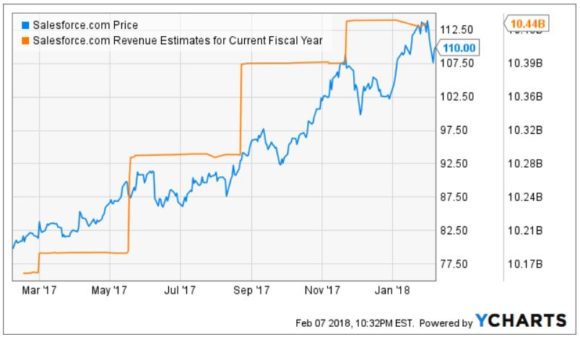
You do not need to be a rocket scientist to understand that this breakneck expansion phase is warranted. Salesforce has recently nudged up FY 2018 revenue guidance estimates to $10.44 billion.

Salesforce continues to improve its product mix by swallowing up smaller niche tech companies that add a smattering of specific functions that help companies run more efficiently.

Some recent acquisitions include cloud-based Quip. Quip is productivity software and allows groups to create and edit documents and spreadsheets as a team. This firm is led by Bret Taylor, the creator of Google Maps and also the former CTO of Facebook.

Taylor has created the next generation technology of live documents, bringing a new level of content, communication and collaboration right into the Salesforce platform. And yes, these are the add-ons that Salesforce customers must pay for.

To improve Quip, Salesforce captured Attic Labs, inventors of open sourced decentralized database Noms. The technology is expected to remain open source and will be incorporated into Quip.

Attic Labs will contribute Quip with back-end support, allowing the function to pull more data onto the Quip pages. Salesforce doled out a derisory $11 million for this latest trinket.

Other AI firms bought by Salesforce will integrate into the platform, including RelateIQ, MetaMind, Implisit, PredictionIO, and Tempo AI.

The attention on AI as the next wave of the CRM industry has forced Salesforce to assemble a machine learning team of more than 175 of the best data scientists who built the amazing "Einstein" platform.

Salesforce is one of the biggest proponents of AI, and even their upper level management team has an AI manager critiquing their top-level managers at weekly meetings alongside Marc Benioff, surely a first at any firm.

Salesforce is bolstering its AI partnership with IBM. The two have been cooperating in tandem since last year and the latest announcement added to their partnership with Salesforce denominating IBM as its favored cloud service provider and IBM denominating Salesforce as its favored customer engagement platform for sales and services.

IBM's Watson AI and Salesforce's Einstein AI supplement sales leads by diagnosing the premium and inferior leads.

Artificial Intelligence (AI) is adding to their vast array of capabilities allowing Salesforce to retain and nurture customers while charging them more for better service offerings.

Salesforce remains a pillar of the tech revolution and best of breed in CRM. Each earnings report will be splattered with a smorgasbord of reputable companies that have adopted Salesforce as its go to CRM platform.

The pipeline looks luminous for Salesforce as the natural progression to enterprise cloud computing will get rid of exorbitant IT infrastructure and uneconomical maintenance costs.

As Salesforce's reinvests back into their service offerings, companies will clamor more for these sensational products. The Salesforce platform of next will appear mightily different from the past as it continues to evolve at warp speed.

Salesforce is a strong conviction "BUY". To learn more about Salesforce, please visit the company website by clicking here.
Gee, Which One is Salesforce Tower?

https://www.madhedgefundtrader.com/wp-content/uploads/2018/02/salesforce-tower.jpg 248 412 Arthur Henry https://madhedgefundtrader.com/wp-content/uploads/2019/05/cropped-mad-hedge-logo-transparent-192x192_f9578834168ba24df3eb53916a12c882.png Arthur Henry2018-02-08 01:05:112018-02-08 01:05:11Salesforce Powers On
Arthur Henry

Quote of the Day - February 8, 2018

Diary, Newsletter, Quote of the Day

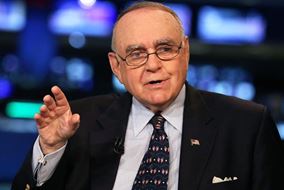
"The bubble is in the bond market, not the stock market" said Leon Cooperman, CEO of Omega Advisors, an original investor in my 1990's hedge fund.

https://www.madhedgefundtrader.com/wp-content/uploads/2018/02/lecon-cooper.jpg 190 284 Arthur Henry https://madhedgefundtrader.com/wp-content/uploads/2019/05/cropped-mad-hedge-logo-transparent-192x192_f9578834168ba24df3eb53916a12c882.png Arthur Henry2018-02-08 01:05:042018-02-08 01:05:04Quote of the Day - February 8, 2018
Arthur Henry

Tech Trade Alert - (MU) February 7, 2018

Tech Alert

When John identifies a strategic exit point, he will send you an alert with specific trade information as to what security to sell, when to sell it, and at what price. Most often, it will be to TAKE PROFITS, but, on rare occasions, it will be to exercise a STOP LOSS at a predetermined price to adhere to strict risk management discipline. Read more

https://www.madhedgefundtrader.com/wp-content/uploads/2016/02/Alert-e1457452190575.jpg 135 150 Arthur Henry https://madhedgefundtrader.com/wp-content/uploads/2019/05/cropped-mad-hedge-logo-transparent-192x192_f9578834168ba24df3eb53916a12c882.png Arthur Henry2018-02-07 14:01:452018-02-07 14:01:45Tech Trade Alert - (MU) February 7, 2018
Arthur Henry

Trade Alert - (TLT) February 7, 2018

Trade Alert

When John identifies a strategic exit point, he will send you an alert with specific trade information as to what security to sell, when to sell it, and at what price. Most often, it will be to TAKE PROFITS, but, on rare occasions, it will be to exercise a STOP LOSS at a predetermined price to adhere to strict risk management discipline. Read more

https://www.madhedgefundtrader.com/wp-content/uploads/2016/02/Alert-e1457452190575.jpg 135 150 Arthur Henry https://madhedgefundtrader.com/wp-content/uploads/2019/05/cropped-mad-hedge-logo-transparent-192x192_f9578834168ba24df3eb53916a12c882.png Arthur Henry2018-02-07 11:00:052018-02-07 11:00:05Trade Alert - (TLT) February 7, 2018
Arthur Henry

Trade Alert - (GLD) February 7, 2018

Trade Alert

When John identifies a strategic exit point, he will send you an alert with specific trade information as to what security to sell, when to sell it, and at what price. Most often, it will be to TAKE PROFITS, but, on rare occasions, it will be to exercise a STOP LOSS at a predetermined price to adhere to strict risk management discipline. Read more

https://www.madhedgefundtrader.com/wp-content/uploads/2016/02/Alert-e1457452190575.jpg 135 150 Arthur Henry https://madhedgefundtrader.com/wp-content/uploads/2019/05/cropped-mad-hedge-logo-transparent-192x192_f9578834168ba24df3eb53916a12c882.png Arthur Henry2018-02-07 10:09:492018-02-07 10:09:49Trade Alert - (GLD) February 7, 2018
Arthur Henry

February 7, 2018

Diary, Newsletter, Summary

Global Market Comments
February 7, 2018
Fiat Lux

Featured Trade:
(HOW CREDIT SUISSE BLEW UP THE (XIV)
(VIX), (XIV), (ZIV), (SVXY)
(MAD HEDGE FUND TRADER CELEBRATES ITS TEN-YEAR ANNIVERSARY)

https://madhedgefundtrader.com/wp-content/uploads/2019/05/cropped-mad-hedge-logo-transparent-192x192_f9578834168ba24df3eb53916a12c882.png 0 0 Arthur Henry https://madhedgefundtrader.com/wp-content/uploads/2019/05/cropped-mad-hedge-logo-transparent-192x192_f9578834168ba24df3eb53916a12c882.png Arthur Henry2018-02-07 01:08:242018-02-07 01:08:24February 7, 2018
Arthur Henry

How Credit Suisse Blew Up the (XIV)

Diary, Newsletter

I feel like I have been robbed, and then robbed again.

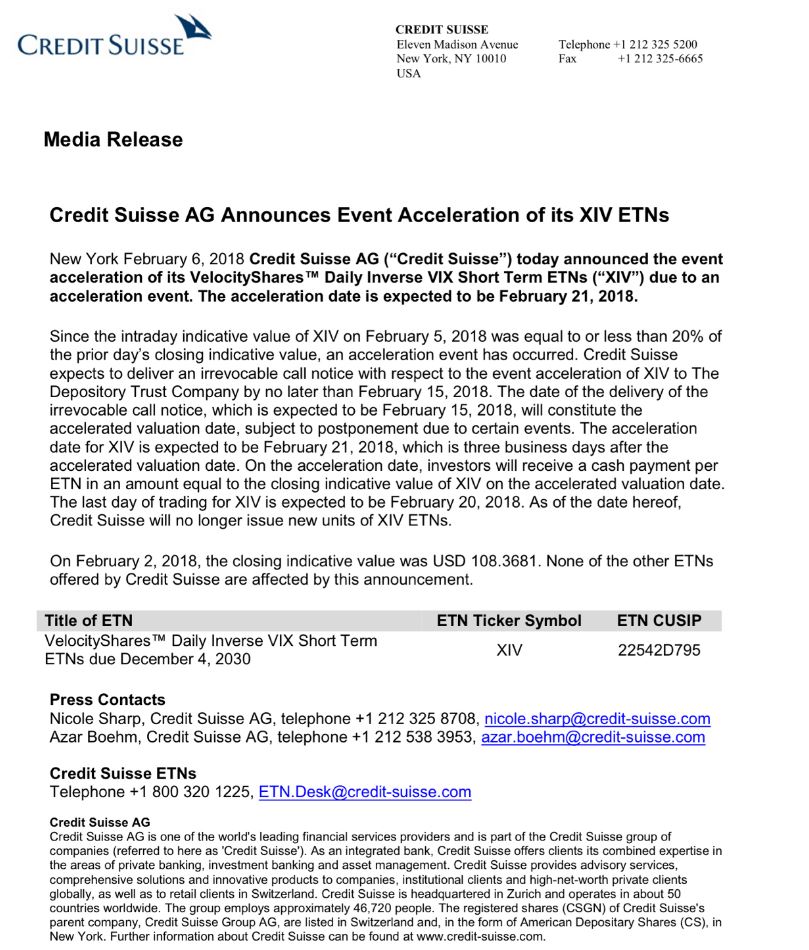
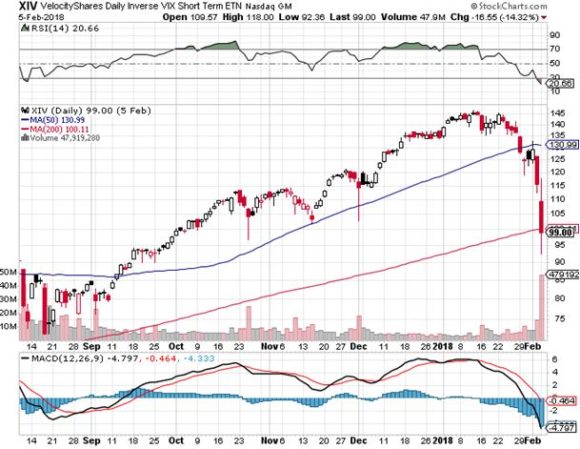
I received notice today from Credit Suisse, the issuer of the Velocity Shares Daily Inverse VIX Short term ETN (XIV), that it is resorting to a forced liquidation of the fund (see note from the company below).

All investors will receive cash value for their holdings sometime after February 20. The last NAV they had on their screen was $4.00 a share, compared to the previous day's close of $99.00. (XIV) is currently trading at $6.50.

Credit Suisse has the right to commit this theft thanks to a "poison pill" provision buried in the prospectus. This provides for a forced call of the shares during any single 80% decline of the net asset value in a single day.

And here's the part that makes you want to break down and cry and throw your empty beer can at the TV set.

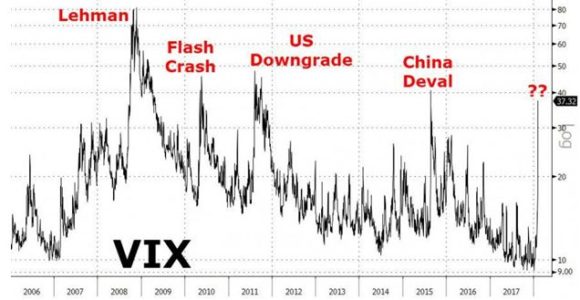
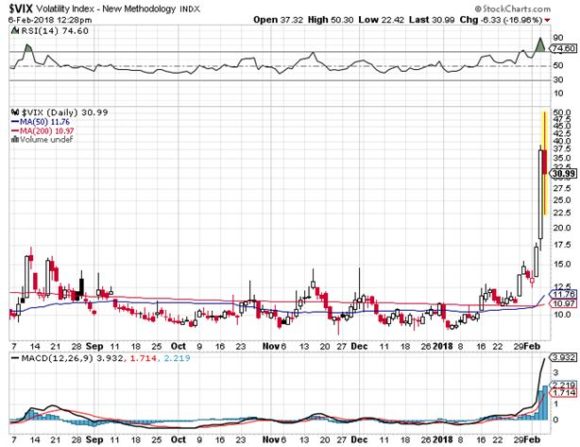
It was Credit Suisse itself that triggered the overnight (VIX) spike from $39 to $52.50 through their own panic buying of futures. Credit Suisse, in effect, blew up their own fund.

I sent out a Trade Alert for Investors to buy the (XIV) at the close on Monday at $97.08. My expectation was that the Volatility Index was peaking, and that the (XIV) was due for a huge snap back rally. It closed at $99.00. and I was looking like a star.

On Tuesday morning, the Dow Average open down 700 points, and the (VIX) peaked at $52.50. Stocks then rallied to be up on the day, and the (VIX) collapsed all the way down to $22.50, some 57%.

The (VIX) should have increased in value enormously. It would have been a trade for the ages.

By closing the fund at the low for the day in the middle of the night Credit Suisse made it impossible for investors to profit from this rally.

Instead, it chose to wipe out thousands of investors in its fund. After 50 years in the financial markets, it is the dumbest thing I have ever seen.

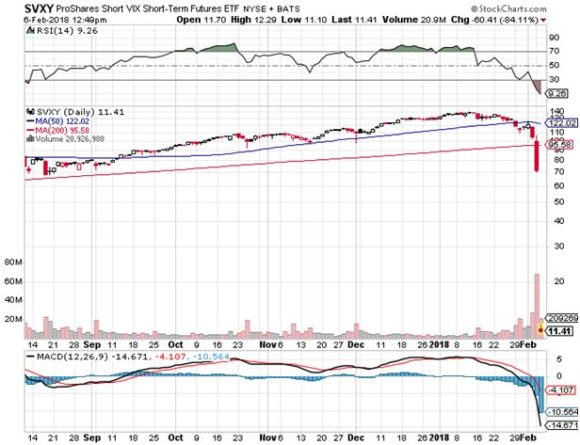
In fact, the entire short volatility industry got obliterated last night.

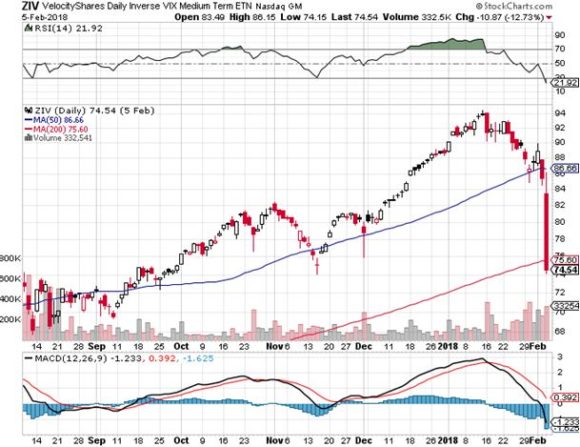
Other closing funds include the Velocity Shares Daily Inverse VIX Medium Term ETN (ZIV), the ProShares Short VIX Short Term Futures ETN (SVXY), and a Tokyo Stock Exchange listed S&P 500 VIX Inverse ETN issued by Nomura Securities. The combined losses are several billion dollars.

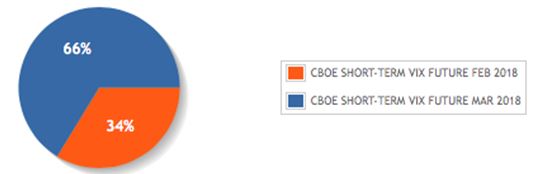
This shouldn't have happened. I picked the (XIV) because they held 66% of their portfolio in short March expiration VIX futures, which have barely moved, and closed last night at only $18.88.

My guess is that the management of Credit Suisse panicked when they saw the February (VIX) double from $17 to $39 on Monday. If it had doubled again from $39 to $78, it might have taken the (XIV) NAV below zero, putting them on the hook of the balance.

I'm sorry, but I used to work for a Swiss bank, and this is how they think.

There are two other possibilities here.

One is that an algorithm went rogue, accidently wiping out the value of the fund with some kind of hedging mismatch. The other is that criminal mismanagement has taken place that will become obvious with the passage of time.

The math certainly does not add up. Credit Suisse should have completely hedged the move in the (VIX) from $9 to $39 with their end of the day rebalancing's.

That would have fully hedged for them the decline in the (XIV) from $146 to $93. This leads me to believe that someone at Credit Suisse made a tremendous mistake.

You can almost certainly bet there will be a class action suit against Credit Suisse on behalf of all (XIV) shareholders. You will be contacted by email when this is initiated by the plaintiff lawyers and you will have to sign a stack of papers.

Once the discovery is done showing that it was Credit Suisse's own actions that caused the destruction of the (XIV) they are going to be on the hook for the losses.

There will be a settlement substantially higher than the current $6.50. You might even get a shot at recovering the Monday close of $99.00 when the Credit Suisse malfeasance ensued. I think given the choice of jail time and paying up they'll pick the latter.

But it may take years to realize this. It took MF Global three years to pay off account holders. I know because I was one of them.

You can also bet that the SEC will take a magnifying glass to the whole affair, especially since it was a foreign bank that defrauded American individual investors.

The only consolation here is that Credit Suisse was the largest investor in their own fund and lost over $500 million of their own money. Their shares are down 3.70% today just on this one incident.

To collect your remaining $4, please contact your broker. Don't call today, as no one knows anything. I spent an hour on the phone with Interactive Brokers to learn this.

We should be able to make back the loss on this very quickly, as long as volatility remains high.

https://www.madhedgefundtrader.com/wp-content/uploads/2018/02/vix-pie-chart.jpg 174 533 Arthur Henry https://madhedgefundtrader.com/wp-content/uploads/2019/05/cropped-mad-hedge-logo-transparent-192x192_f9578834168ba24df3eb53916a12c882.png Arthur Henry2018-02-07 01:07:362018-02-07 01:07:36How Credit Suisse Blew Up the (XIV)
Arthur Henry

Ten Year Anniversary of the Mad Hedge Fund Trader

Diary, Newsletter

The Diary of a Mad Hedge Fund Trader is now celebrating its tenth year of publication.

During this time, I have religiously pumped out 1,500 words a day, or eight double spaced typed pages, of original, independent minded, hard hitting, and often wickedly funny research.

I've been covering stocks, bonds, commodities, energy, precious metals, real estate, and agricultural products.

You've been kept up on my travels around the world and listened in on my conversations with those who drive the financial markets.

I also occasionally opine on politics, but only when it has a direct market impact, such as with the recent administration economic and trade policies.

The site now contains over 10 million words, or 12 times the length of Tolstoy's epic War and Peace.

Unfortunately, it feels like I have written on every possible topic at least 100 times over.

So, I am reaching out to your, the reader, to suggest new areas of research that I may have missed until now which your believe justify further investigation.

Please send any and all ideas directly to me at support@madhedgefundtrader.com, and put "RESEARCH IDEA" in the subject line.

The great thing about running an online business is that I can evolve it to meet your needs on a daily basis.

Many of the new products and services that I have introduced since 2008 have come by way of your suggestions. That has enabled me to improve the product's quality, to your benefit.

This originally started out as a daily email to my hedge fund investors giving them an update on fast market moving events. This was at a time when the financial markets were in free fall, and the end of the world seemed near.

Here's a good trading rule of thumb: Usually, the world doesn't end. History doesn't repeat itself, but it certainly rhymes.

The daily emails gave me the scalability that I so desperately needed. Today's global mega enterprise grew from there. Today, the Diary of a Mad Hedge Fund Trader and its Global Trading Dispatch is read in over 140 countries.

I'm weak in North Korea and Mali, in both cases due to the lack of electricity.

If you want to read my first pitiful attempt at a post, please click here for my February 1, 2008 post.

It urged readers to buy gold at $950 (it soared to $1,920), and buy the Euro at $1.50 (it went to $1.60).

Now you know why this letter has become so popular.

Unfortunately, I also recommended that they sell bonds short. I wasn't wrong on that one, just early, about eight years too early.

I always get asked how long will I keep doing this?

The government tells me that the latest I can start drawing down on my retirement funds and Social Security is 70 1/2.. That's some 4 1/2 years off for me.

Then I'll reassess whether I want to carry on for another decade, or find something else more fun to do.

Given the absolute blast I have doing this job, that is highly unlikely. Take a look at the testimonials I get only an almost daily basis and you'll see why this business is so hard to walk away from (click here for those).

Fiat Lux (let there be light).

https://www.madhedgefundtrader.com/wp-content/uploads/2017/10/john-suit-e1507749585324.jpg 201 300 Arthur Henry https://madhedgefundtrader.com/wp-content/uploads/2019/05/cropped-mad-hedge-logo-transparent-192x192_f9578834168ba24df3eb53916a12c882.png Arthur Henry2018-02-07 01:06:582018-02-07 01:06:58Ten Year Anniversary of the Mad Hedge Fund Trader
Arthur Henry

February 7, 2018

Tech Letter

Mad Hedge Technology Letter
February 7, 2018
Fiat Lux

(SPECIAL TECH MARKET BOTTOM ISSUE),

Featured Trade:
(TEN TECH STOCKS TO BUY AT THE MARKET BOTTOM),
(AAPL), (AMZN), (GOOGL), (FB), (NVDA),
(BABA), (NFLX), (MU), (CRM), (MSFT)

??
https://madhedgefundtrader.com/wp-content/uploads/2019/05/cropped-mad-hedge-logo-transparent-192x192_f9578834168ba24df3eb53916a12c882.png 0 0 Arthur Henry https://madhedgefundtrader.com/wp-content/uploads/2019/05/cropped-mad-hedge-logo-transparent-192x192_f9578834168ba24df3eb53916a12c882.png Arthur Henry2018-02-06 19:26:162018-02-06 19:26:16February 7, 2018
Arthur Henry

Ten Tech Stocks to Buy at the Market Bottom

Tech Letter

When the dust settles from this sharp selloff, the bargain hunters will come out in droves. A plethora of high quality names will be available for a serious discount and the Mad Hedge Fund Trader is going to tell you exactly which tech names you should dip your toe into.

Many investors have been shut out of tech because their ascent was so rapid. Here is a chance for a second bite of the Apple.
??
Apple (AAPL)

Apple, the creators of the iPhone and IoS operating system, is hitting all the right notes despite the recent correction. Apple stock is under selling pressure due to tepid guidance.

However, iPhone unit sales are not as bad as initially thought when analyzed more closely. The underlying growth drivers are still intact, and management will explain details about how they will allocate their cash hoard in the spring.

The stock valuation is mouthwatering and just dropped from 15.7X forward PE to the current 13.74X in a matter of 10 trading days. For investors who can withstand the short-term whipsawing, the recent pullback in Apple looks like a godsend long term.
??
Amazon (AMZN)

The unrelenting land grab continues for this stock and the health industry is the latest potential victim.

This predator is blowing past any guidance put forth and analysts estimates are repeatedly blown out of the water. Carrying the load is their cloud play, Amazon Web Services, which finances its e-commerce division to full effect.

This is why they can afford operating at such low margins and offer prime subscribers free two-day shipping. Amazon's cloud unit is the rapidly expanding and most profitable business of the company.

For the quarter, AWS sales jumped 45% YOY, while generating $1.3 billion in operating income, a whopping 64% share of Amazon's total operating income.

The AWS revenue came in at??$5.11 billion vs. $4.97 billion, and Amazon's CFO Brian Olsavsky detailed record order volume and improved warehouse efficiency during the busy holiday shopping season for the recent winter.

In the last few days, some analysts have raised their price targets to $1800 and cannot keep pace with the parabolic price action.
??
Alphabet (GOOGL)

Digital advertising is a two horse race these days, with Google (GOOGL) and Facebook (FB) controlling between 60-70% of the total digital ad market share.

The total market revenue of global digital advertising and total media advertising are shaping out to be like a hockey stick. This should spur major revenue growth on just advertising alone.

Advertisers are demanding more granularity in hyper- targeting capabilities to reach specific desired consumers. Google and Facebook have smartly positioned themselves at the front of this demand curve by being the ad publishers with some of the best-of-breed targeting abilities in the digital ad space.

Facebook is able to provide targeting based upon consumer interests and Google executing based on the data provided by user searches and this twin behemoth have an insurmountable lead among digital ad publishers.

Facebook (FB)

This stock is a great buy and shares many of the same synergies with Google. Duopolies are very positive for shareholders, meaning very little digital ad revenue are not taken in by these two tech giants.

Cornering an industry is a tough objective to meet, but decades of perfecting and beefing up their ad developer technology is showing up vividly on the earnings reports.

There simply is nowhere else to go if you want to advertise on a mobile, digital platform and expose yourself to a great number of high quality customers.

Advertisers do not have any other choice except Google, which is on this list to no surprise. Facebook approximately tracks users to 80% of habitually used websites by operating tracking tools that activate if you are still logged in to the social media platform. They can literally see and jot down your every digital move.
??
Netflix (NFLX)

An Amazon-esque stock that shrugs off earnings for new subscriber growth. Who cares if they have negative cash flow if they are growing their subscribers at a insanely fast clip?

The only metric investors are interested in is total new subscriber growth, and the street had expected a not too shabby 6.39 million. Netflix easily eclipsed this total by adding 8.33 million.

Netflix has an uncannily low attrition rate due to the high premium content it offers customers creating an optimal customer experience. Netflix is really going pedal to the medal by investing over $8 billion in original content this year.

This is a stark difference from their previous business model by investing in non-original programming produced by other companies like Disney. Disney finally woke up to the erosion and swiftly purchased 21st Century Fox last year and plans to launch its own Netflix imitation shortly.

If Netflix persists to deliver fantastic content and I am confident they will then this growth story will remain intact for shareholders.
??
Alibaba (BABA)

The Chinese online sales platform is a proxy for the health of the Chinese economy and particularly the Chinese consumer.

The sales segment surged 57% higher in its core commerce division. This division accounted for 88% of Alibaba's total third-quarter revenues.

Though far smaller, the cloud computing division more than doubled its sales to $553 million. Alibaba's management plans to invest large chunks of the quarter's $7.1 billion in free cash flows into accelerating this vital business even further.
The company reached 580 million monthly active users in December, a 17% year-over-year gain. Annual active subscribers for calendar year 2017 landed at an amazing 515 million, a 16% increase from 2016's levels.

The expansion of smartphone and ubiquitous high-speed internet penetration has helped drive revenues in the core commerce business across China. They also agreed buy a 33% stake in valuable??Ant Financial Services Group, formerly known as Alipay. Ant Financial is the most valuable fintech company in the world and its 3rd party payment processor is the most popular method of payment in greater China.

The relationship started back in 2014 and unremarkably most goods bought on Taobao and T-Mall, Alibaba???s digital sales platform, are paid with Ant Financials payment technology.

In the cloud segment Alibaba leads all Chinese companies and is comparable to the Amazon???s AWS in America. Trailing distantly, but growing rapidly, was Alibaba, whose cloud??earned $553 million??in revenue in the last quarter, representing a 104% YOY jump, yet they still lag behind Amazon, Microsoft, IBM, and Google in the cloud wars.

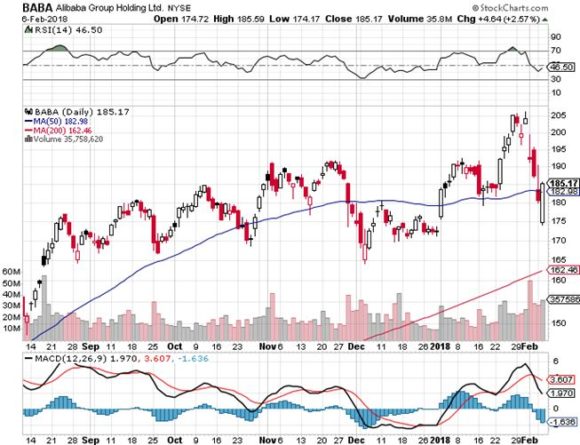
The stock was in dire need of a healthy pull back and the selloff was exactly what the doctor ordered after Alibaba made a parabolic move in January from $172 to $205.

This is no doubt at least a $200 stock and investors will be vindicated for buying the dip.
??
Salesforce (CRM)

Salesforce provides enterprise software, delivered through the cloud and is present in many Fortune 500 companies.??

This Customer Relationship Management (CRM) platform is the modern way to amalgamate staff???s resources and give them tools to work together, even if different branch offices dot both hemispheres.

The Company focuses on cloud, mobile, tablet, Internet of Things (IoT) and artificial intelligence technologies.

The Company???s service offerings are configured and integrated with other platforms and enterprise applications and really is the best of show in this space.

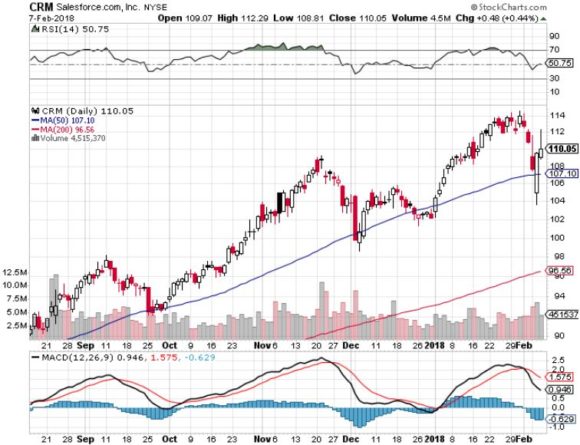
Marc Benioff leads this brigade and audaciously set a mammoth target of $20 billion in revenue by FY2022. I am the last person that would bet against this.

Micron (MU)

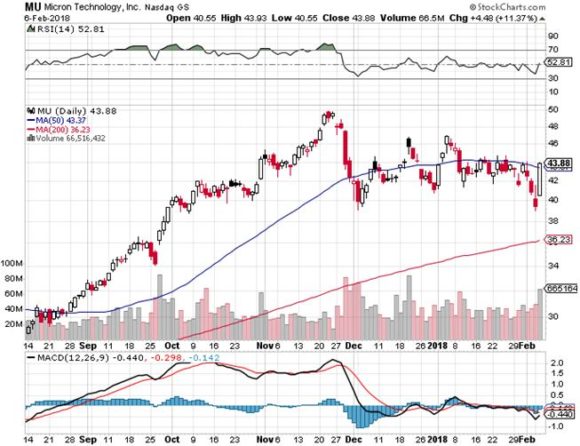
The DRAM and NAND chip company from which companies beg to get sufficient amount of chips to power their smartphones, homepods, AI related products, IoT devices, and autonomous cars.

These products are simply pieces of junks without these (MU)???s chips. From 2017, numerous semiconductor chips CEO???s have chimed in with declaring the pricing environment as ???firm???.No surprise that Apple is charging $1000 for smartphones now, as pricey chip inputs erode more of their margins which are passed on to the consumer.

DRAM and NAND chip demand see no signs of slowing, as the exponential growth in data require more of these chips per device to be adequately functional. DRAM and NAND chip players should be the heart of any tech portfolio investors assemble.
??
Nvidia (NVDA)

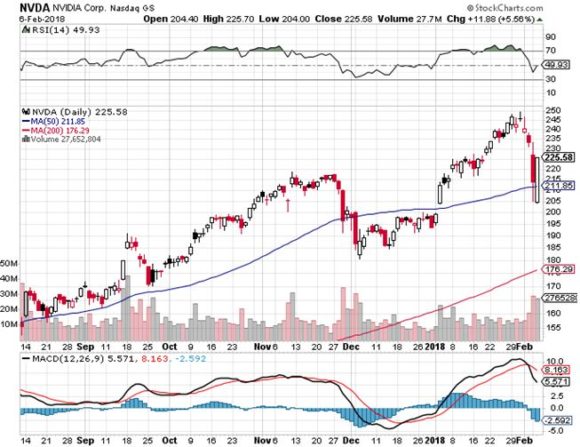
The GPU (Graphics Processing Unit) is the core driver for Nvidia. The fundamental levers for this company are Artificial Intelligence (AI), self-driving cars, cryptocurrency, and eSports. All of these drivers hugely depend upon Graphic Processing Units (GPUs) and Nvidia is one of the main manufacturers of GPUs.

Every segment of their business is ascending, and their CEO, Jensen Huang, is a genius. When all these brand spanking new technologies hit the mass market, exponential growth in demand for GPU???s will be a certainty. The problem until today is finding any sort of entry point into this stock. Now you finally have one!

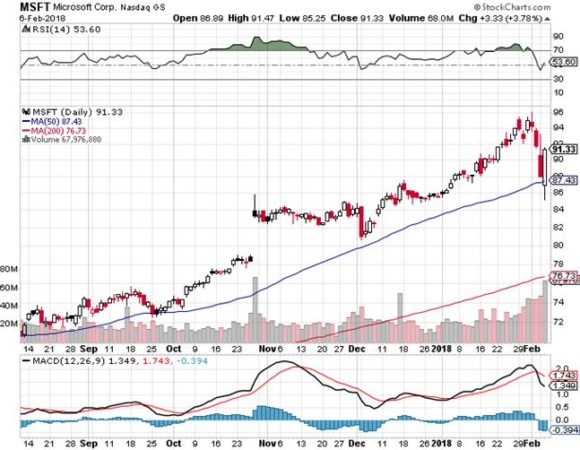
Microsoft (MSFT)

This is not your father???s Microsoft.

The revamped version of this company has a fresh business model based on the cloud. A few years ago (MSFT) was headed for the graveyard with its stale legacy business of Bill Gates???s era percolating around their Seattle offices.

However, what a comeback with Microsoft Azure; Microsoft???s enterprise cloud software offering a mix of solutions for companies and is the number two cloud platform behind Amazon.

Microsoft Azure is also growing faster that Amazon with 98% growth YOY, this is double Amazon???s AWS growth. They are truly a force to be reckoned with and are a legitimate option for companies looking for a hybrid medley of enterprise cloud software.

The product performance has fostered rave reviews around the business community. The demand for cloud solutions will explode in the coming years with every mom and pop shop and up looking to move their operations onto these platforms.

The recently upward price action is a direct result of the cloud segment catching up with Amazon and providing a legitimate alternative.

Yes, I???m Going in for a ???BUY???

https://www.madhedgefundtrader.com/wp-content/uploads/2017/06/john-star-wars-e1498514971937.jpg 415 310 Arthur Henry https://madhedgefundtrader.com/wp-content/uploads/2019/05/cropped-mad-hedge-logo-transparent-192x192_f9578834168ba24df3eb53916a12c882.png Arthur Henry2018-02-06 19:20:242018-02-06 19:20:24Ten Tech Stocks to Buy at the Market Bottom
Page 1378 of 2232«‹13761377137813791380›»

Legal Disclaimer

There is a very high degree of risk involved in trading. Past results are not indicative of future returns. MadHedgeFundTrader.com and all individuals affiliated with this site assume no responsibilities for your trading and investment results. The indicators, strategies, columns, articles and all other features are for educational purposes only and should not be construed as investment advice. Information for futures trading observations are obtained from sources believed to be reliable, but we do not warrant its completeness or accuracy, or warrant any results from the use of the information. Your use of the trading observations is entirely at your own risk and it is your sole responsibility to evaluate the accuracy, completeness and usefulness of the information. You must assess the risk of any trade with your broker and make your own independent decisions regarding any securities mentioned herein. Affiliates of MadHedgeFundTrader.com may have a position or effect transactions in the securities described herein (or options thereon) and/or otherwise employ trading strategies that may be consistent or inconsistent with the provided strategies.

Copyright © 2026. Mad Hedge Fund Trader. All Rights Reserved. support@madhedgefundtrader.com
Scroll to top