• support@madhedgefundtrader.com
  • Member Login
Mad Hedge Fund Trader
  • Home
  • About
  • Store
  • Luncheons
  • Testimonials
  • Contact Us
  • Click to open the search input field Click to open the search input field Search
  • Menu Menu
Douglas Davenport

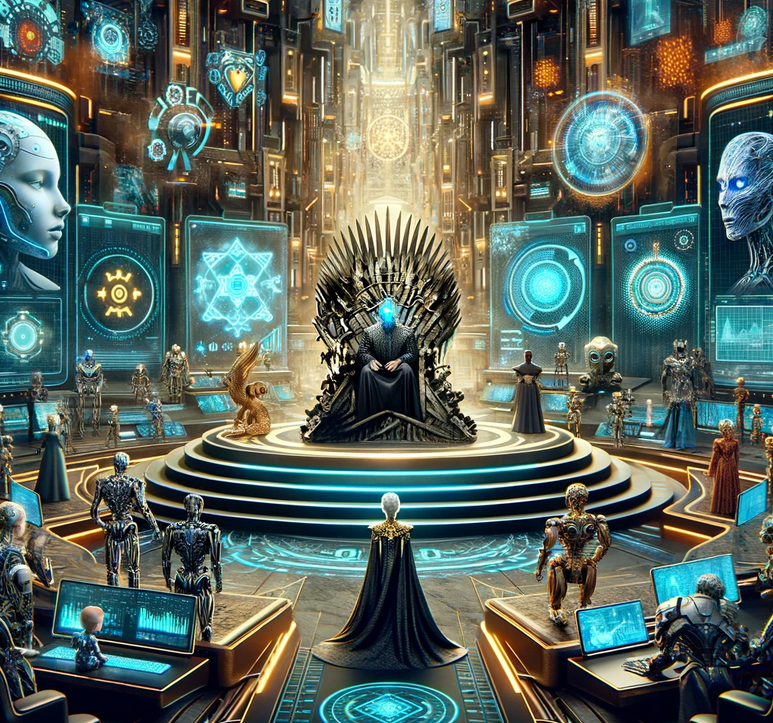
AI’S GAME OF THRONES

Mad Hedge AI

(MSFT), (AAPL), (EA), (CSCO), (GOOGL), (PYPL), (ORCL), (INTC), (AMD), (CRM), (IBM), (BIDU), (TSLA), (AMZN), (META)

In a striking twist of corporate intrigue, the artificial intelligence sector is abuzz with the latest developments involving Sam Altman, Microsoft, and OpenAI. The narrative unfolding around Altman's sudden departure from OpenAI, the very startup he co-founded, and his subsequent shift to Microsoft reads like a thriller set in the fast-paced world of AI innovation.

On a seemingly ordinary Friday, the AI world was rocked by the news of Altman's dismissal from ChatGPT's parent company, OpenAI. The board cited a lack of "consistent candor" in his communications, an accusation that seemed to spell the end of his tenure. 

However, the plot thickened as negotiations for his potential return to OpenAI began to surface, revealing a tangle of corporate strategies and personal ambitions.

Amidst this turmoil, Microsoft's (MSFT) CEO, Satya Nadella, demonstrated his strategic acumen by quickly bringing Altman into the fold to lead an advanced AI research team. This maneuver not only solidified Microsoft's position in the AI race but also retained Altman's expertise and influence within the company, thereby averting the risk of him joining a competitor.

The discussions surrounding Altman's possible reinstatement at OpenAI further complicate the narrative. 

With the involvement of OpenAI's interim CEO Emmett Shear and board member Adam D’Angelo, who is also the co-founder and CEO of Quora, along with key investors like Thrive Capital, Khosla Ventures, and Tiger Global Management, the plot thickens. 

The inclusion of Sequoia Capital, a top venture capital firm that’s also invested in tech giants like Apple (AAPL), Electronic Arts (EA), Cisco Systems (CSCO), Google (GOOGL), Oracle (ORCL), and PayPal (PYPL), in these discussions underscores the high stakes involved.

This corporate chess game isn't just a battle for executive talent; it's emblematic of the broader ideological struggle over AI's future direction. 

Should the industry charge ahead, accelerating technological development, or should it tread more cautiously, prioritizing safety and ethics? 

This debate is personified by the contrasting visions of Emmett Shear, OpenAI's new CEO, who favors a slower approach, and Elon Musk, who advocates for a pause in AI advancements.

Altman's alignment with the acceleration camp, alongside his potential return to OpenAI and involvement with Microsoft, poses a significant challenge to those advocating for a more measured approach. 

This could have far-reaching implications not just for the industry's giants but for the entire ecosystem of AI development.

Microsoft's strategic gain in securing Altman and Greg Brockman, another OpenAI co-founder, also has broader ramifications for the tech and AI sector. 

Giants like Intel Corporation (INTC) and Advanced Micro Devices, Inc. (AMD) could see a surge in demand for their AI-relevant chips. At the same time, Salesforce.com, Inc. (CRM) might find its AI-driven customer relationship tools increasingly indispensable.

Globally, Baidu, Inc. (BIDU) in China and International Business Machines Corporation (IBM), with its Watson AI technology, could also benefit from these shifts. 

Needless to say, this is more than a corporate reshuffle; it's a transformation that could reshape the competitive landscape in AI technology, with implications for companies and investors alike.

This development also raises pertinent questions about the future trajectory of AI and the role of major players in shaping this path. 

Smaller AI startups may find competing for talent and recognition challenging in this intensified environment. Traditional software and IT service providers not heavily invested in AI could increasingly find themselves at a disadvantage.

The automotive sector is another arena where the impact of these developments could be profound. 

Legacy automakers that have been slow to integrate AI, particularly in autonomous driving, might find themselves lagging behind more technologically agile competitors like Tesla (TSLA).

For tech giants like Alphabet Inc. (GOOGL) and Amazon.com Inc. (AMZN), this episode is a double-edged sword. 

While they stand to benefit from the overall expansion of the AI market, Microsoft's bolstered position presents a formidable challenge. 

Similarly, Meta Platforms, Inc. (META), with its significant investments in AI and virtual reality, may attract interest but also faces stiffer competition.

As AI continues to cement its role across various industries, the terrain is set for rapid and unpredictable changes. These transitions will undoubtedly have far-reaching implications for these companies and the broader market, necessitating close monitoring by investors and industry watchers alike.

Ultimately, the story of Altman, Microsoft, and OpenAI isn't just a momentary headline; it's a microcosm of the transformative power of AI, heralding a future where innovation, competition, and collaboration merge to drive progress in ways we are only beginning to comprehend. 
https://www.madhedgefundtrader.com/wp-content/uploads/2023/11/Screenshot-112923-1.png 723 773 Douglas Davenport https://madhedgefundtrader.com/wp-content/uploads/2019/05/cropped-mad-hedge-logo-transparent-192x192_f9578834168ba24df3eb53916a12c882.png Douglas Davenport2023-11-29 16:38:582023-11-29 16:38:58AI’S GAME OF THRONES
april@madhedgefundtrader.com

November 29, 2023

Tech Letter

Mad Hedge Technology Letter
November 29, 2023
Fiat Lux

Featured Trade:

(DEALING WITH A BLACK BOX)
(TSLA), (UBER), (LYFT)

https://madhedgefundtrader.com/wp-content/uploads/2019/05/cropped-mad-hedge-logo-transparent-192x192_f9578834168ba24df3eb53916a12c882.png 0 0 april@madhedgefundtrader.com https://madhedgefundtrader.com/wp-content/uploads/2019/05/cropped-mad-hedge-logo-transparent-192x192_f9578834168ba24df3eb53916a12c882.png april@madhedgefundtrader.com2023-11-29 14:04:192023-11-29 14:49:58November 29, 2023
april@madhedgefundtrader.com

Dealing With A Black Box

Tech Letter

Who is responsible when artificial intelligence harms someone?

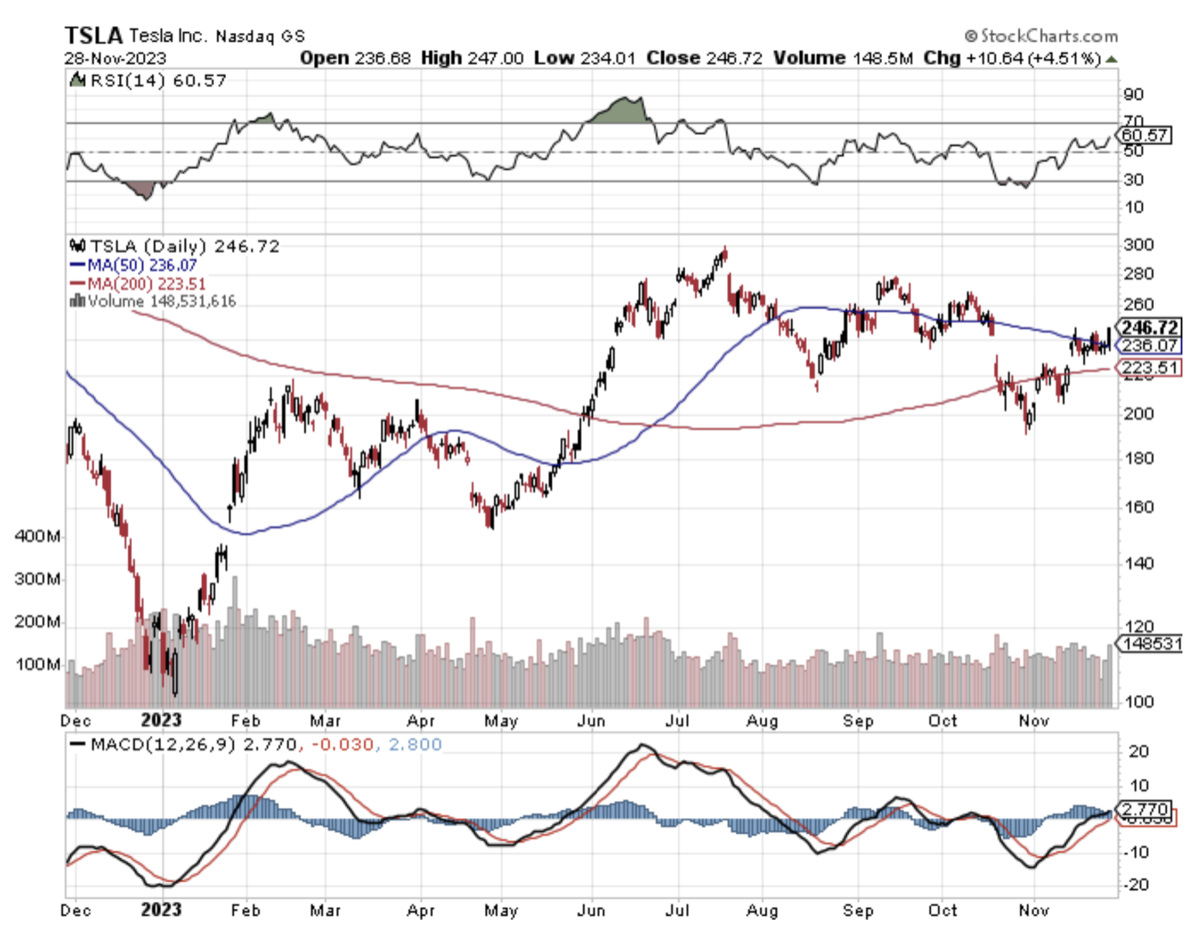
The California jury may soon have to make a decision. In December 2019, a man driving a Tesla (TSLA) with an AI navigation system killed two people in an accident. The driver faces up to 12 years in prison.

These events were bound to happen as teething pains are quite common with new technology especially one that is ambitious enough to transport machines in a human world.

Multiple federal agencies are investigating Tesla crashes, and The California Department of Motor Vehicles is investigating the use of AI-controlled driving functions.

Our current liability system used to determine liability and compensation for injuries is not AI-friendly.

Liability rules were designed for a time when humans caused most injuries.

However, with AI, errors can occur without direct human intervention. The liability system must be adjusted accordingly. Poor accountability won't just stifle AI innovation. It will also harm patients and consumers.

It's time to start thinking about accountability as AI becomes ubiquitous but remains under-regulated. AI-based systems have already contributed to injuries.

The right accountability approach is critical to unlocking the potential of AI. Uncertain regulations and the prospect of costly litigation will deter investment, development, and deployment of AI in industries ranging from healthcare to autonomous vehicles.

Currently, liability claims typically begin and end with the person using the algorithm. Of course, if someone abuses the AI system or ignores its warnings, that person should be held accountable.

But AI errors are often not the user's fault. Who can blame an emergency doctor for letting an AI algorithm miss papilledema — a swelling of part of the retina?

AI's failure to detect the disease could delay care and potentially cause the patient to lose their eyesight. Papilledema is difficult to diagnose without an ophthalmologist.

AI is constantly self-learning, which means it takes in information and looks for patterns in it. This is a "black box" that makes it difficult to understand which variables affect the outcome.

The key is to ensure that everyone involved - users, developers, and everyone else in the chain - has been vetted to keep AI safe and effective.

First, insurers should protect policyholders from AI injury litigation costs by testing and validating new AI algorithms before deploying them.

Car insurers have also been comparing and testing cars for years. An independent security system can provide AI stakeholders with a predictable system of accountability that adapts to new technologies and practices.

Second, some AI errors should be challenged in courts that specialize in uncommon cases. These tribunals may specialize in particular technologies or topics.

Third, proper regulatory standards from federal agencies can offset the excessive liability of developers and users. For example, some forms of medical device liability have been superseded by federal regulations and laws. Regulators should focus on standard AI development processes early on.

Regulation can make or break AI in the upcoming years and I lean towards the laissez-faire attitude of deregulation.

Too many regulations will stifle development and bring about undue costs.

No company will continue with loss-making operations unless they see a light at the end of the tunnel.

If allowed to develop with light regulation, AI will be that supercharger to tech stocks that investors dreamed of.

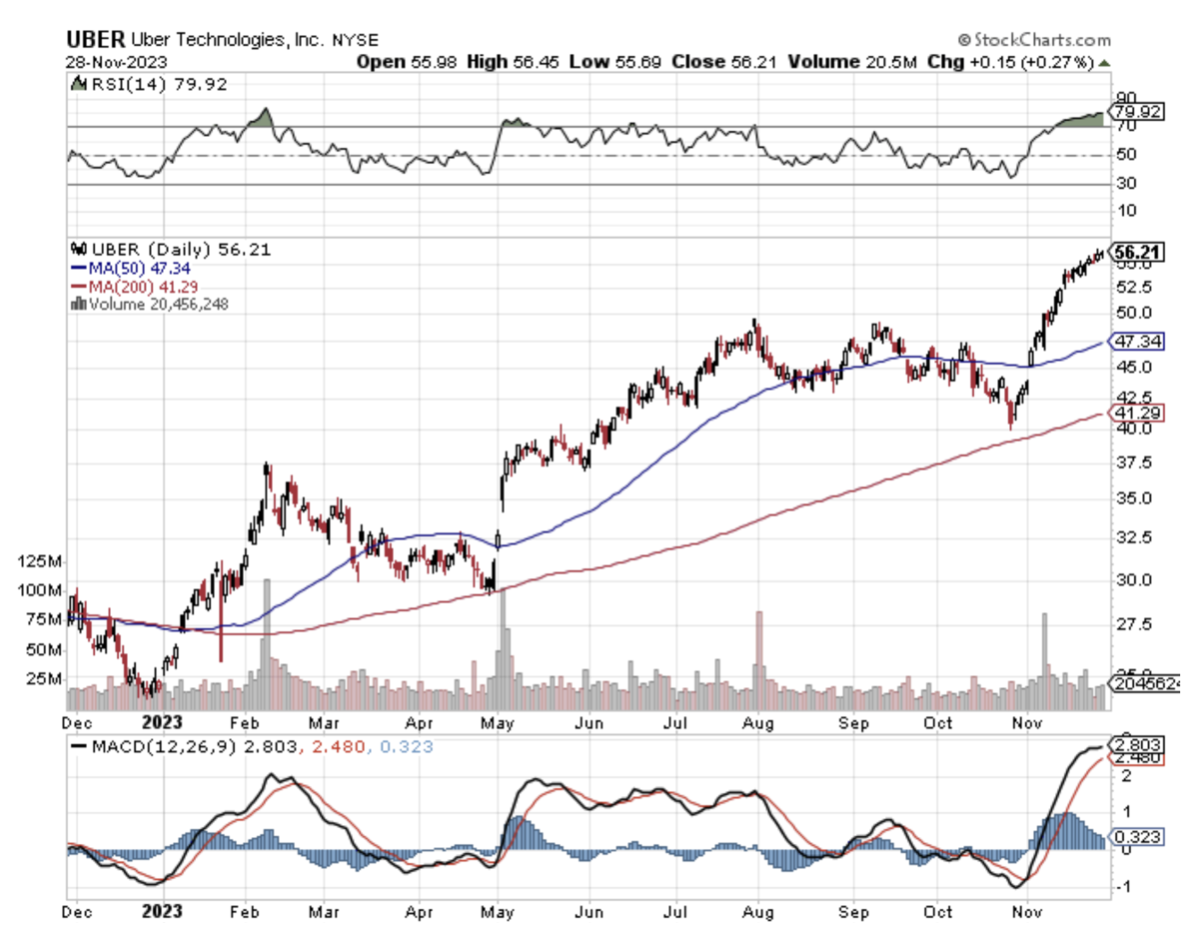
Transportation-based tech stocks such as Uber and Lyft will be one of the largest winners from the widespread implementation of driverless technology.

Also, throw in there the food delivery companies like DoorDash (DASH).

Another group with immense expense-saving possibilities is all the airline firms around the world because theoretically, self-driving technology will become good enough to deploy in short and long-haul flights.

Getting to the point of consumers and regulators fully trust self-driving technology is still a long and windy path, but I do believe we will arrive there.

When we do get there, the tech companies underwriting these benefits will feel a 10X boost to their share price.


https://madhedgefundtrader.com/wp-content/uploads/2019/05/cropped-mad-hedge-logo-transparent-192x192_f9578834168ba24df3eb53916a12c882.png 0 0 april@madhedgefundtrader.com https://madhedgefundtrader.com/wp-content/uploads/2019/05/cropped-mad-hedge-logo-transparent-192x192_f9578834168ba24df3eb53916a12c882.png april@madhedgefundtrader.com2023-11-29 14:02:042023-11-29 14:49:41Dealing With A Black Box
Mad Hedge Fund Trader

November 29, 2023 - Quote of the Day

Tech Letter

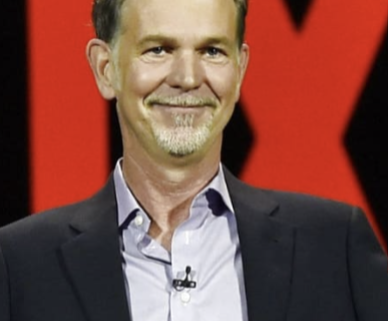
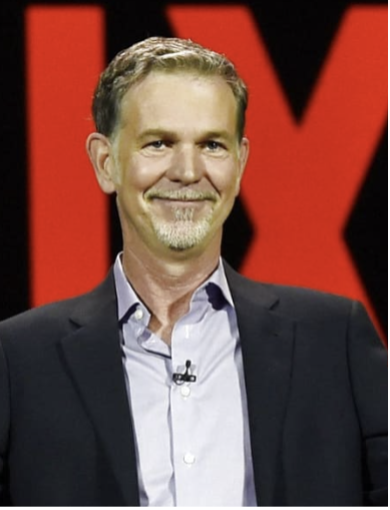
“Most entrepreneurial ideas will sound crazy, stupid and uneconomic, and then they’ll turn out to be right.” – Said CEO of Netflix Reed Hastings


https://www.madhedgefundtrader.com/wp-content/uploads/2023/03/reed-hastings.png 510 390 Mad Hedge Fund Trader https://madhedgefundtrader.com/wp-content/uploads/2019/05/cropped-mad-hedge-logo-transparent-192x192_f9578834168ba24df3eb53916a12c882.png Mad Hedge Fund Trader2023-11-29 14:00:132023-11-29 14:49:26November 29, 2023 - Quote of the Day
april@madhedgefundtrader.com

November 29, 2023

Jacque's Post


(WE COULD SEE A SECULAR BULL MARKET FOR THE NEXT DECADE)

November 29, 2023


Hello everyone,

It’s the question on everyone’s lips – will this rally continue throughout 2024 and beyond?

One Bank seems to think so, and that bank is Deutsche.  And they are not allowed in this bullish outlook.

Deutsche sees the S&P 500 rallying 11% to a record high next year and has a 2024 year-end target of 5,100 on the S&P500.   It incorporates expectations of a mild, short recession that has been pulled forward.

In its most bullish case, Deutsche expects the S&P500 could climb to 5,500 or more than 20% above where the benchmark closed last.

The bank notes that the S&P 500 has been in a clear trend-up channel since the Great Financial Crisis.  Jim Reid, London-based head of global economics and thematic research points out that after falling below last year, the rally in the first half this year took it back up to the bottom and it has been muddling along at the lower end since.  A continued muddle through along the bottom implies 5300 by the end of 2024, while a move to the middle to 6000.

Deutsche expects markets have already priced in concerns around higher interest rates and geopolitical risks and argued that any sell-off from a possible recession would be short-lived and mild.

Historically, equities typically rally in the aftermath of a U.S. presidential election, set for next November.  Reid expects a sizeable potential upside risk from tight labor markets may bolster productivity by encouraging the adoption of new technologies such as generative artificial intelligence.

The German bank remains neutral on mega-cap growth and technology stocks, citing elevated valuations after their rally this year.  Going forward, the bank recommends overweight positions in financials and consumer cyclicals (AMZN, HD, TSLA, MCD, AAPL) that could bounce back after their recent weakness and remain neutral on energy while turning overweight on materials.  It remains underweight in defensive stocks until it sees falling bond yields coupled with recession fears


Deutsche Bank sees the rally this year continuing into 2024 and beyond and makes bold 2024 year-end targets.


According to RBC technical analyst Robert Sluymer.

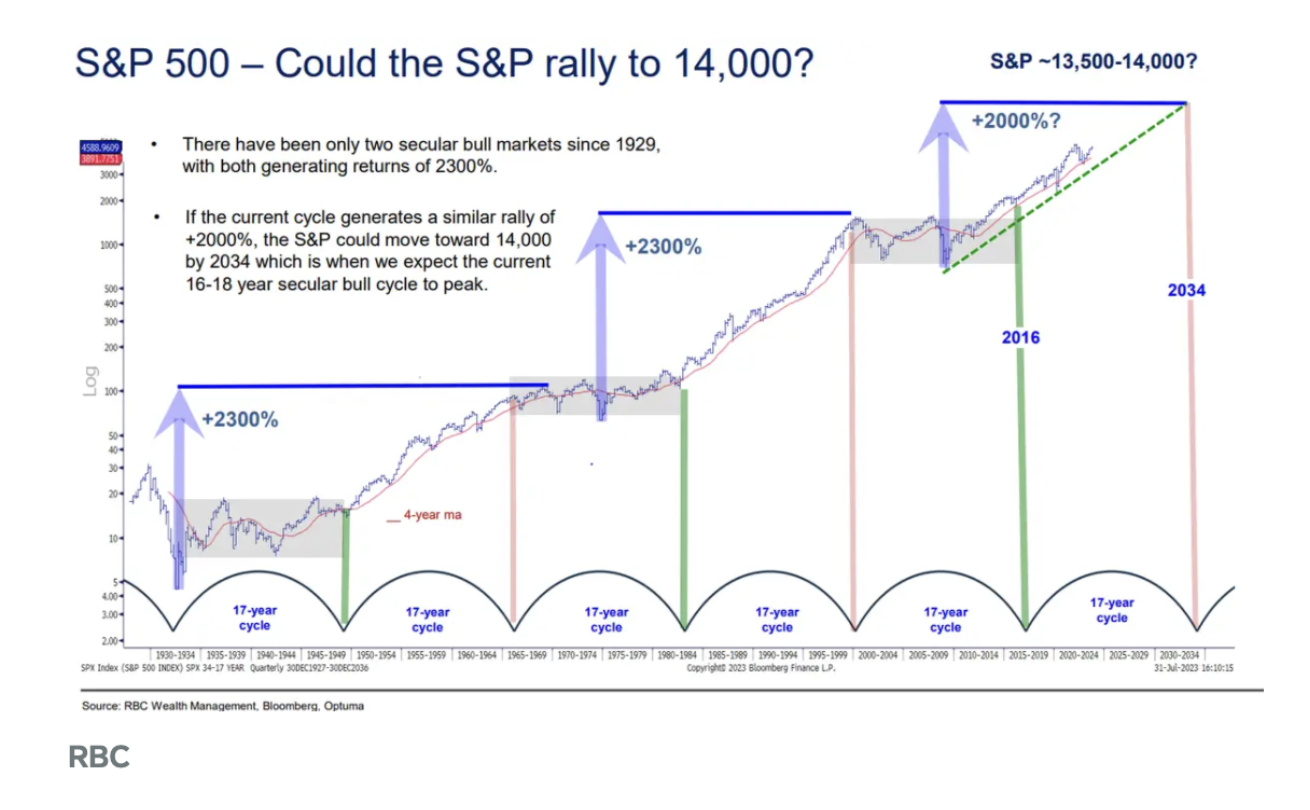
The stock market has surged nearly 20% this year, but the rally could be part of a larger secular bull market cycle that sends the S&P 500 to 14,000 by 2034.

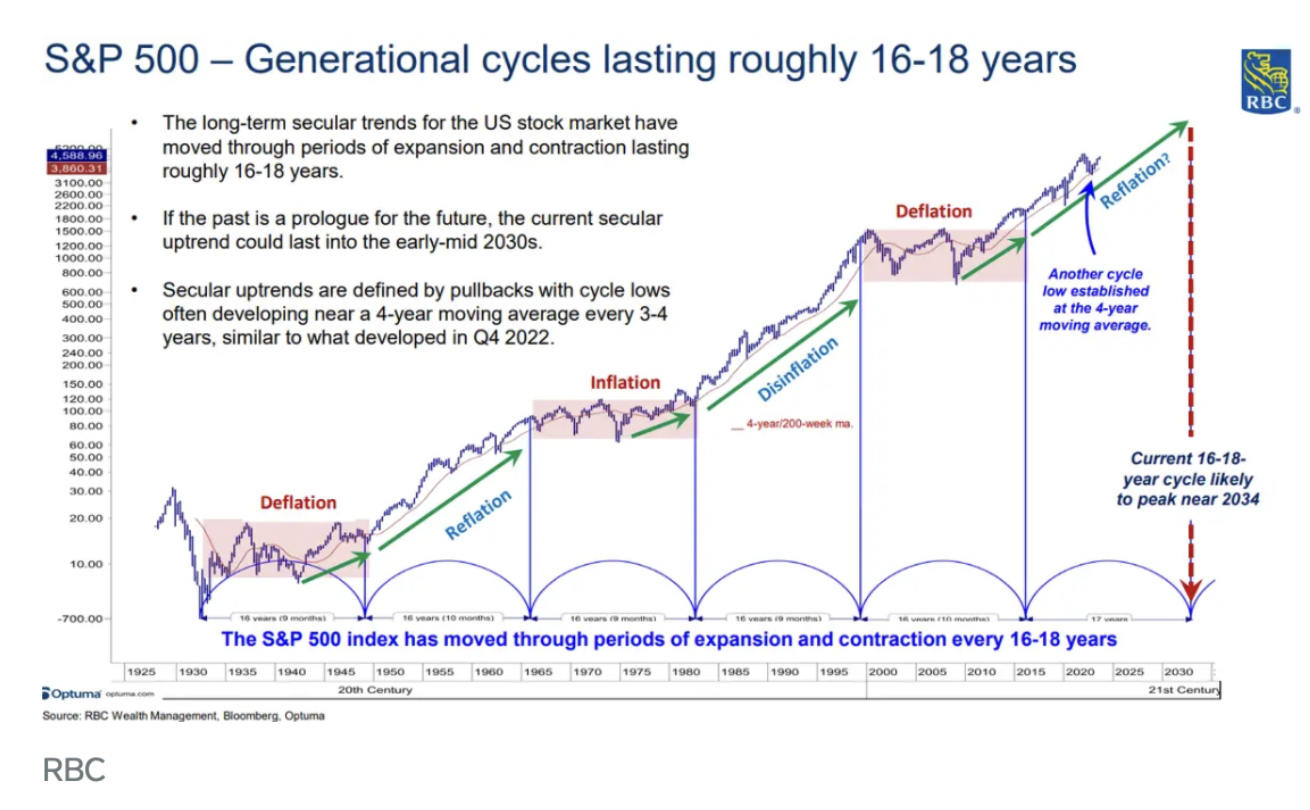
Sluymer maintains and argues that the long-term secular trend for US equity markets remains positive with an underlying 16-to-18-year cycle supportive of further upside into the mid-2030s, potentially to S&P 14,000.

Sluymer’s forecast for the S&P 500 to trade as high as 14,000 by 2034 represents a potential upside of 209% from current levels or an average annualized gain of just under 10% over the next 11 years.


Sluymer looked at a long-term chart of the S&P 500 going back to the Great Depression in 1929.  Since then, there have only been two secular bull markets, with one occurring during the 1950s and 1960s, and another occurring during the 1980s and 1990s.

Both generated total returns of about 2,300%.

Sluymer points out that if the current cycle generates a similar rally of +2000% the S&P could move toward 14,000 by 2034 which is when we expect the current 16-to-18-year secular bull cycle to peak. 

Between now and 2034, Sluymer advises long-term oriented investors to lean bullish and view selloffs in the stock market as opportunities to increase exposure to secular and cyclical growth stocks, including industrials.

In a nutshell, Sluymer recommends long-term investors stay the course and remain optimistic.


Cheers,

Jacquie

https://madhedgefundtrader.com/wp-content/uploads/2019/05/cropped-mad-hedge-logo-transparent-192x192_f9578834168ba24df3eb53916a12c882.png 0 0 april@madhedgefundtrader.com https://madhedgefundtrader.com/wp-content/uploads/2019/05/cropped-mad-hedge-logo-transparent-192x192_f9578834168ba24df3eb53916a12c882.png april@madhedgefundtrader.com2023-11-29 12:00:052023-11-29 13:39:09November 29, 2023
april@madhedgefundtrader.com

November 29, 2023

Diary, Newsletter, Summary

Global Market Comments
November 29, 2023
Fiat Lux

Featured Trade:

(AND MY PREDICTION IS….),
(HOW TO “SNOWBALL” YOUR FORTUNE WITH BENJAMIN FRANKLIN)

https://madhedgefundtrader.com/wp-content/uploads/2019/05/cropped-mad-hedge-logo-transparent-192x192_f9578834168ba24df3eb53916a12c882.png 0 0 april@madhedgefundtrader.com https://madhedgefundtrader.com/wp-content/uploads/2019/05/cropped-mad-hedge-logo-transparent-192x192_f9578834168ba24df3eb53916a12c882.png april@madhedgefundtrader.com2023-11-29 09:06:412023-11-29 10:52:38November 29, 2023
MHFTR

How to "Snowball" Your Fortune with Benjamin Franklin

Diary, Newsletter, Research

Old Benjamin Franklin, one of the fathers of our country, was a pretty smart guy.

Not only was he a publisher, scientist, postmaster general, ambassador to the court of Louis the XVI, and delegate to the constitutional convention.

He also understood the basic mathematics that underlay modern investment theories centuries ahead of time.

When the United States was first founded, there was widespread belief in Europe that its experimental Republican form of government would soon fail.

After all, democracy hadn’t succeeded since the days of ancient Greece. Why should it now? The fact that the US was chronically broke didn’t help either.

One French mathematician, Charles-Joseph Mathon de la Cour, dared anyone to make a multi-century bet that the country would not survive.

Franklin happily took him up on it.

In 1789, he added to his will a codicil that endowed a trust with the city of Boston, where he was born, and the city of Philadelphia, where he built his career, with £1,000 each.

He specified that half the money be distributed in a century, and the balance in 200 years.

That initial investment equated to $5,000 at the time, or about $100,000 today in inflation-adjusted dollars. The British pound was the preeminent reserve currency of the day, and was good as gold, as it was still exchangeable into the yellow metal on demand.

Franklin died the following year days short of the age of 85.

The trust money was primarily invested in loans at a 5% interest rate in loans to young men under the age of 25 to finance apprenticeships in the trades. Later, it financed home mortgages.

So how did Ben do?

After the first 100 years, the Boston fund was worth $391,000, and half the money was eventually used to establish the Franklin Technical School, a two-year college that is still in operation today (click here for the link).

In 1990, at the end of the second century, the remaining Boston half was worth more than $5 million.

The money was promptly divvied up, with 26% going to the city, and the balance going to the State of Massachusetts. Much of the money went into the endowment of the Franklin Technical School.

Franklin did less well in his adopted hometown of Philadelphia. Corrupt politicians diverted some funds during the 19th century. Still, by 1990, the initial £1,000 had grown to $2 million.

The funds were used to set up a scholarship fund for Philadelphia high school graduates.

Interestingly, the two trusts never came close to their 200-year theoretical maximum value in the hundreds of millions of dollars. That’s because several early borrowers defaulted on their loans.

The Civil War also no doubt took its toll.

This story highlights the value of compounding interest, well known to all savvy money managers.

Every math student knows the fable of the mathematician who invented the game of chess for an ancient potentate. As a reward, he asked for a grain of rice to be doubled with each square on a chessboard. The king agreed.

The servant deserved the entire kingdom well before he reached the 64th square. The final total worked out to 18,446,744,073,709,551,615 grains of rice, or 66 trillion metric tonnes, which is 435,000 times the displacement of the Queen Mary 2.

The fairytale doesn’t tell us if the clever, mathematician ever collected his reward.

Investment legend Warren Buffett is also familiar with the concept of compounding interest. He invests only in companies with great cash flows and dividends and rarely sells.

He entered the market in 1942 when the Dow Average traded around $100, just before the tide was turned for WWII.

Timing is everything in this business.

He entitled his authorized biography “Snowball”, a reference to compounding, and a great read by the way.

Even I have my own two cents to throw in here on the compounding value of investments over the long term.

Before Morgan Stanley (MS) went public in 1986, I was allocated a part ownership of the private partnership at 25 cents a share. That is about one-third of the annualized dividend for today’s shares.

Today, they are worth $300 on a split-adjusted basis, including dividends. And since I never sold them, I never had to pay tax on the gain either.

As for how many shares I got, I’m not telling!

The original £2,000 came from Franklin’s salary for the three years he spent as the governor of Pennsylvania. He believed that the nation’s leaders should work for free and sought to set an example.

Unfortunately, it was an idea that never caught on.

The last amendment to the US Constitution, the 27th, provided for pay increases for members of Congress and was passed in 1992. It only took 203 years to ratify.

Franklin didn’t limit his charity to the Boston and Philadelphia Trusts. He also created an additional fund to award a silver medal to the most creative high school students of the day.

It is now known as the Franklin Legacy Prize Medal and is the oldest continuously funded scholarship in the country, awarded every year since 1793.

As for our friend, Charles-Joseph Mathon de la Cour, he didn’t fare so well. His head was chopped off by a guillotine only four years later during the French Revolution.

Over the 200 years in question, five different republics ruled France, which suffered through several revolutions, civil wars, and invasions.

As Warren Buffett never tires of telling fellow investors, it is a terrible idea to bet against America.


Old Ben Had a Way With Money


Franklin Legacy Prize Medal

https://www.madhedgefundtrader.com/wp-content/uploads/2018/04/Ben-Franklin-story-2-image-1-e1523047087935.jpg 222 500 MHFTR https://madhedgefundtrader.com/wp-content/uploads/2019/05/cropped-mad-hedge-logo-transparent-192x192_f9578834168ba24df3eb53916a12c882.png MHFTR2023-11-29 09:02:592023-11-29 10:52:21How to "Snowball" Your Fortune with Benjamin Franklin
april@madhedgefundtrader.com

November 29, 2023 - Quote of the Day

Diary, Newsletter, Quote of the Day

“Investors who go into trading crypto currencies hear someone is trading turds and decide they can’t be left out,” said Warren Buffet’s partner, Charlie Munger.


https://madhedgefundtrader.com/wp-content/uploads/2019/05/cropped-mad-hedge-logo-transparent-192x192_f9578834168ba24df3eb53916a12c882.png 0 0 april@madhedgefundtrader.com https://madhedgefundtrader.com/wp-content/uploads/2019/05/cropped-mad-hedge-logo-transparent-192x192_f9578834168ba24df3eb53916a12c882.png april@madhedgefundtrader.com2023-11-29 09:00:582023-11-29 10:52:17November 29, 2023 - Quote of the Day
april@madhedgefundtrader.com

November 28, 2023

Biotech Letter

Mad Hedge Biotech and Healthcare Letter
November 28, 2023
Fiat Lux

Featured Trade:

(A MILLIONAIRE MAKER IN THE MAKING)

(ABBV), (ABT)

https://madhedgefundtrader.com/wp-content/uploads/2019/05/cropped-mad-hedge-logo-transparent-192x192_f9578834168ba24df3eb53916a12c882.png 0 0 april@madhedgefundtrader.com https://madhedgefundtrader.com/wp-content/uploads/2019/05/cropped-mad-hedge-logo-transparent-192x192_f9578834168ba24df3eb53916a12c882.png april@madhedgefundtrader.com2023-11-28 12:02:492023-11-28 11:02:28November 28, 2023
april@madhedgefundtrader.com

A Millionaire Maker In The Making

Biotech Letter

In the high-stakes game of investment, where the dream is to turn a modest sum into a cool million, savvy players are constantly on the hunt for that one stock with the Midas touch.

Enter the scene: AbbVie (ABBV), a heavyweight in the healthcare arena, boasts a revenue growth of over $20 billion since 2019.

Let's cut through the noise and see if AbbVie is the golden goose for your portfolio, capable of outpacing the market and padding your account with those sought-after seven figures.

Since its spinoff from Abbott Labs (ABT) in 2013, AbbVie has been flexing its muscles in the dividend world.

I’m not talking about just keeping up with the Joneses here; AbbVie's dividend payout has skyrocketed by an impressive 270% through late 2023. This isn't just inheritance; it's multiplication.

Now, let's address the elephant in the room: Humira, AbbVie’s blockbuster drug, which is set to lose its patent shield in 2023.

This anti-inflammatory drug has been a cash cow for AbbVie, spanning a wide range of treatments from rheumatoid arthritis to Crohn's disease. But the party can't last forever. As the patent protection fades, so does a chunk of AbbVie’s revenue stream.

However, don't think AbbVie's been caught off guard. They've been prepping for this moment with Rinvoq and Skyrizi, two new immunology drugs poised to pick up the slack and maybe, just maybe, outshine their predecessor by 2027.

Dig into the latest quarter, and you'll find Rinvoq and Skyrizi raking in the cash with double-digit sales growth, eyeing to breach the $11 billion mark in annual revenue.

AbbVie's strategy? Cover all bases Humira did, and then some.

But that's not all in AbbVie's arsenal. With over 50 programs chugging along in development, the odds are in favor of a few big wins that could give the biopharma top and bottom lines a healthy boost.

Besides the promising Rinvoq and Skyrizi, AbbVie has other aces up its sleeve. Take bipolar disorder treatment Vraylar, with its potential to hit $4 billion in peak annual revenue, or acute migraine drug Ubrelvy, eyeing at least $1 billion.

While transition phases are tricky, especially since AbbVie's shift from Humira to the likes of Skyrizi and Rinvoq is no walk in the park, it's the other elements in play that add to AbbVie's potential.

For instance, here's another factor that makes the company attractive for growth investors: AbbVie's stock is currently undervalued, trading at a mere 12 times its estimated future earnings, a bargain compared to the sector's average. This could be your ticket to get on board for the long haul, eyeing those hefty returns down the road.

Now, what about the financials? After all, a company's muscle is measured by its monetary might. Well, AbbVie's operating profit of $15.8 billion on $55.1 billion in revenue in the past 12 months is nothing to sneeze at.

Now, let's talk free cash flow (FCF) – aka the real indicator of financial fitness. AbbVie's sitting pretty with $24.7 billion in FCF over four quarters. That's not pocket change; it's a war chest, part of which is already earmarked for a generous 4.5% dividend yield.

So, is AbbVie the magic bean that grows into a million-dollar beanstalk? Let’s give it more context.

To morph a $30,000 investment into $1 million, AbbVie's market cap would need to balloon over 30 times its current size, a Herculean feat that translates to a market valuation of over $7.3 trillion.

It's a long shot but not beyond the realms of possibility, especially considering the long-run average return of the S&P 500.

Overall, AbbVie is more than just a contender in the investment arena. With its solid track record, robust pipeline, and undervalued stock, it's a heavyweight with a puncher's chance of turning your investment into a million-dollar dream. I suggest you buy the dip.


https://madhedgefundtrader.com/wp-content/uploads/2019/05/cropped-mad-hedge-logo-transparent-192x192_f9578834168ba24df3eb53916a12c882.png 0 0 april@madhedgefundtrader.com https://madhedgefundtrader.com/wp-content/uploads/2019/05/cropped-mad-hedge-logo-transparent-192x192_f9578834168ba24df3eb53916a12c882.png april@madhedgefundtrader.com2023-11-28 12:00:392023-11-28 11:02:21A Millionaire Maker In The Making
Page 411 of 2247«‹409410411412413›»

Legal Disclaimer

There is a very high degree of risk involved in trading. Past results are not indicative of future returns. MadHedgeFundTrader.com and all individuals affiliated with this site assume no responsibilities for your trading and investment results. The indicators, strategies, columns, articles and all other features are for educational purposes only and should not be construed as investment advice. Information for futures trading observations are obtained from sources believed to be reliable, but we do not warrant its completeness or accuracy, or warrant any results from the use of the information. Your use of the trading observations is entirely at your own risk and it is your sole responsibility to evaluate the accuracy, completeness and usefulness of the information. You must assess the risk of any trade with your broker and make your own independent decisions regarding any securities mentioned herein. Affiliates of MadHedgeFundTrader.com may have a position or effect transactions in the securities described herein (or options thereon) and/or otherwise employ trading strategies that may be consistent or inconsistent with the provided strategies.

Copyright © 2026. Mad Hedge Fund Trader. All Rights Reserved. support@madhedgefundtrader.com
Scroll to top