Stocks and firms tethered to artificial intelligence won’t always have a one-way joyride to profits.
The honest truth is that the road will be met with drawbacks some years and the sector will need time to digest the new developments.
Mainstream tech has made most people believe that AI can do no wrong in the short-term future.
There is a consensus that it’s the panacea for everything and anything.
The Magnificent 7 tech firms are priced for an AI boom and the hype is there, but it will take some time for AI to really filter into meaningful balance sheet development.
We are still in the beginning stages.
It’s not surprising that the Massachusetts Institute of Technology published a study that sought to address fears about AI replacing humans in a swath of industries and found that artificial intelligence can’t ACTUALLY replace the majority of jobs right now in cost-effective ways.
It’s important to note this report because much of AI has been celebrated with no mention of cost control or benefit versus the price or expenses incurred.
Any corporate tech will need to evaluate whether it’s worth gutting whole divisions to replace it with AI.
In many cases in early 2024, this type of strategy to a workforce could turn into an unmitigated disaster.
For instance, a new AI study found only 23% of workers, measured in terms of dollar wages, could be effectively supplanted. In other cases, because AI-assisted visual recognition is expensive to install and operate, humans did the job more economically.
The adoption of AI across industries accelerated last year after OpenAI’s ChatGPT and other generative tools showed the technology’s potential. Tech firms from Microsoft and Alphabet in the US to Baidu and Alibaba in China rolled out new AI services and ramped up development plans which could serve as a canary in the coal mine for things to come. Fears about AI’s impact on jobs have long been a central concern.
Computer vision is a field of AI that enables machines to derive meaningful information from digital images and other visual inputs, with its most ubiquitous applications showing up in object detection systems for autonomous driving or in helping categorize photos on smartphones.
The cost-benefit ratio of computer vision is most favorable in segments like retail, transportation, and warehousing.
The study was funded by the MIT-IBM Watson AI Lab and used online surveys to collect data on about 1,000 visually assisted tasks across 800 occupations. Only 3% of such tasks can be automated cost-effectively today, but that could rise to 40% by 2033 if data costs fall and accuracy improves.
When getting academic about the subject, many projections feel way too ambitious.
AI won’t take over the workforce in the next few years and will struggle to make inroads before 2030.
That doesn’t mean firms like Nvidia, AMD, Qorvo, and Broadcom will not sell AI-based chips promising better AI.
That doesn’t mean firms like Google, Apple, Microsoft, Amazon, and Meta won’t feel a small AI bump in revenue.
There certainly will be some changes, but wholesale transformation is a ways off.
I believe the AI hype has gotten too far over its skis.
Tech needs to slow down and make sure it’s properly implemented and the real effects will be seen after 2030.
https://madhedgefundtrader.com/wp-content/uploads/2019/05/cropped-mad-hedge-logo-transparent-192x192_f9578834168ba24df3eb53916a12c882.png00april@madhedgefundtrader.comhttps://madhedgefundtrader.com/wp-content/uploads/2019/05/cropped-mad-hedge-logo-transparent-192x192_f9578834168ba24df3eb53916a12c882.pngapril@madhedgefundtrader.com2024-01-22 14:02:212024-01-22 15:18:21Take A Deep Breath With AI
Today, let's talk about something that's stirring up quite the buzz in the investment community, something that's not just about numbers and charts, but about potentially changing lives.
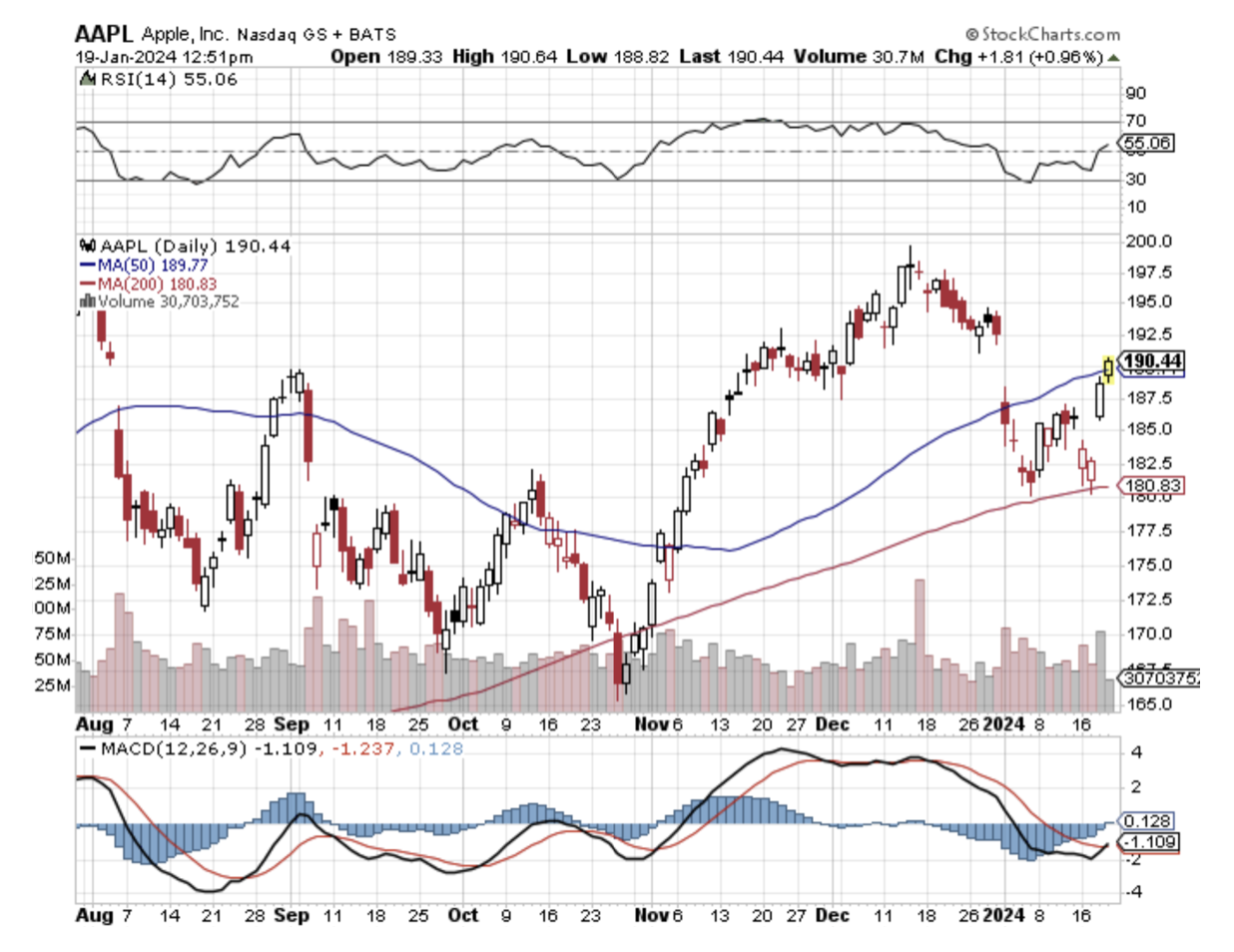
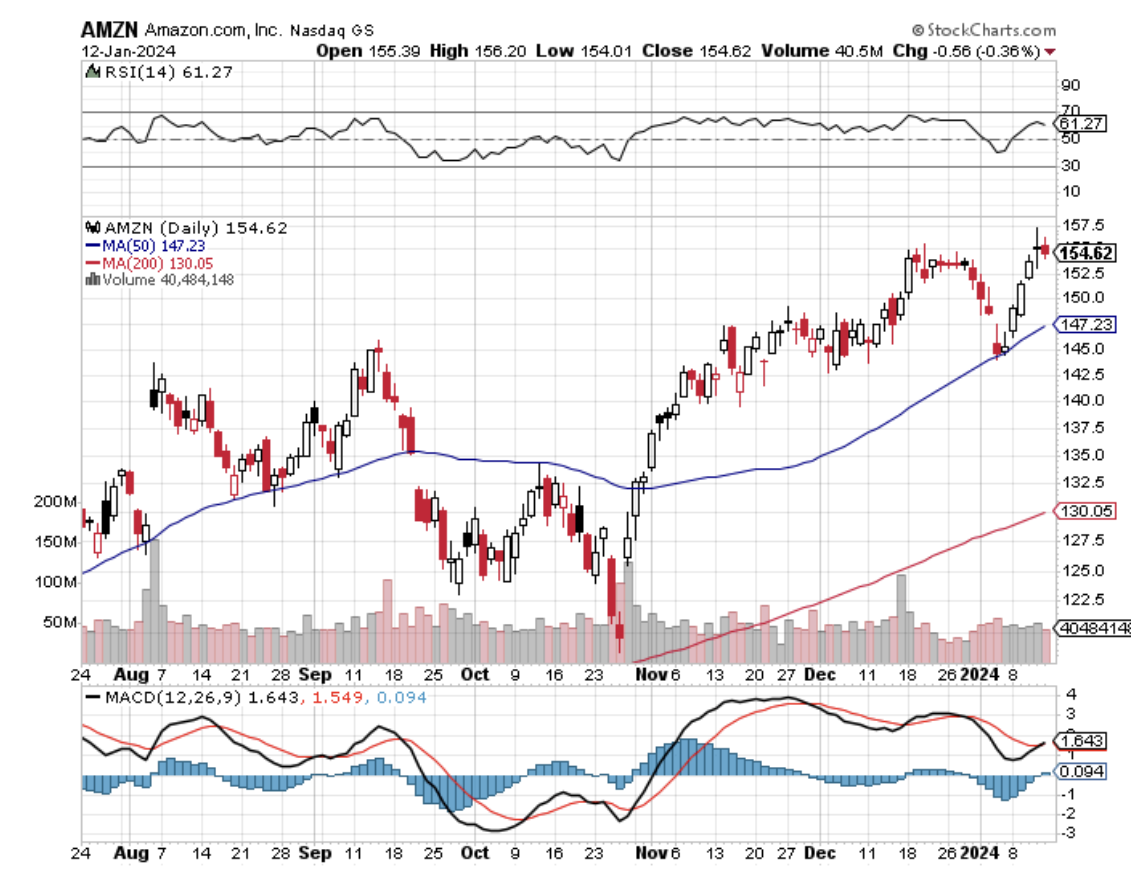
Now, I'm sure you've heard of Apple (AAPL), Amazon (AMZN), Alphabet (GOOGL), Microsoft (MSFT), Meta Platforms (META), and Nvidia (NVDA). These tech titans aren't just playing around with gadgets and gizmos; they're digging deep into the world of knowledge to uncover stuff we didn't even know was missing. And let's be clear, this isn't just some fancy artificial intelligence show-off; it's bigger, much bigger.
But, recently, other industries aren’t letting tech have all the fun.
The pharma industry, led by stars like Moderna (MRNA), Eli Lilly (LLY), and Novo Nordisk (NVO), is on the brink of what I'd call medical miracles.
We're looking at treatments that might kick some serious diseases to the curb – illnesses that we thought were just part of the unlucky draw in the genetic lottery.
Admittedly, figuring out the real worth of these innovations is a bit like trying to nail jelly to the wall – traditional financial analysis scratches its head at this sort of thing.
But for those of you who don't mind a bit of a rollercoaster ride, investing in these themes could be as rewarding as finding a forgotten winning lottery ticket in your old jeans.
Let's chew on obesity for a second. It's a big deal, literally and figuratively. It's the root of all sorts of nasty stuff like heart disease and diabetes.
Here's where Lilly and Novo Nordisk come in, swinging like heroes with their weight-loss drugs. These aren't just your average diet pills; we're talking about drugs that could turn the tables on major illnesses and even some curveballs like Alzheimer’s and sleep apnea.
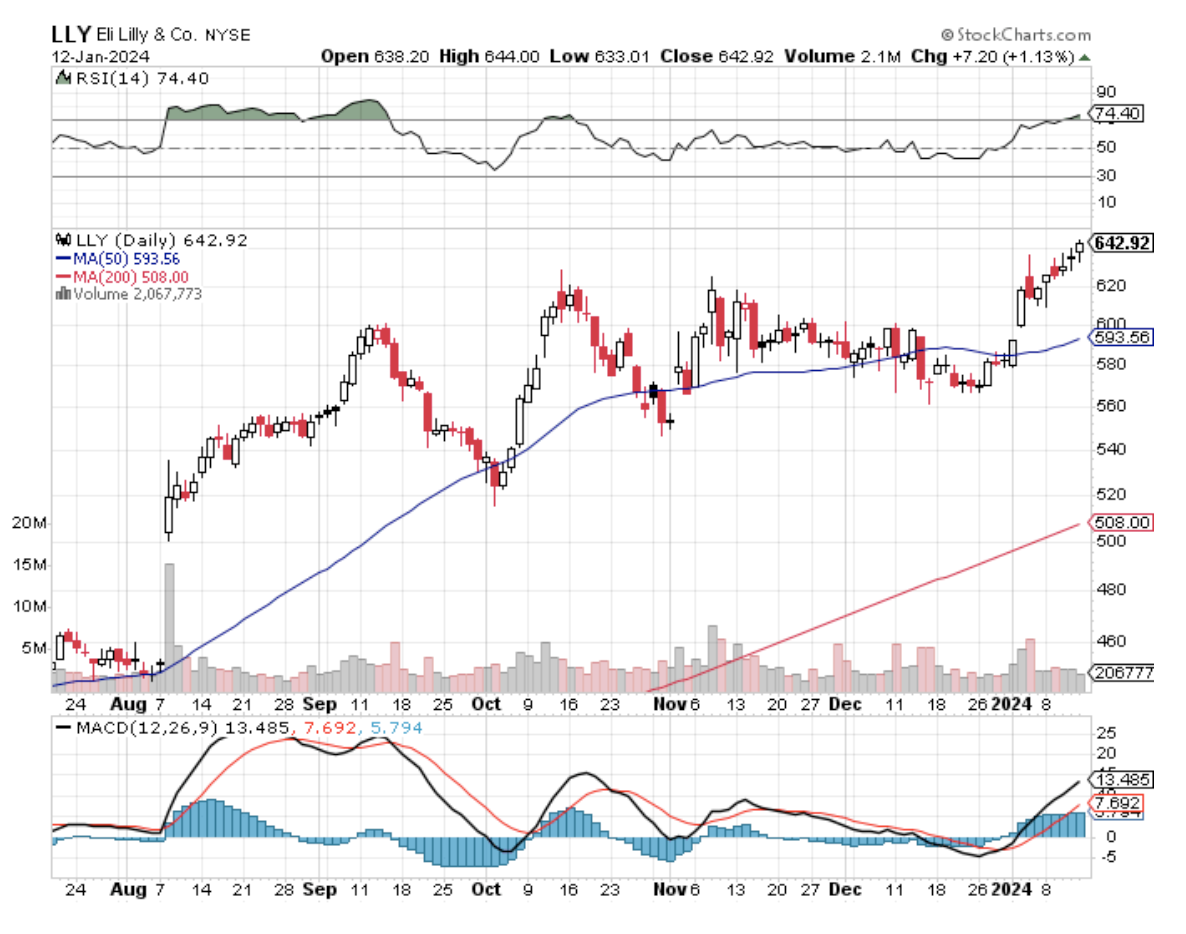
Lilly's stock has been on a joyride, up 77% in the past year. Sure, by the bookworms' metrics, it's overvalued, but if you ask me, those numbers are playing catch-up to what these drugs could really do.
For context, imagine if you had bought Amazon or Apple back when they were just a bookstore and a computer company. Looking at their history and trajectory, Lilly and Novo Nordisk could be cooking up something similar.
And with over 20 studies lined up in the next five years, Lilly's stock, hanging around $625, could jump to a cool $840 by 2028 if things go well.
Keep in mind that the obesity treatment market is huge, and I mean, really huge. We're talking over 100 million potential customers in the U.S. alone.
And get this: insurance companies, those penny pinchers, are likely to cover these drugs because they're cheaper than surgeries.
Getting down to the specifics with Lilly, they've been making waves in the weight loss market with Mounjaro, raking in a sweet $2.9 billion in just nine months. And with Zepbound, it's like they've hit the jackpot twice.
Still, it's not a solo race; Novo Nordisk is right there with Wegovy and Ozempic. The demand is so hot that there were shortages last year. Talk about being in high demand!
But here's where Lilly might just have the upper hand. Their molecule, tirzepatide, is like the Usain Bolt of weight loss drugs – up to three times more effective than Novo Nordisk’s semaglutide.
And with the market expected to balloon to $100 billion by 2030, we're just seeing the opening act of what could be a blockbuster show.
With all this obesity talk, it’s important to understand that Lilly is no one-trick pony. They've got a whole stable of drugs treating everything from lymphoma to ulcerative colitis. And with over 20 programs in phase 3 studies, they're not running out of steam anytime soon.
Plus, here's the cherry on top: Lilly isn't just about making money; they're sharing the love with a 15% hike in their dividend.
That means if you jump on the Lilly train by Feb. 15, you're in for a treat in early March.
So, is Lilly a solid bet for the long haul? It sure looks like it. The excitement around their weight loss treatments is just one piece of the puzzle.
With a variety of drugs in their arsenal and an impressive pipeline, Lilly isn't just a flash in the pan. Sure, there are the usual hiccups like patent expiries and pipeline flops, but with their portfolio, they look set to weather any storms and keep the growth party going. I suggest you buy the dip.
(MARKET OUTLOOK FOR THE WEEK AHEAD, or WHAT WILL KILL THIS MARKET)
(MSFT), (BA), (AMZN), (DAL), (V), (PANW), (CCJ), (TLT), (NVDA), (META), (TSLA), (GOOGL)
What if Goldilocks decided to hang around for a while? I’ve always been in favor of a long-term relationship.
It could be weeks. It could be months.
Certainly, the widely predicted New Year selloff has failed to materialize.
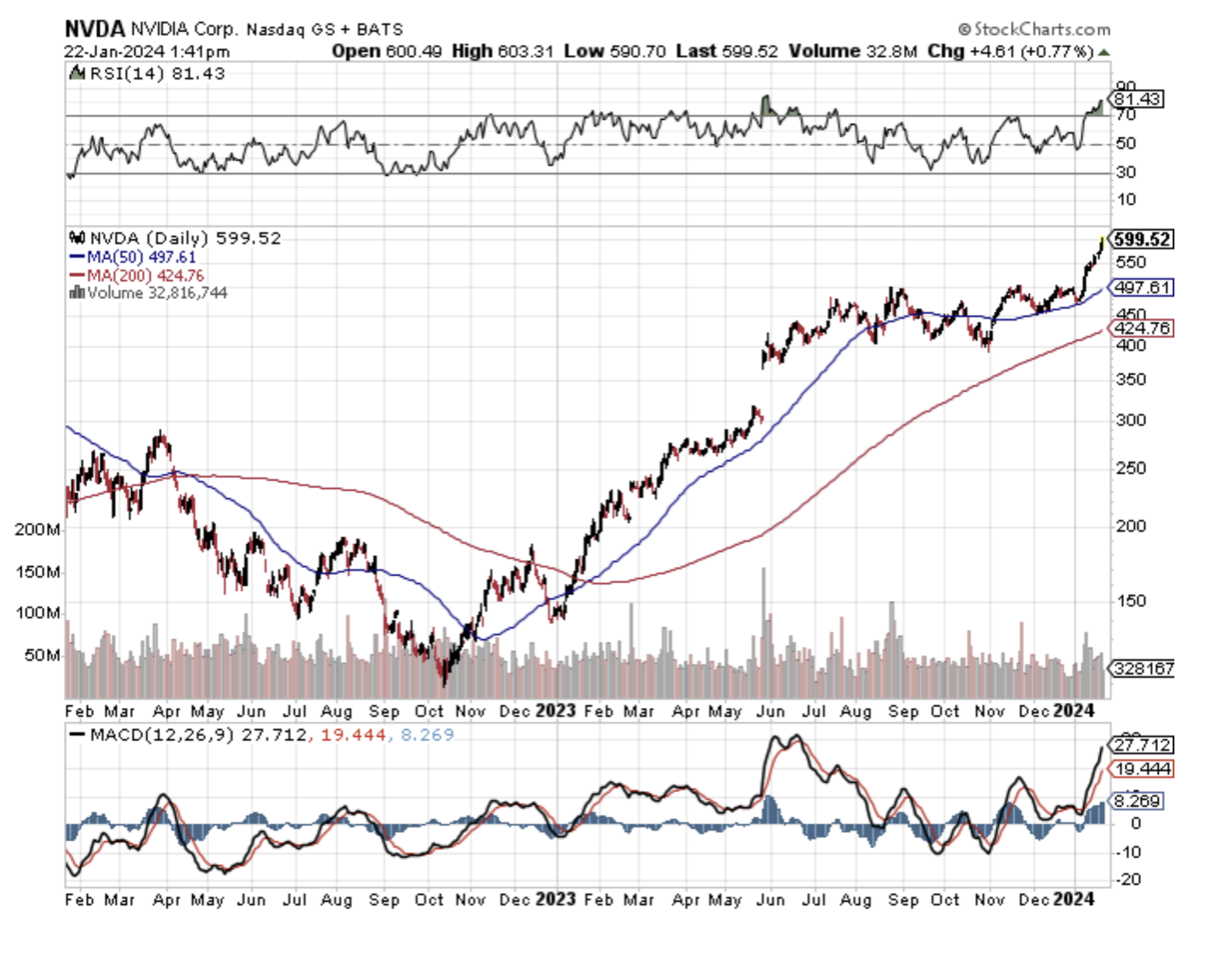
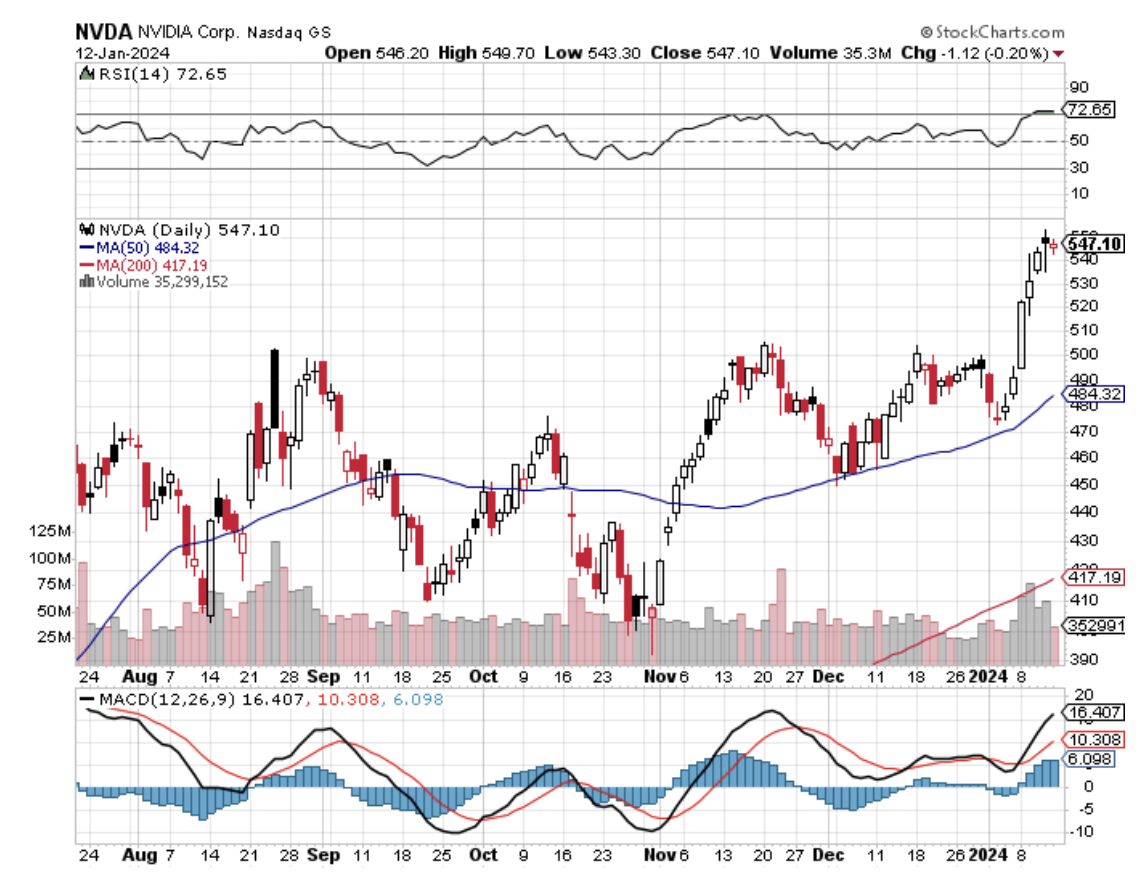
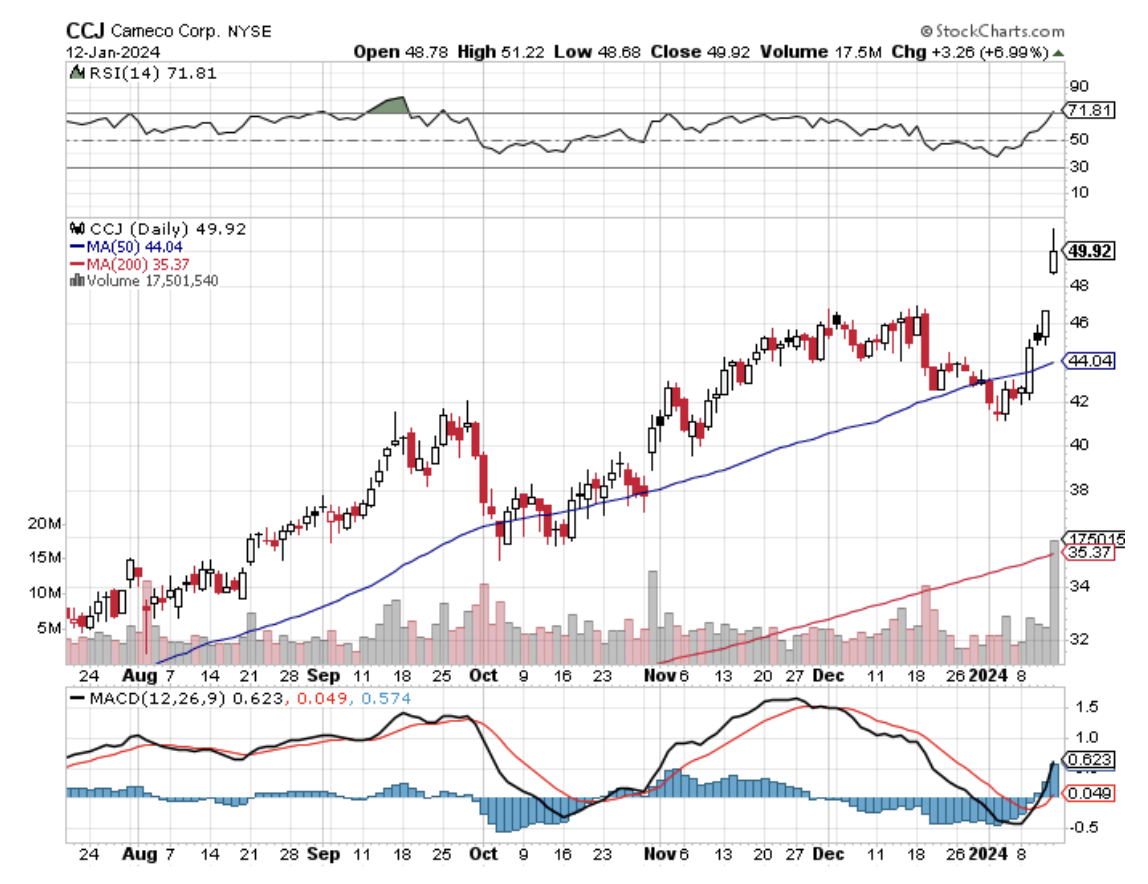
Failure to fall after the first week of 2024 has delivered a rally almost as ferocious as the one that launched in October. (NVDIA) up 15% in a week? Good thing I have a double position. Cameco (CCJ) up 25%? The market action was so positive that it rushed me into a rare 100% fully invested portfolio.
Which all begs the question of what WILL eventually kill this market. After all, nothing goes up forever.
It's very simple.
If the coming Fed interest rate cuts become so certain that companies start aggressively investing for the recovery NOW, there could be a problem. The headline Unemployment Rate never falls, inflation reaccelerates, and even the idea of interest rate cuts gets pushed off until 2025. That would thrust a dagger through the heart of the current rally post haste, which has been interest rate-driven from day one.
If there’s anyone who will save our bacon from this dire scenario, it is the legion of dour analysts out there who are perpetually behind the curve with their ultra-conservative earnings forecasts. That is scaring companies from expanding too quickly and is why every announcement delivers an upside surprise. That alone could provide enough of a drag on the economy to keep the Goldilocks scenario on track.
Watch Out Above!
If that is the case, then the ten positions I added last week to achieve a rare 100% invested portfolio should do pretty well, which has a strong technology bent. In the AI-dominated world, data is king. Let’s see who owns the data.
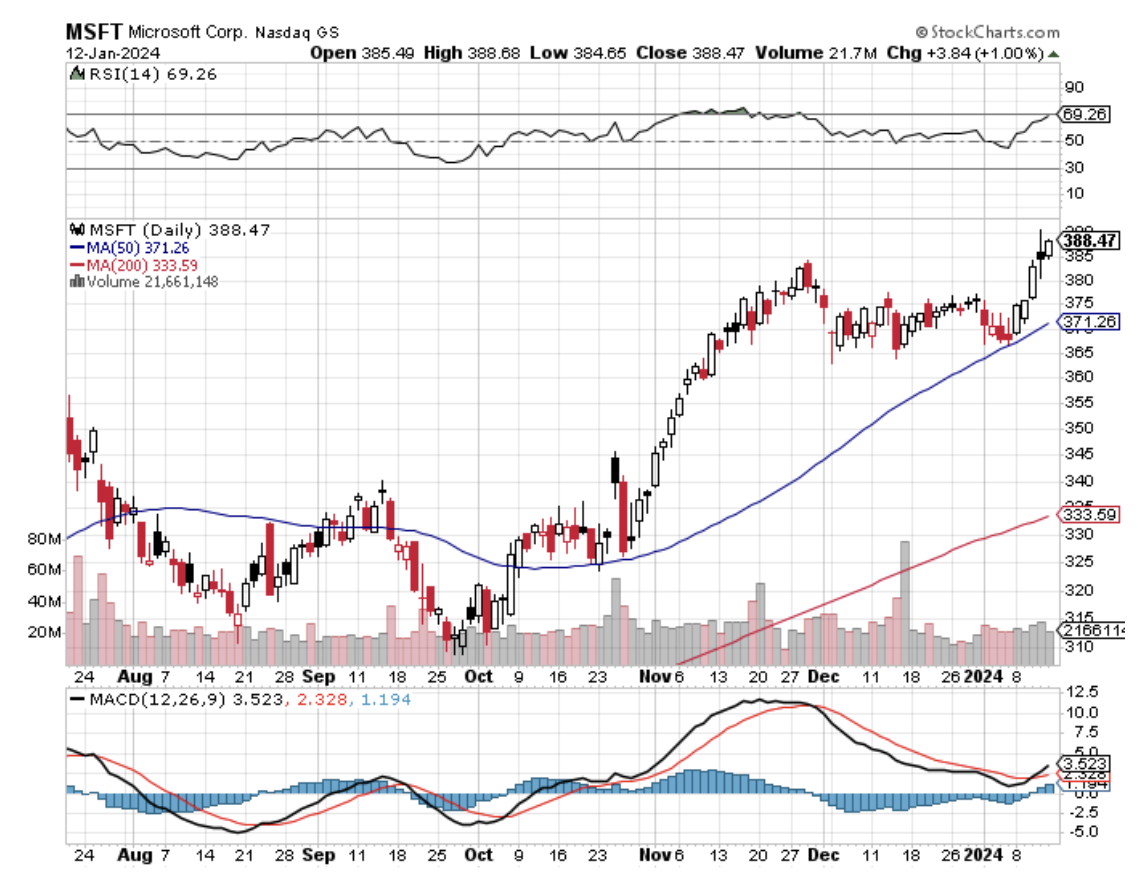
Microsoft (MSFT) – knows every keystroke you have executed since you bought your first PC in 1990.
Google (GOOGL) – knows every search you have performed since 2005 plus every YouTube video you have watched, even the X-rated ones (oops!).
Tesla (TSLA) – knows every function your car has performed since 2010 and has 12 videos of where you have been (double oops!).
Meta (META)– knows every keystroke you have performed on your social media accounts.
If all of this sounds scary, it should be. But it also means that while these stocks may be expensive relative to 2023 earnings, they are still in the bargain basement regarding 2024 and 2025 earnings. Buy everything on dips. Investors are adding to what they already own because it’s been working big time, including me.
On a completely different topic, Uranium is going nuclear again. Yellow cake, the fuel used by nuclear power plants, has seen prices up 45% since May. Before the Ukraine war, Russia produced 50% of the world’s nuclear fuel. Now it is banned due to sanctions. The US has announced the creation of a nuclear fuel stockpile.
Congress is about to vote on a ban on Russian fuel. France just announced the addition of 14 large nuclear plants. Oh, and it’s green.
Uranium prices endured a long nuclear winter starting with the Three Mile Island accident in 1979, followed by Chernobyl in 1986, and Fukushima in 2011. That time is now over, thanks to more advanced reactor designs and better risk control.
I used to collect Czech uranium glass, which emits a very low level of gamma radiation and glows in the dark under ultraviolet light. Time to collect some of Canadian uranium miner Cameco (CCJ) also … again.
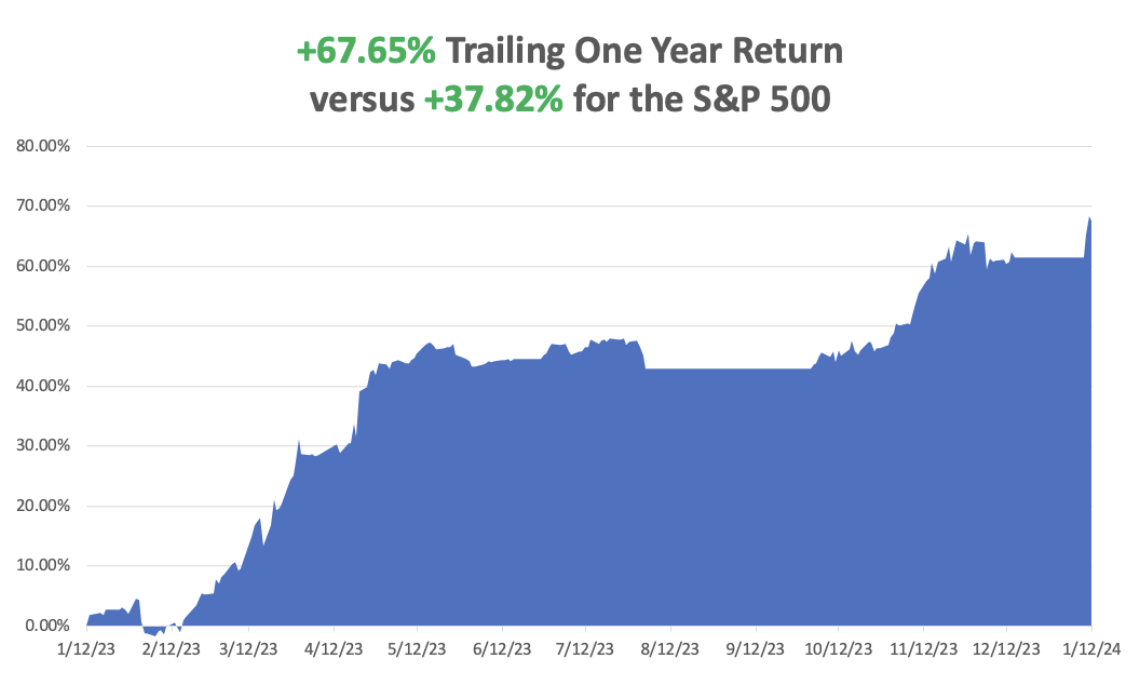
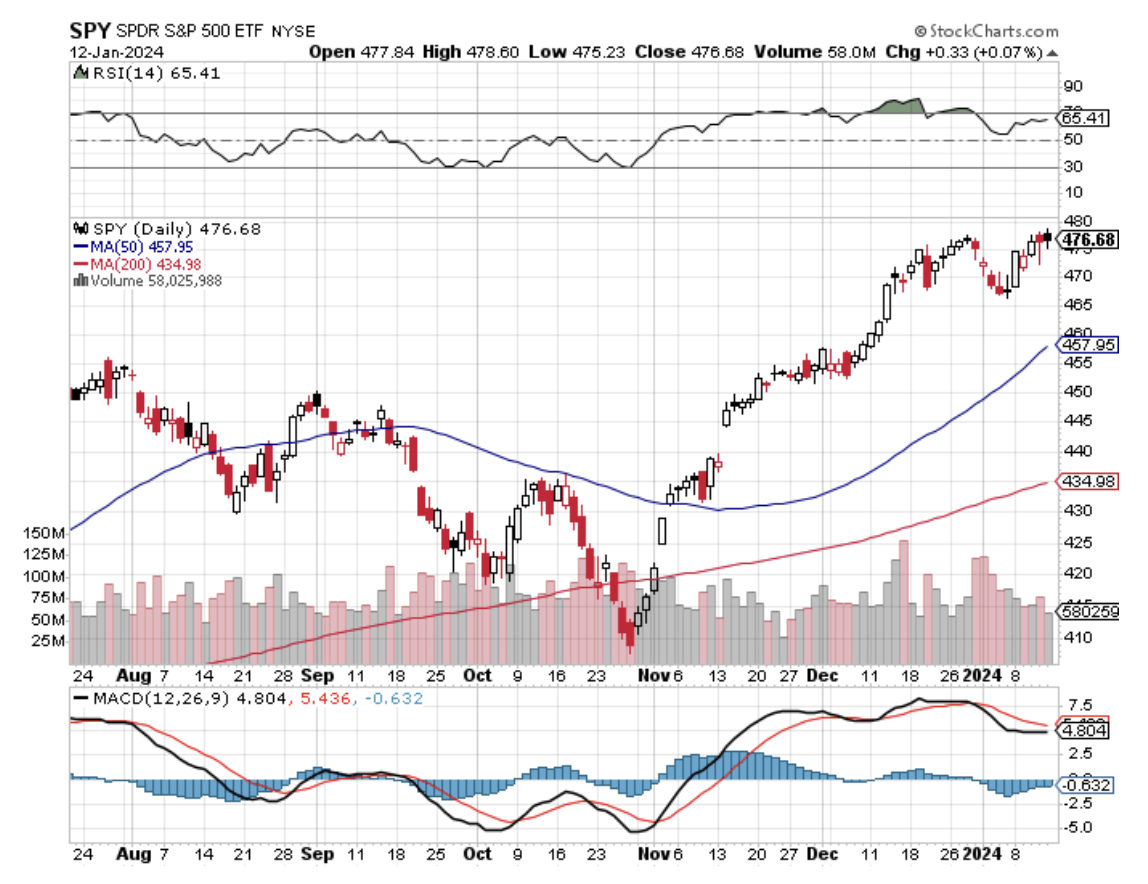
So far in January, we are up +6.19% with a 100% invested position. My 2024 year-to-date performance is also at +6.19%.The S&P 500 (SPY) is down -0.07%so far in 2024. My trailing one-year return reached +67.65% versus +37.82%for the S&P 500.
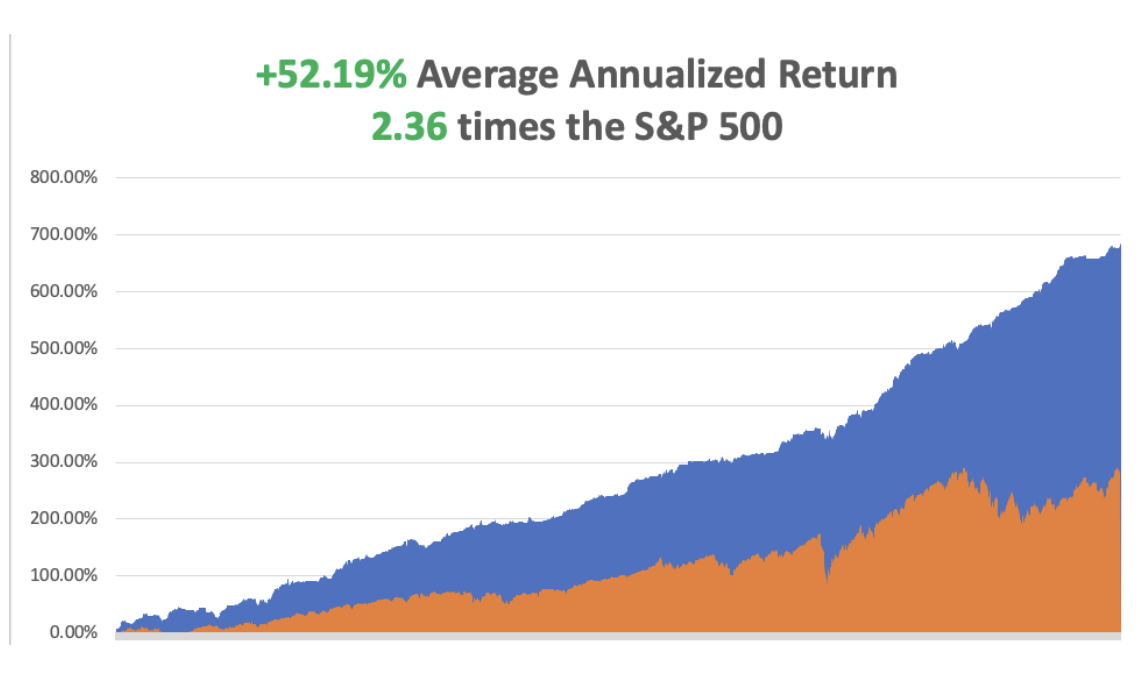
That brings my 15-year total return to +682.82%. My average annualized return has exploded to +52.19%,another new high.
Some 63 of my 70 trades last year were profitable in 2023.
I am going into 2024 with longs in (MSFT), (BA), (AMZN), (DAL), (V), (PANW), (CCJ), (TLT), and a double long in (NVDA).
FAA Grounds the Boeing 737 Max….Again, after a huge chunk of the fuselage fell off on a passenger flight which made an emergency landing in Portland. Dozens of the troubled aircraft were grounded. The move affects about 171 planes worldwide. The 737 Max is by far Boeing’s most popular aircraft and its biggest source of revenue. United Airlines is the biggest operator of the type followed by Alaska. Use any major dips to buy (BA) stock, which is facing a golden age.
NVIDIA Ramps Up its Graphics Cards. Nvidia is playing up its strength in consumer GPUs for so-called “local” AI that can run on a PC or laptop from home or an office. The new chip can be used to generate images on Adobe Photoshop’s Firefly generator to remove backgrounds in video calls, or even make games that use AI to generate dialogue. Buy (NVDA) on dips, as I did this last week.
Energy Prices Collapse Again, with Texas tea diving 4% to $70 on Saudi price cuts. This is despite steady buying from the US government for the SPR. The kingdom is moving to shortcut cheating by lesser OPEC members, as it usually does. If you throw good news in the market and it fails to go up, you sell it. Avoid (USO), (XOM), and (OXY).
Natural Gas Goes Ballistic, up 50% in three weeks. The 2026 $8-9 LEAPS I recommended over Christmas have already doubled. Expansion of export facilities to China is the reason, for accommodating more demand. BUY (UNG) on dips.
Mortgage Demand Soars by 10% in the first week of the year, and the next leg in the bull market for residential housing begins anew. Applications to refinance a home loan jumped 19% from the previous week and were 30% higher than the same week one year ago.
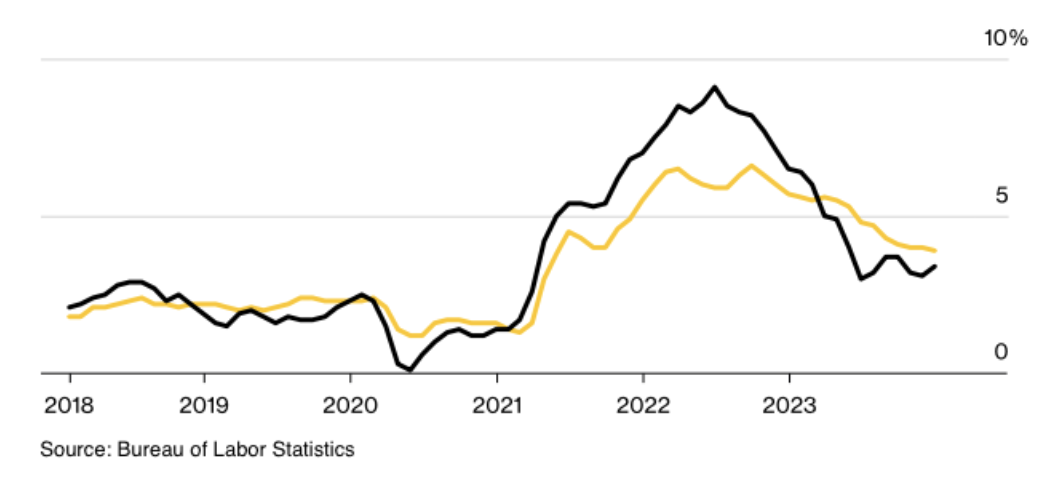
Consumer Price Index Flies, coming in at 0.3% for December instead of the anticipated 0.2%, a 3.4% annual rate. Fed rate cuts just got pushed back from March to June, where they belong. Used car and apparel prices get the blame. Car insurance was up a shocking 20% YOY. Go figure.
Bitcoin ETF’s SEC Approved, after a ten-year wait, potentially marking a market top. The SEC is still warning about market risks, even if the ETF sellers don’t. During the last crypto spike, there was an absence of cheap quality growth stocks. Now there is an abundance. Bitcoin prospered when we had a cash surplus and asset shortage. Now we have the opposite.
Global EV and Hybrid Sales Jump by 31% in 2023, compared to only 10% for internal combustion driven cars. Global sales of fully electric and plug-in hybrid vehicles (PHEVs) rose 31% in 2023, down from 60% growth in 2022, according to market research firm Rho Motion. For 2024, there are forecasts of global EV sales growth of between 25% and 30%. That’s really quite amazing given the weak 2023 global economy.
Microsoft Tops Apple, as the world’s most valuable publicly traded company, with a $3 trillion market cap. A huge lead in AI and a growing storage presence with Azure are the reasons. I’m long (MSFT) lower down.
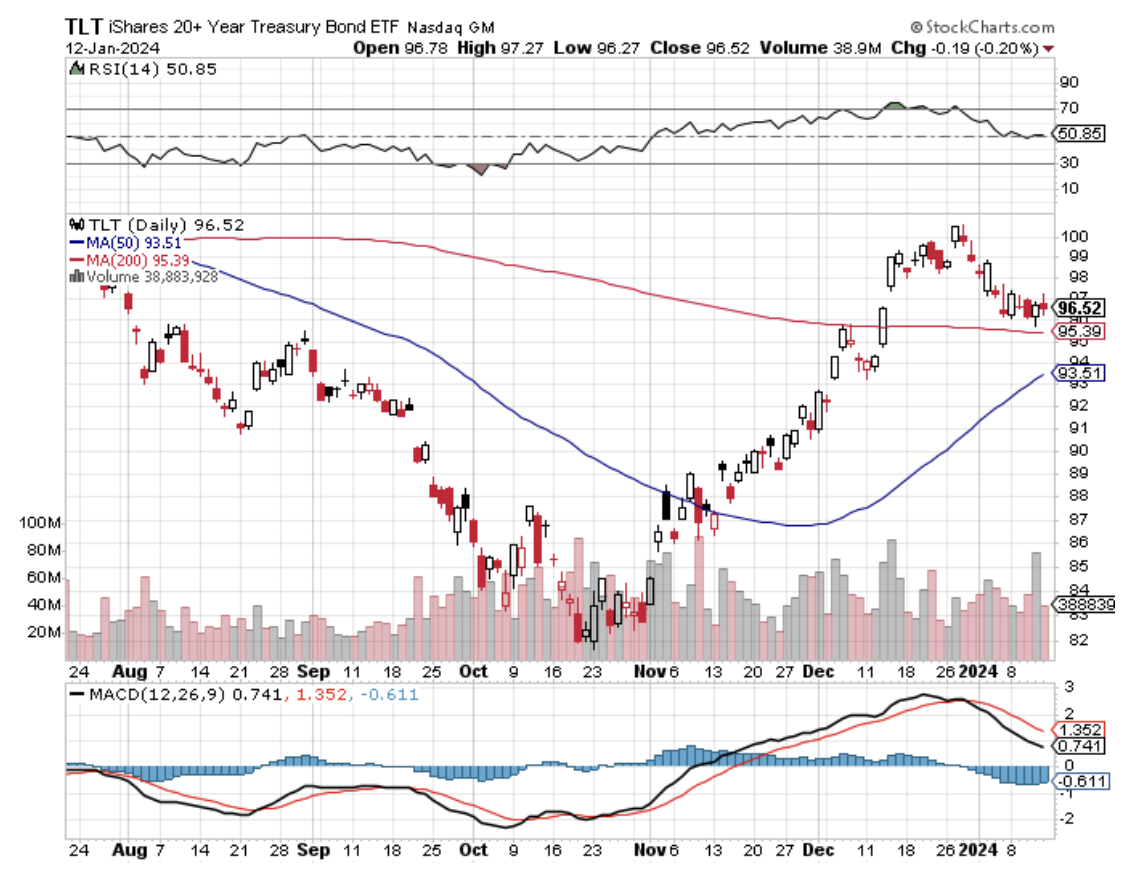
US Budget Deficit Tops $500 Billion in Q1, starting October 1, 2023. But the frenetic price action, up a mind-blowing $19 in 2 ½ months proves the government isn’t borrowing too much money, it isn’t borrowing enough! There is a severe bond shortage in the marketplace. Never argue with Mr. Market as he is always right. Buy the (TLT) on dips, as I have.
Tesla to Halt Production in Germany, thanks to soaring shipping costs in the Red Sea. Tesla has been selling Berlin-made Model Ys to China via the Suez Canal. Shipping costs have doubled to $5,000 per container since October.
My Ten-Year View
When we come out the other side of the recession, we will be perfectly poised to launch into my new American Golden Age or the next Roaring Twenties. The economy decarbonizing and technology hyper-accelerating, creating enormous investment opportunities. The Dow Average will rise by 800% to 240,000 or more in the coming decade. The new America will be far more efficient and profitable than the old.
Dow 240,000 here we come!
On Monday, January 15, markets are closed for Martin Luther King Day.
On Tuesday, January 16 at 8:30 AM EST,the New York Empire State Manufacturing Index will be released.
On Wednesday, January 17 at 2:00 PM, the Retail Sales are published.
On Thursday, January 18 at 8:30 AM, the Weekly Jobless Claims are announced. We also get the Building Permits for December.
On Friday, January 19 at 2:30 PM, the December University of Michigan Consumer Sentiment is published. At 2:00 PM, the Baker Hughes Rig Count is printed.
Uranium Glass
As for me, when you make millions of dollars for your clients, you get a lot of pretty interesting invitations. $5,000 cases of wine, lunches on superyachts, free tickets to the Olympics, and dates with movie stars (Hi, Cybil!).
So it was in that spirit that I made my way down to the beachside community of Oxnard, California just north of famed Malibu to meet long-term Mad Hedge follower, Richard Zeiler.
Richard is a man after my own heart, plowing his investment profits into vintage aircraft, specifically a 1929 Travel Air D-4-D.
At the height of the Roaring Twenties (which by the way we are now repeating), flappers danced the night away doing the Charleston and the bathtub gin flowed like water. Anything was possible, and the stock market soared.
In 1925, Clyde Cessna, Lloyd Stearman, and Walter Beech got together and founded the Travel Air Manufacturing Company in Wichita, Kansas. Their first order was to build ten biplanes to carry the US mail for $125,000.
The plane proved hugely successful, and Travel Air eventually manufactured 1,800 planes, making it the first large-scale general aviation plane built in the US. Then, in 1929, the stock market crashed, the Great Depression ensued, aircraft orders collapsed, and Travel Air disappeared in the waves of mergers and bankruptcies that followed.
A decade later, WWII broke out and Wichita produced the tens of thousands of the small planes used to train the pilots who won the war. They flew B-17 and B-25 bombers and P51 Mustangs, all of which I’ve flown myself. The name Travel Air was consigned to the history books.
Enter my friend Richard Zeiler. Richard started flying support missions during the Vietnam War and retired 20 years later as an Army Lieutenant Colonel. A successful investor, he was able to pursue his first love, restoring vintage aircraft.
Starting with a broken down 1929 Travel Air D4D wreck, he spent years begging, borrowing, and trading parts he found on the Internet and at air shows. Eventually, he bought 20 Travel Air airframes just to make one whole airplane, including the one used in the 1930 Academy Award-winning WWI movie “Hells Angels.”
By 2018, he returned it to pristine flying condition. The modernized plane has a 300 hp engine, carries 62 gallons of fuel, and can fly 550 miles in five hours, which is far longer than my own bladder range.
Richard then spent years attending air shows, producing movies, and even scattering the ashes of loved ones over the Pacific Ocean. He also made the 50-hour round trip to the annual air show in Oshkosh, Wisconsin. I have volunteered to copilot on a future trip.
Richard now claims over 5,000 hours flying tailwheel aircraft, probably more than anyone else in the world. Believe it or not, I am also one of the few living tailwheel-qualified pilots in the country left. Yes, antiques are flying antiques!
As for me, my flying career also goes back to the Vietnam era as well. As a war correspondent in Laos and Cambodia, I used to hold Swiss-made Pilatus Porter airplanes straight and level while my Air America pilot friend was looking for drop zones on the map, dodging bullets all the way.
I later obtained a proper British commercial pilot license over the bucolic English countryside, trained by a retired Battle of Britain Spitfire pilot. His favorite trick was to turn off the fuel and tell me that a German Messerschmidt had just shot out my engine and that I had to land immediately. He only turned the gas back on at 200 feet when my approach looked good. We did this more than 200 times.
By the time I moved back to the States and converted to a US commercial license, the FAA examiner was amazed at how well I could do emergency landings. Later, I added on additional licenses for instrument flying, night flying, and aerobatics.
Thanks to the largesse of Morgan Stanley during the 1980s, I had my own private twin-engine Cessna 421 in Europe for ten years at their expense where I clocked another 2,000 hours of flying time. That job had me landing on private golf courses so I could sell stocks to the Arab Prince owners. By 1990, I knew every landing strip in Europe and the Persian Gulf like the back of my hand.
So, when the first Gulf War broke out the following year, the US Marine Corps came calling at my London home. They asked if I wanted to serve my country and I answered, “Hell, yes!” So, they drafted me as a combat pilot to fly support missions in Saudi Arabia.
I only got shot down once and escaped with a crushed L5 disk. It turns out that I crash better than anyone else I know. That’s important because they don’t let you practice crashing in flight school. It’s too expensive.
My last few flying years have been more sedentary, flying as a volunteer spotter pilot in a Cessna-172 for Cal Fire during the state’s runaway wildfires. As long as you stay upwind, there’s no smoke. The problem is that these days, there is almost nowhere in California that isn’t smokey. By the way, there are 2,000 other pilots on the volunteer list.
Eventually, I flew over 50 prewar and vintage aircraft, everything from a 1932 De Havilland Tiger Moth to a Russian MiG 29 fighter.
It was a clear, balmy day when I was escorted to the Travel Air’s hanger at Oxnard Airport. I carefully prechecked the aircraft and rotated the prop to circulate oil through the engine before firing it up. That reduced the wear and tear on the moving parts.
As they teach you in flight school, better to be on the ground wishing you could fly than be in the air wishing you were on the ground!
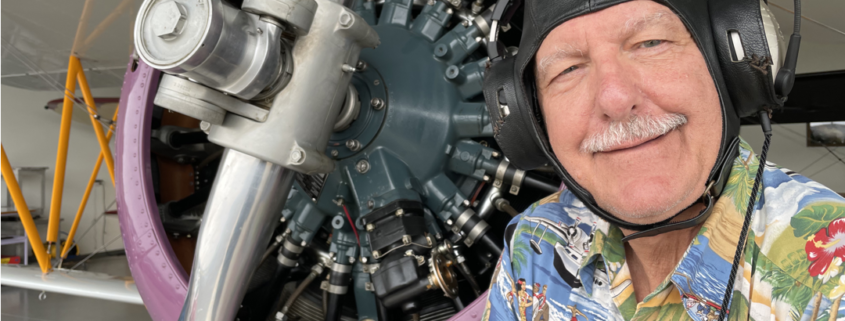
I donned my leather flying helmet, plugged in my headphones, received a clearance from the tower, and was good to go. I put on max power and was airborne in less than 100 yards. How do you tell if a pilot is happy? He has engine oil all over his teeth. After all, these are open-cockpit planes.
I made for the Malibu coast and thought it would be fun to buzz the local surfers at wave top level. I got a lot of cheers in return from my fellow thrill seekers.
After a half hour of low flying over elegant sailboats and looking for whales, I flew over the cornfields and flower farms of remote Ventura County and returned to Oxnard. I haven’t flown in a biplane in a while and that second wing really put up some drag. So, I had to give a burst of power on short finals to make the numbers. A taxi back to the hangar and my work there was done.
There are old pilots and there are bold pilots, but there are no old, bold pilots. I can attest to that.
Richard’s goal is to establish a new Southern California aviation museum at Oxnard airport. He created a non-profit 501 (3)(c), the Travel Air Aircraft Company, Inc. to achieve that goal, which has a very responsible and well-known board of directors. He has already assembled three other 1929 and 1930 Travel Air biplanes as part of the display.
The museum’s goal is to provide education, job training, restoration, maintenance, sightseeing rides, film production, and special events. All donations are tax-deductible. To make a donation, please email the president of the museum, my friend Richard Conrad at rconrad6110@gmail.com
Who knows, you might even get a ride in a nearly 100-year-old aircraft as part of a donation.
To watch the video of my joyride, please click here.
Where I Go My Kids Go
Good Luck and Good Trading,
John Thomas
CEO & Publisher
The Diary of a Mad Hedge Fund Trader
https://www.madhedgefundtrader.com/wp-content/uploads/2024/01/Joh-Thomas-pilot.png8121080april@madhedgefundtrader.comhttps://madhedgefundtrader.com/wp-content/uploads/2019/05/cropped-mad-hedge-logo-transparent-192x192_f9578834168ba24df3eb53916a12c882.pngapril@madhedgefundtrader.com2024-01-16 09:02:062024-01-16 11:43:18The Market Outlook for the Week Ahead, or What Will Kill this Market
In the high-pressure game of stock market investments, where volatility is the norm and certainty a luxury, the Nasdaq Composite’s 36% uptick this year is nothing short of remarkable.
The credit largely goes to the “Magnificent Seven” – a septet of tech behemoths comprising Nvidia (NVDA), Alphabet (GOOGL), Amazon (AMZN), Apple (AAPL), Meta Platforms (META), Microsoft (MSFT), and Tesla (TSLA). These giants have not just captured the market’s imagination; they've powered its ascent.
However, while these tech titans have been capturing the spotlight, there's been a different kind of giant, hidden in plain sight, quietly making significant strides in a sector just as crucial as technology – biotechnology and healthcare.
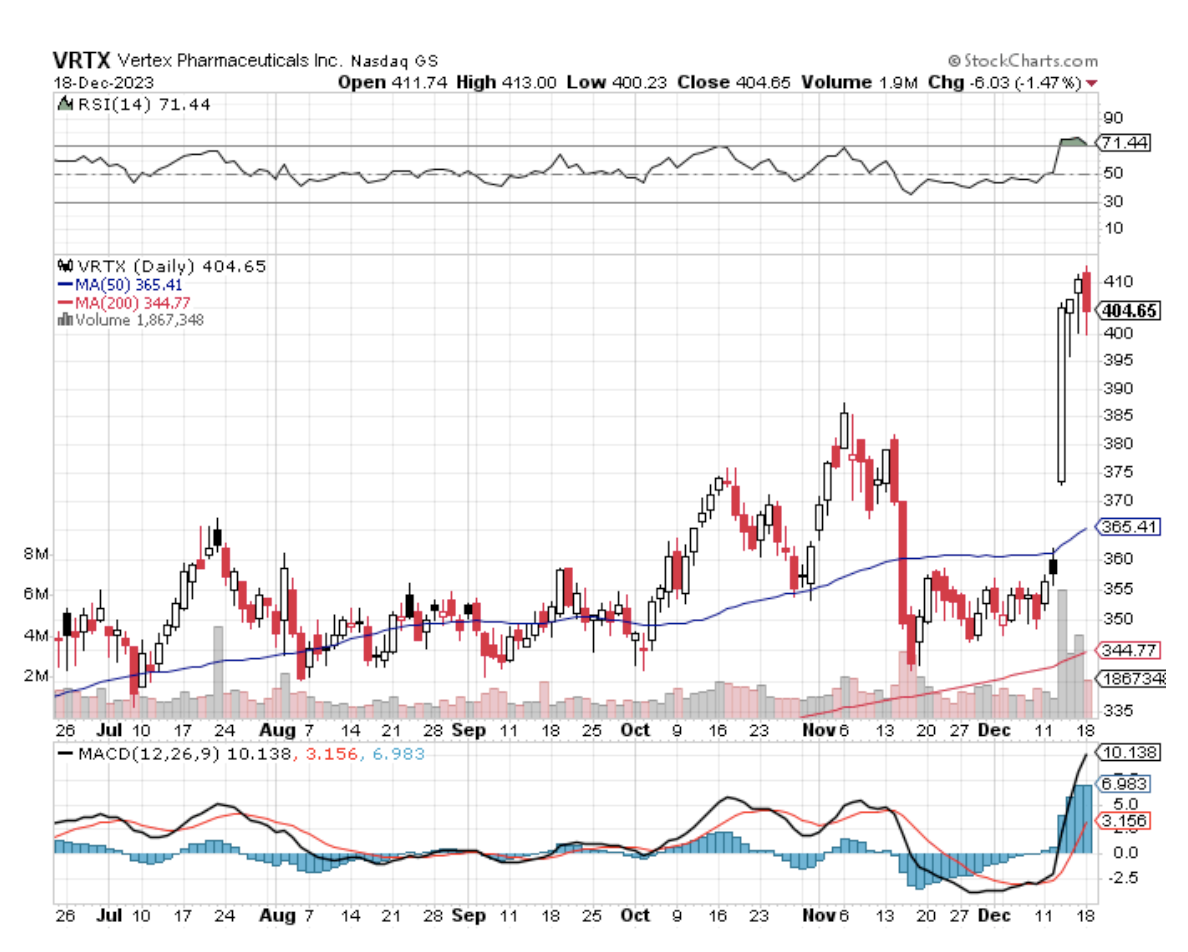
This is where Vertex Pharmaceuticals (VRTX) emerges, a standout performer in the industry, demonstrating that groundbreaking innovation and solid investment opportunities aren't exclusive to the tech world.
The tech sector's rebound this year, following a tumultuous 2022, wasn't just luck. It was a confluence of a resilient economy and consumer spending that stayed robust.
This buoyancy proved a boon for the Magnificent Seven, whose fortunes often mirror economic trends. Apple's case is illustrative. Its iPhones, a blend of luxury and necessity, see fluctuating demand based on economic health.
But Vertex operates on a different plane.
Vertex specializes in life-saving drugs for cystic fibrosis (CF). This isn't a market swayed by economic tides. CF patients depend on the company’s drugs, literally, for survival.
What's more, Vertex is the only game in town for these medications. This unique position grants Vertex significant pricing power, ensuring stable financial performance, come rain or shine.
Now, let’s zoom in on Trikafta, Vertex’s CF superstar.
This is not just another drug; it’s a lifeline, a revenue juggernaut with 13 years of patent protection left.
While rivals scramble to find footholds in CF therapy, Vertex is already eyeing the next big thing: a once-daily treatment, promising more convenience than Trikafta’s twice-daily regimen.
In short, Vertex isn’t just leading the CF market; it's redefining it.
Vertex's ambition doesn't end with CF. The company is making bold strides in pain management with VX-548, a potential opioid alternative. This pill is a beacon of hope in a field littered with failed attempts at non-opioid pain solutions. The recent Phase 2 study results? Encouraging. The study revealed significant pain reduction in patients with chronic neuropathic pain.
But there's more. Vertex is also pioneering gene-editing therapies. Its latest triumph is Casgevy, developed with CRISPR Therapeutics (CRSP).
This treatment, a potential cure for sickle cell disease (SCD) and transfusion-dependent beta-thalassemia (TDT), recently received UK approval. It’s a complex treatment, not a simple pill. This complexity translates to both a high price and a shield against generic competition. With an initial target market of 32,000 patients, Vertex is looking at a potential goldmine.
Contrast this with the struggles of smaller gene-editing firms. Vertex stands out with its deep pockets and negotiation expertise. It's not just about developing groundbreaking therapies; it's about successfully bringing them to market. As it has shown over the years, Vertex’s prowess in this arena is unrivaled.
Of course, biotech is a realm of high risks and high rewards.
Vertex is no stranger to setbacks. Remember October 2020? The company saw its shares plummet by over 15% in a day after discontinuing a promising program. But it's the rebound that tells the story. Since then, Vertex’s shares have soared, making that drop a mere blip in its upward trajectory.
In the pantheon of biotech, Vertex Pharmaceuticals is a rare breed. It's a company that has not only conquered the CF domain but is also making significant inroads in pain management and gene editing. The financials are solid, the pipeline robust, and the market potential vast. Its collaboration with CRISPR Therapeutics on Casgevy is just one example of its strategic foresight.
So while the Magnificent Seven continue to dominate headlines, Vertex Pharmaceuticals emerges as a compelling, if quieter, story. It’s a narrative of a company not content with leading just one market but expanding its prowess into new, uncharted territories. I suggest you buy the dip.
https://madhedgefundtrader.com/wp-content/uploads/2019/05/cropped-mad-hedge-logo-transparent-192x192_f9578834168ba24df3eb53916a12c882.png00april@madhedgefundtrader.comhttps://madhedgefundtrader.com/wp-content/uploads/2019/05/cropped-mad-hedge-logo-transparent-192x192_f9578834168ba24df3eb53916a12c882.pngapril@madhedgefundtrader.com2023-12-19 12:00:532023-12-19 10:27:35Hidden In Plain Sight
Automation is taking place at warp speed displacing employees from all walks of life.
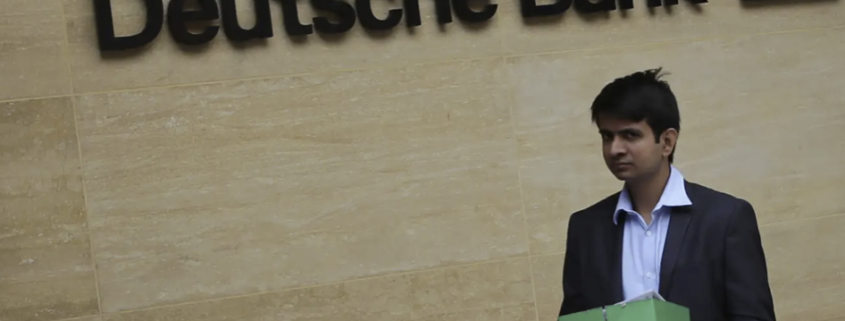
According to a recent report, the U.S. financial industry will depose 200,000 workers in the next decade because of automating efficiencies.
Yes, humans are going the way of the dodo bird and banking will effectively become algorithms working for a handful of executives and engineers.
The x-factor in this equation is the direct capital of $150 billion annually that banks spend on technological development in-house which is higher than any other industry.
Welcome to the world of lower costs, shedding wage bills, and boosting performance rates.
We forget to realize that employee compensation eats up 50% of bank expenses.
The 200,000 job trimmings would result in 10% of the U.S. bank jobs getting axed.
The hyped-up “golden age of banking” should deliver extraordinary savings and premium services to the customer at no extra cost.
Mobile and online banking has delivered functionality that no generation of customers has ever seen.
The most gutted part of banking jobs will naturally occur in the call centers because they are the low-hanging fruit for automated chatbots.
A few years ago, chatbots were suboptimal, even spewing out arbitrary profanity, but they have slowly crawled up in performance metrics to the point where some customers are unaware they are communicating with an artificially engineered algorithm.
The wholesale integration of automating the back-office staff isn’t the end of it, the front office will experience a 30% drop in numbers sullying the predated ideology that front-office staff are irreplaceable heavy hitters.
Front-office staff have already felt the brunt of downsizing with purges carried out in 2023 representing a fifth year of decline.
Front-office traders and brokers are being replaced by software engineers as banks follow the wider trend of every company transitioning into a tech company.
The infusion of artificial intelligence will lower mortgage processing costs by 20% and the accumulation of hordes of data will advance the marketing effort into a smart, hybrid cloud-based, and hyper-targeted strategy.
Historically, a strong labor market and low unemployment boosts wage growth, but national income allocated to workers has dipped from about 63% in 2000 to 56% in 2023.
Causes stem from the deceleration in union membership and outsourcing has snatched away negotiating power amongst workers and the implemented mass automation has poured fat on the fire.
I was recently in Budapest, Hungary on a business trip, and on a main thoroughfare, a J.P. Morgan and Blackrock office stood a stone’s throw away from each other employing an army of local English proficient Hungarians for 30% of the cost of American bankers.
Banks simply possess wider optionality to outsource to an emerging nation or to automate hard-to-fill positions now.
In this race to zero, companies can easily rebuff requests for higher salaries and if they threaten to walk off the job, a robot can just pick up the slack.
Automation is getting that good now!
The last two human bank hiring waves are a distant memory.
The most recent spike occurred 7 years after the dot com crash of 2001 until the sub-prime crisis of 2008 adding around half a million jobs on top of the 1.5 million that existed then.
The longest and most dramatic rise in human bankers was from 1935 to 1985, a 50-year boom that delivered over 1.2 million bankers to the U.S. workforce.
This type of human hiring will likely never be seen again in the U.S. financial industry.
Recomposing banks through automation is crucial to surviving as fintech companies are chomping at the bit and even tech companies like Amazon and Apple have started tinkering with new financial products.
The brutal truth out there is sadly; don’t tell your kid to get into banking, because they will most likely be feeding on scraps at that point.
WALL STREET IS LEANER THAN EVER
https://www.madhedgefundtrader.com/wp-content/uploads/2023/12/deutsche-bank.png540946april@madhedgefundtrader.comhttps://madhedgefundtrader.com/wp-content/uploads/2019/05/cropped-mad-hedge-logo-transparent-192x192_f9578834168ba24df3eb53916a12c882.pngapril@madhedgefundtrader.com2023-12-18 14:02:362023-12-18 11:12:50The Truth About Automation And Wall Street Jobs
There is a very high degree of risk involved in trading. Past results are not indicative of future returns. MadHedgeFundTrader.com and all individuals affiliated with this site assume no responsibilities for your trading and investment results. The indicators, strategies, columns, articles and all other features are for educational purposes only and should not be construed as investment advice. Information for futures trading observations are obtained from sources believed to be reliable, but we do not warrant its completeness or accuracy, or warrant any results from the use of the information. Your use of the trading observations is entirely at your own risk and it is your sole responsibility to evaluate the accuracy, completeness and usefulness of the information. You must assess the risk of any trade with your broker and make your own independent decisions regarding any securities mentioned herein. Affiliates of MadHedgeFundTrader.com may have a position or effect transactions in the securities described herein (or options thereon) and/or otherwise employ trading strategies that may be consistent or inconsistent with the provided strategies.