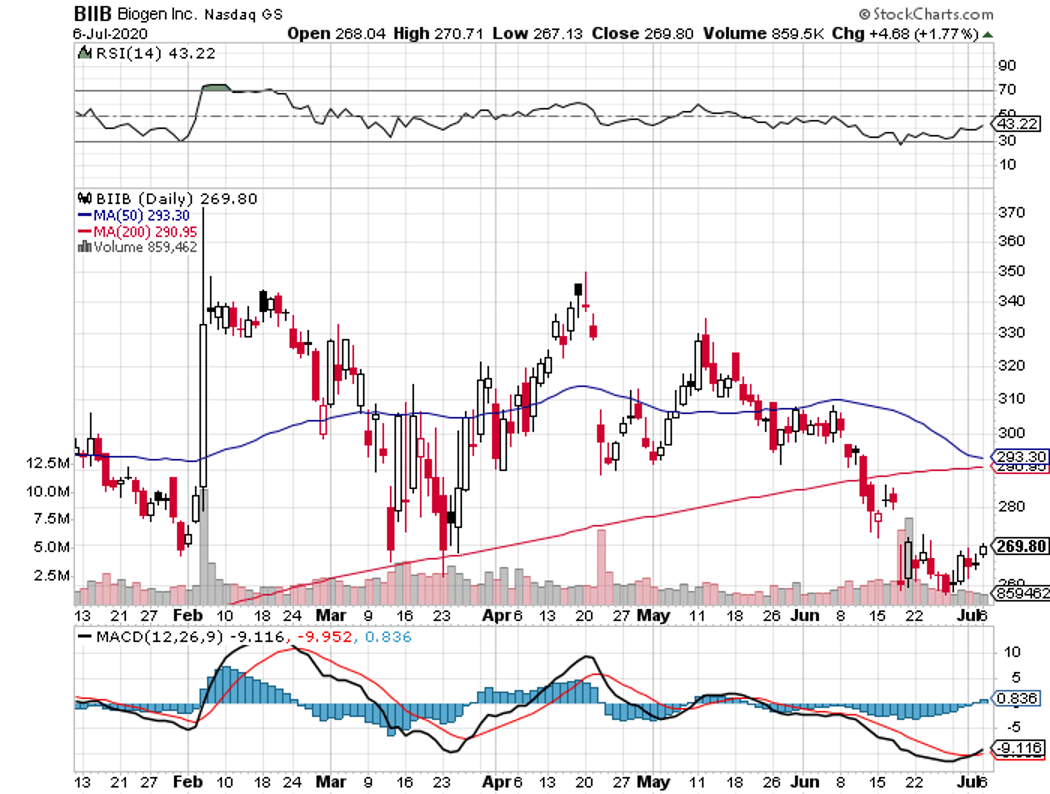
Biogen (BIIB) is a stock that perfectly fits the biotechnology mold.
Over the past 5 years, this Massachusetts-based company was down for roughly 25%. Five years before that though, Biogen stock catapulted 700%. A decade or so prior that, the company’s performance was flat, with a couple of extreme swings now and then.
However, the next decade could see Biogen stocks going upswing once again.
In the past 20 years, the biotechnology and healthcare sectors have been obsessed with finding a cure for cancer. With over 1.8 million fresh cases diagnosed every year, it’s understandable why the oncology space has received the most attention over the years.
Apart from cancer, companies have also made significant progress in other pressing issues like infectious diseases and cardiovascular disorders.
Now, a new market is starting to demand attention as well: the neuroscience field.
With all the demands for treatments for other diseases though, companies pulled R&D dollars away from the neuroscience budget and poured those into less risky efforts.
In comparison, Biogen doubled down spending on its neurology research.
In fact, the company has spent over $10 billion in this sector in the last 5 years. This amounts to roughly 5% of its annual market capitalization.
To bolster its neuroscience efforts, Biogen is investing in gene therapy as drivers of future growth.
Just last April, the company bought $225 million of Sangamo Therapeutics (SGMO) stock. On top of that, Biogen paid the smaller company $125 million for technology licensing. The deal also included up to $2.37 billion in royalties and milestone payments.
This newly established collaboration will see Sangamo working with Biogen to come up with gene therapies for various disorders, including Alzheimer’s disease and Parkinson’s disease.
At the moment, Biogen is focusing on the development of its Alzheimer’s treatment Aducanumab.
Alzheimer’s is a huge untapped market opportunity that presents a substantial unmet clinical demand. Right now, there are no approved treatments that could alter the natural progression of the disease.
In the US alone, there are more than 5.8 million people living with Alzheimer’s and about 500,000 new cases added annually.
This target makes Biogen’s Alzheimer’s treatment Aducanumab a potential mega-blockbuster.
Biogen’s estimated annual cost per patient for Aducanumab is $30,000.
With the number of Alzheimer’s patients in the US at the moment, back of the napkin math shows that Aducanumab can easily generate $15 billion in sales for Biogen.
Meanwhile, peak sales for this treatment could hit $20 billion — and this could even be an underestimate.
Projecting it further to 10 years down the line and putting Biogen’s market penetration at just 50%, assuming that the number of cases remains flat, then Aducanumab could reach 2.9 million users.
This means an annual astronomical cost of $87 billion for the Alzheimer’s market.
Let’s say Biogen is eventually asked to lower the price for the treatment to be accommodated by Medicare.
We use just a third of the $30,000, which puts the Alzheimer’s treatment at $10,000 each year for every patient instead. This would still rake in an impressive $29 billion for Biogen -- and these numbers only cover the US.
If we assume that the demand from the rest of the world matches the US sales, then global demand for Aducanumab could generate over $60 billion in a year based on our $10,000 per patient each year estimate.
Going back to Biogen’s initial $30,000 projection, then annual sales would reach a jaw-dropping $180 billion.
Sticking to the $60 billion per year estimate, Biogen can easily climb to $250 billion in market capitalization in the next 10 years --- an incredible jump from the $42.79 billion it has right now. The company’s shares could trade north of $1,500, providing its investors with over 400% return.
As a Roche (RRHBY) leader aptly described, “neuroscience has the potential to be in the ‘20s what oncology has been in the last decade.”
Now, Biogen is the undisputed leader in terms of pipeline candidates for the field. It has transformed itself into a research powerhouse in anticipation of its dominance in what could be the most important medical breakthroughs over the next decade or two.
After all, scientific breakthroughs allow us to live longer. In effect, a good part of our population will eventually face neurological problems that crop up later in life.
Hence, Biogen is poised to lead the charge in this grossly underserved market. The fact that the company has been keeping its pedal to the metal in terms of its R&D efforts further all but guarantees its dominance in the years to come.
https://madhedgefundtrader.com/wp-content/uploads/2019/05/cropped-mad-hedge-logo-transparent-192x192_f9578834168ba24df3eb53916a12c882.png00Mad Hedge Fund Traderhttps://madhedgefundtrader.com/wp-content/uploads/2019/05/cropped-mad-hedge-logo-transparent-192x192_f9578834168ba24df3eb53916a12c882.pngMad Hedge Fund Trader2020-07-16 11:00:152020-07-17 16:48:54Biogens' Long Term Upswing has Begun
Below please find subscribers’ Q&A for the June 17 Mad Hedge Fund TraderGlobal Strategy Webinar broadcast from Silicon Valley, CA with my guest and co-host Bill Davis of the Mad Day Trader. Keep those questions coming!
Q: What is the best way to buy long term LEAPS for unlimited profits?
A: There is no such thing as unlimited profits on LEAPS; they are specifically limited to about 500% or 1,000%. Most people will take that. The answer is to wait for crash day. That’s when you dive into LEAPS, or during very prolonged sell-offs like we had in February or March. That’s where you get the bang per buck. On a capitulation day, you can pick up these things for pennies.
Q: How do you explain that all the cities and states that had major COVID-19 outbreaks and deaths are controlled by Democrats?
A: That’s like asking why you don’t get foot and mouth disease in New York City. The majority of US cities are Democratic, while the rural areas tend towards Republicans and the suburbs that flip back and forth. So, you will always get these big hotspots in cities where the population density is highest and there is a lot of crowding because that’s where the people are. Covid-19 is a disease that relies on within six-foot transmission. You are not going to get these big outbreaks in rural places because there are few people. Horse, cow, and pig diseases are another story. That is one reason the disease has become so politicized by the president.
Q: What is the time horizon for your picks?
A: It’s really a price function rather than a time horizon. Sometimes, a trade works in a day, other times it’s a month. I try to send out a large number of trade alerts because we have new subscribers coming in every day and the first thing they want is a trade alert. Occasionally, I’ll make 10% in a day and I take that immediately.
Q: I’m a new investor; trading in a pandemic is one thing, but what about other risks like volcanic eruptions, major solar flares, or global war? How do I prepare for one of three of these things in the next 25 years?
A: I’m actually worried about all three of those happening this year. If you lived through 1968, everything bad tends to happen in one year, and bad things tend to happen in threes. This is a year where we’re kind of making it up as we go along because there is no precedent. The playbook has been thrown out. Those who always relied on trading stocks and securities predictable ranges got wiped out.
Q: Beijing has quarantined its population again and canceled flights; is this going to cause the Chinese government to ramp up the blame game with the US?
A: Absolutely, the US is the number one Corona incubator in the world by far. We have 120,000 deaths—China had 4,000 deaths with four times the population. Many countries are blaming us for keeping this pandemic alive and spreading it further. But I don’t think foreign relations are a high priority right now with our current government. That said, it is easier for a dictatorship to control an epidemic than a democracy. In China, they were welding people’s doors shut who had the disease.
Q: Do you think taking away the $600 or $1200 stipend for the unemployed is going to crush the chances for many trying to get back to work?
A: It will. A lot of the stimulus measures only delay collapse by a couple of months. The PPP money was only for 2 months; I know a lot of companies are counting on that to stay in business. Some state unemployment benefits run out soon. Either you’re going to have to start forking up $3 trillion every other month, or you’re going to get another sharp downturn in the economy. Cities are bracing themselves for the worst eviction onslaught ever. Mass starvation among the poor is a possibility.
Q: Where do you place stops on vertical spreads?
A: Since vertical spreads don’t lend themselves to technical analysis, you have to draw a line in the sand—for me, it’s 2%. If I lose 2% of my total capital, or 20% on the total position, then I get the heck out of there and go look for another trade. That’s easy for me to do because I know that 90% of the time my next trade is a winner.
Q: Why did you sell your S&P 500 (SPY) July $330/$320 put spread at absolutely the worst moment?
A: The market broke my lower strike price, which is always a benchmark for getting out of a losing trade. When you go out-of-the-money on these spreads, the leverage works against you dramatically. This market isn’t lending itself to any kind of conventional historic analysis. The market went higher than it ever should have based on any kind of indicator you’re using. When the market delivers once in 100 year moves like we had off the March 23 bottom, you are going to be wrong. However, we immediately made the money back by putting on a (SPY) July $335/$340 put spread with a shorter maturity, and a (SPY) July $260-$$270 call spread. If you’re in this business, you’re going to take losses and be made to look like a perfect idiot, like I did twice last week.
Q: Who is getting involved down 10%?
A: I would say you’re getting both institutions and individuals involved down 10%. You keep hearing about $5 trillion in cash on the sidelines, and that’s how it’s coming to work. Plus, we have 13 million new day traders gambling away their stimulus checks.
Q: Why have you not put on a currency trade this year?
A: With the incredible volatility of the stock market, there were always better fish to fry. Currencies haven’t moved that much, and you want stocks that are dropping by 80% in two months and gapping up 200% the next two months. So, in terms of trading opportunities, currencies are number three on that list. Would you rather buy Apple (AAPL) for a 75% move, or the Euro (FXE) for a 6% move? My favorite has been the Aussie (FXA) and it has only gone up 20%.
Q: Do you issue trade alerts on LEAPS?
A: I don’t; most trade alerts are short term trades in the next month or two because we have to generate a large number of them. However, in February, March, and April, we started sending out lists of LEAPS. We sent out about 25 LEAPS recommendations. We did ten for Global Trading Dispatch (BA), (UAL), (DAL), ten for the Mad Hedge Technology Letter (AAPL), (MSFT), and five for the Mad Hedge Biotech & Health Care Letter (BIIB), (PFE). Even if you got just one or two of these, you got a massive impact on your performance because they did go up 500% to 1,000% in 2 months, which is normally the kind of return you see in two years. So, getting people to buy all those LEAPS was probably the greatest call in the 13-year history of this letter. I know subscribers who made many millions of dollars.
Q: I am new to trading; other than placing a trade, what do you recommend I get a handle on in the learning process?
A: We do have two services for sale. We have “Options for the Beginner,” and that I would highly recommend, and I’ll make sure that’s posted in the store. You can’t read or study enough. If you really want to go back to basics, read the 1948 edition of Graham and Dodd, where Warren Buffet got his education actually working for Benjamin Graham in the ’40s.
Q: Will Occidental Petroleum (OXY) go bankrupt?
A: No, they have the strongest balance sheet of any of the oil majors, so I would bet they would hang around for some time. They also have no offshore oil, which is the highest cost source of oil. But it’s going to be a volatile time for a while.
Q: Usually the selling is telling me to go away. With this market, the amount of money on the sidelines, is it going to be a stock picker’s market?
A: Yes, like I said the playbook is out the window. Normally, you get a month’s worth of trading in a month, now you get a month's worth in a day or two. So, we’re on fast forward, Corona is the principal driver of the market and no one knows what it’s going to do. The teens were a great index play. The coming Roaring Twenties will be a stock picker’s market because half of the companies will go out of business, while many will rise tenfold. You want to be in the latter, not the former. And index gets you the wheat AND the chaff.
Q: Will there be another opportunity to buy LEAPS?
A: Yes, especially if we get a second corona wave and it slaps the market down to new lows again. There’s a 50/50 chance of that happening. The rate of Corona cases is now increasing exponentially. We had 4,000 new cases in California yesterday.
Q: How do you see Main Street two years from now? Will the battered middle class ever recover?
They will if they move online. I think main street will be empty in two years. Only the largest companies are surviving because they have the cash reserve to do so. And they seem to be able to get government bailout money far better than the local nail salon or dry cleaner. Again, this was a trend that had been in place for decades but was greatly accelerated by the pandemic. I was in Napa, CA yesterday and half of the storefront shops had gone out of business.
Q: What are your thoughts on the spacecraft company Virgin Galactic (SPCE)?
A: Great for day traders, great for newbies, but not real investment material here. I don’t think the company will ever make money. It was just part of the temporary space had. Better to read about it in the papers and have a laugh than risk your own hard-earned money. Elon Musk’s Space X though is a completely different story.
Q: Which is the better buy now: Walmart (WMT), Costco (CSCO), or Target (TGT)?
A: I’d probably go for Target because they have been the fastest to move to the new online order and curb pickup universe. But Costco is also a great play.
Q: When should I buy Tesla?
A: On the next meltdown or down 30% from here, if and whenever we get that. It’s going to $2,500, then $5,000.
Q: With QE infinity, it doesn’t sound like we’ll get to LEAPS country. Do you agree?
A: No, I wouldn’t agree because at some point, the government might run out of money, the bond market won’t let them borrow anymore, and the money that gets approved doesn’t actually get spent because the works are so gummed up. Plus, Corona is in the driver's seat now. What if we’re wrong and we don’t get 250,000 cases by August, but 500,000 cases? 20 million? There are 100 things that could go wrong and get us back down to lows and only one that can go right and that is a Covid-19 vaccine. We’ve essentially been on nonstop QEs for the last 10 years already and the market has managed many 20% selloffs during that time. If we pursue a Japanese monetary policy, we will get a Japanese result, near-zero growth for 30 years.
Good Luck and Stay Healthy.
John Thomas
CEO & Publisher
The Diary of a Mad Hedge Fund Trader
Mount Everest in 1976
https://www.madhedgefundtrader.com/wp-content/uploads/2019/11/john-mount-everest.png449329Mad Hedge Fund Traderhttps://madhedgefundtrader.com/wp-content/uploads/2019/05/cropped-mad-hedge-logo-transparent-192x192_f9578834168ba24df3eb53916a12c882.pngMad Hedge Fund Trader2020-06-19 09:02:282020-06-19 09:30:53June 17 Biweekly Strategy Webinar Q&A
The global economy has been dealt a massive blow because of the coronavirus disease (COVID-19), which has now spread across 181 countries -- and it’s showing no signs of stopping anytime soon.
The recent situation report reveals that COVID-19 has caused over 53,975 deaths and more than 1,030,000 confirmed cases worldwide.
To add to that, the International Monetary Fund recently disclosed their concerns that the pandemic could push the world economy on the brink of a depression. What’s worse is that the fear brought by this possibility is already mirrored by major stock indexes across the globe.
Amid the economic turmoil, the Trump administration came up with an emergency package worth $2 trillion in an effort to help companies particularly in the aviation and healthcare sectors.
However, that won’t be enough in the long run, not even by a little bit.
This is why several biotechnology companies have been scrambling to find a vaccine and a treatment for this quickly spreading disease.
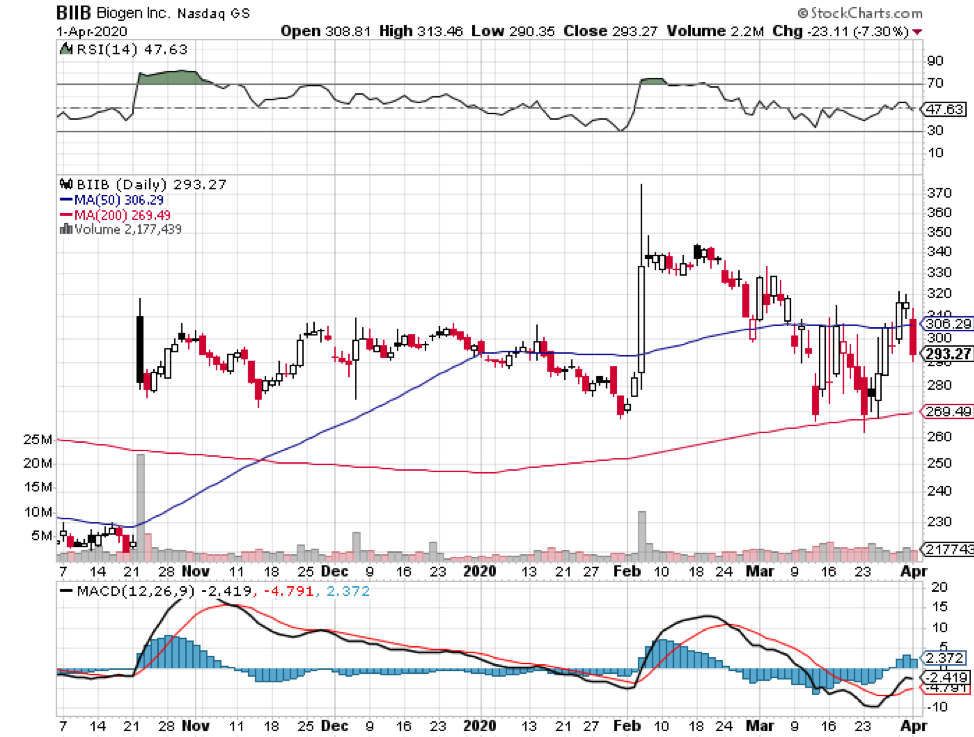
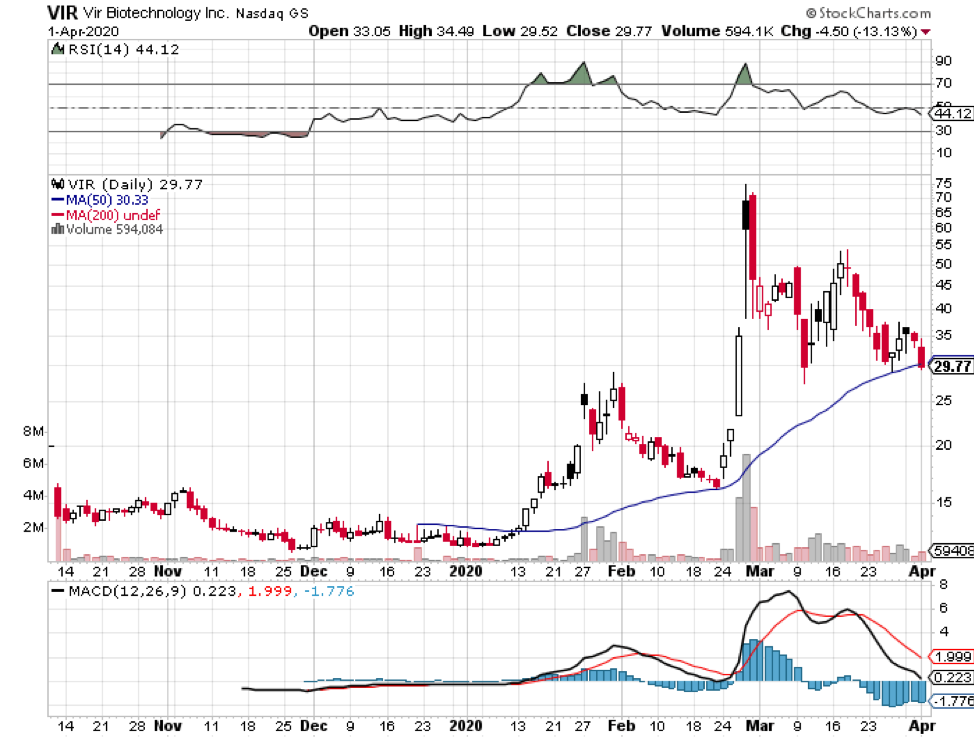
In March, Biogen (BIIB) announced its decision to team up with Vir Biotechnology (VIR) to join the race in looking for a cure for COVID-19.
Due to the urgency of the situation, both companies took an unusual move to simply start working together before even finalizing the details of the agreement. What they only have at the moment is a signed letter of intent.
What we know so far is that Biogen will take charge of the cell line and process development along with the manufacturing of Vir’s monoclonal antibodies.
Vir is a biotech company developing treatment for infectious diseases; its partnership with Biogen will help the smaller biotech to manufacture its COVID-19 drug candidate on a bigger scale. It’s also interesting that the company’s current CEO served as Biogen’s CEO up until 2016.
Prior to this deal, Vir has long been regarded as a biotech company with a strong financial position.
In the third quarter of 2019, the company raked in $320.2 million in cash, cash equivalents, as well as short-term investments. Vir’s balance sheet shows roughly $22.5 million in terms of long-term liabilities. Its recorded $1.4 million in revenue for the quarter.
In terms of its COVID-19 efforts, the company started working on a potential cure in January. Basically, Vir is looking into its library of antibodies to find which one could be used to neutralize the novel coronavirus.
This is actually promising since the company already succeeded in utilizing the same technique for Middle East Respiratory Syndrome (MERS) and Severe Acute Respiratory Syndrome (SARS), which are also caused by coronaviruses.
Apart from its COVID-19 efforts, Vir’s pipeline includes a number of potential vaccines and treatments for tuberculosis, HIV, and Hepatitis B Virus (HBV).
If you’re planning to buy this stock, make sure to do so before its lock-up period expires on April 8 to maximize your money’s worth.
Between the two companies though, Biogen has been gaining more attention as a more attractive investment since it’s a blue-chip stock selling for cheap these days.
Biogen is a frontrunner in the multiple sclerosis and spinal muscular atrophy space. The giant biotech is also a leader in the development and manufacturing of biosimilars, which are cheaper versions of biologically based therapies.
Its pipeline also has a number of high-value clinical assets particularly for hard-to-treat neurodegenerative diseases like Alzheimer’s and Parkinson’s.
Its acquisition of Nightstar Therapeutics and recent partnership with Sangamo Therapeutics (SGMO) have also transformed Biogen into one of the red-hot players in the emerging gene therapy market.
Biogen is also sitting on $4.5 billion in cash with a relatively reasonable debt-to-equity ratio of 48.2.
Hence, this giant biotech has no issues paying a dividend and can also be considered more or less immune to the threats of COVID-19. This makes it a stock capable of weathering the ongoing pandemic and even the resulting economic crisis.
Looking at the pipeline of the company, Biogen currently has over 25 drug candidates. Five are already in Phase 3. Meanwhile, its win against Mylan’s (MYL) for its blockbuster Tecfidera ensures that Biogen won’t face competition for this moneymaker until 2028.
However, all eyes are focused on its Alzheimer’s drug Aducanumab.
Since the company’s announcement of this treatment, investors have been on a rollercoaster ride with Biogen withdrawing and eventually going back in.
If it gains approval, Biogen shares will definitely soar. If the drug gets rejected, then the stock will suffer from short-term losses.
According to the Alzheimer’s Association, there are 5.8 million people afflicted by the disease in the United States alone. Needless to say, this represents a lucrative market for Biogen.
With a healthy balance sheet overall and a steady near-term outlook, Biogen is an attractive stock for bargain hunters looking to add a pretty cheap large biotech stock in their portfolio.
The indiscriminate wave of selling brought about by the pandemic has clearly opened a once-in-a-lifetime opportunity, particularly for patient investors. The fact that Biogen is part of Buffett’s own portfolio doesn’t hurt its case either.
https://madhedgefundtrader.com/wp-content/uploads/2019/05/cropped-mad-hedge-logo-transparent-192x192_f9578834168ba24df3eb53916a12c882.png00Mad Hedge Fund Traderhttps://madhedgefundtrader.com/wp-content/uploads/2019/05/cropped-mad-hedge-logo-transparent-192x192_f9578834168ba24df3eb53916a12c882.pngMad Hedge Fund Trader2020-04-03 08:00:202020-06-20 20:43:29The Biogen Partnership That May Save Your Life
(FRIDAY, APRIL 17 SAN FRANCISCO STRATEGY LUNCHEON),
(A LEAP PORTFOLIO TO BUY AT THE BOTTOM),
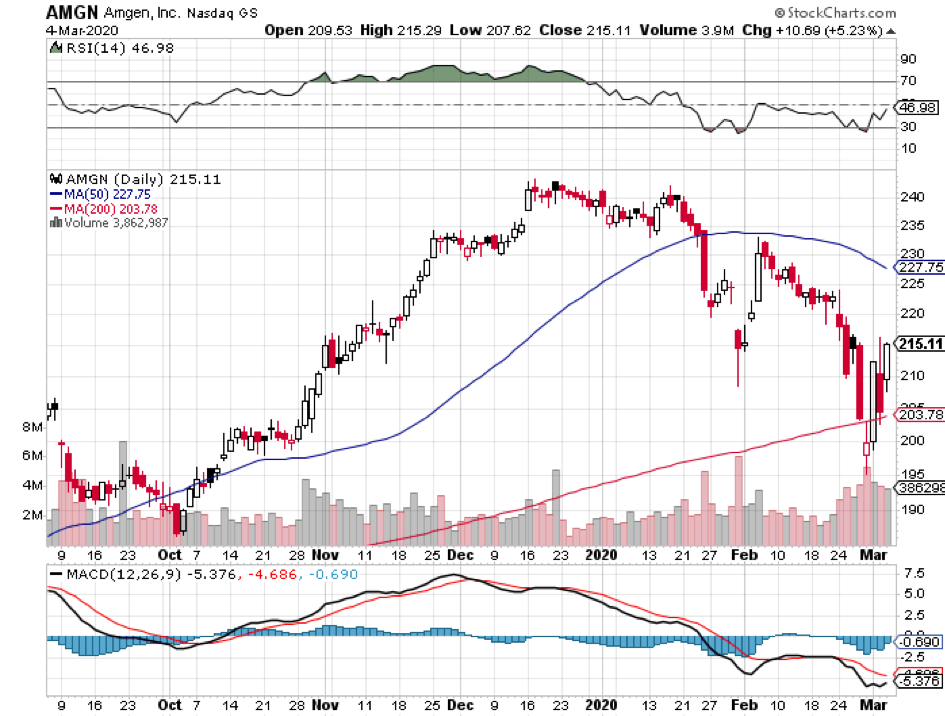
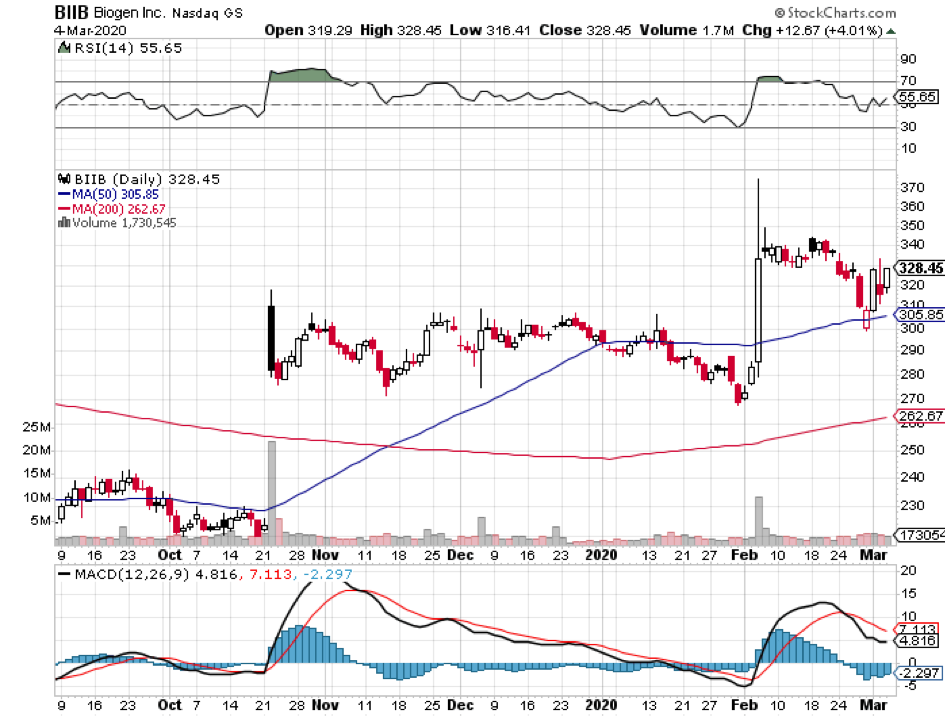
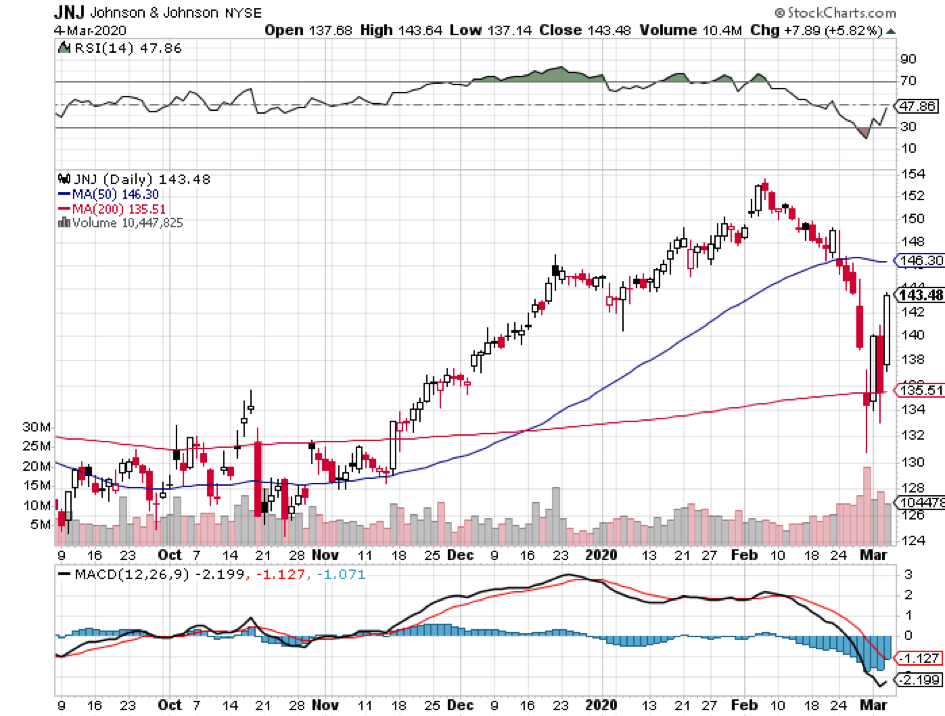
(TEN LONG-TERM BIOTECH & HEALTHCARE LEAPS TO BUY AT THE BOTTOM) (UNH), (HUM), (AMGN), (BIIB), (JNJ), (PFE), (BMY)
https://madhedgefundtrader.com/wp-content/uploads/2019/05/cropped-mad-hedge-logo-transparent-192x192_f9578834168ba24df3eb53916a12c882.png00Mad Hedge Fund Traderhttps://madhedgefundtrader.com/wp-content/uploads/2019/05/cropped-mad-hedge-logo-transparent-192x192_f9578834168ba24df3eb53916a12c882.pngMad Hedge Fund Trader2020-03-05 06:06:242020-03-05 05:19:27March 5, 2020
Joe Biden’s romp over Bernie Sanders in the Tuesday Democratic primary takes the lid off on the entire biotech and healthcare sector. Sanders has promised to dismantle the entire sector by promising Medicare for all and banning private coverage.
Sanders was also about to take a cudgel to drug pricing. While Sanders was leading in the primary, the threats hung over the industry like an 800-pound gorilla.
Yesterday, Sanders went down in flames. You can see this clearly in the price action of Humana (HUM), which rose a ballistic 14.44% yesterday. Similarly, United Health Group (UNH) was up a monster 10.72%.
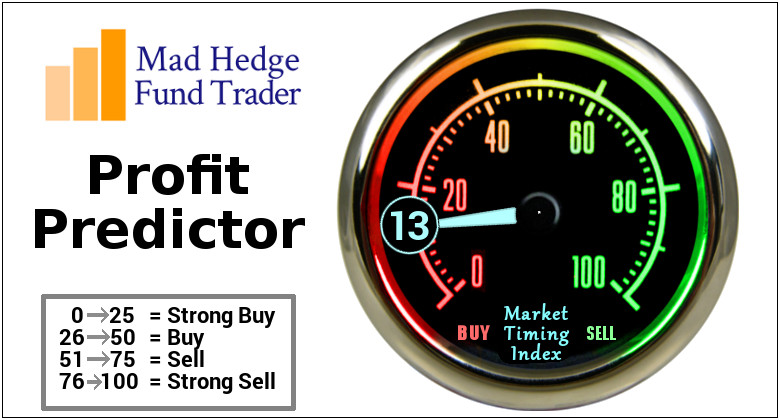
It is safe to say that the bottom is in for biotech and healthcare stocks.
I am often asked how professional hedge fund traders invest their personal money. They all do the exact same thing. They wait for a market crash like we are seeing now and buy the longest-term LEAPs possible for their favorite names.
The reasons are very simple. The risk of a LEAP is limited. You can’t lose any more than you put in. At the same time, they permit enormous amounts of leverage.
Two years out, the longest maturity available for most LEAPs, allow plenty of time for the world and the markets to get back on an even keel. Recessions, pandemics, hurricanes, oil shocks, interest rate spikes, and political instability all go away within two years and pave the way for dramatic stock market recoveries.
You just put them away and forget about them. Wake me up when it is 2022.
I put together this portfolio using the following parameters. I set the strike prices just short of the all-time highs set two weeks ago. I went for the maximum maturity. I used today’s prices. And of course, I picked the names that have the best long-term outlooks.
If you buy LEAPs at these prices and the stocks all go to new highs, then you should earn an average 229% profit from an average stock price increase of only 11.4%. That is a return 20 times greater than the underlying stock gain. And let’s face it. None of the companies below are going to zero, ever. Now you know why hedge fund traders only employ this strategy.
There is a smarter way to execute this portfolio. Put in throw-away crash bids at levels so low they will only get executed on the next 1,000 point down day in the Dow Average.
You can play around with the strike prices all you want. Going farther out of the money increase your returns, but raises your risk as well. Going closer to the money reduces risk and returns, but the gains are still a multiple of the underlying stock.
Buying when everyone else is throwing up on their shoes is always the best policy. That way your return will rise to ten times the move in the underlying stock.
Amgen (AMGN) - January 21 2022 $235-$240 bull call spread at $3.68 delivers a 172% gain with the stock at $245, up 14% from the current level
Biogen (BIIB) - January 21 2022 $365-$375 bull call spread at $3.89 delivers a 157% gain with the stock at $375, up 14% from the current level
Johnson & Johnson (JNJ) - January 21 2022 $150-$155 bull call spread at $1.63 delivers a 206% gain with the stock at $155, up 8.3% from the current level
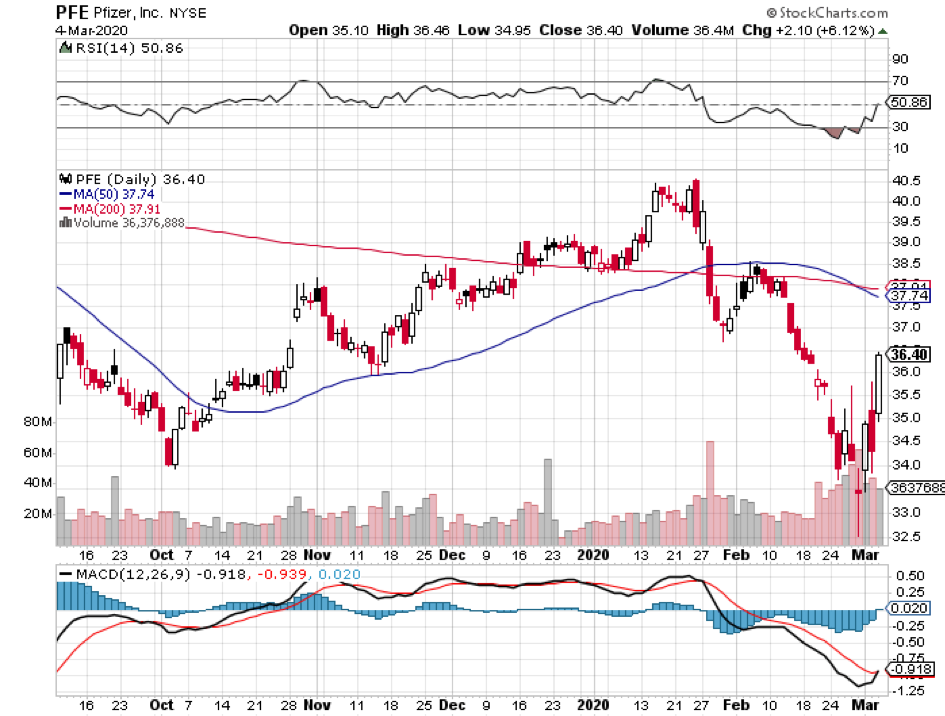
Pfizer (PFE) - January 21 2022 $40-$45 bull call spread at $1.05 delivers a 376% gain with the stock at $40.60, up 11.5% from the current level
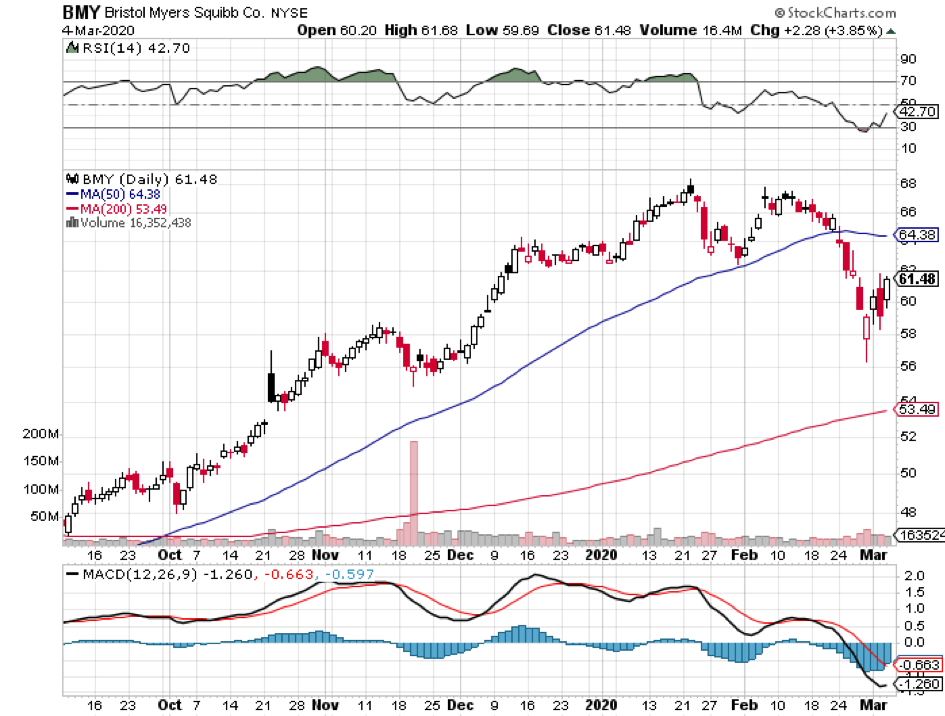
Bristol Meyers Squibb (BMY) - January 21 2022 $65-$70 bull call spread at $1.50 delivers a 233% gain with the stock at $68, up 11.40% from the current level
Is He Saying “BUY”?
https://www.madhedgefundtrader.com/wp-content/uploads/2020/03/biden.png527791Mad Hedge Fund Traderhttps://madhedgefundtrader.com/wp-content/uploads/2019/05/cropped-mad-hedge-logo-transparent-192x192_f9578834168ba24df3eb53916a12c882.pngMad Hedge Fund Trader2020-03-05 06:02:212020-03-10 15:15:57Ten Long Term Biotech & Healthcare LEAPs to Buy at the Bottom
In 2019, approximately 1.8 million Americans were diagnosed with cancer. On a global scale, the total reaches almost 17 million. Hence, it comes as no surprise that over 700 biotechnology and pharmaceutical companies have been investing hugely in experimental cancer drugs.
Meanwhile, rare disease beta-thalassemia affects the lives of at least 1,000 or so patients in the United States alone. In a nutshell, people with this blood disorder do not have enough oxygen in various parts of their bodies.
Although beta-thalassemia is more prevalent in other countries, this disease impacts one in every 100,000 people. Given these numbers, you’d expect that only one or two biotechnology companies would be interested in looking for treatments.
By my last count though, I found at least a dozen biotechnology companies scrambling to come up with a drug for this rare disease.
While there may be a lot of underlying reasons for this focus on beta-thalassemia, one reason is the most obvious to me: beta-thalassemia is a lifelong disease that requires regular treatment throughout the life of the patient.
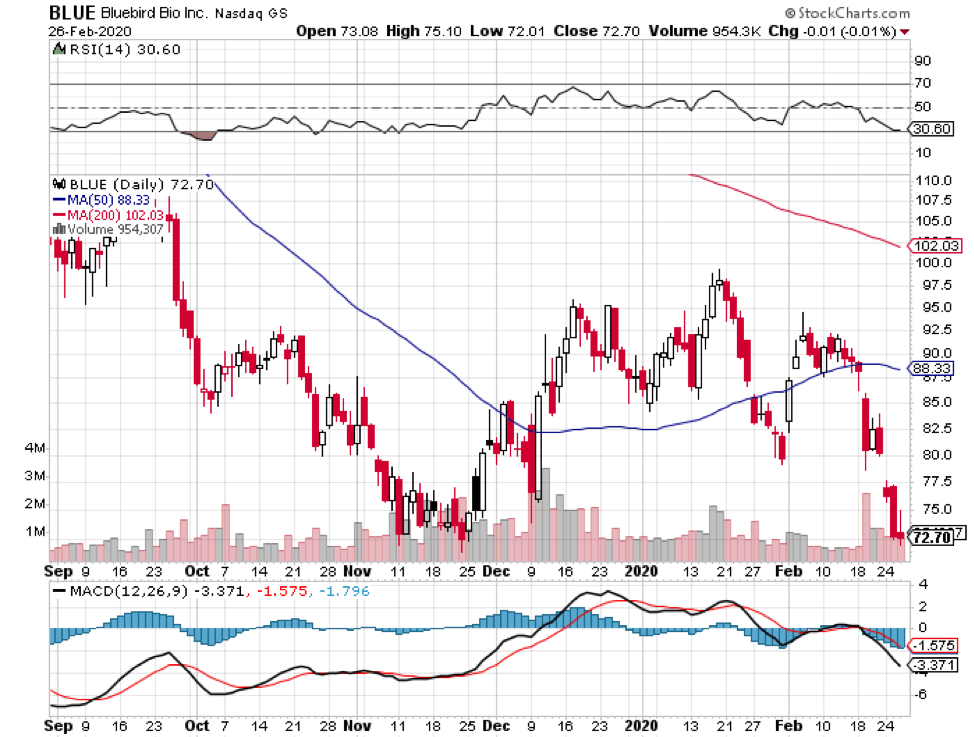
Among the biotechnology companies working on this sector, one name has emerged as the leader of the pact: bluebird bio (BLUE).
After unexpectedly doubling the price tag for gene therapy Zynteglo from the anticipated $900,000 to $1.8 million in Europe, bluebird bio (BLUE) announced that its expensive beta-thalassemia treatment will be available in the US sometime in the second half of 2020.
This gene therapy is the second most expensive treatment worldwide, with Novartis’ (NOVN) Zolgensma ranking first with a jaw-dropping $2.1 million price tag.
Following Novartis’ lead, installment plans will be offered to Zynteglo users.
While the details have yet to be ironed out, this bluebird bio gene therapy is expected to be paid over a period of five years. Notably, the patients will only pay for the treatment if it actually works for them.
That is, bluebird will not bind patients to pay the full $1.8 million if Zynteglo fails to alleviate their condition. They can even get reimbursements depending on the situation.
If successful, bluebird bio points out that Zynteglo can dramatically cut down not only on the financial burden of the patients but also reduce their suffering from the transfusions and treatments.
Here’s how this gene therapy works.
The first step is to harvest stem cells from the patient’s body. Then, chemotherapy is required to prepare the recipient’s bone marrow for gene therapy.
A healthy copy of the beta-globin gene, which is a component of hemoglobin, is subsequently implanted into the bone marrow and the body will be able to normally produce red blood cells.
If the patient’s body responds well to Zynteglo, then this means living over four years without the need for any transfusion.
In contrast, traditional treatments for this rare blood disorder include regular blood transfusions. There are also drugs needed to get rid of the extra iron from the patient’s system. At times, the spleen is even surgically removed.
Taking all these into consideration, bluebird bio defended its shocking price tag by pointing out that Zynteglo’s “intrinsic” value is actually worth $2.1 million.
This was calculated based on the claim that this treatment can deliver 22 quality-adjusted life-years to its users.
In effect, patients get a 15% discount on the total cost.
While it remains to be seen how the FDA will handle bluebird bio’s application for Zynteglo, the fact that this gene therapy has received approval in the European market gives the company its much needed push to pursue more innovative products geared towards rare diseases.
Apart from beta-thalassemia, Zynteglo is also being tested for another rare blood disorder called sickle cell disease.
Throughout 2019, bluebird bio’s income solely came from the license and royalty revenues derived from its collaboration with Celgene, which has since been acquired by Bristol-Myers Squibb (BMY).
The two companies worked together on cancer cell therapies called ide-cel and bb21217. Analysts estimate that both drugs could achieve blockbuster sales potential in the multiple myeloma sector.
Adding to Zynteglo and the cancer therapies in its pipeline is another rare genetic disorder gene therapy called Lenti-D.
This specifically targets cerebral adrenoleukodystrophy, which is a deadly genetic brain disease that affects 1 in 17,000 males. Bluebird bio is expected to seek FDA approval for Lenti-D by the second half of 2020.
Bluebird bio currently has a market cap of roughly $5 billion, which I think provides it plenty of room to maneuver and grow.
Since the lifeblood of any biotechnology company is its pipeline, I can see how well-positioned bluebird bio is in this aspect.
At this point, it already has a couple of winners in its portfolio with Zynteglo, Lenti-D, and the multiple myeloma drugs with Celgene.
With these in mind, it’s easy to see that bluebird bio will transform into a huge winner over the next 10 years or even earlier.
https://madhedgefundtrader.com/wp-content/uploads/2019/05/cropped-mad-hedge-logo-transparent-192x192_f9578834168ba24df3eb53916a12c882.png00Mad Hedge Fund Traderhttps://madhedgefundtrader.com/wp-content/uploads/2019/05/cropped-mad-hedge-logo-transparent-192x192_f9578834168ba24df3eb53916a12c882.pngMad Hedge Fund Trader2020-02-27 16:00:142020-02-27 16:27:54Mining Gold in Niche Drugs
Legal Disclaimer
There is a very high degree of risk involved in trading. Past results are not indicative of future returns. MadHedgeFundTrader.com and all individuals affiliated with this site assume no responsibilities for your trading and investment results. The indicators, strategies, columns, articles and all other features are for educational purposes only and should not be construed as investment advice. Information for futures trading observations are obtained from sources believed to be reliable, but we do not warrant its completeness or accuracy, or warrant any results from the use of the information. Your use of the trading observations is entirely at your own risk and it is your sole responsibility to evaluate the accuracy, completeness and usefulness of the information. You must assess the risk of any trade with your broker and make your own independent decisions regarding any securities mentioned herein. Affiliates of MadHedgeFundTrader.com may have a position or effect transactions in the securities described herein (or options thereon) and/or otherwise employ trading strategies that may be consistent or inconsistent with the provided strategies.