• support@madhedgefundtrader.com
  • Member Login
Mad Hedge Fund Trader
  • Home
  • About
  • Store
  • Luncheons
  • Testimonials
  • Contact Us
  • Click to open the search input field Click to open the search input field Search
  • Menu Menu

Tag Archive for: (TDOC)

Mad Hedge Fund Trader

A Safe Stock for Your Peace of Mind

Biotech Letter

No matter how you look at it, the stock market is definitely facing serious volatility these days. How long this uncertainty will last and whether it’s a sign of a looming market crash or correction is anybody’s guess.

On a positive note, the current situation will not cause panic to long-term investors. After all, it’s not right to base stock-buying decisions on the market’s behavior over the course of a few days, weeks, or even months.

Meanwhile, if a major bear market is on the horizon, then this could present a good opportunity to add resilient and recession-proof stocks to your portfolio.

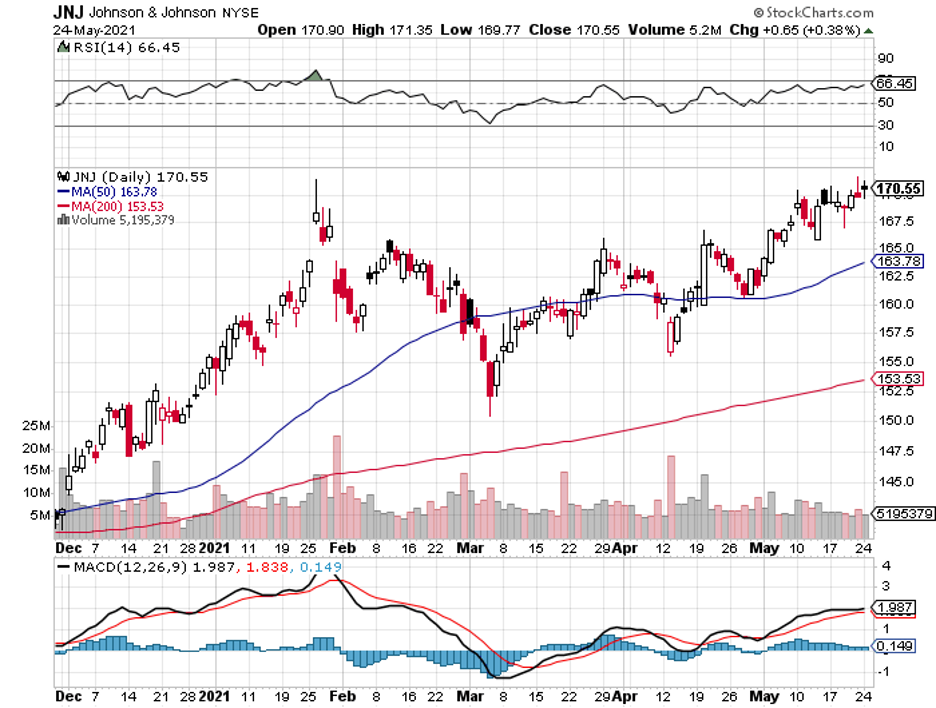
In the biotechnology and healthcare sector, one stock comfortably fits the mold, and that's Johnson & Johnson, JNJ.

In terms of market capitalization, JNJ is one of the biggest—if not the biggest—pharma companies in the world, weighing in at roughly $450 billion.

It also holds an undisputed status as a Dividend King, which is a title granted to those companies that increase their payouts annually and consistently over the course of 50 years.

Actually, JNJ’s dividend-hiking streak has stretched to 59 straight years—and it doesn’t seem to be ending anytime soon.

To date, its quarterly dividend per share jumped by 5% from $1.01 to reach $1.06.

That’s why it comes as no surprise that it’s one of the stocks that investors come running to for safety and stability during periods of volatility.

In its first quarter earnings report in 2021, JNJ showed off by outperforming revenue expectations of $21.98 billion to record $22.32 billion instead.

Its EPS also beat estimates of $2.34 and instead reported $2.59. Despite the less-than-stellar condition of the US economy in the past months, JNJ still managed to boost its sales in the first quarter and increased its sales by 7.9% year-over-year.

All of JNJ’s core business segments also expanded their revenues this quarter.

For instance, its Janssen pharmaceutical arm, which was in charge of its COVID-19 vaccine, saw a 9.6% year over year increase in sales to reach $12.19 billion.

Even its medical devices segment experienced an improved performance with a 7.9% bump to record $6.57 billion for this quarter alone. 

Looking at the programs in its pharmaceutical division, it’s clear that JNJ has a strong focus on six areas: cardiovascular, pulmonary hypertension, immunology, neuroscience, metabolism, and, of course, oncology.

In fact, three of JNJ’s pharmaceutical treatments raked in more than $4 billion in sales in 2020.

The list was topped by Stelara, which is a drug for Crohn’s disease, psoriasis, ulcerative colitis, and psoriatic arthritis, at $7.7 billion.

It was followed by multiple myeloma treatment Darzalex at $4.2 billion.

The product of its collaborative work with AbbVie (ABBV), blood cancer drug Imbruvica, rounds up the list at $4.1 billion.

The sheer size and financial power of JNJ offer the company extensive M&A opportunities—and it’s definitely taking advantage of that to continue boosting its revenue streams.

In August 2020, amid the COVID-19 pandemic, JNJ acquired Momenta Pharmaceuticals for $6.5 billion. This all-cash transaction added a slew of drug candidates that enhanced JNJ’s immune-mediated and rare disease pipeline programs.

Jumping into the telehealth bandwagon, JNJ has invested in Madison Thirty around the same time last year as well.

Much like Teladoc (TDOC), this small telehealth company has also attracted attention since it started and thus far raised $70 million in funding.

Boosting its presence in the merging world of technology and medicine, JNJ recently revealed its six-armed robotic surgical assistant, Ottava.

Basically, Ottava will be a high-tech guidance system and assistant to surgeons in operating rooms. 

Throughout its history, JnJ has proven itself to be a top biopharmaceutical stock  —full stop.

A global leader in the healthcare industry, JNJ is one of only two corporations that hold an AAA credit rating from Standard & Poor. The other company is Microsoft (MSFT).

It has been generating record profits and boosting its dividends. More importantly, investors can expect JNJ stock to serve as a healthy long-term wealth generator.

It prides itself on a strong triad of business segments that continuously drive growth: consumer health, pharmaceuticals, and medical devices.
jnj stock

https://madhedgefundtrader.com/wp-content/uploads/2019/05/cropped-mad-hedge-logo-transparent-192x192_f9578834168ba24df3eb53916a12c882.png 0 0 Mad Hedge Fund Trader https://madhedgefundtrader.com/wp-content/uploads/2019/05/cropped-mad-hedge-logo-transparent-192x192_f9578834168ba24df3eb53916a12c882.png Mad Hedge Fund Trader2021-05-27 15:00:462021-05-31 15:56:52A Safe Stock for Your Peace of Mind
Mad Hedge Fund Trader

May 17, 2021

Tech Letter

Mad Hedge Technology Letter
May 17, 2021
Fiat Lux

Featured Trade:

(MULTIPLE CONTRACTION)
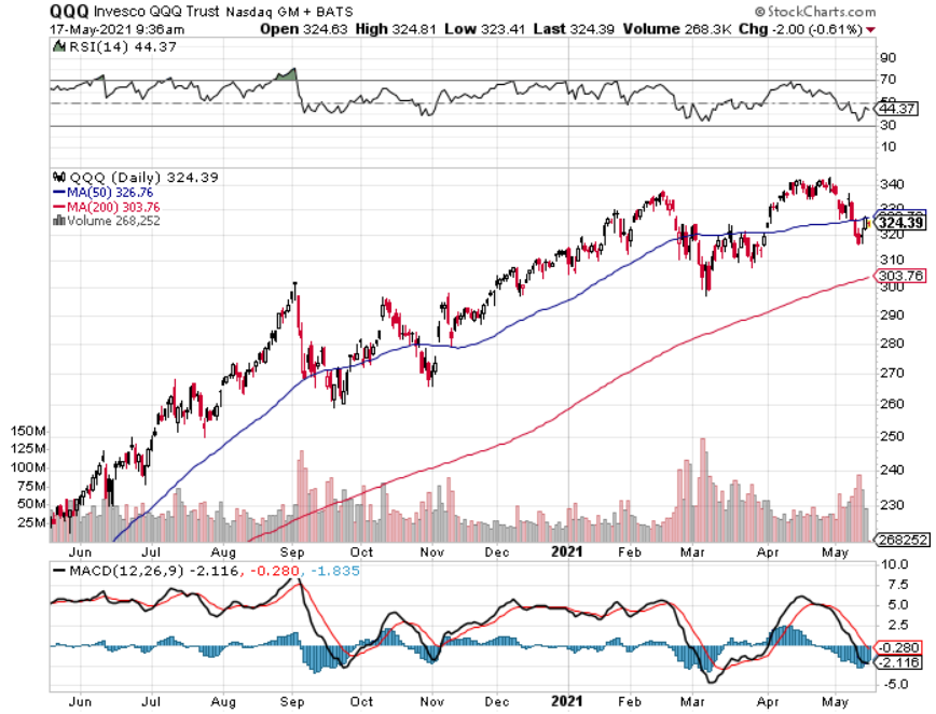
(QQQ), (AAPL), (GOOGL), (MSFT), (TDOC), (TSLA)

https://madhedgefundtrader.com/wp-content/uploads/2019/05/cropped-mad-hedge-logo-transparent-192x192_f9578834168ba24df3eb53916a12c882.png 0 0 Mad Hedge Fund Trader https://madhedgefundtrader.com/wp-content/uploads/2019/05/cropped-mad-hedge-logo-transparent-192x192_f9578834168ba24df3eb53916a12c882.png Mad Hedge Fund Trader2021-05-17 11:04:272021-05-17 14:28:07May 17, 2021
Mad Hedge Fund Trader

Multiple Contradiction

Tech Letter

High multiple tech stocks often overshoot on the way up and overshoot on the way down.

This is predominately driven by uncontrolled momentum as investors and traders resort to margin to borrow money and add leverage to positions and trends that seem to be working at the time.

Since the start of the year, technology has had to come to grips with a sudden rerating of valuations.

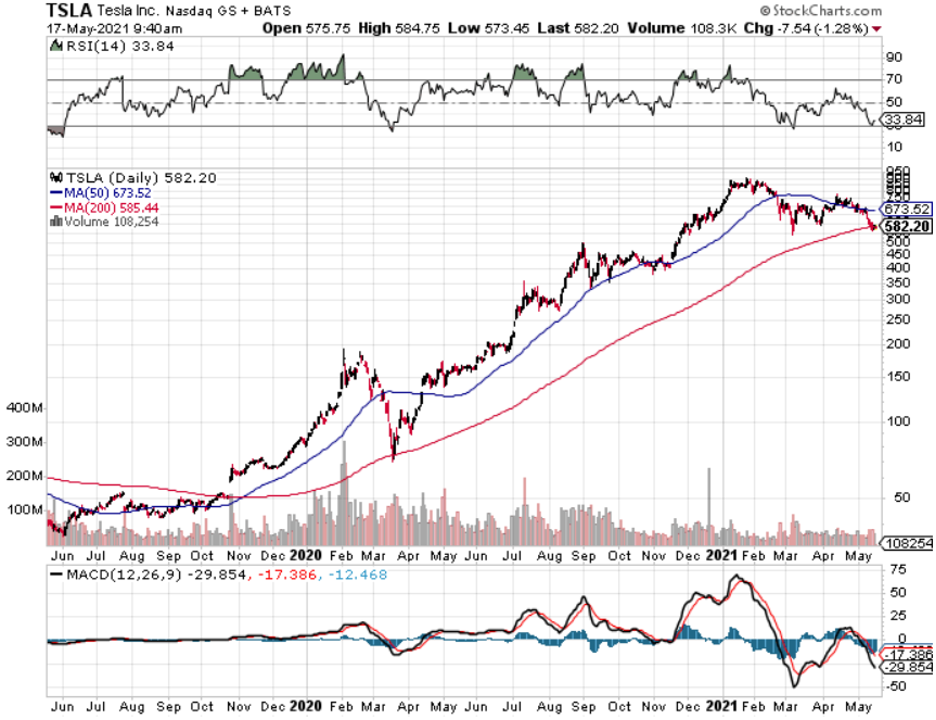
For example, a bellwether stock for the future success of tech, Tesla (TSLA) has corrected 20% year-to-date after more than 700% move up in 2020.

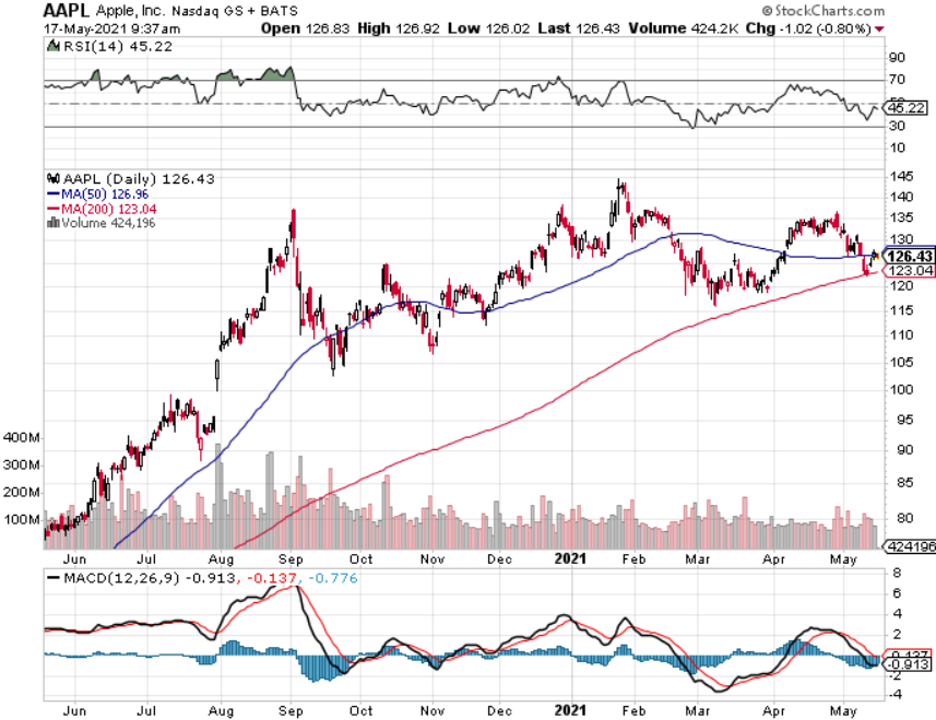
Reliable big-cap tech has been more steadfast in 2021 such as the likes of Apple (AAPL) who have only experienced a less than 2% year-to-date decline in shares.

The biggest winner so far of big-cap tech has to be Alphabet (GOOGL) whose shares have risen around 25% since the beginning of the year.

Even with sky-high expectations, Google is hitting it out of the ballpark and then some.

Simply meeting or doing a nudge over expectations this past earnings season has proved not enough for underlying shares to surge on the results meaning we are fully priced.

Naturally, the more speculative business has felt the worst of the carnage with SPACs down half from their peaks and “artisanal” tech down 30%-50%.

This doesn’t mean tech is over.

Hardly so – It’s just resting.  

But readers and investors will need to traverse through a period of multiple contraction and consolidation as high-priced tech stocks are re-rated lower until we reach appetizing multiples.

Simply put, we got ahead of ourselves and there is only so much leverage that can be taken out to chase the rainbows and feed off the momentum.

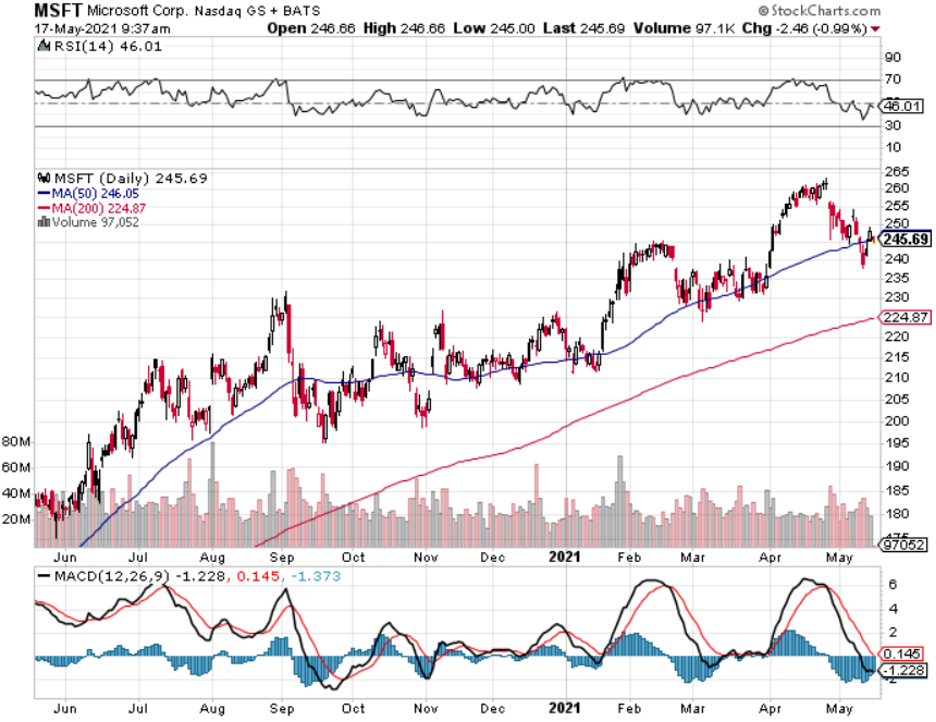
Microsoft (MSFT) has been another stout stock that is up around 12% year-to-date and a great place to hide out during the consolidation phase.

The cause of the rerating derives specifically from upper management guiding down future revenue and profitability targets.

I have read countless earnings reports that describe a comprehensive dilemma in which the overall structure of the company couldn’t be healthier yet beating prior years’ Covid performance is impossible on a year-to-year basis.

Readers need to understand this year is still priced as a Covid year, but tech companies won’t nearly do as well because the conditions that engulfed Covid like work-from-home and the absence of a vaccine are not here anymore.

There is a health solution in the U.S. and in parts of Europe there are partial solutions and certainly, no lockdown as the Chief of the CDC signals masks are not needed for the vaccinated in public.

The tech market needs to readjust its expectations that will hand off to more of a normalized metric environment and that will happen naturally as we move closer to 2022 and into it.

On a calculation basis, comparing data from 2022 and 2021 will strip out the volatility from the 2020 and 2021 comparisons.

Remember that management uses the prior year as reference points for performance and that phenomenon is now hurting the appearance of relative outperformance.

A top executive at a fintech company had this to say, “The pandemic has accelerated a digital wave of change across almost every industry by three to five years, unleashing a profound and permanent structural transformation.”

I’ll take a 5-year digital transformation in one year if the second year is a time that is needed for earnings’ expectations to consolidate for half a year or so.

I would take that deal anytime if it was my company.

The data also suggests how breathtaking companies like Google and Microsoft are if their future guidance is immune to any expectation.

They are beating whatever consensus is in a Covid year or not.

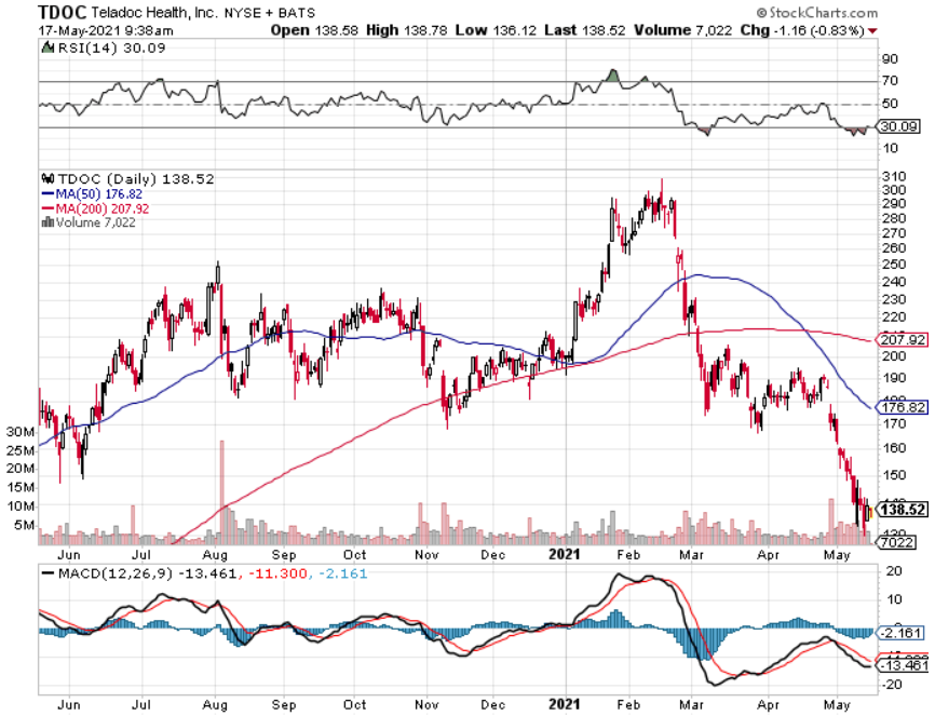
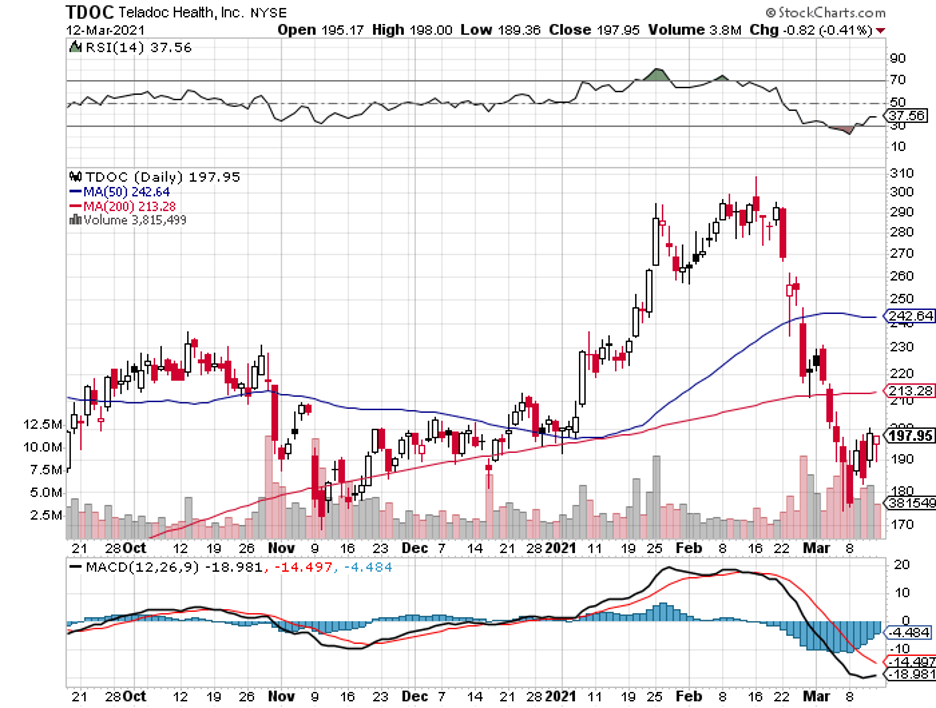
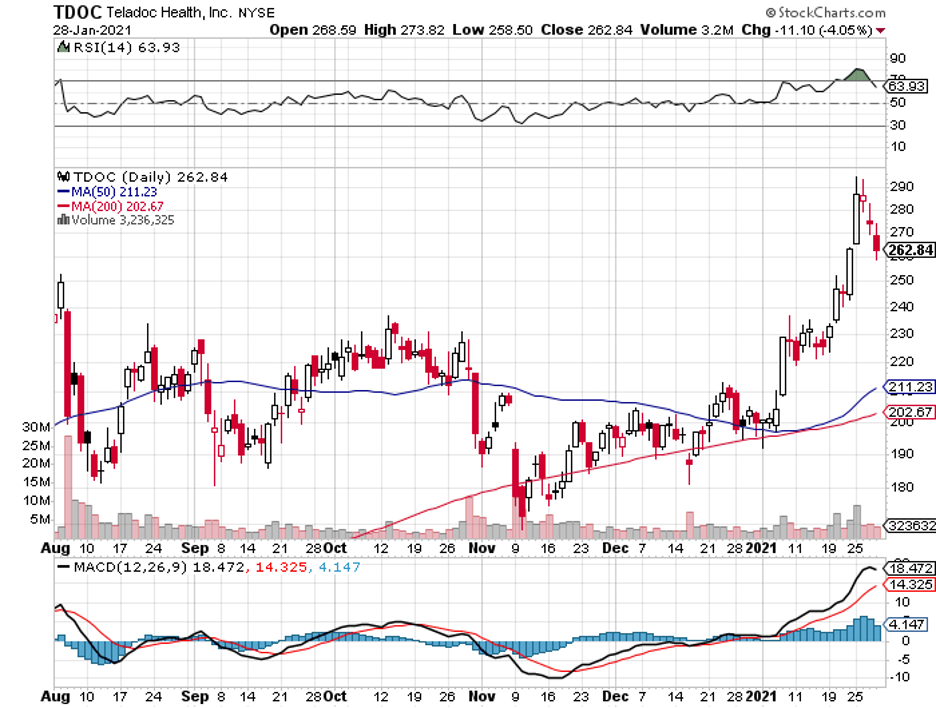
Take a look at some of the darlings of tech in the height of pandemic like Teladoc (TDOC), and shares are off around 33% year-to-date and even went through a 40% drop from mid-February to the beginning of March.

Avoid those now!

Even if it's not related to cloud software stocks, the dearth of semiconductor chips is beginning to cause pain in every nook and cranny of the global economy catalyzing many firms to delay or even cancel production let alone roll out new models.

This adds to the global malaise of a supply chain that many managements describe as “topsy-turvy.”

Not only is the bottleneck happening as we speak, but it appears as though it could last at least 2 or more years.

When the Fed talks about “transitory” inflationary pressures, at least as it relates to tech, I am not sure what they are smoking.

There has been no concrete data in which they have offered to suggest that it will be transitory unless they have a different definition of transitory from mine.

The accumulation effect of these pressures is why the tech-heavy Taiwan stock market, FTSE TWSE Taiwan 50 Index, comprised of tech stalwarts like Taiwan Semiconductor Manufacturing (TSM) and Hon Hai Precision Industry, declined over 2% today after losing over 8% last week.

Ultimately, investors are moving to higher ground and seeking predictable profitability and raw size over elevated growth rates and loss-making EPS figures.

When the goalposts move, we must move with them and that is what has happened.

Tech investors are more conservative than last year and until the goalposts widen a bit as I expect as we move into Q3 and Q4, we need to be aware of the new rules of the game or who gets penalized for them.

tech investing


tech investing


tech investing


https://madhedgefundtrader.com/wp-content/uploads/2019/05/cropped-mad-hedge-logo-transparent-192x192_f9578834168ba24df3eb53916a12c882.png 0 0 Mad Hedge Fund Trader https://madhedgefundtrader.com/wp-content/uploads/2019/05/cropped-mad-hedge-logo-transparent-192x192_f9578834168ba24df3eb53916a12c882.png Mad Hedge Fund Trader2021-05-17 11:02:502021-05-25 02:20:07Multiple Contradiction
Mad Hedge Fund Trader

April 1, 2021

Biotech Letter

Mad Hedge Biotech & Healthcare Letter
April 1, 2021
Fiat Lux

FEATURED TRADE:

(A RULE MAKER IN HEALTHCARE)
(TDOC), (SQ), (SHOP), (ROKU), (TSLA)

https://madhedgefundtrader.com/wp-content/uploads/2019/05/cropped-mad-hedge-logo-transparent-192x192_f9578834168ba24df3eb53916a12c882.png 0 0 Mad Hedge Fund Trader https://madhedgefundtrader.com/wp-content/uploads/2019/05/cropped-mad-hedge-logo-transparent-192x192_f9578834168ba24df3eb53916a12c882.png Mad Hedge Fund Trader2021-04-01 15:02:212021-04-01 16:02:27April 1, 2021
Mad Hedge Fund Trader

A Rule Maker in Healthcare

Biotech Letter

Monopolies. In any industry, they’re typically called rule breakers.

For healthcare, these are rule-making stocks that ultimately rise to dominance that they eventually win government-sanctioned monopolies and establish massive networks.

For biotechnology and healthcare investors who like to err on the side of caution but still want to take a dip on monopoly-like players, one stock stands out: Teladoc Health (TDOC).

Teladoc, which currently has a market capitalization of $30 billion, is one of those groundbreaking companies that use technology to disrupt the way we live.

The company’s potential is actually getting compared to the likes of other tech movers such as (SQ), Shopify (SHOP), Roku (ROKU), and Tesla (TSLA).

So far, Teladoc stock has gone up 144% over the past 12 months.

On a year-over-year basis, the total number of visits for Teladoc more than doubled from 4.14 million to reach a whopping 10.59 million. Even the international visits rose by 71%.

As expected, the COVID-19 pandemic served as a major boon to its already thriving business.

Although it wasn’t as popular at the time, the company’s operating model offered a myriad of benefits for the healthcare industry.

For one, telehealth visits are way more convenient for the patients. Since the visits won’t take as much time and effort from their end, the patients would be more motivated to regularly check in with their doctors.

In turn, the doctors would be able to offer higher-quality care since the cooperation of the patients means they can also monitor the symptoms and progress better.

Best of all, the patients are typically billed at cheaper rates compared to office visits.

I think the last one makes Teladoc an attractive winner in the eyes of practically all health insurers.  

Teladoc is the biggest telehealth services provider in the United States, and one of the major steps that the company took to cement its reputation as a virtual health leader is its splashy $18.5 billion merger with Livongo in 2020.

If you haven’t heard of Livongo, this company was growing incredibly faster than Teladoc even before the merger.

Basically, Livongo collects copious amounts of information from patients. Using artificial intelligence, the company then sends personalized tips and reminders to their enrolled members with the goal to improve their overall quality of life.

Most of the patients suffer from chronic conditions, which means they would require regular nudges to ensure that they take the proper medications on time.

For example, some of Livongo’s users have diabetes. The company monitors them via wireless glucose meters, guiding the users to follow a positive lifestyle when their blood sugars begin to spike.

At the time of the merger, Livongo has already secured over 500,000 enrolled members for its diabetes platform.

This is impressive as it represents roughly 2% of the entire diabetes pool in the United States.

Aside from diabetes, Livongo has also been working on other chronic conditions like hypertension and weight management.

Considering that hypertension accounts for 7.6 million deaths per year worldwide and the extensive list of health problems associated with obesity, such as coronary heart disease and end-stage renal disease, I think Livongo has developed a highly sustainable business model that’s perfect for the “new normal.”

More importantly, the combination of Livongo and Teladoc will now allow the two companies to cross-sell their services to their users.

As for those who think that Teladoc is only a pandemic play, the company didn’t really need the pandemic for its business model to succeed.

Prior to COVID-19, its sales have been growing by an average of 75% per annum since 2013.

With its merger with Livongo, I think Teladoc has developed a stronger all-weather model for growth.

Teladoc is a rule maker and a first-mover, with the company moving the multi-trillion dollar healthcare industry to the internet.

At this point, it is the dominant name in the arena and the undisputed leader in telehealth. With everything it has to offer, I believe Teladoc is a long-term investing opportunity and it would be a good idea to buy on the dip.

teladoc health

https://madhedgefundtrader.com/wp-content/uploads/2019/05/cropped-mad-hedge-logo-transparent-192x192_f9578834168ba24df3eb53916a12c882.png 0 0 Mad Hedge Fund Trader https://madhedgefundtrader.com/wp-content/uploads/2019/05/cropped-mad-hedge-logo-transparent-192x192_f9578834168ba24df3eb53916a12c882.png Mad Hedge Fund Trader2021-04-01 15:00:252021-04-07 16:31:12A Rule Maker in Healthcare
Mad Hedge Fund Trader

March 11, 2021

Biotech Letter

Mad Hedge Biotech & Healthcare Letter
March 11, 2021
Fiat Lux

FEATURED TRADE:

(THE TESLA STOCK OF GENETIC TESTING)
(NVTA), (CRSP), (TDOC), (RHHBY), (ILMN), (ABT), (DGX), (ROKU), (SQ), (SHOP), (TSLA)

https://madhedgefundtrader.com/wp-content/uploads/2019/05/cropped-mad-hedge-logo-transparent-192x192_f9578834168ba24df3eb53916a12c882.png 0 0 Mad Hedge Fund Trader https://madhedgefundtrader.com/wp-content/uploads/2019/05/cropped-mad-hedge-logo-transparent-192x192_f9578834168ba24df3eb53916a12c882.png Mad Hedge Fund Trader2021-03-11 13:02:212021-03-12 09:48:51March 11, 2021
Mad Hedge Fund Trader

The Tesla Stock of Genetic Testing

Biotech Letter

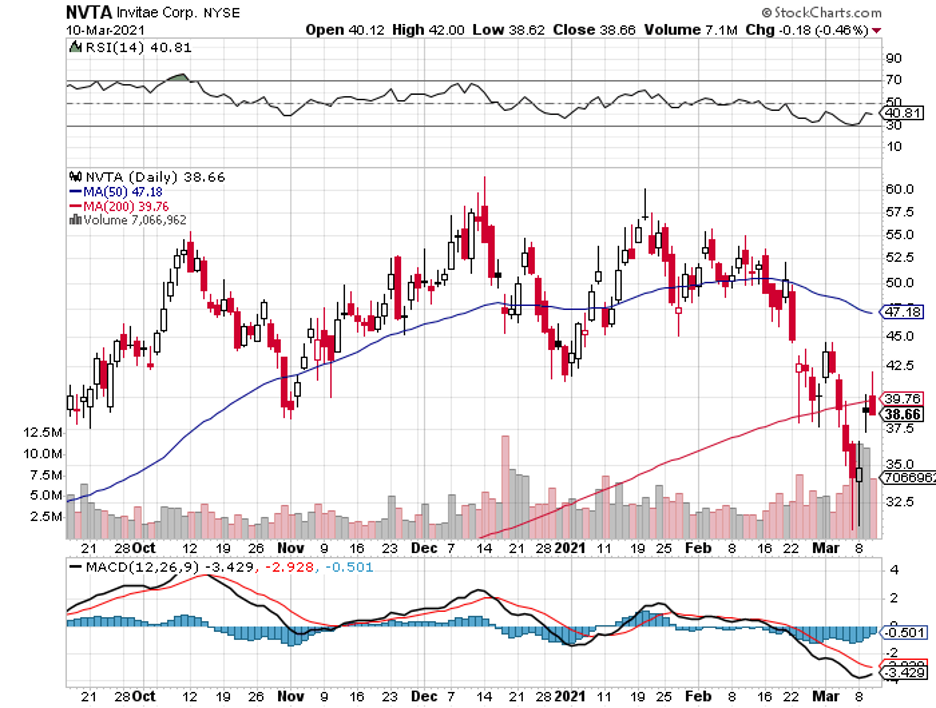
Invitae (NVTA) is one of the biggest, albeit erratic, movers in 2020, but only a handful of investors know about the stock.

In March 2020, the stock was trading at $7.43 per share only to shoot to a whopping $61 by mid-December.

A year since then, Invitae stock sits somewhere at $40—a price that could go right up again in the months to come. 

Despite the volatility, Invitae continues to generate excitement among its investors.

In fact, Invitae, which has $7.6 billion in market capitalization, is grouped in with bigger healthcare and biotechnology companies like CRISPR Therapeutics (CRSP), valued at $9.36 billion, and Teladoc Health (TDOC), valued at $28.7 billion.

Its potential is even said to match the likes of up-and-coming tech stocks such as Roku (ROKU), Square (SQ), and Shopify (SHOP), which have market capitalizations of $45.7 billion, $103.07 billion, and $134.6 billion, respectively.

Given its growth in the past months and its impressive 226.8% three-year revenue increase, the projections for Invitae look well-grounded.

In fact, I think it’s reasonable to say that Invitae could be the Tesla (TSLA) of the genetic testing industry.  

The genetic testing market is estimated to be worth over $21 billion by 2027, growing at a compound annual growth rate of 10% until then.

In 2020, Invitae reported a 29% year-over-year increase in revenue at $279.6 million.

The company also saw a rise in its testing volume by roughly 41% to reach 659,000 billable units—this, despite the headwinds brought about by the COVID-19 pandemic, when the demand for genetic tests took a back seat to make way for COVID-19 diagnostic and other related medical concerns.

Although some of the tests offered by Invitae are covered by insurance carriers, those that are not covered can be availed for as low as $99 for services like noninvasive prenatal screening and $250 for diagnostic, carrier, or proactive testing.

To put things in perspective, people nowadays are more than willing to shell out at least $100 to discover their ancestry, which in most cases is something they already have an idea about.

So, why would these people be reluctant to spend a bit more than $100 to check if they have to take particular precautions to keep themselves safe from diabetes or heart disease?

In the future, Invitae is well-positioned to offer high-quality genetic tests at more affordable prices as well as cater to higher volumes.

One of the most notable moves by Invitae so far is buying ArcherDX for $1.4 billion in cash and stock in October 2020.

This is a telling move for Invitae in terms of its plans for the future.

ArcherDX is another genetic testing company, which specializes in oncology.\

Specifically, ArcherDX focuses on personalized cancer monitoring as well as liquid and tissue biopsy analysis.

Simply put, ArcherDX specializes in developing tests that determine the most suitable drugs to use for cancer treatments.

To date, there’s already a growing number of competition in the genetic testing market, making Invitae’s acquisition of ArcherDX is a smart move.

Most of them are bigger companies like Roche (RHHBY) with a market cap of $269.57 billion, Illumina (ILMN) with $58.28 billion, Abbott (ABT) with $205.28 billion, and Quest Diagnostics (DGX) $15.6 billion.

Invitae, which only has a market capitalization of $7.6 billion, is considered as one of the minor players.

With the addition of ArcherDX in its portfolio, Invitae’s growth could be fast-tracked as the combined companies could ramp up sales on top of queuing additional genetic tests in their current lineup.

Invitae’s shares have jumped by almost 100% in 2020 but saw an over 25% fall last month. Although it has yet to turn a profit since its creation in 2013, Invitae remains an attractive investment thanks to its top-line growth.

Digging into their numbers, Invitae has actually managed to cut down on its cash burn by roughly $20 million from the first quarter of 2020 through the last quarter, excluding the ArcherDX deal.

That’s a notable improvement for a company and indicative of its capacity to veer towards the right direction.

Invitae has a very strong cash position at the moment, with a massive equity offering just last January. Right now, the company’s stockpile is nearly $800 million, which could carry them for quite some time.

Looking at its path of profitability, the company is also projected to be on track for a 50% to 60% growth in the next few years.

For 2021, Invitae is looking at over $450 million in annual revenue, which is 61% higher than 2020.

At this point, Invitae offers an attractive purchasing opportunity for those who want to get in on the industry before it explodes.

invitae

https://madhedgefundtrader.com/wp-content/uploads/2019/05/cropped-mad-hedge-logo-transparent-192x192_f9578834168ba24df3eb53916a12c882.png 0 0 Mad Hedge Fund Trader https://madhedgefundtrader.com/wp-content/uploads/2019/05/cropped-mad-hedge-logo-transparent-192x192_f9578834168ba24df3eb53916a12c882.png Mad Hedge Fund Trader2021-03-11 13:00:152021-03-15 19:22:48The Tesla Stock of Genetic Testing
Mad Hedge Fund Trader

February 11, 2021

Biotech Letter

Mad Hedge Biotech & Healthcare Letter
February 11, 2021
Fiat Lux

FEATURED TRADE:

(WHEN TECHNOLOGY MEETS HEALTHCARE)
(TDOC), (FB), (AAPL), (AMZN), (NFLX), (GOOGL)

https://madhedgefundtrader.com/wp-content/uploads/2019/05/cropped-mad-hedge-logo-transparent-192x192_f9578834168ba24df3eb53916a12c882.png 0 0 Mad Hedge Fund Trader https://madhedgefundtrader.com/wp-content/uploads/2019/05/cropped-mad-hedge-logo-transparent-192x192_f9578834168ba24df3eb53916a12c882.png Mad Hedge Fund Trader2021-02-11 11:02:252021-02-11 14:45:45February 11, 2021
Mad Hedge Fund Trader

When Technology Meets Healthcare

Biotech Letter

The decision to invest in FAANG stocks—Facebook (FB), Apple (AAPL), Amazon (AMZN), Netflix (NFLX), and Google (GOOGL)—is basically a no-brainer.

These are some of the most highly rated stocks to date, and these companies continue to grow in value.

In fact, they managed to soundly outperform the 16% returns of the S&P 500 in 2020, with the weakest stock in the list, Google’s Alphabet, climbing 31% while Apple rose by an impressive 81%.

Outside of FAANG, those who read my Mad Hedge Technology Letter know of the advantages of Software-as-as-a-Service (SaaS) and the growth of the companies behind it.

I’ve always been a fan of emerging innovations, and this is one of the reasons why I’m excited about the collaboration between technologies like SaaS to bolster age-old industries like the healthcare field.

It’s dubbed healthcare-as-a-service (HaaS).

So far, one promising stock comes to mind when it comes to HaaS: Teladoc Health (TDOC).

Teladoc is one of the companies that benefited massively from the COVID-19 lockdowns.

So far, this healthcare stock is up by over 40% year to date after skyrocketing 139% in 2020. 

During the first nine months of 2020, it recorded a whopping 163% rise on virtual visits compared to the same period in 2019. Meanwhile, its revenue rose by 79%.

The convenient technology it offers, which allows patients to connect with physicians without physically visiting the doctors’ offices, allowed Teladoc to enjoy strong growth amid the pandemic.

However, Teladoc isn’t merely a reasonable investment during the COVID-19 pandemic.

The company has been quietly gaining traction in the past years.

In its 2015 to 2019 reports, Teladoc reported an impressive growth in its revenues at 78%, 59%, 89%, 79%, and 32%, respectively.

The telehealth market is projected to grow to nearly $560 billion by 2027—an estimate that’s over 9 times the $61.4 billion the industry was worth in 2019. 

Needless to say, the growth in the telehealth industry is just beginning, and Teladoc is well-positioned to take advantage of the momentum.

In 2020, it has strengthened its position with its massive $18.5 billion merger with Livongo Health.

Given Livongo’s more specialized portfolio, which puts a premium on chronic care and diabetes, the newly combined companies can offer a more extensive scope of telehealth services.

By 2023, the combined Teladoc and Livongo is estimated to generate more than $3 billion in sales alone.

As for its 2021 plans, Teladoc welcomed the new year with a partnership with continuous glucose monitoring (CGM) systems manufacturer DexCom.

With this collaboration, the company would be able to offer its users “CGM-powered insights.”

In other words, patients would be able to conveniently see and monitor their own glucose levels.

While Teladoc clearly benefited from its partnerships with Livongo and DexCom, its core business continues to show strong growth.

In its third quarter earnings report, which was released days before its Livongo merger, it more than doubled its $138 million sales in 2019 to $288.8 million in 2020.

Meanwhile, the total number of its telehealth visits increased by a staggering 206% to reach 2.8 million.

With the addition of new services in its roster, Teladoc is presented with a considerable growth opportunity just by simply boosting the usage of its current clients.

To give you a better picture of how big this could get, the company recorded a total of 73 million members by the end of the third quarter last year.

Following the mergers and the new deal last January 2021, Teladoc is anticipating an additional 65 million clients. 

Teladoc is one of the most exciting healthcare stocks out there today. Its move to combine technology and doctor’s visits make it a uniquely innovative and stand-out business in an age-old industry.

More importantly, it has shown that its growth is not solely reliant on the demands brought about by the COVID-19 pandemic. Instead, it has made key moves to fortify its market share.

teladoc

https://madhedgefundtrader.com/wp-content/uploads/2019/05/cropped-mad-hedge-logo-transparent-192x192_f9578834168ba24df3eb53916a12c882.png 0 0 Mad Hedge Fund Trader https://madhedgefundtrader.com/wp-content/uploads/2019/05/cropped-mad-hedge-logo-transparent-192x192_f9578834168ba24df3eb53916a12c882.png Mad Hedge Fund Trader2021-02-11 11:00:562021-02-14 15:35:23When Technology Meets Healthcare
Mad Hedge Fund Trader

January 7, 2021

Biotech Letter

Mad Hedge Biotech & Healthcare Letter
January 7, 2021
Fiat Lux

FEATURED TRADE:

(LEFTOVER STOCKS RIPE FOR THE PICKING)
(ANTM), (UNH), (CVS), (TDOC)

https://madhedgefundtrader.com/wp-content/uploads/2019/05/cropped-mad-hedge-logo-transparent-192x192_f9578834168ba24df3eb53916a12c882.png 0 0 Mad Hedge Fund Trader https://madhedgefundtrader.com/wp-content/uploads/2019/05/cropped-mad-hedge-logo-transparent-192x192_f9578834168ba24df3eb53916a12c882.png Mad Hedge Fund Trader2021-01-07 14:04:202021-01-07 15:31:55January 7, 2021
Page 6 of 8«‹45678›»

tastytrade, Inc. (“tastytrade”) has entered into a Marketing Agreement with Mad Hedge Fund Trader (“Marketing Agent”) whereby tastytrade pays compensation to Marketing Agent to recommend tastytrade’s brokerage services. The existence of this Marketing Agreement should not be deemed as an endorsement or recommendation of Marketing Agent by tastytrade and/or any of its affiliated companies. Neither tastytrade nor any of its affiliated companies is responsible for the privacy practices of Marketing Agent or this website. tastytrade does not warrant the accuracy or content of the products or services offered by Marketing Agent or this website. Marketing Agent is independent and is not an affiliate of tastytrade. 

Legal Disclaimer

There is a very high degree of risk involved in trading. Past results are not indicative of future returns. MadHedgeFundTrader.com and all individuals affiliated with this site assume no responsibilities for your trading and investment results. The indicators, strategies, columns, articles and all other features are for educational purposes only and should not be construed as investment advice. Information for futures trading observations are obtained from sources believed to be reliable, but we do not warrant its completeness or accuracy, or warrant any results from the use of the information. Your use of the trading observations is entirely at your own risk and it is your sole responsibility to evaluate the accuracy, completeness and usefulness of the information. You must assess the risk of any trade with your broker and make your own independent decisions regarding any securities mentioned herein. Affiliates of MadHedgeFundTrader.com may have a position or effect transactions in the securities described herein (or options thereon) and/or otherwise employ trading strategies that may be consistent or inconsistent with the provided strategies.

Copyright © 2025. Mad Hedge Fund Trader. All Rights Reserved. support@madhedgefundtrader.com
Scroll to top