• support@madhedgefundtrader.com
  • Member Login
Mad Hedge Fund Trader
  • Home
  • About
  • Store
  • Luncheons
  • Testimonials
  • Contact Us
  • Click to open the search input field Click to open the search input field Search
  • Menu Menu

Tag Archive for: (AMGN)

Mad Hedge Fund Trader

Goodbye Big Pharma, Hello Big Biotech

Biotech Letter

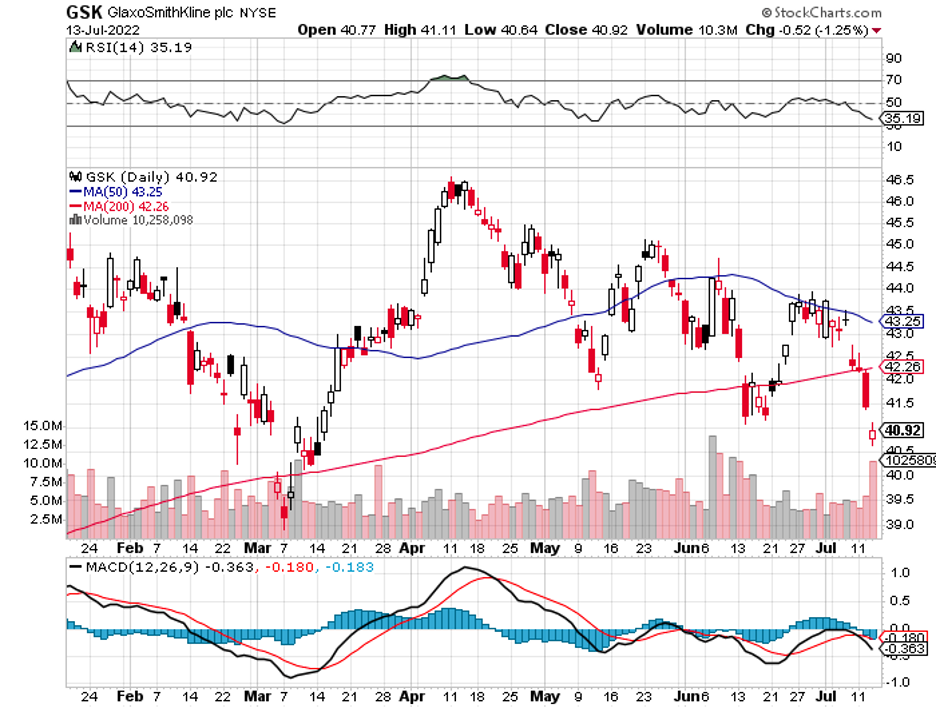
The moment GlaxoSmithKline (GSK) completes the spinoff of its massive segments marketing drugstore staples, such as Tums and Advil, it will become the latest name to join the list of Big Pharmas shuffling their assets and rebranding itself into a pure-play biopharma stock.

The reorganization of this UK-based company is the culmination of years-long process that has transformed practically all the biggest pharmaceutical companies globally into biotechnology companies on steroids.

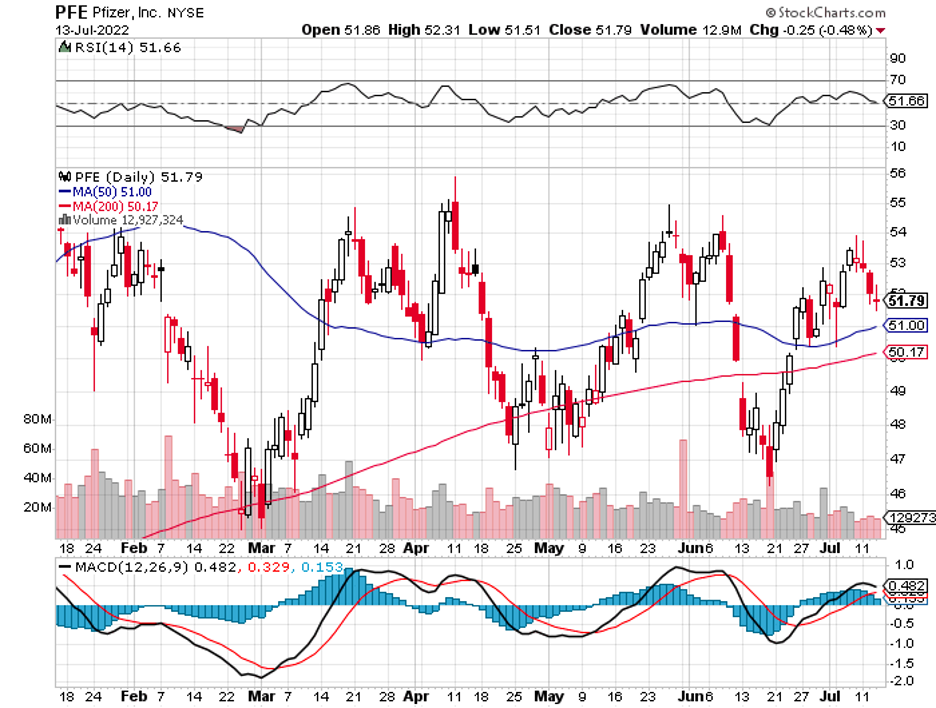
This type of transformation, which gets rid of sideline businesses, has been going on for years. Pfizer (PFE) dumped its chewing-gum segment back in 2002 and established another spinoff unit, Viatris (VTRS), with Mylan in 2020.

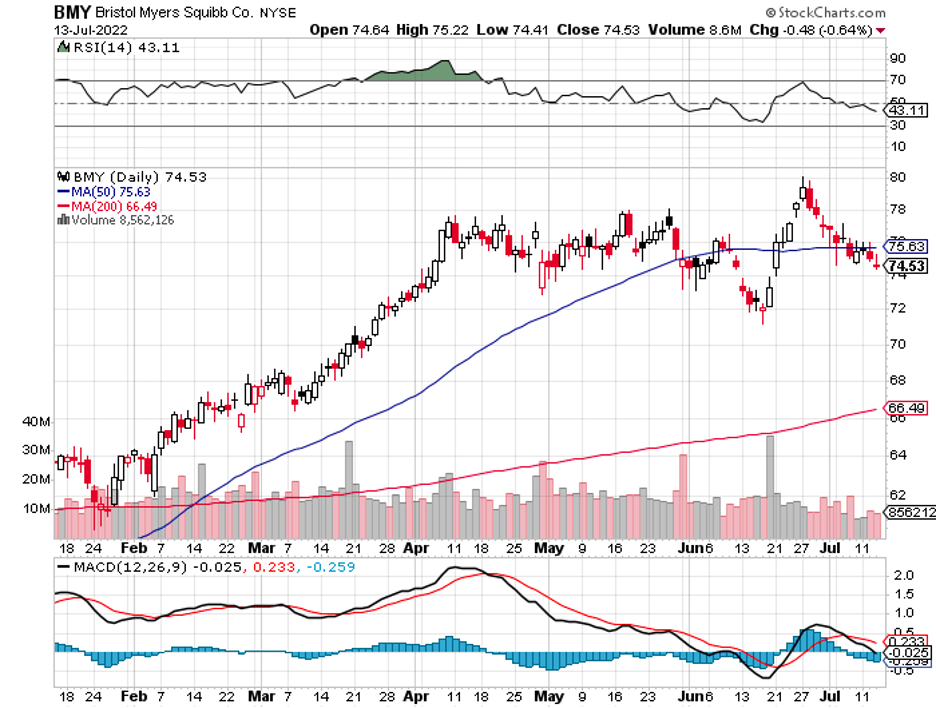
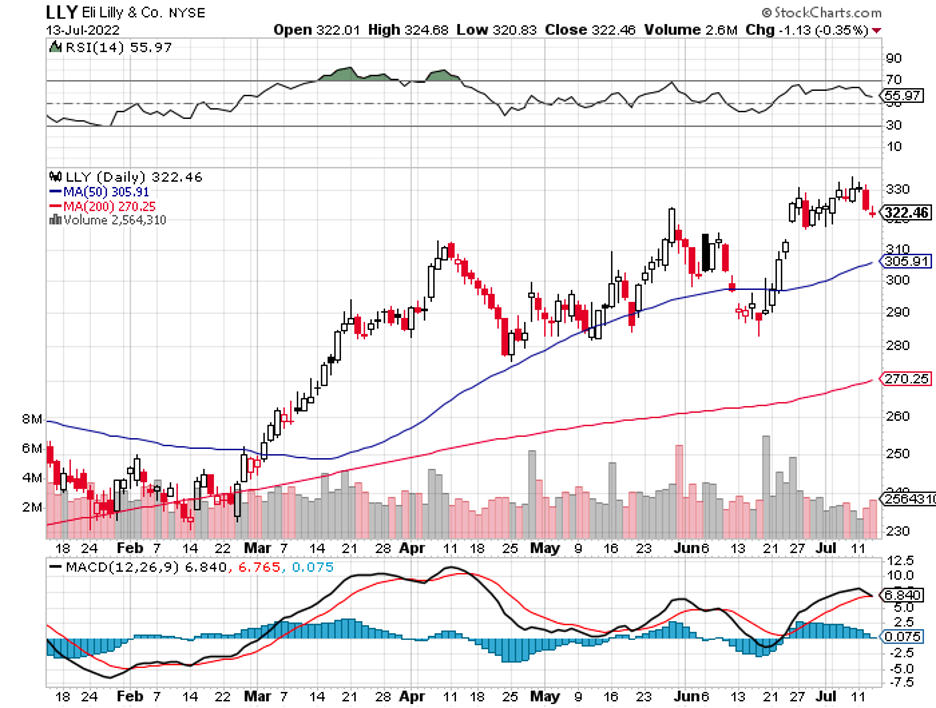
Bristol Myers Squibb (BMY) decided to spinoff its infant-formula division in 2009. In 2018, a new animal health company came to be from Eli Lilly (LLY).

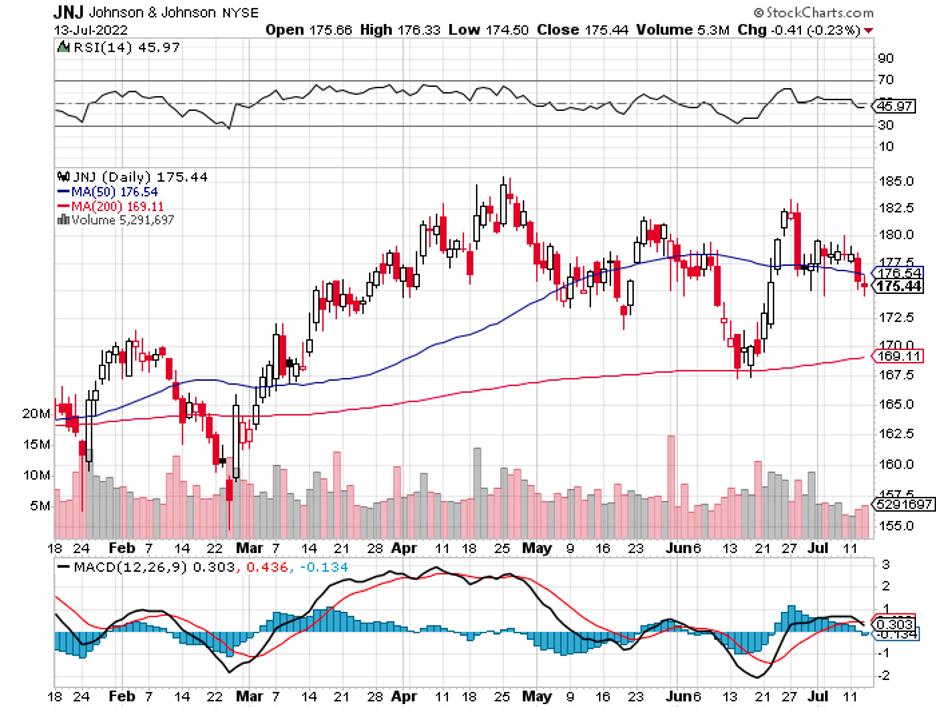
By 2023, Johnson & Johnson (JNJ) expects to complete the creation of a spinoff company and unload its consumer health segment, which offers Tylenol and Band-Aids.

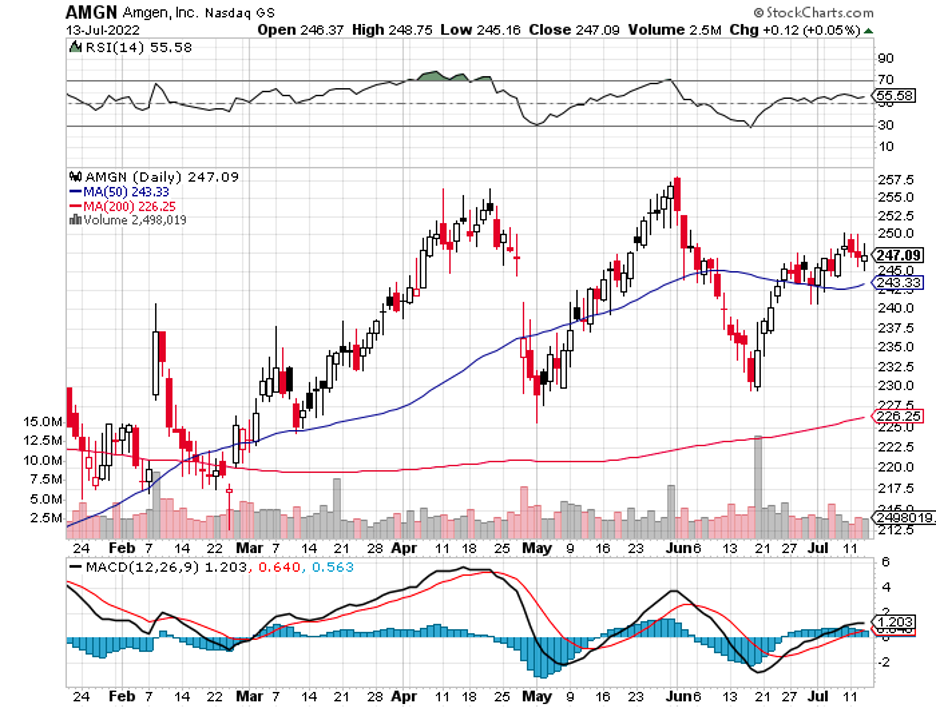
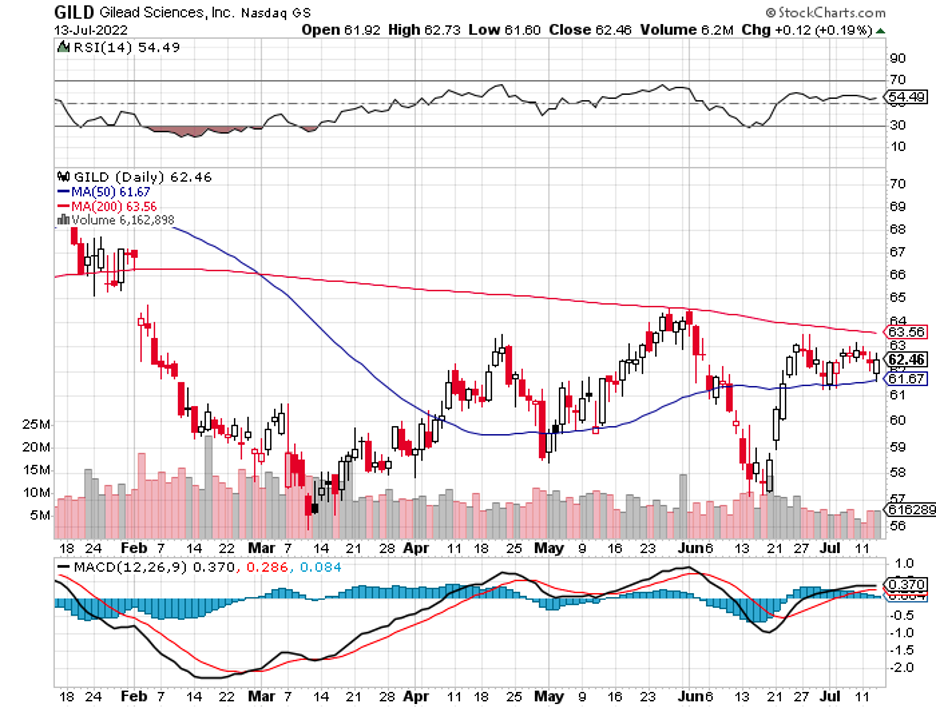
Essentially, they’re turning into Amgen (AMGN) and Gilead Sciences (GILD) but with more money and resources to churn out high-priced, complex treatments for rare diseases.

However, not all Big Pharma names plan to become pure-plays. For example, Merck (MRK) still intends to retain its animal health sector while Roche (RHHBY) wants to keep its diagnostics segment.

As for the rest, including AstraZeneca (AZN), Novo Nordisk (NVO), and AbbVie (ABBV), their plan is to focus on creating new drugs and marketing these treatments—nothing more, nothing less.

The idea of Big Pharma transforming into “Big Biotech” dates back to 1992, when Henri Termeer, the CEO of Genzyme—now owned by Sanofi (SNY)—was summoned to a Senate hearing in Washington to argue and justify one of the most expensive medicines ever put to market.

The medication in question was for a rare genetic condition called Gaucher disease. A year-long treatment for one person needed tens of thousands of human placentas, and the price tag? A jaw-dropping $380,000 annually.

Amid the demand to make the treatment cheaper, Genzyme stood by its decision and the price barely budged after two years.

The company’s tenacity and insistence on standing by its pricing altered the biopharma landscape. That is, drug developers realized that rather than marketing cheaper drugs to combat common diseases, they can focus on biotech-style treatments to target rare conditions.

At that time, Big Pharma companies were battling over pieces of massive markets. They allocated considerable funds to their commercial teams, hoping to outrank one another in crowded spaces.

Meanwhile, biotechs like Genzyme decided on a different strategy.

They concentrated on more innovative approaches. Actually, the biotech focused on biologics at that point. Then, the company simply ignored the pricing rules and set its own prices, which were considerably higher.

A more recent go-to proof of concept for this strategy is Abbott Laboratories (ABT), which was initially a diversified company that offered an extensive range of products like medical devices and even infant formula.

In 2013, the company spun off its branded pharmaceutical sector into AbbVie, which became a pure-play biopharma that focused on developing and marketing the arthritis drug Humira. Since then, Humira has transformed into one of the top-selling drugs in history.

More than that, AbbVie pays substantial dividends while its shares have delivered 500% returns since the spinoff. In comparison, the S&P 500 has returned roughly 220% within the same timeframe.

While this is a shift that investors have clamored to see in the healthcare sector, it also means that the transformations could turn companies with solid revenue streams that have become reliable despite the ups and downs of the drug discovery process into riskier bets.

Although treatments for rare diseases admittedly come with very high price tags, focusing on smaller markets brings with it the inherent risk that these buy-and-stuff-under-the-mattress blue chips could no longer deliver returns as consistently.

These days, though, the advancements have made faster and safer scientific breakthroughs much more plausible.

Companies have gained a better understanding of the human genome, oncology treatments, genetic diseases, and groundbreaking modalities like gene therapies.

The science has now caught up with the demand. More importantly, Big Pharma has finally woken up and started to leverage its resources to take advantage of the opportunities.

This gradual change can be seen in the surge of new treatments in the past years. From 2016 to 2020, the FDA approved an average of 46 new therapies annually.

This is more than half the number between 2006 and 2010 when the organization only approved an average of 22 new treatments every year.

Needless to say, these changes are also partly in response to the overall dissatisfaction of investors with the diversification strategies of Big Pharma.

Basically, the general message here is that Big Pharma should let the investors worry about diversifying their own portfolios and focus on developing safe and effective drugs.
 

pharma


pharma


pharma


https://madhedgefundtrader.com/wp-content/uploads/2019/05/cropped-mad-hedge-logo-transparent-192x192_f9578834168ba24df3eb53916a12c882.png 0 0 Mad Hedge Fund Trader https://madhedgefundtrader.com/wp-content/uploads/2019/05/cropped-mad-hedge-logo-transparent-192x192_f9578834168ba24df3eb53916a12c882.png Mad Hedge Fund Trader2022-07-14 19:00:242022-08-02 16:27:49Goodbye Big Pharma, Hello Big Biotech
Mad Hedge Fund Trader

June 16, 2022

Biotech Letter

Mad Hedge Biotech and Healthcare Letter
 June 16, 2022
Fiat Lux

Featured Trade:

(AN UNDERRATED LONG-TERM BIOPHARMA STOCK)
(OGN), (MRK), (PFE), (VTRS), (ABBV), (JNJ), (AMGN), (RHHBY), (BMY)

https://madhedgefundtrader.com/wp-content/uploads/2019/05/cropped-mad-hedge-logo-transparent-192x192_f9578834168ba24df3eb53916a12c882.png 0 0 Mad Hedge Fund Trader https://madhedgefundtrader.com/wp-content/uploads/2019/05/cropped-mad-hedge-logo-transparent-192x192_f9578834168ba24df3eb53916a12c882.png Mad Hedge Fund Trader2022-06-16 17:02:492022-06-16 18:26:53June 16, 2022
Mad Hedge Fund Trader

An Underrated Long-Term Biopharma Stock

Biotech Letter

Six months into 2022, the markets are still in turmoil while highly valued stocks rapidly fall.

A way to cope with these is to search for safety and security among value-focused investments that are less at risk of sudden declines.

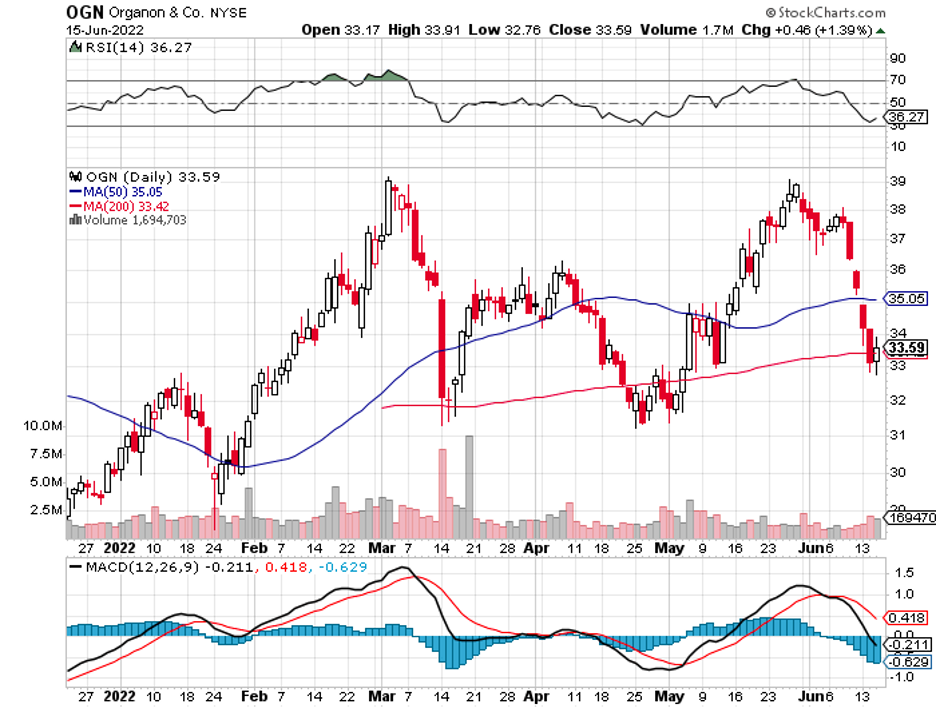
One business that remains profitable and is trading at a relatively affordable price, especially considering its future earnings multiples, is Organon (OGN).

Organon is a spinoff from Merck (MRK). It focuses on women’s health products, existing treatments, and biosimilars. It was launched roughly the same time Pfizer (PFE) launched its spinoff, Viatris (VTRS), in 2021.

While Organon has yet to become a superstar growth stock at the moment, it’s an excellent business to consider for a stable long-term investment.

So far, the company has managed to generate promising gross margins north of 60% and consistently proved to be profitable.

To date, Organon has over 60 treatments in its pipeline.

Thanks to strategic partnerships, Organon has become the biggest pharmaceutical company centered on women’s health.

Not only that, it has an extensive portfolio of biosimilars or biosimulators focusing on cardiovascular, dermatological, and respiratory conditions.

Meanwhile, Organon has one of the highest dividend yields among biopharma companies at 3.47%, with consistent dividend payments of $0.28 per share every quarter.

Organon’s biosimilar growth received a jumpstart from its agreement with Samsung Boepsis in 2013. The deal enables both companies to develop and market a number of biosimilar treatments focused on cancer and immunology.

Under this partnership, Organon has been granted exclusive license to manufacture, test clinically, and market inflammatory treatments like AbbVie’s (ABBV) top-selling Humira, Johnson & Johnson’s (JNJ) blockbuster Remicade, and Amgen’s (AMGN) moneymaking treatment Enbrel, as well as oncology therapies such as Roche’s (RHHBY) promising growth drivers Avastin and Herceptin.

These catapulted Organon as the leader in the fast-expanding healthcare field, where several lucrative drugs will lose their patent exclusivity before 2030.

Riding this momentum, Organon plans to expand its portfolio of biosimilars to cover more therapeutic fields like neuroscience, diabetes, and even ophthalmology.

To boost its portfolio, Organon has been collaborating with Shanghai’s Henlius Biotech to work on more biosimilars.

The Merck spinoff has agreed to pay $73 million upfront in addition to $30 million in milestone payments for the development of Pertuzumab, a biosimilar for Roche’s breast cancer treatment Perjeta, and Denosumab, a biosimilar of Amgen’s osteoporosis drug Prolia. Another Amgen drug, bone cancer treatment Xgeva, is included in the collaboration agreement.

For context, Amgen reported $873 million in sales for Prolia and $545 million for Xgeva in 2021, while Roche raked in $4 billion from Perjeta.

If this partnership works out, Organon and Henlius plan to move forward with a biosimilar to Bristol Myers Squibb’s (BMY) cancer drug Yervoy and its best-selling Opdivo. 

While these are all exciting, it may still take some time for the biosimilars to be released to the market. Among them, the Prolia biosimilar has the most apparent timeline, potentially launching the product by 2024.

Although Organon has yet to make a splash in the biopharmaceutical market, the company holds impressive potential. So far this year, the stock has been up 15%—a performance that’s better than the S&P 500 that recorded 4% in losses over the same period.

More than that, its price is heavily discounted these days, offering investors an extra incentive to seize the opportunity to buy shares of this relatively new company in the healthcare sector. 

It also has consistent revenue growth and a promising pipeline of diverse candidates with the potential to expand the company’s portfolio.

Taking all these into consideration makes Organon an underrated buy at the moment and a great candidate for long-term investors.


organon

https://madhedgefundtrader.com/wp-content/uploads/2019/05/cropped-mad-hedge-logo-transparent-192x192_f9578834168ba24df3eb53916a12c882.png 0 0 Mad Hedge Fund Trader https://madhedgefundtrader.com/wp-content/uploads/2019/05/cropped-mad-hedge-logo-transparent-192x192_f9578834168ba24df3eb53916a12c882.png Mad Hedge Fund Trader2022-06-16 17:00:462022-06-27 15:21:23An Underrated Long-Term Biopharma Stock
Mad Hedge Fund Trader

May 19, 2022

Biotech Letter

Mad Hedge Biotech and Healthcare Letter
May 19, 2022
Fiat Lux

Featured Trade:

(A PASSIVE INCOME STOCK THAT STEADILY DELIVERS)
(ABBV), (ABT), (AMGN), (BIIB)

https://madhedgefundtrader.com/wp-content/uploads/2019/05/cropped-mad-hedge-logo-transparent-192x192_f9578834168ba24df3eb53916a12c882.png 0 0 Mad Hedge Fund Trader https://madhedgefundtrader.com/wp-content/uploads/2019/05/cropped-mad-hedge-logo-transparent-192x192_f9578834168ba24df3eb53916a12c882.png Mad Hedge Fund Trader2022-05-19 19:02:282022-05-19 19:56:42May 19, 2022
Mad Hedge Fund Trader

May 17, 2022

Biotech Letter

Mad Hedge Biotech and Healthcare Letter
May 17, 2022
Fiat Lux

Featured Trade:

(A BIOTECH PIONEER WITH AN ENDURING LEGACY)
(AMGN), (AZN), (ABBV)

https://madhedgefundtrader.com/wp-content/uploads/2019/05/cropped-mad-hedge-logo-transparent-192x192_f9578834168ba24df3eb53916a12c882.png 0 0 Mad Hedge Fund Trader https://madhedgefundtrader.com/wp-content/uploads/2019/05/cropped-mad-hedge-logo-transparent-192x192_f9578834168ba24df3eb53916a12c882.png Mad Hedge Fund Trader2022-05-17 16:02:582022-05-17 19:09:34May 17, 2022
Mad Hedge Fund Trader

May 6, 2022

Biotech Letter

Mad Hedge Biotech and Healthcare Letter
May 6, 2022
Fiat Lux

Featured Trade:

(A PANDEMIC CONQUEROR READY FOR MORE)
(PFE), (BNTX), (AMGN), (JNJ), (BIIB), (RHHBY), (SGMO), (BMRN)

https://madhedgefundtrader.com/wp-content/uploads/2019/05/cropped-mad-hedge-logo-transparent-192x192_f9578834168ba24df3eb53916a12c882.png 0 0 Mad Hedge Fund Trader https://madhedgefundtrader.com/wp-content/uploads/2019/05/cropped-mad-hedge-logo-transparent-192x192_f9578834168ba24df3eb53916a12c882.png Mad Hedge Fund Trader2022-05-06 15:02:342022-05-06 20:06:36May 6, 2022
Mad Hedge Fund Trader

A Pandemic Conqueror Ready for More

Biotech Letter

The past 50 years have been excellent for investors as stocks have climbed by over 100% within a five-year span ending last December 2021.

Sadly, this story has taken a different course in 2022 as investors became more cautious primarily due to inflationary fears.

However, a handful of businesses are strong and promising enough to survive and even thrive in a high inflation environment.

One company that met this challenge head-on in the healthcare and biotechnology sector is Pfizer (PFE).

In fact, Pfizer didn’t simply meet the estimates of Wall Street in its 2022 first-quarter earnings report. It blew past their expectations.

Pfizer recorded $25.7 billion in revenue for the first quarter, well above the consensus estimate of $23.9 billion. This represented a 77% surge year-over-year.

Meanwhile, its earnings per share of $1.62 was notably higher than the average $1.47.

As anticipated, these gains were mainly driven by the staggering revenues from its COVID-19 vaccine and antiviral medication.

Comirnaty continued its winning ways, with Pfizer generating a jaw-dropping $13.2 billion in sales from the vaccine it co-created with BioNTech (BNTX).

The company's market share in the developed world currently stands at 67%, while it holds 62% of the global market.

As for its Paxlovid antiviral treatment, this drug raked in $1.5 billion in the first quarter and claimed approximately 90% of the US market.

Evidently, Pfizer continues to receive massive boosts from its COVID-19 treatments.

Now, the real question moving forward hinges on whether these financial results can be normalized as part of Pfizer’s future regardless of the pandemic’s effects.

After all, the vaccine sales comprised almost 60% of the company’s total revenue. With this in mind, Pfizer remains firm in its projections that it could rake in $98 billion to $102 billion in annual revenue for 2022.

While this still indicates a strong belief in the pandemic-related treatments, it’s also indicative of a deeper and more diverse pipeline.

Although not as high-flying as the COVID-19 vaccines, a number of other categories notched notable gains year-over-year, like its rare disease segment, which saw a 23% increase.

The growth of its oncology sector, which recorded a 6% climb, was mainly attributed to the 35% rise and expansion of Pfizer’s biosimilar arm.

So far, the top-selling treatments in this segment are Retactrit, a biosimilar of Amgen’s (AMGN) Epogen and Johnson & Johnson’s (JNJ) Procrit, Zirabev, a biosimilar of Roche’s (RHHBY) Avastin, and Rixience, a biosimilar of Biogen’s (BIIB) Rituxan.

Even Pfizer’s pneumonia vaccines showed off a 22% growth this quarter with $1.57 billion in sales.

Apart from these, the FDA has recently lifted the hold on the Hemophilia A gene therapy clinical trials of Pfizer and Sangamo (SGMO).

Without this limitation, the two companies may already have the opportunity to catch up to the leading biotech in this sector, BioMarin (BMRN). If everything works out, Pfizer and Sangamo are slated to release a readout from this program by the second half of 2023.

Another venture that’s expected to pay off soon is Pfizer’s $6.7 billion acquisition of Arena Pharmaceuticals, which was seen as a decisive move to bolster its inflammation and immunology segment.

The company is expected to file for a regulatory for Etrasimod, Arena’s lead program on ulcerative colitis and Crohn’s disease, by the second half of 2022.

This means that the recent acquisition is already expected to add to the near-term growth of Pfizer, which could be as early as 2023.

Moreover, Etrasimod represents an incredible market opportunity, with the treatment projected to reach $28 billion in annual sales by 2025.

Aside from the promising potential of Arena’s pipeline, Pfizer’s move also shows how the company is leveraging the capital influx from its COVID sales and its strategy on a more aggressive growth investment cycle.

On top of that, Pfizer’s partnership with BioNTech highlighted the benefits and competitive advantage in terms of how the biopharmaceutical titan works and collaborates with smaller biotechnology firms.

Hence, Pfizer has made itself the first and obvious choice among budding companies with groundbreaking innovations.

Overall, Pfizer has proven itself more than capable of handling any economic and health crisis. Not only has it come up with a solution that ultimately saved humanity from a deadly virus, but it also emerged victorious and stronger amid a global meltdown.

Given its history and trajectory, it looks like it has nowhere else to go but up. Hence, it would be best if you bought the dip.

https://madhedgefundtrader.com/wp-content/uploads/2019/05/cropped-mad-hedge-logo-transparent-192x192_f9578834168ba24df3eb53916a12c882.png 0 0 Mad Hedge Fund Trader https://madhedgefundtrader.com/wp-content/uploads/2019/05/cropped-mad-hedge-logo-transparent-192x192_f9578834168ba24df3eb53916a12c882.png Mad Hedge Fund Trader2022-05-06 15:00:432022-05-05 20:48:40A Pandemic Conqueror Ready for More
Mad Hedge Fund Trader

April 19, 2022

Biotech Letter

Mad Hedge Biotech and Healthcare Letter
April 19, 2022
Fiat Lux

Featured Trade:

(A BUDDING UNDERDOG TO DOMINATE THE ALZHEIMER’S BATTLE)
(SAVA), (BIIB), (LLY), (RHHBY), (ABBV), (AMGN)

https://madhedgefundtrader.com/wp-content/uploads/2019/05/cropped-mad-hedge-logo-transparent-192x192_f9578834168ba24df3eb53916a12c882.png 0 0 Mad Hedge Fund Trader https://madhedgefundtrader.com/wp-content/uploads/2019/05/cropped-mad-hedge-logo-transparent-192x192_f9578834168ba24df3eb53916a12c882.png Mad Hedge Fund Trader2022-04-19 16:02:232022-04-19 22:21:22April 19, 2022
Mad Hedge Fund Trader

A Budding Underdog to Dominate the Alzheimer's Battle

Biotech Letter

One of the most significant unmet medical needs worldwide is the treatment of Alzheimer’s Disease (AD).

With over 6 million people affected in the US alone and roughly 40 million globally, this number is projected to double by 2050 as the population ages and more individuals live longer lives.

That’s why it comes as no surprise that even though the Centers for Medicare & Medicaid Services decided to limit the coverage of Biogen’s (BIIB) AD drug, Aduhelm, more and more drugmakers continue to move forward with their own candidates.

Eli Lilly (LLY) continues to work on Donanemab, which could be available for review by mid-2023. Meanwhile, Roche (RHHBY) is anticipated to release data on Gantenerumab by the end of 2022.

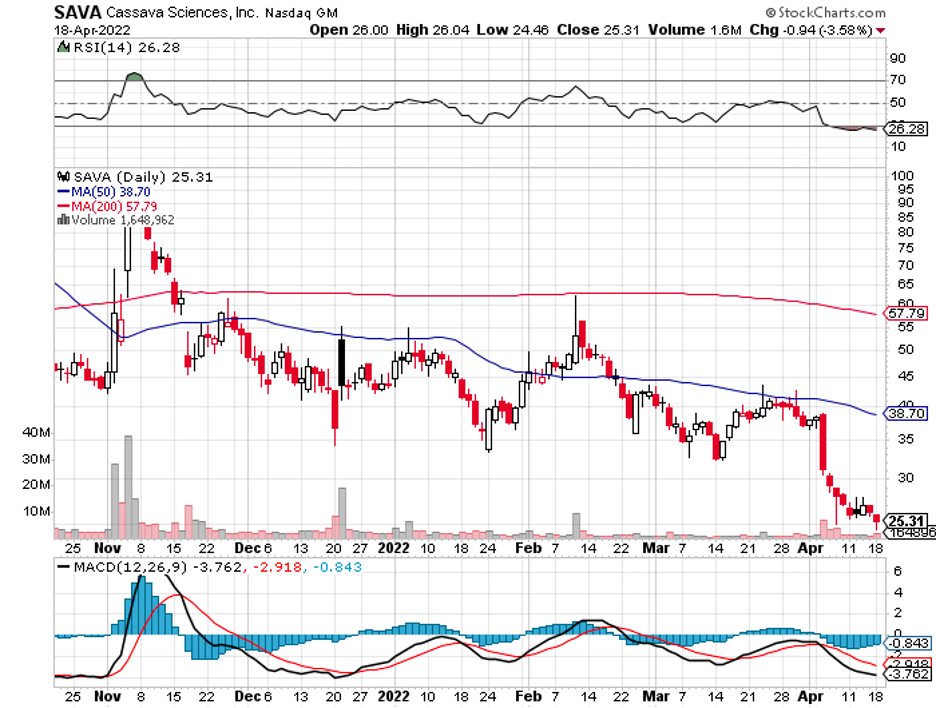
Among the drugmakers pursuing this field, one name continues to rake in positive reports: Cassava Sciences (SAVA).

Cassava’s lead AD drug candidate is Simufilam, a small oral pill. Thus far, this has shown no safety issues and even released the best clinical AD data.

Notably, this is the only treatment that demonstrated tangible cognitive improvement for longer than 6 months in the clinical studies for AD.

The fact that Cassava’s candidate bested Donanemab and Gantenerumab, which both received breakthrough designations, and Aduhelm, which got an accelerated approval, indicates its candidate’s strong potential.

Between their promising results, convenient storage of the pill, easy dosing method, impressive safety data, and the vast unmet medical market, Simufilam could very well be hailed as the best-selling AD treatment the moment it gains approval.

Another indicator of Simufilam’s promise is the lack—or even absence—of insider trading within Cassava in the past years.

Typically, company insiders know more about the projects than anyone else. Strong insider selling is generally followed by a fall in a company’s stock price.

This has not been spotted anywhere in Cassava, with multiple insiders taking on very big stakes in the company.

However, the strongest indicator for Cassava’s impending win is Simufilam being in clinical progression. In fact, it’s already dosing in Phase 3 trials.

While other drugmakers working on an AD treatment may have promising options, the earlier a candidate is in the clinical trials, the higher the risk of failure and the longer it’ll take to be commercialized.

Each step forward in clinical trials is basically a way to “de-risk” the candidates, which leads to an increased value of the company.

Naturally, one of the questions raised when dealing with a biotech not as large as AbbVie (ABBV) or even Amgen (AMGN) concerns financial health.

Cassava’s recent financial filings showed that the company has roughly $240 million in cash and $0 debt.

Looking at their workflow, Cassava typically burns about $9 million every quarter.

As they ramp up their Simufilam trials, this is obviously expected to change.

After all, Phase 3 trials tend to cost more. So, the company anticipates a bump in spending to reach $12.5 million to $15 million per quarter this 2022.

While this is a substantial increase in capital expenditure, the jump remains within reasonable projections of the price of Phase 3 trials.

Taking into consideration the higher burn rate of roughly $15 million every quarter, Cassava would still have sufficient cash to operate for 16 quarters or 4 years without the need to resort to any additional financing rounds—at least for Simufilam.

If it fails, investors would already know whether Simufilam was a success.

That means if Cassava does pursue financing efforts, it would be for new projects and not for this particular AD treatment.

The market has not been kind to the biotechnology sector lately. It’s because the market tends to overreact to negative news.

Farsighted investors who recognize the enduring potential of a company—even at its vulnerable periods—can sometimes reap outsized returns if they turn out correct.

However, a successful strategy for some investors is to bet on companies that other investors are afraid to touch.

Nevertheless, it’s still prudent to keep in mind that investing in a roller coaster like Cassava means preparing yourself for an unexpected and possibly wild ride.


https://madhedgefundtrader.com/wp-content/uploads/2019/05/cropped-mad-hedge-logo-transparent-192x192_f9578834168ba24df3eb53916a12c882.png 0 0 Mad Hedge Fund Trader https://madhedgefundtrader.com/wp-content/uploads/2019/05/cropped-mad-hedge-logo-transparent-192x192_f9578834168ba24df3eb53916a12c882.png Mad Hedge Fund Trader2022-04-19 16:00:522022-04-19 22:22:03A Budding Underdog to Dominate the Alzheimer's Battle
Mad Hedge Fund Trader

March 29, 2022

Biotech Letter

Mad Hedge Biotech and Healthcare Letter
March 29, 2022
Fiat Lux

Featured Trade:

(A DURABLE AND ENDURING STOCK IN THESE TROUBLING TIMES)
(AMGN), (JNJ), (AZN), (ABBV)

https://madhedgefundtrader.com/wp-content/uploads/2019/05/cropped-mad-hedge-logo-transparent-192x192_f9578834168ba24df3eb53916a12c882.png 0 0 Mad Hedge Fund Trader https://madhedgefundtrader.com/wp-content/uploads/2019/05/cropped-mad-hedge-logo-transparent-192x192_f9578834168ba24df3eb53916a12c882.png Mad Hedge Fund Trader2022-03-29 17:02:262022-03-29 17:37:30March 29, 2022
Page 13 of 21«‹1112131415›»

tastytrade, Inc. (“tastytrade”) has entered into a Marketing Agreement with Mad Hedge Fund Trader (“Marketing Agent”) whereby tastytrade pays compensation to Marketing Agent to recommend tastytrade’s brokerage services. The existence of this Marketing Agreement should not be deemed as an endorsement or recommendation of Marketing Agent by tastytrade and/or any of its affiliated companies. Neither tastytrade nor any of its affiliated companies is responsible for the privacy practices of Marketing Agent or this website. tastytrade does not warrant the accuracy or content of the products or services offered by Marketing Agent or this website. Marketing Agent is independent and is not an affiliate of tastytrade. 

Legal Disclaimer

There is a very high degree of risk involved in trading. Past results are not indicative of future returns. MadHedgeFundTrader.com and all individuals affiliated with this site assume no responsibilities for your trading and investment results. The indicators, strategies, columns, articles and all other features are for educational purposes only and should not be construed as investment advice. Information for futures trading observations are obtained from sources believed to be reliable, but we do not warrant its completeness or accuracy, or warrant any results from the use of the information. Your use of the trading observations is entirely at your own risk and it is your sole responsibility to evaluate the accuracy, completeness and usefulness of the information. You must assess the risk of any trade with your broker and make your own independent decisions regarding any securities mentioned herein. Affiliates of MadHedgeFundTrader.com may have a position or effect transactions in the securities described herein (or options thereon) and/or otherwise employ trading strategies that may be consistent or inconsistent with the provided strategies.

Copyright © 2026. Mad Hedge Fund Trader. All Rights Reserved. support@madhedgefundtrader.com
Scroll to top