• support@madhedgefundtrader.com
  • Member Login
Mad Hedge Fund Trader
  • Home
  • About
  • Store
  • Luncheons
  • Testimonials
  • Contact Us
  • Click to open the search input field Click to open the search input field Search
  • Menu Menu

Tag Archive for: (BIIB)

Mad Hedge Fund Trader

Biotechs are Out for Blood

Biotech Letter

Tracing its origins in Greek mythology to the infamous Dracula tales, stories centered on the restorative powers of blood have captivated our imagination for millennia.

In the past two decades, however, the concept of hailing blood as the elixir of youth has come a long way from ancient folklore.

These days, this idea has reached the medical world with highly renowned researchers throwing their names behind the study of the regenerative ability of young blood.

From mere storybook fantasies, this concept has become one of the serious contenders alongside the likes of Biogen (BIIB), Eli Lilly (LLY), and Bayer (BAYRY) in the fight against Alzheimer’s, Parkinson’s, and even stroke.

Here’s a quick explanation for this change.

At its core, one of the major causes of aging is when our systems go on overdrive in the performance of usual bodily functions.

That is, the body shifts away from the “regular” state or homeostasis and instead is forced to constantly be in alert mode.

This causes us to end up with a hyper pro-inflammatory immune system, which then malfunctions and results in damaged tissues and organs over time, exposing the body to diseases and conditions like neurodegeneration and heart attacks.

The solution is quite simple. Let’s just flush out those pro-inflammatory aging compounds—aka the overworked system. That way, we can delay (or probably even prevent) the aging process.

This can be done through a process called “parabiosis,” which has only been experimented on mice.

Basically, this works by connecting the circulatory system of an older mouse to a younger one. Then, the older mouse starts to get younger as well.

In 2005, researchers published a paper that studied two identical mice (one old and one young) to demonstrate the veracity of the concept.

To test the idea, they connected the circulatory systems of both mice. This means that the two lived off the same general blood pool, which comprises young and old blood.

In just 5 weeks, the older mouse’s stem cells started to divide again. Its muscles and liver cells also began to repair themselves.

Essentially, from a cellular viewpoint, the older mouse transformed into a younger version of itself.

Given the medical, moral, and ethical issues that come with the traditional “parabiosis,” biotechnology companies have searched for more efficient and effective ways to achieve these age-defying results other than the vampiric blood swap.

But, how can these results be replicated?

This is where “Total Plasma Exchange” (TPE) comes in.

TPE is done using an apheresis machine. The patient’s blood runs through this device, which then removes and discards filtered plasma via the reinfusion of red blood cells as well as other replacement fluids, including plasma or albumin.

Without going through the technical nitty-gritty, TPE involves the extraction of a large volume of blood from a patient, taking it apart into its individual components, then returning it to the same patient’s body sans the filtered-out components courtesy of the machine.

Recently, clinical trials on humans showed that TPE managed to slow disease progression among patients suffering from age-related disorders, like Alzheimer’s, by more than 66%.

While there’s no uniform cost for this treatment, the average estimate for every TPE session is roughly $101,140. Just how much this would cost in the long run heavily depends on the person’s condition and desired outcome.

At this point, the research is still in its early stages.

However, this hasn’t prevented rogue biohackers from testing out their own theories—and come up with surprisingly workable results.

In 2020, two 50-year-old self-confessed “biohackers” based in Russia hooked themselves up to blood collection machines. They then proceeded to replace practically half of the plasma coursing through their own veins with salty water.

After 3 days, their blood tests showed an improvement in their general well-being, as seen in their hormones, fats, and other indicators.

In particular, their immunity, cholesterol metabolism, and even liver function showed better performance.

So far, this concept has been explored by other researchers who are now replacing plasma with saline and adding other components like albumin.

These experiments are still being conducted on animals, but they have to date proven to be promising in terms of reducing inflammation in the brain and improving cognitive functions.

Primarily, the Russian biohackers and these experts are diluting the anti-aging factors to slow down or even eventually prevent aging.

Among the probable applications of plasma in the anti-aging movement, the dilution process seems to be the easiest and most convenient track to pursue—so much so that a company, called IMYu, was founded by top UC Berkley researchers to develop this strategy further.

Thus far, only a handful of biotechs have focused on this concept.

Some of the frontrunners are Massachusetts-based Elevian, which was founded in 2017, and Alkahest, which was acquired by Spanish pharmaceutical giant Grifols (GRF) for $146 million.

Meanwhile, a company called Nugenics Research has actually patented the name “Elixir” for its plasma-derived product under development.

There are also clinics like the Atlantis Anti-Aging Institute based in Florida and companies such as Ambrosia, which market plasma gathered from donors ages 16 to 25 and sell them for several thousand dollars for every transfusion.

Thus far, big pharma has yet to get its hands on this technology.

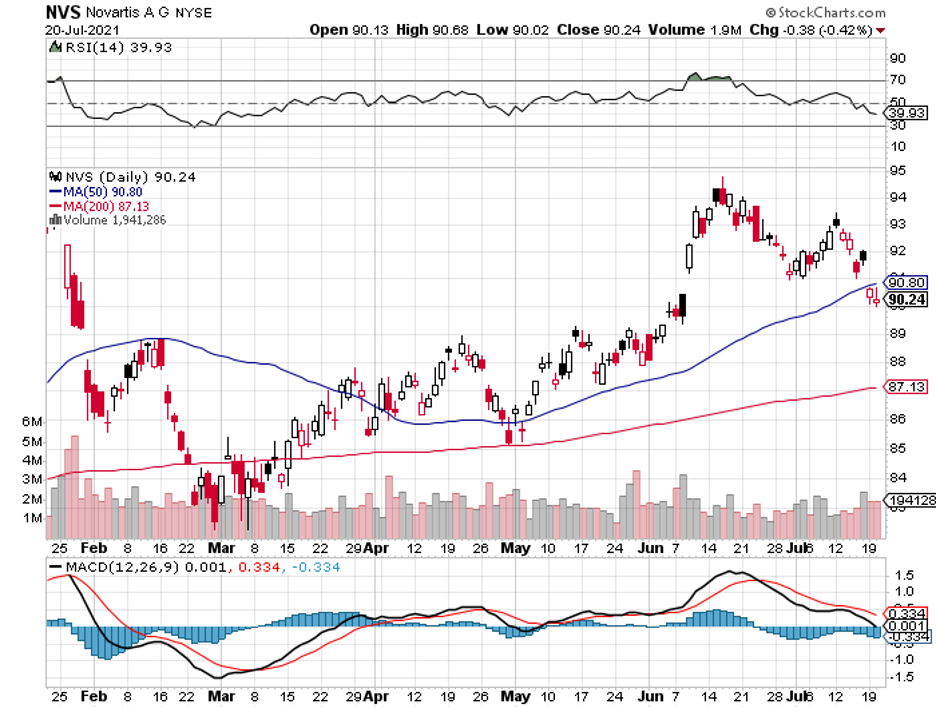
Only a handful of major companies, including Novartis (NVS) and Sanofi (SNY), have expressed interest in exploring these possibilities.

However, these innovations are only a glimpse of the incredible momentum driving the anti-aging industry these days.

It’s only a matter of time until we achieve a spectacularly extended lifespan with an impressively high quality of health and wellbeing.
blood


blood


https://madhedgefundtrader.com/wp-content/uploads/2019/05/cropped-mad-hedge-logo-transparent-192x192_f9578834168ba24df3eb53916a12c882.png 0 0 Mad Hedge Fund Trader https://madhedgefundtrader.com/wp-content/uploads/2019/05/cropped-mad-hedge-logo-transparent-192x192_f9578834168ba24df3eb53916a12c882.png Mad Hedge Fund Trader2021-09-02 13:00:112021-09-10 17:18:40Biotechs are Out for Blood
Mad Hedge Fund Trader

July 22, 2021

Biotech Letter


Mad Hedge Biotech & Healthcare Letter
July 22, 2021
Fiat Lux

FEATURED TRADE:

(ANOTHER STEP CLOSER TO NEURO-VICTORY)
(BAYRY), (BIIB), (LLY), (SIOX), (RHHBY), (ABBV), (MRK), (PFE), (AZN)

https://madhedgefundtrader.com/wp-content/uploads/2019/05/cropped-mad-hedge-logo-transparent-192x192_f9578834168ba24df3eb53916a12c882.png 0 0 Mad Hedge Fund Trader https://madhedgefundtrader.com/wp-content/uploads/2019/05/cropped-mad-hedge-logo-transparent-192x192_f9578834168ba24df3eb53916a12c882.png Mad Hedge Fund Trader2021-07-22 15:02:422021-07-22 16:52:09July 22, 2021
Mad Hedge Fund Trader

Another Step Closer to Neuro-Victory

Biotech Letter

First, Alzheimer’s. Now, Parkinson’s.

Companies working on neurodegenerative diseases are on a roll.

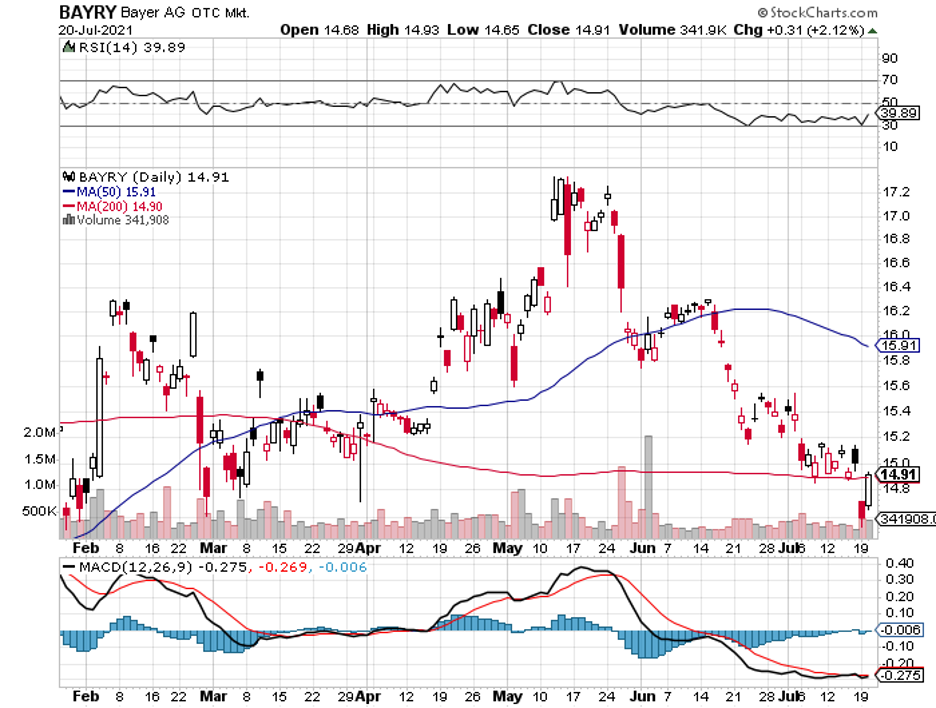
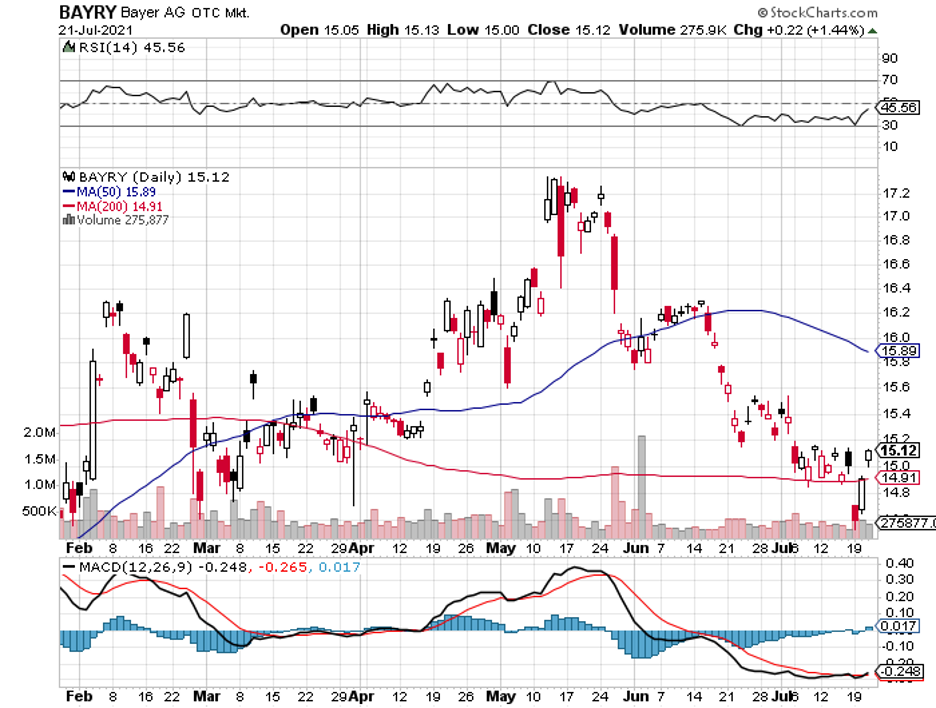
After Biogen’s (BIIB) work with Aduhelm, another biopharmaceutical company has made notable progress: Bayer (BAYRY).

Merely six weeks after DA01 landed in the clinic, Bayer’s Parkinson’s disease drug candidate is getting into the fast lane.

This marks one of the major pipeline candidates that the German company picked up from its $1 billion acquisition of Versant Ventures in 2019.

DA01 is described as a “pluripotent stem cell-derived dopaminergic neuron therapy.”

In layman’s terms, Bayer collects donor cells that have the ability to develop into any other cell type in the body.

It will then engineer these versatile cells to turn into neurons that have the capacity to produce the neurotransmitter dopamine—aka the chemical your nervous system uses to transmit messages to nerve cells.

Those engineered neurons will then be transplanted into a part of the brain, called the putamen, which is in charge of our movements and learning.

What we know so far is that the next phase of the trial will determine the safety and tolerability of the cell transplantation a year following the procedure.

This will also tell us more about the cell survival rate after the transplant and the motor effects a year or two following the procedure.

Like Biogen’s Alzheimer’s candidate, the fast-track designation with the FDA could open doors for a speedy review or even an accelerated approval for Bayer’s DA01.

Aside from transplanting engineered cells into patients’ brains, the company is also looking into other options for Parkinson’s.

In October 2020, it shelled out $2 billion upfront to acquire Asklepios BioPharmaceutical or AskBio for its gene therapy research on Parkinson’s.

Roughly 1 million people in the US are suffering from Parkinson’s disease—a number that’s greater than the combined number of patients diagnosed with Lou Gehrig’s disease, multiple sclerosis, and muscular dystrophy.

What’s worse is that this is expected to climb to 1.2 million by 2030.

In terms of treatment cost, the combined expenses for Parkinson’s, including medical bills and lost income, are estimated to reach about $52 billion annually in the US alone.

The medications alone already amount to an average of $2,500 per year, with therapeutic surgery reaching up to $100,000 per person.

This is why it comes as no surprise that several companies have been working towards figuring out a more potent treatment or even cure for Parkinson’s.

One of the frontrunners is Prevail Therapeutics, a New York-based biotechnology company that’s focused on developing a gene therapy for this disease.

Following a successful Series B financing round in 2019, in which it secured $50 million in investments, the company eventually attracted the attention of big pharma.

By December 2020, it was acquired by Eli Lilly (LLY) for $880 million with the promise to help the smaller biotech company develop three of its most promising Parkinson’s candidates.

Another Parkinson’s-centered biotech company is Axovant Gene Therapies, which has been working on a single-dose treatment for neurodegenerative disease.

Its pipeline proved to be promising, as seen in its $74.7 million public offering just last February 2020, with the company maintaining its solid footing amid the pandemic.

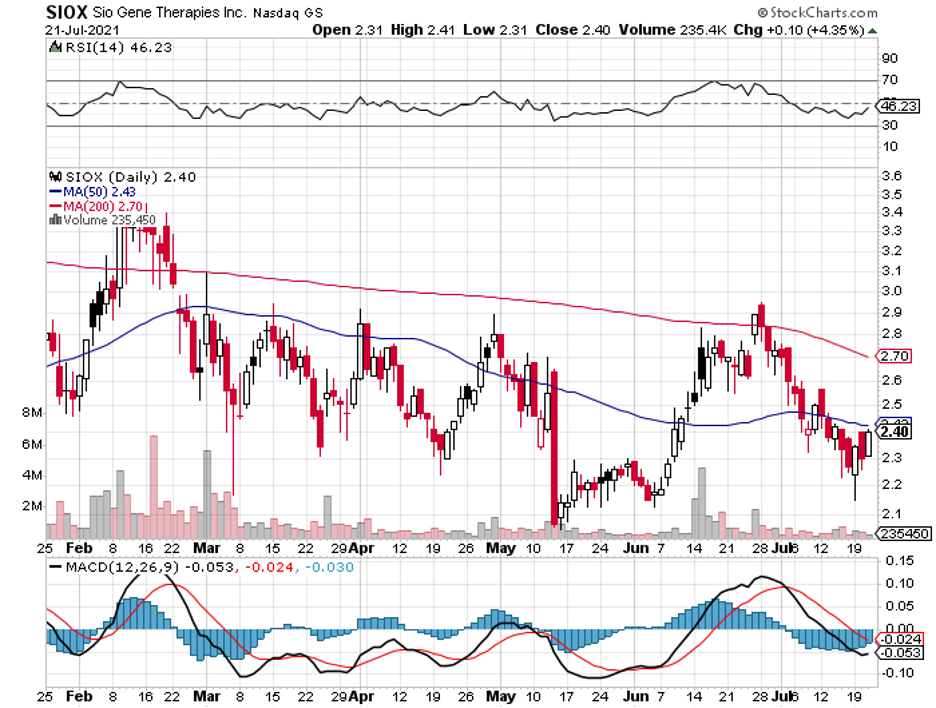
By November, it rebranded itself as Sio Gene Therapies (SIOX).

Outside the US is Irish biotech firm Inflazome, which is working on a unique treatment for Parkinson’s.

Unlike the other candidates, the goal of Inflazome’s drug is to directly deliver the treatment to the affected neurons. That is, it plans to pass through the blood-brain barrier.

Its research attracted the Michael J. Fox Foundation, which granted it $1 million in funding, in March 2019.

Since then, the company’s progress has attracted the attention of other major biopharmaceutical companies with Roche (RHHBY), ultimately landing the acquisition in September 2020.

Of course, talks about neurodegenerative diseases wouldn’t be complete without Biogen.

On top of its Alzheimer’s work, the Massachusetts biotechnology giant has been collaborating with San Francisco-based Parkinson’s company Denali Therapeutics.

The two have been working on the development of three small molecular drugs for $560 million in upfront payments plus $465 million in equity investment into the smaller biotech.

In addition to these, we’re still waiting on what the rest of the major biopharmaceutical companies would come up with in the future.

Given that the likes of AbbVie (ABBV), Merck (MRK), Pfizer (PFE), and AstraZeneca (AZN) have all signed up publicly via the Critical Path for Parkinson's (CPP) consortium to tackle this debilitating disease, it’s safe to say that there’s hope for the future of this sector.

First, Alzheimer’s. Now, Parkinson’s.

Companies working on neurodegenerative diseases are on a roll.

After Biogen’s (BIIB) work with Aduhelm, another biopharmaceutical company has made notable progress: Bayer (BAYRY).

Merely six weeks after DA01 landed in the clinic, Bayer’s Parkinson’s disease drug candidate is getting into the fast lane.

This marks one of the major pipeline candidates that the German company picked up from its $1 billion acquisition of Versant Ventures in 2019.

DA01 is described as a “pluripotent stem cell-derived dopaminergic neuron therapy.”

In layman’s terms, Bayer collects donor cells that have the ability to develop into any other cell type in the body.

It will then engineer these versatile cells to turn into neurons that have the capacity to produce the neurotransmitter dopamine—aka the chemical your nervous system uses to transmit messages to nerve cells.

Those engineered neurons will then be transplanted into a part of the brain, called the putamen, which is in charge of our movements and learning.

What we know so far is that the next phase of the trial will determine the safety and tolerability of the cell transplantation a year following the procedure.

This will also tell us more about the cell survival rate after the transplant and the motor effects a year or two following the procedure.

Like Biogen’s Alzheimer’s candidate, the fast-track designation with the FDA could open doors for a speedy review or even an accelerated approval for Bayer’s DA01.

Aside from transplanting engineered cells into patients’ brains, the company is also looking into other options for Parkinson’s.

In October 2020, it shelled out $2 billion upfront to acquire Asklepios BioPharmaceutical or AskBio for its gene therapy research on Parkinson’s.

Roughly 1 million people in the US are suffering from Parkinson’s disease—a number that’s greater than the combined number of patients diagnosed with Lou Gehrig’s disease, multiple sclerosis, and muscular dystrophy.

What’s worse is that this is expected to climb to 1.2 million by 2030.

In terms of treatment cost, the combined expenses for Parkinson’s, including medical bills and lost income, are estimated to reach about $52 billion annually in the US alone.

The medications alone already amount to an average of $2,500 per year, with therapeutic surgery reaching up to $100,000 per person.

This is why it comes as no surprise that several companies have been working towards figuring out a more potent treatment or even cure for Parkinson’s.

One of the frontrunners is Prevail Therapeutics, a New York-based biotechnology company that’s focused on developing a gene therapy for this disease.

Following a successful Series B financing round in 2019, in which it secured $50 million in investments, the company eventually attracted the attention of big pharma.

By December 2020, it was acquired by Eli Lilly (LLY) for $880 million with the promise to help the smaller biotech company develop three of its most promising Parkinson’s candidates.

Another Parkinson’s-centered biotech company is Axovant Gene Therapies, which has been working on a single-dose treatment for neurodegenerative disease.

Its pipeline proved to be promising, as seen in its $74.7 million public offering just last February 2020, with the company maintaining its solid footing amid the pandemic.

By November, it rebranded itself as Sio Gene Therapies (SIOX).

Outside the US is Irish biotech firm Inflazome, which is working on a unique treatment for Parkinson’s.

Unlike the other candidates, the goal of Inflazome’s drug is to directly deliver the treatment to the affected neurons. That is, it plans to pass through the blood-brain barrier.

Its research attracted the Michael J. Fox Foundation, which granted it $1 million in funding, in March 2019.

Since then, the company’s progress has attracted the attention of other major biopharmaceutical companies with Roche (RHHBY), ultimately landing the acquisition in September 2020.

Of course, talks about neurodegenerative diseases wouldn’t be complete without Biogen.

On top of its Alzheimer’s work, the Massachusetts biotechnology giant has been collaborating with San Francisco-based Parkinson’s company Denali Therapeutics.

The two have been working on the development of three small molecular drugs for $560 million in upfront payments plus $465 million in equity investment into the smaller biotech.

In addition to these, we’re still waiting on what the rest of the major biopharmaceutical companies would come up with in the future.

Given that the likes of AbbVie (ABBV), Merck (MRK), Pfizer (PFE), and AstraZeneca (AZN) have all signed up publicly via the Critical Path for Parkinson's (CPP) consortium to tackle this debilitating disease, it’s safe to say that there’s hope for the future of this sector.


bayer


bayer


https://madhedgefundtrader.com/wp-content/uploads/2019/05/cropped-mad-hedge-logo-transparent-192x192_f9578834168ba24df3eb53916a12c882.png 0 0 Mad Hedge Fund Trader https://madhedgefundtrader.com/wp-content/uploads/2019/05/cropped-mad-hedge-logo-transparent-192x192_f9578834168ba24df3eb53916a12c882.png Mad Hedge Fund Trader2021-07-22 15:00:352021-07-31 02:57:00Another Step Closer to Neuro-Victory
Mad Hedge Fund Trader

July 15, 2021

Biotech Letter


Mad Hedge Biotech & Healthcare Letter
July 15, 2021
Fiat Lux

FEATURED TRADE:

(A SAFE STOCK TO BUOY UP YOUR PORTFOLIO)
(LLY), (NVO), (BIIB), (RHHBY)

https://madhedgefundtrader.com/wp-content/uploads/2019/05/cropped-mad-hedge-logo-transparent-192x192_f9578834168ba24df3eb53916a12c882.png 0 0 Mad Hedge Fund Trader https://madhedgefundtrader.com/wp-content/uploads/2019/05/cropped-mad-hedge-logo-transparent-192x192_f9578834168ba24df3eb53916a12c882.png Mad Hedge Fund Trader2021-07-15 15:02:032021-07-16 01:20:02July 15, 2021
Mad Hedge Fund Trader

A Safe Stock to Buoy Up Your Portfolio

Biotech Letter

More than halfway into 2021, and so much has transpired in the investing world.

We witnessed a historical short squeeze, the unprecedented rise of cryptocurrencies, and even the battle among billionaires on who would get to explore outer space first. 

The stock market has been quite volatile over the past months, and the fears that we’re barreling towards another downturn, as fueled partly by concerns on inflation, continue to haunt us.

Amid the noise and the chaos, it’s critical to bear in mind one of the most important rules of investing: Buying and holding shares of stable companies for a long period usually reaps great returns.

While no one knows what the rest of 2021 holds, there are still remarkable companies that are worth buying and holding through the course of the next few months.

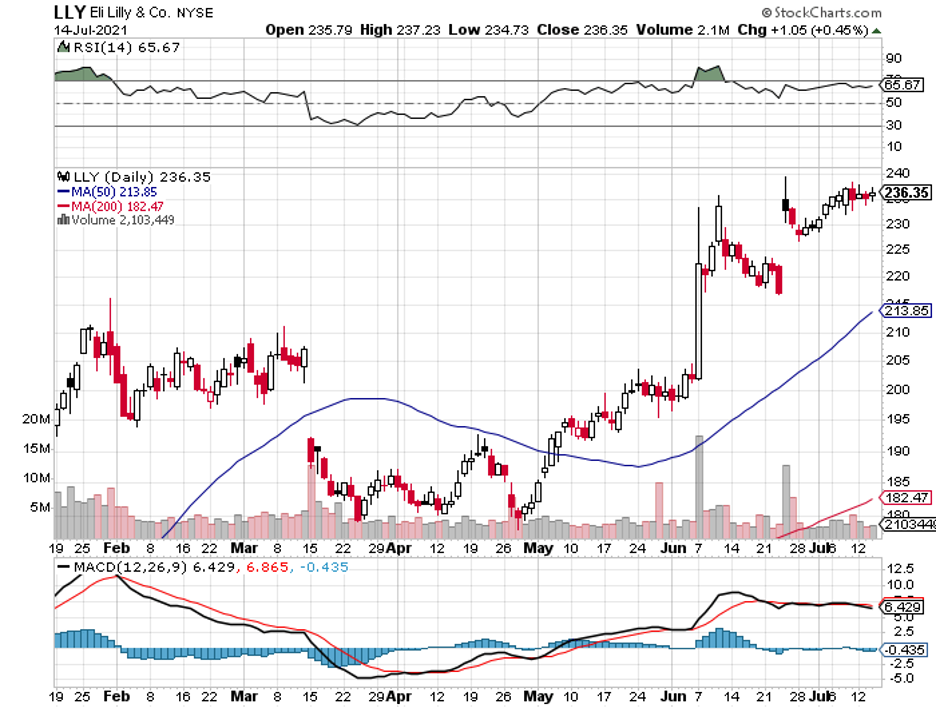
One such company is Eli Lilly (LLY).

The greatest strength of Eli Lilly is the way it handles its diverse pipeline. While it continues to expand its reach to cover more and more markets, the company also ensures that it doesn’t neglect its well-established niches.

For instance, Eli Lilly continues to boost its diabetes and obesity sector. One of the company’s most promising projects is a new drug called Tirzepatide, which targets these health conditions.

This is now undergoing Phase 3 clinical trials, and if successful, could rake in $7.8 billion in sales for Eli Lilly.

It’s also developing a once-a-week insulin, called Basal Insulin Fc, which would be administered to patients with Type 2 diabetes.

If approved, this would be a massive breakthrough considering that the patients typically need to take insulin daily.

Another effort to shore up its diabetes franchise is Eli Lilly’s decision to buy a next-generation biotechnology company called Protomer for a whopping $1 billion.

Although Protomer has only been in operations for six years, the private company has already developed incredible technology in the diabetes sector.

The most remarkable achievement it has so far is a platform that can create glucose-response insulins, which can sense the body’s sugar levels and then get activated automatically throughout the day.

Although this is still in its early stages, this technology could drastically reduce the risk of hypo- and hyperglycemia among diabetes patients.

Eli Lilly’s deal with Protomer follows in the footsteps of the leading diabetes company worldwide, Novo Nordisk (NVO), which also struck a similar agreement worth $800 million with another biotech startup in 2018.

Aside from diabetes and obesity, Eli Lilly has also been working on dominating in the Alzheimer’s disease space.

When the FDA granted Biogen’s (BIIB) Alzheimer candidate Aduhelm with accelerated approval, it also opened a door for Eli Lilly.

Even prior to this approval, Eli Lilly has already been working on its own candidates, Donanemab. What the Biogen approval provides is a higher chance of positive review for Eli Lilly’s candidate.

In fact, mere weeks after Aduhelm’s accelerated approval, Eli Lilly announced that it would submit an application for the same authorization by the end of 2021.

At this point, the treatment holds a Breakthrough Therapy designation from the FDA.

Given this, it’s presumably a shoo-in for approval soon, thereby adding a new growth driver to the company’s extensive arsenal.

Other than the two, Roche (RHHBY) is also expected to throw its hat in the ring with its Alzheimer’s candidate Gantenerumab.

Eli Lilly’s current lineup of products is definitely worth mentioning as well.

In the first quarter of 2021, the company’s revenue climbed by 16% year over year to hit $6.9 billion.

One of its top performers is its diabetes drug Trulicity, which recorded an 18% jump in sales to reach $1.5 billion.

In terms of its bottom line, Eli Lilly projects its adjusted earnings to increase between 15% and 18% year over year in 2021.

Looking at its financials, it’s clear that Eli Lilly’s current portfolio and pipeline are favorably positioned to deliver strong financial results year after year.

Although the company hasn’t exactly catapulted to unprecedented heights, it has shown stable and consistent growth as well as notable gross margins of over 70%.

It has consistently outperformed the markets in the past five years, climbing close to 200%.

This is the reason why regardless of the ups and downs of the market, investors can easily count on this stock to climb continuously in the long run.

Eli Lilly Company

https://madhedgefundtrader.com/wp-content/uploads/2019/05/cropped-mad-hedge-logo-transparent-192x192_f9578834168ba24df3eb53916a12c882.png 0 0 Mad Hedge Fund Trader https://madhedgefundtrader.com/wp-content/uploads/2019/05/cropped-mad-hedge-logo-transparent-192x192_f9578834168ba24df3eb53916a12c882.png Mad Hedge Fund Trader2021-07-15 15:00:472021-07-24 22:56:43A Safe Stock to Buoy Up Your Portfolio
Mad Hedge Fund Trader

June 8, 2021

Biotech Letter


Mad Hedge Biotech & Healthcare Letter
June 8, 2021
Fiat Lux

FEATURED TRADE:

(THE BIGGEST NEWS IN BIOTECH TODAY)
(BIIB), (ESALY), (LLY), (RHHBY), (DNLI), (SRPT), (IONS), (ICPT), (SAVA), (ANVS), (CI), (CVS)

https://madhedgefundtrader.com/wp-content/uploads/2019/05/cropped-mad-hedge-logo-transparent-192x192_f9578834168ba24df3eb53916a12c882.png 0 0 Mad Hedge Fund Trader https://madhedgefundtrader.com/wp-content/uploads/2019/05/cropped-mad-hedge-logo-transparent-192x192_f9578834168ba24df3eb53916a12c882.png Mad Hedge Fund Trader2021-06-08 15:02:392021-06-08 16:52:41June 8, 2021
Mad Hedge Fund Trader

The Biggest News in Biotech Today

Biotech Letter

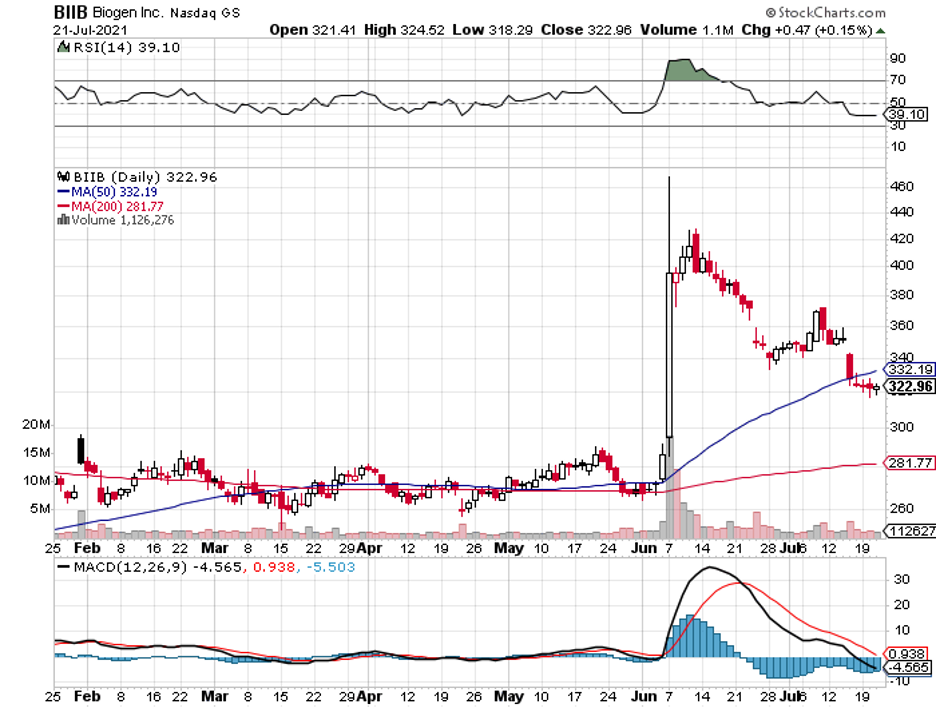
It’s not typical for stock market news to alter the lives of millions of people across the globe, but this is what Biogen (BIIB) managed to accomplish this week.

The company received accelerated approval from the US Food and Drug Administration (FDA) for its controversial Alzheimer’s disease treatment, Aducanumab.

The drug, which is now marketed as Aduhelm, marks a potential breakthrough medication for over 6 million Americans suffering from the debilitating illness and to possibly billions all worldwide.  

Basically, Aduhelm targets what Biogen calls “a defining pathology of the disease” by decreasing the amyloid beta plaque levels in the brains of patients suffering from Alzheimer’s disease.

Biogen shares spiked by roughly 60% following the Aduhelm news, with the pop in the biotechnology stock even more impressive than what was initially predicted.

This latest FDA approval also brings a ray of hope for the biotechnology industry.

Biotech shares have been in a slump this year, with the SPDR S&P Biotech ETF (XBI) falling by 9.2% thus far.

Potential second-order effects of the Biogen win can easily be seen in other developers of Alzheimer’s disease treatments.

Although the moves may not be as dramatic as Biogen’s, several biotech companies benefited from the good news.

Directly benefiting from it is Japanese drugmaker Eisai (ESALY), which has been working with Biogen on Alzheimer’s disease treatment. This company’s American depository receipts climbed by 48.2% after the news broke.

Eli Lilly (LLY), which is also working on its own Alzheimer’s therapy, saw its shares go up 9.3%.

Even Roche (RHHBY), which is still in the early stages of its development of a similar treatment, enjoyed a 1.6% increase, while an under-the-radar biotech company, Denali Therapeutics (DNLI), experienced a 7.8% increase.

Other smaller companies that benefited from Biogen’s news include Sarepta Therapeutics (SRPT), Ionis Pharmaceuticals (IONS), Intercept Pharmaceuticals (ICPT), Cassava Sciences (SAVA), and Annovis Bio (ANVS).

In terms of pricing, Aduhelm is estimated to cost $56,000 per year.

Although there is still no definite number in terms of how much Aduhelm could generate in sales for the company, there have been early estimates prior to this news.

Before this accelerated approval, Aduhelm was projected to add at least $16 billion in market capitalization to Biogen.

If successful, the drug can contribute a minimum of $10 billion in sales annually—a performance that would make Aduhelm one of the best-selling drugs of all time. 

At this price point as well, the drug could peak at $5.7 billion by 2027.

Understanding that the cost is too high for some, Biogen has been working on establishing partnerships with healthcare and insurance companies to help patients cover the expenses.

So far, Biogen has been negotiating with Cigna (CI) to come up with terms to make Aduhelm available to Alzheimer’s patients via a value-based contract.

That is, the pricing will be assessed based on how responsive the patient will be to the treatment.

Biogen has also been working on collaborating with CVS Health (CVS) to develop more efficient ways to implement cognitive screenings in urban markets.

The two companies have been looking into boosting testing within underserved communities to improve early diagnosis, with the project commencing by September.

Some cities included in this initiative are Washington, D.C., Los Angeles, Dallas, Chicago, South Carolina, Atlanta, New York, Detroit, and Philadelphia.

Biogen has finally regained its momentum thanks to this accelerated and unprecedented approval.

That means we can expect Biogen to leverage this massive revenue stream to round out the rest of its programs and boost its R&D, as well as possibly compensating its shareholders with share buybacks and even dividends in the second half of this decade.


aduhelm

https://madhedgefundtrader.com/wp-content/uploads/2019/05/cropped-mad-hedge-logo-transparent-192x192_f9578834168ba24df3eb53916a12c882.png 0 0 Mad Hedge Fund Trader https://madhedgefundtrader.com/wp-content/uploads/2019/05/cropped-mad-hedge-logo-transparent-192x192_f9578834168ba24df3eb53916a12c882.png Mad Hedge Fund Trader2021-06-08 15:00:312021-06-13 15:27:16The Biggest News in Biotech Today
Mad Hedge Fund Trader

April 15, 2021

Biotech Letter

Mad Hedge Biotech & Healthcare Letter
April 15, 2021
Fiat Lux

FEATURED TRADE:

(BET ON THIS BIOTECH STALWART)
(BIIB), (LLY), (RHHBY), (SAGE)

https://madhedgefundtrader.com/wp-content/uploads/2019/05/cropped-mad-hedge-logo-transparent-192x192_f9578834168ba24df3eb53916a12c882.png 0 0 Mad Hedge Fund Trader https://madhedgefundtrader.com/wp-content/uploads/2019/05/cropped-mad-hedge-logo-transparent-192x192_f9578834168ba24df3eb53916a12c882.png Mad Hedge Fund Trader2021-04-15 16:04:252021-04-15 16:27:54April 15, 2021
Mad Hedge Fund Trader

Bet On This Biotech Stalwart

Biotech Letter

Biogen’s (BIIB) move to develop the first approved treatment for Alzheimer’s disease remains the biggest story in the biotechnology industry.

Now, we’re down to the waiting part of the process as the US Food and Drug Administration reviews the drug, Aducanumab.

If successful, then Aducanumab could generate a whopping $12 billion in peak sales.

The approval could also push Biogen stock up to $400. Meanwhile, a failure could let it spiral to $200.

Aside from the United States, Biogen has also applied for approval in Europe and Japan.

Apart from Aducanumab, Biogen has another Alzheimer’s disease treatment candidate, Gosuranemab.

For comparison, Aducanumab targets the amyloid plaque in the brain while Gosuranemab targets another kind of brain protein, called tau. This candidate is currently undergoing a Phase 2 trial, with results expected to be released by June this year.

While there’s still not much to go on in terms of the efficacy of Gosuranemab, positive data from its study is estimated to push Biogen stock to reach into the $350 ballpark if we base it on previous movements involving Aducanumab.

Although Biogen is definitely the face of the race to find an approved treatment for Alzheimer’s disease, it’s not alone.

To date, its strongest competitors are Eli Lilly (LLY) with Donanemab and Roche (RHHBY) with Gantenerumab.

Outside its Alzheimer’s disease programs, Biogen has been working with Sage Therapeutics (SAGE) on another potential blockbuster.

The two companies have been developing a depression drug, Zuranolone, and the data so far have offered promising results.

Like Gosuranemab, Biogen expects data on the study in the first half of 2021 as well.

If the study on Zuranolone turns out positive results, then Biogen shares are projected to jump by as much as $72.

While all these are promising, less aggressive investors may not find Biogen a suitable investment at this point. Evidently, the stock brings with it a lot of risks.

Aside from the uncertainty of its Alzheimer’s programs, there’s also the ongoing patent battle involving one of its top-selling drugs, multiple sclerosis treatment Tecfidera.

When the company lost its patent exclusivity, the FDA started to approve generic versions of Tecfidera.

This is a major concern for Biogen since Tecfidera is a substantial revenue source.

For context, this drug generated $4.4 billion in sales in the US in 2019 alone. By 2020, sales dropped to $2.6 billion.

Now, sales for this drug are estimated to reach only $1.6 billion in 2021.

While Biogen appealed its loss of patent exclusivity, the company has already taken steps to continue benefiting from Tecfidera’s success.

An obvious effort is the launch of a newer and more potent multiple sclerosis drug, Vumerity.

To attract patients and retain its customers, Biogen has been marketing Vumerity as a more powerful and effective version of Tecfidera.

In terms of the uncertainty brought by Aducanumab, it’s true that gaining FDA approval would have the Biogen stock skyrocketing.

However, rejection won’t be as devastating to the stock. While shares are expected to fall if that happens, the suffering would be short-term.

In the long run, Vumerity will gradually gain traction and eventually reach the level of success of Tecfidera, while the rest of Biogen’s pipeline programs hold the potential to add to the company’s revenue stream.

After all, Biogen is one of the first names that comes to mind when you hear the word “biotech.”

Founded in 1978, this biotechnology company has amassed a market capitalization of more than $40 billion and multiplied its annual profit to over 200%.

While its gamble on finding a treatment for Alzheimer’s disease is a risk that not a lot of investors would be willing to take, Biogen still holds one of the most promising pipeline programs in the industry and a portfolio of existing drugs with notable potential.

Going forward, approval for Aducanumab would mean a massive year for shareholders of Biogen.

If not, then this is still a respectable company with strong rewards and worth investing in, especially if you buy the dips.

https://madhedgefundtrader.com/wp-content/uploads/2019/05/cropped-mad-hedge-logo-transparent-192x192_f9578834168ba24df3eb53916a12c882.png 0 0 Mad Hedge Fund Trader https://madhedgefundtrader.com/wp-content/uploads/2019/05/cropped-mad-hedge-logo-transparent-192x192_f9578834168ba24df3eb53916a12c882.png Mad Hedge Fund Trader2021-04-15 16:00:192021-04-20 00:27:54Bet On This Biotech Stalwart
Mad Hedge Fund Trader

March 2, 2021

Biotech Letter

Mad Hedge Biotech & Healthcare Letter
March 2, 2021
Fiat Lux

FEATURED TRADE:

(ANOTHER PLAYER JOINS THE ALZHEIMER’S DISEASE DRUG RACE)
(SAVA), (PFE), (HLUYY), (LLY), (AVXL), (CRTX), (BIIB), (GILD)

https://madhedgefundtrader.com/wp-content/uploads/2019/05/cropped-mad-hedge-logo-transparent-192x192_f9578834168ba24df3eb53916a12c882.png 0 0 Mad Hedge Fund Trader https://madhedgefundtrader.com/wp-content/uploads/2019/05/cropped-mad-hedge-logo-transparent-192x192_f9578834168ba24df3eb53916a12c882.png Mad Hedge Fund Trader2021-03-02 15:02:282021-03-02 16:20:27March 2, 2021
Page 8 of 13«‹678910›»

tastytrade, Inc. (“tastytrade”) has entered into a Marketing Agreement with Mad Hedge Fund Trader (“Marketing Agent”) whereby tastytrade pays compensation to Marketing Agent to recommend tastytrade’s brokerage services. The existence of this Marketing Agreement should not be deemed as an endorsement or recommendation of Marketing Agent by tastytrade and/or any of its affiliated companies. Neither tastytrade nor any of its affiliated companies is responsible for the privacy practices of Marketing Agent or this website. tastytrade does not warrant the accuracy or content of the products or services offered by Marketing Agent or this website. Marketing Agent is independent and is not an affiliate of tastytrade. 

Legal Disclaimer

There is a very high degree of risk involved in trading. Past results are not indicative of future returns. MadHedgeFundTrader.com and all individuals affiliated with this site assume no responsibilities for your trading and investment results. The indicators, strategies, columns, articles and all other features are for educational purposes only and should not be construed as investment advice. Information for futures trading observations are obtained from sources believed to be reliable, but we do not warrant its completeness or accuracy, or warrant any results from the use of the information. Your use of the trading observations is entirely at your own risk and it is your sole responsibility to evaluate the accuracy, completeness and usefulness of the information. You must assess the risk of any trade with your broker and make your own independent decisions regarding any securities mentioned herein. Affiliates of MadHedgeFundTrader.com may have a position or effect transactions in the securities described herein (or options thereon) and/or otherwise employ trading strategies that may be consistent or inconsistent with the provided strategies.

Copyright © 2026. Mad Hedge Fund Trader. All Rights Reserved. support@madhedgefundtrader.com
Scroll to top