• support@madhedgefundtrader.com
  • Member Login
Mad Hedge Fund Trader
  • Home
  • About
  • Store
  • Luncheons
  • Testimonials
  • Contact Us
  • Click to open the search input field Click to open the search input field Search
  • Menu Menu

Tag Archive for: (BIIB)

Mad Hedge Fund Trader

A Shift in Neuroscience Biotech

Biotech Letter

Industry experts typically describe mergers and acquisitions as the life force that propels the biotechnology and healthcare sector forward.

Based on that description, it’s safe to say that the segment’s health has plummeted, considering the sluggishness observed last year.

In 2021, the M&A of this industry had fallen to one of its lowest recorded levels in history.

During this period, the deals only amounted to $108 billion for the entire year. This number was approximately 40% of the total recorded in 2019.

Despite the sluggishness in 2021 and the relatively slow start in 2022, this year is still projected to push the would-be buyers into more aggressive action.

After all, several key products are facing patent expiration before this decade ends.

The list includes Big Pharma players like Pfizer (PFE), Bristol Myers Squibb (BMY), Merck (MRK), and Novartis (NVS).

This means that a massive deal might be on the horizon, pretty much when AbbVie (ABBV) executed its jaw-dropping $63 bill acquisition of Allergan in 2019 following its problems with generics competing against its blockbuster drug Humira.

Aside from patent protection concerns, another factor in play is the intense competition in lucrative research sectors such as immunology, neurology, rare diseases, and oncology.

Add to this the constant pressure of Congress to pull down drug prices, and it becomes apparent why companies—big or small—turn to mergers and acquisitions for survival.

Simply put, biotech and healthcare companies have no other choice but to be aggressive in looking for external innovation to secure the continuous transformation of their businesses.

On that note, I think there could be major acquisitions to be announced in 2022.

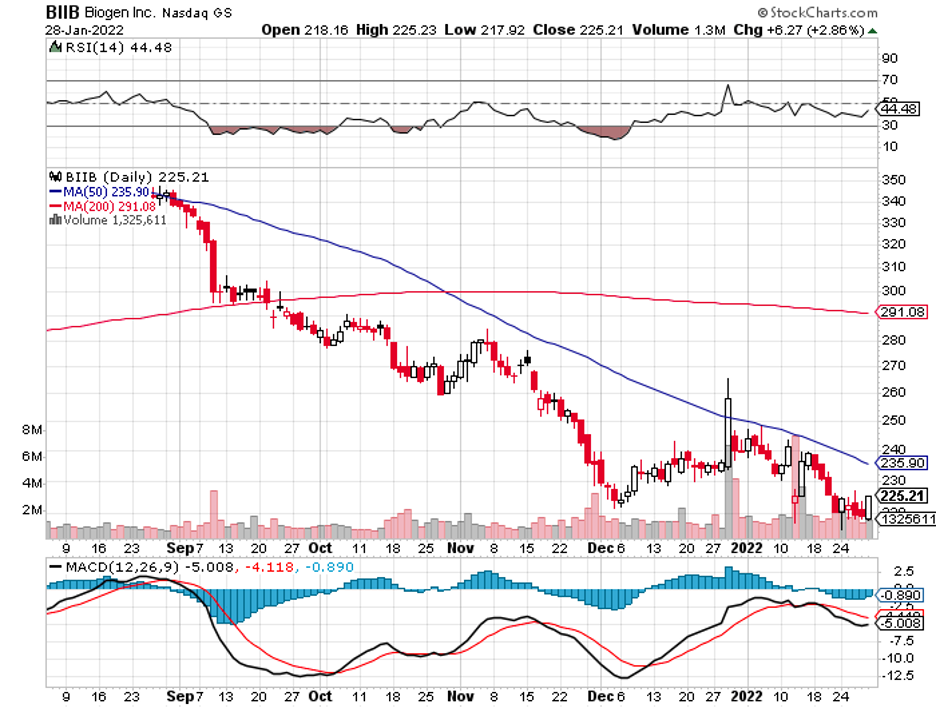
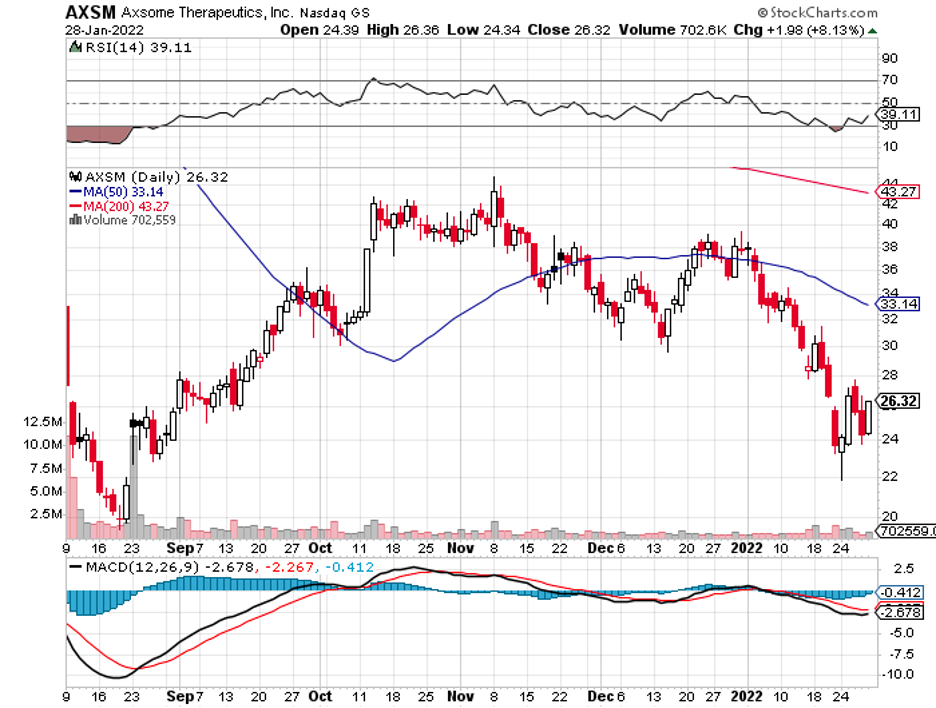
One deal I’m looking forward to is Biogen’s (BIIB) potential acquisition of Axsome Therapeutics (AXSM).

To remain competitive in the neuro stage, Biogen must keep up with the times—and a deal with Axsome might just be the solution.

Axsome’s size and price, with a market capitalization of $992 million, appear to be just the right fit for Biogen to gobble up.

More importantly, its portfolio is an excellent fit for Biogen. Both focus on neurological diseases, making their pipelines complementary to each other.

So far, Axsome has several leading candidates in the clinical stages.

One is AXS-05, which is a treatment for major depressive disorder (MDD).

Apart from MDD, this candidate is under late-stage review to target Alzheimer’s disease agitation.

In addition, Axsome is looking to advance AXS-05 in late-stage trials for smoking cessation therapy.

Needless to say, AXS-05 would go hand in hand with Biogen’s own approved, albeit controversial, Alzheimer’s drug Aduhelm.

Another promising candidate is AXS-07, a potential competitor of Pfizer and Novartis’ migraine medication. This drug has been submitted for FDA approval and might be launched by the second quarter of 2022.

There’s also AXS-12, which is a narcolepsy treatment candidate, and AXS-14, which is geared towards fibromyalgia. Both candidates are slated for FDA review by the third or fourth quarter of 2022.

For over 20 years, even the biggest and most powerful drug companies have stayed away from working on treatments specifically for the brain and central nervous system (CNS).

That’s not surprising considering the sheer number of failed programs in neuroscience, pushing drugmakers to believe that we still don’t have sufficient data on the subject, so the money might be better spent elsewhere. 

Nowadays, though, the CNS landscape is starting to shift.

GlaxoSmithKline (GSK) recently embarked on reviving its CNS program by striking a $700 million deal with a smaller biotechnology company called Alector.

Meanwhile, Pfizer and Novartis reached an agreement with Biohaven Pharmaceuticals for the latter’s migraine treatment and Parkinson’s drug.

Aside from these, Johnson & Johnson (JNJ), Eli Lilly (LLY), Roche (RHHBY), and Takeda (TAK) are anticipated to secure CNS-centered deals soon.

Despite the lower number of M&A deals last year, the volume of strategic collaborations in the neuroscience sector climbed by about 50% in 2021 compared to its 2020 performance.

By 2022, this space is projected to become even more investable, considering the number of biotechnology companies focusing on CNS. Watch out for blockbuster deals in this sector.
 

neuroscience


https://madhedgefundtrader.com/wp-content/uploads/2019/05/cropped-mad-hedge-logo-transparent-192x192_f9578834168ba24df3eb53916a12c882.png 0 0 Mad Hedge Fund Trader https://madhedgefundtrader.com/wp-content/uploads/2019/05/cropped-mad-hedge-logo-transparent-192x192_f9578834168ba24df3eb53916a12c882.png Mad Hedge Fund Trader2022-02-01 19:00:192022-02-08 20:01:22A Shift in Neuroscience Biotech
Mad Hedge Fund Trader

January 11, 2022

Biotech Letter

Mad Hedge Biotech and Healthcare Letter
January 11, 2022
Fiat Lux

Featured Trade:

(A GOOD STOCK TAINTED WITH CYNICISM)
(BIIB), (LLY), (RHHBY), (SAVA), (PRTA), (SAGE)

https://madhedgefundtrader.com/wp-content/uploads/2019/05/cropped-mad-hedge-logo-transparent-192x192_f9578834168ba24df3eb53916a12c882.png 0 0 Mad Hedge Fund Trader https://madhedgefundtrader.com/wp-content/uploads/2019/05/cropped-mad-hedge-logo-transparent-192x192_f9578834168ba24df3eb53916a12c882.png Mad Hedge Fund Trader2022-01-11 16:02:262022-01-11 16:59:21January 11, 2022
Mad Hedge Fund Trader

A Good Stock Tainted with Cynicism

Biotech Letter

Last year, talks that Samsung was in the process of making a $42 billion buyout bid for Biogen (BIIB) brought about a mixture of cynicism, hope, intrigue, and excitement over a potential agreement.

It was especially intriguing since the reported offer was roughly 20% more than Biogen's expected $35 billion projected value.

Eventually, this report was proven to be false.

But the mere fact that it garnered such traction and interest only highlighted Biogen’s seemingly debilitated state following their failure to deliver on a promised unprecedented motherlode following the controversial Alzheimer’s drug approval and lukewarm reception.

If you recall, experts expected Biogen’s Alzheimer’s drug, Aduhelm, to generate double-digit billions in sales considering its list price of approximately $50,000 annually and the roughly 5.8 million individuals diagnosed with the condition in the US alone.

Theoretically, Aduhelm’s addressable market was projected at $325 billion.

At that time, Aduhelm was anticipated to rake in at least $50 billion per annum—a projection that was reflected in the 55% increase in the company’s share price.

However, things didn’t go according to plan. Aduhelm’s accelerated FDA approval caused so much uproar that it eventually affected the drug’s marketability as well.

In an attempt to temper the protests, Biogen cut the cost of Aduhelm to almost half, with the drug priced at $28,000 annually instead of its original $50,000.

Despite this, the projected mega-blockbuster’s sales continued to disappoint, with its third-quarter earnings in 2021 only reaching a measly $300,000.

This January, though, Aduhelm might have a shot at saving redemption courtesy of a potential Medicare reimbursement scheme.

Ultimately, however, the decision to offer any form of reimbursement scheme will not only affect Biogen but all the Alzheimer’s disease treatments in the future. 

This is actually one of the critical points that many people missed when Aduhelm gained approval.

In focusing too much on the share price of Biogen, they appeared to have misinterpreted the true purpose of the FDA’s decision.

Granting an accelerated approval for Aduhelm did not mean that the FDA was handing the company a chance to generate double-digit billions in sales.

What the agency intended was to demonstrate support for Biogen's thesis regarding a potential Alzheimer’s therapy.

That is, you can slow down the patients’ cognitive decline by aiming to reduce the amyloid-beta levels in their brains.

The FDA’s decision has, in effect, opened the floodgates not only for Biogen’s Aduhelm, but for all the other biotechnology companies working on the same idea.

To date, the companies developing their own Alzheimer’s disease treatment include Eli Lilly (LLY) with Donanemab and Roche (RHHBY) with Gantenerumab.

Both are expected to release results within the year or early 2023.

Other names are Anavex Life Sciences (SAVA) and Prothena (PRTA).

Outside its Aduhelm efforts, Biogen has also been developing new treatments, as demonstrated by the $4 billion investment it made on its R&D last year.

One promising candidate that can deliver blockbuster sales is its major depressive disorder treatment Zuranolone, which is a collaboration with Sage Therapeutics (SAGE).

Meanwhile, Biogen is also working with Ionis (IONS) to develop a successor for its spinal muscular atrophy treatment Spinraza.

Since this top-selling drug is expected to lose patent protection in 2023, the company has spent $60 million to come up with a new and more potent version: BIIB115.

For context, Spinraza recorded more than $2 billion in sales in 2021.

At this point, investor sentiment on the company has stooped at an incredibly low level. Unfortunately, the weak rollout of its Alzheimer’s treatment has planted suspicions regarding Biogen’s entire pipeline.

However, I think this kind of pessimism is quite misguided.

While the reality is that Aduhelm may never achieve the mega-blockbuster status it was once believed to reach, the situation shouldn’t necessarily diminish the truth that Biogen is actually performing quite well—and it will continue to do just fine.


biogen aduhelm

https://madhedgefundtrader.com/wp-content/uploads/2019/05/cropped-mad-hedge-logo-transparent-192x192_f9578834168ba24df3eb53916a12c882.png 0 0 Mad Hedge Fund Trader https://madhedgefundtrader.com/wp-content/uploads/2019/05/cropped-mad-hedge-logo-transparent-192x192_f9578834168ba24df3eb53916a12c882.png Mad Hedge Fund Trader2022-01-11 16:00:402022-01-21 16:05:12A Good Stock Tainted with Cynicism
Mad Hedge Fund Trader

November 23, 2021

Biotech Letter

Mad Hedge Biotech and Healthcare Letter
November 23, 2021
Fiat Lux

Featured Trade:

 (ALTERNATIVE ALZHEIMER’S DISEASE STOCKS FOR RISK TAKERS)
(BIIB), (SAVA), (AVXL), (BCRX)

https://madhedgefundtrader.com/wp-content/uploads/2019/05/cropped-mad-hedge-logo-transparent-192x192_f9578834168ba24df3eb53916a12c882.png 0 0 Mad Hedge Fund Trader https://madhedgefundtrader.com/wp-content/uploads/2019/05/cropped-mad-hedge-logo-transparent-192x192_f9578834168ba24df3eb53916a12c882.png Mad Hedge Fund Trader2021-11-23 17:02:132021-11-23 17:41:16November 23, 2021
Mad Hedge Fund Trader

Alternative Alzheimer's Disease Stock for Risk-Takers

Biotech Letter

Alzheimer’s disease is one of the most debilitating conditions not only for the patients, but also for their families.

This disease also comes with high costs at $290 billion in annual spending.

More alarmingly, over 6 million people are suffering from Alzheimer’s disease in the United States alone — and this number is expected to keep rising in the coming years.

The growing number of Alzheimer’s patients has resulted in an unmet need in the medical sector.

This demand was estimated to be worth $159 billion to $215 billion in 2010 and is expected to reach $379 billion to $500 billion by 2040.

Considering the burgeoning demand and the lucrative market, it comes as no surprise that several biotechnology and healthcare companies are focusing on coming up with treatments for Alzheimer’s disease.

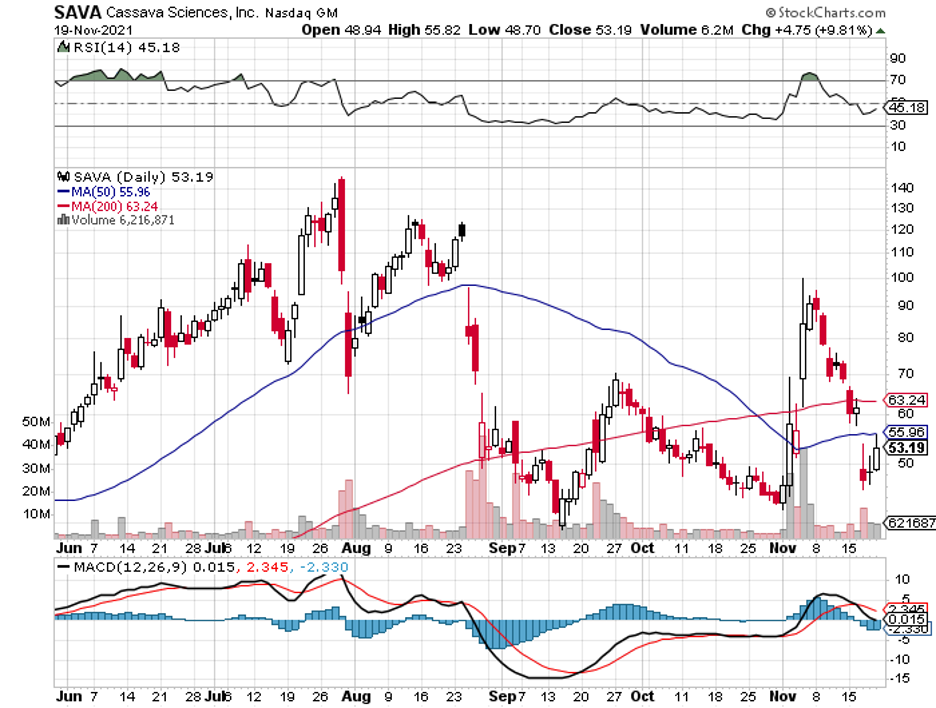
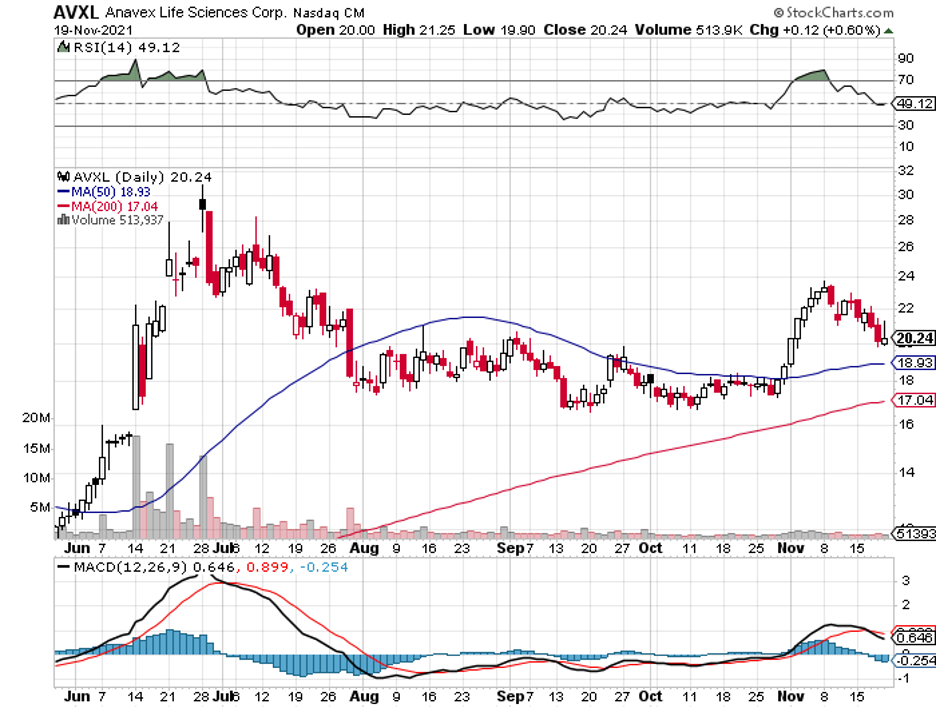
So far, the most notable names on the list are Biogen (BIIB), Cassava Sciences (SAVA), and Anavex Life Sciences (AVXL).

In terms of market capitalization, Biogen is leaps and bounds away from the two with $37.78 billion. In comparison, Cassava Sciences has $2.13 billion while Anavex has $1.53 billion.

Hence, it’s incredibly tempting to simply declare Biogen as the runaway frontrunner in this contest.

The fact that the company’s Alzheimer’s disease treatment, Aduhelm, received an FDA approval obviously pushes it further ahead as well.

Meanwhile, its closest competitor Cassava Sciences’ Simufilam has yet to commence with its Phase 3 clinical trial.

However, it’s too soon to discount the competition.

Aside from Cassava Sciences’ work on an Alzheimer’s disease treatment, this smaller biotechnology company is also working on another potential blockbuster product that goes hand in hand with Simufilam: SavaDx.

Basically, SavaDx is developed as a blood-based diagnostic test targeting Alzheimer’s disease.

The goal of this product is pretty straightforward: to detect the disease long before its symptoms manifest.

This is a remarkable idea since it could offer potential patients the opportunity to aggressively seek treatment early on when the odds of achieving a successful intervention against Alzheimer’s disease are at their peak.

Long term, SavaDx could be instrumental in segmenting the patient population, which means medical professionals can develop more target-specific treatments to address the needs of every subpopulation more effectively.

Apart from Cassava Sciences, the emergence of Anavex Life Sciences in the neurological disorder space has been embraced by investors as well.

Anavex’s candidate, ANAVEX 2-73, doesn’t concentrate solely on Alzheimer’s disease.

It’s also developed as a potential treatment for Rett syndrome and Parkinson’s Disease Dementia (PDD).

While ANAVEX 2-73 has yet to gain regulatory approval, the positive results from the trials have boosted the company’s share price by 4-fold since 2020.

Considering the slowly crowding space of Alzheimer’s disease, Anavex’s move to pursue Rett Syndrome is an excellent strategy. 

Rett Syndrome is a severe neurological condition that typically affects girls. Most cases are triggered by a gene mutation necessary for the development of brain nerves.

Thus far, the FDA has granted ANAVEX 2-73 with the fast track and orphan drug designation, particularly for its Rett Syndrome indication.

In terms of the market opportunity for Rett Syndrome, ANAVEX 2-73 could rake in $1 billion annually for this indication alone.

At the moment, there are roughly 11,000 Rett Syndrome patients in the US.

Given its status, ANAVEX 2-73’s pricing is expected to follow the same trend as the other rare disease drugs, like BioCryst Pharmaceuticals’ (BCRX) angioedema treatment Orladeyo which is priced at roughly $495,000 annually. 

This puts ANAVEX 2-73 in the $500,000 range each year.

Overall, both Cassava Sciences and Anavex offer compelling cases that make them attractive alternatives for speculative investors looking elsewhere for an Alzheimer’s disease stock.

Meanwhile, buy-and-hold investors might still find Biogen more appealing long term because it has a more diverse pipeline and an approved (albeit controversial) product in Aduhelm.


alzheimers


alzheimers


https://madhedgefundtrader.com/wp-content/uploads/2019/05/cropped-mad-hedge-logo-transparent-192x192_f9578834168ba24df3eb53916a12c882.png 0 0 Mad Hedge Fund Trader https://madhedgefundtrader.com/wp-content/uploads/2019/05/cropped-mad-hedge-logo-transparent-192x192_f9578834168ba24df3eb53916a12c882.png Mad Hedge Fund Trader2021-11-23 17:00:102021-12-04 00:52:30Alternative Alzheimer's Disease Stock for Risk-Takers
Mad Hedge Fund Trader

November 11, 2021

Biotech Letter

Mad Hedge Biotech and Healthcare Letter
November 11, 2021
Fiat Lux

Featured Trade:

(A HIGH-QUALITY DIVIDEND STOCK WITH MORE ROOM TO GROW)
(LLY), (INCY), (GILD), (ABBV), (PFE), (NVO), (BIIB)

https://madhedgefundtrader.com/wp-content/uploads/2019/05/cropped-mad-hedge-logo-transparent-192x192_f9578834168ba24df3eb53916a12c882.png 0 0 Mad Hedge Fund Trader https://madhedgefundtrader.com/wp-content/uploads/2019/05/cropped-mad-hedge-logo-transparent-192x192_f9578834168ba24df3eb53916a12c882.png Mad Hedge Fund Trader2021-11-11 16:02:022021-11-11 16:41:29November 11, 2021
Mad Hedge Fund Trader

A High-Quality Dividend Stock With More Room to Grow

Biotech Letter

Investors can enjoy long-term recurring income and stability with dividend stocks. However, paying out dividends is largely discretionary.

Each business frequently determines whether it’s in a good position to hand out part of its profits to shareholders.

One method to assess a dividend’s safety is reviewing a company’s history and whether it makes regular payouts. The longer its track record shows a consistent payment, the more preferable the business.

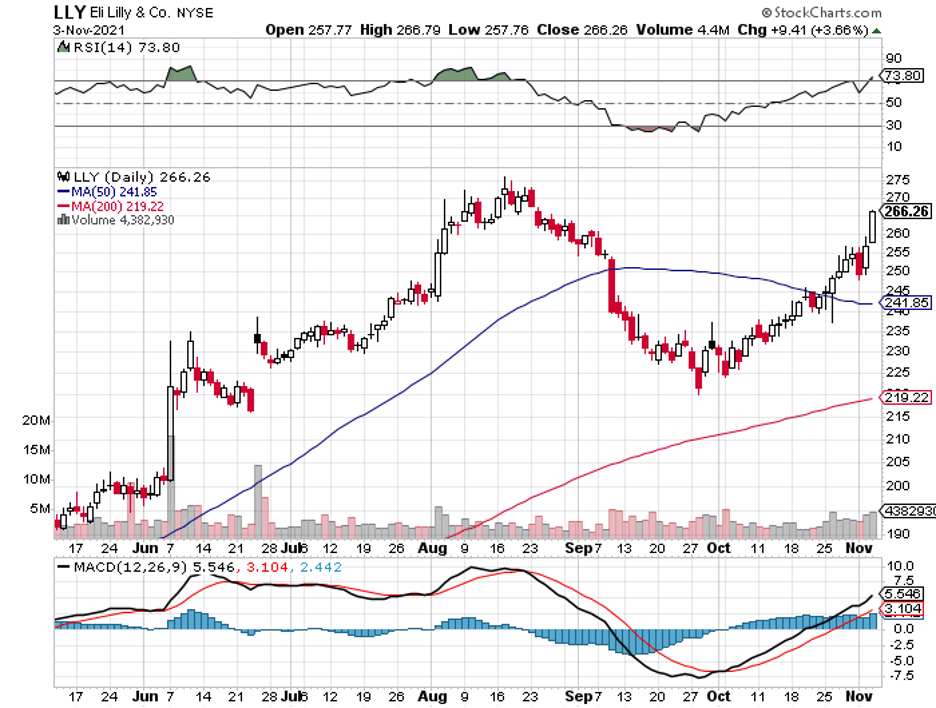
There’s a stock particularly known for paying dividends every year for over a century in the biotechnology and healthcare sector: Eli Lilly (LLY).

While Eli Lilly’s dividend yield is only 1.5% at its current share price, which is a bit over the S&P 500’s average reported at less than 1.3%, the company has been paying out dividends since 1885.

Apart from its consistent payouts throughout the years, Eli Lilly also holds promising potential for future hikes.

At the moment, the quarterly payout of Eli Lilly is $0.85, which is 75% higher than its 2015 payout of $0.49.

This number can still climb thanks to its robust revenue growth of 19.2% year over year, with its current approved drug portfolio generating $13.55 billion in the first six months of 2021.

In the first two quarters of the year alone, several products recorded year-over-year sales growth of over 20%.

Eli Lilly isn’t content in growing its dividend, though. It’s also working on expanding its drug portfolio.

Among its existing drugs, the company has been maximizing Olumiant to include more indications.

One of the recent advancements involving Olumiant is Eli Lilly’s work with Incyte (INCY), which utilizes the drug as a treatment for COVID-19 patients.

In fact, the FDA has recently approved the use of Olumiant with or without the need to combine it with Gilead Sciences (GILD) Remdesivir.

However, Olumiant’s application as a COVID-19 treatment isn’t the most promising expansion for this drug.

Just recently, Eli Lilly and Incyte disclosed that Olumiant could be used as a treatment for an autoimmune disorder more commonly known as alopecia areata—an indication that could very well transform the drug into the company’s next blockbuster.

In a nutshell, Olumiant can help alopecia patients regrow their hair at a more rapid speed and consistent rate than other competitors.

So far, the drug has recorded an 80% hair growth among those who tested it.

In the previous months, the FDA included Olumiant and AbbVie’s (ABBV) Rinvoq in the list of JAK inhibitors that needed to carry a warning label sharing their severe potential side effects like blood clots and even cancer.

Despite this, Eli Lilly’s product proved to be safe for alopecia patients.

If approved for alopecia, Olumiant could become a groundbreaking treatment sought after by roughly 147 million people across the globe who suffer from the condition.

For context, the global market for alopecia is projected to grow in revenue from $ 7.6 billion in 2020 to reach over $ 14.2 billion by 2028 annually.

Alopecia areata, which is the target market of Eli Lilly, is expected to hold about 35% of the total. This puts the addressable market for Olumiant at $5 billion by 2028.

Considering that another name has been working to dominate the market, Pfizer’s (PFE) Cibingo, we can realistically assume that Eli Lilly will get at least 15% of the market share worldwide.

This would mean roughly $750 million in yearly revenue for Olumiant’s alopecia market alone.

Other than its work on alopecia areata, Eli Lilly has another potential blockbuster. This time, the treatment is targeting the diabetes sector.

The company has an up-and-coming treatment called Tirzepatide, which could not only expand Eli Lilly’s diabetes market share but also provide a strong competitor against Novo Nordisk’s (NVO) top-selling Ozempic.

Tirzepatide is the successor of Eli Lilly’s bestseller Trulicity, which logged $2.99 billion in the first half of 2021 and is set to lose patent protection by 2027.

Looking at Tirzepatide’s trajectory, the drug is projected to reach peak annual sales worth $10 billion—an amount that could easily offset the gradual decline in sales by Trulicity.

Even the company’s breast cancer drug, Verzenio, is set to show off impressive growth soon. In the first half of 2021, the treatment raked in $610 million in sales, demonstrating a 53.8% increase year-over-year.

Considering Eli Lilly’s efforts to distinguish its breast cancer treatment from Pfizer’s Ibrance, Verzenio is anticipated to generate $4.6 billion in annual sales by 2024.

Another exciting development is Eli Lilly’s Alzheimer’s disease treatment Donanemab.

Although Phase 3 data are expected to be released in 2023, this candidate is already reported to be a superior treatment than Biogen’s (BIIB) controversial Aduhelm.

These are some of the results of Eli Lilly’s efforts to continue expanding in the diabetes area, as seen in its ramped-up R&D spending.

So far, the company boosted its research investment by 21% year-over-year to reach $3.36 billion.

While doing this isn’t exactly a guarantee of commercial success, it’s undoubtedly a solid strategy to protect and enhance its pipeline.

Overall, Eli Lilly is a high-quality stock with a verifiable and impressive history of innovation.

Given the promising lineup of approved drugs and pipeline candidates of Eli Lilly, it’s reasonable to expect roughly a 15% yearly earnings growth from the company over the next 5 years.


eli lilly stock

https://madhedgefundtrader.com/wp-content/uploads/2019/05/cropped-mad-hedge-logo-transparent-192x192_f9578834168ba24df3eb53916a12c882.png 0 0 Mad Hedge Fund Trader https://madhedgefundtrader.com/wp-content/uploads/2019/05/cropped-mad-hedge-logo-transparent-192x192_f9578834168ba24df3eb53916a12c882.png Mad Hedge Fund Trader2021-11-11 16:00:562021-11-19 20:22:27A High-Quality Dividend Stock With More Room to Grow
Mad Hedge Fund Trader

October 14, 2021

Biotech Letter

Mad Hedge Bitcoin Letter
October 14, 2021
Fiat Lux

Featured Trade:

(WHAT’S NEW IN BIOTECH)
(CGTX), (BIIB), (LLY), (ABBV), (NVS), (TAK), (PYXS), (PFE),
(AZN), (GILD), (GSK), (IMGN), (ISO), (TMO), (BIO)

https://madhedgefundtrader.com/wp-content/uploads/2019/05/cropped-mad-hedge-logo-transparent-192x192_f9578834168ba24df3eb53916a12c882.png 0 0 Mad Hedge Fund Trader https://madhedgefundtrader.com/wp-content/uploads/2019/05/cropped-mad-hedge-logo-transparent-192x192_f9578834168ba24df3eb53916a12c882.png Mad Hedge Fund Trader2021-10-14 16:02:552021-10-14 16:34:09October 14, 2021
Mad Hedge Fund Trader

What's New in Biotech

Biotech Letter

As the biotechnology world is ever-evolving, with several companies going public every few months, let me share some of the most promising names that recently emerged.

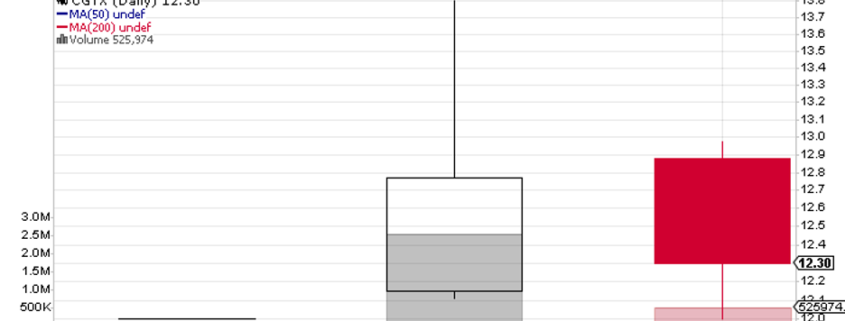
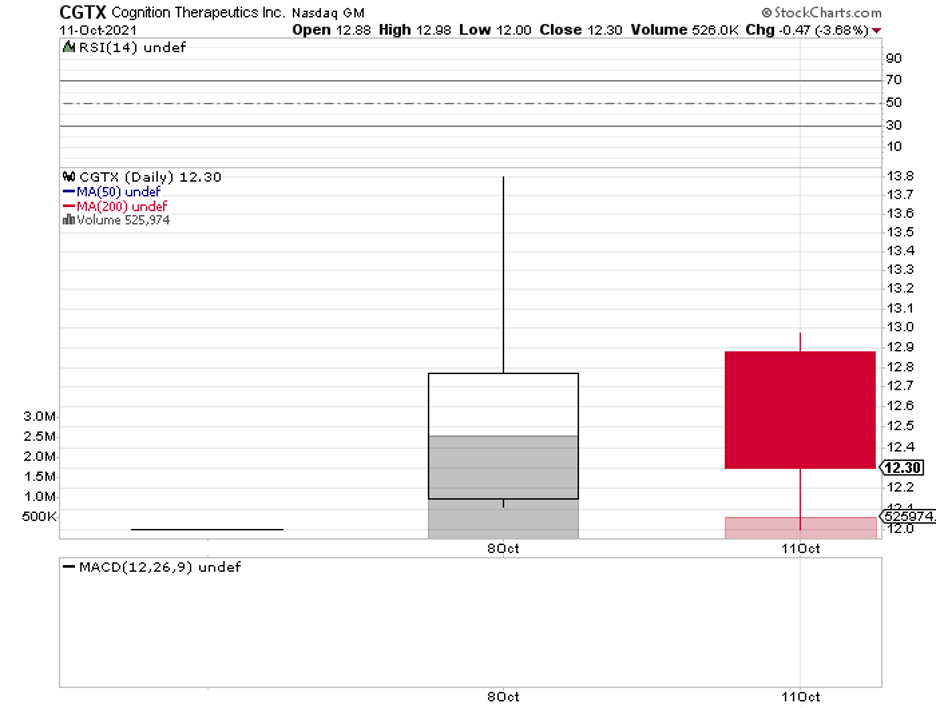
The first is Cognition Therapeutics (CGTX), a company working on treatments for Alzheimer’s disease and macular degeneration.

Its most promising candidate is an Alzheimer’s treatment called CT1812, which is currently under Phase 2 trials. Looking at the timeline, CGTX expects to release topline data by 2023.

With the expected growth of the aging population, focusing on treating various forms of Alzheimer’s is a promising direction for Cognition Therapeutics.

In fact, the global market for this neurodegenerative disease is projected to grow from $2.9 billion in 2018 to a whopping $10.5 billion by 2025.

So far, the major competitors of Cognition Therapeutics in this area include Biogen (BIIB), Eli Lilly (LLY), AbbVie (ABBV), Novartis (NVS), and Takeda (TAK).

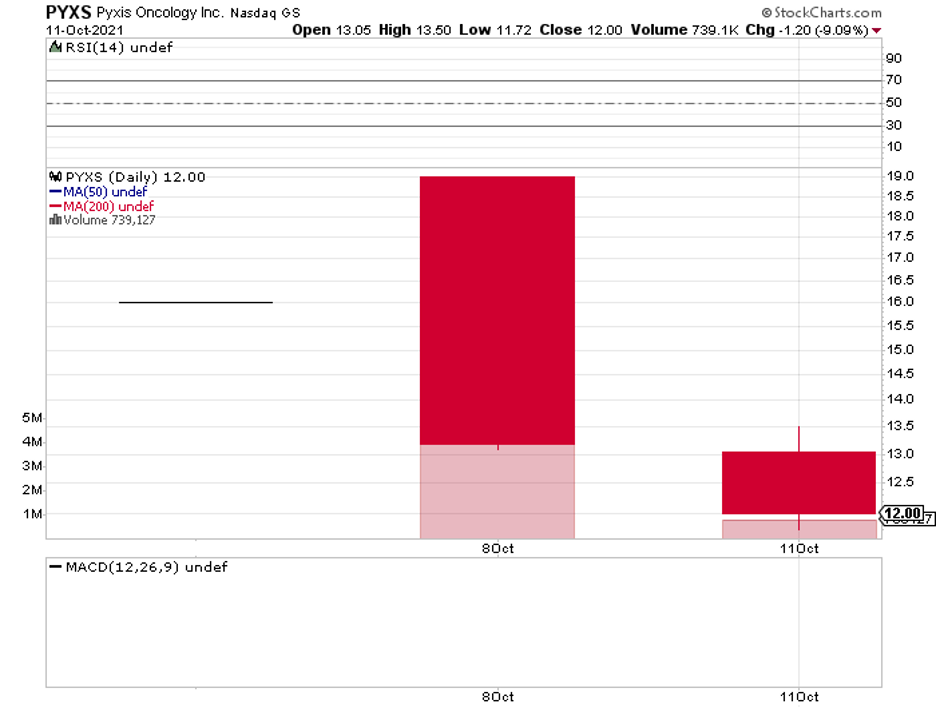
The second promising biotech company is Pyxis Oncology (PYXS), which is a spinoff from Pfizer (PFE).

Pyxis is focused on developing next-generation treatments targeting difficult-to-treat types of cancer.

Basically, the company’s goal is to create therapies that can directly kill tumor cells. It also wants to get rid of the underlying problems that lead to the uncontrollable spread of tumors and the weakening of the immune system.

To do this, Pyxis has come up with novel antibody drug conjugate (ACT) candidates and other monoclonal antibody (mAb) pipelines.

Its lead candidate is called ADC PYX-201, a potential treatment for non-small cell lung cancer and breast cancer.

The goal of ADC PYX-201 is to target actively multiplying tumors while boosting the immune response of the patient’s body. Pyxis plans to submit it as a non-small cell lung cancer treatment candidate by mid-2022.

If approved, then ADC PYX-201 will be under patent protection until 2037.

This holds great potential for Pyxis’ cashflow, as the market for non-small cell lung cancer worldwide is anticipated to rise from $6.2 billion in 2016 to over $12 billion by 2025.

With this potential of ADC treatments, Pyxis can expect competition from the likes of AstraZeneca (AZN), Gilead Sciences (GILD), GlaxoSmithKline (GSK), and ImmunoGen (IMGN).

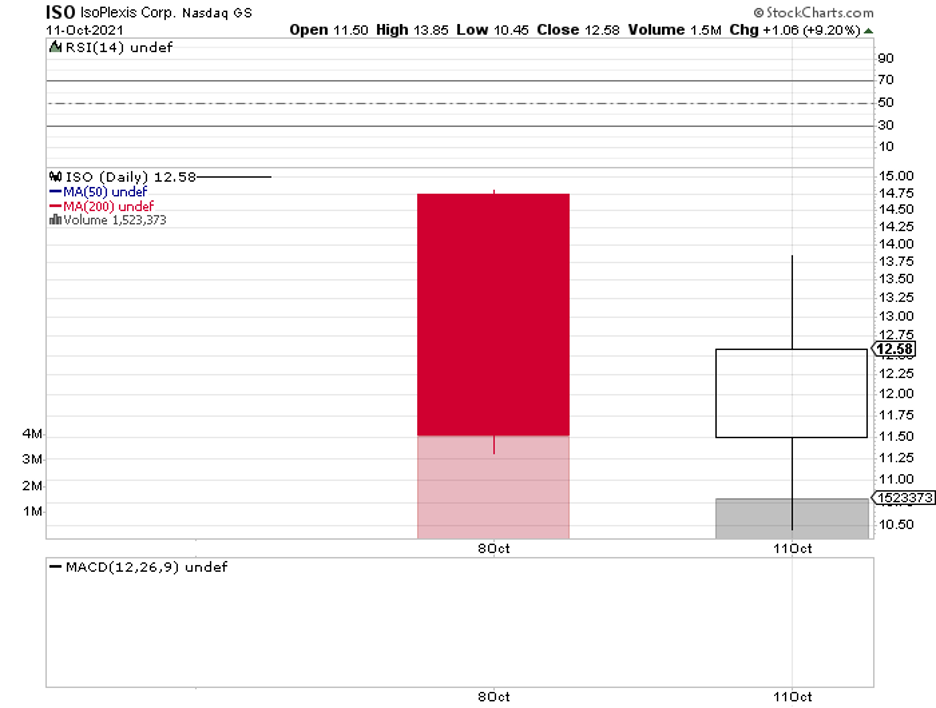
The last name on today’s list is IsoPlexis Corporation (ISO).

This company is the first to focus on dynamic proteomics and single-cell biology in an effort to develop “walk-away automation” products that aid in shortening the therapeutic development timelines by acquiring “multiplexed proteomics with very low sample volumes that reflect in vivo biology to clarify lead candidates.”

In layman’s terms, IsoPlexis is working on a technology that aims to identify every protein in the body to speed up the development of new therapies for rare diseases.

This is a lucrative business, with IsoPlexis targeting at least $34 billion in the total addressable market.

Considering that IsoPlexis is a pioneer in this field, it is possible for it to gain the lion’s share of the segment and position itself as an undisputed leader for years.

More importantly, IsoPlexis can use its patented technology, “Proteomic Barcoded,” to expand the use cases to cover other lucrative markets.

For example, IsoPlexis can apply its technology to cancer immunology and targeted oncology by predicting the progression of cancer cells in the body.

Adding cell therapies to the company’s pipeline is also a very realistic possibility since its technology can be utilized to create CAR-T cell therapies as well.

In fact, IsoPlexis’ approach is already being used in developing treatments for leukemia and melanoma.

Another profitable avenue for IsoPlexis’ technology is the vaccines sector.

Since the development of vaccines requires profiling the responses of the respiratory and immune systems, the company’s data would accelerate the entire process.

So far, the major rivals of IsoPlexis in this space include Thermo Fisher Scientific (TMO) and Bio Rad Laboratories (BIO).

While all these biotech companies offer promising products and technologies, they’re all still in the early stages of development.

This makes them high-risk investments and are likely suitable for those who are willing to invest in the long term.

For those who want to see movement faster and sooner, it might be best to watch these stocks from the sidelines.


promising biotech


promising biotech


https://www.madhedgefundtrader.com/wp-content/uploads/2021/10/cgtx-oct14.png 708 936 Mad Hedge Fund Trader https://madhedgefundtrader.com/wp-content/uploads/2019/05/cropped-mad-hedge-logo-transparent-192x192_f9578834168ba24df3eb53916a12c882.png Mad Hedge Fund Trader2021-10-14 16:00:502021-10-20 14:07:39What's New in Biotech
Mad Hedge Fund Trader

September 2, 2021

Biotech Letter


Mad Hedge Biotech & Healthcare Letter
September 2, 2021
Fiat Lux

FEATURED TRADE:

(BIOTECHS ARE OUT FOR BLOOD)
(BIIB), (LLY), (BAYRY), (NVS), (SNY)

https://madhedgefundtrader.com/wp-content/uploads/2019/05/cropped-mad-hedge-logo-transparent-192x192_f9578834168ba24df3eb53916a12c882.png 0 0 Mad Hedge Fund Trader https://madhedgefundtrader.com/wp-content/uploads/2019/05/cropped-mad-hedge-logo-transparent-192x192_f9578834168ba24df3eb53916a12c882.png Mad Hedge Fund Trader2021-09-02 13:02:392021-09-02 14:08:38September 2, 2021
Page 7 of 13«‹56789›»

tastytrade, Inc. (“tastytrade”) has entered into a Marketing Agreement with Mad Hedge Fund Trader (“Marketing Agent”) whereby tastytrade pays compensation to Marketing Agent to recommend tastytrade’s brokerage services. The existence of this Marketing Agreement should not be deemed as an endorsement or recommendation of Marketing Agent by tastytrade and/or any of its affiliated companies. Neither tastytrade nor any of its affiliated companies is responsible for the privacy practices of Marketing Agent or this website. tastytrade does not warrant the accuracy or content of the products or services offered by Marketing Agent or this website. Marketing Agent is independent and is not an affiliate of tastytrade. 

Legal Disclaimer

There is a very high degree of risk involved in trading. Past results are not indicative of future returns. MadHedgeFundTrader.com and all individuals affiliated with this site assume no responsibilities for your trading and investment results. The indicators, strategies, columns, articles and all other features are for educational purposes only and should not be construed as investment advice. Information for futures trading observations are obtained from sources believed to be reliable, but we do not warrant its completeness or accuracy, or warrant any results from the use of the information. Your use of the trading observations is entirely at your own risk and it is your sole responsibility to evaluate the accuracy, completeness and usefulness of the information. You must assess the risk of any trade with your broker and make your own independent decisions regarding any securities mentioned herein. Affiliates of MadHedgeFundTrader.com may have a position or effect transactions in the securities described herein (or options thereon) and/or otherwise employ trading strategies that may be consistent or inconsistent with the provided strategies.

Copyright © 2026. Mad Hedge Fund Trader. All Rights Reserved. support@madhedgefundtrader.com
Scroll to top